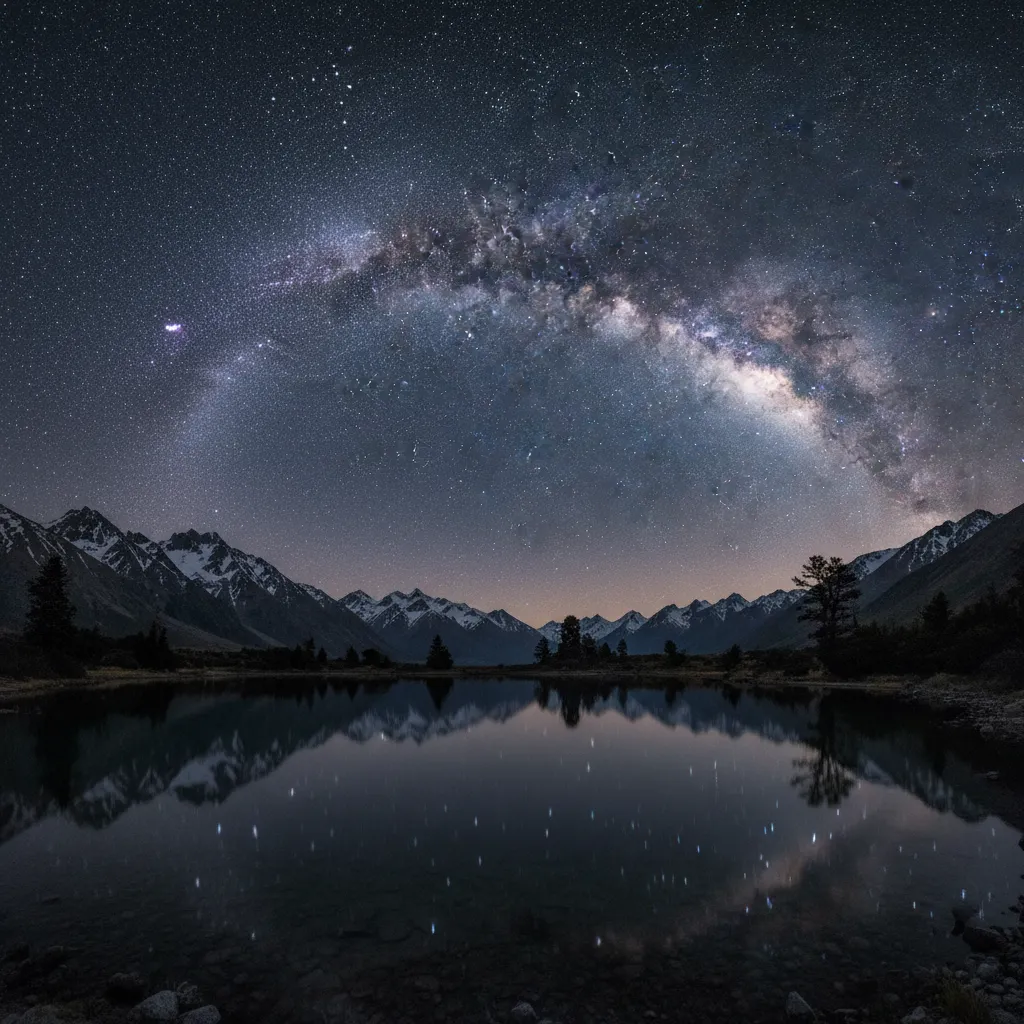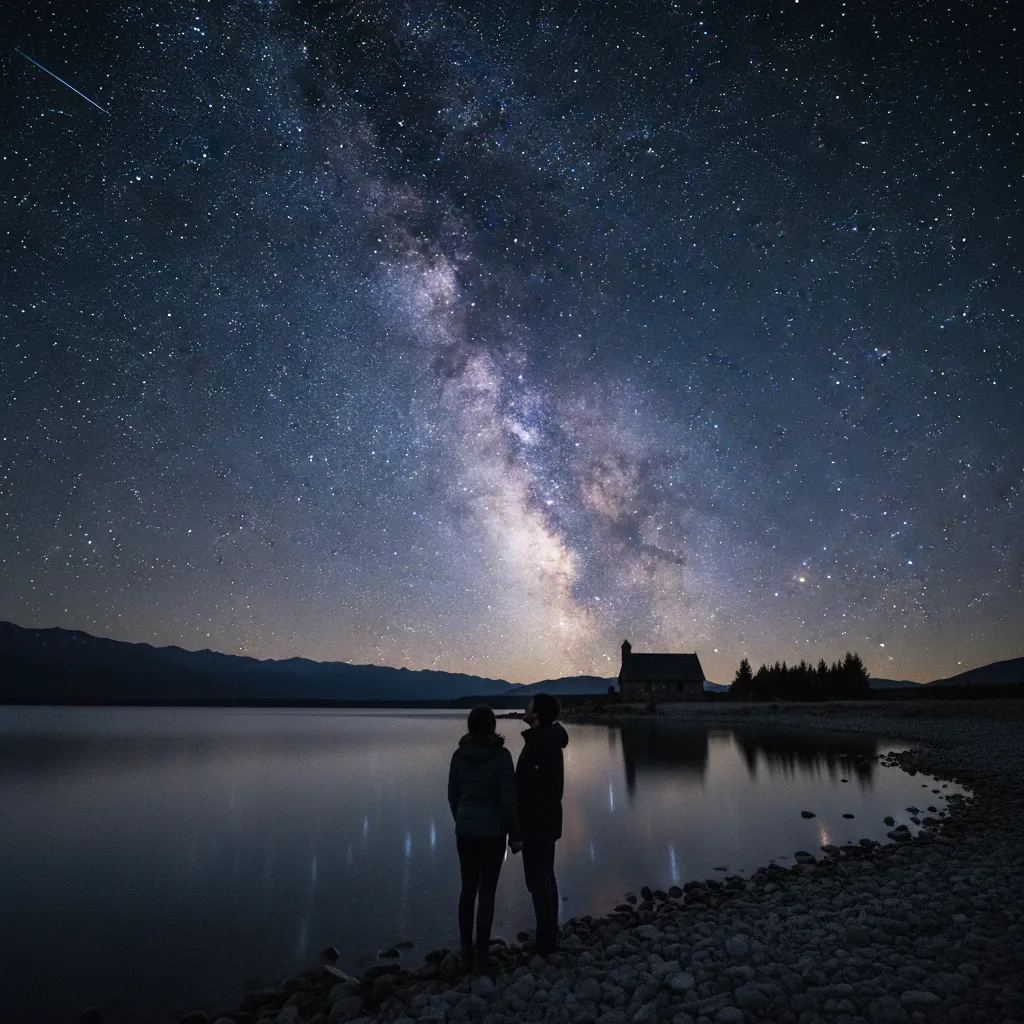
The 2025 New Zealand astronomical calendar is headlined by two spectacular Total Lunar Eclipses on March 14 and September 8, offering prime viewing for Kiwis. Other highlights include the Matariki rising in late June, the Eta Aquariid meteor shower in May, and exceptional visibility for Jupiter and Mars during their oppositions early in the year.
New Zealand remains one of the premier locations on Earth for astronomical observation. With its vast International Dark Sky Reserves and unique position in the Southern Hemisphere, 2025 promises to be a stellar year for amateur astronomers, astrophotographers, and casual stargazers alike. As Solar Cycle 25 reaches its predicted maximum, the potential for sighting the Aurora Australis (Southern Lights) is higher than it has been in decades.
This comprehensive guide details every major celestial event visible from Aotearoa in 2025, integrating modern astronomical data with the cultural significance of Maramataka, the traditional Māori lunar calendar.
Key Astronomical Dates for 2025
For those planning stargazing trips or photography sessions, the following calendar highlights the unmissable events of the year. Please note all dates are listed in New Zealand Daylight Time (NZDT) or New Zealand Standard Time (NZST) depending on the time of year.
- January 16: Mars at Opposition (Brightest and closest approach).
- January 20: Jupiter at Opposition.
- March 14: Total Lunar Eclipse (Blood Moon) – Visible across NZ.
- May 6: Eta Aquariid Meteor Shower Peak.
- June 20: Matariki Public Holiday (Pleiades cluster rising).
- September 8: Total Lunar Eclipse – Visible across NZ.
- September 21: Partial Solar Eclipse (Limited visibility in southern regions).
- October 17: Super Hunter’s Moon (Closest full moon of the year).
Lunar and Solar Eclipses 2025: Visibility from New Zealand
2025 is a remarkable year for lunar observation in Aotearoa. While solar eclipses will be elusive, the moon takes center stage with two total eclipses fully visible from the country.
What is the March 14 Total Lunar Eclipse?
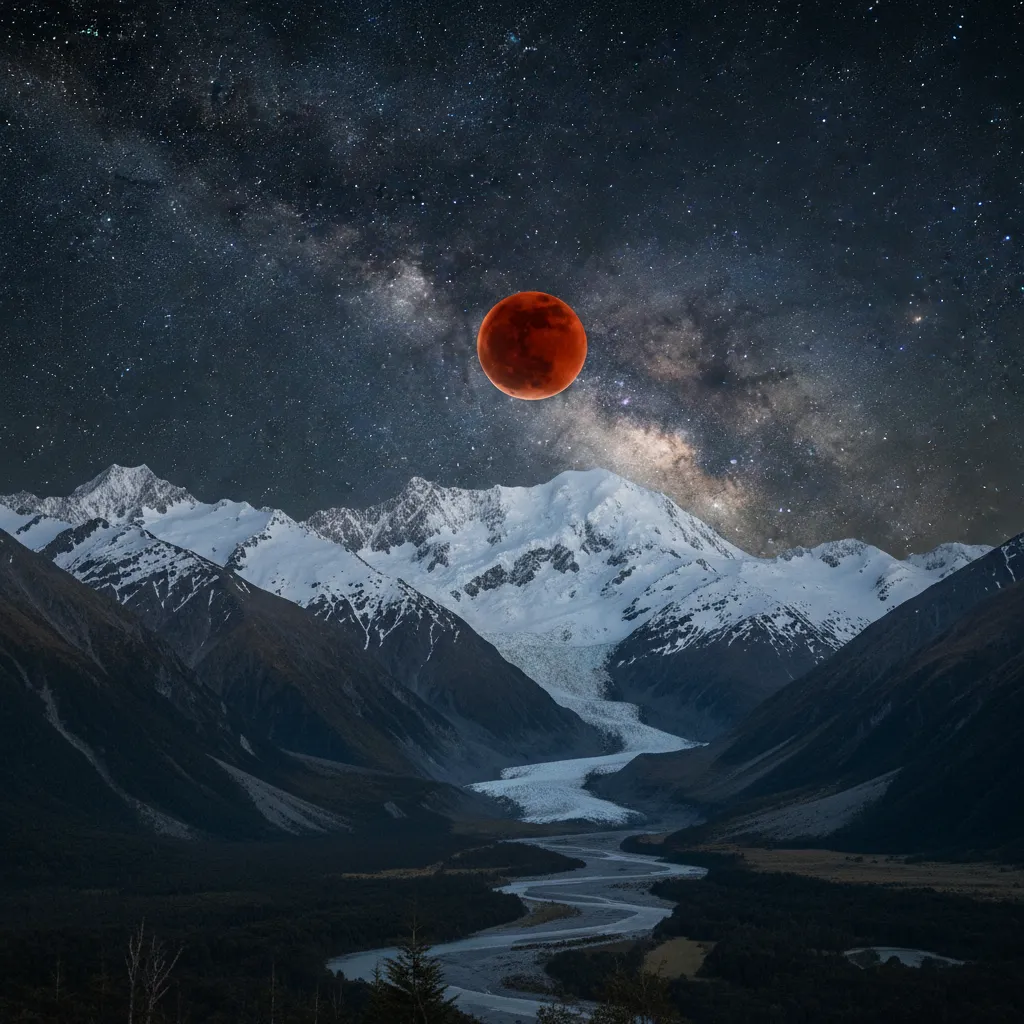
On the night of March 14, 2025, New Zealanders will witness a Total Lunar Eclipse. This occurs when the Earth passes directly between the Sun and the Moon, casting a shadow that turns the lunar surface a deep, copper-red hue—often referred to as a “Blood Moon.”
Because New Zealand is well-positioned in the Pacific, the entire duration of totality should be visible, weather permitting. The eclipse will begin in the evening, making it a family-friendly event compared to eclipses that occur in the early hours of the morning.
The September 8 Total Lunar Eclipse
In a rare treat, a second Total Lunar Eclipse will occur later in the year on September 8, 2025. This event will be visible from New Zealand, Australia, and much of the Pacific. Observers can expect the moon to darken significantly as it enters the Earth’s umbra. This event provides a second chance for photographers to capture the moon in its ruddy glory against the backdrop of the spring sky.
Will there be a Solar Eclipse in NZ in 2025?
Solar eclipse chasers may be slightly disappointed. The partial solar eclipse on March 29, 2025, will not be visible from New Zealand. However, on September 21, 2025, a partial solar eclipse will occur. Visibility for this event will be heavily dependent on latitude; it will be primarily visible from Antarctica and the southern Pacific Ocean. Observers in the far south of New Zealand (Southland and Stewart Island/Rakiura) may see a small “bite” taken out of the sun near sunset, but it will not be a major spectacle compared to the lunar events.
Matariki and Maramataka: The Māori Lunar Calendar
Astronomy in New Zealand is intrinsically linked to Māori culture and navigation. The most significant event in the cultural calendar is the rising of Matariki (the Pleiades star cluster).
When is Matariki 2025?
The public holiday for Matariki will be observed on Friday, June 20, 2025. However, the astronomical period of Matariki begins when the star cluster rises in the pre-dawn sky in mid-winter. In 2025, the best viewing times to see the cluster rise will be in the early mornings of late June and early July.
To spot Matariki:
- Look towards the northeast horizon before sunrise (between 5:30 AM and 6:30 AM).
- Find the distinct line of Tautoru (Orion’s Belt).
- Follow the line left to the bright orange star Taumata-kuku (Aldebaran).
- Continue that line left to find the cluster of tiny stars that is Matariki.
This period marks the Māori New Year and is a time for remembrance, celebrating the present, and looking to the future. It is also a time when the Maramataka (Māori lunar calendar) is consulted closely for planting and fishing guidance.
Planetary Oppositions and Conjunctions
Planetary oppositions occur when Earth sits directly between the Sun and another planet. This is the best time to view planets as they appear at their largest and brightest.
Mars Opposition (January 16, 2025)
The Red Planet will be at its brightest in mid-January. Mars reaches opposition roughly every 26 months, making this a key event. Through a standard backyard telescope, observers in NZ should be able to make out surface features like the Syrtis Major and potentially the polar ice caps. It will appear as a bright, reddish “star” in the constellation Gemini.
Jupiter Opposition (January 20, 2025)
Just days after Mars, the King of Planets, Jupiter, reaches opposition. This creates a “dance of the planets” in the summer sky. Jupiter will be unmistakable—bright and white. Binoculars will easily reveal the four Galilean moons (Io, Europa, Ganymede, and Callisto), while telescopes will show the cloud bands and the Great Red Spot.
Saturn and the “Vanishing” Rings
Saturn will reach opposition in September 2025. A unique feature of Saturn in 2025 is the angle of its rings. They are approaching an “edge-on” orientation relative to Earth (which will happen fully in 2025/2026). This means the usually prominent rings will appear as a very thin line, offering a unique perspective on the planet’s geometry.
Meteor Showers: Best Dates for Kiwi Stargazers
While the Northern Hemisphere boasts the Perseids, the Southern Hemisphere has its own champion: the Eta Aquariids.
Eta Aquariids (Peak: May 6, 2025)
This is arguably the best meteor shower for New Zealanders. Originating from debris left by Halley’s Comet, the Eta Aquariids favor the Southern Hemisphere. The radiant point is in the constellation Aquarius.
- Viewing Tip: The best viewing is usually between 3:00 AM and dawn. Expect to see 20 to 40 meteors per hour under dark skies.
Geminids (Peak: December 14, 2025)
The Geminids are known for being bright and intensely colored. However, in New Zealand, the radiant point (Gemini) is lower in the sky, which can reduce the number of meteors seen compared to northern latitudes. Despite this, it remains a consistent performer and a great way to end the astronomical year.
Aurora Australis (Southern Lights) Forecast 2025
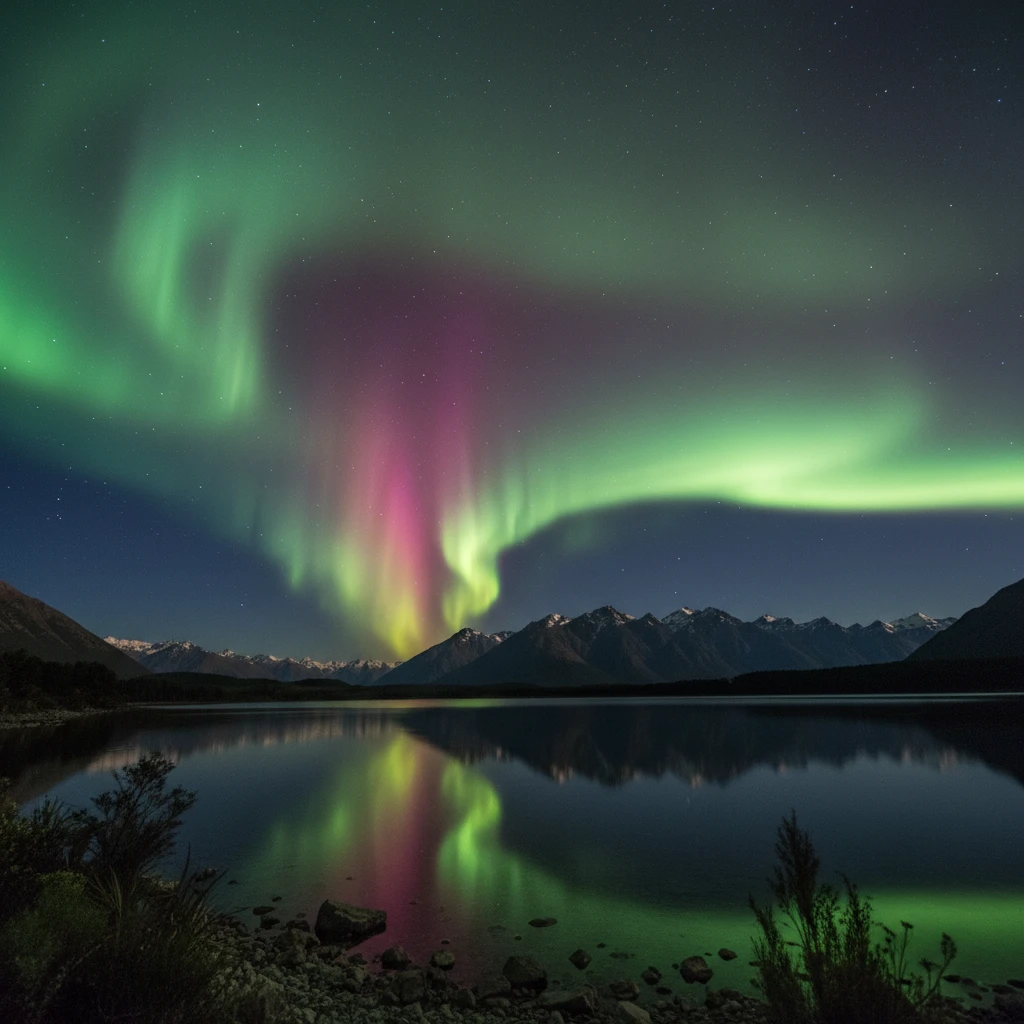
2025 is positioned near the peak of Solar Cycle 25. This solar maximum means the Sun’s magnetic activity is at its highest, resulting in more sunspots and Coronal Mass Ejections (CMEs). When these charged particles hit Earth’s magnetic field, they create auroras.
For New Zealand, this translates to a significantly higher probability of seeing the Aurora Australis, even from latitudes further north than usual (such as Wellington or Christchurch), though the best viewing remains in the deep south.
Best Locations for Aurora Hunting
- Stewart Island / Rakiura: An International Dark Sky Sanctuary and the southernmost populated spot in NZ.
- The Catlins: Coastal, dark, and facing south.
- Lake Tekapo & Aoraki Mt Cook: High altitude and dark skies improve contrast.
- Dunedin (Otago Peninsula): Frequently captures aurora displays on the horizon.
Supermoon Dates for 2025
A “Supermoon” occurs when a full moon coincides with the moon’s closest approach to Earth (perigee). These moons appear slightly larger and up to 14% brighter than a standard full moon.
Key Supermoons in 2025:
- September 8: Coinciding with the Total Lunar Eclipse, making it a “Super Blood Moon.”
- October 17: The closest perigee of the year (Hunter’s Moon).
- November 15: Beaver Moon.
The October 17 event will be the most visually impressive, creating massive tides and offering spectacular photo opportunities as the moon rises over the horizon at twilight.
Recommended Gear for 2025
You do not need an expensive observatory to enjoy these events. Here is a tiered guide to gear:
- Naked Eye: Perfect for Meteor showers (Eta Aquariids), Matariki, and Aurora hunting. A wide field of view is essential.
- Binoculars (10×50): Ideal for the Moon, identifying Jupiter’s moons, and scanning the Milky Way core (Te Ika-a-Maui).
- Telescope (Dobsonian 8-inch): The “light bucket.” Best for deep sky objects, detailed planetary views of Mars and Saturn, and lunar craters.
- Camera: A DSLR or Mirrorless camera with a wide-angle lens (f/2.8 or lower) and a sturdy tripod is essential for capturing the Aurora and the Milky Way.
People Also Ask
When is the next eclipse visible in New Zealand?
The next major eclipse visible in New Zealand is the Total Lunar Eclipse on March 14, 2025. It will be visible in the evening hours across the entire country.
Is 2025 a good year for Aurora Australis in NZ?
Yes, 2025 is expected to be an excellent year for the Aurora Australis. We are near the peak of Solar Cycle 25 (Solar Maximum), which increases solar activity and the frequency of geomagnetic storms that cause auroras.
What is the best time to see the Milky Way in New Zealand?
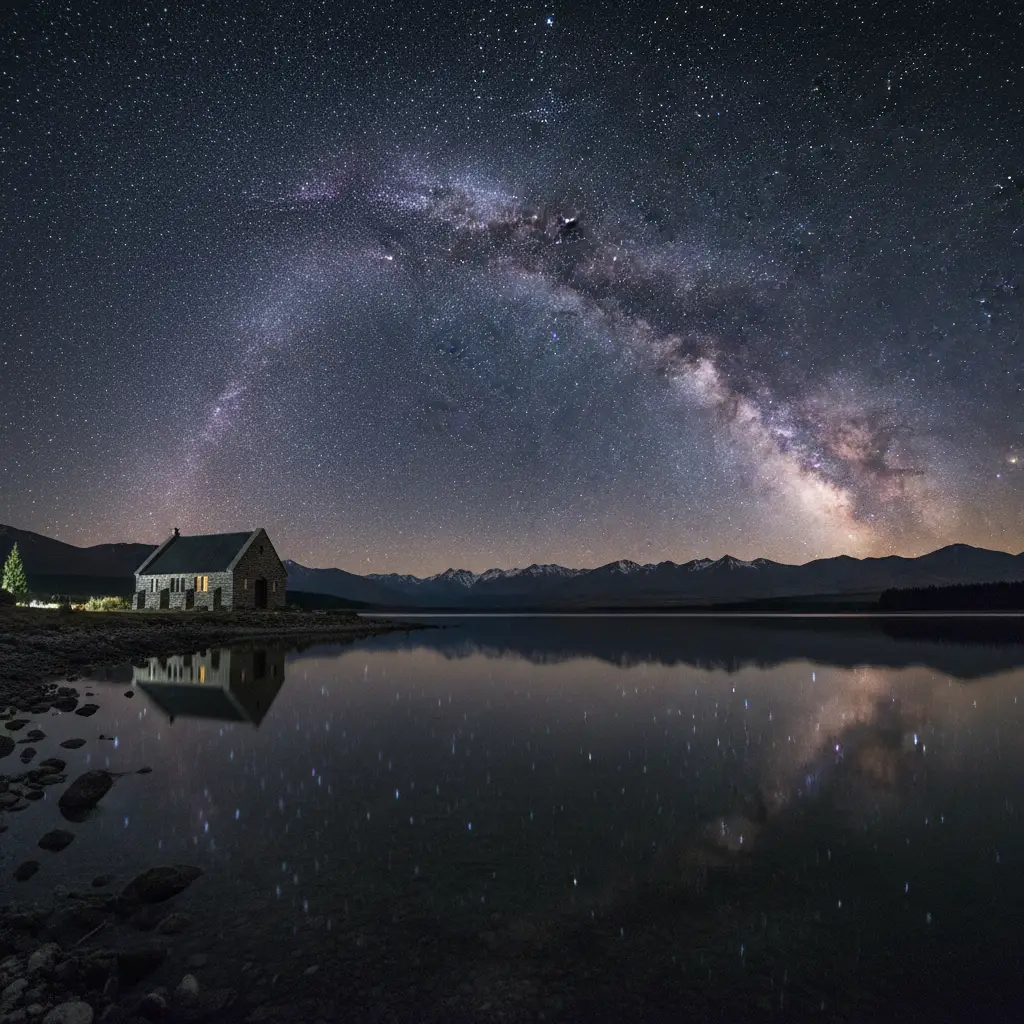
The core of the Milky Way is best viewed during the New Zealand winter months (June to August). During this time, the galactic center is high in the sky and visible for longer periods during the long nights.
When is Matariki 2025 being celebrated?
The official public holiday for Matariki in New Zealand is Friday, June 20, 2025. The star cluster itself is best viewed in the pre-dawn sky from late June through July.
What planets will be visible in NZ in 2025?
Mars and Jupiter will be very bright and visible in January 2025. Venus is often visible as the morning or evening star. Saturn will be best viewed around September 2025.
Can I see the Northern Lights in New Zealand?
No, you cannot see the Northern Lights (Aurora Borealis) in New Zealand. However, you can see the Southern Lights (Aurora Australis), which are the southern hemisphere equivalent and look very similar.