
Matariki | Te Tau Hou Māori
Aotearoa New Zealand

Matariki.

"He kura huna nō te rangi — A hidden treasure from the heavens."

Try:
Search Results
Te Tau Hou Māori

Matariki 2026.

In 2026, the rising of Matariki marks the beginning of the Māori New Year during the lunar month of Pipiri.

Public Holiday
Friday, 10 July 2026
Rising Period (Arapiki)
6 July – 13 July

Ceremony Essentials

01

Te Hautapu

The primary ritual involving the offering of food to the stars. Best observed between July 7th and 9th at dawn.

02

Whakapapa

A time to recite lineages and connect with the star Pōhutukawa to remember those who passed in 2025.

03

Wānanga

The sharing of knowledge. 2026 focus is on the star Ururangi and the changing nature of our atmosphere.

View 2026 Event Calendar
Matariki 2026 Theme: Matariki Herenga Waka | Māori New Year
Wānanga: 2026 Māori New Year

Matariki
Herenga Waka.

The theme for 2026 is Matariki Herenga Wakathe gathering of many canoes. This focus emphasizes collective unity and our shared stewardship of the environment.

Kotahitanga

Highlighting social cohesion and community collaboration.

Ururangi

Examining our impact on the atmosphere and environment.

Unity • Stewardship • Identity

Matariki Herenga Waka 2026 theme
"Herenga Waka,
Herenga Tangata"

Where canoes are gathered, people are bound together.

What Matariki Means Today | Modern Life, Work & Wellbeing
A Modern Perspective

Matariki
For You.

In a fast-paced digital world, Matariki offers a vital "pause point." It is more than a public holiday; it is a framework for modern living, encouraging us to look back at our heritage, reset our present, and plant seeds for the future.

Scroll to explore
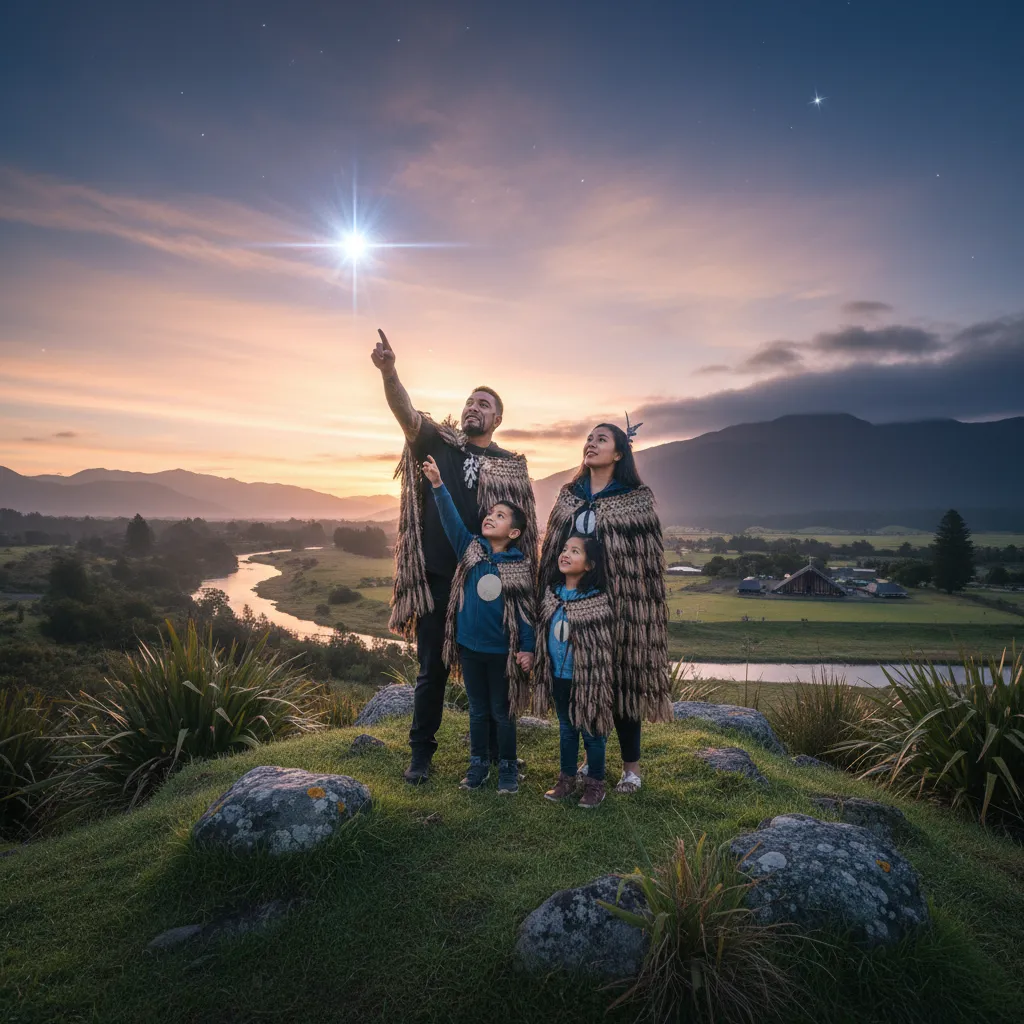
Matariki celebration and modern significance

For Whānau

A time to reconnect with roots. Families use this period to share stories of those who have passed and to strengthen the bonds of the living through whanaungatanga.

In the Workplace

Matariki shifts the focus from "output" to "outlook." Modern organizations use it for collective planning, celebrating team achievements, and acknowledging our environment.

Personal Wellbeing

Acting as a "winter reset," it encourages self-reflection and mental clarity. It’s an opportunity to let go of stresses and set intentions for balance.

Communities

Beyond the individual, it sparks community service. Many use the time for mahinga kai (food gathering) or local planting projects to restore the land.

"In modern Aotearoa, Matariki has evolved into a national moment of mindfulness—reminding us that to move forward with purpose, we must first find peace in our past."

Mindful Living Cultural Resurgence Environmental Future
Puanga vs Matariki Explained | Regional Māori New Year Perspectives
Tikanga & Astronomy

Puanga & Matariki: Regional Wisdom.

Aotearoa is a land of diverse landscapes. From the rugged peaks of the Southern Alps to the deep river valleys of the Whanganui, our view of the heavens is shaped by where we stand. This diversity birthed two primary traditions for the Māori New Year: Matariki and Puanga.

Geographic Necessity

In the west and far north, the Matariki cluster sits low on the horizon, often obscured by the great mountains (Maunga) or the heavy coastal mist of the winter solstice.

For Iwi like Taranaki, Whanganui, Te Whakatōhea, and Te Tai Tokerau, Puanga (Rigel) is the principal star. It sits much higher in the sky and is the brightest star in the Orion constellation, making it visible even when atmospheric conditions are poor.
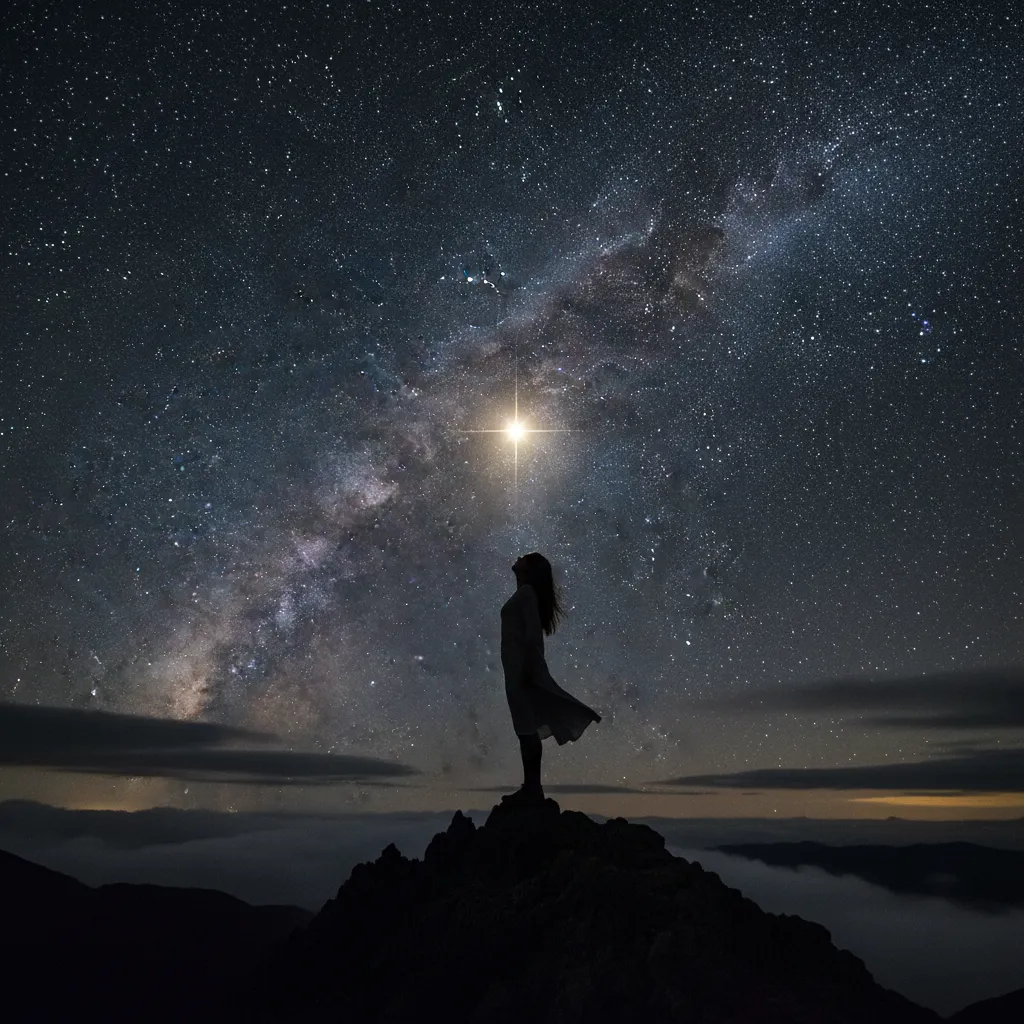
"Puanga is the herald who arrives first to clear the way for Matariki." — Tribal Proverb
Starlit sky representing Puanga and Matariki
The Celestial Calendar

The West Coast Horizon

Observing the heavens from the shadows of Taranaki Maunga requires looking for the brightest light.

The "Lead" Star

In Māori navigation and timekeeping, stars rarely act alone. Puanga is often called Puanga-nui-a-te-rangi (Great Puanga of the Heavens). Because it rises earlier and higher than Matariki, it serves as a "warning" or "lead" star.

  • Prediction: If Puanga is clear and bright, a productive and warm season is expected.
  • Alignment: Puanga aligns with the winter solstice, marking the precise turn of the year.

Ritual & Tikanga

Traditions for Puanga mirror those of Matariki but with a distinct regional flavor. In the Whanganui region, the focus is heavily on the Awa (River).

Wānanga

The time for teaching and passing down tribal history.

Whakaute

Paying respect to those who have passed since the last rising.

Direct Comparison

Understanding the astronomical and cultural specifics of both beacons.

Scientific & Cultural Marker Matariki (Pleiades) Puanga (Rigel)
Star Classification Open cluster of B-type stars (approx. 1,000 stars) Triple star system; primary is a Blue Supergiant
Constellation Taurus (The Bull) Orion (The Hunter)
Spiritual Essence The Mother and her daughters; reflection The High Priest; navigator and provider
Traditional Use Planting calendars and weather patterns Harvesting seafood and forest birds
Timing Rising in late June or early July Rises slightly earlier in the winter sky
The Sacred Ceremony

Hautapu.

A ritual of remembrance and connection, honoring the environment and looking forward to the promise of a new year through the earth and the stars.

The Domains

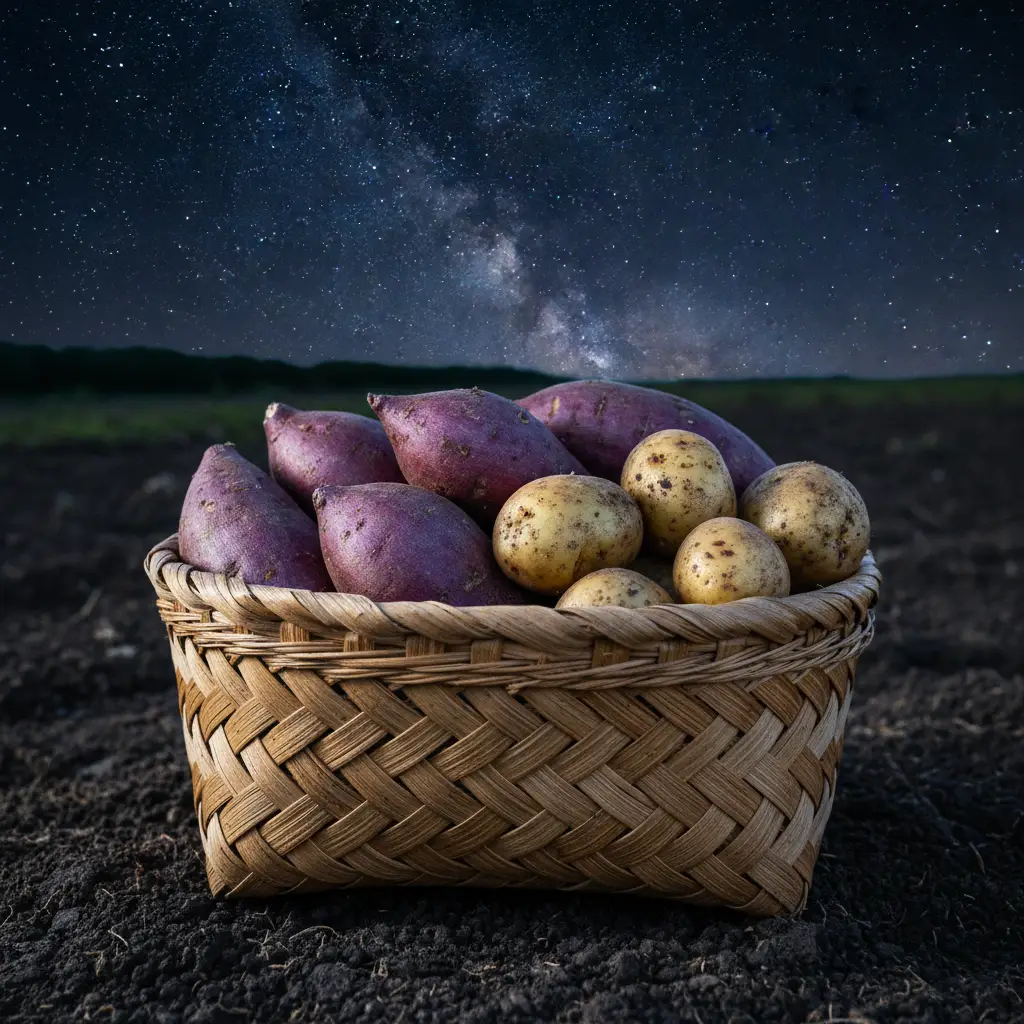
Te Kohi Kai

Gathering foods that represent the major environmental domains of Aotearoa: Tupu-ā-nuku (garden), Tupu-ā-rangi (forest), Waitī (fresh water), and Waitā (sea).

THE DOMAINS
Gathering
The Altar

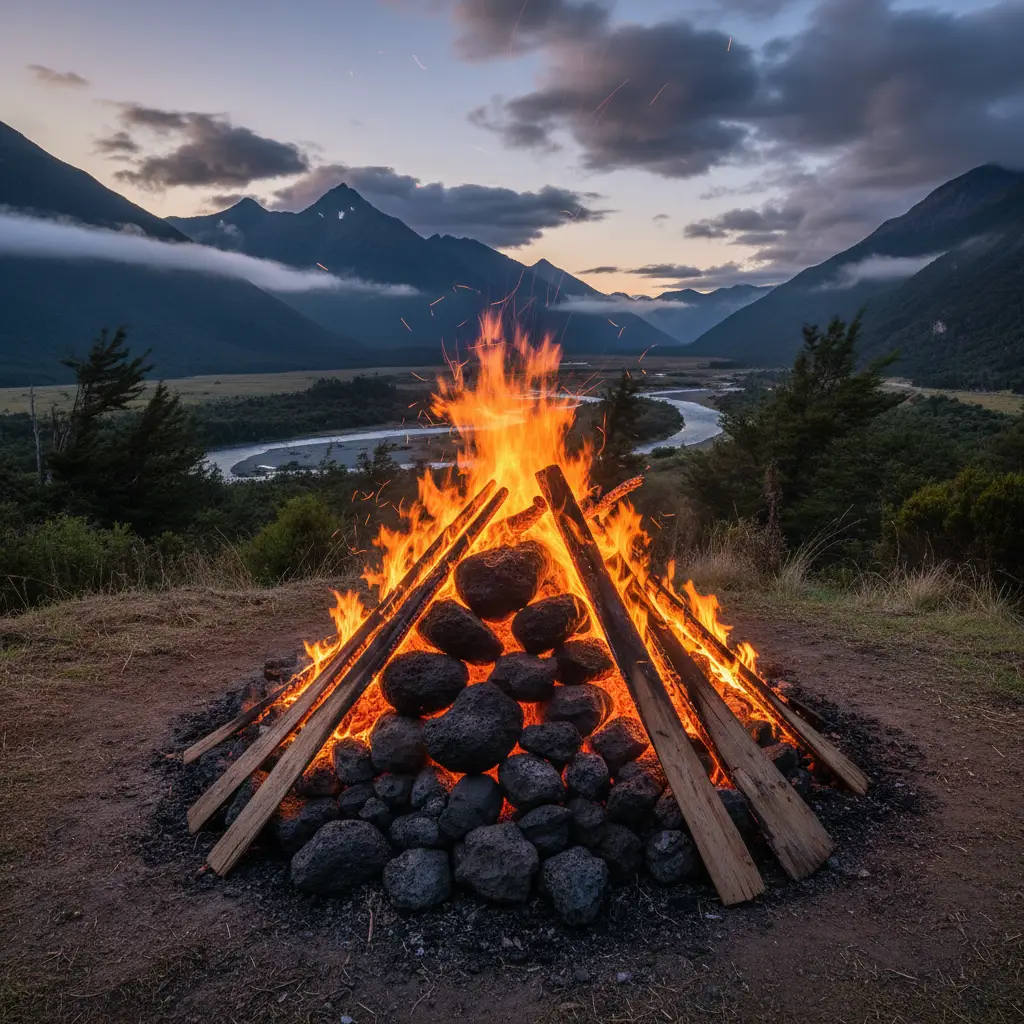
Te Whakarite

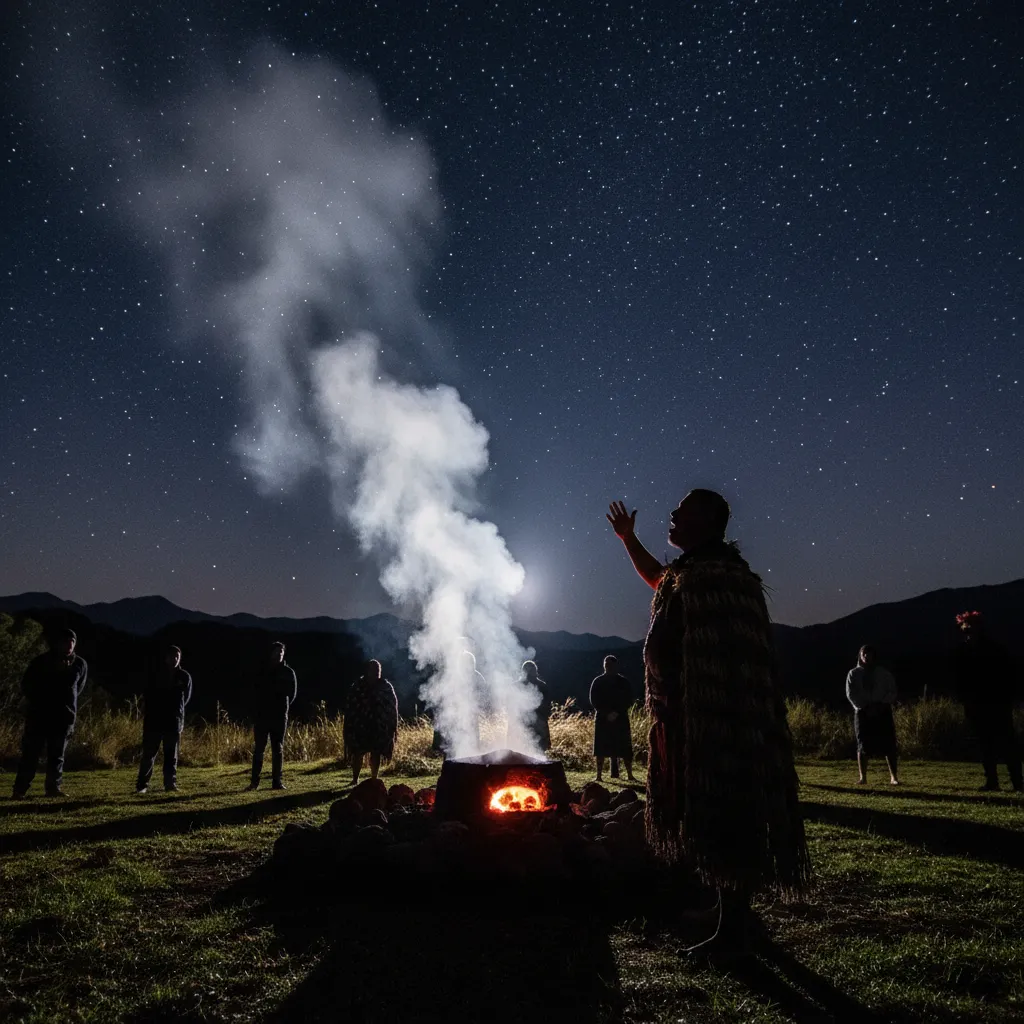
Cooking offerings in a sacred earth oven (umu). Participants engage in Te Maumaharatanga, remembering those who have passed and calling their names to the stars.

COOKING METHODS
Preparation
The Offering

Te Hautapu

As the clusters rise, the oven is opened. The rising steam (Te Hau) carries the essence of the food to feed the stars while Tohunga recite sacred karakia.

VIEW KARAKIA
Offering
The Unity

Te Kai Tahi

After the sacred ceremony, the community shares the physical food. This act of Whakanoa brings people back to the common world in a state of unity and joy.

HOST A FEAST

Unity
Matariki 2026 Observation Dates | Arapiki Timeline
Observation Guide

Matariki 2026:
The Rising Schedule.

The Arapiki (rising period) is the 8-day window when Matariki reappears. Use this schedule to plan your hautapu ceremonies and community dawn gatherings.

Select Region

The pre-dawn Arapiki horizon.

Optimal viewing: 6:00 AM – 6:30 AM. Public holiday: Friday, July 10th. Face the Northeast horizon 30 mins before dawn.

The Knowledge Graph

The Nine Guardians.

Each star in the Matariki cluster governs a specific domain of the environment. Their clarity during the 2026 rising serves as a traditional forecast for the year ahead.

Matariki

Domain

The Mother & Wellbeing

2026 Health Fact

Observational data suggests high visibility, signaling a year of community resilience and collective health.

Tupu-ā-nuku

Domain

Food from the Soil

2026 Health Fact

Current moisture patterns indicate a strong harvest year for kumara and ground-grown crops.

Tupu-ā-rangi

Domain

Food from the Sky

2026 Health Fact

Forest health indicators suggest a prosperous year for native bird populations and tree-fruit yields.

Waitī

Domain

Freshwater Ecosystems

2026 Health Fact

Water table levels are predicted to stabilize, benefiting freshwater species like Inanga and Tuna.

Waitā

Domain

The Ocean & Saltwater

2026 Health Fact

Marine thermal trends for 2026 point toward increased biodiversity in coastal kaimoana beds.

Waipuna-ā-rangi

Domain

Rain and Atmosphere

2026 Health Fact

Expect moderate rainfall patterns, crucial for maintaining balanced hydration in wetlands.

Ururangi

Domain

The Winds

2026 Health Fact

A shift in prevailing westerlies suggests a milder winter period for most of Aotearoa in 2026.

Pōhutukawa

Domain

Remembering the Dead

2026 Health Fact

2026 ceremonies will focus on digital ancestry preservation and storytelling.

Hiwa-i-te-rangi

Domain

Aspiring for the Future

2026 Health Fact

Planning for sustainable growth is the 2026 focus for this star of wishes and prosperity.

Pōhutukawa & The Departed

Remembrance
& Reflection.

Matariki is the time when the star Pōhutukawa connects the living to those who have passed.

Reflecting under the Matariki sky

Te Iuringa i te Pō

The sacred vocalization of names beneath the winter dawn.

The Ritual of Calling

During the pre-dawn rising, tradition dictates a moment of profound silence followed by the vocalization of names to guide spirits to the stars.

Kua whetūrangitia koe

"You have now become a star." A powerful acknowledgment of transition, celebrating the legacy left behind by those we love.

Ready to remember?

Create a lasting tribute for your loved ones now. Quickly search through our community’s digital memorials. Find a space to share photos, stories, and more, all seeking to keep their beautiful legacy alive.

Reflection Guide

01

Whakamahara

Prepare a list of those you wish to honor as the first light touches the earth.

02

Pūkōrero

Identify a single, guiding lesson they left behind that you will champion this year.

03

Aromatawai

How does their life force and legacy continue to shape your current path?

Observation 2026

Matariki FAQ 2026 | Authoritative Answers for Modern Aotearoa
Authority & Understanding

FAQ.

Authorized cultural guidance for 2026. Explore common questions regarding the timing, traditions, and significance of the Māori New Year.

2026 Cultural Guidance: Honor the past, celebrate the present, and prepare for the future.

01

What is Matariki and why is it celebrated?

Matariki is the Māori name for the Pleiades star cluster. Its rising in mid-winter marks the beginning of the Māori New Year. It is celebrated to acknowledge the end of the harvest, to remember ancestors who have passed, and to plan for the year ahead with family and community.

  • New Year
  • Māori Tradition
02

What is the meaning of the word Matariki?

The name "Matariki" is an abbreviation of Ngā Mata a te Ariki Tāwhirimātea (The Eyes of the God Tāwhirimātea). It is also commonly translated as "tiny eyes" or "eyes of the god," symbolizing the stars watching over the land and its people.

  • Etymology
  • Tāwhirimātea
03

How to wish a happy Matariki in Māori?

The most appropriate way to greet someone is "Mānawatia a Matariki", which means "Celebrate Matariki." You can also say "Ngā mihi o te tau hou" for "Happy New Year."

  • Mānawatia a Matariki
  • Greetings
04

What are 5 key facts about Matariki?

1. Astronomical Indicator: It is one of the closest star clusters to Earth and is visible to the naked eye.

2. Three Pillars: The celebration is built on Remembrance (the past), Celebrating (the present), and Looking Forward (the future).

3. The Nine Stars: While a large cluster, Māori traditions usually identify nine specific stars, each with a unique domain.

4. Variable Dates: The holiday date changes annually based on the Maramataka (lunar calendar).

5. National Recognition: Since 2022, Matariki has been an official public holiday in Aotearoa New Zealand.

  • Essential Knowledge
05

What time does Matariki rise in 2026?

In 2026, Matariki is expected to rise in the pre-dawn sky between late June and early July. The peak period of observation and the public holiday is Friday, July 10, 2026.

  • July 10, 2026
06

What does “Herenga Waka” mean?

The 2026 theme, Matariki Herenga Waka, means "The Gathering of Many Canoes." It emphasizes social cohesion and the tethering of diverse groups together for a collective journey forward.

  • 2026 Theme
07

Is Matariki religious?

Matariki is a secular and cultural observance. While it involves spiritual elements of connection and remembrance, it is not tied to any specific religion and is open to all.

  • Secular
08

What if Matariki is not visible?

Many Iwi, particularly on the West Coast or in deep valleys, look to Puanga (Rigel). While a different star, it serves the same purpose as the harbinger of the New Year for those regions.

  • Puanga
09

How do the stars predict the year ahead?

Tohunga (experts) look at the brightness and clarity of the stars. Clear, bright stars signal a warm, productive season (a good harvest). If they appear hazy or shimmering, it warns of a cold, challenging winter or a poor growing season ahead.

  • Prediction
  • Environment
Scroll to Top