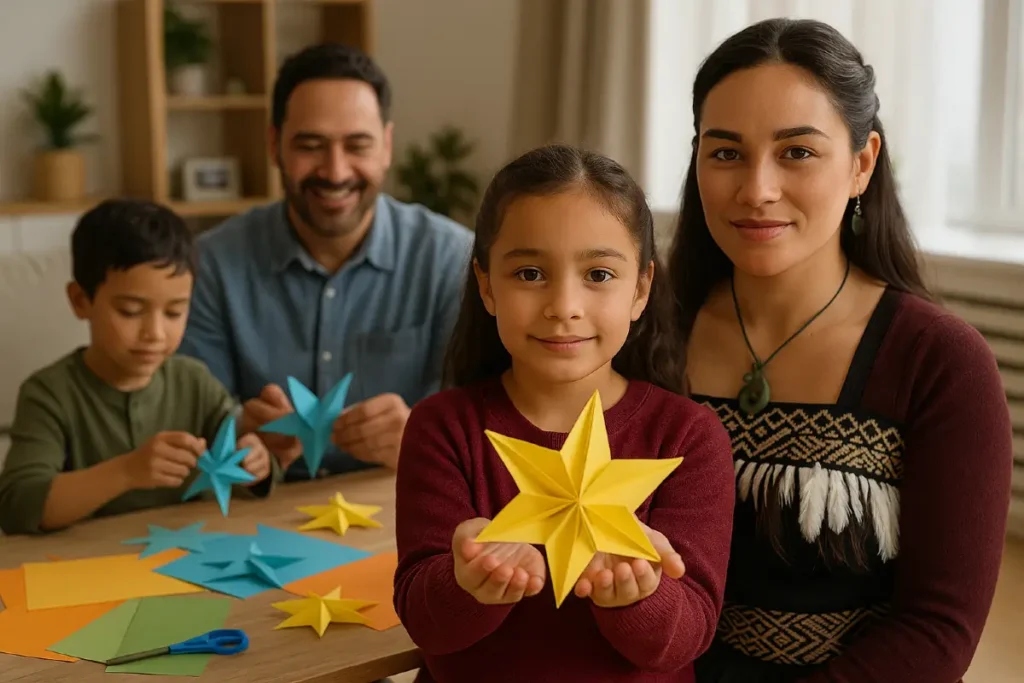
Matariki children’s books are vital educational tools that introduce young readers to the Māori New Year through engaging storytelling, indigenous legends, and astronomy. When you buy Matariki children’s books, you are investing in cultural heritage resources that explain the significance of the star cluster, Significance of Haka in Matariki Celebrations, harvest traditions, and remembrance in a format accessible to early learners.
Celebrating Te Iwa o Matariki (the nine stars of Matariki) has become a cornerstone of New Zealand’s cultural calendar. As the Māori New Year rises in importance globally, parents and educators are increasingly seeking high-quality literature to help tamariki (children) understand this significant event. Whether you are looking for bilingual resources to improve Te Reo Māori proficiency or simple picture books that explain the movement of the stars, curating a library of Matariki literature is a powerful way to connect with the land and history of Aotearoa.
Why Should You Buy Matariki Children’s Books?
Investing in literature centered around Matariki offers more than just a bedtime story; it provides a gateway into the indigenous worldview of New Zealand. For families in Aotearoa and abroad, these books serve as a primary resource for cultural transmission. They break down complex astronomical concepts and deep spiritual traditions into digestible narratives that foster a sense of belonging and identity.
When you look to buy Matariki children’s books, you are often supporting local authors and illustrators who are dedicated to preserving oral histories in written form. High-quality Matariki books typically encompass themes of whanaungatanga (kinship), kaitiakitanga (guardianship of the environment), and the cycle of life. These themes are universal yet distinctly grounded in Māori culture, making them excellent additions to any diverse home library or school curriculum.
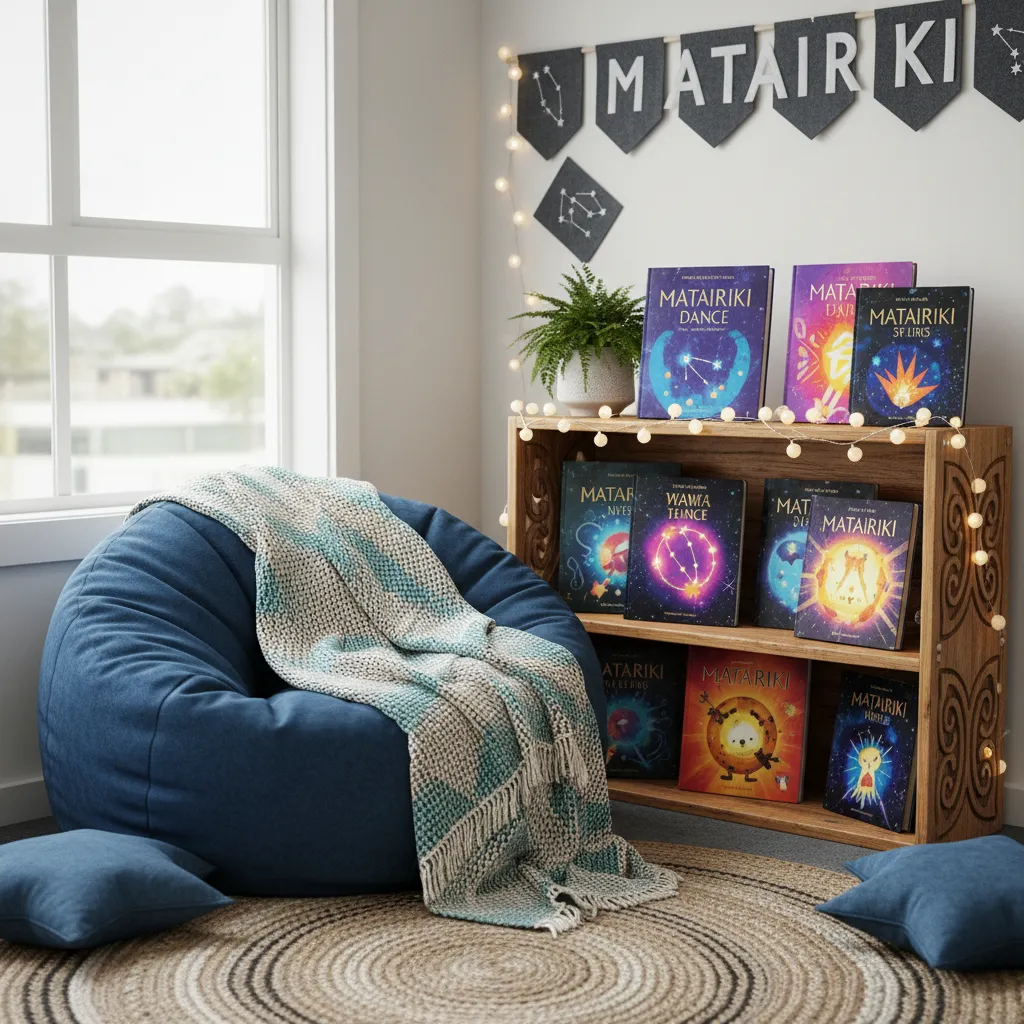
Top Recommended Books for Early Childhood
For toddlers and preschoolers, the best Matariki books rely on rhythm, repetition, and bold imagery. At this developmental stage, the goal is to associate the arrival of the star cluster with warmth, family, and food.
Essential Board Books for Toddlers
Board books are durable and designed for little hands. When browsing to buy Matariki children’s books for the under-3 age group, look for titles that focus on the sensory aspects of the holiday—the cold air, the hot soup, and the bright stars.
“Matariki” by Kat Quin is a standout choice in this category. Known for her “Kuwi the Kiwi” series, Quin’s illustration style is vibrant and engaging for very young eyes. Her board books often feature simple text that introduces the basic concept of the New Year without overwhelming the child with too much detail.
Engaging Picture Books for Preschoolers
As children enter preschool, they can handle slightly more complex narratives involving the legends surrounding the stars. Books that personify the stars or link them to specific environmental outcomes (like wind, rain, or food) are particularly effective.
“The Seven Kites of Matariki” by Calico McClintock and Dominique Ford is a perennial favorite. This book beautifully combines the tradition of kite flying (manu tukutuku) with the star cluster. The illustrations are lush and detailed, providing plenty of talking points for parents and teachers. It subtly introduces the idea of the stars watching over the earth, a core concept of the holiday.
Another excellent option is “Daniel’s Matariki Feast” by Rebecca Beyer and Linley Wellington. This story grounds the holiday in the modern context of a school setting, making it highly relatable for children attending kindergarten or daycare. It focuses on the gathering of food and sharing a meal, helping children understand the social aspect of the celebration.
Best Bilingual Books (Te Reo Māori and English)
One of the most significant benefits when you buy Matariki children’s books is the opportunity to foster bilingualism. Many modern publications are designed with text in both Te Reo Māori and English, allowing readers of all proficiency levels to engage with the language.
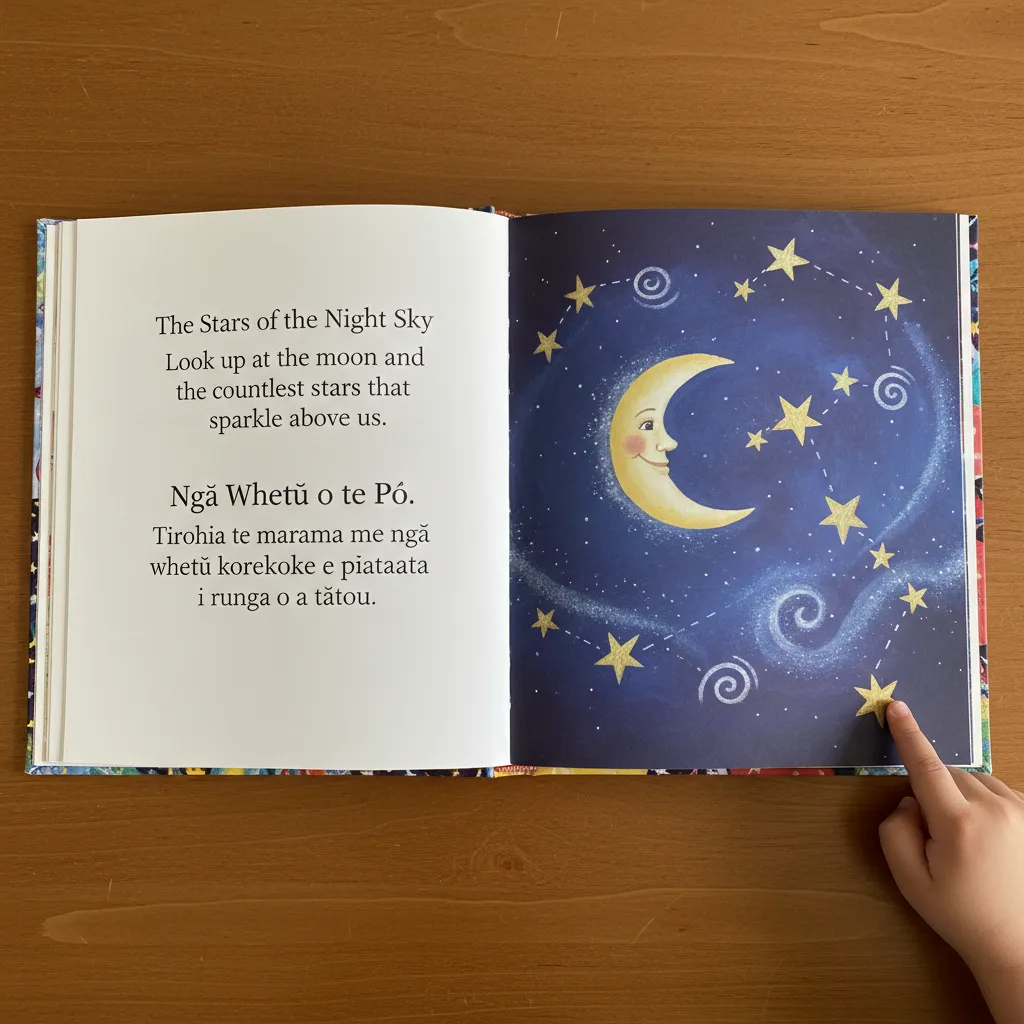
Enhancing Language Acquisition Through Story
Bilingual books are crucial for normalizing the use of Te Reo Māori in everyday life. They often include glossaries or Te Reo Māori Pronunciation Guide, which are invaluable for parents who may be learning alongside their children.
“Tawhirimatea: A Song for Matariki” by June Pitman-Hayes acts as both a book and a song. It usually comes with a CD or a link to a digital audio track. Music is a powerful memory aid for children, and this book uses melody to teach the names of the stars and the associated weather patterns. The bilingual text allows families to sing along in both languages, making the learning process active and joyful.
Classics Reimagined
“Flit the Fantail and the Matariki Map” by Kat Quin is another excellent bilingual resource. While primarily an adventure story, it weaves in Te Reo vocabulary naturally. The story follows a native bird navigating by the stars, which connects the astronomical event to the local fauna. Buying books like this helps children understand that Matariki is not just about the sky, but about how the natural world on Earth responds to the season.
Books That Explain the Matariki Stars Simply
As children grow older (ages 5-8), they often ask specific questions: “What are the names of the stars?” and “What does each star do?” This is the perfect time to buy Matariki children’s books that delve into the specific domains of the nine stars (Te Iwa o Matariki).
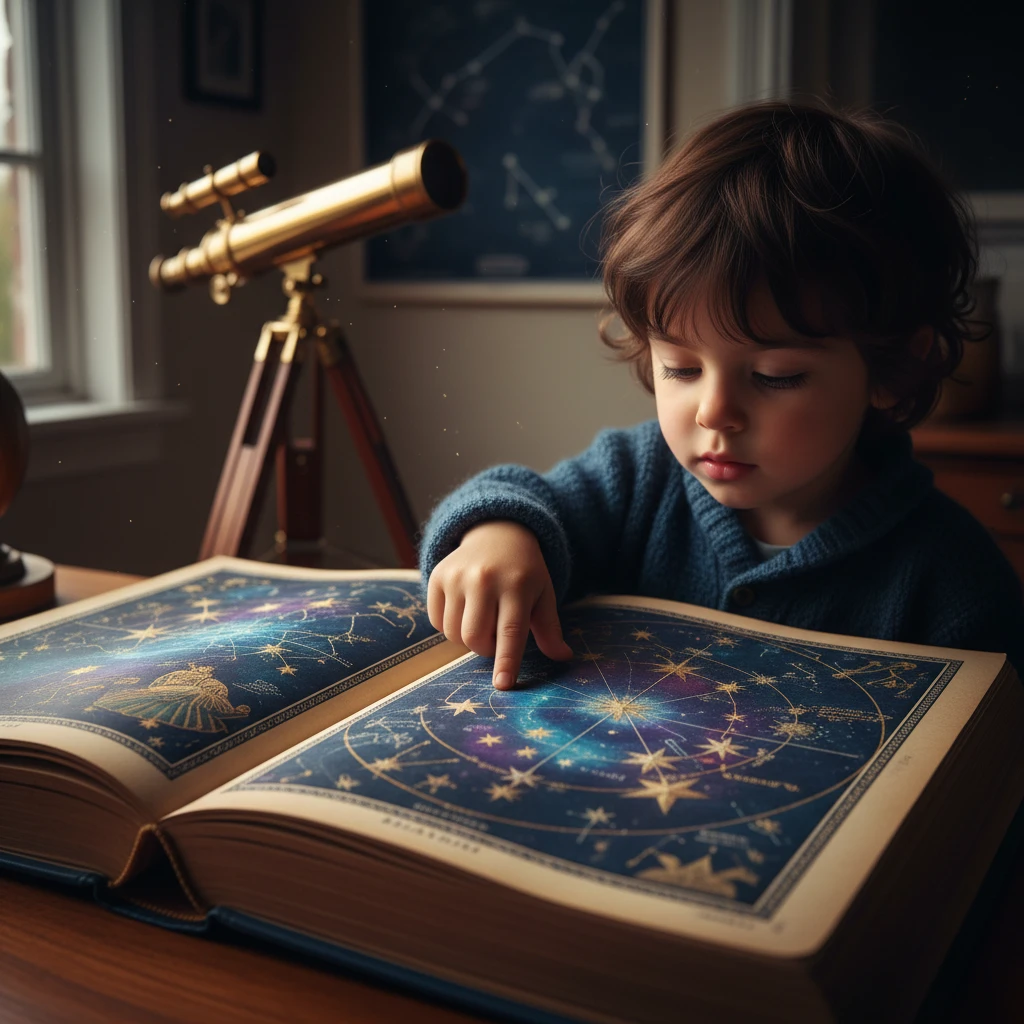
Decoding Te Iwa o Matariki
Books in this category move beyond general celebration and into indigenous science and astronomy. They explain that Waitī watches over fresh water, Waitā over salt water, Waipunarangi over rain, and so forth.
“The Stolen Stars of Matariki” by Miriama Kamo is a fantastic recommendation for this purpose. It tells the story of two children protecting the stars from patupaiarehe (fairies). While it is a fictional adventure, it deeply respects the individual identities of the stars. It is an engaging way to memorize the cluster without it feeling like a rote lesson.
Educational Reference Books
For a more factual approach, “Matariki: The Star of the Year” by Dr. Rangi Matamua is the definitive text, though often advanced. However, simplified versions or adaptations based on his research are becoming available for younger readers. Look for books that explicitly list the nine stars rather than the traditional seven, as the resurgence of knowledge championed by experts like Dr. Matamua emphasizes the nine distinct stars in the cluster visible from Aotearoa.
“Ngā Whetū Matariki i Whānakotia” (also by Miriama Kamo) offers a deep dive into the specific personalities of the stars. When purchasing these educational books, check the publication date; newer books are more likely to reflect the most current cultural consensus regarding the nine stars versus the seven sisters narrative often borrowed from Greek mythology (Pleiades).
Where to Buy Matariki Children’s Books Online
Finding authentic, high-quality resources requires knowing where to look. While major global retailers stock some titles, buying from New Zealand-based retailers ensures that you are supporting the local publishing industry and getting culturally accurate materials.
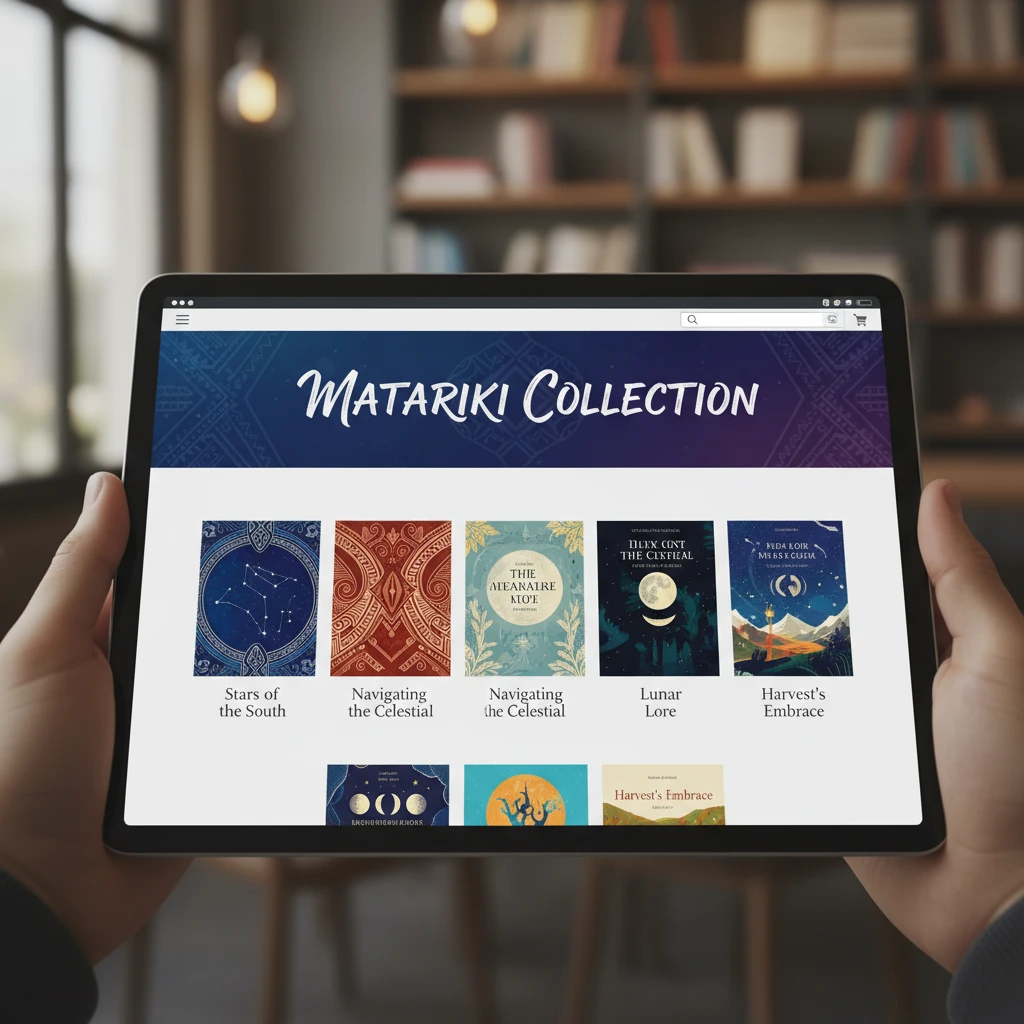
Specialized New Zealand Retailers
Huia Publishers: Huia is an award-winning independent publisher producing books with a distinct Māori perspective. Their online store is a treasure trove for anyone looking to buy Matariki children’s books that are authentic and beautifully produced. They offer a wide range of bilingual and full immersion Te Reo Māori titles.
The Sapling: While primarily a site about children’s books, they often link to independent bookstores. Utilizing sites like Mighty Ape or Fishpond (NZ based) can also yield good results, but always check the “About the Author” section to ensure the content creators have a genuine connection to the culture.
Supporting Local Bookstores
Many independent Kiwi bookstores have robust online storefronts. Shops like Unity Books or Time Out Bookstore curate their Matariki collections carefully. Buying from them often means you get access to staff reviews and curated lists that algorithm-driven giants like Amazon cannot provide. When you buy Matariki children’s books from these sources, you are keeping the local ecosystem of indigenous storytelling alive.
What to Look for Before You Buy
Before clicking “add to cart,” consider the following criteria to ensure quality:
- Authorship: Is the author Māori or do they have a collaborative relationship with local iwi?
- Language: Does it offer good translations? Are macrons used correctly on vowels?
- Illustration: Do the visuals accurately reflect the flora, fauna, and geography of Aotearoa?
Frequently Asked Questions
What is the best age to introduce Matariki books?
You can introduce Matariki books from birth. High-contrast board books are perfect for infants, while complex legends suit primary school children. It is never too early to start building cultural awareness.
Are there Matariki books suitable for non-Māori speakers?
Yes, the majority of Matariki picture books are written in English or are bilingual. They are designed to be inclusive and educational for all readers, regardless of their fluency in Te Reo Māori.
How many stars should a Matariki book feature?
Historically, seven stars were commonly cited (the Seven Sisters), but modern scholarship and Māori tradition emphasize nine stars (Te Iwa o Matariki). Look for newer books that depict nine stars for the most cultural accuracy.
Can I buy Matariki books outside of New Zealand?
Yes, many New Zealand publishers and online retailers ship internationally. Additionally, digital versions (e-books) are readily available on major platforms for global audiences.
Do Matariki books explain how to find the cluster in the sky?
Many educational Matariki books include diagrams or instructions on how to locate the cluster near the horizon in the pre-dawn sky during the winter months (June/July). For digital assistance, you may consult an Interactive Night Sky Map Tool: Locate Matariki Now.
Why are kites often featured in Matariki books?
Kites (manu tukutuku) are traditionally flown during Matariki to flutter close to the stars, connecting the earth and the heavens. Books featuring kites explore this spiritual connection between people and the ancestors.