
Puanga lesson plans NZ provide essential educational frameworks for celebrating the Māori New Year in regions where the star Rigel heralds the season. These resources integrate science, social studies, and the arts, helping teachers deliver culturally responsive curriculum content that honors the specific traditions of Taranaki, Whanganui, and Far North iwi.
As the winter sky shifts and the Māori New Year approaches, educators across Aotearoa New Zealand turn their focus to the stars. While Matariki is the most widely recognized signifier of the New Year, for many iwi—particularly those in the West Coast and Far North regions—it is Puanga (Rigel) that marks this significant seasonal transition. Teaching Puanga requires specific, culturally accurate resources that acknowledge the geographical and tribal nuances of New Zealand’s heritage.
This guide provides a comprehensive suite of teaching strategies, background notes, and lesson plan structures designed to support Primary and Intermediate teachers in delivering high-quality, culturally responsive learning experiences. Whether you are looking for science integration regarding stellar magnitude or social studies units on local iwi history, this resource serves as your foundational text.
What is Puanga and Why is it Observed?
To effectively teach about the Māori New Year, educators must understand the distinction between Matariki and Puanga. While Matariki (the Pleiades cluster) is the general marker for the New Year across much of the Pacific and Aotearoa, it is not visible everywhere. In regions such as Taranaki, parts of the Far North, and the Whanganui River area, the landscape presents a challenge.
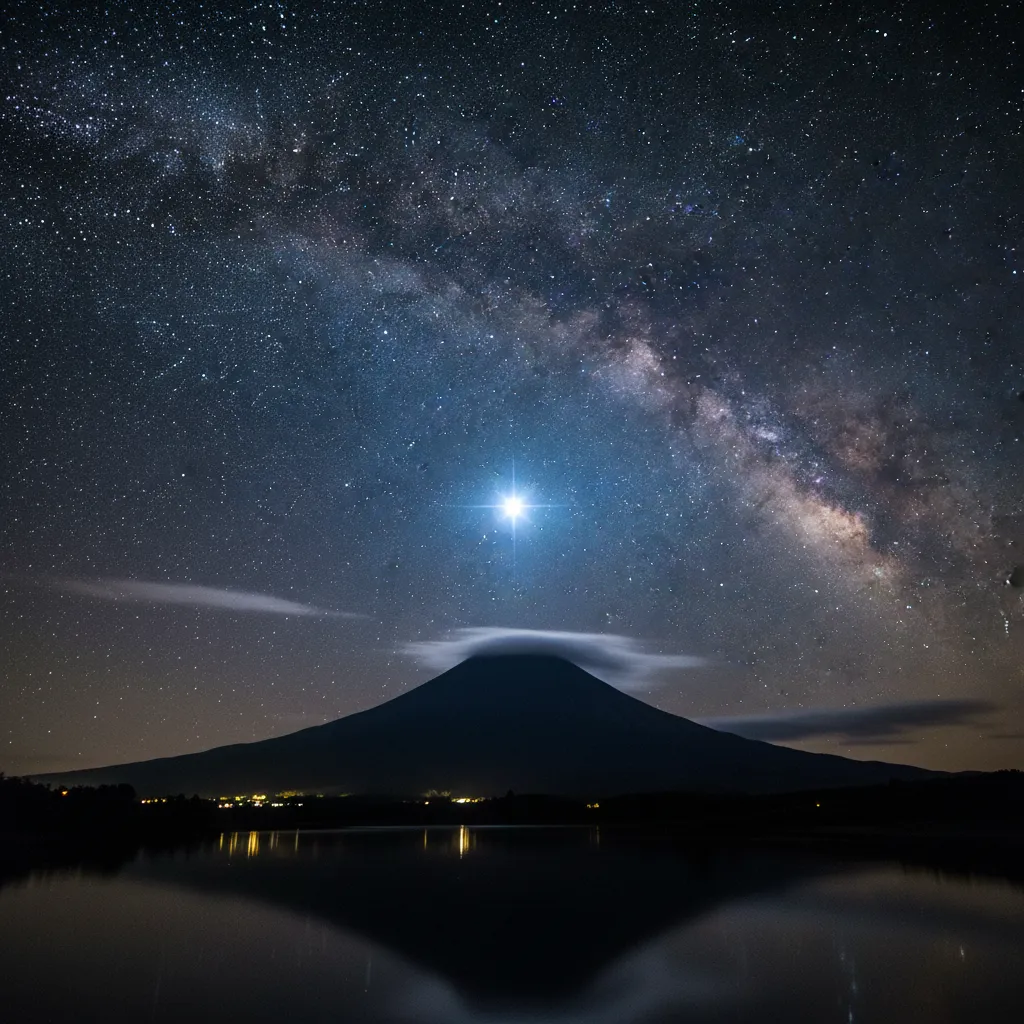
High mountain ranges, such as Maunga Taranaki, often block the view of the eastern horizon where Matariki rises. Consequently, local hapū look to a brighter star positioned higher in the sky: Puanga. Puanga is the star known internationally as Rigel, the brightest star in the constellation Orion (The Pot). Its heliacal rising—when it becomes visible in the dawn sky before the sun—signals the beginning of the New Year, a time of reflection, wananga (learning), and preparation for the coming spring.
Teacher Background Notes: The Significance of Rigel
Before distributing worksheets or beginning art projects, teachers should ground their practice in the correct astronomical and cultural context. These background notes are essential for creating Puanga lesson plans NZ that are robust and accurate.
The Astronomy of Puanga
Puanga is a blue-white supergiant star, approximately 860 light-years away from Earth. It is the seventh-brightest star in the night sky, making it significantly easier to spot than the individual stars of the Matariki cluster during the twilight hours of early winter. In Māori astronomy, the appearance of Puanga is not just a calendar marker; it is a tohu (sign) for the coming season. A bright, clear appearance traditionally predicts a warm season with abundant crops, while a hazy or dim appearance might signal a cold, difficult winter.
Cultural Themes for the Classroom
When planning your unit, focus on the core themes associated with Puanga:
- Preservation: Storing food (kai) and preparing for the winter months.
- Wananga: A time for learning, discussion, and passing down knowledge.
- Whakapapa: Remembering ancestors who have passed in the previous year.
- Stewardship (Kaitiakitanga): Assessing the health of the local environment.
Comprehensive Unit Plans for Primary and Intermediate
Developing a unit plan for Puanga requires scaffolding learning across different curriculum levels. Below are structured outlines for Primary (Years 1-4) and Intermediate (Years 5-8) classrooms.
Years 1-4: Myths, Legends, and Visual Arts
Focus: Storytelling and recognition of the star.
- Learning Intention: We are learning to identify Puanga in the sky and understand its role as a herald of the New Year.
- Key Activity: Read local narratives about the relationship between Puanga and Matariki. In some traditions, Puanga is described as the older sibling or a rival who seeks to outshine Matariki.
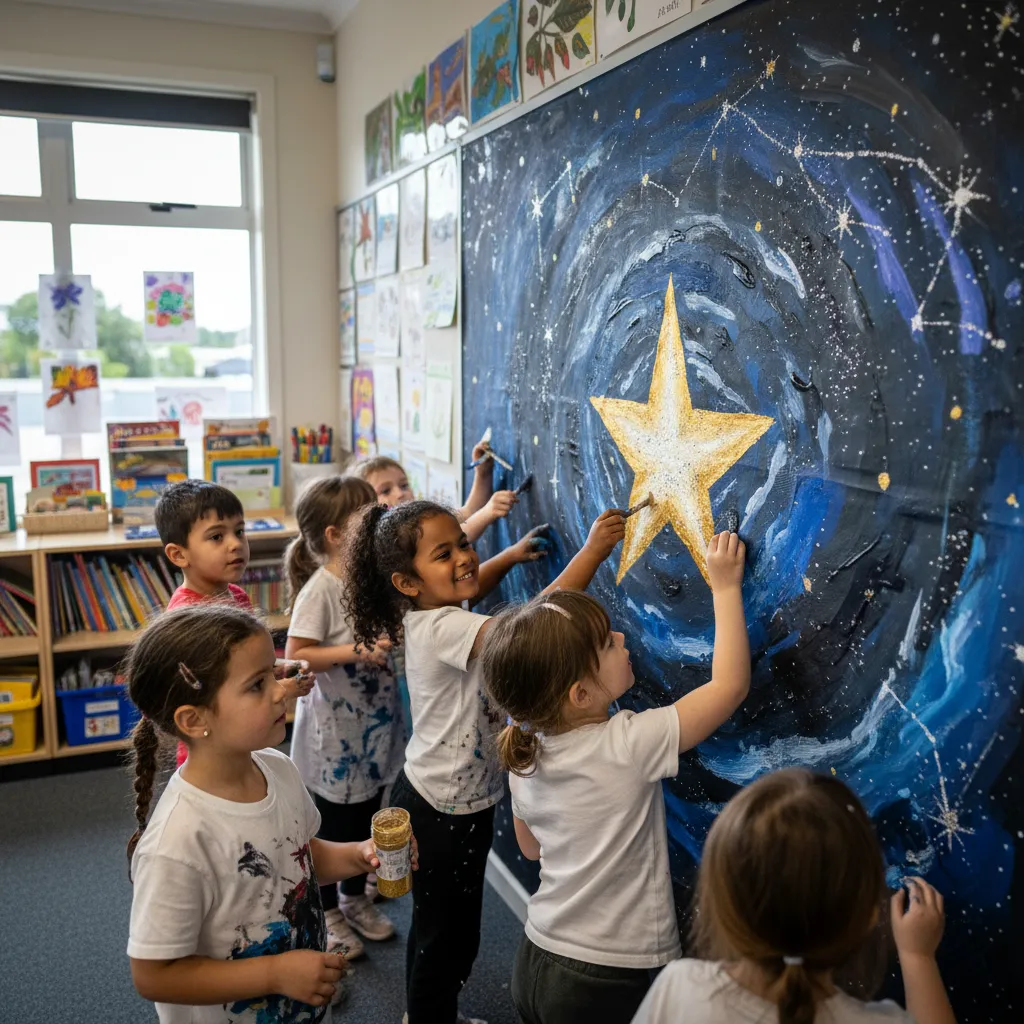
- Art Integration: Create a collaborative “Night Sky” mural. Use silver and blue glitter to represent Puanga (Rigel) as a distinct, bright star, contrasting it with the cluster of Matariki.
- Te Reo Māori: Focus on vocabulary: Whetū (star), Takurua (winter), Kai (food).
Years 5-8: Navigation, Astronomy, and Environmental Science
Focus: The intersection of science and culture.
- Learning Intention: We are learning to explain the astronomical difference between a star and a star cluster and investigate how early Māori used these celestial bodies for navigation and agriculture.
- Inquiry Project: “The Geometry of Orion.” Students investigate the constellation of Orion. They identify Rigel (Puanga) and Betelgeuse, measuring angles and distances using star maps.
- Social Science: Research the specific iwi in your region. Does your local mana whenua celebrate Matariki, Puanga, or both? Invite a local kaumātua to speak or use digital resources to find local stories.
- Written Language: Students write a persuasive essay or a report on why regional variations in celebrating the Māori New Year are important for preserving cultural identity.
Integrating Puanga into Science and Social Studies
Puanga offers a unique opportunity to bridge the gap between Western Science and Mātauranga Māori (Māori knowledge systems). This dual-perspective approach is highly valued in the New Zealand Curriculum.
Science: The Life Cycle of Stars and Seasonal Ecology
Rigel is a supergiant, vastly different from our Sun. A science unit can explore stellar evolution—how stars are born, how they live, and how they die. Puanga’s blue-white color indicates its intense heat, contrasting with the cooler red of Betelgeuse.
Ecological Connection: Connect the sighting of Puanga to terrestrial biology. When Puanga rises, what is happening to the local flora and fauna? This is the time when the kererū are fat from eating miro berries and when certain eels migrate. Create a “Nature Calendar” where students record observations of their local environment alongside the phases of the moon and the position of stars.
Social Studies: Iwi History and Local Tikanga
Social studies lessons should emphasize the concept of tūrangawaewae (a place to stand). For students in Taranaki or Whanganui, Puanga is a marker of their specific identity. Lesson plans should explore the history of the Parihaka movement or the Whanganui River settlement, linking these historical contexts to the resilience celebrated during the New Year.

Downloadable Worksheet Ideas and Activities
To support commercial-grade teaching packs or to create your own high-value resources, consider including the following worksheet types. These are designed to be practical, printable, and educationally robust.
1. The Puanga vs. Matariki Venn Diagram
A critical thinking activity where students compare and contrast the two celebrations.
Sections: Visible location, astronomical composition (single star vs. cluster), associated legends, and commonalities (remembrance, harvest).
2. “Whetū Wishes” Creative Writing Template
A structured writing frame where students set goals for the incoming year.
Prompts: “This year, I want to grow my knowledge in…”, “I can help my community by…”, “I want to remember…” This aligns with the ‘wananga’ aspect of the holiday.
3. Coordinate Geometry Star Mapping
For mathematics integration, provide a grid with coordinates. Students must plot points to reveal the constellation of Orion and identify Puanga. This reinforces graphing skills while teaching astronomy.
Assessment Guides for Cultural Competency
Assessing learning in this domain requires sensitivity. You are not just assessing fact retention, but also cultural understanding and respect.
Formative Assessment Strategies
- Tikanga Observation: Observe students during collaborative tasks. Are they demonstrating manaakitanga (care for others) and kotahitanga (unity)? These values are central to the Puanga season.
- Oral Retelling: Ask students to retell the legend of Puanga to a peer. Listen for the inclusion of key narrative elements and correct pronunciation of Te Reo Māori terms.
Summative Assessment Rubric Example
| Criteria | Developing | Proficient | Advanced |
|---|---|---|---|
| Astronomical Knowledge | Identifies Puanga as a star. | Identifies Puanga as Rigel and explains why it is used instead of Matariki in some regions. | Explains the heliacal rising process and contrasts Puanga’s magnitude with the Matariki cluster. |
| Cultural Context | Knows Puanga is Māori New Year. | Connects Puanga to concepts of harvest and remembrance. | Articulates specific iwi connections and the environmental significance of the season. |
Frequently Asked Questions
Below are common questions educators ask when searching for Puanga lesson plans NZ and teaching resources.
What is the main difference between Puanga and Matariki?
The main difference is astronomical and geographical. Matariki is a star cluster (Pleiades), while Puanga is a single bright star (Rigel). Iwi in regions with high western mountains (like Taranaki) often cannot see Matariki rise, so they celebrate the New Year upon the rising of Puanga instead.
When should I start teaching Puanga in schools?
You should begin teaching Puanga in late May or early June. This aligns with the heliacal rising of the star, which typically occurs in June or July depending on the lunar calendar (Maramataka). It is best to prepare students before the event so they can observe the sky at the correct time.
Are there specific colours associated with Puanga?
Yes, Puanga is a blue-white supergiant star. In art and visual resources, it is often depicted with silver, white, and icy blue tones to represent its brightness and the winter season (Takurua) it heralds.
Can I teach both Matariki and Puanga?
Absolutely. It is encouraged to teach both to show the diversity of Māori astronomy and tribal traditions. Teaching both highlights the localized nature of indigenous knowledge and how environment shapes culture.
What curriculum areas does Puanga cover?
Puanga lesson plans naturally integrate into Science (Planet Earth and Beyond), Social Sciences (Place and Environment, Continuity and Change), The Arts (Visual Art, Music), and Literacy (Reading and Writing legends).
Where can I find authentic stories about Puanga?
Authentic stories are best sourced from local iwi resources, library archives, or the Te Papa museum website. Always look for resources endorsed by local mana whenua to ensure the narratives are accurate to the region you are teaching in.