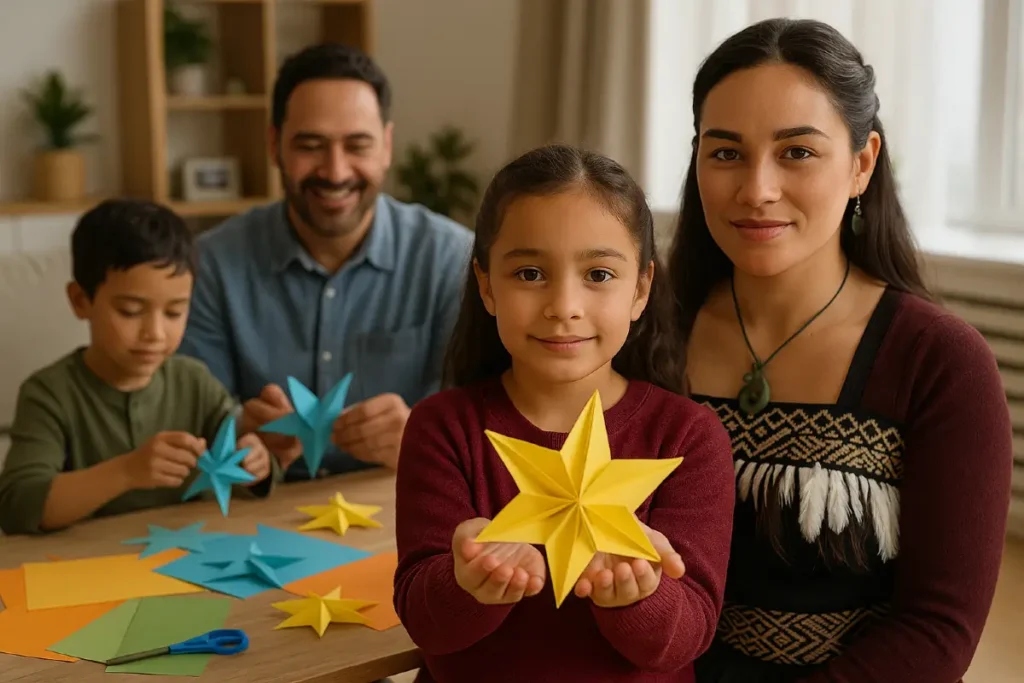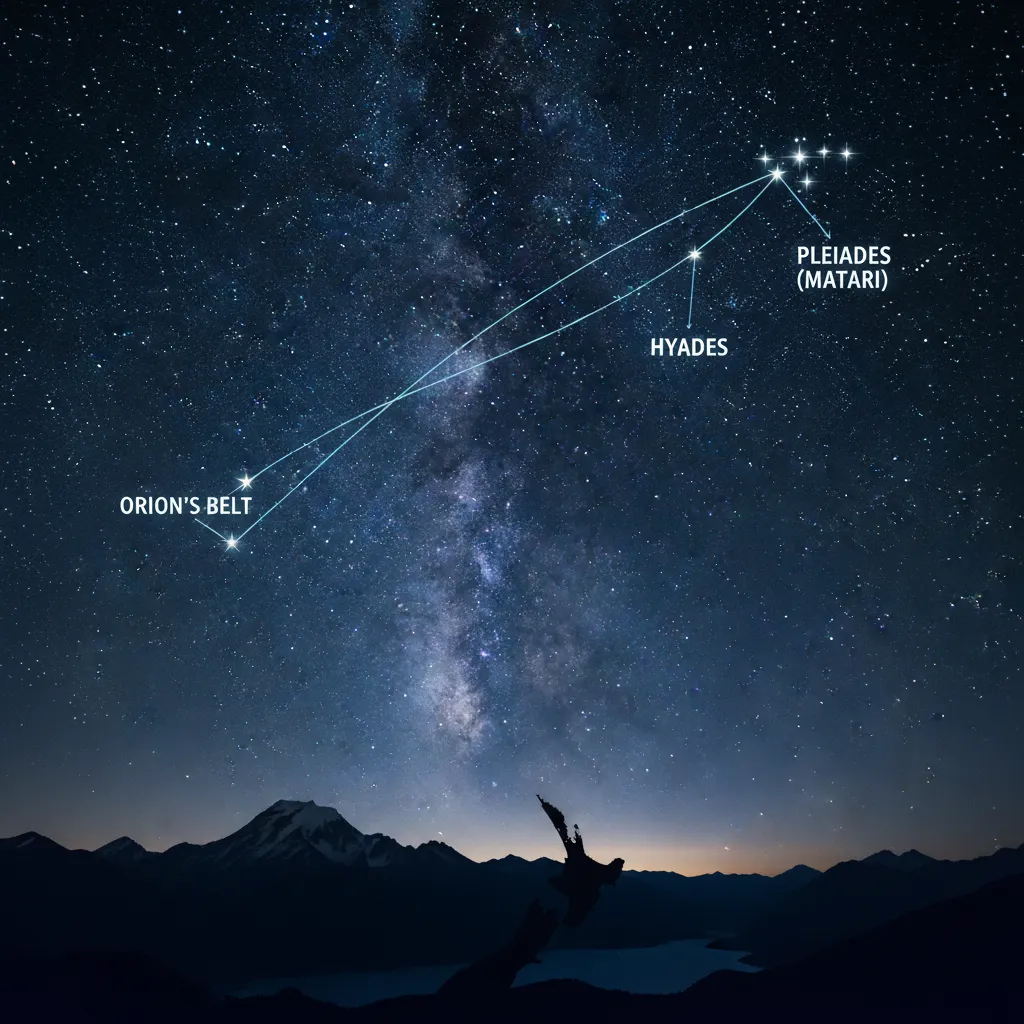
Puanga activities printable resources are educational tools designed to celebrate the Māori New Year for regions where the star Puanga (Rigel) heralds the season. These downloadable assets, including star maps, coloring pages, and vocabulary puzzles, help tamariki learn about the harvest, remembrance, and astronomical significance of Puanga distinct from Matariki.
What is the Difference Between Puanga and Matariki?
Before diving into the activities, it is crucial for educators and parents to understand the specific cultural context of Puanga. While the majority of Aotearoa celebrates Matariki (the Pleiades cluster) as the marker of the New Year, specific iwi (tribes) in the West Coast, Taranaki, Whanganui, and the Far North cannot see Matariki clearly due to their geographical landscape. Instead, they look to Puanga (Rigel), the bright star in the Orion constellation.
Puanga is a time of reflection, preparation, and learning. It signals the end of the harvest and the time to store food for winter. When selecting Puanga activities printable materials, ensure the content reflects this distinction. The focus should be on the single bright star of Rigel and its relationship to the harvest and the winter sky, rather than the seven (or nine) stars of Matariki. This distinction provides a rich opportunity to teach students about regional differences in Māori astronomy and the influence of geography on cultural practices.
Coloring Pages of the Night Sky
Visual arts are a primary method for younger tamariki to engage with complex astronomical concepts. Printable coloring pages specifically designed for Puanga should feature the constellation of Orion, highlighting Puanga as the principal star.
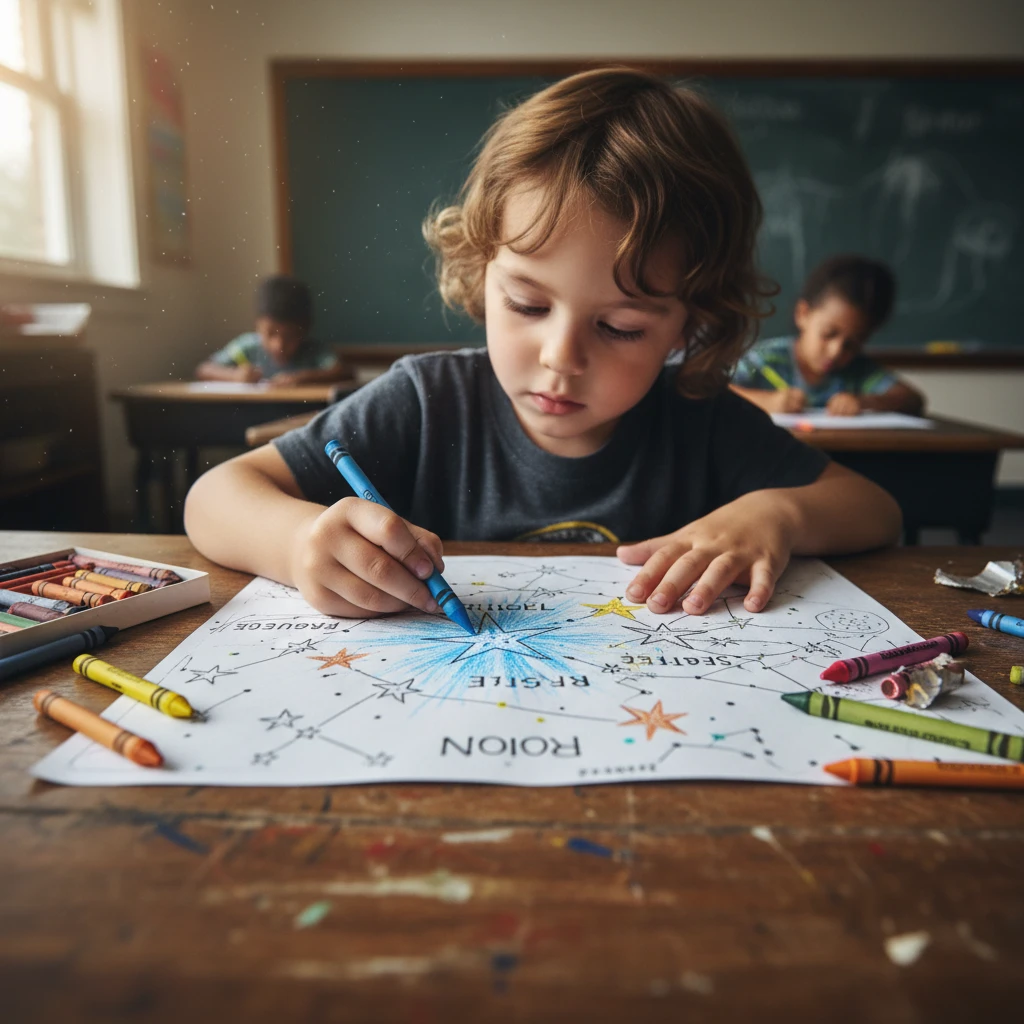
When utilizing these coloring sheets in a classroom setting, consider the following educational angles:
- Star Identification: Use printables that require students to connect the dots to form ‘The Pot’ (Orion’s Belt and Sword) and identify Puanga situated above it.
- Color Theory: Discuss the color of stars. Puanga is a blue-white supergiant. Encourage children to use cool tones (blues, silvers, whites) for the stars and deep blacks and purples for the background to represent Te Pō (the night).
- Cultural Narratives: Many coloring pages include motifs of the pātaka (storehouse). This reinforces the connection between the appearance of the star and the preservation of food crops like kūmara.
These activities are not merely busy work; they are visual representations of mātauranga Māori (Māori knowledge). By focusing on the specific geometry of the night sky, students begin to develop navigation and observation skills.
Word Searches and Crosswords
For primary and intermediate students, literacy-based printables such as word searches and crosswords are excellent for reinforcing Te Reo Māori vocabulary associated with the season. These activities bridge the gap between language learning and cultural appreciation.
Essential Vocabulary for Puanga Printables
When creating or selecting word searches, look for the inclusion of these high-value keywords:
- Whetū: Star
- Kai: Food
- Maumahara: Remembrance
- Hākari: Feast
- Takurua: Winter
- Wānanga: Learning/Seminar
Crosswords offer a deeper level of engagement by requiring students to understand the definitions. A clue might read, “The star that signals the New Year for Taranaki iwi,” with the answer being “Puanga.” This reinforces the regional specificity discussed earlier. These printable sheets can be used as morning warm-up activities or as part of a larger unit on New Zealand history and geography.
Cut-Out Star Mobiles
Transforming flat printables into three-dimensional art helps bring the night sky into the classroom. Cut-out star mobiles are a favorite activity that combines fine motor skills with astronomical education.
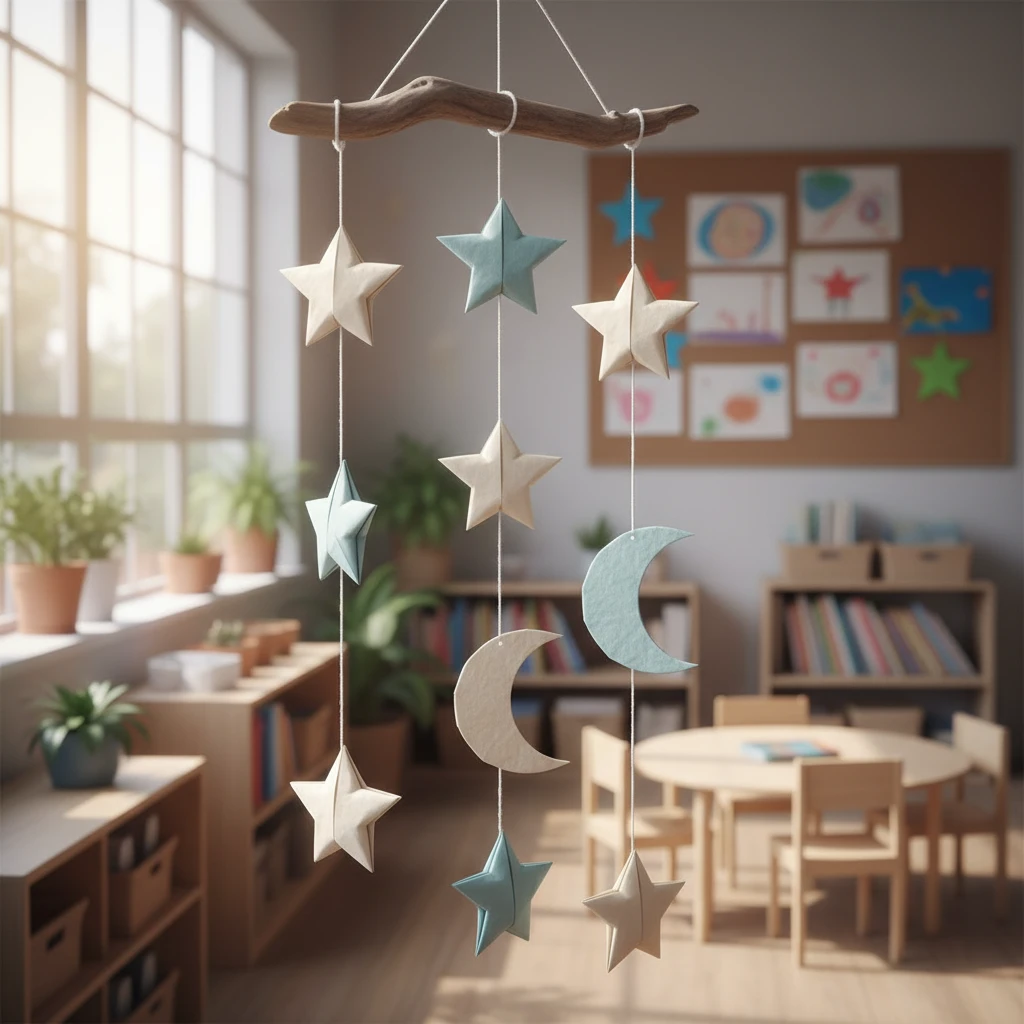
How to Create a Puanga Mobile:
- Download and Print: Source templates that offer various star sizes. The largest star should represent Puanga.
- Decoration: Before cutting, have students decorate the stars using glitter, metallic paint, or foil to simulate twinkling.
- Assembly: Use natural materials like driftwood or flax (harakeke) strings to suspend the stars. This connects the celestial (stars) with the terrestrial (wood/flax), a common theme in Māori cosmology.
- Configuration: Encourage older students to hang the stars in the actual shape of the Orion constellation, rather than randomly. This turns a craft project into a science lesson regarding constellations.
These mobiles serve as excellent classroom decor, creating an immersive environment that reminds students of the season’s significance every time they look up.
Story Sequencing Activities
Oral tradition is the backbone of Māori history. Translating these oral histories into printable sequencing activities helps students understand narrative structures and the passage of time.
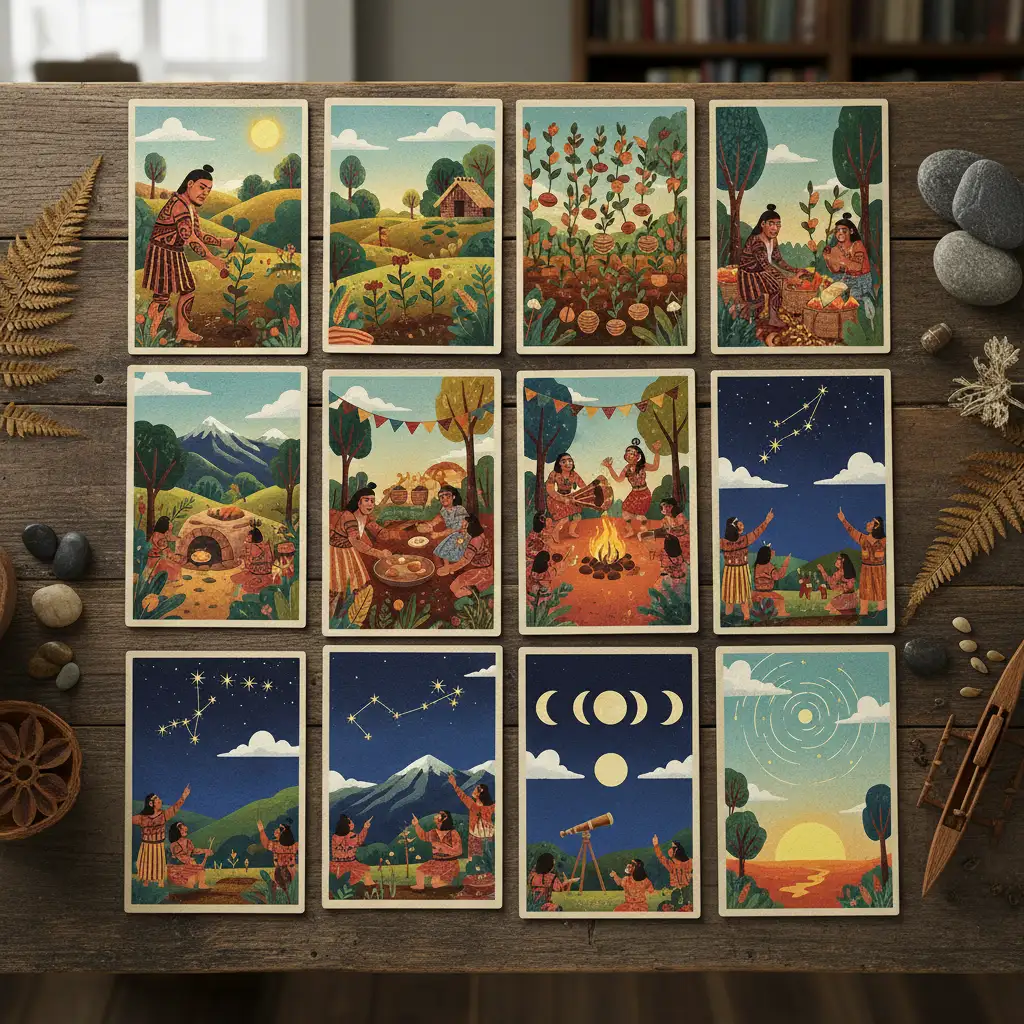
Common narratives associated with Puanga involve the cycle of the kūmara. A printable sequencing task might involve four to six images that the student must cut out and paste in the correct order:
- Image 1: The harvest of the kūmara in autumn.
- Image 2: The storage of food in the pātaka.
- Image 3: The appearance of Puanga in the pre-dawn sky.
- Image 4: The community gathering for wānanga (learning) and remembrance of those who have passed.
By physically ordering these events, students grasp the concept of the Māori lunar calendar (Maramataka) and how environmental cues dictate human activity. This is particularly effective for visual and kinesthetic learners who struggle with purely text-based history lessons.
Craft Ideas for the Classroom
Beyond standard paper printables, teachers can use templates to facilitate broader craft projects. Printable stencils are invaluable for creating consistent shapes for more complex artistic endeavors.
Silhouette Art
Use printable stencils of the Orion constellation to create silhouette art. Students can sponge-paint a background of sunset or twilight colors and use the black stencil to block out the horizon line, perhaps featuring local landmarks like Mount Taranaki or the Whanganui River. This grounds the celestial event in their local geography.

Manu Tukutuku (Kites)
Kites are traditionally flown during the Māori New Year to connect the earth and the heavens. While you cannot print a kite, you can print templates for kite decorations. Students can color intricate Māori patterns (kowhaiwhai) on paper, which are then pasted onto the spines of homemade kites. This activity symbolizes sending thoughts and messages to those who have passed away, a core tenet of the Puanga season.
Integrating Puanga into the NZ Curriculum
Utilizing Puanga activities printable resources is not just about celebrating a holiday; it is about meeting specific learning objectives within the New Zealand Curriculum.
Social Sciences: Students learn how people pass on and sustain culture and heritage for different reasons and that this has consequences for people. Investigating why some iwi celebrate Puanga and others Matariki fits perfectly here.
Science (Planet Earth and Beyond): The study of the interaction between the Earth and the solar system. Observing the heliacal rising of stars is a practical astronomy lesson.
The Arts: Developing practical knowledge in the visual arts through the creation of mobiles, sketches, and cultural patterns.
By framing these printables within the curriculum, educators ensure that the activities are academically rigorous as well as culturally responsive. It moves the celebration beyond tokenism and into a deep, educational exploration of indigenous knowledge systems.
When is Puanga celebrated?
Puanga is celebrated in June or July, appearing in the pre-dawn sky. The exact dates shift slightly each year based on the lunar calendar (Maramataka) and the specific observations of local iwi.
Why do some iwi celebrate Puanga instead of Matariki?
Iwi in the West Coast, Taranaki, Whanganui, and parts of the Far North celebrate Puanga because the Matariki cluster is often obscured by mountain ranges or is lower on the horizon in those regions. Puanga (Rigel) is higher and brighter, making it a reliable marker.
What does the star Puanga represent?
Puanga is associated with the preservation of food, the winter season, and wānanga (learning). It is often viewed as an older brother to Matariki and is a sign to finish the harvest and prepare for the winter months.
How do you find Puanga in the sky?
To find Puanga, look for the three stars of ‘The Pot’ (Orion’s Belt). Puanga is the bright blue-white star located above the belt. It is the seventh brightest star in the night sky.
What are traditional Puanga activities?
Traditional activities include wānanga (learning sessions), sharing whakapapa (genealogy), preserving food, making manu tukutuku (kites), and remembering loved ones who have passed away during the previous year.
Is Puanga a public holiday?
The public holiday is officially named ‘Matariki,’ but the legislation acknowledges the regional preference for Puanga. The holiday date is set to accommodate the rising of these celestial bodies, allowing all regions to celebrate their specific traditions simultaneously.