
Traditional Matariki food encompasses the seasonal bounty harvested during the Māori New Year, specifically crops from the earth (kumara), birds and berries from the forest, freshwater delicacies like eels (tuna), and saltwater seafood (kai moana). These foods honor the specific stars of the Matariki cluster associated with different environmental domains.
What is Mahinga Kai?
To understand traditional Matariki food, one must first grasp the concept of Mahinga Kai. While often translated simply as “food gathering,” the term encompasses much more than the physical act of harvesting. It refers to the ecosystems and habitats where food is gathered, the species themselves, the intergenerational knowledge of how to harvest them sustainably, and the cultural practices surrounding their preparation and preservation.
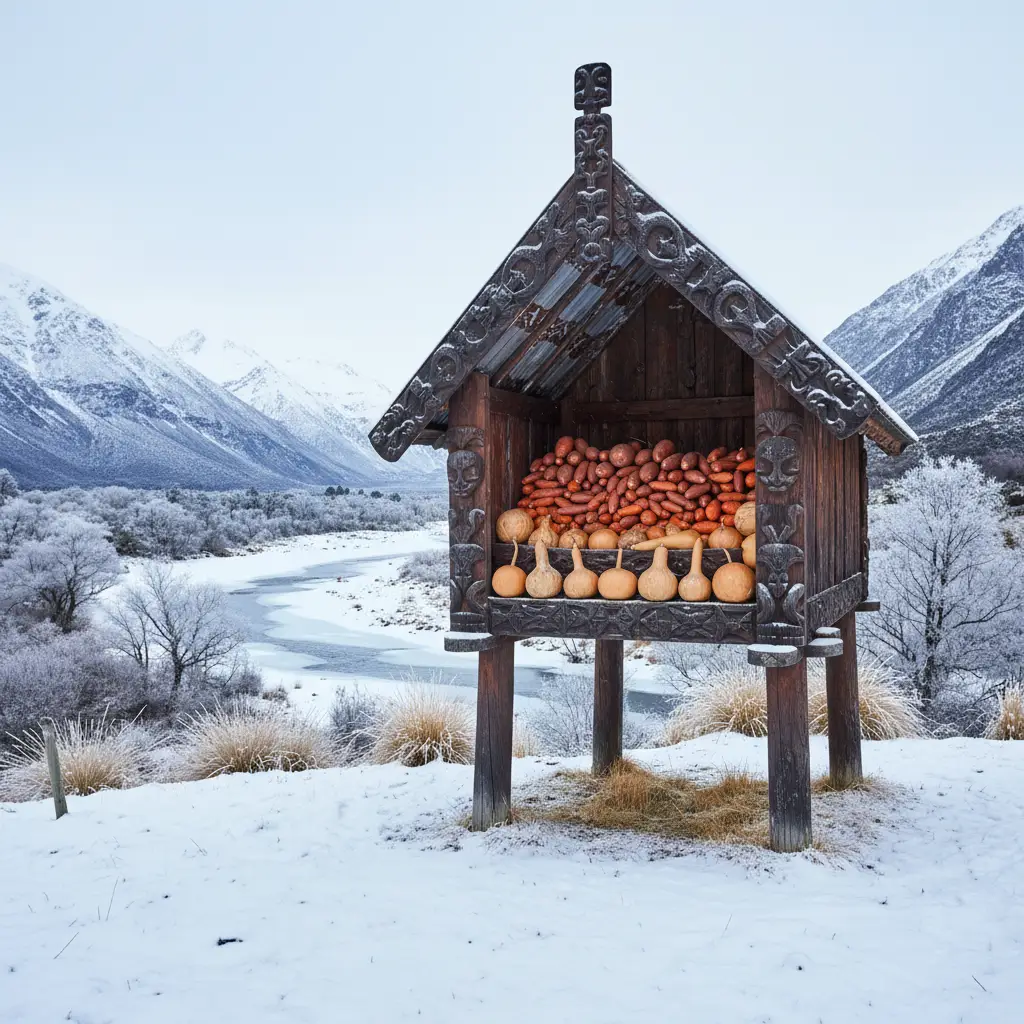
Mahinga Kai is the intersection of people and place. It is a demonstration of whakapapa (genealogy) connecting humans to the natural world. In the context of Matariki, Mahinga Kai dictates what appears on the table. The rising of the Matariki star cluster (the Pleiades) occurs in mid-winter in Aotearoa New Zealand. This timing is critical; it signifies the end of the harvest season and the time when food stores—pātaka kai—should be full.
Historically, the survival of hapū (sub-tribes) during the cold winter months depended on the success of the Mahinga Kai practices throughout the preceding seasons. Matariki was the marker that the hard work was done, the crops were stored, the fish were preserved, and it was time to retreat indoors, learn, rest, and feast.
Why is Feasting Central to the New Year?
Feasting, or hākari, is the heartbeat of the Matariki celebration. In Māori culture, food is never just sustenance; it is a medium for hospitality (manaakitanga), a way to remove tapu (sacredness) to return to a neutral state (noa), and a method of strengthening social bonds.
During Matariki, the feast serves two primary spiritual and social functions:
- Celebrating the Harvest: It is a thanksgiving festival. The abundance of food on the table represents the fertility of the land and the success of the community’s labor. It is a time to enjoy the fruits of the harvest before the planting cycle begins anew.
- Remembering the Dead: Matariki is a time to remember those who have passed away since the last rising of the stars. Food is often prepared in their honor, and stories are shared over shared meals. The act of eating together solidifies the continuity of life despite the reality of death.
Traditional Matariki Food and the Stars
The connection between the stars and food is literal in Māori astronomy. Within the Matariki cluster, specific stars hold dominion over different environmental realms and the food sources found within them. A traditional Matariki feast should ideally include ingredients that represent each of these domains to acknowledge the balance of the ecosystem.
Tupuānuku: Food from the Earth
The star Tupuānuku is associated with food grown in the ground. This is the star of gardeners and cultivators.
- Key Foods: Kūmara (sweet potato), taewa (Māori potatoes), yams, and taro.
- Significance: The visibility of this star was often used to predict the success of the next kumara harvest. If the star appeared bright and clear, the planting season would be fruitful.
Tupuārangi: Food from the Sky
Tupuārangi connects to food sources found above the ground—in the trees and the sky.
- Key Foods: Birds (manu) such as kererū (wood pigeon) or tītī (muttonbird), and berries like hinau or karaka.
- Significance: Historically, this involved the snaring of birds when they were fat from winter berries. Today, this is often represented by poultry or ethically sourced wild game.
Waitī: Food from Fresh Water
Waitī watches over freshwater environments—rivers, streams, and lakes.
- Key Foods: Tuna (eels), kōura (freshwater crayfish), watercress, and whitebait (inanga).
- Significance: The migration of eels is a significant seasonal event. Eels were often dried and preserved for the winter months, making them a staple traditional Matariki food.
Waitā: Food from the Ocean
Waitā represents the vast ocean and the food harvested from salt water.
- Key Foods: Ika (fish) such as snapper or kahawai, kūtai (mussels), pāua (abalone), and kina (sea urchin).
- Significance: Winter is a prime time for certain seafood, as the cold water often results in fatter, richer fish.
The Hautapu Ceremony: Feeding the Stars
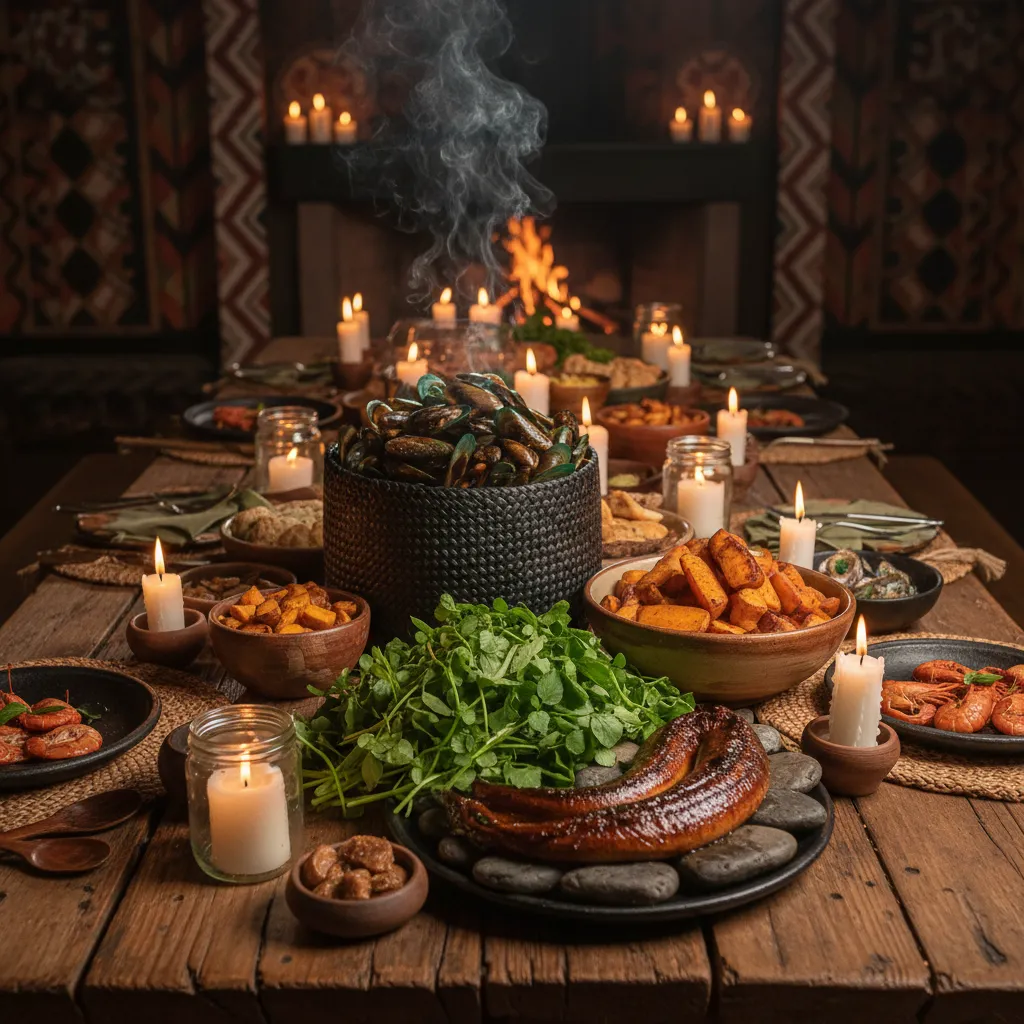
The most sacred application of traditional Matariki food is the Hautapu ceremony. This ritual takes place before sunrise, at the time when the Matariki cluster becomes visible on the horizon.
In this ceremony, foods representing the four stars mentioned above (Tupuānuku, Tupuārangi, Waitī, and Waitā) are cooked in a ceremonial earth oven called an umu kohukohu whetū (steaming earth oven of the stars). The covers of the oven are removed, allowing the steam to rise into the sky. This steam is an offering to feed the stars, acknowledging their role in providing sustenance for the coming year.
The ceremony involves karakia (incantations) and the reading of the stars to forecast the weather and harvest for the year ahead. Only after the stars have been fed do the people break their fast and partake in the hākari.
Modern Matariki Menu Ideas
Celebrating Matariki in the modern era is about adapting these ancient traditions to contemporary kitchens while maintaining the spirit of Mahinga Kai. You do not need a hāngī pit to host a meaningful Matariki dinner; you simply need to source ingredients that honor the four domains.
Appetizer: The Domain of Waitī
Smoked Eel and Watercress Salad: Combine rich, oily smoked eel (available at many fishmongers) with the peppery bite of fresh watercress. Dress with a light vinaigrette made from kawakawa leaves infused in oil. This dish honors the freshwater star, Waitī.
Main Course: The Domain of Waitā & Tupuānuku
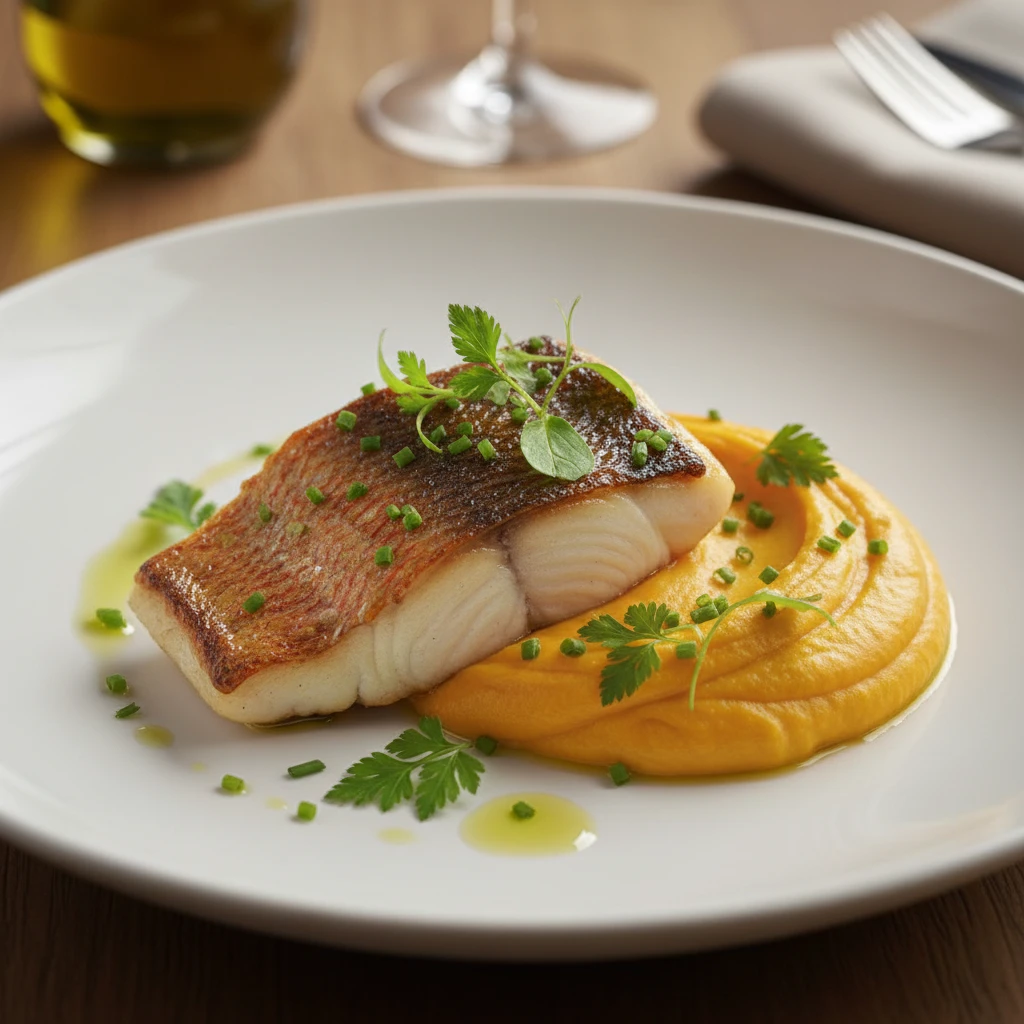
Baked Snapper with Kūmara Gratin: Roast a whole snapper or fillets with lemon and horopito (native pepper tree) seasoning. Serve this alongside a gratin made from gold and red kūmara, layered with cream and garlic. This combination brings together the ocean (Waitā) and the earth (Tupuānuku).
Dessert: The Domain of Tupuārangi
Steamed Pudding with Berry Compote: A traditional steamed pudding represents the comfort of winter cooking. Top it with a compote made from boysenberries or blackberries, acknowledging the fruits of the forest and the domain of Tupuārangi.
Sustainability and Food Sovereignty
Discussing traditional Matariki food is impossible without addressing Kaitiakitanga (guardianship). Matariki is a reminder of the cyclical nature of the environment. If we take too much from the ocean or pollute the rivers, the stars Waitā and Waitī cannot provide for us in the future.
The Role of Food Sovereignty
Food sovereignty for Māori means having control over the food systems that nourish their communities. It involves:
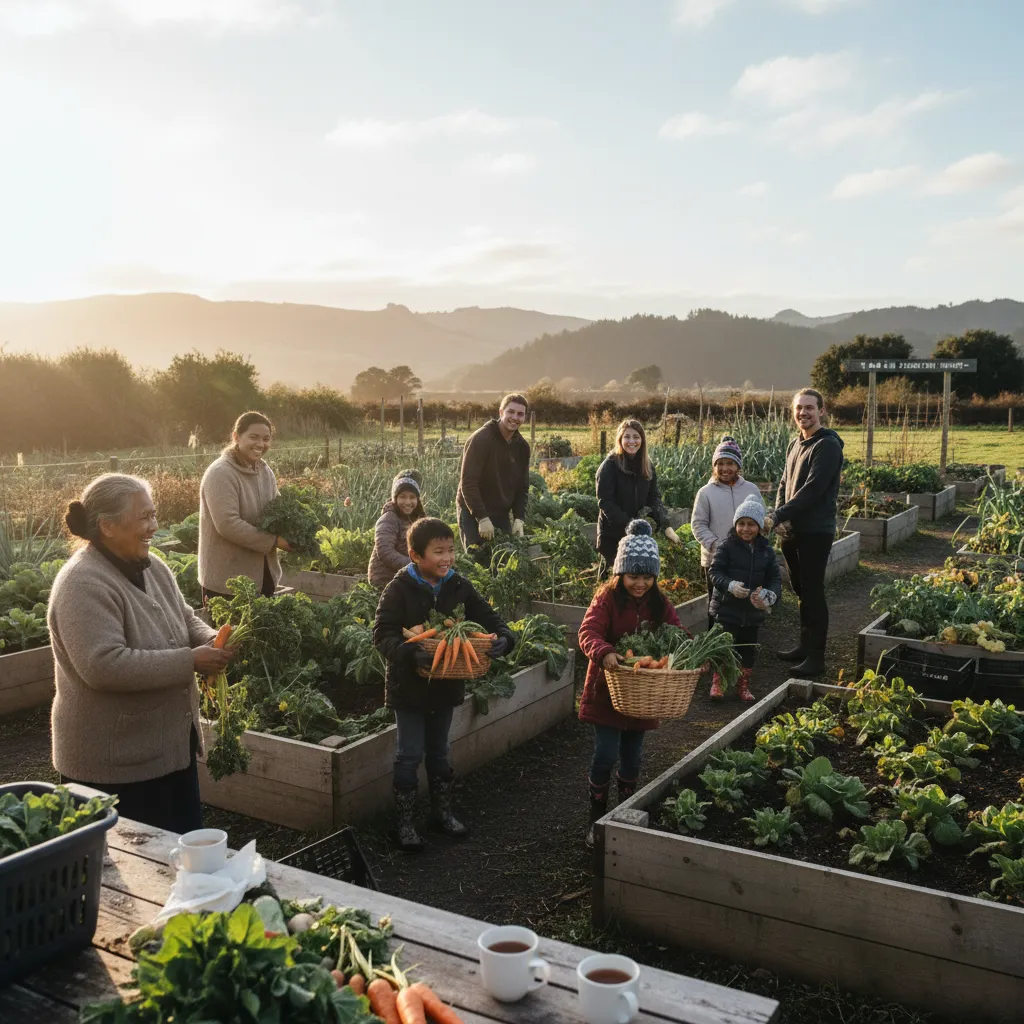
- Restoring Habitats: Cleaning waterways so that watercress and eels can thrive again.
- Seed Saving: Preserving heritage varieties of kūmara and taewa that are adapted to the local climate.
- Seasonal Eating: Resisting the convenience of imported, out-of-season produce and returning to the rhythm of the maramataka (Māori lunar calendar).
By choosing to eat traditional Matariki foods that are locally sourced and sustainably harvested, you are actively participating in a movement of cultural revitalization and environmental protection. It moves the holiday from a passive observation to an active commitment to the land.
People Also Ask
What foods are traditionally eaten during Matariki?
Traditionally, foods eaten during Matariki include kumara (sweet potato), fish, eel, birds, and berries. These ingredients represent the four stars connected to food sources: Tupuānuku (earth), Tupuārangi (sky), Waitī (fresh water), and Waitā (salt water).
Why is food important to Matariki?
Food is central to Matariki because the holiday marks the end of the harvest season. It is a time when food stores are full, allowing communities to rest and feast. Sharing food also serves a spiritual purpose in the Hautapu ceremony, where steam from cooked food is offered to the stars.
What is the Hautapu ceremony?
The Hautapu is a sacred pre-dawn ceremony where food representing the four environmental domains is cooked in an earth oven. The steam is released to feed the Matariki stars, and priests read the appearance of the stars to predict the weather and prosperity for the coming year.
How can I host a Matariki dinner?
To host a Matariki dinner, plan a menu that incorporates ingredients from the earth, ocean, fresh water, and forest. Invite family and friends to share the meal, take time to remember loved ones who have passed, and reflect on goals for the new year.
Is Matariki a harvest festival?
Yes, Matariki is largely a harvest festival. It occurs mid-winter when the harvesting of crops like kumara is complete. It celebrates the filling of the pātaka (storehouses) and ensures the community has enough sustenance to survive the cold months.
What is the difference between Mahinga Kai and gardening?
While gardening is part of it, Mahinga Kai is a broader concept that includes the ecosystems, the natural habitats, the methods of gathering wild food, and the cultural transmission of knowledge regarding how to harvest sustainably and preserve resources for future generations.