
Matariki is the Māori name for the Pleiades star cluster and signifies the beginning of the Māori New Year in Aotearoa New Zealand. It is a time for remembering those who have passed, celebrating the present with whānau and kai, and planning for the future. Since 2022, it has been observed as an official public holiday.
What is Matariki and Why is it a Public Holiday?
Matariki is an abbreviation of “Ngā Mata o te Ariki Tāwhirimātea” (The eyes of the god Tāwhirimātea). Astronomically, it refers to the Pleiades star cluster, a group of several hundred stars located in the Taurus constellation. While the cluster contains many stars, nine are distinctly recognized in Māori tradition as holding specific environmental and spiritual dominion.
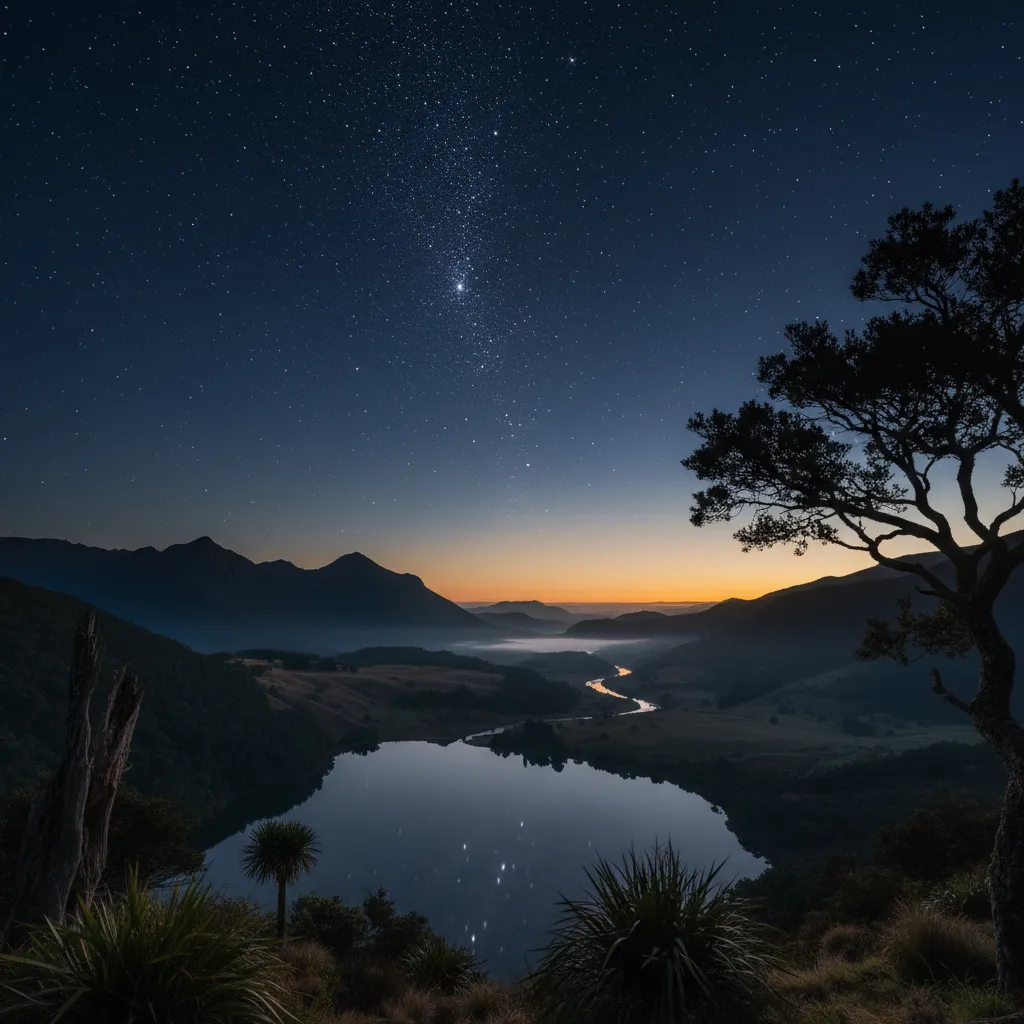
The rise of Matariki in the mid-winter sky marks the transition from the old year to the new in the Māori lunar calendar (Maramataka). Unlike the Gregorian solar calendar, the Māori year is determined by the phases of the moon and the appearance of stars. The reappearance of Matariki usually occurs in late June or early July, signaling a time of renewal.
The Journey to Recognition
For decades, the celebration of Matariki was largely maintained by iwi (tribes) and hapū (sub-tribes). However, a cultural renaissance in the early 21st century brought the tradition into the national spotlight. This culminated in the passing of the Te Kāhui o Matariki Public Holiday Act 2022.
This legislation was historic for several reasons:
- It is the first public holiday in New Zealand specifically recognizing Te Ao Māori (the Māori world).
- It is one of the few public holidays globally rooted in indigenous knowledge rather than colonial history or religious tradition.
- It shifts annually based on the lunar calendar, requiring a specific advisory board to determine the dates decades in advance.
Matariki Public Holiday Dates (2024–2030)
Because the holiday follows the Maramataka (Māori lunar calendar), the date changes every year, similar to Easter. The holiday is observed on the Friday closest to the Tangaroa lunar phase during the rising of Matariki.
Below are the official dates for the Matariki public holiday for the upcoming years. Mark your calendars to ensure you are prepared for these long weekends of celebration.
| Year | Date (Friday) |
|---|---|
| 2024 | June 28 (Past) |
| 2025 | June 20 |
| 2026 | July 10 |
| 2027 | June 25 |
| 2028 | July 14 |
| 2029 | July 6 |
| 2030 | June 21 |
The Three Major Principles of Matariki
While celebrations vary between regions and iwi, the underlying spirit of Matariki is consistent. The holiday is anchored by three major principles that guide how New Zealanders are encouraged to observe the day.
1. Matariki Hunga Nui (Remembrance)
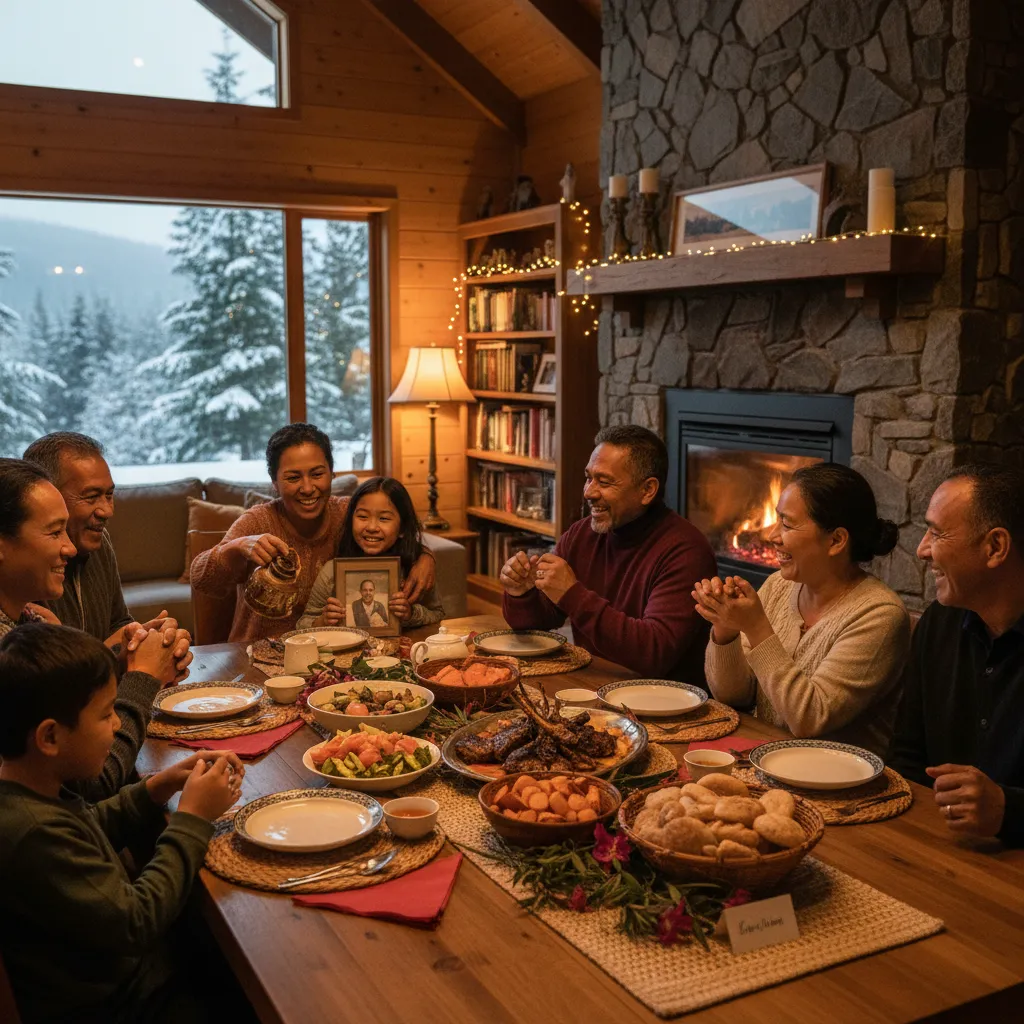
This principle focuses on remembering those who have passed away since the last rising of Matariki. It is a solemn time to honor ancestors (tīpuna) and loved ones. Traditionally, the names of the dead were called out to the stars, releasing their spirits to become stars themselves. In a modern context, families often visit urupā (cemeteries) or share stories and photos of those they have lost over the past year.
2. Matariki Ahunga Nui (Celebrating the Present)
This aspect is about gathering together to give thanks for what we have. It emphasizes the “bountiful harvest.” Historically, this was when food stores (pātaka) were full after the harvest, meaning there was plenty of food to share. Today, this translates to feasting with community and family, appreciating the people around us, and being grateful for the blessings of the current year.
3. Matariki Manako Nui (Looking to the Future)
The final principle looks forward. It is a time for planning, goal setting, and sending wishes to the star Hiwa-i-te-rangi. Just as Western culture has New Year’s resolutions, Matariki is a time to set intentions for the year ahead, whether they are related to education, health, environmental stewardship, or family unity.
Te Iwa o Matariki: The 9 Stars Explained
Many people are familiar with the “Seven Sisters” (Greek mythology), but in Aotearoa, Matariki is most commonly recognized as a cluster of nine stars. Each star holds dominion over a specific area of the environment and wellbeing.
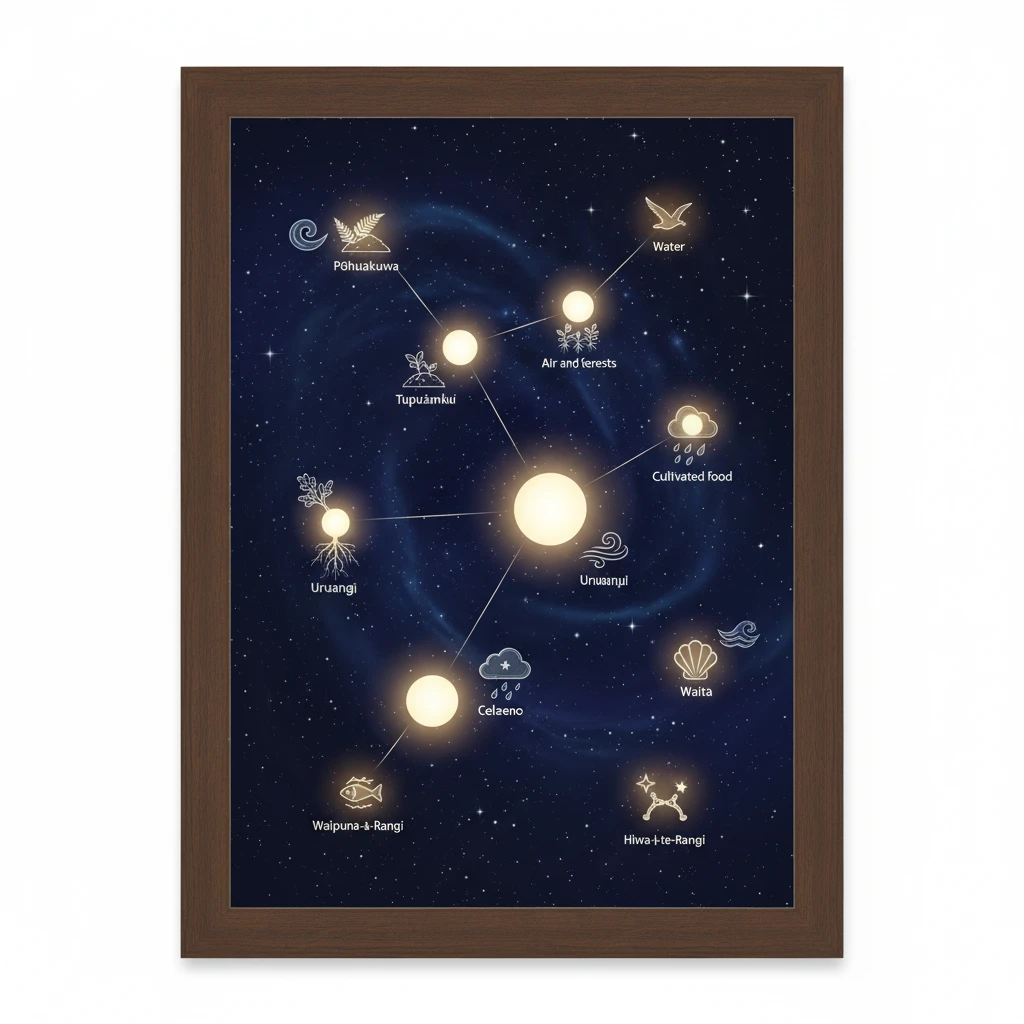
- Matariki: The mother star. She signifies reflection, hope, our connection to the environment, and the gathering of people. She is also connected to the health and wellbeing of people.
- Pōhutukawa: Connected to those who have passed on. This star carries the dead across the year and reminds us to cherish our memories of them.
- Tupuānuku: Associated with food that grows in the ground (soil). “Tupu” means to grow, and “nuku” refers to Papatūānuku (Earth Mother). This covers crops like kūmara (sweet potato) and rīwai (potatoes).
- Tupuārangi: Associated with food that comes from the sky and above the ground. This includes birds, fruit, and berries from trees.
- Waipunarangi: Connected to the rain. “Wai” is water, “puna” is a spring, and “rangi” is the sky. The brightness of this star was traditionally used to predict rainfall for the coming year.
- Waitī: Connected to fresh water and all the food sources within it (eels, crayfish). It represents the health of rivers, streams, and lakes.
- Waitā: Associated with the ocean and salt water food sources. This star represents the bounty of the sea (kaimoana).
- Ururangi: Connected to the winds. The nature of this star determines the nature of the winds for the year—whether they will be benevolent or destructive.
- Hiwa-i-te-rangi: The wishing star. This is the star to which you send your dreams and desires for the year ahead. It is the youngest star in the cluster.
Puanga: A Regional Variation
It is crucial to understand that not all iwi celebrate Matariki at the exact same time or in the same way. In some parts of New Zealand, particularly in the West Coast, Taranaki, Whanganui, and parts of the Far North, the Matariki cluster is difficult to see clearly due to the geography (mountain ranges blocking the eastern horizon).
For these iwi, the New Year is heralded by the star Puanga (Rigel), the brightest star in the constellation Orion. Puanga usually rises shortly before Matariki. While the specific star differs, the kaupapa (principles) of remembrance, celebration, and planning remain the same.
How New Zealanders Celebrate: Events, Kai, and Whānau
Matariki is not a commercial holiday; you won’t find “Matariki Sales” dominating the landscape. Instead, the focus is on community, environment, and culture. Here is how you can participate in 2025 and beyond.
The Hautapu Ceremony
The traditional ceremony involves cooking food in a hāngī (earth oven) and uncovering it so the steam rises to feed the stars. This is known as ‘whāngai i te hautapu’. While usually performed by iwi leaders, televised national broadcasts of the Hautapu have become a staple of the public holiday morning.
Attending Light Festivals
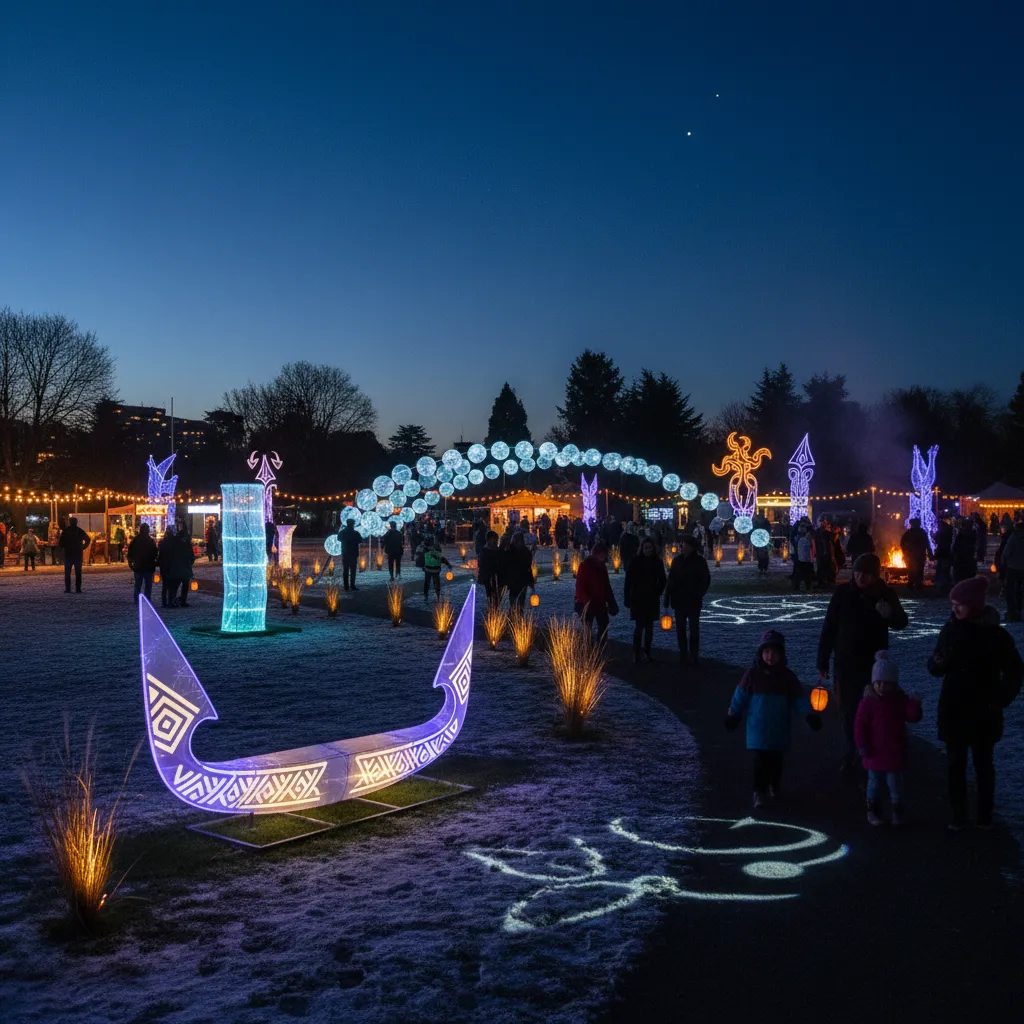
Cities across Auckland, Wellington, Christchurch, and Dunedin host massive light festivals. These events often feature mana whenua narratives projected onto buildings, traditional kapa haka performances, and large-scale art installations representing the nine stars.
Sharing Kai (Food)
Food is central to Matariki. This is the ideal time to host a mid-winter feast.
- Hāngī: The most traditional method, cooking meat and vegetables in an earth oven.
- Potluck: A modern adaptation where whānau bring a plate to share, ensuring variety and abundance.
- Seasonal Ingredients: Focus on ingredients represented by the stars—kūmara (Tupuānuku), fish (Waitā), and chicken or birds (Tupuārangi).
Environmental Action
Because Matariki is deeply tied to the environment, many Kiwis use the public holiday to plant trees, clean up local waterways, or prepare their vegetable gardens for the coming spring. It is a practical way to honor stars like Tupuānuku and Waitī.
Frequently Asked Questions
What does Matariki mean literally?
Matariki is often translated as “tiny eyes” (mata riki) or “eyes of the god” (mata ariki). In Māori mythology, it refers to the eyes of the god Tāwhirimātea, which he crushed and threw into the sky in grief after his parents, Ranginui and Papatūānuku, were separated.
Is Matariki the same day every year?
No. Matariki follows the Māori lunar calendar (Maramataka). The dates shift annually, much like Easter in the Western calendar. The public holiday is generally observed on a Friday in June or July.
What are the 7 or 9 stars of Matariki?
While the Pleiades cluster contains hundreds of stars, Māori tradition typically recognizes nine: Matariki, Pōhutukawa, Tupuānuku, Tupuārangi, Waipunarangi, Waitī, Waitā, Ururangi, and Hiwa-i-te-rangi. Some traditions only count seven, but nine is the standard for the national holiday.
How do you say Happy Matariki in Māori?
You can say “Ngā mihi o Matariki, te tau hou Māori” (Greetings of Matariki, the Māori New Year) or simply “Mānawatia a Matariki” (Celebrate/Welcome Matariki).
Why was Matariki made a holiday?
It was established to recognize the unique indigenous heritage of Aotearoa, to promote mātauranga Māori (Māori knowledge), and to provide a day for national unity, remembrance, and celebration of the environment.
What food is eaten during Matariki?
Foods that represent the stars are traditional favorites. This includes kūmara (sweet potato), fish and seafood (kaimoana), birds (or chicken), and preserved vegetables. A hāngī is the traditional method of cooking these feasts.