
Matariki is observed on different dates each year because it follows the Maramataka (Māori lunar calendar) rather than the Gregorian solar calendar. The date is determined by the heliacal rising of the Matariki star cluster during the lunar phase of Tangaroa, typically occurring between late June and mid-July. In 2024, the public holiday is Friday, 28 June, and in 2025, it will fall on Friday, 20 June.
New Zealand’s recognition of Matariki marks a significant cultural milestone, establishing the first public holiday based on Māori indigenous knowledge (mātauranga Māori). Unlike anniversaries or fixed holidays like Christmas, the timing of Matariki shifts annually, requiring a sophisticated understanding of astronomy and lunar cycles to predict. This guide provides the official dates for the coming decades, explains the science behind the Maramataka, and details how the Matariki Advisory Committee determines the official public holiday.
When is Matariki 2024 and 2025?
Because the holiday is tied to the lunar cycle, the date fluctuates within the Gregorian calendar, similar to Easter. However, to ensure ease of planning for businesses, schools, and families, the New Zealand Government has legislated the dates for the next 30 years based on expert advice. The holiday will always fall on a Friday to create a long weekend.
Matariki 2024
In 2024, the Matariki public holiday is observed on Friday, 28 June. This timing aligns with the rising of the star cluster in the pre-dawn sky during the Tangaroa lunar phase, signaling the start of the Māori New Year.
Matariki 2025
Looking ahead to next year, Matariki will be observed on Friday, 20 June 2025. This is notably earlier than the 2024 date, reflecting the shorter lunar year compared to the solar year, necessitating a shift in the calendar.
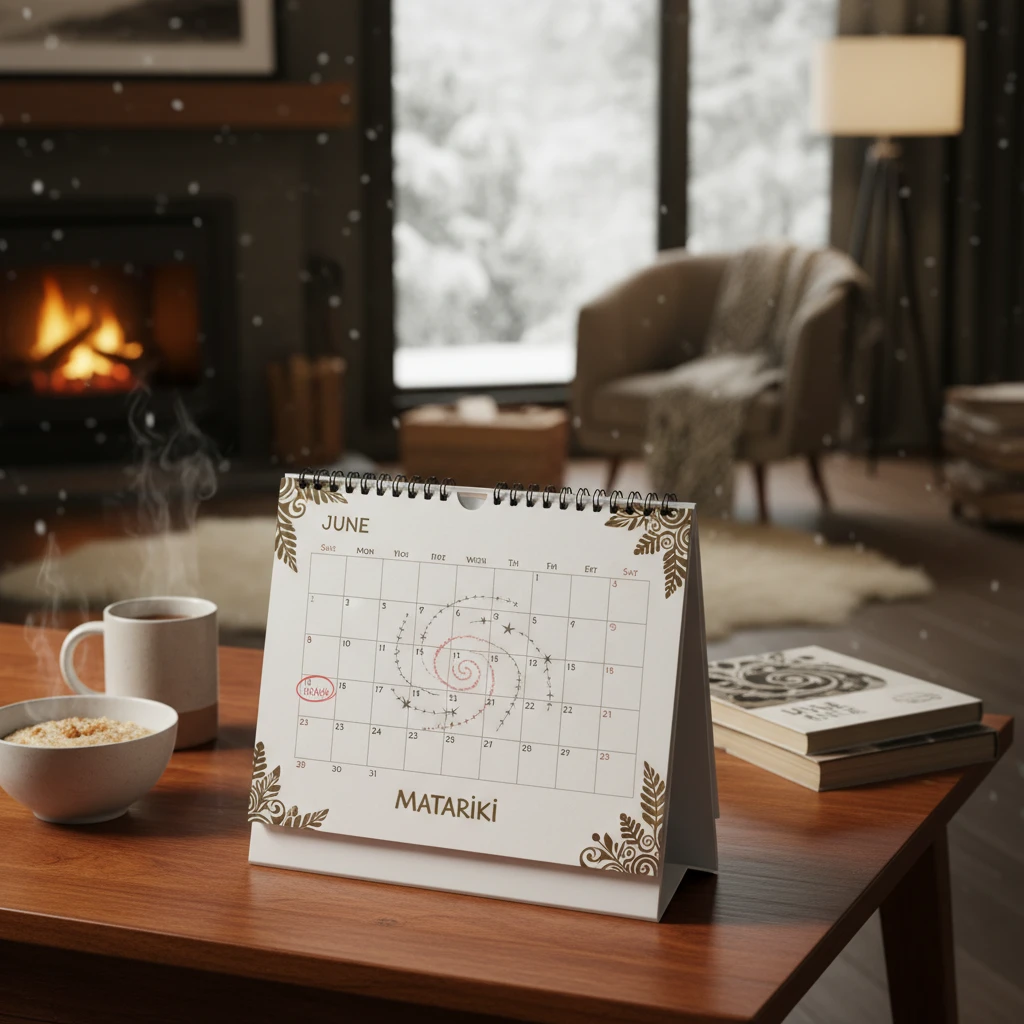
Future Dates Table (2024–2052)
To provide certainty for long-term planning, the Matariki Advisory Committee has calculated the dates through to 2052. Below is the schedule for the next decade. Note how the dates oscillate between late June and mid-July. This oscillation is the result of reconciling the 354-day lunar year with the 365-day solar year.
| Year | Date (Friday) | Observation Note |
|---|---|---|
| 2024 | 28 June | Tangaroa phase |
| 2025 | 20 June | Early rising |
| 2026 | 10 July | Late rising (Intercalation) |
| 2027 | 25 June | Standard cycle |
| 2028 | 14 July | Late rising |
| 2029 | 6 July | Mid-cycle |
| 2030 | 21 June | Solstice alignment |
| 2031 | 11 July | Late rising |
| 2032 | 2 July | Mid-cycle |
| 2033 | 24 June | Standard cycle |
How the Date is Determined
The process of determining the date for Matariki is not arbitrary; it is rooted in centuries of astronomical observation and mātauranga Māori (ancestral knowledge). The Matariki Advisory Committee, comprised of tohunga kōkōrangi (experts in astronomy), utilizes specific criteria to set the dates.
The Heliacal Rising
The primary indicator is the heliacal rising of the Pleiades star cluster (Matariki). Heliacal rising refers to the time when a star or cluster first becomes visible above the eastern horizon just before sunrise, after a period of being hidden by the sun’s glare. For Matariki, this occurs in mid-winter. However, simply seeing the stars is not enough to declare the New Year.

The Lunar Phase (Tangaroa)
The stars must be viewed during a specific phase of the moon. Māori tradition dictates that the New Year begins when Matariki is visible during the lunar phases of Tangaroa, the last quarter of the moon cycle. The Tangaroa phases are believed to be a productive time for fishing and planting, signaling abundance for the year ahead.
If the stars rise during the new moon (Whiro) or full moon (Rākaunui), the conditions are considered less auspicious for the New Year celebration. Therefore, the public holiday is set for the Friday closest to the Tangaroa lunar phase following the heliacal rising of Matariki.
Maramataka vs. Gregorian Calendar
Understanding when Matariki falls requires understanding the fundamental difference between the Western solar calendar and the Māori environmental calendar.
The Solar Mismatch
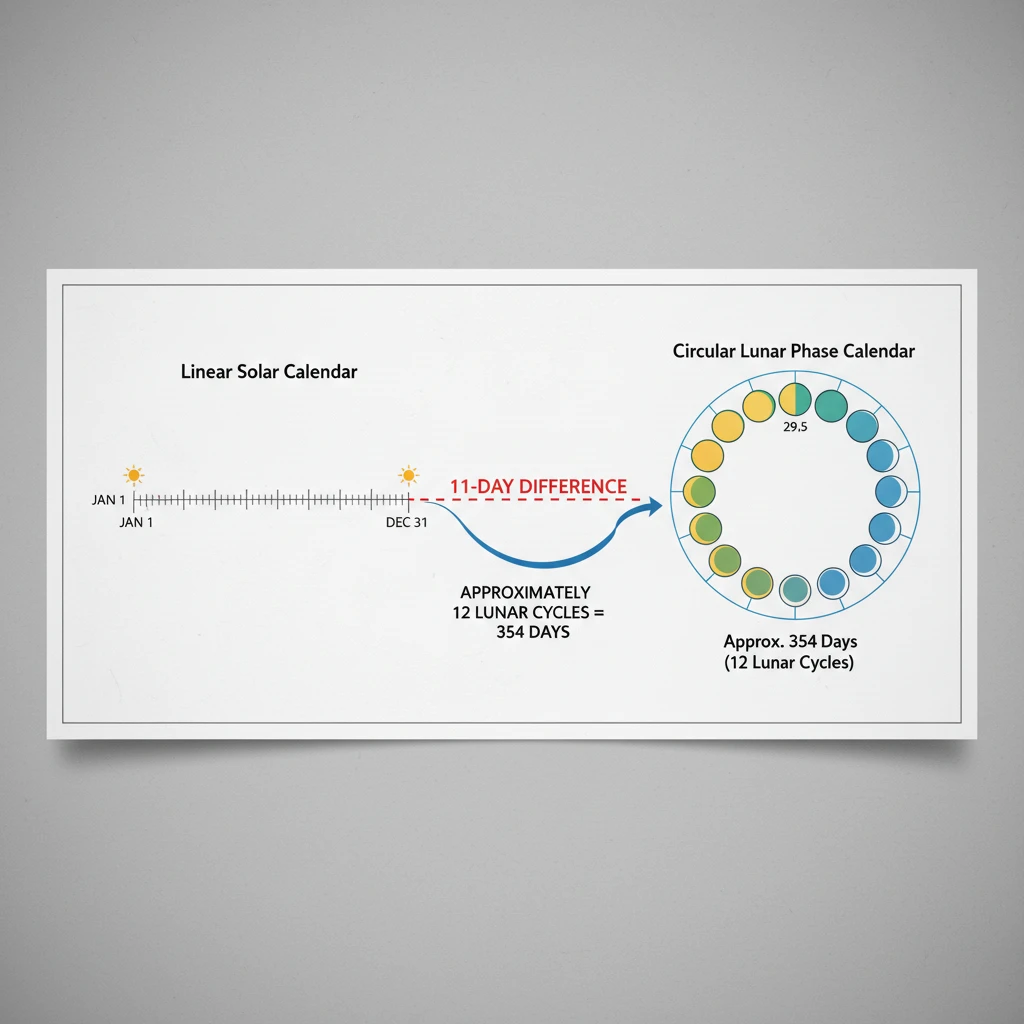
The Gregorian calendar is a solar calendar, based on the earth’s revolution around the sun, taking approximately 365.25 days. The Maramataka is a lunar-stellar calendar. A standard lunar year is approximately 354 days long—roughly 11 days shorter than the solar year.
If the Māori New Year were fixed to a specific Gregorian date (e.g., July 1st), the lunar phase would be different every year, eventually decoupling the holiday from the environmental cues it is meant to celebrate. Because the lunar year is shorter, the date of Matariki appears to “drift” earlier by about 11 days each year in the Gregorian calendar.
Intercalation (Whakaaroaro)
To correct this drift and keep Matariki in the winter season (pipiri), an extra month is occasionally added to the Maramataka. This is known as intercalation. In the context of the public holiday, this is why you will see the date jump from late June (e.g., June 20, 2025) back to mid-July (e.g., July 10, 2026). This “reset” ensures the holiday remains aligned with the correct seasonal and astronomical markers.
Puanga and Regional Differences
While the government has standardized the public holiday date based on the rising of Matariki, it is important to acknowledge that not all iwi (tribes) celebrate at the exact same time or look to the same stars.
The Role of Puanga
In parts of New Zealand, particularly the West Coast of the North Island (Taranaki, Whanganui) and parts of the South Island and Far North, the geography makes it difficult to see Matariki clearly on the eastern horizon. In these regions, the star Puanga (Rigel) is the primary marker for the New Year. Puanga rises slightly earlier than Matariki and is brighter.
Despite these regional variations in the specific star observed, the timing remains largely consistent across the country due to the shared lunar phases. The legislated public holiday acknowledges Matariki as the national standard, but the spirit of the holiday encompasses the observation of Puanga as well.
The Significance of the Timing
The timing of Matariki in mid-winter is not coincidental; it is deeply tied to the agricultural and ecological cycles of Aotearoa New Zealand.
Harvest and Rest
By late June, the harvest has been collected and stored in pātaka (storehouses). The kumara gathering is finished. The cold weather limits outdoor activity. Historically, this was the one time of year when intense labor ceased. It was a time for communities to come together, rest, share food, and learn.
Remembrance and Renewal
Because the date marks the end of one cycle and the beginning of another, the timing is spiritually charged. It is the designated time to mourn those who have passed away since the last rising of Matariki (pōhutukawa star) and to release their spirits to become stars in the sky. Simultaneously, it is a time to plan for the upcoming spring planting. This duality of looking back and looking forward is why the date is treated with such reverence.
Summary of Upcoming Dates
To summarize, if you are planning holidays or events, remember that Matariki will always be a Friday. The date is calculated to ensure the holiday aligns with the Tangaroa lunar phase following the rising of the Pleiades. While the date changes every year, the underlying logic—a connection to the environment, the stars, and the moon—remains constant.
Is Matariki always on the same day every year?
No, Matariki is not on the same Gregorian date every year. It shifts because it is based on the Māori lunar calendar (Maramataka), which is 11 days shorter than the solar year. The date changes to align with the correct moon phase and star rising.
Why is Matariki always on a Friday?
The New Zealand Government legislated that the public holiday would always fall on a Friday to ensure a long weekend for workers and families. This Friday is chosen to be the closest one to the Tangaroa lunar phase after the Matariki stars rise.
What happens if I cannot see the stars on the date?
The public holiday proceeds regardless of weather visibility. Historically, if the stars were obscured by bad weather for several days during the rising period, it was sometimes interpreted as a sign of a difficult year ahead, but the New Year observance still occurred.
Is Matariki the same as the Pleiades?
Yes, Matariki is the Māori name for the Pleiades star cluster. It is also known as Subaru in Japan, the Seven Sisters in English, and Mao in China. It is one of the brightest and most recognizable star clusters in the night sky.
When was the first Matariki public holiday?
The first official Matariki public holiday in New Zealand was celebrated on Friday, 24 June 2022. It was the first public holiday to recognize Te Ao Māori (the Māori world view).
How far in advance are the dates set?
The Matariki Advisory Committee has calculated and set the dates for the public holiday 30 years in advance, from 2022 through to 2052, to allow for long-term planning.