
Matariki 2025 will be observed as a national public holiday in New Zealand on Friday, June 20, 2025. Unlike calendar-fixed holidays, the date shifts annually based on the Maramataka (Māori lunar calendar) and the rising of the Matariki star cluster during the Tangaroa phase of the moon in mid-winter.
As New Zealand’s newest and most culturally significant public holiday, Matariki marks the Māori New Year. It is a time for remembrance, celebrating the present, and looking to the future. Because the holiday relies on lunar phases rather than the Gregorian solar calendar, the specific date changes every year, similar to Easter. Knowing these dates in advance is crucial for planning holidays, business operations, and school terms.
Confirmed Matariki Public Holiday Dates 2025-2030
The New Zealand Government, guided by the Matariki Advisory Committee, has legislated the public holiday dates out to 2052. This forward planning allows businesses and families to organize their schedules with certainty. Below is the confirmed schedule for the next five years, starting with the upcoming observance in 2025.
The Official Schedule
Mark your calendars for the following dates. In every instance, the holiday falls on a Friday, creating a guaranteed three-day long weekend for the majority of the workforce.
| Year | Date | Day |
|---|---|---|
| 2025 | June 20 | Friday |
| 2026 | July 10 | Friday |
| 2027 | June 25 | Friday |
| 2028 | July 14 | Friday |
| 2029 | July 6 | Friday |
| 2030 | June 21 | Friday |

Why June 20, 2025 is Significant
In 2025, Matariki falls particularly early in the winter season. June 20 is very close to the winter solstice (June 21/22), meaning the holiday will coincide almost exactly with the shortest day of the year. This alignment enhances the themes of the holiday: reflection during the cold months and preparation for the return of light.
For those planning events, the 2025 date suggests a colder, darker morning for Hautapu ceremonies, requiring warm clothing and appropriate shelter for outdoor gatherings. It also places the holiday firmly within the academic Term 2, providing a much-needed break for students and teachers before the July school holidays.
Why Does the Matariki Date Change Every Year?
Many New Zealanders are accustomed to holidays like Christmas or Waitangi Day that fall on fixed calendar dates. Matariki is different because it is an environmental and astronomical holiday, determined by the Maramataka (the Māori lunar calendar).
Understanding the Maramataka
The Gregorian calendar, which governs standard business years, is a solar calendar based on the earth’s revolution around the sun (365 days). The Maramataka is a lunar-stellar system. It tracks the cycles of the moon and the position of stars.
A lunar month is approximately 29.5 days long. A lunar year (12 lunar months) is roughly 354 days long—about 11 days shorter than a solar year. This discrepancy is why the date of Matariki appears to “drift” regarding the Gregorian calendar. If it were fixed to a specific Gregorian date, the phase of the moon would eventually be out of sync with traditional observances.
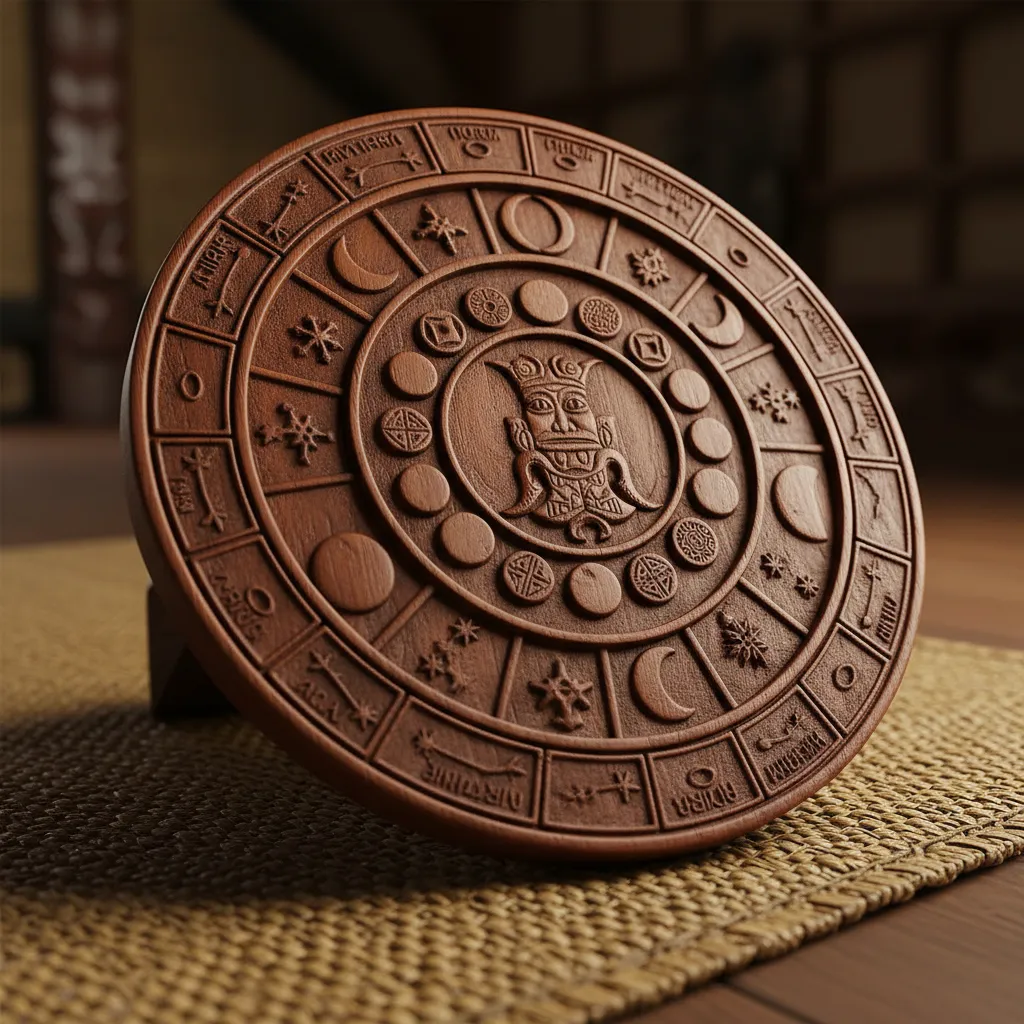
The Science of the Date Selection
The specific date for the public holiday is not chosen at random. It is calculated based on the heliacal rising of the Matariki cluster (the Pleiades). The holiday is set for the Friday closest to the Tangaroa phase of the moon during the lunar month of Pipiri (June/July).
The Tangaroa lunar days are the last quarter days of the moon cycle. In Māori tradition, these days are considered fruitful and productive, ideal for fishing and planting (in warmer seasons) or reflection. The Matariki Advisory Committee, comprised of experts in Māori astronomy (tātai arorangi), advises the government on these dates decades in advance to ensure the holiday aligns with the correct environmental tohu (signs).
Planning Your Long Weekend: Friday Off
With Matariki 2025 confirmed for Friday, June 20, Kiwis have a prime opportunity to embrace domestic tourism during the winter season. The “Matariki Long Weekend” is becoming a staple of the New Zealand winter calendar, driving significant activity in retail and hospitality.
Maximizing Annual Leave in June
Because the holiday falls on a Friday, taking the preceding Thursday or the following Monday off can create a four-day mini-break. For 2025, taking annual leave on Monday, June 23, extends your relaxation time significantly.
Travel Tip: Since this is a nationwide public holiday, accommodation in popular hotspots books out rapidly. It is advisable to book baches and hotels at least 3 to 4 months in advance—around February or March 2025—to secure the best rates.

Top Winter Destinations for Matariki 2025
Matariki is a winter festival, so embracing the cold is part of the experience. Here are top recommendations for the long weekend:
- Rotorua & Taupō: The geothermal activity is particularly inviting in June. Many local iwi and tourism operators host specific Matariki festivals featuring light shows, night markets, and cultural performances.
- Queenstown & Wānaka: By June 20, the ski season is usually kicking off. Celebrating the Māori New Year on the slopes followed by an evening looking at the stars is a modern way to observe the holiday.
- Wellington: The capital often hosts the national broadcast and major fireworks or light displays along the waterfront. Te Papa Tongarewa typically runs extensive educational programs perfect for families.
- Dark Sky Reserves (Tekapo/Aoraki): There is no better way to celebrate a star-based holiday than visiting an International Dark Sky Reserve to view the cluster through high-powered telescopes.
School Term Dates and Matariki
For parents and teachers, understanding how Matariki fits into the school year is vital for planning childcare and holidays.
Impact on Term 2
In the New Zealand school system, Matariki falls within Term 2.
- 2025 Context: With the holiday on June 20, it sits in the latter half of Term 2 (which usually ends in early July). This provides a welcome breather during what is often considered the most grueling term due to winter illnesses and weather.
- School Closures: All state and integrated schools will be closed. Unlike teacher-only days, this is a statutory holiday, meaning no on-site supervision is available.
Schools often spend the weeks leading up to the holiday focusing on Matariki-related curriculum. This includes learning about the nine stars, weaving (raranga), and understanding the environmental significance of the season. Parents can expect school celebrations or assemblies to occur in the week of June 16–19, 2025.
The Cultural Significance of Matariki
While the day off is appreciated, the true value of Matariki lies in its cultural principles. It is unique among New Zealand public holidays as it is indigenous, not imported.
The Three Major Principles
The Matariki Advisory Committee outlines three major principles for the celebration:
- Matariki Hunga Nui (Remembrance): Honoring those who have passed away since the last rising of Matariki. It is a time to cry, grieve, and then let go.
- Matariki Ahunga Nui (Celebrating the Present): Gathering together to give thanks for what we have. This involves sharing food (kai), singing, and spending time with whānau (family) and friends.
- Matariki Manako Nui (Looking to the Future): Planning for the year ahead. This is similar to “New Year’s Resolutions” but focuses more on planting wishes and setting intentions for prosperity.

How to Celebrate Respectfully
You do not need to be Māori to celebrate Matariki. The holiday is an invitation to all people of Aotearoa to pause and reflect. Simple ways to participate include:
- Wake up early: View the Matariki cluster before sunrise. You look to the northeast horizon.
- Share a meal: Host a “mid-winter Christmas” style dinner, but frame it around Matariki principles of gratitude.
- Plant a tree: Since Matariki is connected to the environment, planting a native tree is a traditional way to mark the new year.
- Learn the stars: Educate yourself on the nine stars of the cluster (Matariki, Pōhutukawa, Tupuānuku, Tupuārangi, Waipuna-ā-rangi, Waitī, Waitā, Ururangi, and Hiwa-i-te-rangi) and what each represents.
People Also Ask
Is Matariki always on a Friday?
Yes, the New Zealand Government has legislated that the Matariki public holiday will always fall on a Friday. This ensures a consistent three-day long weekend for workers and schools, making it easier to plan celebrations and travel.
What date is Matariki 2025?
Matariki 2025 will be celebrated on Friday, June 20, 2025. This date was determined by the Matariki Advisory Committee based on the lunar calendar and the position of the stars.
Why is Matariki different dates each year?
Matariki follows the Maramataka (Māori lunar calendar) rather than the Gregorian solar calendar. The date shifts to align with the Tangaroa phase of the moon in the lunar month of Pipiri, ensuring the holiday aligns with the actual environmental signs of the season.
Are shops open on Matariki?
Yes, generally shops can remain open on Matariki. Unlike Good Friday or Easter Sunday, there are currently no specific trading restrictions prohibiting shops from opening, though employees are entitled to public holiday pay rates (time and a half) and a day in lieu if they work.
How many stars are in the Matariki cluster?
While there are hundreds of stars in the cluster (known as Pleiades), Māori tradition typically recognizes nine distinct stars: Matariki, Pōhutukawa, Tupuānuku, Tupuārangi, Waipuna-ā-rangi, Waitī, Waitā, Ururangi, and Hiwa-i-te-rangi.
Is Matariki a public holiday for schools?
Yes, Matariki is a statutory public holiday in New Zealand. All state and integrated schools, as well as early childhood centers, will be closed on the day of the holiday.