
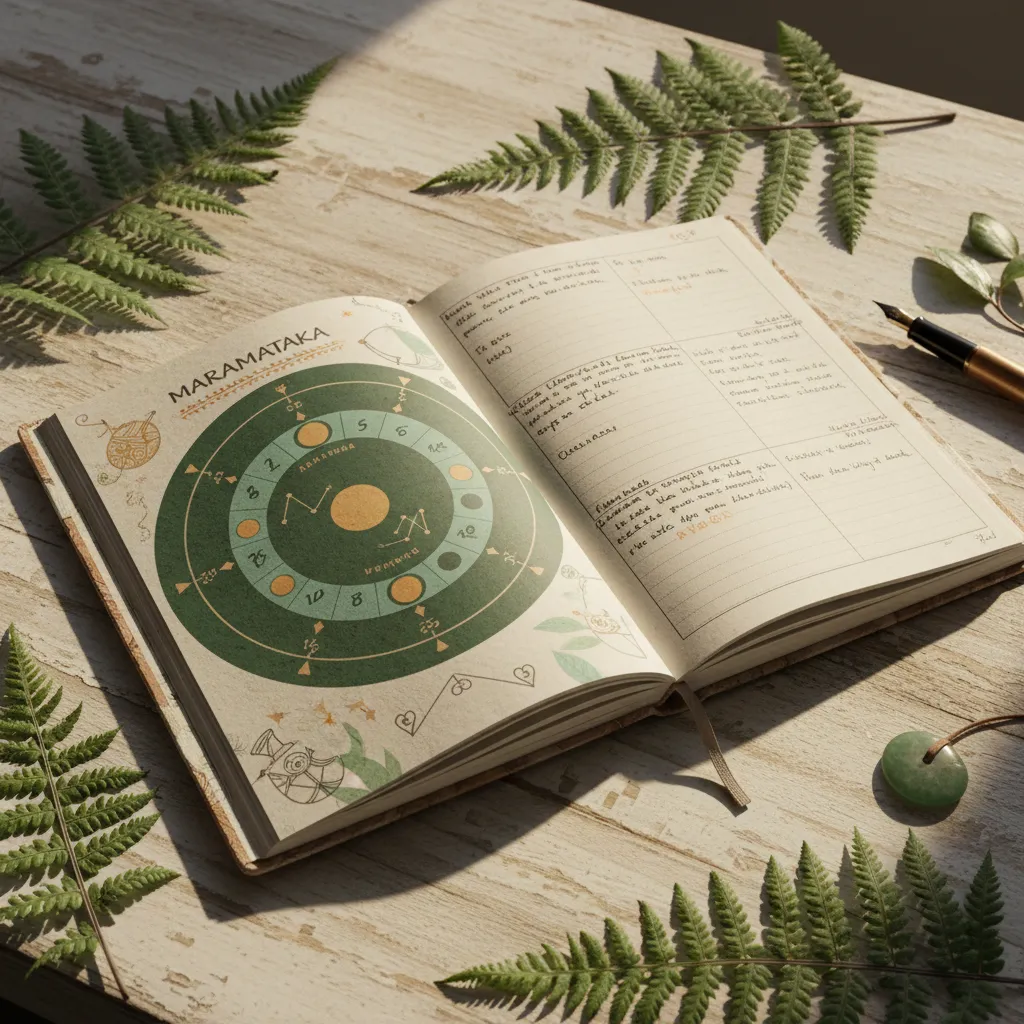
The Maramataka is the traditional Māori lunar calendar used to track time based on the phases of the moon and the position of stars like Matariki. Unlike the solar Gregorian calendar, the Maramataka Matariki meaning is rooted in observing environmental cycles to determine the best times for planting, fishing, and resting, marking the Māori New Year when the Matariki cluster rises during the Tangaroa moon phase.
Understanding this ancient system offers a profound connection to the natural world, allowing us to align our daily activities with the rhythms of the environment. By observing the Maramataka, we gain insight not just into timekeeping, but into the ebb and flow of energy that governs the earth and tides.
What is the Maramataka?
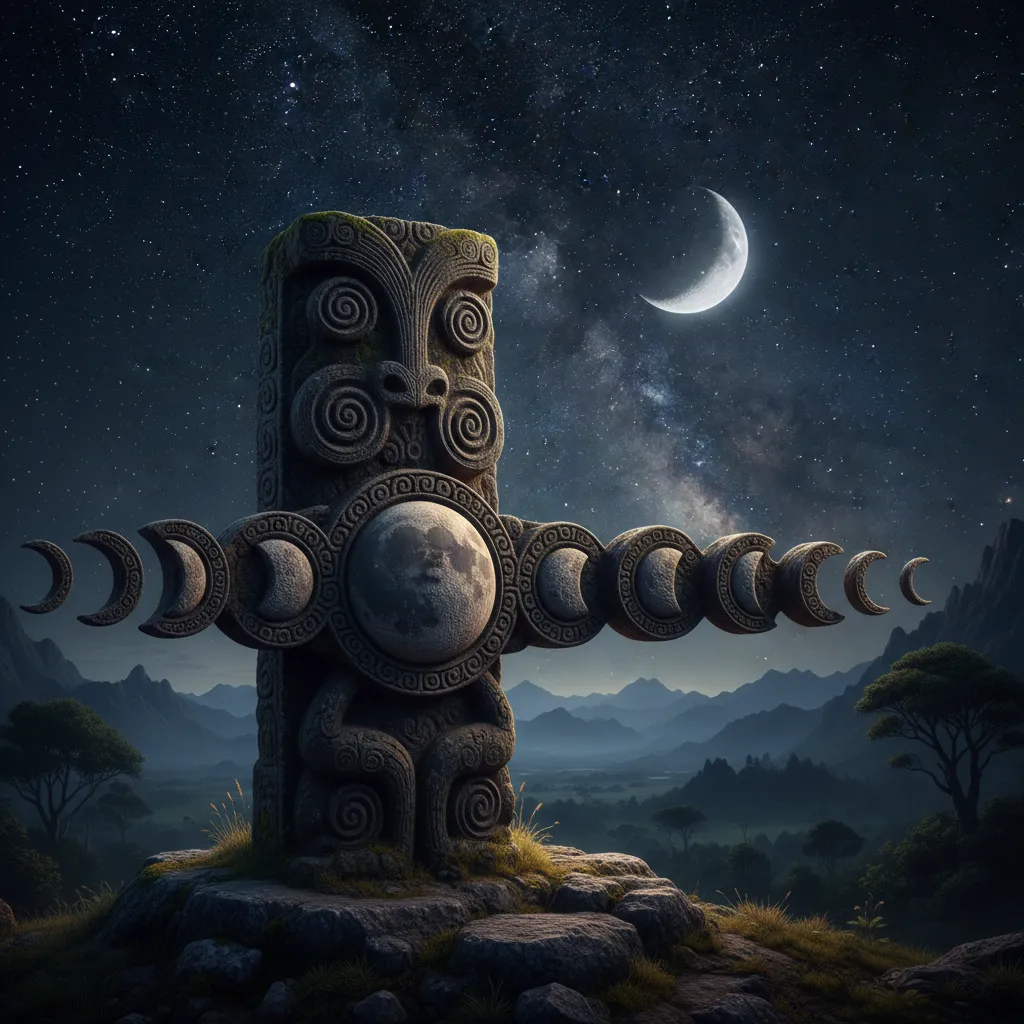
The word Maramataka literally translates to “the moon turning” (marama means moon, and taka means to turn or rotate). It is a sophisticated system of timekeeping developed by Māori ancestors over centuries of close observation. While the western Gregorian calendar relies on the solar cycle (the earth’s orbit around the sun), the Maramataka is primarily lunar but anchored by stellar events.
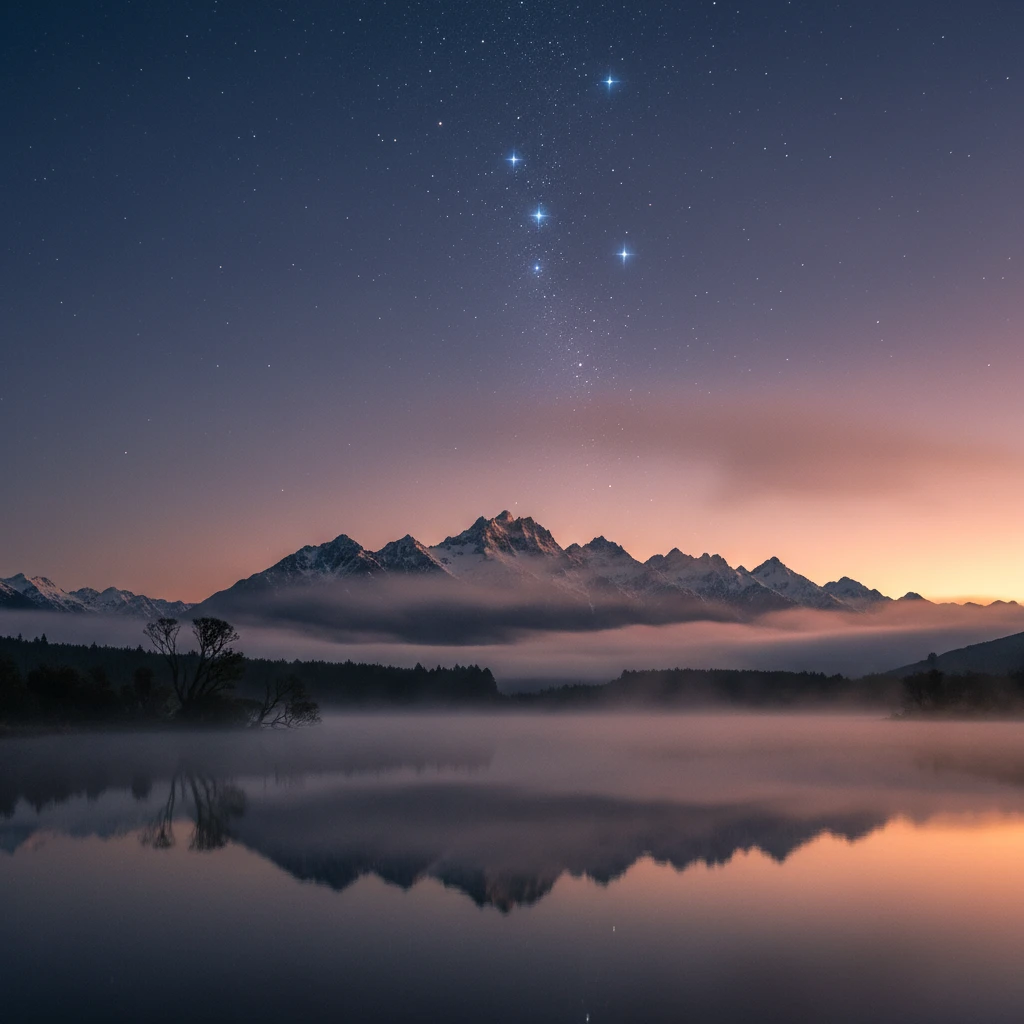
In the Maramataka, a typical month lasts 29.5 days, reflecting the cycle from one new moon to the next. Because a lunar year is approximately 11 days shorter than a solar year, the system uses the rising of specific stars—most notably Matariki (the Pleiades) and Puanga (Rigel)—to recalibrate and mark the beginning of the New Year. This ensures that the calendar remains synchronized with the seasons, which is critical for an agricultural and navigational society.
Each night of the lunar month has a specific name and carries distinct characteristics regarding energy levels, suitability for food gathering, and human behavior. It is not merely a method of counting days but a guide for survival and productivity.
How Does Matariki Connect to the Maramataka?
The relationship between Matariki and the Maramataka is inseparable. Matariki is often described as the Māori New Year, but its exact date shifts every year within the Gregorian calendar. This is because the New Year is determined by the Maramataka.
The New Year does not begin simply when the Matariki star cluster becomes visible in the pre-dawn sky (heliacal rising). Instead, it begins when Matariki is visible and the moon enters a specific phase. Traditionally, this is the Tangaroa phase of the moon within the lunar month of Pipiri (June/July). This precise alignment ensures that the celebration occurs during a time of high productivity and abundance.
If the stars rise but the moon phase is incorrect (for example, during the low-energy Whiro phase), the official ceremonies might be adjusted. This interplay highlights the complexity of Māori astronomy; it is a triangulation of the stars, the moon, and the sun.
Key Phases of the Moon and Their Meanings
The lunar month in the Maramataka is divided into different periods, each associated with different levels of energy. While different iwi (tribes) may have slight variations in naming conventions or the exact order of nights, the general principles remain consistent across Aotearoa.
Generally, the month is split into phases that dictate appropriate activities:
- Low Energy (Rest): The dark nights of the moon.
- Rising Energy (Planning): As the moon waxes.
- High Energy (Action): The full moon period.
- Productive Energy (Harvest): The waning moon phases.
Whiro: The New Moon
Whiro is the first night of the lunar cycle (the new moon). In Māori tradition, Whiro is associated with darkness and negative energy. It is considered an unfavorable time for fishing or planting food. The lack of moonlight makes it difficult to navigate or work outdoors at night.
However, Whiro is an excellent time for introspection, planning, and rest. It is a time to retreat, conserve energy, and prepare for the coming cycle. Modern interpretations suggest using Whiro days for administrative tasks, reading, or mindfulness practices rather than launching new physical projects.
Rakaunui: The Full Moon
Rakaunui represents the full moon, where the moon is at its brightest and most visible. This is a time of very high energy. In older times, the abundance of light allowed for communal activities, storytelling, and working into the night.
Gardening is highly favored during Rakaunui. The gravitational pull on the water table is strong, keeping moisture near the surface of the soil, which helps seedlings establish themselves. It is a time of action, high productivity, and social engagement.
Tangaroa and Whiro Moon Phases: A Deeper Look
To fully grasp the Maramataka Matariki meaning, one must understand the specific phases that are most conducive to gathering food (kai). The Tangaroa phases are arguably the most significant for fishing and harvesting.
The Tangaroa Nights
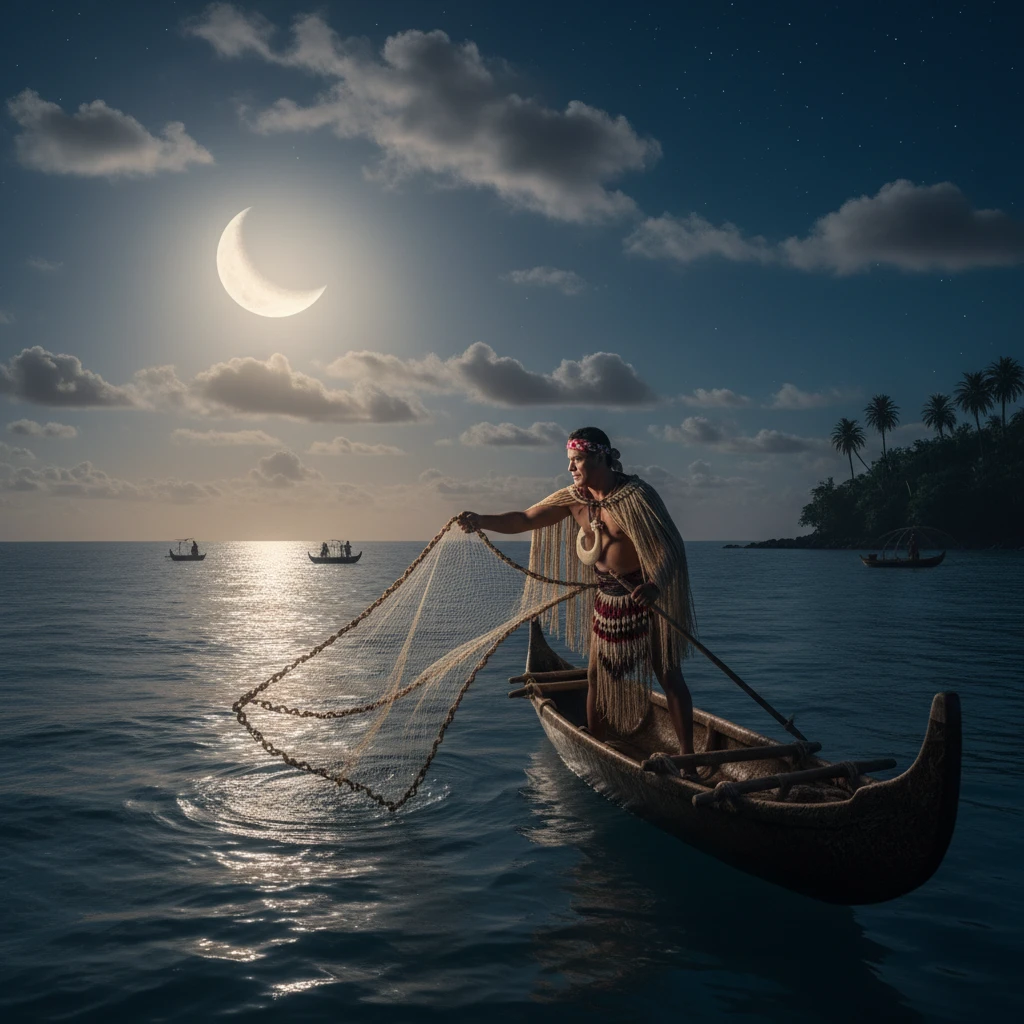
Occurring typically in the last quarter (waning gibbous) of the lunar cycle, the Tangaroa nights are named after the atua (god) of the sea. These days are renowned for being the most productive times for fishing and eeling. The tides are often favorable, and fish are believed to be more active and feeding.
There are usually three or four Tangaroa nights in a row (e.g., Tangaroa-ā-mua, Tangaroa-ā-roto, Tangaroa-kiokio). Because these days are associated with productivity and abundance, they are also the preferred days for the Matariki celebrations. This is why the Māori New Year date changes; we wait for the Tangaroa moon to rise after Matariki appears.
The Tamatea Phases
In contrast to the steady productivity of Tangaroa, the Tamatea phases (often occurring around the first quarter) are known for unpredictability. The weather often changes rapidly during Tamatea, bringing winds and rough seas. It is a time for caution. In a modern context, this might manifest as a day where plans change unexpectedly or emotions run high. It is a time to be adaptable and careful with decision-making.
How to Read the Environment Signs (Tohu)
The Maramataka is not just a chart on a wall; it is a living system validated by tohu (signs) in the environment. Our ancestors didn’t just look up; they looked down at the earth and around at the flora and fauna. These biological indicators confirmed the phase of the season.
Tohu in the Sky
Beyond the moon, the brightness and clarity of stars like Matariki predicted the success of the coming harvest. If the stars appeared hazy or shimmering, it was a tohu of a cold, wet season ahead. If they were crisp and clear, it foretold a warm, productive season.
Tohu in the Ocean
The behavior of fish and tides confirms the lunar phase. During certain moon phases, species like kahawai or snapper may feed more aggressively. The migration of whales or the spawning of whitebait (inanga) are also critical environmental signs linked to the lunar calendar.
Tohu on the Land
The flowering of trees is a primary calendar marker. For example, the blooming of the Pōhutukawa signals the arrival of summer (Raumati). When the flax (harakeke) flowers, it signals that birds will be feeding and fat. Reading these signs requires patience and observation, skills that are central to understanding the true meaning of the Maramataka.
Applying the Maramataka Today
In our modern, fast-paced world, the Maramataka offers a blueprint for wellbeing and work-life balance. Instead of forcing ourselves to operate at 100% efficiency every day (a linear approach), the lunar calendar encourages a cyclical approach.
- Work with the Energy: Schedule high-demand meetings, physical labor, or creative brainstorming during Rakaunui (Full Moon) or Tangaroa phases.
- Respect the Rest: Use Whiro (New Moon) to slow down. If you feel tired or unmotivated during this time, understand that it is natural. Use this time for planning rather than execution.
- Gardening: Even urban dwellers can use the Maramataka for gardening. Planting leafy greens during the waxing moon and root vegetables during the waning moon can improve yields.
- Mental Health: Recognizing the Tamatea phases (unpredictable energy) can help us manage anxiety. Knowing that a day might be volatile helps us remain calm when things go wrong.
By reintegrating the Maramataka into our lives, we honor the wisdom of Matariki not just as a holiday, but as a lifestyle of connection and awareness.
People Also Ask (PAA)
What are the 3 phases of the Māori moon?
While there are roughly 30 specific nights, the Māori lunar cycle is broadly categorized into three main energy phases: Whiro (New Moon/Low Energy), Rakaunui (Full Moon/High Energy), and Tangaroa (Productive/Harvest Energy). Some systems also include the Tamatea (Unpredictable) phase as a major category.
What is the meaning of the Maramataka?
Maramataka means “the moon turning.” It is the traditional Māori system of timekeeping that uses the phases of the moon, the rising of stars, and environmental cues to guide daily activities, survival, and rituals, ensuring harmony with the natural world.
How do you use Maramataka for fishing?
Fishermen use the Maramataka to identify the Tangaroa moon phases (usually in the waning quarter). These days are considered the most productive for fishing as the tides and fish behavior are optimal. Conversely, the Whiro (New Moon) phase is often avoided for fishing due to poor conditions and low activity.
What moon phase is Matariki?
Matariki is observed when the star cluster rises in the mid-winter sky, but the official celebration dates are determined by the moon. Specifically, the New Year is marked during the Tangaroa moon phase following the rising of Matariki, ensuring the celebration aligns with a time of abundance.
Why is the Maramataka important today?
The Maramataka is important today for revitalizing Māori culture and providing a holistic framework for wellbeing. It helps people align their work, rest, and gardening schedules with natural energy cycles, promoting better mental health and sustainable living practices.
What is the difference between Maramataka and the Gregorian calendar?
The Gregorian calendar is a solar calendar based on the earth’s orbit around the sun (365 days). The Maramataka is a lunar-stellar calendar based on moon phases (approx. 354 days) and star positions. The Maramataka focuses on environmental energy and activity suitability, whereas the Gregorian calendar focuses on standardized time measurement.