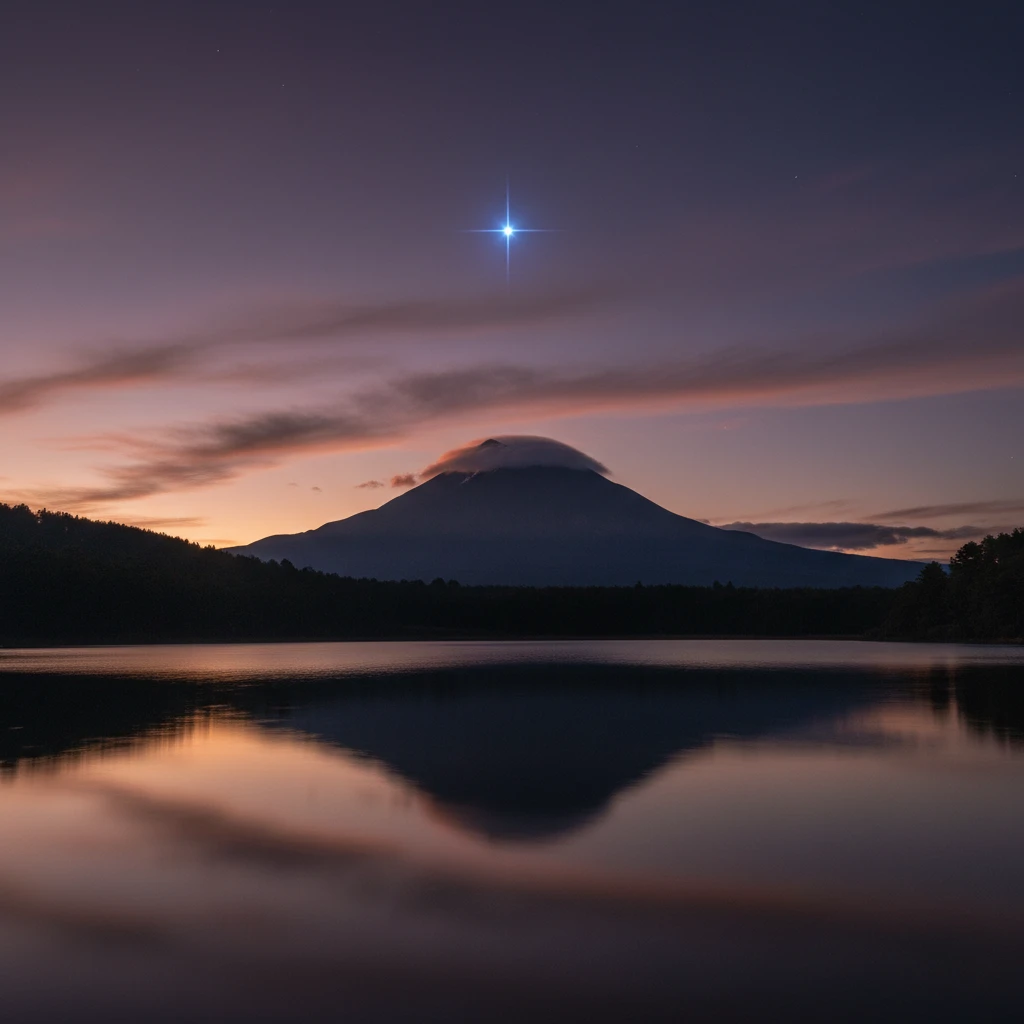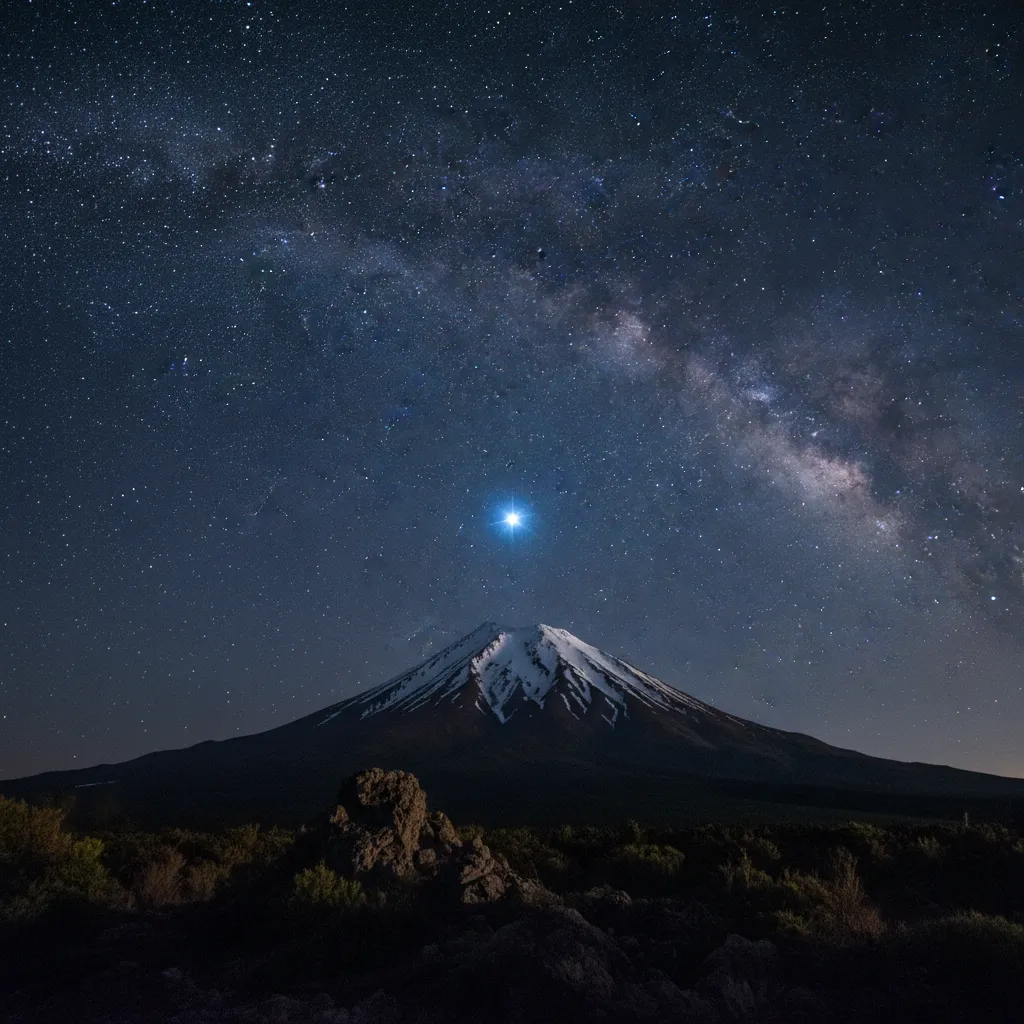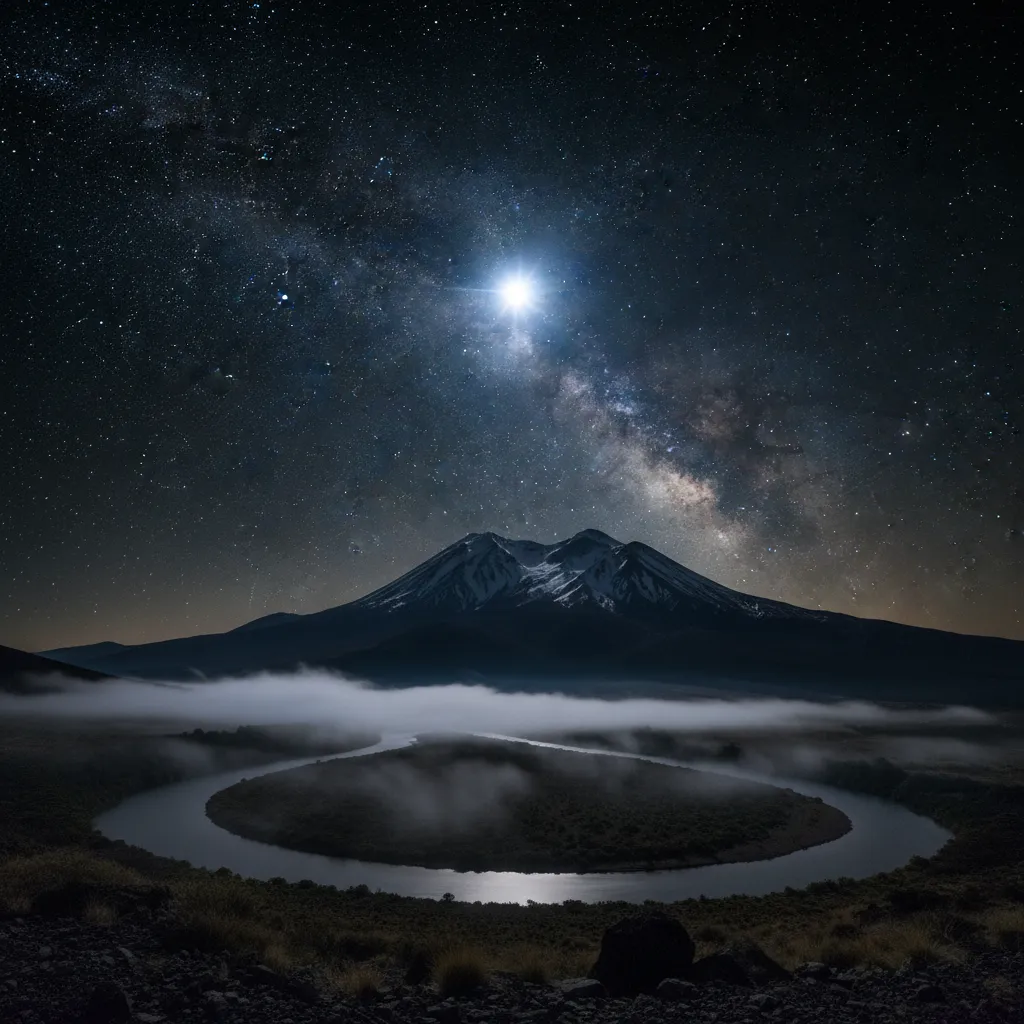
Puanga is the specific name given by Māori to the star Rigel, the brightest star in the Orion constellation. In regions such as Taranaki, Whanganui, and parts of the Far North where the Matariki cluster is geographically obscured, the heliacal rising of Puanga signals the beginning of the Māori New Year, marking a season of harvest, remembrance, and learning.
While the rise of the Matariki star cluster (the Pleiades) is the most widely recognized signifier of the Māori New Year across Aotearoa New Zealand, it is not the universal marker for all iwi (tribes). For many communities, particularly those on the West Coast of the North Island, the geography of the land necessitates looking to a different celestial body to mark the turning of the seasons. This body is Puanga.
Understanding the distinction between Matariki and Puanga is crucial for a comprehensive appreciation of Māori astronomy and cultural diversity. It highlights the deep connection between the tangata whenua (people of the land) and their specific environment, demonstrating that indigenous knowledge is not monolithic but rather deeply adapted to local landscapes.
What is Puanga? The Star Behind the Name
To answer the question “what is Puanga” fully, we must look to the night sky (utilizing an Interactive Night Sky Map Tool: Locate Matariki Now) through both Western and Indigenous lenses. In Western astronomy, Puanga is known as Rigel. It is a blue-white supergiant star located in the constellation of Orion (often referred to as ‘The Pot’ in New Zealand). Rigel is the seventh-brightest star in the night sky and the brightest star in Orion, situated at the hunter’s left foot.
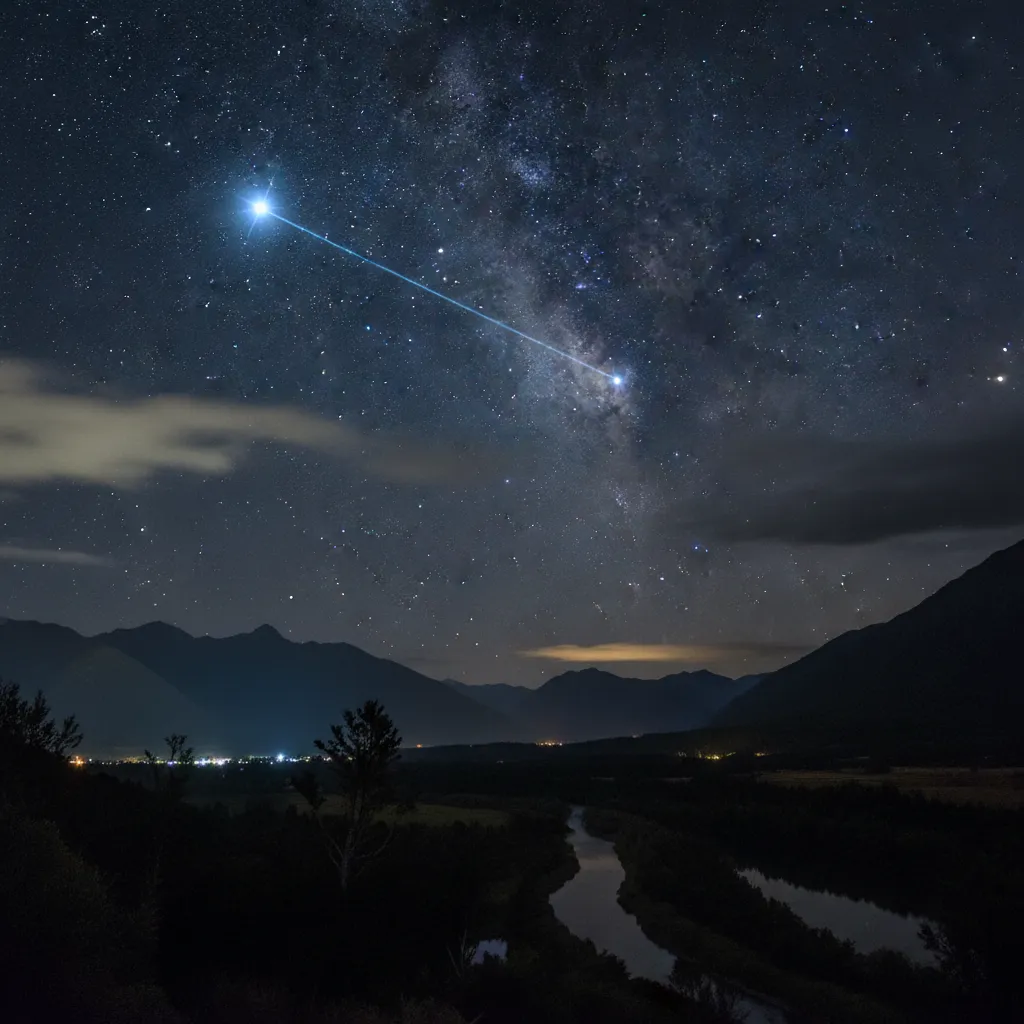
For Māori, Puanga is viewed as the eldest sibling of Matariki. The relationship between the two is often described in whakapapa (genealogy) narratives. Because Puanga is a single, brilliant star rather than a cluster, its appearance is unmistakable. When Puanga rises in the pre-dawn sky (heliacal rising) during the lunar month of Pipiri (June/July), it heralds the changing of the season.
The brightness and color of Puanga were historically used to predict the fortunes of the coming year (as with Ururangi & Waipuna-ā-rangi: Weather Forecasting). If the star appeared bright and clear, it signaled a warm season with bountiful crops. If it appeared hazy or shimmering significantly due to atmospheric turbulence, it was interpreted as an omen of a cold, difficult winter requiring strict rationing of food stores.
Why Matariki Isn’t Visible Everywhere
A common misconception is that Matariki is the sole harbinger of the New Year for all Māori. However, traditional navigation (such as The Connection Between Matariki and Navigation in Māori Culture) and timekeeping were intensely practical and location-based. The visibility of celestial bodies is dictated by the horizon line, which changes depending on where you stand in Aotearoa.
In specific regions, the landscape physically blocks the view of the Matariki cluster on the eastern horizon during the critical viewing period in mid-winter. This is most prominent in:
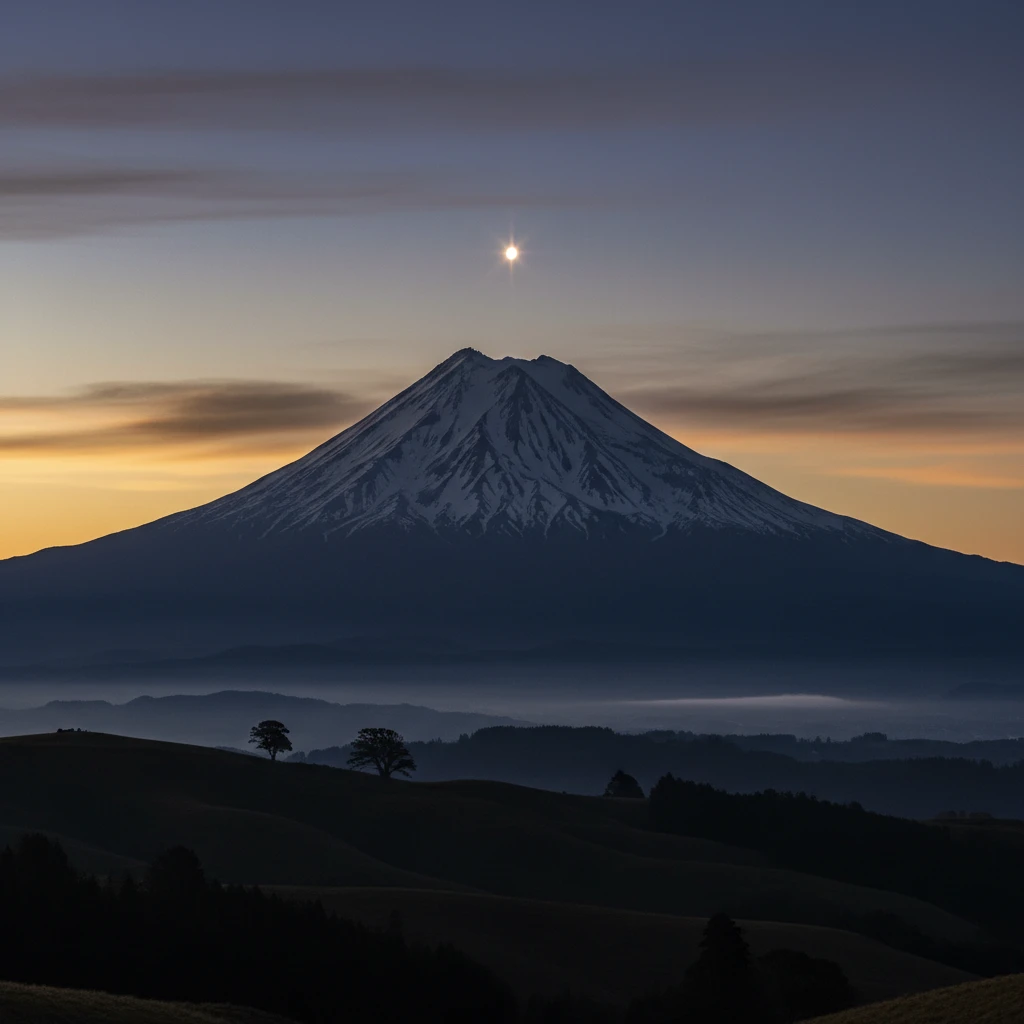
- Taranaki: The imposing silhouette of Maunga Taranaki and the central ranges block the eastern view required to see Matariki rise before the sun.
- The West Coast: High mountain ranges to the east obscure the low horizon.
- Parts of the Far North (Hokianga): Local topography and the specific latitude can make Puanga a more reliable and prominent indicator than the lower-sitting Matariki.
Because the ancestors could not see Matariki rising, they looked higher in the sky. Puanga (Rigel) rises slightly earlier and sits higher in the celestial sphere than Matariki, clearing the mountain ranges and providing a reliable marker for these iwi. This adaptation showcases the scientific observation skills of early Māori, who adjusted their maramataka (lunar calendar) to align with their physical reality.
The Significance of Puanga in Taranaki and Whanganui
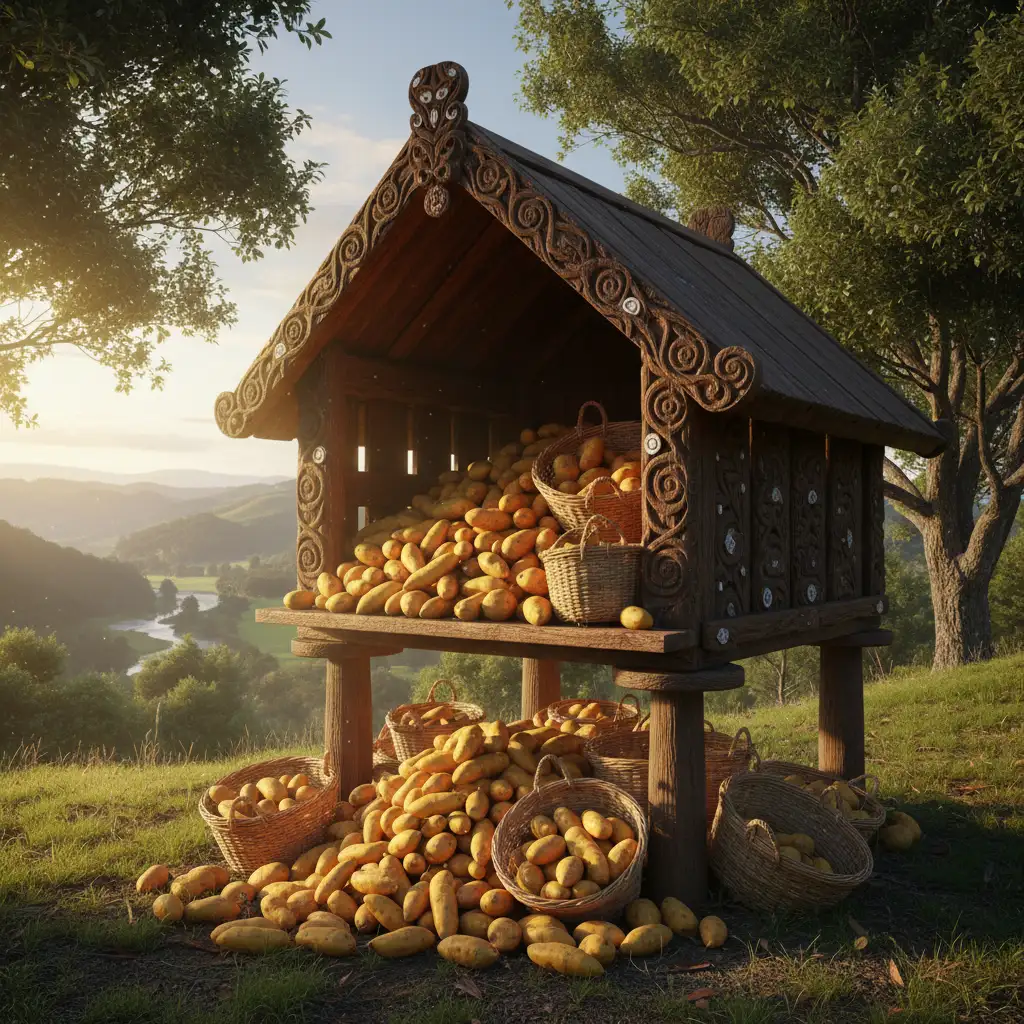
In the Taranaki and Whanganui regions, the phrase “Puanga kai rau” (Puanga of a hundred foods) is frequently heard. This proverb speaks to the abundance associated with this time of year. While winter is often viewed as a barren time, in the Māori calendar, it is the time when the food storage houses (pātaka) are full from the recent harvest.
The Whanganui Connection
For the tribes of the Whanganui River, Puanga holds immense spiritual gravity. It is not merely a calendar marker but a cosmic entity that connects the people to their ancestors. The rising of Puanga prompts the beginning of wānanga (learning forums). Because the cold weather forced people indoors, this season became the primary time for passing down knowledge, weaving, carving, and reciting whakapapa.
Taranaki Traditions
In Taranaki, the emphasis is heavily placed on the preservation of crops. The appearance of Puanga signaled that the harvest was complete and that the focus must shift to the careful management of resources (kai). This aligns with the environmental reality of the region, where winters can be harsh and wet. The celebration is less about the immediate harvesting and more about the gratitude for the food already stored (kumara, potato, and preserved birds).
Differences in Celebration Dates and Tikanga
While the spiritual essence of remembrance and renewal is shared between Matariki and Puanga celebrations, there are distinct differences in dates and specific tikanga (customs).
Timing of the Celebrations
Because Puanga and Matariki are different celestial bodies, they do not rise at the exact same moment. Generally, Puanga rises shortly before Matariki. However, the celebration dates are determined not just by the star’s appearance, but by the phase of the moon. The New Year does not begin the moment the star is seen; rather, the star signals that the New Year will begin on the next appropriate lunar phase (usually the first new moon following the rising).
This means that Puanga celebrations in Whanganui might occur a few days or even a week apart from Matariki celebrations in the Waikato or East Coast, depending on local tribal variations of the maramataka.
Ceremonial Focus
In Puanga traditions, there is often a specific focus on the Hautapu ceremony, similar to Matariki, where steam from cooking food is released to feed the stars. However, the karakia (prayers) recited are dedicated specifically to Puanga and the stars associated with the Taranaki/Whanganui sky. There is often a stronger emphasis on water and river connections in Whanganui, acknowledging the river as a life source that mirrors the Milky Way (Te Ika-a-Rangi) above.
Honouring Both Traditions in Modern Aotearoa
With the establishment of the Matariki public holiday in New Zealand, there has been a concerted effort by the Matariki Advisory Group to ensure that Puanga is acknowledged and honoured alongside Matariki. The holiday is officially named “Te Rā Aro ki a Matariki” (Matariki Observance Day), but the legislation and the educational resources surrounding it explicitly recognize Puanga.
For New Zealanders outside of the specific Puanga regions, honouring this tradition involves:
- Acknowledgement: Recognizing that the Māori New Year is not a “one size fits all” event.
- Language: Using the greeting “Mānawatia a Puanga” (Honour/Welcome Puanga) when speaking with whānau from Taranaki or Whanganui.
- Education: Learning about the different stars and what they represent regarding biodiversity and regional geography.
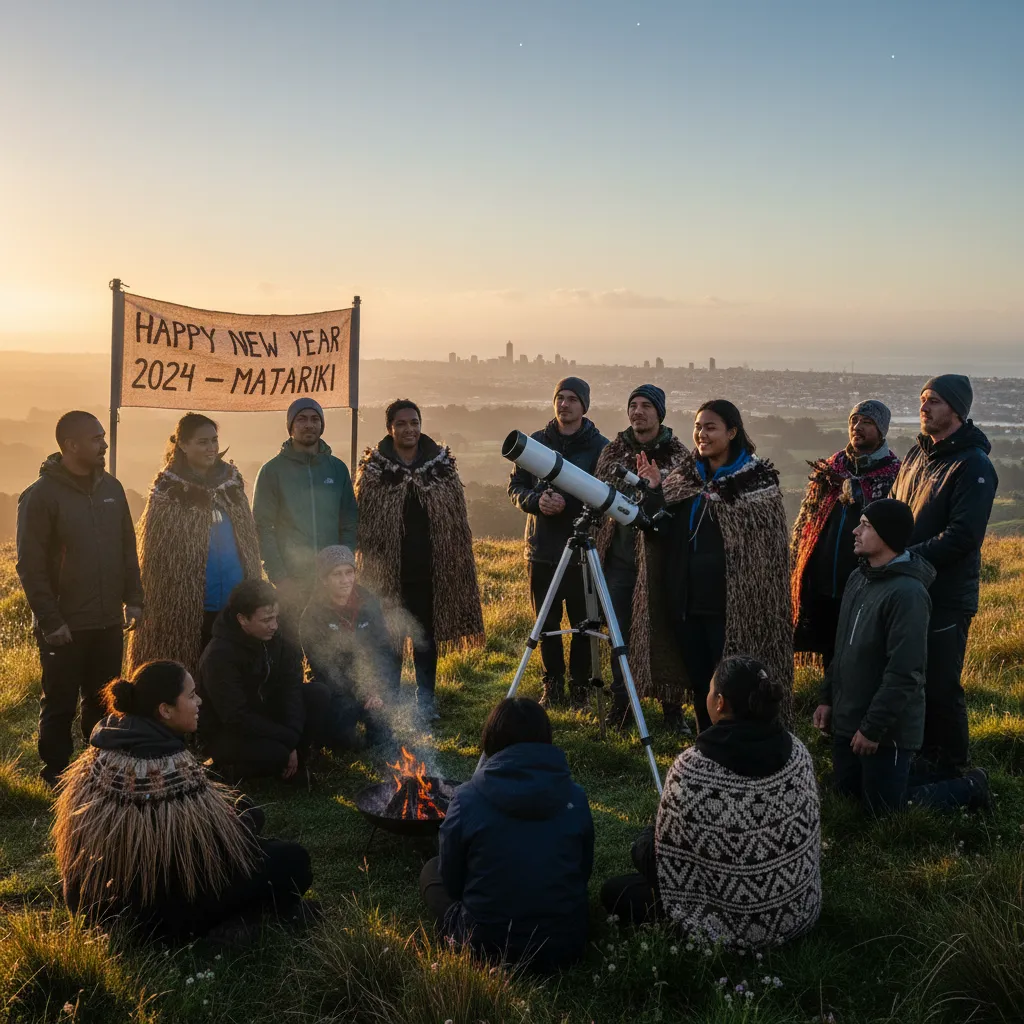
Ultimately, whether an iwi looks to the cluster of Matariki or the brilliance of Puanga, the fundamental kaupapa (purpose) remains the same. It is a time to remember those who have passed in the previous year (apakura), to celebrate the present bounty (hākari), and to plan for the future. By understanding Puanga, we deepen our understanding of the intimate relationship between the Māori people and the cosmos.
Is Puanga the same star as Matariki?
No, they are different celestial bodies. Matariki is a star cluster known as the Pleiades. Puanga is a single star known as Rigel. While both signal the Māori New Year, they are observed in different regions depending on the landscape.
Where is Puanga celebrated in New Zealand?
Puanga is primarily celebrated in the Taranaki, Whanganui, and parts of the Far North and West Coast regions. In these areas, mountains or ranges block the view of Matariki on the eastern horizon.
What is the English name for the star Puanga?
The English name for Puanga is Rigel. It is a blue-white supergiant star and is the brightest star in the constellation Orion.
When does Puanga rise?
Puanga typically makes its heliacal rising (appearing before dawn) in the lunar month of Pipiri (June or July). It usually rises slightly earlier and higher in the sky than the Matariki cluster.
Why can’t Taranaki iwi see Matariki?
Iwi in Taranaki cannot easily see Matariki rising because Mount Taranaki and the central mountain ranges block the eastern horizon where Matariki appears. Puanga rises higher and further north, making it visible above the landscape.
How is Puanga celebrated?
Similar to Matariki, Puanga is celebrated with remembrance of the dead, sharing of kai (food), wānanga (learning), and planning for the year ahead. It is a time to check food stores and prepare for the deep winter.