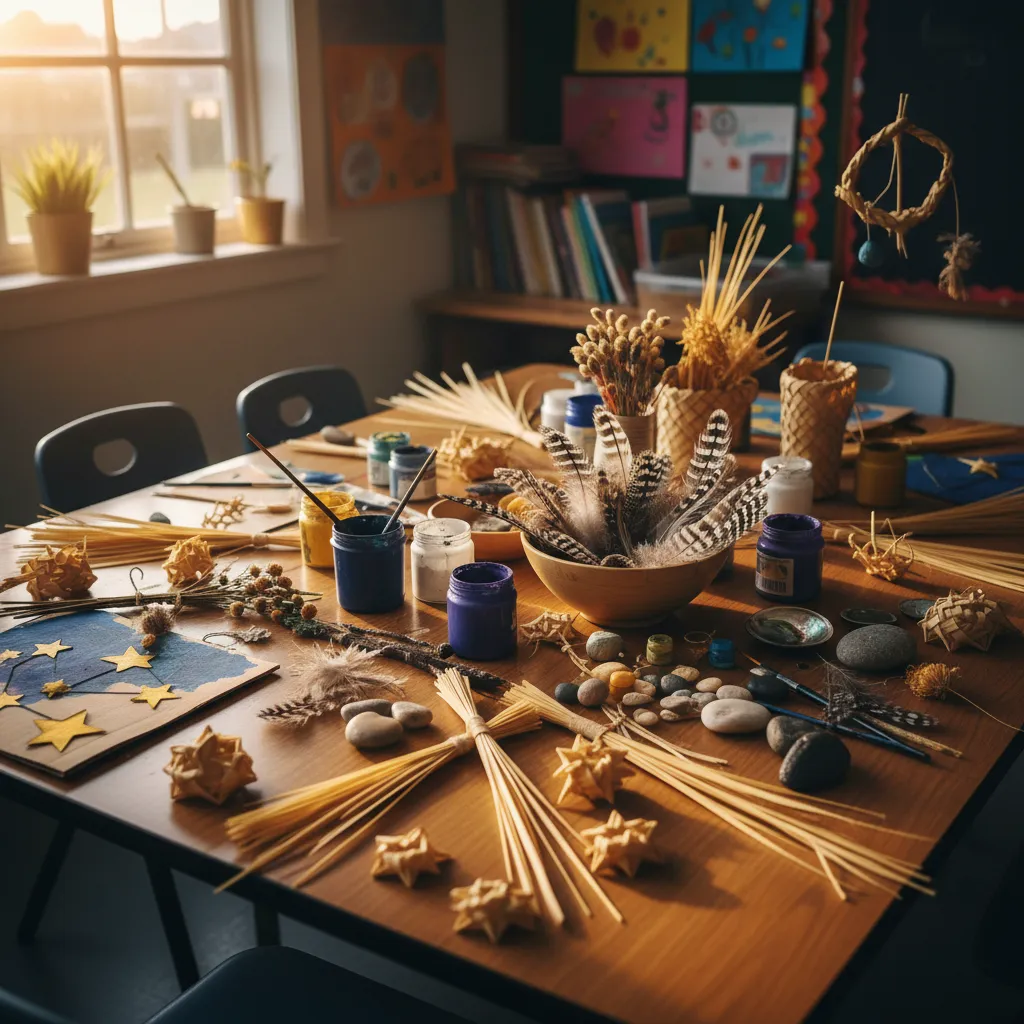
The story of Matariki for kids centers on the Māori New Year, marked by the rising of the Pleiades star cluster. In Māori legend, these stars are often viewed as ‘Ngā Mata o te Ariki Tāwhirimātea’ (the eyes of the god Tāwhirimātea) or as a mother, Matariki, surrounded by her eight daughters, each representing a different element of the environment.
Matariki is a time of renewal, remembrance, and celebration in Aotearoa New Zealand. It signals the middle of winter and the beginning of the Māori lunar calendar. For families and educators, sharing the pūrākau (legends) associated with these stars is a powerful way to connect children with the natural world and indigenous history.
What is Matariki?
Matariki is the Māori name for a small cluster of stars also known as the Pleiades or the Seven Sisters. In Aotearoa New Zealand, the pre-dawn rising of Matariki in the mid-winter sky marks the changing of the season and the beginning of the Māori New Year.
For children, Matariki is best understood as a birthday for the year. Just as we celebrate getting older and looking forward to the future, Matariki is a time when Māori look back at the past year to remember those who have passed away, celebrate the present with food and singing, and plan for the year ahead. It is deeply connected to the environment, signaling when to plant crops and when to rest.

The Legend of Tāwhirimātea and His Eyes
One of the most dramatic stories of Matariki—and one that captivates older children—is the myth of Tāwhirimātea. This story explains the literal translation of Matariki, which can be broken down into Mata Ariki (Eyes of the God).
The Separation of Earth and Sky
In the beginning, Ranginui (the Sky Father) and Papatūānuku (the Earth Mother) were locked in a tight embrace. Their children, the gods, lived in the darkness between them. Frustrated by the lack of light and space, the children decided to separate their parents. Tāne Mahuta, the god of the forest, eventually succeeded by pushing his father up with his strong legs while pressing his back against his mother.
The Anger of the Wind God
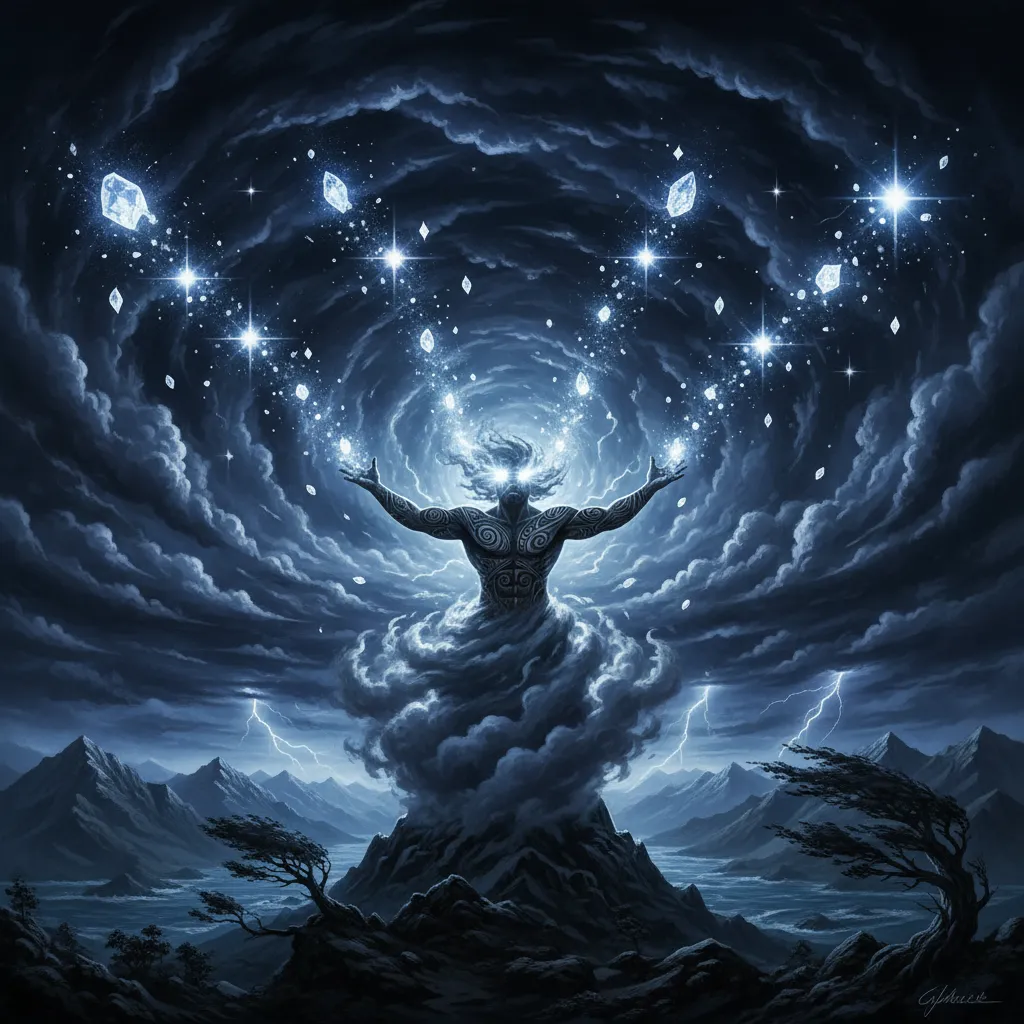
While most of the siblings were happy to see the light, one brother was furious. Tāwhirimātea, the god of wind and storms, was devastated that his parents had been torn apart. In his grief and rage, he declared war on his brothers. He sent storms, hurricanes, and clouds to punish them.
Consumed by sadness, Tāwhirimātea did something unimaginable. He plucked out his own eyes, crushed them in his hands, and threw the shards into the heavens. These crushed pieces of his eyes stuck to the chest of his father, Ranginui, becoming the cluster of stars we know today as Matariki. This implies that when we look at Matariki, we are seeing the eyes of the god watching over the separation of Earth and Sky.
The Story of the Mother and Her Daughters
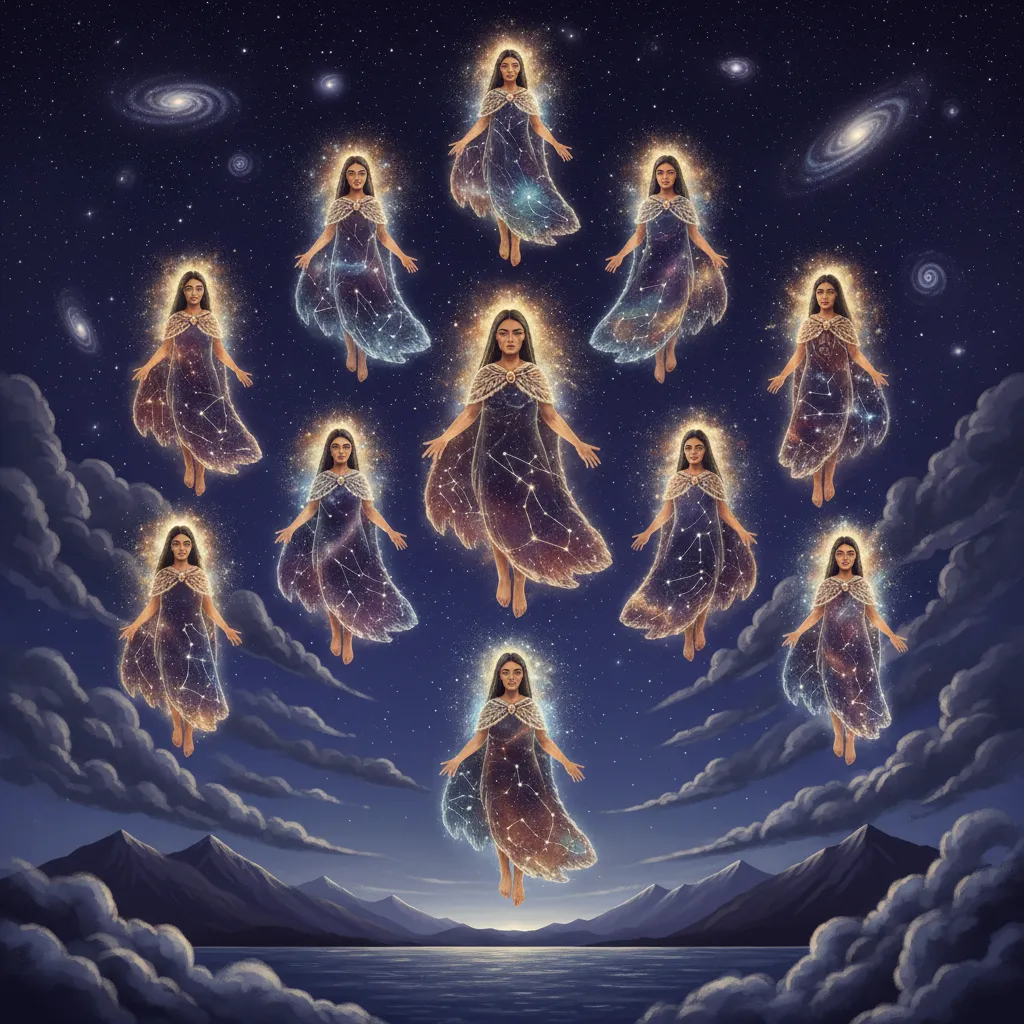
For younger children, the story of Matariki is often told as a gentler tale of a mother and her children. In this version, the star Matariki is the mother, and she is surrounded by her eight daughters (some traditions count six, but modern revival often focuses on the nine visible stars). Each daughter has a special job to do to help the earth and the people.
This narrative helps children understand that everything in nature is connected. The stars are not just distant lights; they are guardians of the wind, the rain, the forest, and the ocean. When Matariki rises, she is checking on her daughters to ensure they are ready to bring the new year’s bounty.
Meeting the Nine Stars of Matariki
To teach this story effectively, it helps to introduce the “characters” of the cluster. Each star governs a specific domain of the natural world.
1. Matariki (The Mother)
Matariki is the conductor of the ensemble. She signifies reflection, hope, and the health of the people. She gathers the other stars to bring the new year.
2. Pōhutukawa
This star is connected to those who have passed away. Pōhutukawa reminds us to remember our ancestors and loved ones who have died since the last Matariki. It is the star of remembrance.
3. Tupu-ā-nuku
Tupu-ā-nuku is the star connected to food that grows in the ground (nuku). This includes kūmara (sweet potato) and other root vegetables. She ensures the soil is healthy for planting.
4. Tupu-ā-rangi
This star is connected to food that comes from the sky (rangi) and above the ground. This includes birds, fruit, and berries from trees. She encourages the forests to be abundant.
Tupu-ā-nuku & Tupu-ā-rangi: The Harvest play a vital role in ensuring a productive year for all living things.
5. Waitī
Waitī watches over fresh water bodies like lakes, rivers, and streams. She is responsible for the food sources within them, such as eels (tuna) and freshwater crayfish (kōura).
6. Waitā
Waitā represents the ocean and salt water. She looks after the vast food baskets of the sea (kaimoana), encompassing all fish and shellfish.
7. Waipuna-ā-rangi
This star is connected to the rain. Her name translates to “water that pools in the sky.” She determines the rainfall for the coming season, which is vital for the crops.
8. Ururangi
Ururangi is connected to the winds. Her name means “the winds of the sky.” She determines the nature of the winds for the year, which is important for navigation and stability.
9. Hiwa-i-te-rangi
Known as the wishing star, Hiwa-i-te-rangi is the youngest daughter. She is the star to whom you send your wishes and dreams for the year ahead. She represents the promise of a prosperous future.
Why Do the Stars Disappear and Reappear?
Children often ask where the stars go during the rest of the year. This provides a great opportunity to teach basic astronomy alongside mythology.
Matariki sets in the west during the early evening in roughly May. This disappearance signals the end of the harvest season. In Māori tradition, when the stars “go away,” it is a time to preserve crops and prepare for the deep winter.
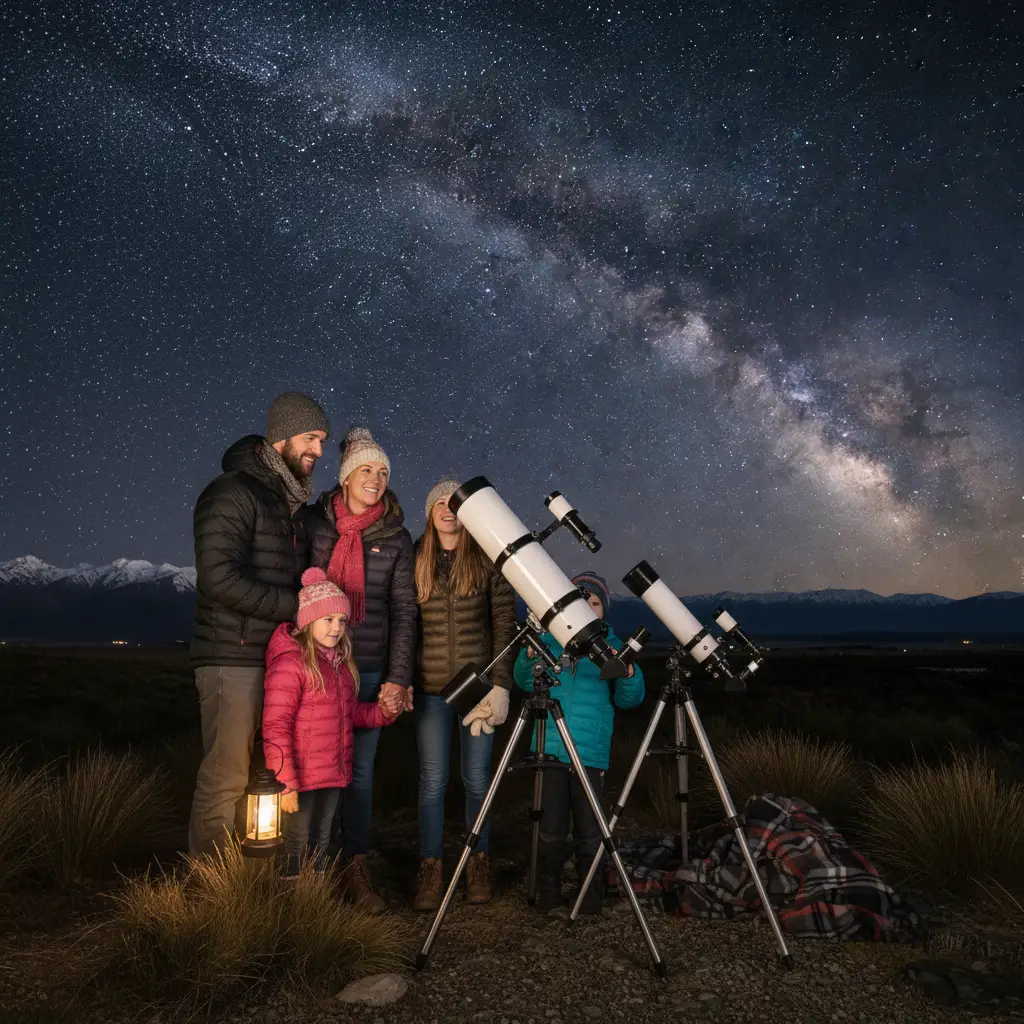
The stars remain hidden below the horizon for about a month. Their reappearance in the north-eastern horizon just before sunrise in June or July (depending on the lunar phase) is the “heliacal rising.” This return is the signal that the New Year has arrived. The brightness and clarity of the stars when they return were traditionally used to predict the weather and harvest for the coming year. If the stars were clear and bright, it meant a warm, productive season. If they were hazy, it predicted a cold, difficult winter. To find where they are in real-time, you can use an Interactive Night Sky Map Tool: Locate Matariki Now.
How to Celebrate Matariki with Children
Matariki is about community, environment, and family. Here are three core ways to celebrate that align with the themes of the holiday:
1. Remembrance (Looking Back)
Take time to look at photos of family members who have passed away. Tell stories about them to your children. This keeps their memory alive and helps children understand their whakapapa (genealogy).
2. Celebrating the Present (Kai and Togetherness)
Food is central to Matariki. A shared feast, or Hākari, is traditional. Because Matariki happens in winter, warm foods like soups and roasted root vegetables (honoring Tupu-ā-nuku) are perfect. You can involve kids in cooking a vegetable soup using ingredients that represent the stars.
3. Planning for the Future (Wishes)
Use the star Hiwa-i-te-rangi as inspiration. Have children write down or draw one hope or goal they have for the coming year. This could be learning a new skill, making a new friend, or helping the environment.
Educational Activities and Resources
To bring the story of Matariki to life in a classroom or home setting, interactive activities are essential. To find curated lists of storytelling tools, check out Matariki Books for Children.
Kite Flying (Manu Tukutuku)
Traditionally, kites were flown during Matariki to flutter close to the stars and connect the heavens and the earth. Making simple kites with children is a fantastic way to engage with the holiday’s history.
Star Mapping
Create a wall display using glow-in-the-dark stars. Arrange them in the formation of the Matariki cluster. Label each star with its name and its domain (e.g., a drop of water for Waitī, a leaf for Tupu-ā-rangi).
Planting a Garden
Since Matariki signals the time to prepare the soil, starting a small garden box or planting trees is a practical lesson. Explain to children that they are helping Tupu-ā-nuku and Tupu-ā-rangi by caring for the earth.
By weaving together the myths of Tāwhirimātea, the nurturing story of the mother and daughters, and the science of astronomy, you provide children with a holistic understanding of this unique New Zealand celebration. Matariki is more than just a holiday; it is a gateway to understanding the environment and our place within it.
What is the simple story of Matariki?
The simple story of Matariki describes a mother star (Matariki) and her children (the other stars in the cluster). They travel across the sky to visit their grandmother, Papatūānuku (Earth Mother), bringing gifts of food, weather, and knowledge to help the people prepare for the coming year.
How do you explain Matariki to a child?
Explain Matariki as the Māori New Year. It is a special time in mid-winter when a group of twinkling stars rises in the morning sky. It is like a birthday for the year, where we remember people we love, celebrate with good food, and make wishes for the future.
What are the 7 sisters of Matariki story?
While often called the Seven Sisters (similar to Greek mythology), in Māori tradition, there are often 9 visible stars recognized today. The story focuses on each sister having a special job, like looking after the ocean, the forest, the rain, or the wind, ensuring nature is in balance for the new year.
Why is Matariki important for kids?
Matariki helps kids connect with nature, understand the seasons, and learn about Māori culture. It teaches valuable lessons about remembering ancestors, the importance of sharing food with family, and planning ahead for the future.
What is the myth behind Matariki?
One major myth is that the stars are the crushed eyes of the god of wind, Tāwhirimātea. He was angry that his parents, Earth and Sky, were separated, so he crushed his eyes and threw them into the heavens to show his anger and sorrow, creating the star cluster.
What activities can kids do for Matariki?
Kids can celebrate Matariki by flying kites (manu tukutuku), planting trees or vegetables, learning the names of the stars, cooking a shared meal with family, and weaving flax stars (whetū) to hang as decorations.