
Matariki events in Auckland celebrate the Māori New Year through a diverse program of cultural festivals, immersive light displays, and community feasts. Key attractions include the Vector Lights on the Harbour Bridge, waterfront activations at Silo Park, and dawn ceremonies, all designed to foster reflection, connection, and education regarding Te Ao Māori.
Tāmaki Makaurau (Auckland) comes alive in mid-winter as the Matariki cluster of stars rises, signaling the Māori New Year. This period is a significant public holiday and cultural phenomenon in New Zealand, marked by remembrance, celebrating the present, and looking to the future. Whether you are looking for spectacular light shows, traditional Kapa Haka performances, or educational workshops for the whānau (family), Auckland’s calendar is packed with immersive experiences.
Vector Lights on Harbour Bridge
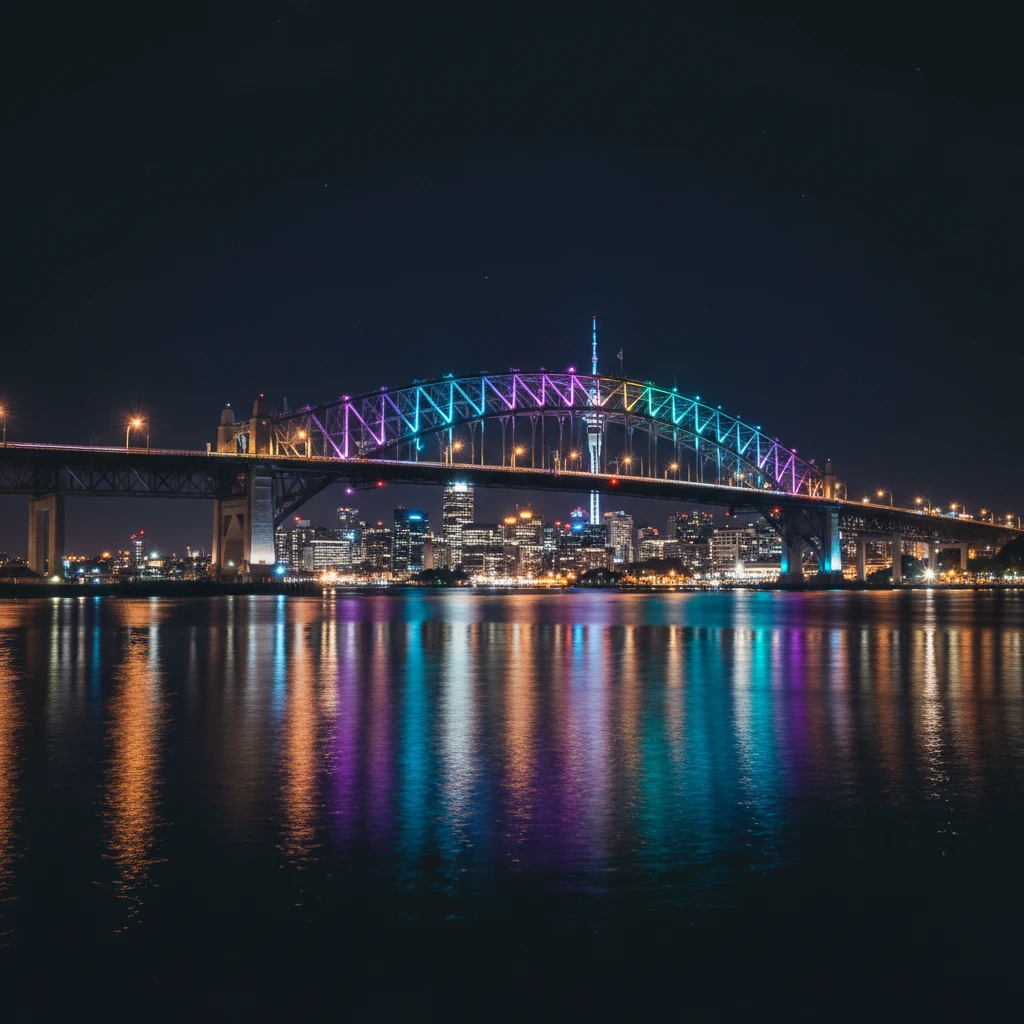
One of the most iconic visual representations of the festival is the transformation of the Auckland Harbour Bridge. The Vector Lights show is not merely a display of color; it is a narrative experience that tells the stories of the stars and the history of Tāmaki Makaurau.
The Light Show Experience
The show typically runs on a loop throughout the evening, starting from sunset (around 6:00 PM) until midnight. The display is synchronized to a soundtrack, which viewers can listen to via a dedicated website or radio frequency while watching from the shore. The narrative often centers on the nine stars of Matariki: Matariki (the mother) and her eight children, each representing a different aspect of the environment, such as fresh water, salt water, food from the earth, and the winds.
Sustainability and Technology
It is worth noting that Vector Lights is powered by a mix of solar, battery, and peer-to-peer energy technology, aligning with the kaitiakitanga (guardianship) principles central to Matariki. The show utilizes thousands of individually addressable LED nodes, allowing for intricate storytelling capabilities that map out constellations and traditional Māori motifs across the steel structure.
Matariki on the Waterfront
The downtown waterfront, stretching from Britomart to Wynyard Quarter, serves as the central hub for the festival’s urban celebrations. This area is transformed into a pedestrian-friendly zone filled with art installations, music, and kai (food).
Silo Park and Wynyard Quarter
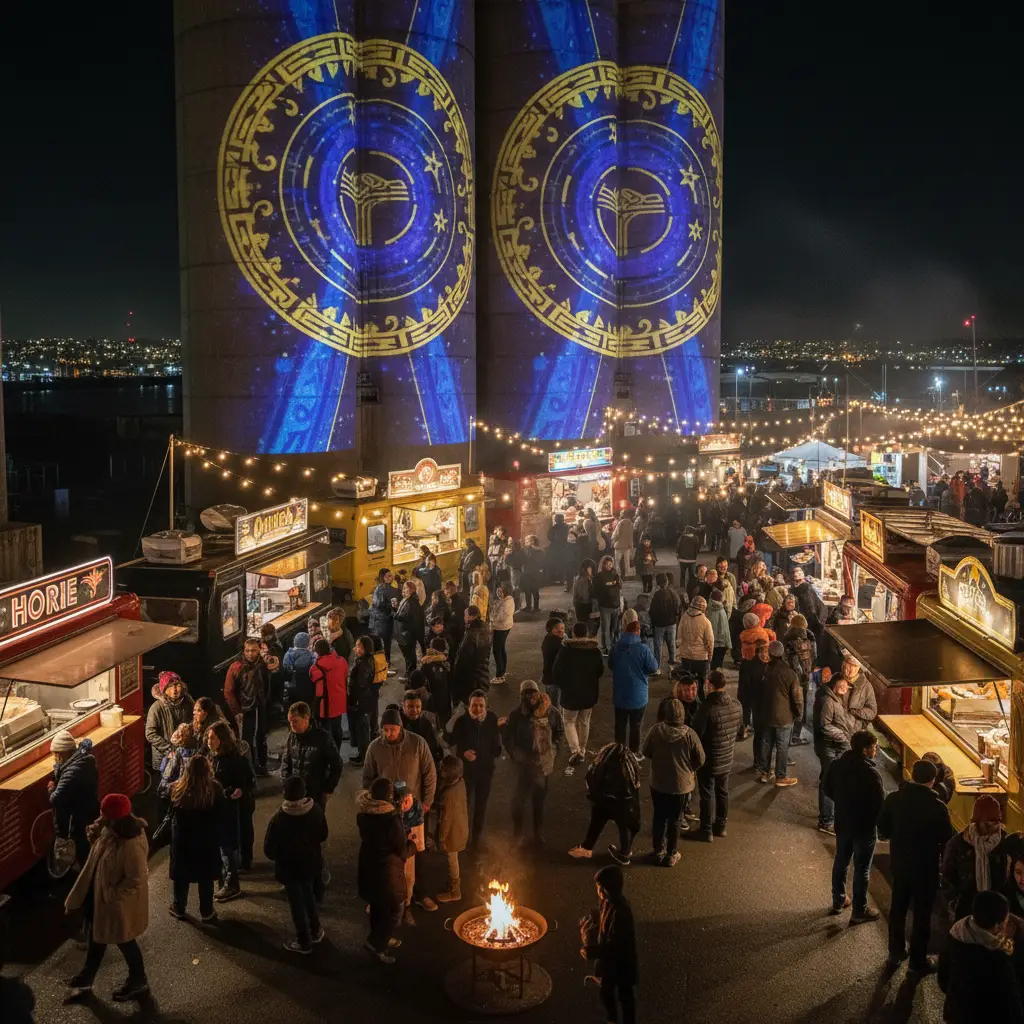
Silo Park is frequently the site of large-scale projection mapping. The iconic silos are used as canvases to project moving images of Māori myths and legends. Surrounding the silos, you will often find the “Matariki Market,” featuring local artisans selling pounamu (greenstone), weaving, and contemporary Māori art. Food trucks line the gantry, offering a mix of modern cuisine and traditional Māori flavors, such as fry bread and hāngī-inspired burgers.
Queens Wharf and The Cloud
Further along the waterfront, The Cloud often hosts the “Matariki Festival Day,” a family-oriented event featuring live music stages. Here, top New Zealand musicians perform alongside emerging Māori talent. Inside The Cloud, interactive workshops are common, teaching children and tourists how to make poi, weave flax flowers, or learn the basics of the haka. These events are generally free to the public, making them highly accessible for large families.
Family Events in South Auckland
South Auckland, with its rich Pasifika and Māori population, hosts some of the most authentic and community-driven Matariki events. The focus here is often on whanaungatanga (kinship) and connecting with the environment.
Te Ara Rama (The Light Trail)
Usually held in local parks such as the Auckland Botanic Gardens or Maybury Reserve in Glen Innes, Te Ara Rama is a magical experience for children. Trees and pathways are illuminated with fairy lights and traditional lanterns. The trail is designed to be walked slowly, encouraging reflection. Along the path, storytellers often station themselves to recount local legends to passing groups.
Manukau Civic Square Celebrations
The civic heart of South Auckland often hosts a massive block party style event. This is where you will find some of the best street food in the region. The stage program is robust, featuring high-energy cultural dance groups and local hip-hop artists. It is a celebration of the modern urban Māori identity, blending tradition with contemporary culture.
Cultural Performances and Kapa Haka
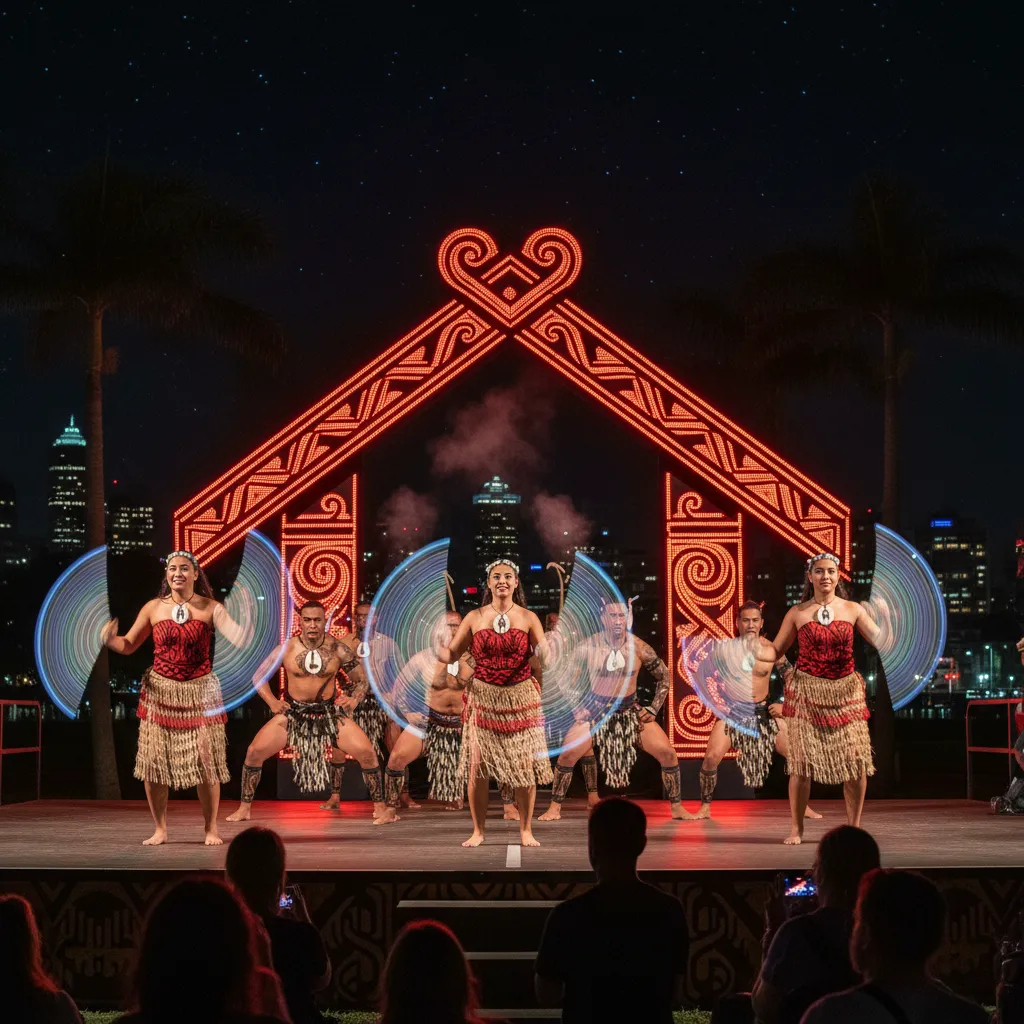
While light shows provide visual splendor, the heart of Matariki lies in the performing arts. Auckland’s theaters and halls fill with the sounds of waiata (songs) and haka.
Kiri Te Kanawa Theatre and Aotea Centre
For a more formal experience, the Aotea Centre often schedules premiere productions during the Matariki season. These may include contemporary dance shows by companies like Atamira Dance Company or Okareka Dance Company, which fuse traditional movements with modern choreography to tell complex stories of navigation and ancestry.
Regional Kapa Haka Showcases
Various marae (tribal meeting grounds) and community centers across Auckland open their doors for Kapa Haka showcases. Unlike the intense competition of Te Matatini, Matariki performances are often more celebratory and inclusive. Attending one of these events is a privilege; it offers a glimpse into the discipline, passion, and storytelling inherent in Māori culture. Visitors are expected to remain respectful, but the atmosphere is generally warm and welcoming.
Best Vantage Points for Light Shows
To fully appreciate the Vector Lights and the city-wide illuminations, choosing the right location is crucial. Here are the top spots to set up your camera or picnic blanket.
Little Shoal Bay (North Shore)
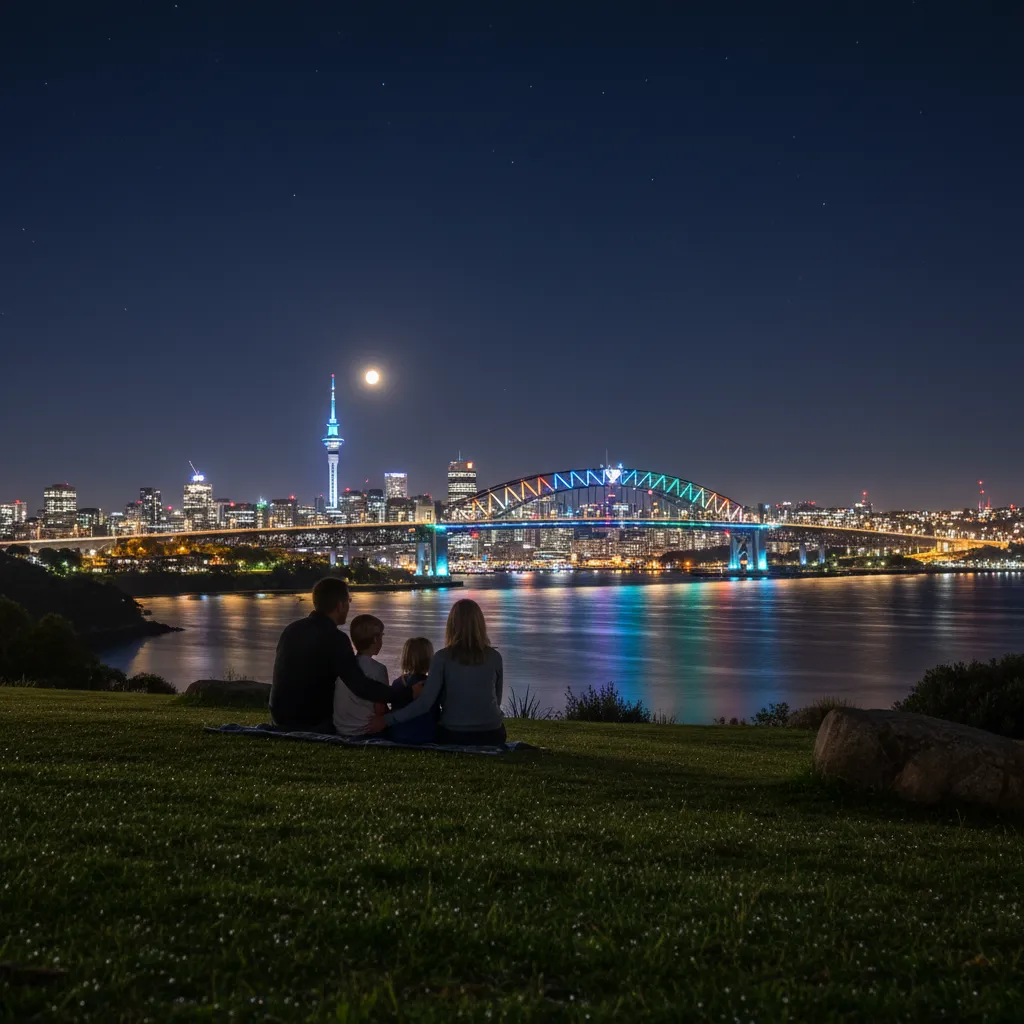
Located in Northcote, this bay offers a direct, head-on view of the Harbour Bridge with the city skyline behind it. It is less crowded than the city side and has a grassy area perfect for families. The water in the foreground reflects the lights, doubling the visual impact.
Mt Eden (Maungawhau)
For a panoramic view of the entire isthmus, climb Mt Eden. From the summit, you can see the Harbour Bridge, the Sky Tower (which is also lit up in Matariki colors), and the Auckland War Memorial Museum. It is a windy spot, so dress warmly, but the 360-degree view of the sleeping city under the Matariki stars is unmatched.
Bayswater Marina
Another North Shore gem, Bayswater offers a side-on perspective of the bridge. It is a quiet spot, ideal for photographers who want to capture long-exposure shots without people walking into the frame. There is plenty of parking, making it a convenient option for those driving.
Matariki Feasts: Where to Eat
Matariki is a time for hākari (feasting), celebrating the harvest and the food stored for winter. Auckland’s hospitality scene embraces this with special menus.
The Hāngī Shop Experience
For authentic flavor, seek out vendors selling hāngī. The “Hāngī Shop” in South Auckland or various pop-ups at the night markets offer earth-oven cooked pork, chicken, potato, kumara, and stuffing. The smoky flavor is the taste of the New Zealand winter.
Fine Dining Interpretations
Many of Auckland’s top restaurants, particularly around the Viaduct and Britomart, create set menus for Matariki. Chefs utilize indigenous ingredients such as horopito (pepper tree), kawakawa, pikopiko (fern fronds), and kūmara in sophisticated dishes. Look for restaurants participating in the “Matariki Dish Challenge,” where local eateries compete to create the best dish representing the stars.
Practical Guide: Transport and Weather
Attending Matariki events in Auckland requires a bit of logistical planning to ensure a smooth experience.
Weather Preparedness
Matariki falls in June or July, the middle of the New Zealand winter. Auckland evenings can be crisp and damp. Layering is essential. A waterproof outer layer is highly recommended, as passing showers are common. Beanie, gloves, and thermal underlayers will make outdoor light shows much more enjoyable.
Public Transport
Parking in the CBD and near Silo Park can be difficult and expensive during major events. Auckland Transport (AT) often runs additional bus and train services for the festival. The train to Britomart Station places you right at the entrance to the waterfront festivities. Taking the ferry from Devonport or Waiheke is also a magical way to arrive, as you get a view of the lights from the water.
Frequently Asked Questions
When is the best time to see the Matariki stars in Auckland?
The best time to view the Matariki cluster is in the early morning, just before dawn (around 5:30 AM to 6:30 AM). Look towards the northeast horizon. The stars are most visible in late June and early July.
Are Matariki events in Auckland free?
The majority of public events, including the Vector Lights, waterfront activations, and community festivals, are free. Some theater performances, workshops, or special dining events will require tickets or reservations.
Is the Auckland Harbour Bridge light show every night?
During the festival period, the Vector Lights show typically runs every evening. However, the specific audio-synchronized shows run at set intervals, usually every 15 or 30 minutes between 6:00 PM and midnight.
What is the meaning of Matariki?
Matariki is the Māori name for the star cluster known as the Pleiades. Its rising marks the Māori New Year. It is a time to remember those who have passed, celebrate the present harvest and community, and plan for the future.
Is Matariki a public holiday in New Zealand?
Yes, Matariki is an official public holiday in New Zealand. The date shifts slightly each year based on the lunar calendar (maramataka) but generally falls on a Friday in June or July to create a long weekend.
Can children attend the Matariki light shows?
Absolutely. The light shows and waterfront events are designed to be family-friendly. However, parents should be mindful of the late hours and cold weather, dressing children warmly.