
The Matariki festival in Wellington is the capital city’s premier cultural celebration of the Māori New Year, centered around the immersive Ahi Kā experience on the waterfront. It features large-scale light projections, traditional fire ceremonies, educational exhibitions at Te Papa Tongarewa, and a diverse array of local dining events honoring the season of harvest and remembrance.
As the cluster of stars known as Matariki (the Pleiades) rises in the mid-winter sky, Te Whanganui-a-Tara (Wellington) transforms into a vibrant hub of light, sound, and culinary excellence. Unlike summer festivals, Matariki is a time for reflection, remembrance of those who have passed, and celebrating the present harvest while planning for the future. For visitors and locals alike, the capital offers one of the most accessible and culturally rich Matariki experiences in Aotearoa.
This guide serves as your comprehensive companion to navigating the festivities, from the heat of the fire pits at the lagoon to the quiet reverence of the museum galleries. Whether you are looking for family-friendly entertainment or a high-end gastronomic experience, Wellington’s waterfront provides the perfect backdrop for this mid-winter celebration.
The Ahi Kā Experience: Fire and Renewal
At the heart of the Matariki festival in Wellington is Ahi Kā. Translating to “keeping the home fires burning,” this event is a sensory masterpiece located primarily around the Odlins Plaza and the Whairepo Lagoon. It acts as the anchor for the city’s celebrations, replacing traditional fireworks displays with something far more grounded and culturally significant.
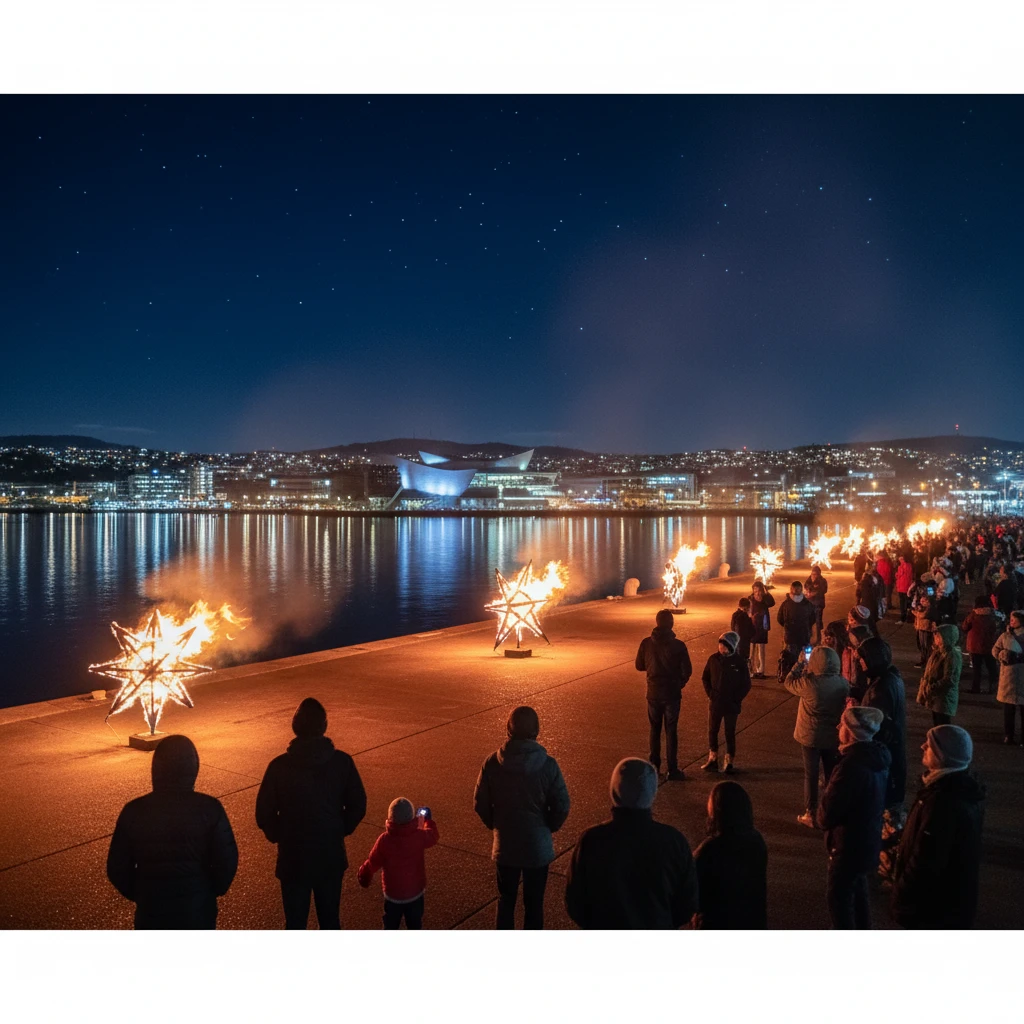
What to Expect at Ahi Kā
The atmosphere at Ahi Kā is distinctively different from other public holidays. It is communal and warm, despite the biting southerly winds that often characterize Wellington’s July weather. Visitors walk through arches of light and gather around massive fire pits. These fires serve a dual purpose: they provide physical warmth for the spectators and symbolize the spiritual warmth of community and whānau (family) connection.
During the event evenings, usually running from 6:00 PM to 9:00 PM, the waterfront comes alive with performers. You can expect to see kapa haka groups performing on pop-up stages, storytellers sharing legends of the stars, and modern musical acts blending electronic beats with traditional Māori instruments (taonga pūoro).
The Ritual of Remembrance
Ahi Kā also provides a space for the solemn aspect of Matariki: remembering the dead (hunga mate). Designated areas often allow visitors to write messages to loved ones who have passed away in the previous year. These messages are sometimes ceremonially burned, sending the smoke—and the love it carries—upward to the stars. This integration of public spectacle and private grief makes the Wellington festival uniquely touching.
Mana Moana: The Waterfront Light Show
While the fire warms the body, the Mana Moana light show captivates the mind. This digital art installation utilizes the ocean itself as a canvas, projecting high-definition images onto screens of water mist rising from the lagoon. It is a technological marvel that tells ancient stories through a futuristic medium.
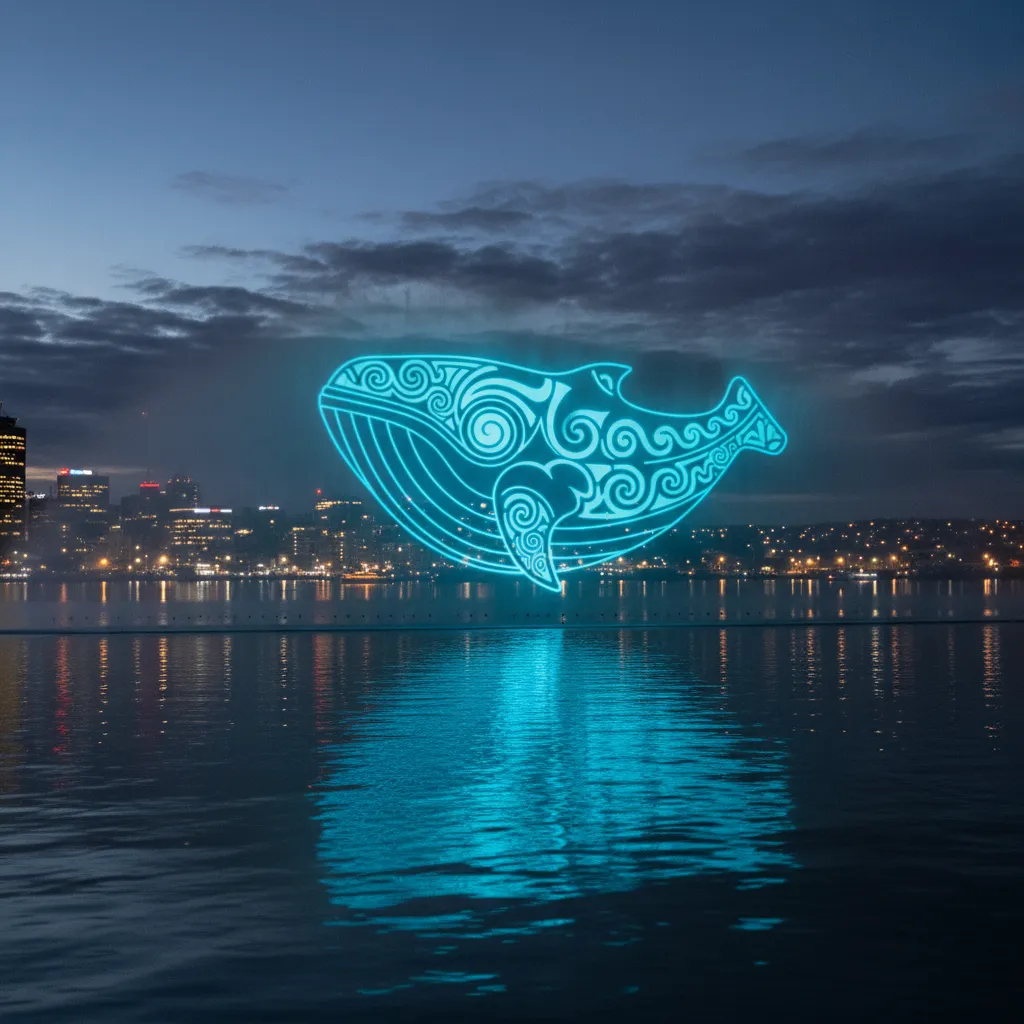
Visual Storytelling on Water
The projections typically loop throughout the evening and feature collaborations between leading Māori artists and digital animators. The themes revolve around the environment, ocean conservation (kaitiakitanga), and the celestial navigation that brought the first Polynesians to Aotearoa. The reflection of the light on the dark harbor water creates a mesmerizing, ethereal effect that photographs beautifully but is best experienced in person.
Illuminating the Architecture
Beyond the water screens, the festival often includes projection mapping on iconic Wellington buildings, including the exterior of Te Papa and the surrounding waterfront structures. These light displays often depict the nine stars of Matariki—Matariki, Pōhutukawa, Tupuānuku, Tupuārangi, Waipuna-ā-rangi, Waitī, Waitā, Ururangi, and Hiwa-i-te-rangi—explaining the domain and significance of each through visual iconography.
Te Papa Museum Exhibitions & Cultural Programming
No visit to the Matariki festival in Wellington is complete without stepping inside Te Papa Tongarewa, the Museum of New Zealand. As the national museum, Te Papa curates a robust program specifically for the Māori New Year, bridging the gap between historical artifacts and living culture.
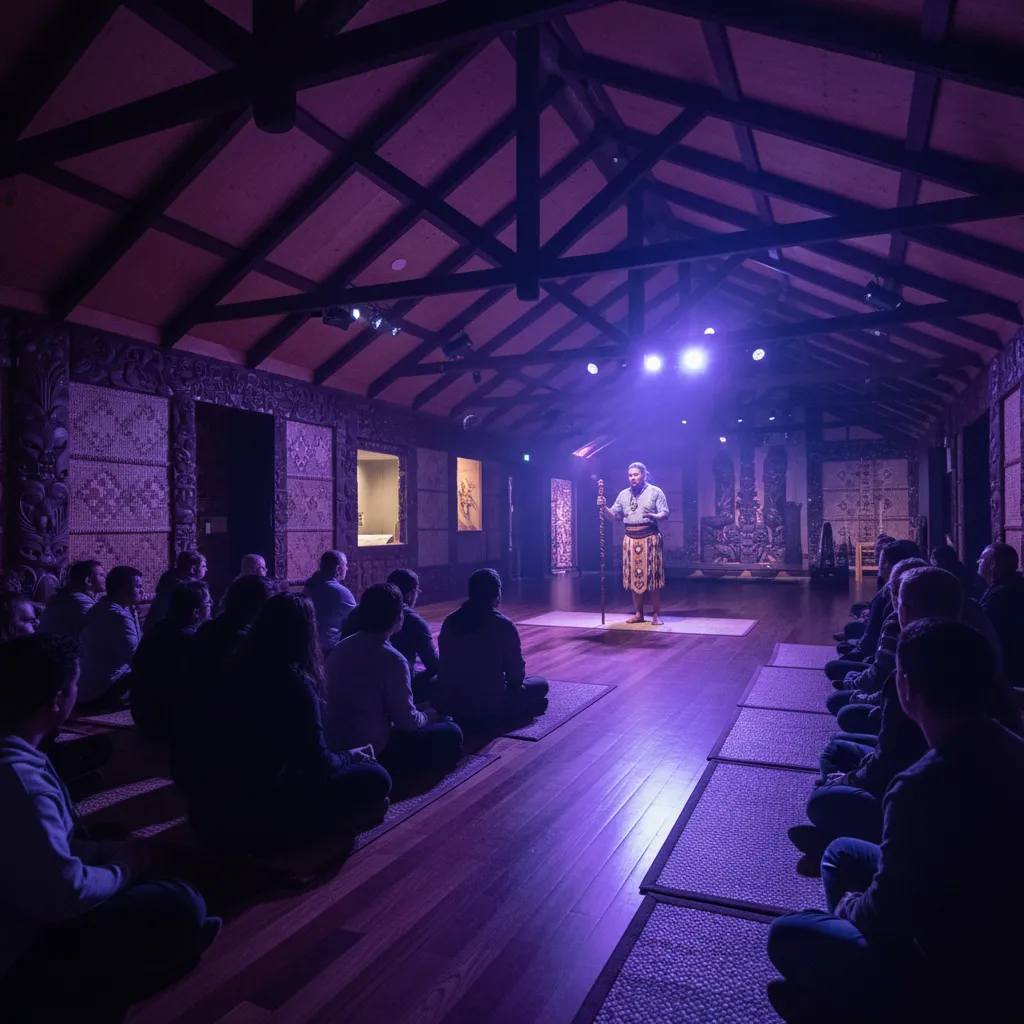
The Rongomaraeroa Marae Experience
Located on Level 4, the museum’s marae, Rongomaraeroa, becomes a focal point for festivities. Unlike traditional marae, this space is open to all and features contemporary carvings and design. During Matariki, it hosts free concerts, whānau days, and interactive workshops where visitors can learn to weave (raranga) or play traditional stick games (tītī tōrea).
Educational Astronomy
Te Papa excels at explaining the science behind the season. Special exhibitions often detail the astronomical positioning of the Pleiades cluster. Interactive displays allow children and adults to learn how to locate the stars in the night sky and understand how Māori ancestors used these celestial bodies for navigation and planting cycles. These exhibits are crucial for those wanting to move beyond the “festival” aspect and understand the deep indigenous science (mātauranga Māori) that underpins the holiday.
Taonga Tours
During the festival period, Te Papa offers guided tours focusing on taonga (treasures) related to Matariki. This might include viewing historical agricultural tools used for the harvest, or garments worn during winter festivities. These tours provide a commercial opportunity for visitors seeking a deeper, curated dive into New Zealand history.
Best Restaurants for Matariki Dining in the Capital
Wellington is arguably the culinary capital of New Zealand, and Matariki—being a celebration of the harvest—is the perfect time for the hospitality industry to shine. Many restaurants offer special “Matariki Dish” menus, highlighting indigenous ingredients (kai) and seasonal produce.
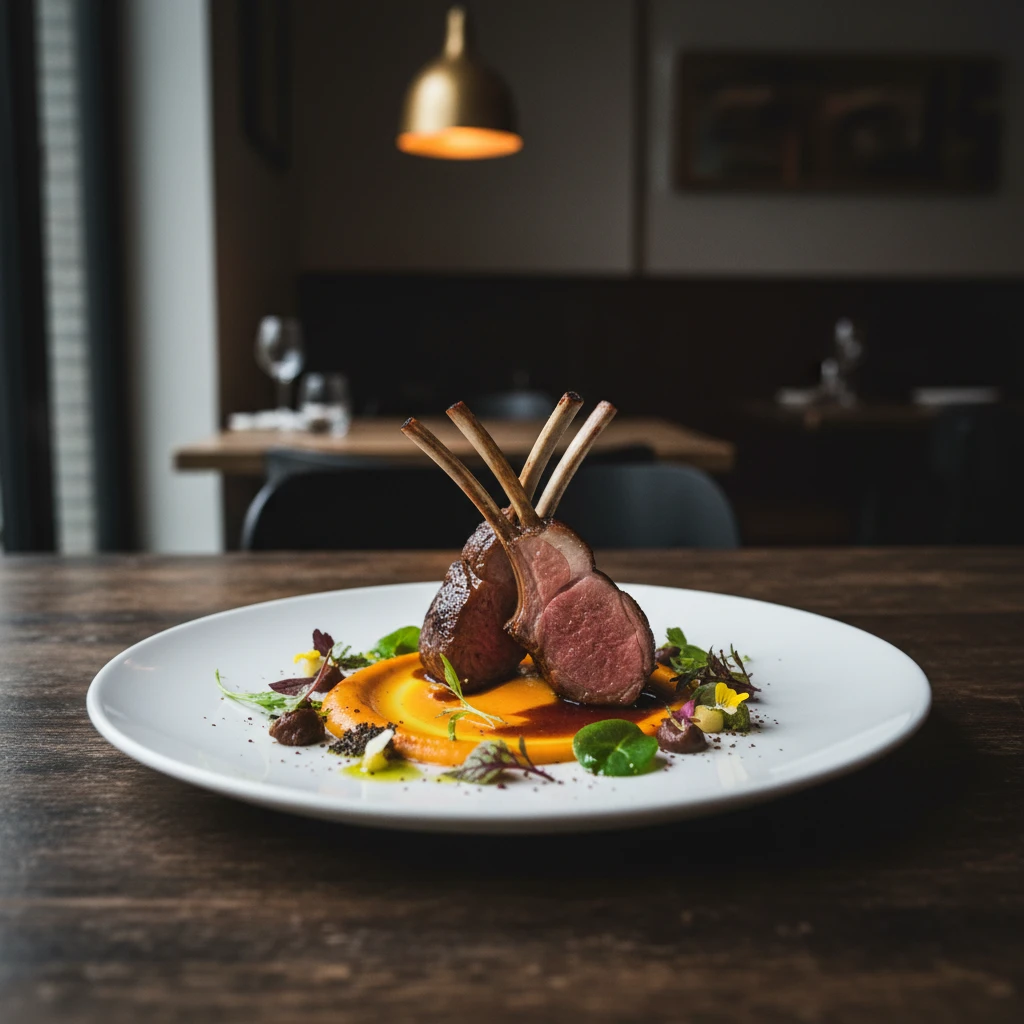
Karaka Café: The Cultural Hub
Located on the waterfront near the lagoon, Karaka Café is a Māori-owned business that is essential for a Matariki visit. Their menu features modern takes on classics, such as Hāngī (earth oven) style meats and Fry Bread. During the festival, their outdoor seating offers a prime view of the Ahi Kā fires, making it a highly coveted spot for dinner.
Hiakai: The Pinnacle of Indigenous Cuisine
For those seeking a luxury experience, Hiakai (founded by Chef Monique Fiso) is world-renowned for its exploration of Māori ingredients. While reservations are difficult to secure, their Matariki offering is often a degustation menu that tells the story of the stars through food. Ingredients like tītī (muttonbird), mamaku (tree fern), and kūmara are elevated to Michelin-standard heights.
Waterfront Pop-Ups and Food Trucks
Commercial intent isn’t limited to fine dining. The Odlins Plaza area hosts a village of food trucks during the festival. This is the best place to find “street food” versions of traditional kai. Look for:
- Pāua Fritters: A seafood delicacy.
- Whitebait (Inanga): Often served in egg fritters (season permitting).
- Rewena Bread: A traditional sourdough potato bread, perfect for dipping in hot soups on a cold night.
Planning Your Visit: Logistics and Tips
To maximize your enjoyment of the Matariki festival in Wellington, a little preparation goes a long way. The city is compact, but the winter elements can be unforgiving.
Weather Preparedness
Wellington in June and July is cold and often windy. The festival is largely outdoors. Layering is essential. A windproof, waterproof jacket is non-negotiable. Hats, gloves, and scarves are highly recommended, especially if you plan to stand still watching the Mana Moana projections.
Parking and Transport
Parking around the waterfront (Te Papa car park) fills up extremely fast during Ahi Kā evenings. It is advisable to park in the CBD parking buildings (like the James Smith or Clifton car parks) and walk five minutes to the waterfront. Alternatively, Wellington’s public bus and train network is reliable, with the main station being a 15-minute walk along the quays to the festival hub.
Timing Your Visit
The festival usually spans a weekend or a specific week in mid-winter (dates vary slightly by year based on the lunar calendar). The Friday and Saturday nights are the busiest. For a quieter experience where you can get closer to the art installations and get a table at a restaurant, aim for a Thursday or Sunday evening if the schedule permits.
People Also Ask
When is the Matariki festival in Wellington held?
The dates change annually as Matariki is determined by the lunar calendar (Maramataka). It generally falls between late June and mid-July. For 2024 and beyond, check the official Wellington City Council or Te Papa websites for exact public holiday dates and festival schedules.
Is the Wellington Matariki festival suitable for children?
Yes, it is extremely family-friendly. The Ahi Kā light displays and fire pits are designed to captivate children. Te Papa also runs specific kid-centric workshops during the day. However, parents should dress children warmly and keep a close eye on them near the water’s edge and open fire pits.
Is there an entry fee for the Ahi Kā experience?
No, the Ahi Kā experience on the Wellington waterfront is a free public event. Access to the fire pits, light shows, and Mana Moana projections is open to everyone. Costs are only incurred for food, drinks, and specific paid tours or exhibitions inside the museum.
Can I see fireworks during Matariki in Wellington?
Wellington has largely moved away from traditional pyrotechnic fireworks for Matariki, opting instead for the Ahi Kā fire and light displays. This decision aligns better with environmental sustainability and the cultural tone of the holiday, though spectacular light projections provide a similar visual awe.
What is the best place to park for the festival?
Te Papa’s onsite parking is the most convenient but fills up instantly. The best strategy is to park at the Barnett Street car park or the larger parking buildings on Willis Street or Lambton Quay, then enjoy the short walk to the waterfront.
What does Ahi Kā mean in the context of the festival?
Literally meaning “burning fires,” Ahi Kā refers to the continuous occupation of land and keeping the home fires burning. In the festival context, it symbolizes the warmth of the community, resilience, and the welcoming of visitors to the region during the cold winter months.