
Matariki stars meaning refers to the spiritual and environmental significance of the Pleiades cluster in Māori astronomy, marking the Māori New Year. Each of the nine visible stars governs a specific domain: Matariki signifies health and reflection; Pōhutukawa connects to those who have passed; Tupu-ā-nuku and Tupu-ā-rangi oversee food sources; Waitī and Waitā control fresh and salt waters; Waipuna-ā-rangi manages rainfall; Ururangi dictates the winds; and Hiwa-i-te-rangi is the star of future aspirations and wishes.
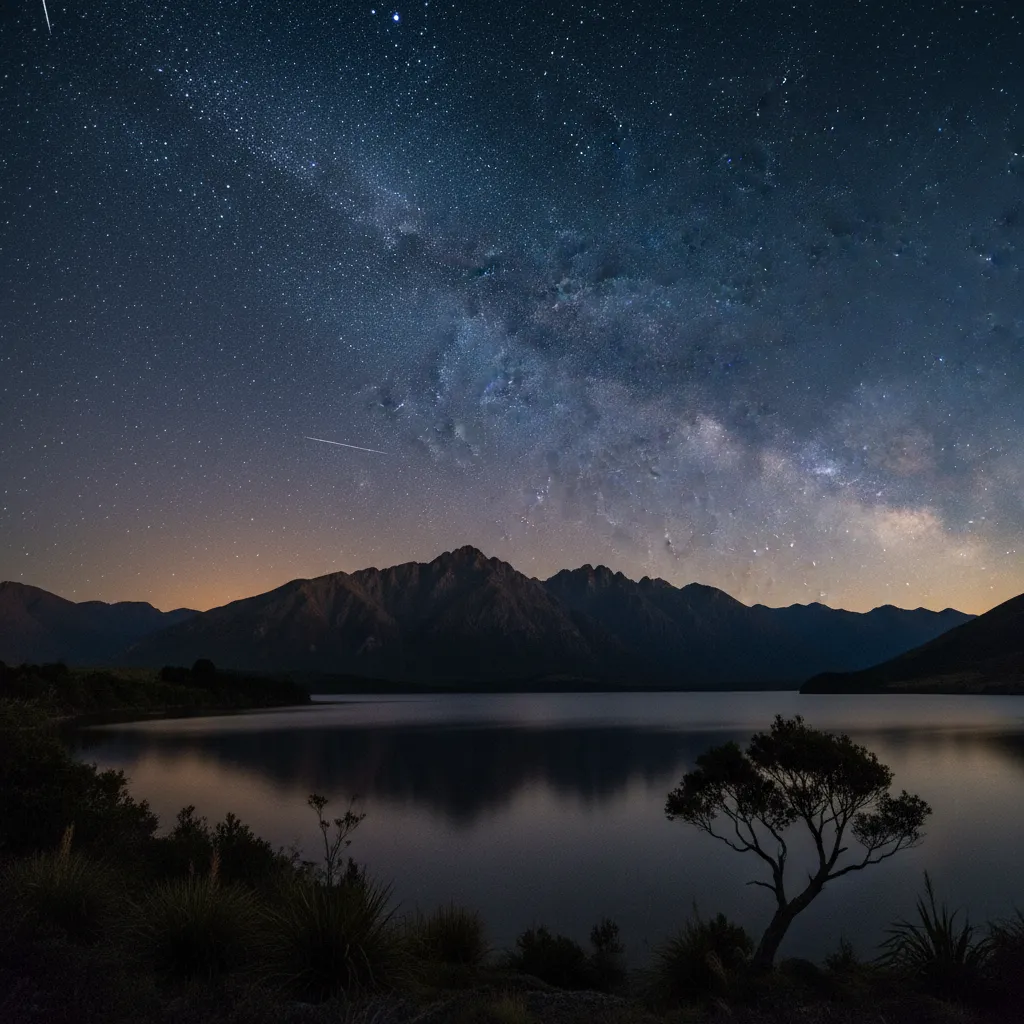
The rising of the Matariki star cluster is one of the most significant events in the New Zealand calendar. It signals the arrival of the Māori New Year, a time for remembering the past, celebrating the present, and looking forward to the future. While astronomically known as the Pleiades or the Seven Sisters, in Aotearoa New Zealand, the cultural narrative focuses on nine distinct stars, each holding profound influence over the environment and human wellbeing.
The Star Cluster Explained: Matariki Stars Meaning
To understand the Matariki stars meaning, one must look beyond the western astronomical definition of the Pleiades. For Māori, these are not merely distant suns but spiritual entities (atua) that communicate the health of the environment for the coming year. The visibility, brightness, and color of each star upon its heliacal rising in mid-winter provided tohunga (experts) with predictions regarding harvest quality, weather patterns, and social stability.
While many cultures recognize seven stars (hence “The Seven Sisters”), Māori astronomy often identifies nine stars. This distinction is crucial because it expands the environmental domains covered by the cluster, incorporating elements like the wind, rain, and the spirits of the deceased.
Breaking Down the 9 Stars of Matariki
Each star within the cluster has a specific name and a distinct responsibility. Understanding these individual meanings is the key to grasping the holistic importance of the holiday.
1. Matariki (Alcyone)
Matariki is the mother of the other stars in the cluster. Her name is often translated as “The Eyes of God” (Mata Ariki) or “Little Eyes” (Mata Riki). As the central star, her domain is people’s health and wellbeing. When Matariki appears bright and clear, it is a sign of good health and good fortune for the community in the coming year. She brings people together, encouraging us to check in on one another.
2. Pōhutukawa (Sterope/Asterope)
Pōhutukawa holds a solemn role. This star is connected to the dead, specifically those who have passed away since the last rising of Matariki. She carries the spirits of the deceased across the night sky. During Matariki celebrations, it is customary to call out the names of loved ones lost during the year, allowing Pōhutukawa to guide them into the afterlife. She reminds us to cherish our memories of ancestors.
3. Tupu-ā-nuku (Pleione)
This star is tied to food that grows within the soil. The name literally translates to “grow in the earth.” Tupu-ā-nuku oversees the cultivation of kūmara (sweet potato) and other root vegetables. Gardeners and farmers look to this star to gauge the success of the next harvest. If Tupu-ā-nuku is distinct and bright, the soil will be fertile and the harvest bountiful.
4. Tupu-ā-rangi (Atlas)
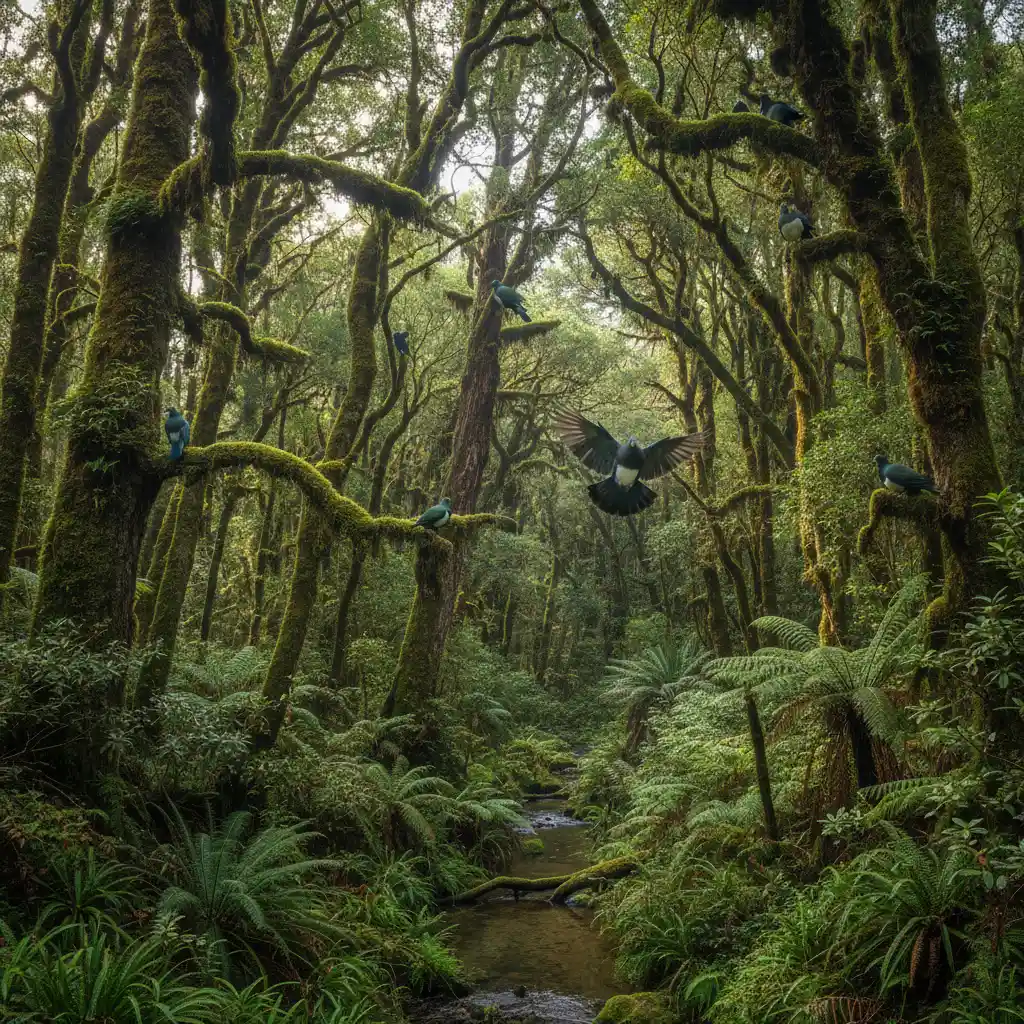
Contrasting with her sister star, Tupu-ā-rangi is connected to food sources that come from the sky and above the ground. This includes birds (manu), berries, and fruits from trees. In traditional times, this star was vital for fowlers and hunters. A bright Tupu-ā-rangi signaled a season where the forests would be teeming with birdlife and the trees heavy with fruit.
5. Waitī (Maia)
Waitī watches over fresh water environments. This includes rivers, streams, lakes, and the food sources within them, such as eels (tuna) and freshwater crayfish (kōura). The clarity of this star predicts the health of the waterways. A dim Waitī might warn of droughts or water shortages, urging communities to conserve water and protect their rivers.
6. Waitā (Taygeta)
Waitā represents the ocean and salt water. This star is associated with the vast food basket of the sea (kaimoana). Fishermen would observe Waitā to determine the best times for fishing and the abundance of species like snapper and kahawai. It emphasizes the connection between the land and the vast Pacific Ocean surrounding Aotearoa.
7. Waipuna-ā-rangi (Electra)
This star is intimately connected to the weather, specifically rainfall. Her name translates to “water that pools in the sky.” Waipuna-ā-rangi determines the rainfall patterns for the coming year. Observing this star helps predict whether the season will be prone to drought or flooding, allowing for preparation in agriculture and daily life.
8. Ururangi (Merope)
Ururangi is the star of the winds. The name means “the winds of the sky.” This star determines the nature of the winds for the year—whether they will be gentle breezes that aid navigation and comfort, or violent storms. Ururangi reminds us of the power of the atmosphere and the need to respect the elements.
9. Hiwa-i-te-rangi (Celaeno)
Hiwa-i-te-rangi is the youngest star and is known as the wishing star. She represents our aspirations, dreams, and the future. Similar to the notion of “wishing upon a star,” Māori send their hopes and desires for the new year to Hiwa-i-te-rangi. She helps us reset our goals and look forward with optimism.
Māori Mythology and Origins
The origins of Matariki are deeply rooted in Māori cosmogony, specifically the separation of the primal parents, Ranginui (Sky Father) and Papatūānuku (Earth Mother). The most prevalent narrative involves the god of wind and weather, Tāwhirimātea.
The Eyes of Tāwhirimātea
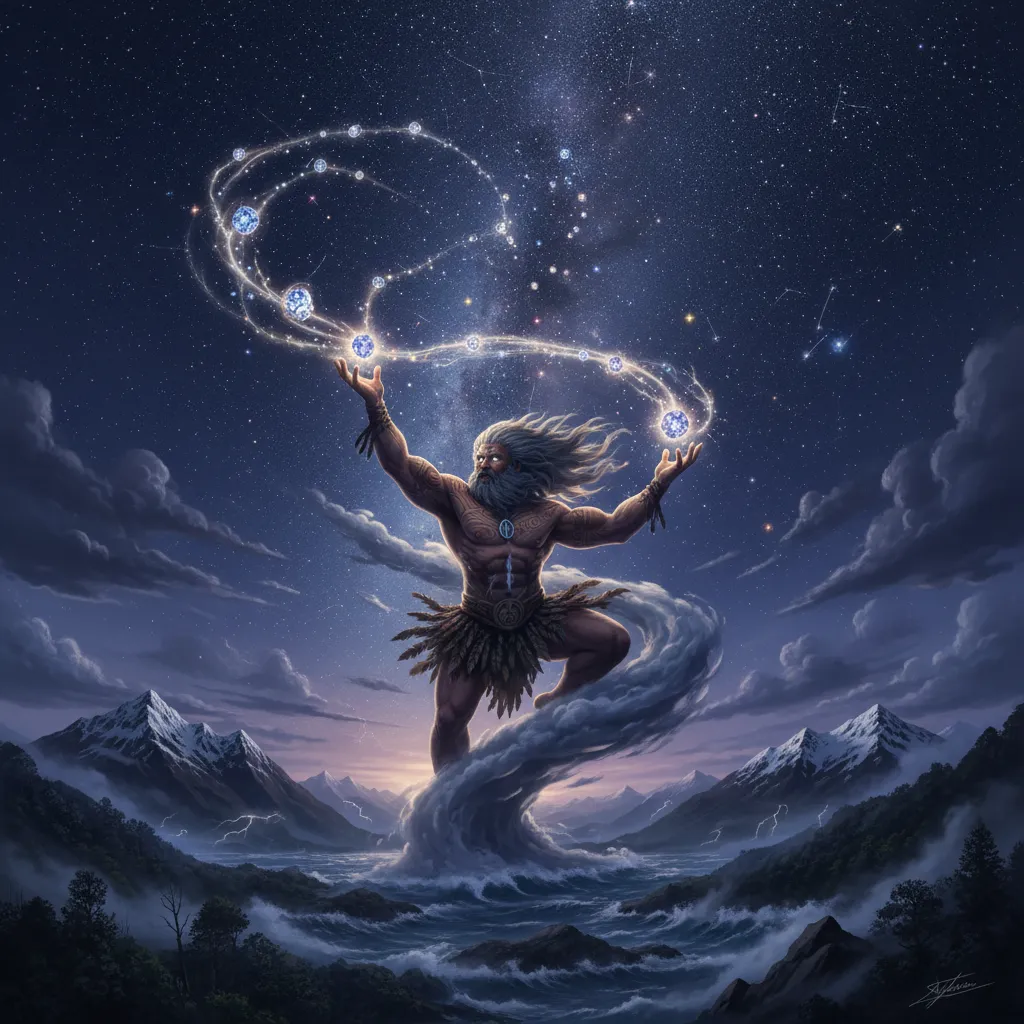
When Ranginui and Papatūānuku were separated by their children to let light into the world, Tāwhirimātea was distraught. He did not want his parents to be parted. In his grief and rage, he tore out his own eyes and crushed them in his hands, throwing the shards into the heavens. These shards stuck to the chest of his father, Ranginui, becoming the cluster of stars known as Matariki.
This myth underscores the emotional and turbulent nature of the weather (Tāwhirimātea’s domain) during the mid-winter period when Matariki rises. It serves as a reminder that light and new beginnings often come from periods of darkness and struggle.
Traditional Ceremonies and Tohu
Historically, the rising of Matariki was not just a visual spectacle; it was a call to action. Communities would gather for specific rituals designed to honor the stars and secure a prosperous year.
The Hautapu Ceremony
One of the most sacred ceremonies is the Hautapu. This ritual involves cooking food in an earth oven (hāngī) as an offering to the stars. The steam rising from the hāngī was believed to feed the stars. The contents of the oven typically corresponded to the domains of the stars:
- Birds for Tupu-ā-rangi.
- Root vegetables for Tupu-ā-nuku.
- Fish for Waitī and Waitā.
As the steam rose, a tohunga would read the stars. If the stars were clear, the offering was accepted, and the year would be good. If they were hazy or shimmering erratically, it was a tohu (sign) of potential hardship.
Whāngai i te Hautapu
This process of “feeding” the stars with the essence of the food establishes a reciprocal relationship between the people and the environment. It is an acknowledgment that the sustenance we receive comes from the earth and sky, and we must give back, even if only spiritually.
Modern Cultural Revival and Public Holiday
For many years, the practice of observing Matariki declined due to colonization and the suppression of Māori knowledge systems. However, the early 21st century has seen a massive resurgence in interest, driven by Māori scholars and astronomers like Dr. Rangi Matamua. This revival culminated in the establishment of Matariki as an official public holiday in New Zealand, first observed in June 2022.
Education and National Identity
The modern celebration of Matariki focuses on three major principles: remembrance, celebrating the present, and looking to the future. Schools, workplaces, and communities now engage in learning the Matariki stars meaning, moving beyond surface-level observation to deep ecological awareness.
This shift represents a maturing of New Zealand’s national identity—one that embraces indigenous knowledge (Mātauranga Māori) alongside western science. It encourages all New Zealanders, regardless of background, to pause during the depths of winter, share food (kai), and reconnect with their whānau (family).

By understanding the unique role of each star, from the water-guarding Waitī to the wish-granting Hiwa-i-te-rangi, we gain a roadmap for living in harmony with our environment. Matariki is more than a holiday; it is a seasonal realignment of human life with the natural world.
People Also Ask
What do the 9 stars of Matariki represent?
The 9 stars represent different environmental domains: Matariki (health/wellbeing), Pōhutukawa (the dead), Tupu-ā-nuku (food from the earth), Tupu-ā-rangi (food from the sky), Waitī (fresh water), Waitā (salt water), Waipuna-ā-rangi (rain), Ururangi (wind), and Hiwa-i-te-rangi (wishes/aspirations).
Why are there sometimes 7 stars and sometimes 9?
While the cluster contains hundreds of stars, only some are visible to the naked eye. Many cultures see seven (the Seven Sisters). However, Māori astronomy, with its acute observation and better visibility conditions historically, identifies nine distinct stars that make up the narrative of the Matariki whānau (family).
What is the spiritual meaning of Matariki?
Spiritually, Matariki is a time of transition. It marks the departure of the spirits of the deceased who have died in the past year, releasing them into the afterlife. Simultaneously, it is a celebration of life, fertility, and the promise of the new year, encouraging reflection and goal setting.
How do you find the Matariki stars?
To find Matariki, look towards the northeast horizon before dawn in mid-winter. Find the row of three bright stars (Orion’s Belt/Tautoru). Follow the line to the left to find a triangular cluster (The Face of Taurus/Te Kokotā). Continue left to find the small, twinkling cluster of Matariki.
What is the wish star in Matariki?
The wish star is Hiwa-i-te-rangi. It is the youngest star in the cluster. According to tradition, you send your wishes, dreams, and aspirations for the coming year to this star, hoping they will be realized as the new year unfolds.
Is Matariki the same as the Pleiades?
Yes, astronomically, Matariki is the open star cluster known in the West as the Pleiades (Messier 45). However, the cultural context, stories, and specific environmental associations attributed to the individual stars are unique to Māori culture and New Zealand.