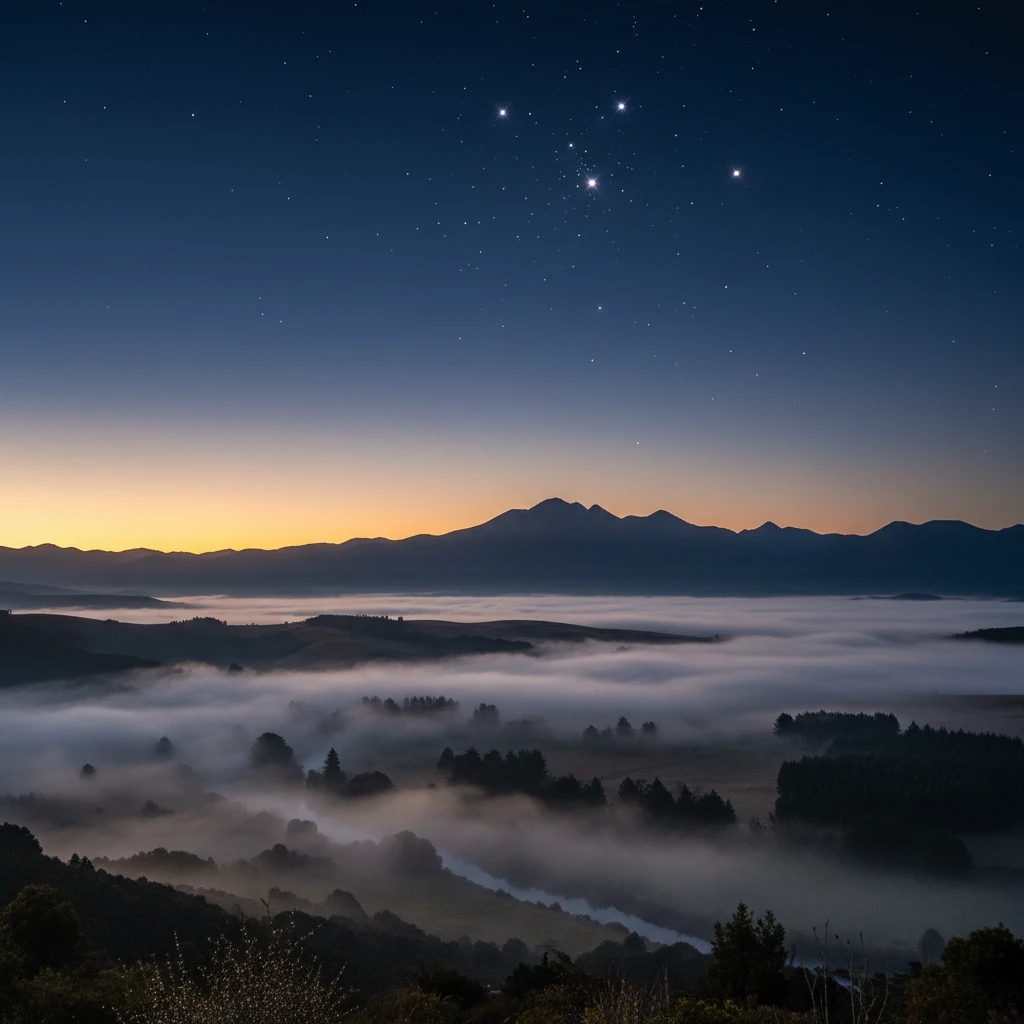
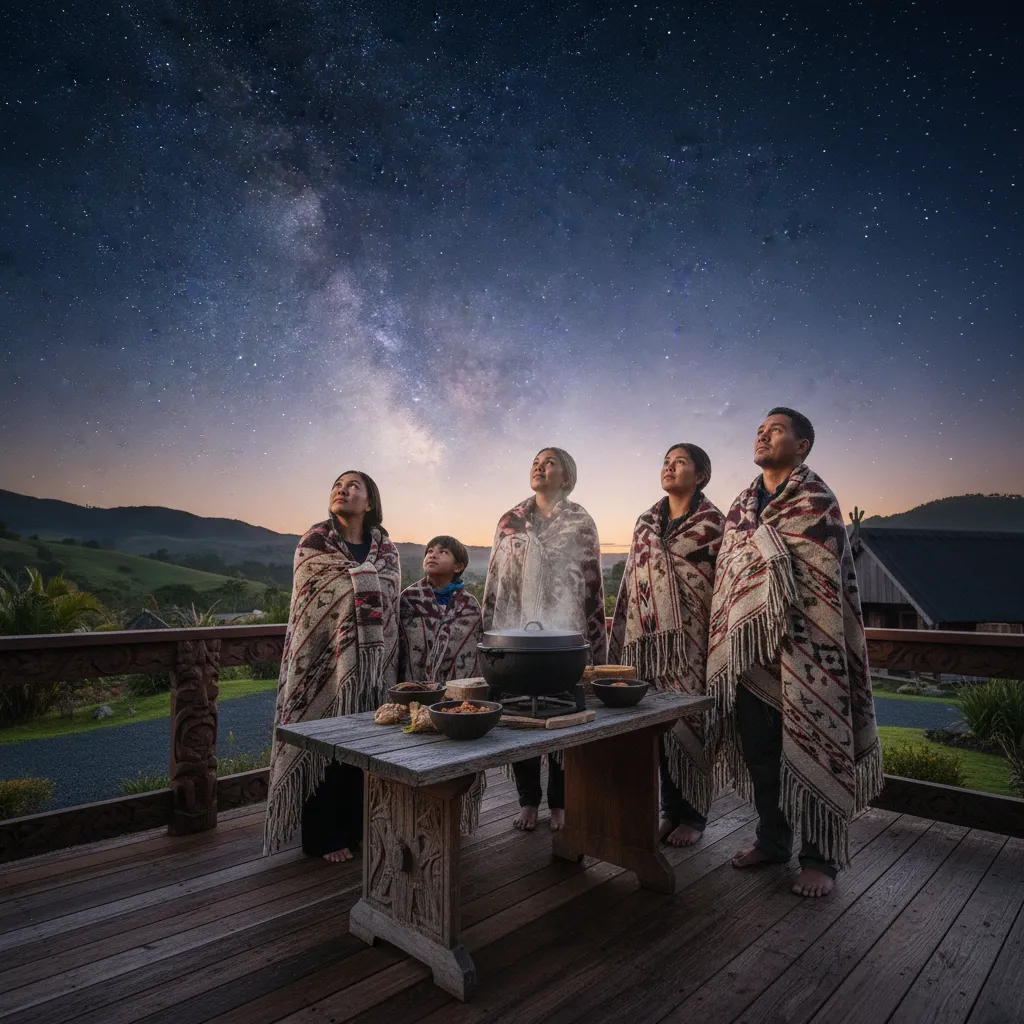
To celebrate Matariki at home, families often perform a Whānau Hautapu, a ceremonial offering of steam to the stars. This involves cooking four specific food types representing the environmental domains of the stars, gathering before sunrise to view the cluster, and releasing the steam from the cooked food to feed the stars while reciting karakia to remember loved ones and set intentions for the new year.
What is a Whānau Hautapu?
As Aotearoa New Zealand embraces Matariki 2024 | Friday, 28th June 2024 | Public Holiday, many are looking beyond public light shows and concerts to find the authentic heart of the celebration. The answer lies in the Whānau Hautapu. While large-scale events are wonderful for community spirit, the Hautapu is a deeply personal and spiritual practice that takes place within the home.
Historically, this ceremony was known as Te Umu Kohukohu Whetū—the steaming earth oven of the stars. The concept is rooted in the belief that the stars of Matariki are refreshed and sustained by the essence of the food provided by the earth, water, and forests. In return, the stars shine brightly, promising a bountiful year ahead.
For a modern whānau (family), this does not necessarily require digging a traditional hāngī pit in the backyard, although that is the traditional method. The core intent is the offering of steam (hautapu) rising to the sky. This can be adapted to modern kitchens using pots or slow cookers, provided the spiritual intent and specific food groupings are maintained. It is a moment of connection—connecting the earth to the sky, the living to the dead, and the present to the future.
Preparing the Kai for the Steam Offering
The preparation of the food, or kai, is perhaps the most critical logistical element of how to celebrate Matariki at home. You cannot simply cook anything; the menu is dictated by the stars themselves. The steam released must represent the four distinct domains that sustain life.
The Four Domains of Food
When planning your Hautapu, you must include at least one item from each of the following categories to honor the specific stars within the cluster that watch over these food sources:
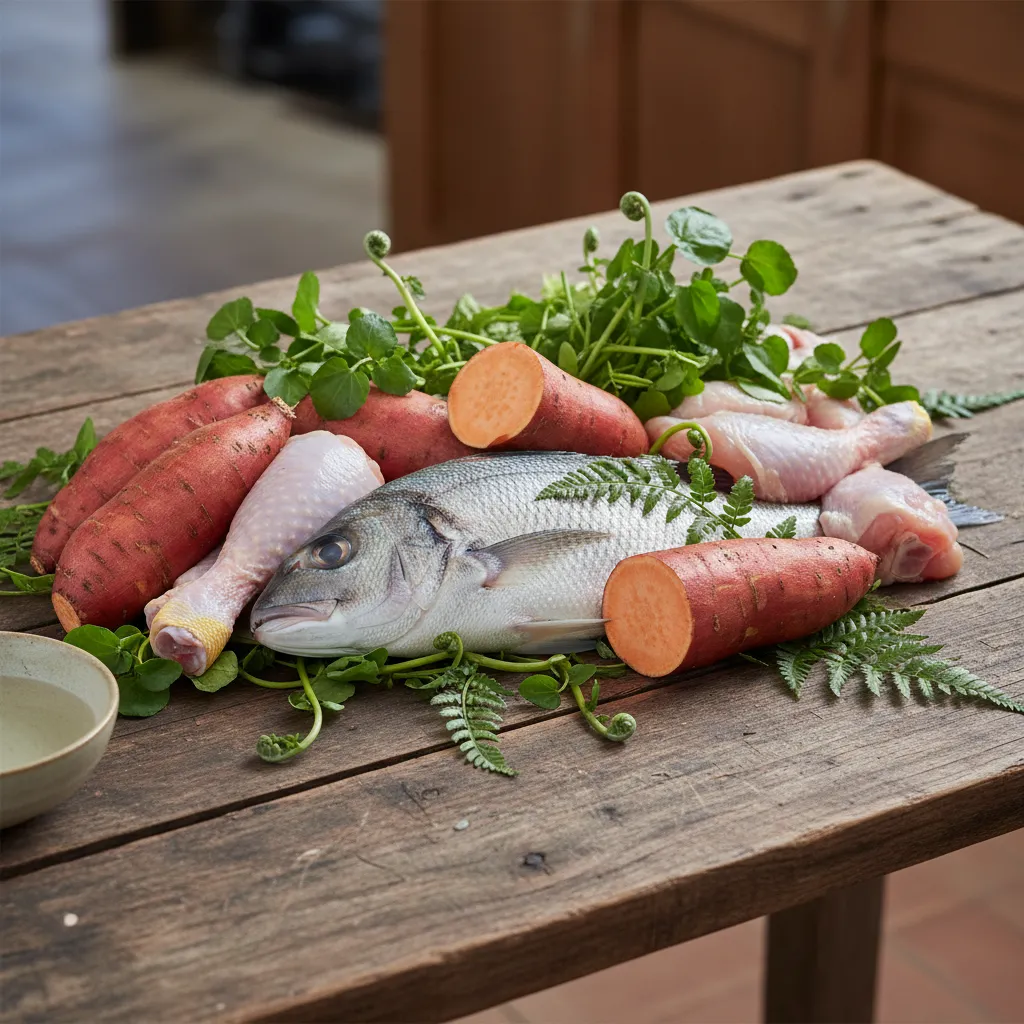
- Tupuānuku (Food from the Earth): This star is connected to everything that grows within the soil.
- Suggested Kai: Kūmara (sweet potato) is the most traditional choice, but you can also use potatoes, carrots, or yam.
- Tupuārangi (Food from the Sky): This star is connected to birds and fruit (foods found above ground in the trees).
- Suggested Kai: Chicken is the most accessible modern substitute for traditional forest birds. Duck or berries can also be used.
- Waitī (Food from Fresh Water): This star watches over freshwater environments like rivers, streams, and lakes.
- Suggested Kai: Eel (tuna) is traditional, but freshwater trout or even watercress (pūhā/watercress) are excellent representations.
- Waitā (Food from Salt Water): This star represents the ocean and the bounties within it. Consider consulting Fishing by the Moon: Maramataka for Anglers for your seasonal harvest.
- Suggested Kai: Any saltwater fish (like snapper or tarakihi), mussels, or shellfish.
Chef’s Tip for the Ceremony: You do not need to cook a massive feast for the offering part of the ceremony. A small portion of each is sufficient to generate the steam required. The rest of the meal can be cooked separately to feed the whānau after the ceremony concludes.
Timing the Ceremony: The Pre-Dawn Ritual
Timing is everything. Matariki is a heliacal rising, meaning the stars rise just before the sun. To perform a Hautapu correctly, you must be awake and outside during the phase known as Te Whai Ao—the period just before the sun breaks the horizon.
Finding the Right Time
You should check your local sunrise times. If sunrise is at 7:30 AM, you should aim to be outside, with your food cooked and ready to open, by roughly 6:30 AM to 7:00 AM. This is when the Matariki cluster is most visible (weather permitting) on the northeastern horizon.
This early start is part of the discipline and solemnity of the occasion. There is a profound stillness in the pre-dawn air that adds to the spiritual weight of the ceremony. It requires the family to wake early, disrupting their normal routine to prioritize this connection with the environment.
How to Conduct the Ceremony: Step-by-Step
Here is a practical guide to running the ceremony at your home. While strict protocol applies on Marae, at home, the focus is on sincerity and family connection.
Phase 1: Te Tirohanga (The Viewing)
Gather your family outside. Look toward the northeast horizon. If you can identify the stars, point them out to your children. Locate Tautoru (Orion’s Belt) and follow the line left to find the pyramid shape of Te Kokotā, and then left again to the cluster of Matariki.
Even if it is cloudy and the stars are hidden, the ceremony continues. We know they are there, just as we know our ancestors are with us even if unseen.
Phase 2: Te Whāngai i ngā Whetū (Feeding the Stars)
This is the central action of the Hautapu.
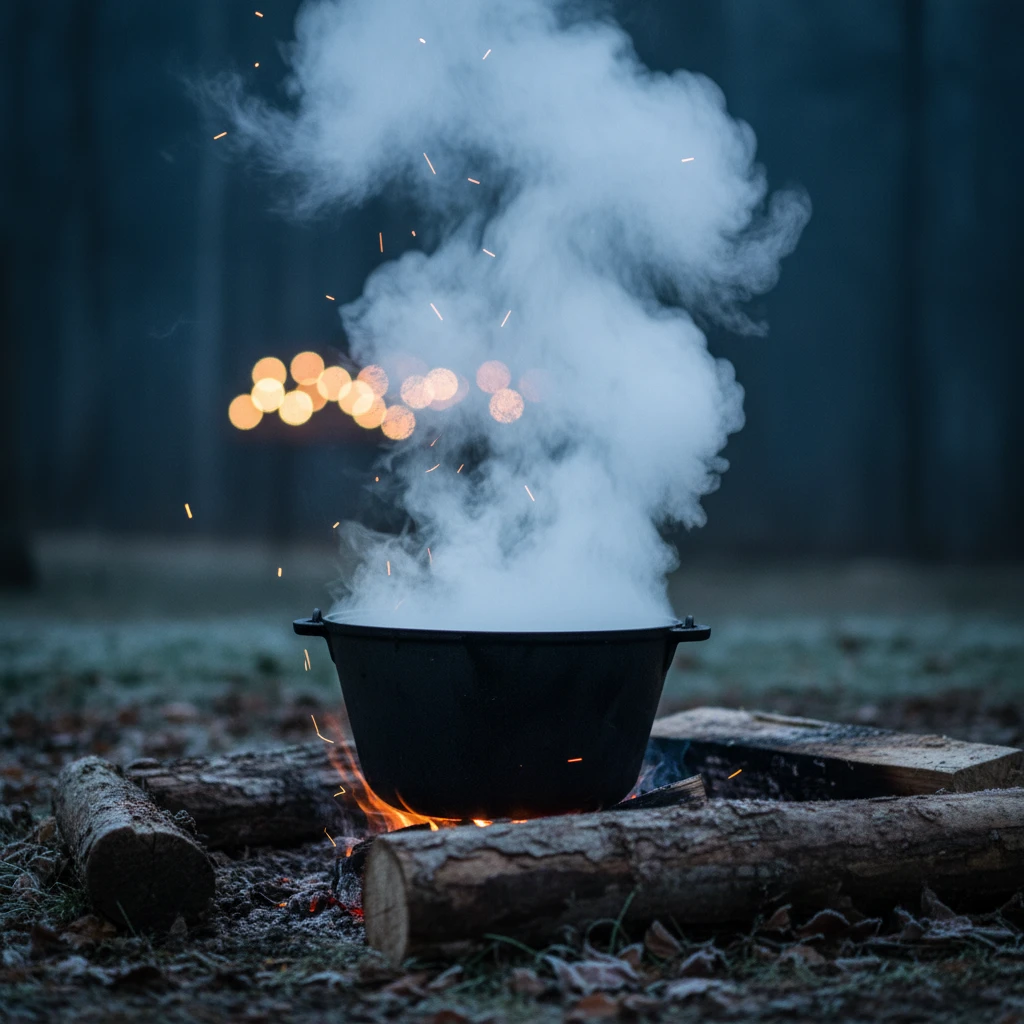
- Bring out your piping hot pot, steamer, or uncover your earth oven.
- As you remove the lid, the steam (hautapu) will rise rapidly into the cold morning air.
- This steam is the offering. It carries the essence of the land and your gratitude up to the heavens.
Phase 3: Karakia (Incantations and Spoken Words)
While the steam rises, it is time to speak. In a formal setting, specific karakia are recited by tohunga (experts). At home, you can recite a simple karakia or speak from the heart. The structure usually follows three parts:
- Acknowledgement: Greet the stars and the new year.
- Remembrance: Call out the names of those who have passed away since the last Matariki. This sends their spirits to become stars in the sky (Te Waka o Rangi).
- Preparation: Ask for abundance in the four domains (gardens, forests, rivers, oceans) for the year ahead.
Phase 4: Te Noa (Removing the Tapu)
Once the steam has dispersed and the karakia are finished, the ceremony transitions from tapu (sacred restriction) to noa (free from restriction). This is achieved by the family eating together. You take the food that was cooked and share a meal. This breaks the fast and grounds everyone back in the physical world.
Involving Children in the Process
Matariki is an intergenerational celebration. It is vital to involve tamariki (children) so they understand the rhythms of the natural world. Here are several ways to make the Hautapu accessible for them:
Preparation Participation
The night before, involve the children in preparing the vegetables. As they wash the kūmara or help season the chicken, explain which star represents that food. “We are washing this kūmara for Tupuānuku, who looks after the gardens.” This connects the abstract concept of a star to the tangible food in their hands.
The Roll Call
During the ceremony, allow children to speak the names of family members or pets who have passed away. This teaches them that death is a natural part of life and that we honor those we have lost by remembering them.
Star Hunting
Before the morning of the ceremony, use the Interactive Night Sky Map Tool: Locate Matariki Now or star charts to teach them the shape of the cluster. Turning the pre-dawn wake-up into a “treasure hunt” for the stars can make the early start exciting rather than a chore.

The Significance of Remembrance and Renewal
Why do we go to this effort? In a fast-paced world, Matariki offers a necessary pause. The Hautapu is not just a ritual; it is a psychological and spiritual reset button.
Pōhutukawa is the star in the cluster connected to the dead. By taking time to cry, speak names, and release grief into the steam, we process our emotions collectively. We don’t carry the heavy burden of grief into the new year alone.
Hiwa-i-te-rangi is the star of wishes and aspirations. Once the grieving is done, we look to this star. We articulate our goals. Whether it is a new job, a healthier lifestyle, or family unity, speaking these intentions into the morning air while the steam rises helps solidify our commitment to them.
Celebrating Matariki at home through a Whānau Hautapu reclaims the holiday from commercialism. It grounds the family in the cycles of nature, strengthens the bond between generations, and ensures that the culture lives not just in museums or on stages, but in the kitchen and the backyard of every home in Aotearoa.
People Also Ask
What time of day is Matariki celebrated?
Matariki is traditionally celebrated in the pre-dawn hours, specifically during “Te Whai Ao,” the time just before the sun rises. This is when the star cluster is most visible on the horizon. The ceremony usually concludes as the sun fully rises, transitioning into a shared breakfast.
What are the 4 foods for Matariki?
The four foods represent the four environmental domains: 1. Tupuānuku (Earth/Root vegetables like Kūmara), 2. Tupuārangi (Sky/Birds or berries), 3. Waitī (Freshwater/Eel or watercress), and 4. Waitā (Saltwater/Fish or shellfish).
Can you see Matariki without a telescope?
Yes, Matariki is an open cluster visible to the naked eye. It appears as a group of faint stars low on the northeastern horizon. However, light pollution can make it difficult to see in cities, so a darker location is better for viewing.
What do you say during a Matariki ceremony?
During the ceremony, you recite karakia (prayers) that acknowledge the stars, bid farewell to those who have died in the past year (calling out their names), and state your hopes and wishes for the year ahead. It is a time for gratitude and setting intentions.
Why do we release steam to Matariki?
The steam, or “hautapu,” is believed to carry the essence of the food up to the skies to feed and refresh the stars. It is a reciprocal offering; the earth offers food to the stars, and the stars, in turn, provide the energy for the new season’s growth.
How do you find the Matariki cluster?
To find Matariki, look to the northeast before sunrise. Find the three stars of Orion’s Belt (Tautoru). Follow a line to the left to find a pyramid shape of stars (Te Kokotā/The Hyades). Continue that line to the left to find the small, twinkling cluster of Matariki (The Pleiades).