
The 9 stars of Matariki form the cluster known as the Pleiades, marking the Māori New Year. Each star holds distinct significance: Matariki represents health and wellbeing, Pōhutukawa honors the dead, Waitī and Waitā govern fresh and salt water, Waipuna-ā-rangi and Ururangi control weather patterns, Tupu-ā-nuku and Tupu-ā-rangi oversee food sources, and Hiwa-i-te-rangi represents future wishes and aspirations.
For centuries, the rise of the Matariki star cluster has signaled a shift in the seasons and the beginning of the Māori New Year. While often referred to as the Seven Sisters in Greek mythology, Māori astronomy identifies nine distinct stars within the cluster, each presiding over a specific domain of the natural world and human experience.
Understanding the Matariki 9 stars meaning is essential for fully appreciating the depth of this holiday. It is not merely a celestial event but a complex environmental calendar that guided ancestors in planting, harvesting, and navigating the waters. Today, it serves as a period of reflection, celebration, and planning for the future.
What is Matariki?
Matariki is the Māori name for the star cluster known internationally as the Pleiades or M45. Located in the constellation Taurus, it is one of the brightest clusters in the sky and can be seen from every corner of the globe. In Aotearoa New Zealand, the pre-dawn rising of Matariki in mid-winter (typically late June or July) marks the transition into the New Year.
The name “Matariki” can be translated in two ways: as Mata Riki (Tiny Eyes) or Mata Ariki (Eyes of God). According to Māori tradition, when the ancestors looked upon these stars, they could predict the success of the harvest and the weather for the coming season. If the stars appeared bright and clear, it signaled a warm and bountiful year. If they were hazy or shimmering, it foretold a cold winter and poor crops.

The 9 Stars of Matariki: Names and Meanings
While many cultures recognize seven stars in the Pleiades, Māori astronomy—specifically the research championed by Dr. Rangi Matamua—identifies nine. Each star has a specific name, gender, and environmental responsibility. Together, they form a complete system that encompasses the earth, the sky, the waters, and the spiritual realm.
Matariki (The Mother)
Meaning: Health, Wellbeing, and Unity
The star named Matariki is the mother of the other eight stars in the cluster. She is associated with health and wellbeing (hauora). Her position in the center of the cluster signifies her role as the gatherer of people. When we speak of Matariki, we are often speaking of the collective, but the individual star focuses on the health of the community.
In traditional observation, the brightness of the Matariki star itself was thought to indicate the health of the people for the coming year. Today, this star reminds us to check in on our physical and mental health, and to support those around us. It is a time to come together, share kai (food), and reinforce social bonds.
Pōhutukawa (The Dead)
Meaning: Remembrance and those who have passed on
Pōhutukawa is the star connected to the dead. Its name is synonymous with the native tree of Aotearoa, but in the celestial context, it connects Matariki to the spirits of those who have passed away since the last rising of the cluster. It is believed that Pōhutukawa carries the spirits of the deceased across the night sky, guiding them to the afterlife.
During Matariki celebrations, it is customary to take time to weep for and remember those we have lost. This process, known as te whakaputa i te mate (calling out the names of the dead), allows the living to grieve openly before looking forward to the new year. Pōhutukawa reminds us that acknowledging the past is crucial for moving into the future.
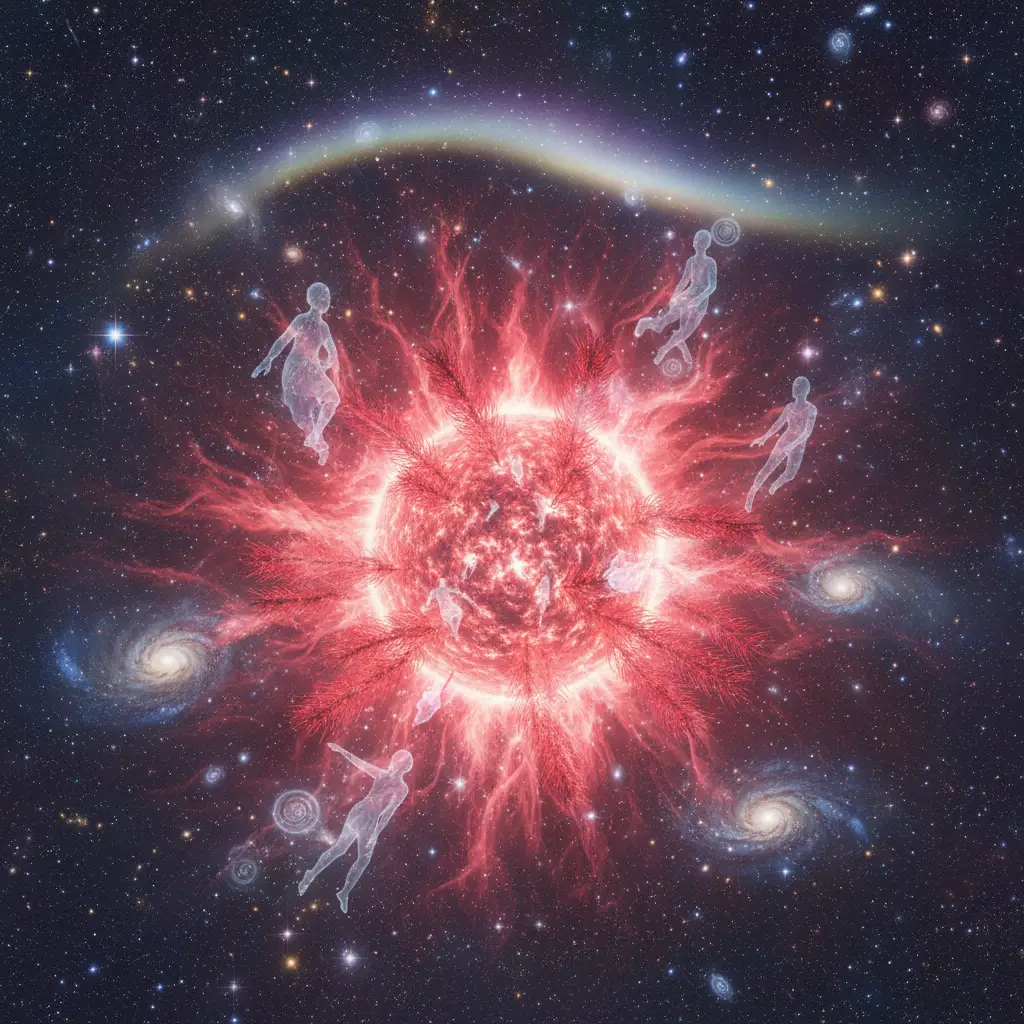
Waitī and Waitā (Fresh and Salt Water)
These two stars are often paired together as they govern the hydrosphere of the planet, yet they have distinct domains.
Waitī (Freshwater)
Meaning: Freshwater bodies and food sources
Waitī watches over all freshwater environments: rivers, lakes, streams, and springs. It is inextricably linked to the creatures that inhabit these waters, particularly eels (tuna) and freshwater crayfish (kōura). The clarity and brightness of Waitī were traditionally used to predict the health of the waterways and the abundance of freshwater food sources.
In a modern context, Waitī urges us to consider the health of our rivers and lakes. It is a call to action for water conservation and pollution reduction, ensuring that the life-giving veins of the land remain pure.
Waitā (Saltwater)
Meaning: The Ocean and marine life
Waitā is associated with the vast ocean (Te Moana-nui-a-Kiwa) and the food sources within it. This star represents the biodiversity of the marine environment, from the smallest krill to the largest whales. Waitā is significant for an island nation like New Zealand, where the ocean provides substantial sustenance.
Culturally, Waitā encourages respect for the sea. It serves as a reminder that the ocean is not an infinite resource and must be treated with care (kaitiakitanga) to ensure kaimoana (seafood) remains plentiful for future generations.

Waipuna-ā-rangi and Ururangi (Rain and Wind)
These stars are the meteorological indicators of the cluster, governing the atmospheric conditions that dictate the success of the harvest.
Waipuna-ā-rangi (Rain)
Meaning: Rain, hail, and snow
Waipuna-ā-rangi translates to “Water that pools in the sky.” This star is responsible for all forms of precipitation. In an agricultural society, the timing and volume of rain are critical. If Waipuna-ā-rangi was invisible or dim, it might suggest a drought; if bright, it could predict heavy rainfalls.
This star reminds us of the water cycle’s vital role in sustaining life. It connects the evaporation from the land and sea to the clouds and the eventual return of water to the earth.
Ururangi (Wind)
Meaning: The winds
Ururangi means “The winds of the sky.” This star determines the nature of the winds for the coming year. In Māori tradition, the wind is not just air in motion; it is a family (Te Whānau Puhi), each with its own character. Ururangi is associated with the speed, direction, and ferocity of these winds.
Metaphorically, Ururangi is also linked to our attitude and mood. Just as the wind can be calm or turbulent, so too can our emotions. Ururangi invites us to find balance and resilience against the “winds” of life.
Tupu-ā-nuku and Tupu-ā-rangi (Food Sources)
These two stars are dedicated to the bounty of the earth, distinguishing between food grown in the soil and food harvested from above.
Tupu-ā-nuku (Earth/Soil)
Meaning: Food grown in the ground
Tupu-ā-nuku is the star connected to everything that grows within the soil to be harvested for food. This includes kūmara (sweet potato), rīwai (potatoes), and other root vegetables. The name literally translates to “Grow in the earth.”
A bright Tupu-ā-nuku indicates a fertile season where the soil will be productive. It emphasizes the relationship between the people and the land (Papatūānuku), reminding us that if we nurture the soil, it will nurture us.
Tupu-ā-rangi (Sky/Trees)
Meaning: Food grown in the sky (trees)
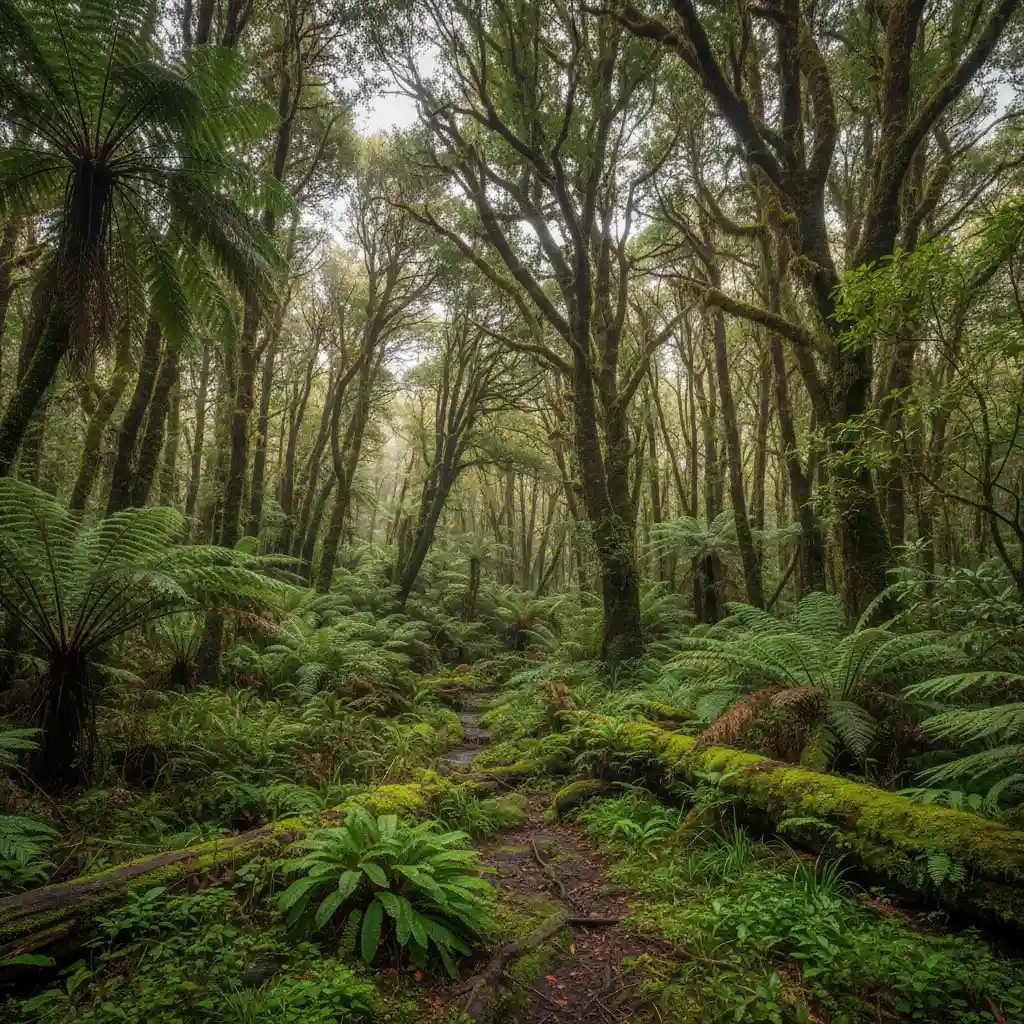
Tupu-ā-rangi connects to food sources that are located above the ground. This includes fruits, berries, and birds (manu). In pre-European times, bird snaring was a vital source of protein, and the abundance of berries determined the bird population.
This star advocates for the protection of our forests. The health of the canopy is directly linked to the brightness of Tupu-ā-rangi. It encourages us to plant trees and protect native birdlife.
Hiwa-i-te-rangi (Wishes)
Meaning: Aspirations, dreams, and the future
Hiwa-i-te-rangi is the youngest star in the cluster and is known as the wishing star. Her name translates to “Hiwa in the sky.” This star is unique because it does not govern a physical domain like water or crops; instead, it governs the desires of the heart.
Similar to the Western tradition of wishing upon a star, Māori would send their hopes and dreams for the new year to Hiwa-i-te-rangi. This is the star of planning and resolution. During Matariki, it is a time to set goals, whether they are personal, professional, or communal, and to look forward with optimism.
Why Are There 9 Stars and Not 7?
For many years, the popular narrative in New Zealand focused on the “Seven Sisters” of Matariki. This was largely due to the influence of Greek mythology and the limitations of the naked eye. Under average viewing conditions, most people can only discern seven stars in the Pleiades cluster.
However, leading Māori astronomer Dr. Rangi Matamua discovered manuscripts from his ancestors that explicitly detailed nine stars. His research clarified that while seven are easily visible, two others—Pōhutukawa and Hiwa-i-te-rangi—are often harder to distinguish without optimal conditions or telescopic aid. These two stars hold profound spiritual significance (death and wishes), balancing the practical, environmental roles of the other seven.
The shift from acknowledging seven to nine stars represents a reclamation of indigenous knowledge (mātauranga Māori). It provides a more holistic worldview that incorporates the cycle of life and death, and the power of human aspiration alongside environmental stewardship.
Celebrating Matariki in New Zealand
Matariki is now an official public holiday in New Zealand, a time for all Kiwis to pause and reflect. The celebration is centered around three major principles:
- Remembrance: Honoring those who have passed since the last rising of Matariki.
- Celebrating the Present: Gathering with friends and whānau (family) to share food, sing, and give thanks for the blessings of the year.
- Looking to the Future: Setting intentions and making wishes for the year ahead under the guidance of Hiwa-i-te-rangi.
Whether you are observing the stars in the early morning sky or sharing a meal with loved ones, understanding the meaning of each of the 9 stars adds depth to the experience. It transforms the holiday from a simple day off into a meaningful connection with the environment and the cosmos.
What do the 9 stars of Matariki represent?
The 9 stars represent different aspects of the environment and human life: Matariki (wellbeing), Pōhutukawa (the dead), Waitī (freshwater), Waitā (ocean), Waipuna-ā-rangi (rain), Ururangi (wind), Tupu-ā-nuku (grown food), Tupu-ā-rangi (forest food), and Hiwa-i-te-rangi (wishes).
Why are there sometimes 7 stars and sometimes 9?
Historically, only 7 stars are easily visible to the naked eye, leading to the “Seven Sisters” narrative. However, ancient Māori astronomical knowledge records 9 stars, including Pōhutukawa and Hiwa-i-te-rangi, which provides a more complete spiritual and environmental framework.
Which Matariki star is for wishes?
Hiwa-i-te-rangi is the star associated with granting wishes. It is the star to which you send your dreams, aspirations, and goals for the coming New Year.
What is the connection between Matariki and the harvest?
Matariki appears in mid-winter after the harvesting season is complete. It was traditionally used to predict the success of the next planting season based on the brightness and clarity of the stars (specifically Tupu-ā-nuku and Tupu-ā-rangi).
How do you find Matariki in the sky?
To find Matariki, look towards the northeast horizon before dawn. Find the row of three stars in Orion’s Belt (Tautoru), follow the line left to the triangular face of Taurus (Te Kokotā), and continue left until you see the cluster of Matariki.
Is Matariki the same as the Pleiades?
Yes, Matariki is the Māori name for the Pleiades star cluster (Messier 45). While the astronomical body is the same, the cultural narratives, names of individual stars, and significance differ between cultures.