To pronounce Matariki correctly, break it into four syllables: Ma-ta-ri-ki. The vowels are short: ‘Ma’ sounds like ‘mud’, ‘ta’ sounds like ‘tar’, ‘ri’ sounds like ‘reed’, and ‘ki’ sounds like ‘key’. Ensure the ‘r’ is a soft tongue tap, similar to the ‘dd’ in ‘ladder’, not a hard English ‘r’.
As Aotearoa New Zealand embraces Matariki as a public holiday and a time of national reflection, the desire to speak Te Reo Māori with accuracy and respect has never been higher. Pronunciation is more than just mechanics; it is about upholding the mana (integrity) of the language and the culture it represents. Whether you are preparing for a workplace celebration, a school assembly, or simply wish to greet your neighbors correctly, mastering the sounds of the Māori New Year is a meaningful step toward cultural competency.
The Foundation: Te Reo Māori Vowel Sounds
Before attempting specific words like Matariki, one must understand the building blocks of the Māori language. Unlike English, which is notorious for its inconsistent spelling and pronunciation rules, Te Reo Māori is remarkably consistent. Once you learn the vowel sounds, you can pronounce almost any word you encounter.
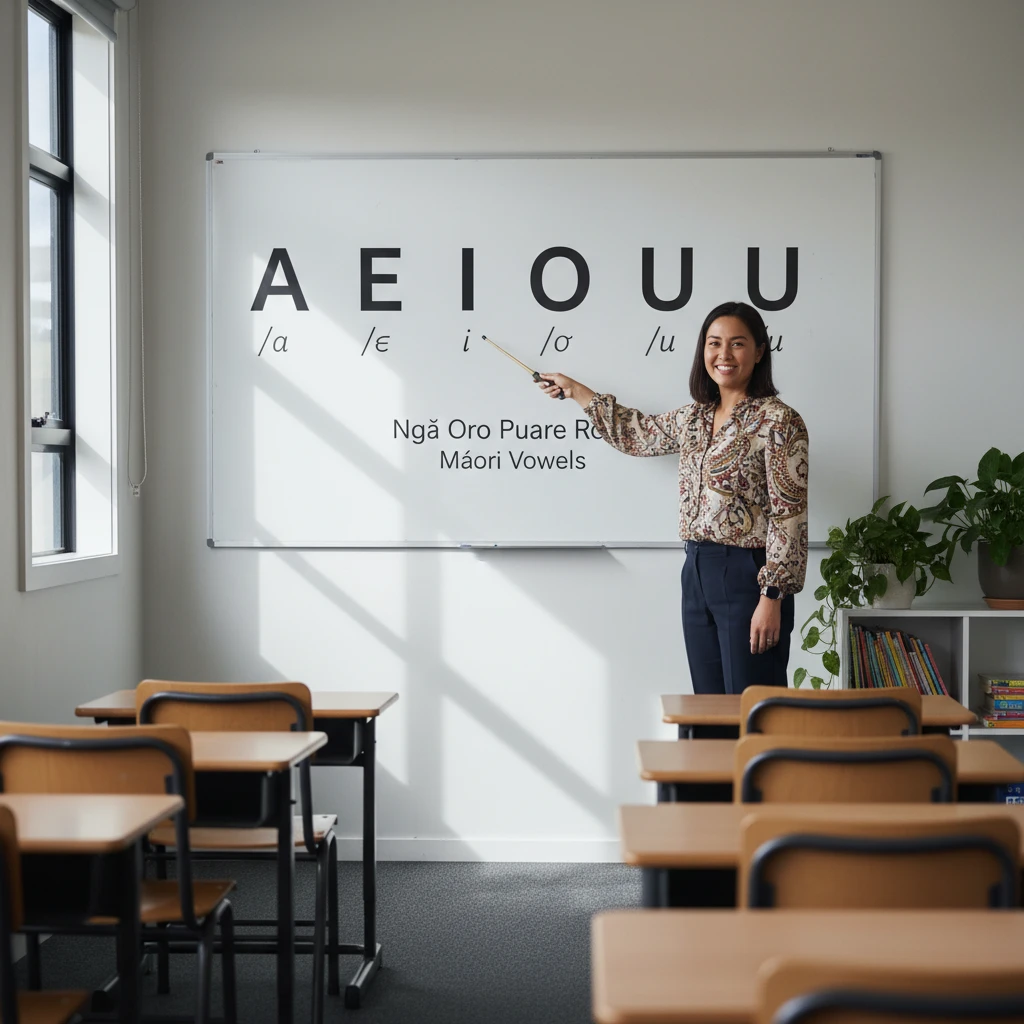
There are five vowel sounds in Te Reo Māori. These can be short or long (indicated by a macron or tohūtō). For the purpose of the word ‘Matariki’, we primarily focus on the short vowel sounds, but understanding both is crucial for the wider context of the holiday.
The Five Vowels
- A: Pronounced as in ‘car’ (long) or ‘mud’ (short).
- E: Pronounced as in ‘egg’ or ‘elephant’.
- I: Pronounced as in ‘keep’ (long) or ‘pit’ (short).
- O: Pronounced as in ‘or’ or ‘pork’.
- U: Pronounced as in ‘tool’ (long) or ‘put’ (short).
When you look at the word Matariki, you are seeing a combination of these pure sounds. There are no silent letters, and the vowels do not change their sound based on the consonants next to them. This consistency is your greatest ally in learning how to pronounce Matariki correctly.
Deep Dive: How to Pronounce Matariki
Let us deconstruct the primary keyword of the season. The word Matariki refers to both the star cluster (known elsewhere as the Pleiades) and the festive season marking the Māori New Year. The etymology is often cited as Ngā Mata o te Ariki Tāwhirimātea (The eyes of the god Tāwhirimātea) or simply Mata Riki (Small eyes).
Syllable Breakdown
The word is comprised of four distinct syllables: Ma – ta – ri – ki.
- Ma: Use a short ‘a’ sound. It is crisp. Think of the ‘u’ in ‘cup’ or the ‘a’ in ‘ago’. It is not the long ‘ar’ sound of ‘father’.
- Ta: Similar to the ‘Ma’, the ‘a’ here is short. The ‘t’ in Māori is softer than in English; try to touch your tongue to your teeth rather than the roof of your mouth to reduce the aspiration (the puff of air).
- Ri: This is often the most difficult syllable for English speakers. The vowel ‘i’ sounds like the ‘ee’ in ‘street’ but shorter. The consonant ‘r’ is not the rolled ‘r’ of Spanish, nor the hard ‘r’ of American English. It is a “tapped” ‘r’. It sounds very similar to the fast ‘dd’ sound in the word ‘udder’ or ‘ladder’.
- Ki: The ‘k’ is unaspirated (no puff of air), and the ‘i’ is the same as in ‘ri’. It sounds like the ‘key’ that opens a door, but clipped short.
Putting it together: Mah-tah-ree-key. Say it slowly at first, ensuring each vowel gets equal weight. Te Reo Māori has a steady rhythm; do not rush through the middle syllables.

Pronouncing the 9 Stars of Matariki
While many people speak of the “Seven Sisters,” in Te Reo Māori tradition, there are nine distinct stars in the Matariki cluster that are formally recognized. Learning to pronounce these names adds immense depth to your understanding of the holiday, as each star governs a specific domain of the environment and wellbeing.
1. Matariki (The Mother)
Pronunciation: Ma-ta-ri-ki
Domain: The mother of the other stars in the cluster. She is connected to health and wellbeing. When we pronounce her name, we invoke a sense of nurturing and guidance.
2. Pōhutukawa
Pronunciation: Pō-hu-tu-ka-wa
Breakdown: Paw-hoo-two-car-wah.
Note: The ‘ō’ has a macron, meaning it is a long vowel sound (like ‘pork’).
Domain: Connects to those who have passed on. It is the star of remembrance.
3. Tupuānuku
Pronunciation: Tu-pu-ā-nu-ku
Breakdown: Two-poo-ah-noo-koo.
Note: The ‘ā’ is long.
Domain: Food that is grown in the ground (gardens, crops).
4. Tupuārangi
Pronunciation: Tu-pu-ā-ra-ngi
Breakdown: Two-poo-ah-rung-ee.
Note: The ‘ng’ sound is a digraph. It is pronounced like the ‘ng’ in ‘singer’ (not finger). It is a soft nasal sound made at the back of the throat.
Domain: Food that comes from the sky (birds, fruit from trees).
5. Waitī
Pronunciation: Wai-tī
Breakdown: Why-tee.
Note: ‘Wai’ sounds like the English word ‘Why’. The ‘ī’ is long.
Domain: Fresh water and the food sources within it (eels, crayfish).
6. Waitā
Pronunciation: Wai-tā
Breakdown: Why-tah.
Note: The ‘ā’ is long.
Domain: Salt water and the food sources within the ocean.
7. Waipuna-ā-rangi
Pronunciation: Wai-pu-na-ā-ra-ngi
Breakdown: Why-poo-nah-ah-rung-ee.
Domain: Associated with the rain. ‘Waipuna’ means spring or pool, ‘ā-rangi’ means of the sky.
8. Ururangi
Pronunciation: U-ru-ra-ngi
Breakdown: Oo-roo-rung-ee.
Domain: Associated with the winds.
9. Hiwa-i-te-rangi
Pronunciation: Hi-wa-i-te-ra-ngi
Breakdown: Hee-wah-ee-teh-rung-ee.
Domain: The wishing star. Associated with granting our desires for the coming year.
Common Greetings: Saying ‘Mānawatia a Matariki’
The most common question during this season is “How do I wish someone a Happy Matariki?” While you can say “Happy Matariki,” the culturally preferred greeting is “Mānawatia a Matariki.”
Meaning and Nuance
This phrase does not directly translate to “Happy New Year.” Instead, it means to “Honour,” “Acknowledge,” or “Welcome” Matariki. It is a call to celebrate the presence of the star cluster.
Pronunciation Guide: Mānawatia a Matariki
Let’s break it down word by word:
- Mānawatia: Mā-na-wa-ti-a (Maa-na-wa-tee-ah). The first ‘ā’ is long. Stress the start of the word.
- a: A short ‘ah’ sound.
- Matariki: Mah-tah-ree-key.
Full Flow: Maa-na-wa-tee-ah … ah … Mah-tah-ree-key.
Using this phrase shows a deeper level of engagement with the culture than simply Anglicizing a “Happy Holidays” greeting. It acknowledges the spiritual essence of the event.
Common Pronunciation Mistakes to Avoid
Even with good intentions, several common errors persist when learning how to pronounce Matariki. Being aware of these can accelerate your learning curve.
1. The “Mad-a-ricky” Trap
Many English speakers inadvertently turn the ‘t’ into a ‘d’ (a linguistic feature called flapping) and shorten the final ‘i’ to a ‘y’ sound. This results in “Mad-a-ricky.”
Fix: Keep the ‘t’ crisp (tongue to teeth) and ensure the final ‘ki’ sounds like ‘key’, not the name ‘Ricky’.
2. Elongating Short Vowels
Māori vowels are generally shorter and sharper than English vowels. Avoid drawling. The ‘a’ in Matariki is quick, like a drum beat, not long and drawn out.
3. The Hard ‘R’
Avoid the hard, growling English ‘R’. If you struggle with the tapped ‘R’ (the ‘dd’ sound), practicing saying words like “butter” or “ladder” very quickly can help your tongue find the right position.

Resources for Practice
Reading a guide on how to pronounce Matariki is the first step, but listening is the key to mastery. Immersion in the sound of the language helps retrain your ear and tongue.
We recommend utilizing the following resources to refine your pronunciation:
- Māori Dictionary (Te Aka): An invaluable online tool where you can type in any word (including the star names) and hear a native speaker pronounce them.
- RNZ (Radio New Zealand): Their collection of Matariki audio guides is exceptional for hearing the rhythm and flow of the greetings.
- Television: Watch Whakaata Māori (Māori TV) during the Matariki season. Even if you do not understand the full sentences, listening to the pronunciation of the keywords will improve your own accent.
Remember, the goal is not immediate perfection, but respectful effort. Te Reo Māori is a taonga (treasure), and making the effort to pronounce Matariki correctly is a way of polishing that treasure.
What is the correct way to say Happy Matariki in Māori?
The most culturally appropriate greeting is “Mānawatia a Matariki,” which means to honour, acknowledge, and welcome Matariki. You can also say “Ngā mihi o Matariki” (Greetings of Matariki).
How do you pronounce the ‘wh’ in Māori words?
The ‘wh’ digraph in Māori is usually pronounced as a soft ‘f’ sound. For example, ‘whānau’ (family) sounds like ‘fah-now’. However, in some dialects, it can sound closer to a ‘w’ or a ‘hw’ sound.
Why is correct pronunciation of Matariki important?
Correct pronunciation respects the mana (integrity) of the Māori culture and language. Mispronunciation can change the meaning of words and is often seen as careless. Making an effort shows respect for the traditions of Aotearoa.
What are the 9 stars of Matariki?
The nine stars are Matariki, Pōhutukawa, Tupuānuku, Tupuārangi, Waipuna-ā-rangi, Waitī, Waitā, Ururangi, and Hiwa-i-te-rangi. Each governs a different aspect of the natural world and wellbeing.
Is the ‘r’ rolled in Te Reo Māori?
It is not rolled heavily like in Spanish, but it is “tapped.” It sounds very similar to the ‘dd’ in the English word ‘ladder’ or ‘udder’. It is a quick flick of the tongue against the roof of the mouth.
What does the word Matariki mean literally?
Matariki is often translated as “Ngā Mata o te Ariki” (The Eyes of the God) or “Mata Riki” (Small Eyes). It refers to the Pleiades star cluster.