
The most famous Matariki story for kids tells of Tāwhirimātea, the god of wind. Angered by the separation of his parents, Sky Father and Earth Mother, he tore out his own eyes and crushed them into his hands. He threw the shards into the heavens, creating ‘Ngā Mata o te Ariki’—the Eyes of the God, or Matariki.
Matariki is more than just a public holiday in Aotearoa New Zealand; it is a profound cultural touchstone that marks the Māori New Year. For parents and educators, explaining the significance of this celestial event requires translating ancient cosmology into accessible narratives. The stories surrounding Matariki are rich with themes of family, nature, remembrance, and hope for the future.
The Legend of Tāwhirimātea: The Origin Story
When searching for a Matariki story for kids, the most culturally significant narrative begins with the creation of the world. This story explains the literal translation of the word Matariki, which is an abbreviation of Ngā Mata o te Ariki Tāwhirimātea (The Eyes of the God Tāwhirimātea).
The Great Separation
In the beginning, there was only darkness. Ranginui (the Sky Father) and Papatūānuku (the Earth Mother) held each other in a tight, loving embrace. Their children, the atua (gods), were forced to live in the cramped darkness between them. While the children loved their parents, they longed for light and space to grow.
Tāne Mahuta, the god of the forest, eventually succeeded in pushing his parents apart. He planted his head on his mother and pushed his feet against his father, separating the earth from the sky and allowing Te Ao Mārama (the world of light) to flood in.
The Anger of the Wind God
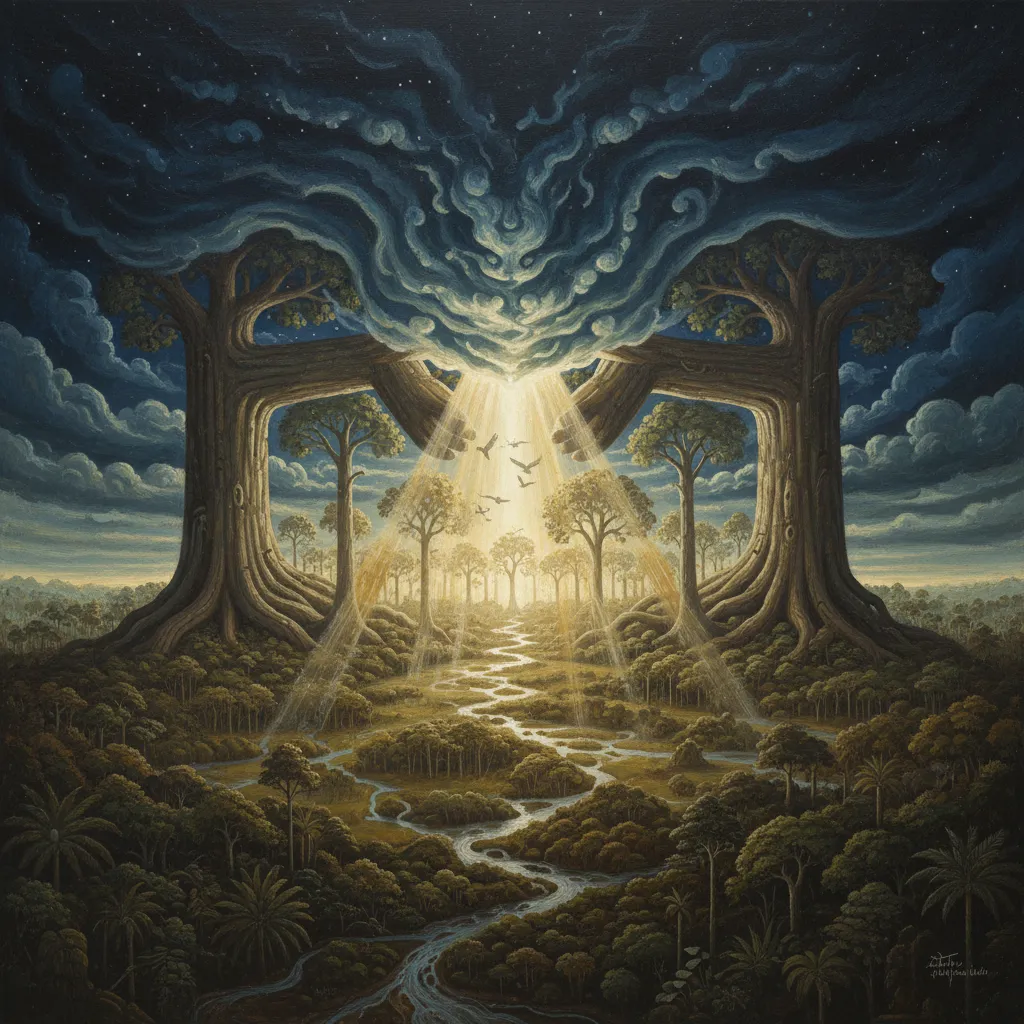
While most of the gods rejoiced in the new light, one brother was furious. Tāwhirimātea, the god of wind and storms, was devastated that his parents had been torn apart. He could not bear to hear their cries of sorrow—the rain being the tears of Ranginui and the rising mist being the sighs of Papatūānuku.
In a fit of grief and rage, Tāwhirimātea vowed to wage war against his brothers. He sent hurricanes to uproot Tāne’s trees and storms to churn the oceans of Tangaroa. But his final act of anguish is what gave us the Matariki cluster.
The Creation of the Stars
Overwhelmed by sadness, Tāwhirimātea plucked out his own eyes. He crushed them in his hands and threw the fragments high onto the chest of his father, Ranginui. There they stuck, becoming the cluster of stars we know today as Matariki. This is why Tāwhirimātea is known as the blind god who feels his way around the sky, blowing winds from different directions.
For children, this story highlights powerful emotions: love, grief, and the consequences of actions. It explains why the weather can be so turbulent during the Matariki season (mid-winter) and connects the stars directly to the physical environment.
The Seven Sisters vs. Nine Stars Debate
A common point of confusion when teaching the Matariki story for kids is the number of stars in the cluster. Are there seven or nine? The answer depends on which cultural lens you are looking through.
The Greek Influence: The Seven Sisters
In Greek mythology, this star cluster is known as the Pleiades, or the “Seven Sisters.” These were the daughters of Atlas and Pleione. Many Western retellings of star stories focus on these seven stars. For a long time, this version influenced how New Zealanders viewed the cluster.
The Māori View: The Nine Stars
While some Māori iwi (tribes) acknowledge seven stars, the revitalization of Māori astronomy, led largely by experts like Dr. Rangi Matamua, has popularized the recognition of nine distinct stars in the Matariki cluster. This is the version most commonly taught in New Zealand schools today.
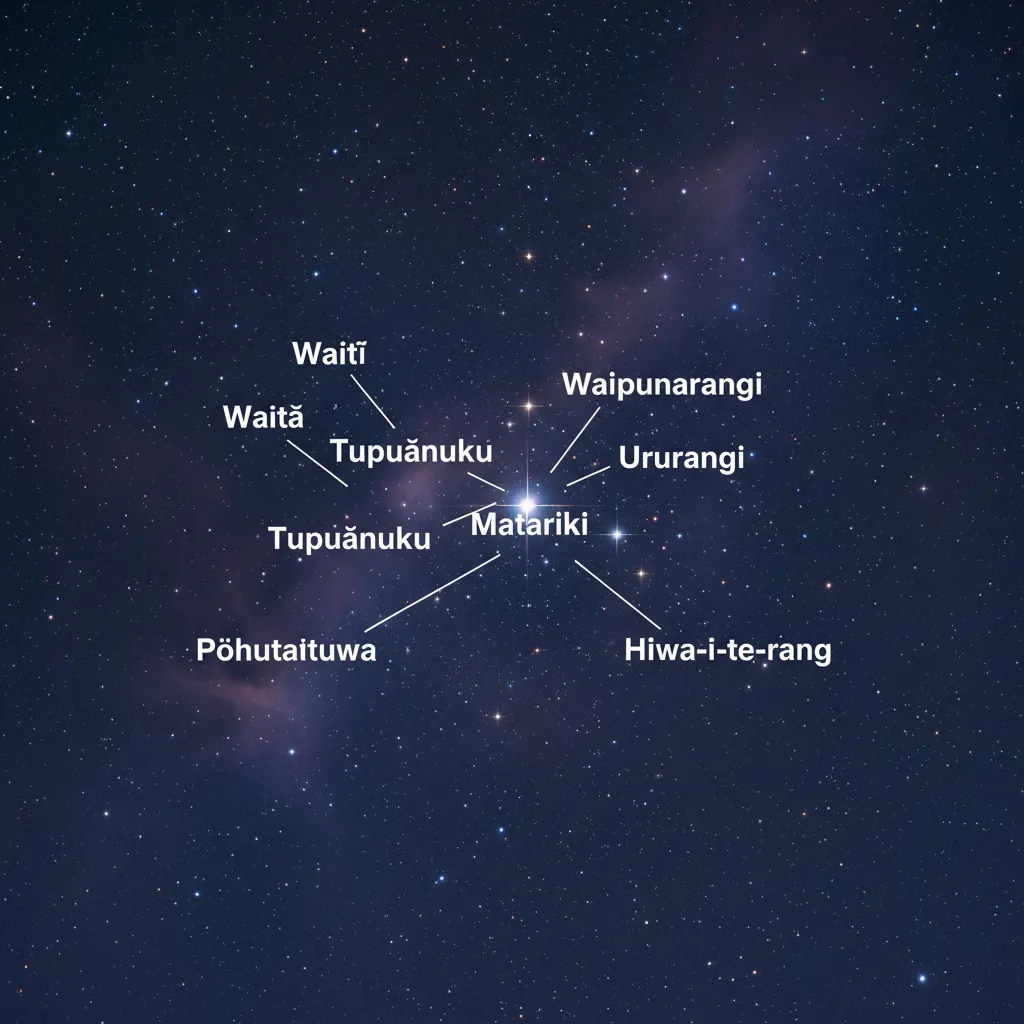
Why the difference? From Aotearoa, with the naked eye and excellent visibility, nine stars can be discerned. Two of the stars, Pōhutukawa and Hiwa-i-te-rangi, are often harder to see, which is perhaps why the number seven became a global default. However, teaching children about all nine stars provides a much richer understanding of the environment, as each star governs a specific domain of the natural world.
Meeting the Stars: A Guide for Children
To make the Matariki story for kids engaging, it helps to personify the stars. Think of Matariki as the mother star, surrounded by her eight children. Each child has a job to do to help the people and the earth.
1. Matariki (The Mother)
Role: Wellbeing and Health.
Explanation for Kids: She gathers the people together. She checks on us to make sure we are healthy and happy. She encourages us to look after one another.
2. Pōhutukawa
Role: The Dead.
Explanation for Kids: This is the star that remembers those who have passed away. It reminds us to think of our ancestors and the people we love who are no longer with us. It teaches us to treasure our memories.
3. Tupuānuku
Role: Food from the Earth.
Explanation for Kids: “Tupu” means to grow, and “Nuku” refers to Papatūānuku (Earth). This star looks after everything that grows in the soil, like kumara, potatoes, and vegetables. It reminds us to garden and care for the soil.
4. Tupuārangi
Role: Food from the Sky.
Explanation for Kids: This star looks after things that grow up in the trees, like fruits and berries, and the birds that live there. It reminds us to protect our forests.
5. Waitī
Role: Fresh Water.
Explanation for Kids: This star watches over the rivers, streams, and lakes. It also looks after the creatures that live in fresh water, like eels (tuna). It reminds us to keep our water clean.
6. Waitā
Role: Salt Water.
Explanation for Kids: This star watches over the vast ocean (moana). It cares for the fish, whales, and shellfish. It reminds us not to throw rubbish in the sea.
7. Waipuna-ā-rangi
Role: Rain.
Explanation for Kids: This star controls the rainfall. Rain is important because it waters the gardens and fills the rivers. It reminds us that water is life.
8. Ururangi
Role: Wind.
Explanation for Kids: This star is friends with Tāwhirimātea. It determines the nature of the winds for the year. It reminds us that the wind can be gentle or strong, and we must be prepared.
9. Hiwa-i-te-rangi
Role: Wishes and Future.
Explanation for Kids: This is the youngest star, the “wishing star.” We send our dreams and hopes for the new year to Hiwa-i-te-rangi. It reminds us to set goals and look forward to the future.

How to Tell the Matariki Story to Kids
Sharing the Matariki story for kids is about atmosphere and connection. It isn’t just a history lesson; it is a time for bonding. Here are professional tips for parents and teachers to make the story stick.
Set the Scene
Matariki appears in the cold winter months. Use this to your advantage. Gather blankets, make hot chocolate, and turn down the lights. If possible, go outside early in the morning (pre-dawn) to look for the cluster. If you can’t see the stars, use glow-in-the-dark stickers on the ceiling to recreate the formation.
Use the “Past, Present, Future” Framework
Simplify the philosophy of Matariki into three easy concepts for children:
- The Past (Pōhutukawa): Ask children, “Who do we miss?” Look at photos of grandparents or pets who have passed. Share funny stories about them.
- The Present (Matariki/Food stars): Ask, “What are we thankful for right now?” Share a meal together. Explain that Matariki is a time to feast and celebrate the harvest.
- The Future (Hiwa-i-te-rangi): Ask, “What is your wish for next year?” Have the children draw a picture of something they want to achieve or learn.
Incorporate Visual Arts
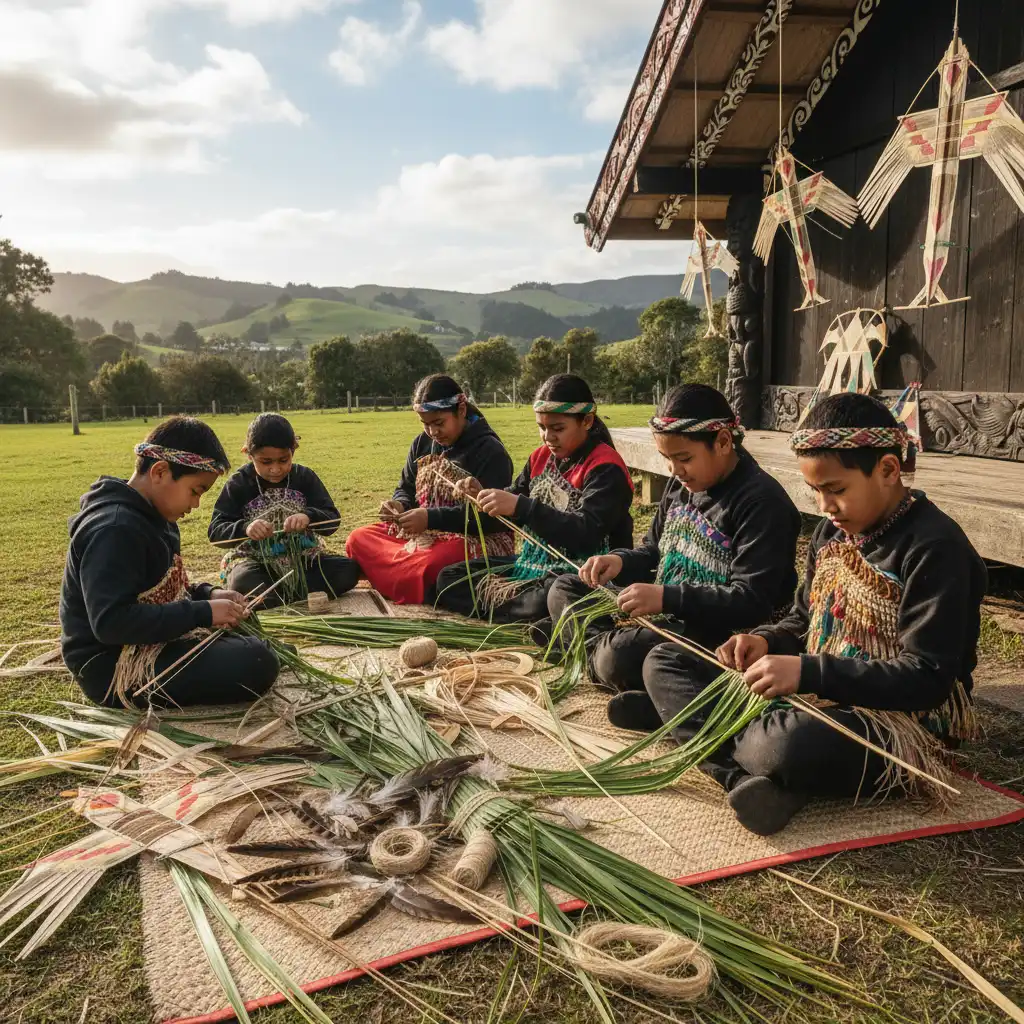
Since the story involves eyes, stars, and kites (manu tukutuku), art projects are a great way to reinforce the legend. Historically, kites were flown during Matariki to flutter close to the stars and carry messages to the heavens. Making a simple kite can be a practical way to act out the story.
Recommended Bedtime Stories and Resources
While oral storytelling is traditional, there are exceptional books that capture the Matariki story for kids with beautiful illustrations. Adding these to your library helps normalize the holiday as a key part of the year.
Top Book Picks
- “The Seven Kites of Matariki” by Calico McClintock: A beautiful story that weaves the concept of the stars into a narrative about seven sisters making kites.
- “Matariki: The Star of the Year” by Dr. Rangi Matamua: While scholarly, there are simplified versions and resources derived from his work that are essential for accurate knowledge.
- “Daniel’s Matariki Feast” by Rebecca Beyer and Linley Wellington: Great for younger children, focusing on the gathering and food aspects of the holiday.
- “Tāwhirimātea: A Song for Matariki” by June Pitman-Hayes: This book comes with a CD and offers a musical way to learn the legend, perfect for auditory learners.
By understanding the legend of Tāwhirimātea’s eyes and the distinct roles of the nine stars, children gain a sense of place and belonging. They learn that the sky is not just a backdrop, but a calendar and a storybook that guides their lives on Earth.
People Also Ask
What is the simple story of Matariki?
The simple story is that the god of wind, Tāwhirimātea, became angry when his parents (Earth and Sky) were separated. In his sadness, he crushed his eyes and threw them into the sky, creating the Matariki star cluster.
How do you explain Matariki to a child?
Explain Matariki as the Māori New Year. It is a star cluster that appears in mid-winter. It acts as a signal to remember people who have passed away, celebrate the food and family we have now, and make wishes for the year ahead.
What are the 9 stars of Matariki for kids?
The nine stars are Matariki (mother/health), Pōhutukawa (memories), Tupuānuku (food from earth), Tupuārangi (food from trees), Waitī (fresh water), Waitā (salt water), Waipuna-ā-rangi (rain), Ururangi (wind), and Hiwa-i-te-rangi (wishes).
Is Matariki 7 or 9 stars?
While often called the Seven Sisters in Greek mythology, in Māori tradition, there are nine visible stars. The two extra stars usually included in the Māori narrative are Pōhutukawa and Hiwa-i-te-rangi.
Who is the mother of the Matariki stars?
In the context of the star cluster as a family, the star Matariki is viewed as the mother (or the head of the cluster) who cares for and guides her eight children (the other stars) across the sky.
What activities can kids do for Matariki?
Kids can fly kites (manu tukutuku), plant trees or vegetables, share a family feast (hākari), learn a Matariki song (waiata), or go stargazing before dawn to spot the cluster.