
Matariki food ideas revolve around the four environmental domains connected to the stars Tupuānuku (earth), Tupuārangi (sky), Waitī (freshwater), and Waitā (ocean). A traditional hākari (feast) typically includes kūmara, rīwai (potatoes), kaimoana (seafood), tuna (eel), and birds, often prepared in a hāngī or adapted into modern fusion dishes to honor the harvest.
Matariki, the Māori New Year, is a profound period of remembrance, celebration, and planning for the future. Central to this observance is the act of coming together to share kai (food). As the star cluster rises in the mid-winter sky, it signals the time to gather, reflect on those who have passed, and celebrate the present with a bountiful hākari.
Creating a menu for Matariki is more than just cooking; it is an intentional act of aligning your sustenance with the environment. Whether you are planning a large community gathering or an intimate family dinner, integrating ingredients that correspond to the specific stars of Matariki adds cultural depth and significance to your meal. From traditional earth ovens to contemporary kitchen creations, the options for Matariki food ideas are vast, delicious, and deeply meaningful.
The Significance of Hākari (Feasting) in Matariki
In Te Ao Māori (the Māori world), food is rarely just about nutrition; it is a mechanism for social cohesion and spiritual transition. The hākari, or feast, held during Matariki serves several critical functions.
Historically, Matariki occurred at the end of the harvest. The pātaka (storehouses) were full of kūmara and other crops, and the hard work of the agricultural season was complete. It was a time of abundance before the deep cold of winter set in. Therefore, the feast was a celebration of survival and successful crop management.
Furthermore, food serves to whakanoa—to make common or lift tapu (sacredness). Matariki is often a time when the names of those who have passed away in the previous year are read out (te hautapu). Following these solemn ceremonies, the act of eating together transitions the participants back to the realm of the living (te ao mārama). Sharing kai restores balance, comforts the grieving, and strengthens the bonds of whanaungatanga (kinship).
The Stars and Their Kai: Sourcing Ingredients
To create an authentic Matariki menu, one must look to the stars themselves. Of the nine stars in the Matariki cluster, four are specifically associated with food sources. Incorporating an ingredient from each of these domains creates a balanced menu that honors the entire environment.
Tupuānuku: Treasures from the Earth
Tupuānuku is the star connected to food that is grown in the ground. This is the domain of root vegetables, which are staples in Māori cuisine.
Ingredient Ideas:
- Kūmara (Sweet Potato): The ultimate staple. Varieties like orange, red (Owairaka), and gold (Toka Toka) offer different textures.
- Rīwai (Potatoes): Especially Māori potato varieties like Urenika (purple yam) or Moemoe.
- Taewa: Traditional potato varieties.
- Kamokamo: A native squash that tastes like a cross between marrow and pumpkin.
Dish Suggestion: Roasted Kūmara and Horopito Salad. Roast chunks of orange and purple kūmara until caramelized. Toss with baby spinach, feta, and a dressing infused with Horopito (native pepper tree) for a spicy, earthy kick.
Tupuārangi: Delicacies from the Sky
Tupuārangi is linked to food that comes from the sky and the trees. Historically, this referred to birds (manu) like kererū, as well as berries and fruits found in the forest canopy.
Ingredient Ideas:
- Poultry: Chicken, duck, or turkey are the modern equivalents used to represent the birds of the forest.
- Berries: Use native berries if available, or seasonal winter fruits.
- Puha (Sow Thistle): While it grows on the ground, it is often associated with the forest floor ecosystem.
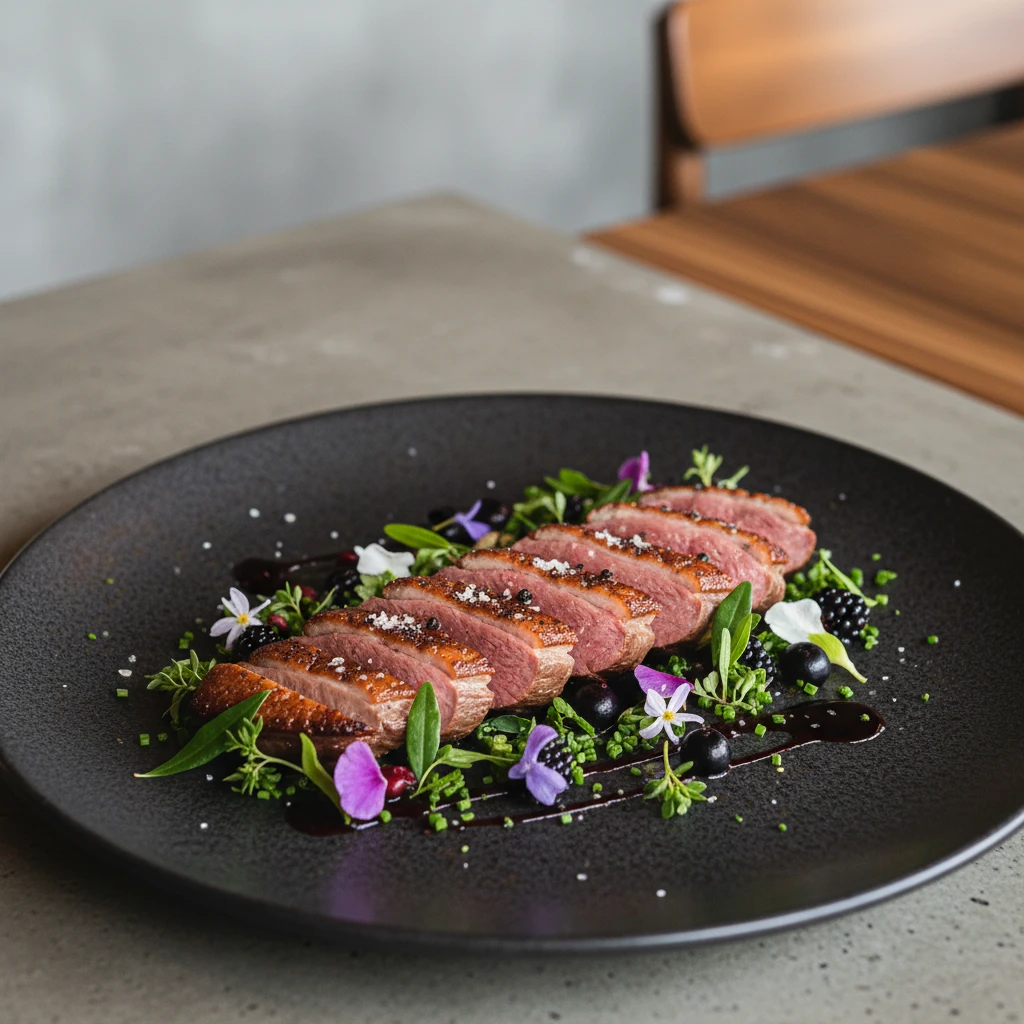
Dish Suggestion: Confit Duck Legs with Pikopiko. Slow-cooked duck provides a rich, gamey flavor reminiscent of traditional bird hunting. Serve with sautéed Pikopiko (fern fronds) which offer a taste similar to asparagus.
Waitī: Bounty from Freshwater
Waitī watches over freshwater environments—lakes, rivers, and streams. The health of this star predicts the bounty of freshwater sustenance.
Ingredient Ideas:
- Tuna (Eel): A highly prized delicacy in Māori culture. Smoked eel is rich and oily.
- Inanga (Whitebait): Small freshwater fish, traditionally eaten in fritters.
- Watercress: Grows in fresh streams and adds a peppery crunch to meals.
- Koura: Freshwater crayfish.
Dish Suggestion: Smoked Eel and Watercress Dip. Flake smoked eel into cream cheese and sour cream, mix with finely chopped fresh watercress and lemon juice. Serve with Rēwena bread crostini.
Waitā: Gifts from the Ocean
Waitā represents the food harvested from the sea (Saltwater). Matariki occurs in winter, which is often a prime time for certain seafood stocks.
Ingredient Ideas:
- Ika (Fish): Snapper, Tarakihi, or Kahawai.
- Kūtai (Mussels): Green-lipped mussels are a New Zealand icon.
- Pāua (Abalone): A luxury ingredient, distinctively rich and savory.
- Tio (Oysters): Bluff oysters are a winter delicacy perfectly timed for Matariki.
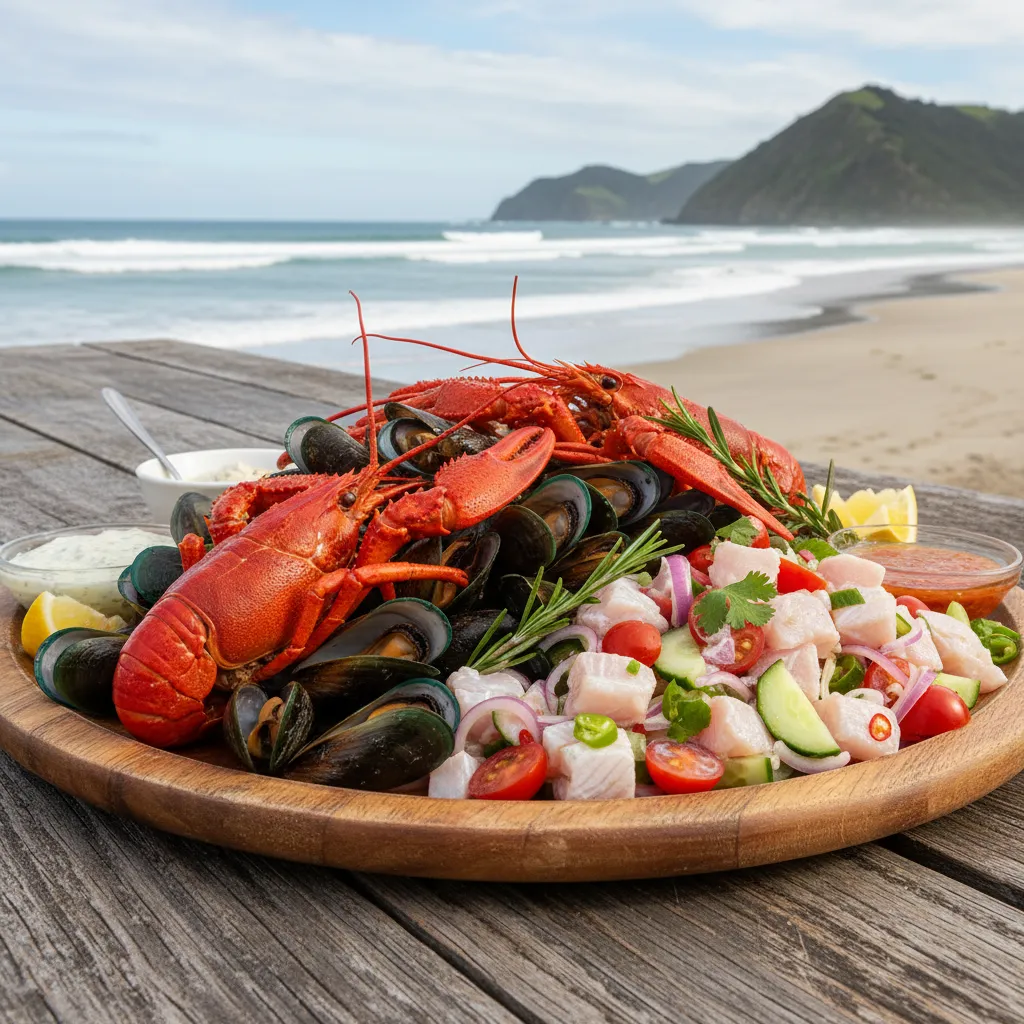
Dish Suggestion: Raw Fish (Ika Mata). Fresh fish cured in lemon juice and mixed with coconut cream, chili, cucumber, and tomato. It is fresh, vibrant, and honors the ocean.
Traditional vs. Contemporary Menu Planning
When planning your Matariki food ideas, you have the choice between adhering to strict tradition or embracing modern fusion. Both approaches are valid and celebrate the spirit of the holiday.
The Traditional Approach: The Hāngī
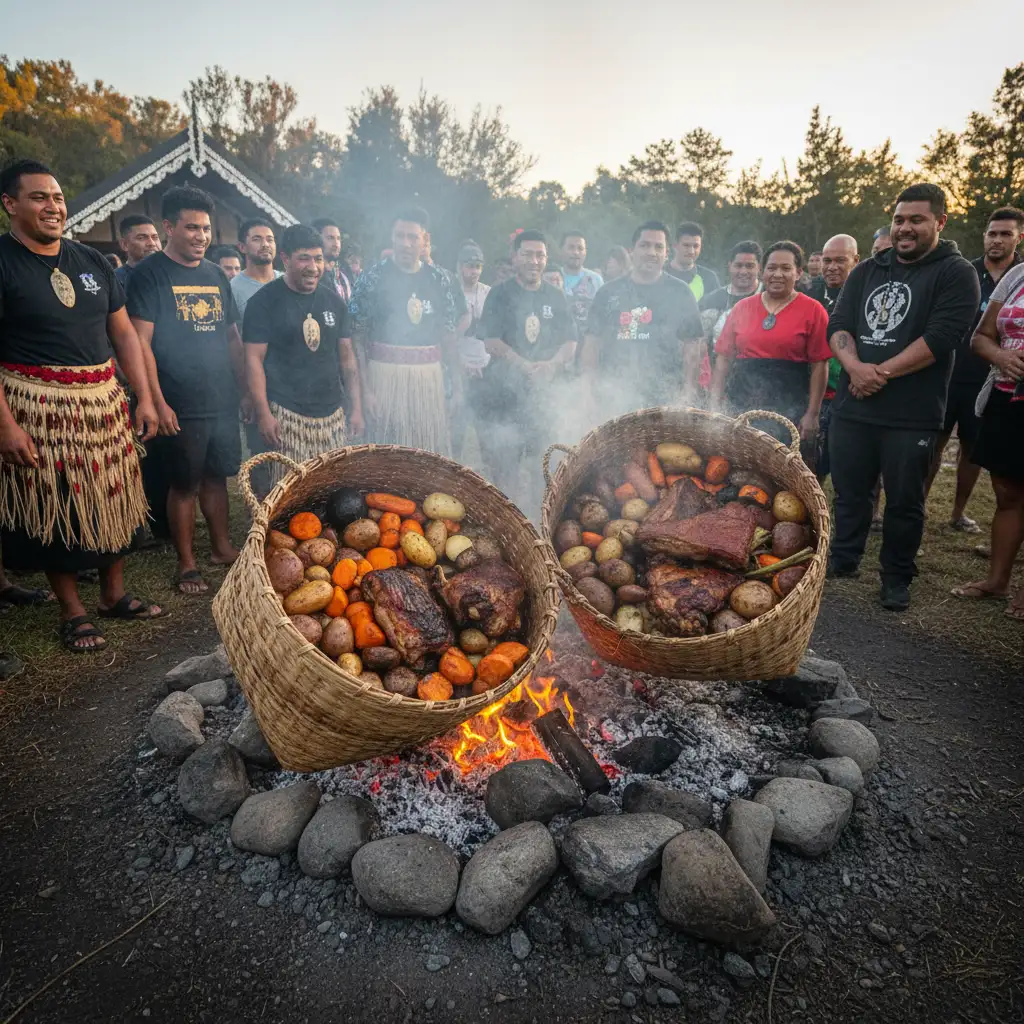
The hāngī is the centerpiece of traditional Māori cooking. It involves digging a pit in the ground, heating volcanic river stones with a large fire, and placing baskets of food on top of the stones. The food is covered with wet cloth and earth, trapping the steam and heat underground for several hours.
The result is a distinct, smoky, earthy flavor that cannot be replicated by an oven. A hāngī typically contains pork, lamb, chicken, pumpkin, cabbage, potato, kūmara, and stuffing.
The Contemporary Approach: Oven and Slow Cooker
Not everyone has the space or permission to dig a hāngī pit. Fortunately, you can replicate the spirit of the feast in a modern kitchen. This is often called “Hāngī in a pot” or “Oven Hāngī.”
Modern Menu Ideas:
- Slow-Cooked Pork Belly: Use a slow cooker with liquid smoke and cabbage leaves to mimic the hāngī environment.
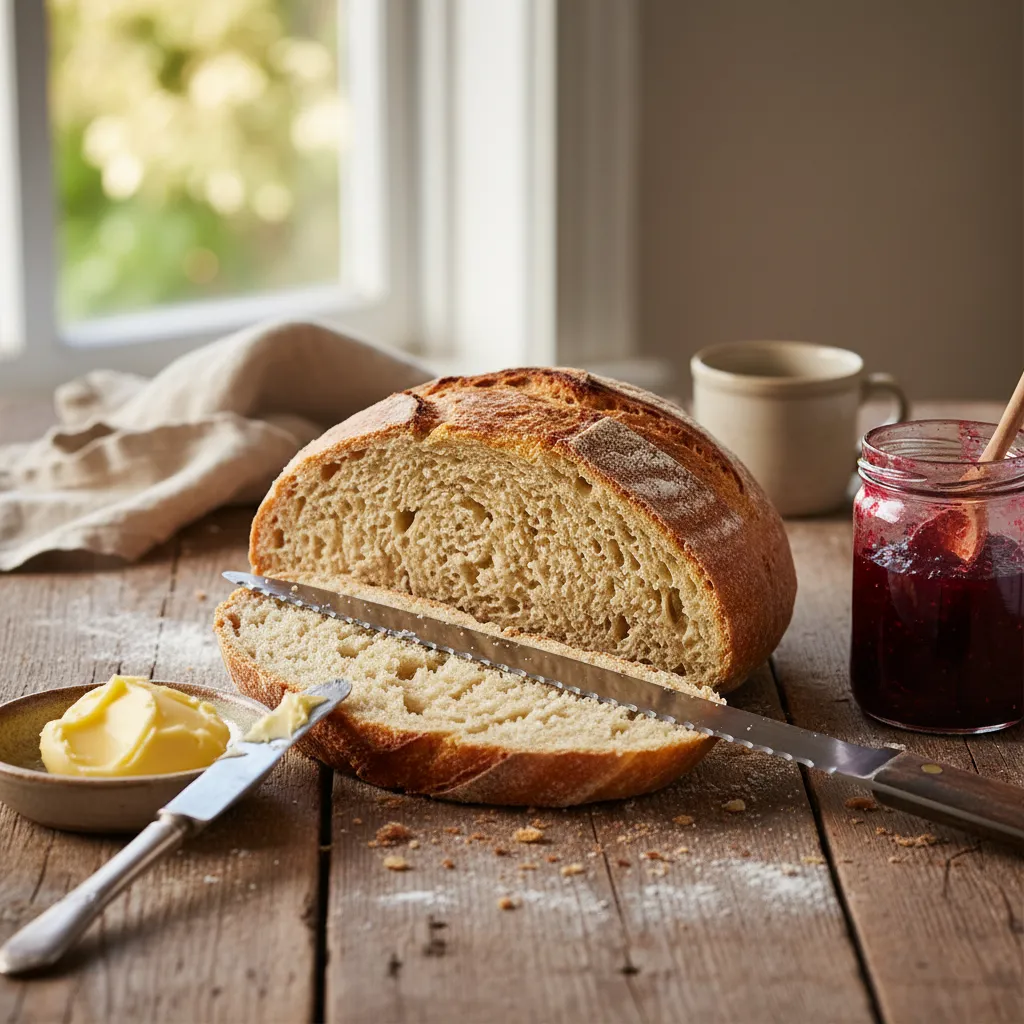
- Rēwena Bread Sliders: Use traditional Māori sourdough potato bread (Rēwena) as buns for mini burgers filled with pulled pork and watercress.
- Steamed Pudding with a Twist: A traditional burnt sugar steamed pudding is a must. For a modern twist, serve it with a Kawakawa-infused custard or Manuka honey cream.
- Fry Bread (Parāoa Parai): Essential for any gathering. Serve hot with butter and golden syrup.
Communal Dining Etiquette and Manaakitanga
Matariki is underpinned by the value of Manaakitanga—the process of showing respect, generosity, and care for others. How you serve the food is just as important as the food itself.
The Order of Service
In a formal setting, or on a Marae, elders (Kaumātua and Kuia) are always served first. Guests (manuhiri) are served before the hosts (tangata whenua). Ensuring your guests are full and happy is the primary goal of the host.
Karakia (Blessing)
Before any food is eaten, a karakia should be performed. This acknowledges the source of the food (the earth and the gods) and blesses it for the nourishment of the body. If you do not know a specific Māori prayer, a simple grace acknowledging nature and gratitude is appropriate.
Example of a simple Karakia Kai:
“Nau mai e ngā hua
o te wao,
o te ngakī,
o te wai.
Nā Tāne
Nā Rongo
Nā Tangaroa
Nā Maru
Ko Ranginui e tū iho nei
Ko Papatūānuku e takoto nei
Tūturu o whiti
Whakamaua kia tina! TINA!
Hui e! TĀIKI E!”
(Translation: Welcome the gifts of the forest, the cultivated gardens, the water. From Tāne, Rongo, Tangaroa, Maru. Sky Father above, Earth Mother below. Let the mana be fixed! bind it! Gather together! It is done!)
Sustainability and Leftovers
Matariki is about environmental awareness. Try to minimize waste. Leftovers are often shared among guests to take home, extending the manaakitanga beyond the meal itself.
People Also Ask
What traditional food is eaten during Matariki?
Traditional Matariki foods include kūmara (sweet potato), rīwai (potatoes), tuna (eel), kaimoana (seafood like mussels and fish), and birds (now commonly chicken or duck), often cooked in a hāngī earth oven to producing a smoky, steamed flavor.
What are the 4 stars of Matariki associated with food?
The four stars are Tupuānuku (associated with food grown in the ground), Tupuārangi (food from the sky/trees), Waitī (food from freshwater), and Waitā (food from the ocean/saltwater). Each star represents a different environmental domain of sustenance.
How do you celebrate Matariki with food?
You celebrate by hosting a hākari (feast). This involves gathering friends and whānau to share a meal that incorporates ingredients from the earth, sky, and water. It is customary to begin with a karakia (blessing) and share stories or remember loved ones during the meal.
What is a good dessert for Matariki?
Steamed pudding (putātara) served with custard is the most iconic dessert. Pavlova topped with kiwifruit is also popular. For a modern twist, try incorporating native ingredients like a Manuka honey cheesecake or chocolate tart with a hint of Horopito.
Can you eat meat during Matariki?
Yes, meat is a central part of the feast. Pork, lamb, and chicken are standard hāngī meats. Historically, birds like kererū were eaten, but today poultry serves as the substitute for “food from the sky” (Tupuārangi).
What herbs are used in Matariki cooking?
Indigenous New Zealand herbs are perfect for Matariki cooking. Kawakawa (peppery/basil flavor) is great for rubs and teas. Horopito (pepper tree) adds spice to meats. Pikopiko (fern fronds) are used as a green vegetable side dish.