
Matariki cultural protocol involves observing tikanga Māori to honor the Māori New Year respectfully. This includes acknowledging those who have passed (Pōhutukawa), feasting with whānau to celebrate the present, and planning for the future. Key protocols require avoiding commercial exploitation, protecting the environment, and ensuring celebrations are grounded in genuine community connection and remembrance.
As Aotearoa New Zealand embraces Matariki as a public holiday, understanding the cultural nuances and expectations surrounding this celestial event is crucial. It is not merely a day off work; it is a profound period of reflection, regeneration, and connection to the environment. Whether you are an individual, a community group, or a business, adhering to the correct Matariki cultural protocol ensures that your participation is meaningful and respectful to the indigenous heritage of New Zealand.
What are the Three Pillars of Matariki Protocol?
To understand the specific dos and don’ts, one must first grasp the underlying philosophy of the Māori New Year. Matariki is not a festival of excess; it is a structured time of year dictated by the rising of the star cluster known as the Pleiades. The cultural protocols derive from three central themes that should guide all activities.
1. Remembrance (Whakamahara): Honoring those who have passed away since the last rising of Matariki. This connects the living to their ancestors and allows for the processing of grief.
2. Celebrating the Present (Whakanui): Gathering with family (whānau) and friends to share food (kai), sing, and express gratitude for the bounty of the earth.
3. Looking to the Future (Titiro ki mua): Planning for the year ahead, setting goals, and preparing the land for new crops.

How do we Respectfully Remember the Dead (Pōhutukawa)?
One of the most sacred aspects of Matariki cultural protocol is the connection to the star Pōhutukawa. This star is associated with those who have died. In Māori tradition, it is believed that when Matariki rises, it carries the spirits of the deceased into the sky to become stars.
The Protocol of Poroporoaki (Farewell)
During Matariki, it is appropriate to take time to openly grieve and remember loved ones. Unlike some western holidays where sadness is hidden, Matariki creates a safe space for tears and remembrance.
- Do: Create a small space or time during your gathering to mention the names of those lost in the past year.
- Do: Share stories and memories of ancestors. This keeps their legacy alive and strengthens family bonds.
- Don’t: Rush the grieving process or insist that the holiday must only be “happy.” The solemnity of remembrance is a vital balance to the celebration.
In a public or corporate setting, this might look like a moment of silence or a dedicated speech acknowledging the contributions of former colleagues or community members who have passed. It grounds the event in humanity and respect.
Why is Environmental Stewardship Central to Matariki?
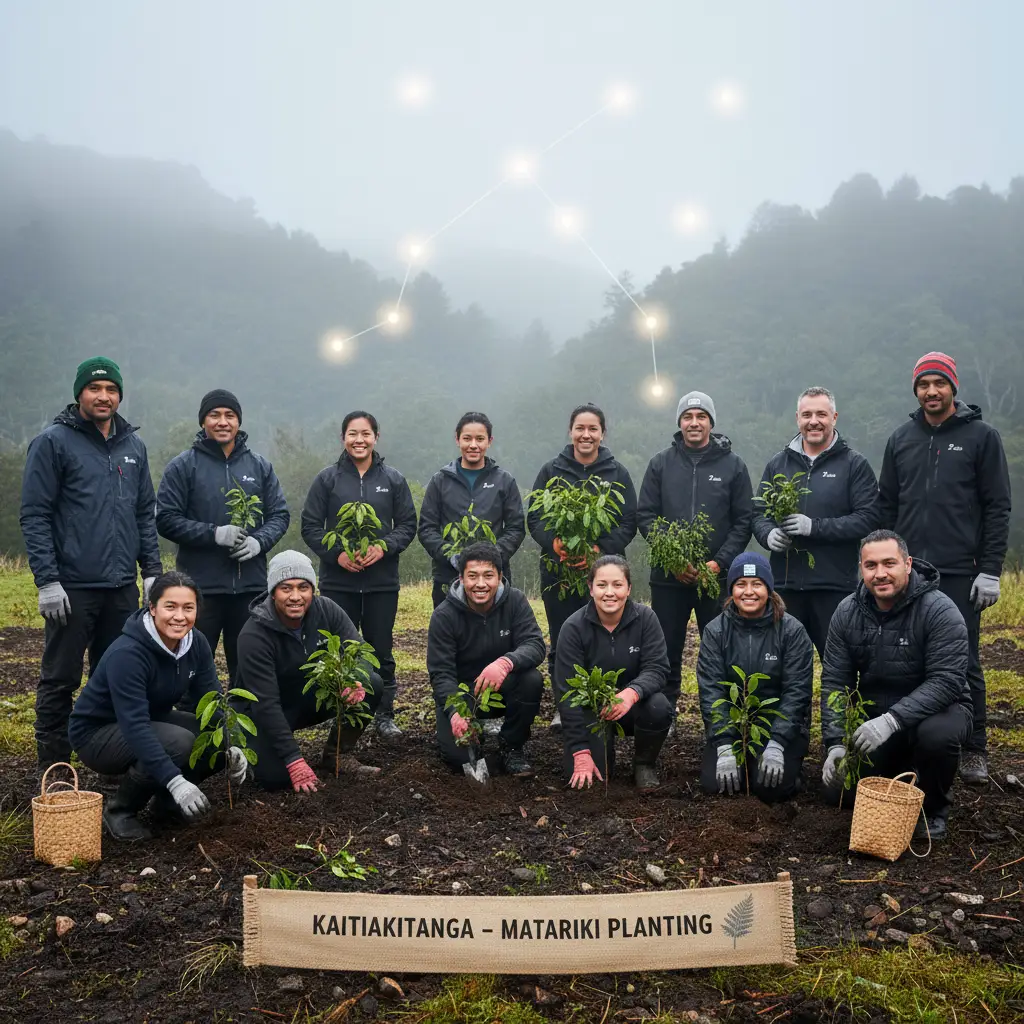
Matariki is intrinsically linked to the environment. The stars within the cluster represent different domains of nature: Tupuānuku (food from the earth), Tupuārangi (food from the sky), Waitī (freshwater), and Waitā (saltwater). Therefore, observing proper protocol means demonstrating kaitiakitanga (guardianship) over these domains.
Practical Kaitiakitanga
Celebrating Matariki while generating excessive waste is a direct violation of the holiday’s spirit. The protocol here is action-oriented.
Sustainable Practices:
- Do: Organize or participate in tree planting days. Returning life to the whenua (land) is one of the highest forms of honoring Matariki.
- Do: Clean up local waterways or beaches. Since the stars Waitī and Waitā watch over the waters, cleaning these areas aligns your actions with the celestial bodies.
- Don’t: Use single-use plastics or non-biodegradable decorations for Matariki events. Ensure that any feast (hākari) aims for zero waste.
What are Appropriate Ways to Celebrate?
Celebration during Matariki revolves around whanaungatanga (relationship building) and hākari (feasting). However, the way this is conducted matters. The focus should be on communal sharing rather than individual indulgence.
The Hautapu Ceremony
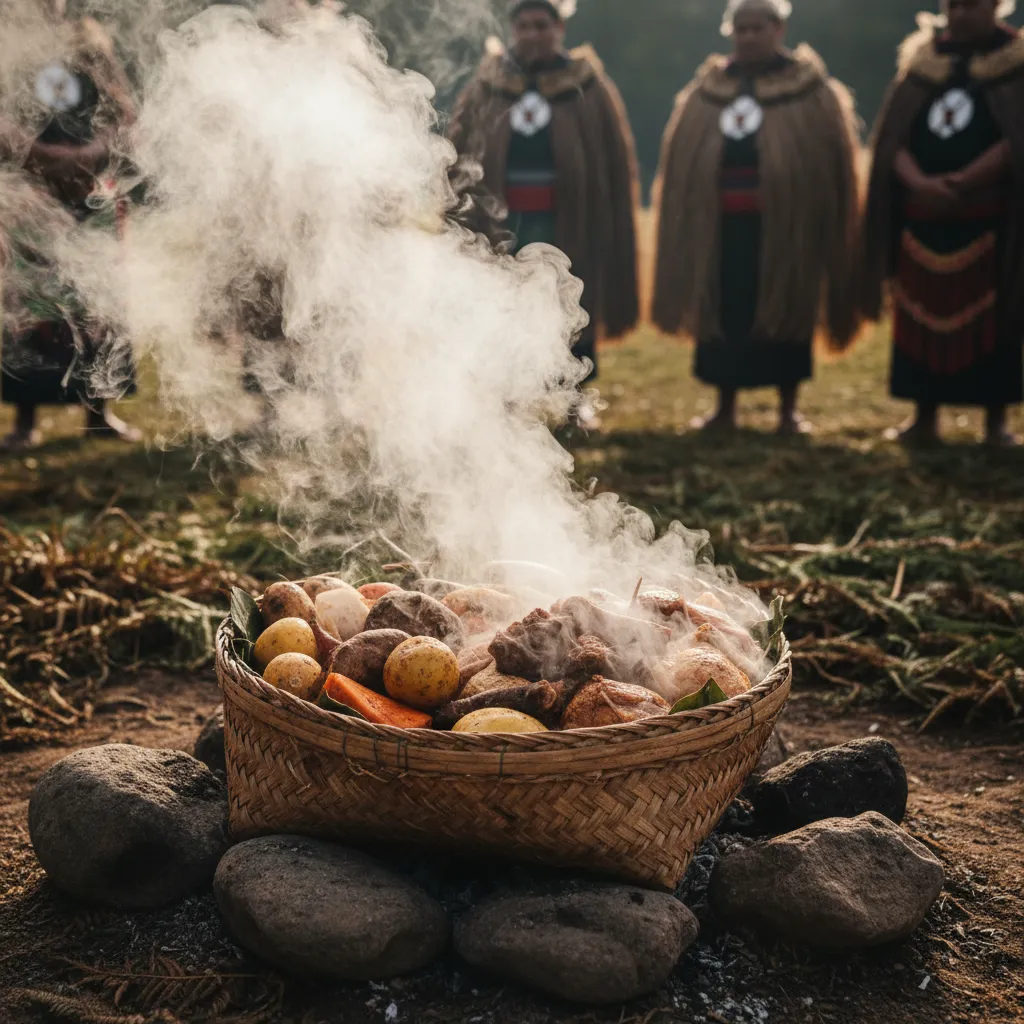
Traditionally, a ceremony called Hautapu involves cooking food in an earth oven (hāngī) and uncovering it so the steam rises to feed the stars. While not everyone can perform a full traditional Hautapu, the concept of sharing food is universal.
Guidelines for Gathering
- Do: Share kai (food) that is locally sourced and seasonal. Kumara, fish, and birds were traditional, but any shared meal prepared with love fits the protocol.
- Do: Engage in wānanga (learning). Use this time to learn about the stars, local history, or the Māori language (Te Reo Māori). Knowledge sharing is a key component of the New Year.
- Do: Turn off the lights. Matariki is a stellar event. Spend time outside looking at the night sky, reconnecting with the environment away from screens and artificial light.
Matariki and Commercialization: Where is the Line?
As Matariki becomes a mainstream public holiday, the risk of commercialization increases. Many Māori experts and advisors have issued clear guidance on this: Matariki is not a “commercial” holiday in the same vein as Christmas or Valentine’s Day.
Business Protocols
If you are a business owner or marketing manager, navigating Matariki cultural protocol requires sensitivity. The goal is to support the kaupapa (purpose) of the holiday, not to exploit it for profit.
The “No Sale” Rule: generally, running a “Matariki Madness Sale” is considered culturally insensitive. Matariki is about slowing down, reflecting, and appreciating what you have, not rushing to buy more consumer goods.
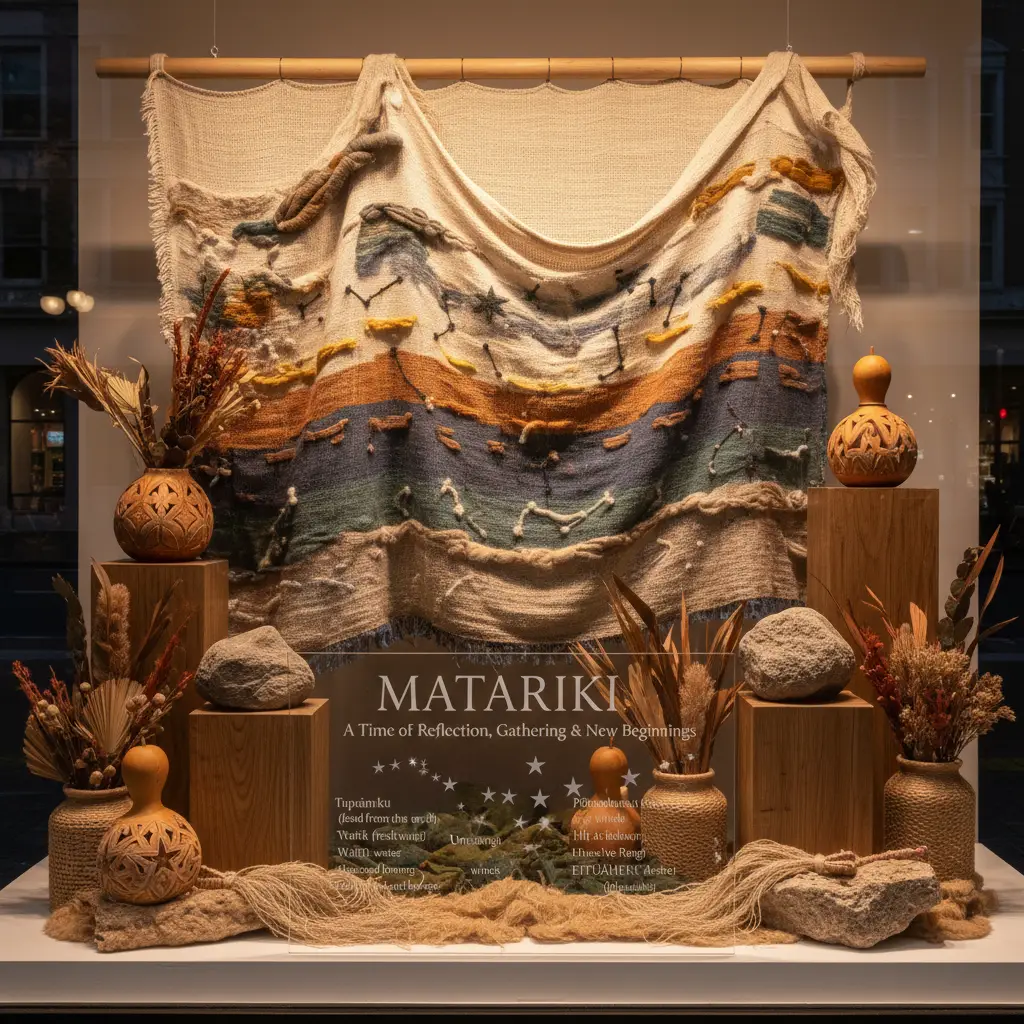
- Do: Close your business or reduce hours to allow staff to be with their families, if possible.
- Do: Use your platform to educate customers about the stars and the history of the holiday.
- Don’t: Commercialize the imagery of the stars on disposable or cheap products.
- Don’t: Use Matariki as a hook to clear old stock.
Comprehensive List of Dos and Don’ts
To summarize the cultural protocols, here is a quick reference guide for observing Matariki with integrity and respect.
The Dos
- Do Rise Early: Viewing Matariki traditionally happens before dawn. Making the effort to wake up early to view the cluster is a sign of dedication and respect.
- Do Share Knowledge: Teach children or friends about the nine stars and their meanings.
- Do Plan for the Future: Write down your aspirations (hiwa) for the coming year. This invokes the energy of the star Hiwa-i-te-rangi.
- Do Respect the Land: Engage in gardening or planting.
- Do Speak Te Reo: Attempt to use Māori greetings and phrases. Matariki is an excellent time to start your language journey.
The Don’ts
- Don’t Wish “Happy Matariki” in a Vacuum: While the greeting is fine, ensure you understand why you are saying it. It isn’t just a generic greeting; it’s an acknowledgment of a new cycle.
- Don’t Ignore the Spiritual Aspect: Even if you are not religious, respect the spiritual dimension of the holiday for Māori. Avoid mocking or trivializing the ceremonies.
- Don’t Over-Consume: Gluttony or excessive alcohol consumption is contrary to the values of well-being and preparedness associated with the New Year.
- Don’t Appropriate: Avoid using sacred Māori designs or patterns without permission or understanding, especially in decorations.
Embracing the Spirit of the Season
Ultimately, following Matariki cultural protocol is about shifting our mindset from the fast-paced, consumer-driven world to a slower, more reflective rhythm aligned with nature. It is a time to remember where we came from, celebrate who we are with, and prepare for where we are going. By observing these dos and don’ts, you contribute to a national identity that honors the indigenous wisdom of Aotearoa.
People Also Ask
Is it appropriate to give gifts during Matariki?
Gift-giving is not a traditional requirement of Matariki like it is for Christmas. However, if you choose to give gifts, they should be meaningful, sustainable, or handmade. Giving food (kai) or resources that help with the coming year (like seeds or plants) is highly appropriate and aligns with the themes of the holiday.
Can non-Māori celebrate Matariki?
Absolutely. Matariki is a public holiday for all of Aotearoa New Zealand. Non-Māori are encouraged to participate by learning about the stars, attending public events, reflecting on their own ancestors, and respecting the environment. The key is to participate with respect and a willingness to learn.
What foods are traditional for a Matariki feast?
Traditional foods include kumara (sweet potato), fish, eel, birds, and preserved foods. However, the protocol emphasizes sharing whatever food you have. Modern celebrations often feature a hāngī (earth oven meal), potluck dinners, or soups and breads that utilize seasonal winter produce.
How do I find the Matariki star cluster?
Matariki is best viewed in the early morning, just before dawn. Look towards the northeast horizon. Find the pot (Orion’s Belt), then look left to find the bright orange star Taumata-kuku (Aldebaran). Keep looking left until you see a tight cluster of tiny twinkling stars—that is Matariki.
Is it disrespectful to work on Matariki?
While it is a public holiday intended for rest and reflection, essential workers often must work. It is not “disrespectful” to work if required, but employers should acknowledge the day. If you are working, try to incorporate the values of Matariki into your day, perhaps by sharing morning tea with colleagues or taking a moment for reflection.
What is the difference between Matariki and Puanga?
In some parts of New Zealand (like Taranaki and Whanganui), the Matariki cluster is hard to see due to geography. Tribes in these areas look for the star Puanga (Rigel) to signal the New Year. The protocols of remembrance, celebration, and environmental stewardship remain largely the same, honoring Puanga instead of, or alongside, Matariki.