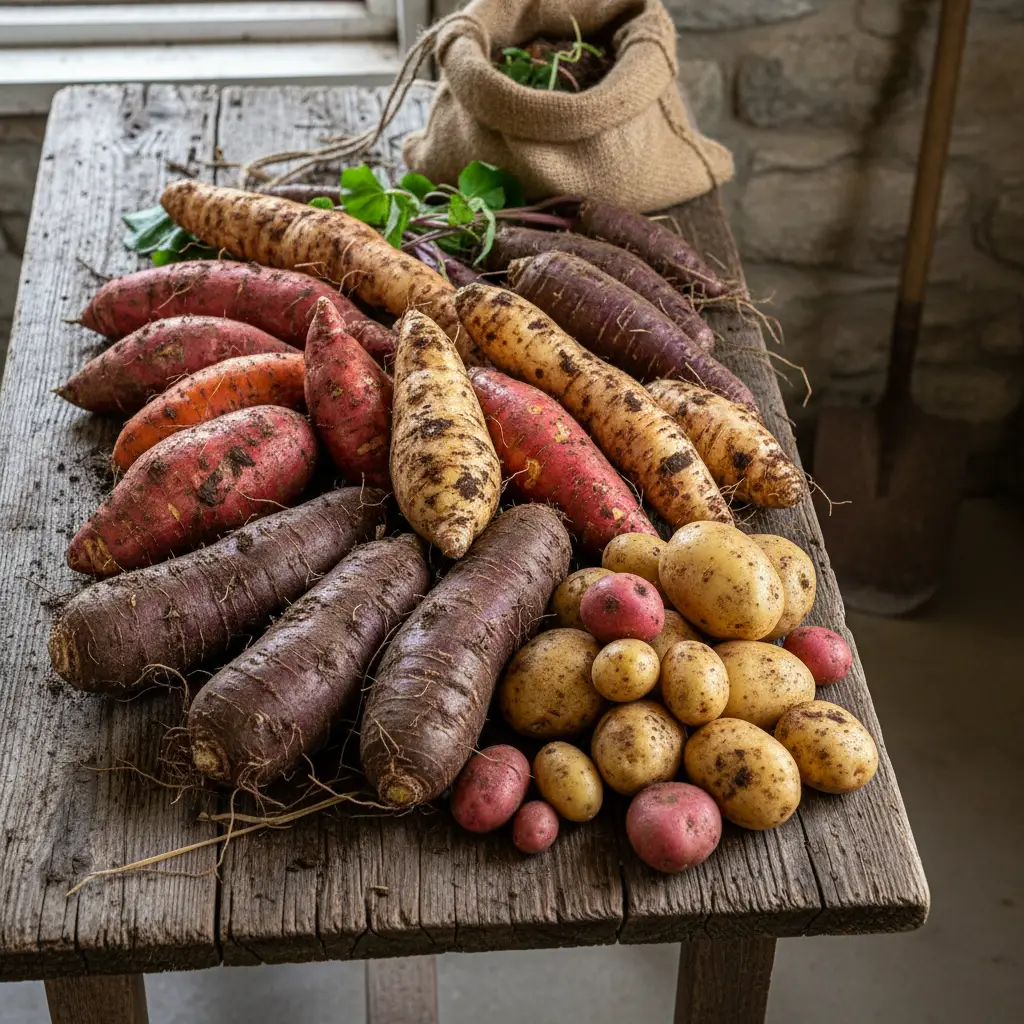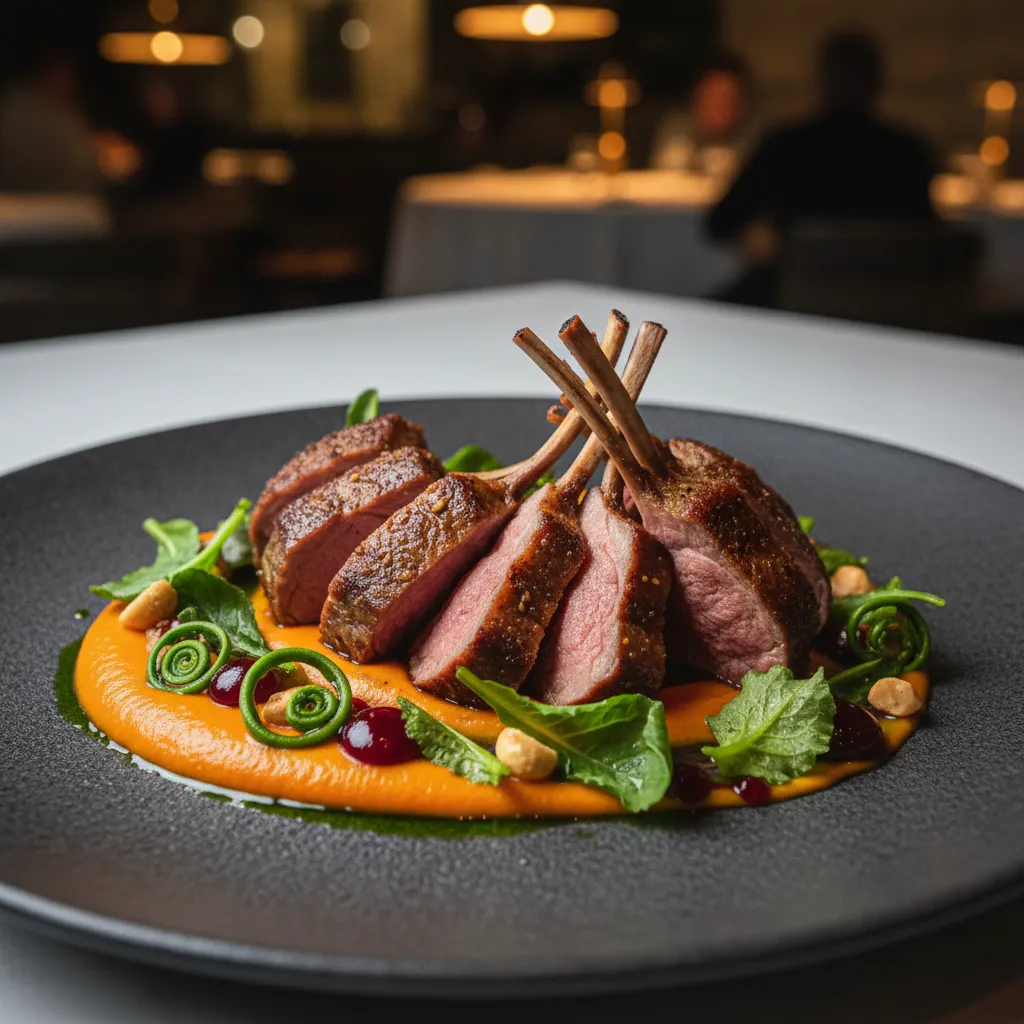
Catering for Matariki involves providing communal feasts that honor the Māori New Year, typically featuring traditional Kai Māori like hāngī, kaimoana (seafood), and kumara alongside contemporary dishes. Professional caterers focus on manaakitanga (hospitality) and the Importance of Kaitiakitanga (Guardianship) in Matariki Celebrations, ensuring the food connects guests to the earth and stars while accommodating modern dietary needs for corporate and community events.
The Significance of Kai During Matariki
In Aotearoa New Zealand, food is not merely fuel; it is a vehicle for connection, history, and hospitality. When discussing catering for Matariki, it is essential to understand the cultural weight behind the menu. Matariki, the Māori New Year, is a time signaled by the rising of the Pleiades star cluster. To find it, you can use an Interactive Night Sky Map Tool: Locate Matariki Now. It is a period for remembering those who have passed (hunga mate), celebrating the present (hunga ora), and looking forward to the future.
The act of sharing food, or hākari, is central to these celebrations. In Māori tradition, food is used to lift the tapu (sacredness) of a formal ceremony and return participants to a state of noa (neutrality). Therefore, the catering you choose for your event—whether it is a corporate lunch, a community festival, or a private gathering—plays a functional role in the cultural protocol of the day.
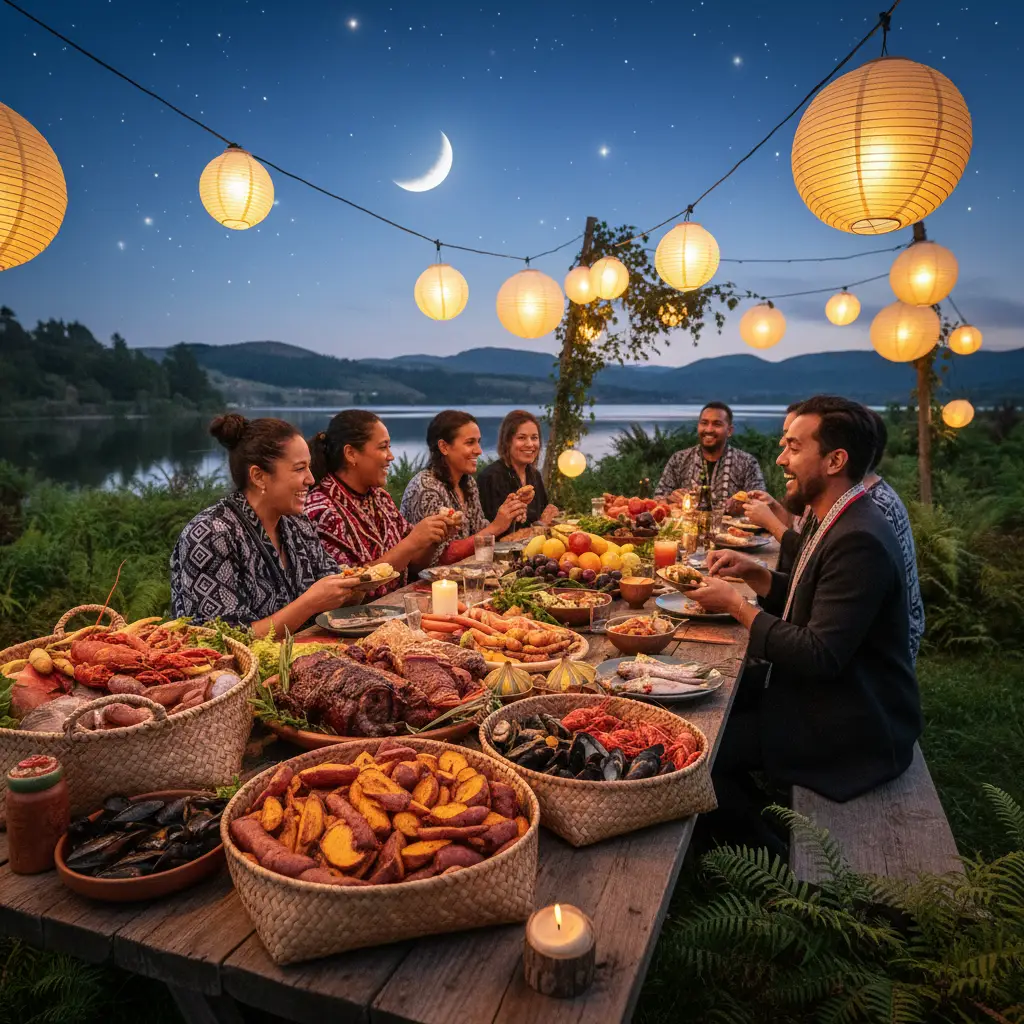
Furthermore, Matariki occurs in mid-winter. Historically, this was a time when food stores (pātaka) were full after the harvest. The abundance of food served during Matariki symbolizes prosperity and the hope for a bountiful year ahead. When sourcing catering for Matariki, the menu should reflect this seasonality, utilizing root vegetables, preserved meats, and fresh seafood that are at their peak during the colder months.
Menu Options for Corporate Matariki Lunches
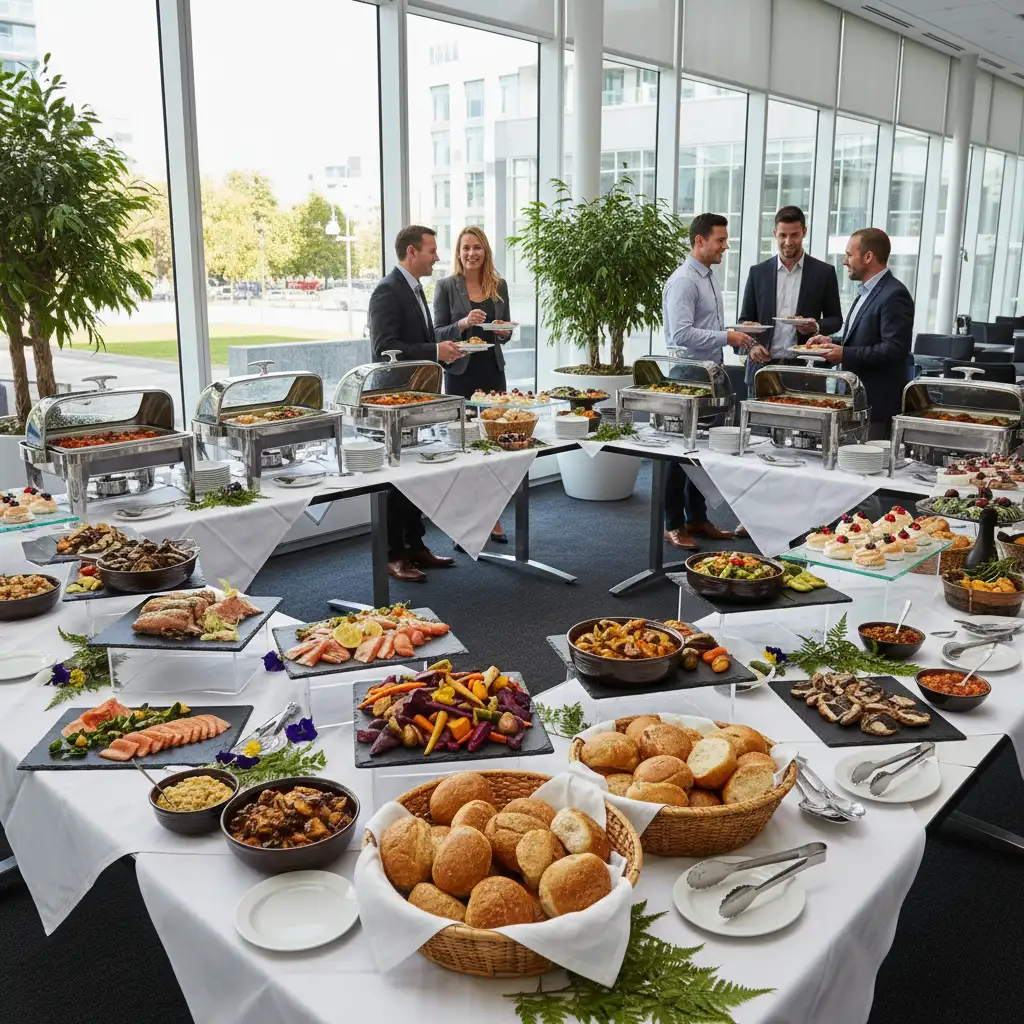
Organizing a corporate event requires balancing authenticity with the practicalities of a workplace environment. While a traditional earth-oven hāngī is the gold standard, it is not always logistically feasible for an office building in the Auckland CBD or Wellington Lambton Quay. However, expert caterers have adapted traditional flavors for the boardroom.
The Grazing Platter (Kai Tahi)
For networking events or standing lunches, a Māori-inspired grazing table is a popular choice. Instead of standard European cheeses, look for caterers who offer:
- Smoked Ika (Fish): Manuka-smoked mullet or salmon.
- Rewena Bread: A traditional sourdough potato bread, served with whipped butter.
- Pickled Pikopiko: Fern fronds that add a unique, earthy crunch.
- Kawakawa Jelly: A sweet and peppery accompaniment for meats and cheeses.
The Hot Buffet (Hākari)
For a sit-down lunch, a hot buffet allows for the communal aspect of dining, which is vital for Matariki. A standard commercial menu might include:
- Slow-Cooked Meats: Pork belly or lamb shoulder rubbed with Horopito (native pepper tree) and roasted until tender.
- Gourmet Boil-Up: A refined take on the classic, featuring pork bones, watercress (puha), and doughboys, served as a hearty soup or stew.
- Root Vegetable Gratin: Layers of kumara (sweet potato), potato, and pumpkin baked in a creamy garlic sauce.
- Steamed Pudding: Served with custard, a winter comfort food staple.
Traditional Kai vs. Modern Fusion
When selecting catering for Matariki, you will generally encounter two styles: the strictly traditional and the modern fusion. Understanding the difference helps in aligning the menu with your audience’s expectations.
Traditional Hāngī
The hāngī is the most iconic Māori cooking method, where food is cooked in a pit oven using heated rocks. The result is a distinct smoky, earthy flavor that cannot be replicated in a conventional oven. If your venue has outdoor space and allows for digging (or if you hire a mobile hāngī cooker), this is the ultimate expression of Matariki dining. It connects the food directly to Papatūānuku (Earth Mother).
Contemporary Māori Fusion
Modern Māori cuisine is currently experiencing a renaissance. Chefs are taking indigenous ingredients and applying modern culinary techniques. This style is often better suited for formal evening galas or high-end corporate functions. Examples include:
- Paua (Abalone) Ravioli: Served with a lemon cream sauce.
- Venison Tataki: Dusted with Horopito and served with kumara crisps.
- Kumara Gnocchi: With burnt butter and sage.
Choosing fusion catering demonstrates a forward-looking perspective, acknowledging the past while celebrating the evolution of Māori culture, which aligns perfectly with the themes of Matariki and can include educational components like Printable Puanga Activity Sheets.
Selecting Top Caterers Specializing in Kai Māori
Finding the right supplier is critical. The market for indigenous catering has grown, but demand outstrips supply during June and July. When vetting caterers, look for the following indicators of quality and authenticity:
1. Whakapapa and Authenticity
The best caterers for Matariki often have strong ties to their iwi (tribe) or hapū (sub-tribe). They understand the tikanga (protocols) surrounding food handling. Check their