
Road closures for Matariki weekend primarily impact major urban centers like Auckland and Wellington due to cultural festivals, while State Highway 1 and State Highway 2 experience significant congestion from holiday traffic. Travelers should anticipate delays, monitor real-time updates via the NZTA Journey Planner, and prepare for hazardous winter conditions such as ice and snow on alpine passes.
Matariki, the Māori New Year, has rapidly become one of New Zealand’s most culturally significant and widely travelled public holidays. As families reconnect and communities gather to celebrate, the nation’s roading network faces immense pressure. With the holiday falling in mid-winter, drivers must navigate not only heavy congestion and event-specific road closures but also potentially treacherous weather conditions. This guide provides authoritative information on traffic predictions, specific closures, and essential travel advice to ensure your journey is safe and efficient.
NZTA Traffic Predictions & Hotspots
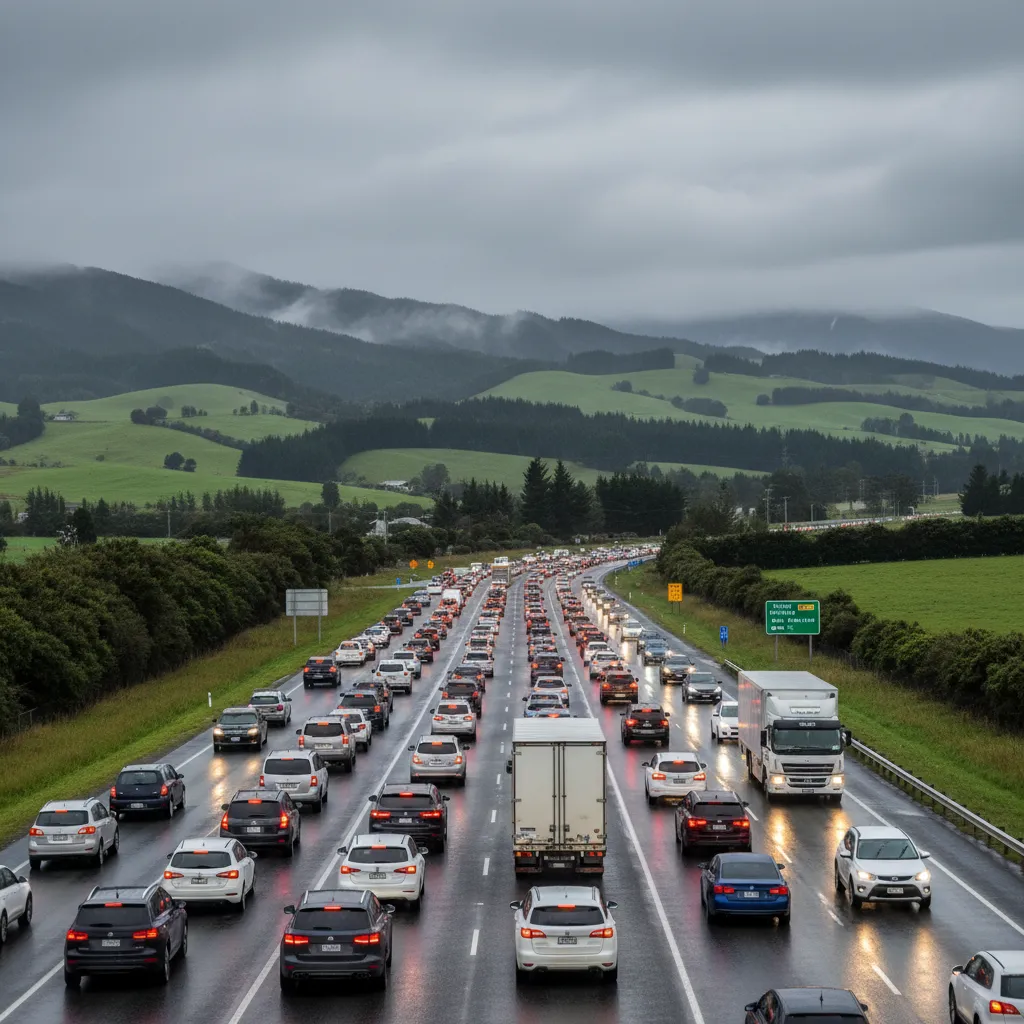
The NZ Transport Agency Waka Kotahi consistently warns that Matariki weekend generates traffic volumes comparable to Easter and King’s Birthday weekend. Because Matariki falls on a Friday, the exodus from major cities typically begins as early as Thursday afternoon, creating bottlenecks on key arterial routes.
State Highway 1: The Main Artery
State Highway 1 (SH1) bears the brunt of the holiday traffic. Historical data indicates that congestion leaving Auckland (southbound) peaks between 2:00 PM and 7:00 PM on the Thursday prior to Matariki, and again from 9:00 AM to 1:00 PM on Friday morning. The return journey northbound usually sees heavy delays on Sunday afternoon from 12:00 PM to 6:00 PM.
Key pinch points include:
- Puhoi to Warkworth: While the new motorway has alleviated some pressure, the connection points can still queue during hyper-peak times.
- Bombay Hills to Manukau: Expect slow-moving traffic for those leaving the supercity.
- Kapiti Coast: For those traveling north from Wellington, the expressway provides relief, but congestion often builds near Otaki.
State Highway 2: The Gateway to the Coromandel and Bay of Plenty
Travelers heading to the Coromandel Peninsula or Tauranga should prepare for significant delays on SH2. The Maramarua Highway is a notorious hotspot. During Matariki weekend, traffic volume here increases drastically as holidaymakers seek coastal getaways. Eastbound traffic is heaviest on Friday morning, while westbound return traffic clogs the road on Sunday/Monday.
Waikato and Bay of Plenty
The Kaimai Range (SH29) serves as a critical link between the Waikato and the Bay of Plenty. Heavy freight movement combined with holiday traffic often results in slow average speeds. Motorists are advised to exercise patience, particularly on the steep ascents and descents where passing lanes are limited.
Event-Specific Road Closures
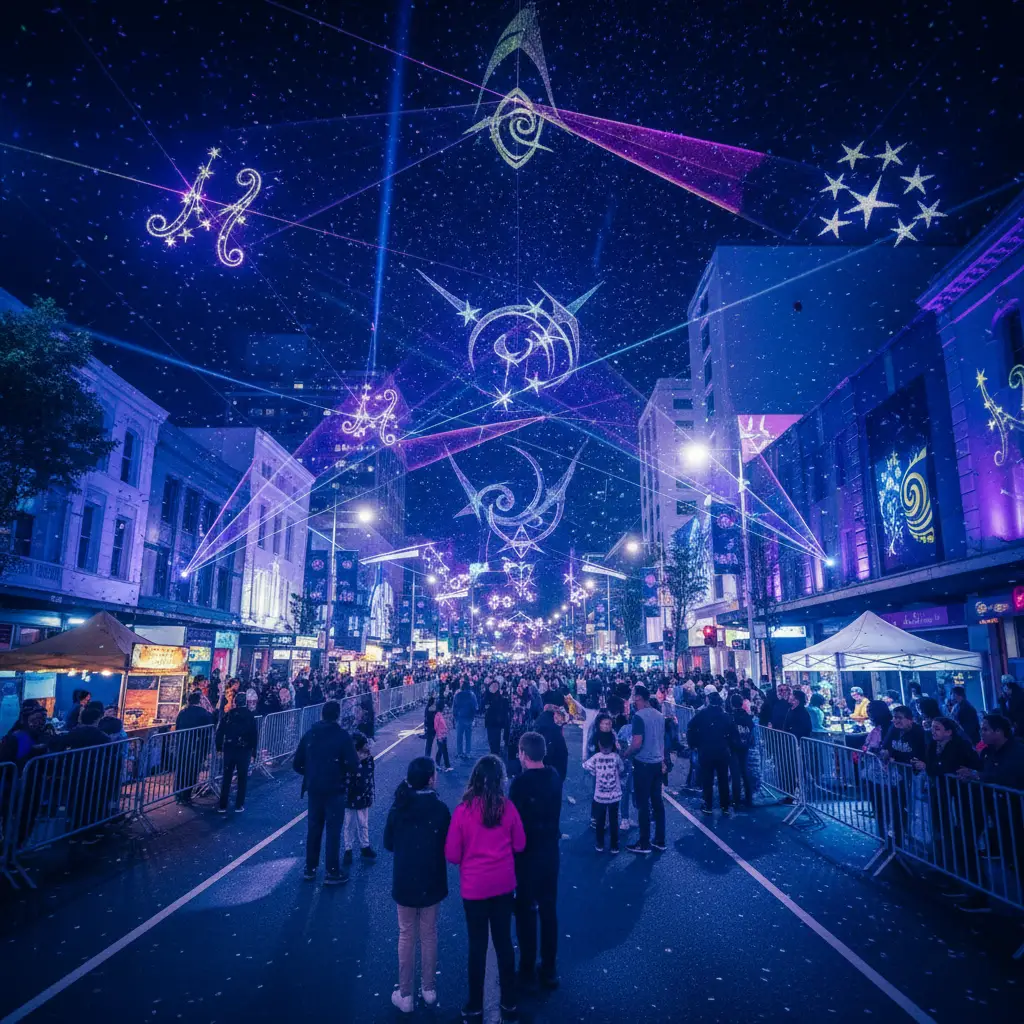
Unlike standard weekends, Matariki is characterized by large-scale public events, light shows, and street festivals. These celebrations frequently require significant road closures in city centers (CBDs) to ensure pedestrian safety.
Auckland Road Closures
Auckland Transport typically implements closures to support the Matariki Festival. Key areas to watch include:
- Quay Street & The Waterfront: Often reduced to single lanes or fully closed for pedestrian access during light shows or harbor events.
- Viaduct Harbour: Expect restricted vehicle access during evening festivities.
- Domain and Maungakiekie: If specific dawn ceremonies (Hautapu) are public, access roads to these summits may be closed to private vehicles to manage capacity, with shuttle buses provided instead.
Wellington Closures: Matariki Ahi Kā
Wellington celebrates with the Matariki Ahi Kā experience on the waterfront. This is a major logistical event for the capital.
- Jervois Quay: While usually kept open, lanes may be reduced.
- Oriental Parade: Frequently experiences heavy congestion; parking is often suspended or severely limited.
- Waterfront Access: Several access points from Customhouse Quay to the waterfront are blocked to vehicles to allow for food trucks and pedestrian flows.
Regional Closures
Smaller towns are not immune. Places like Rotorua, Taupō, and Dunedin host their own winter festivals. In Dunedin, the Octagon is often closed for the Midwinter Carnival which aligns with the Matariki season. Always check local council websites 24 hours before departure for the most granular road closure data.
Navigating Winter Driving Conditions
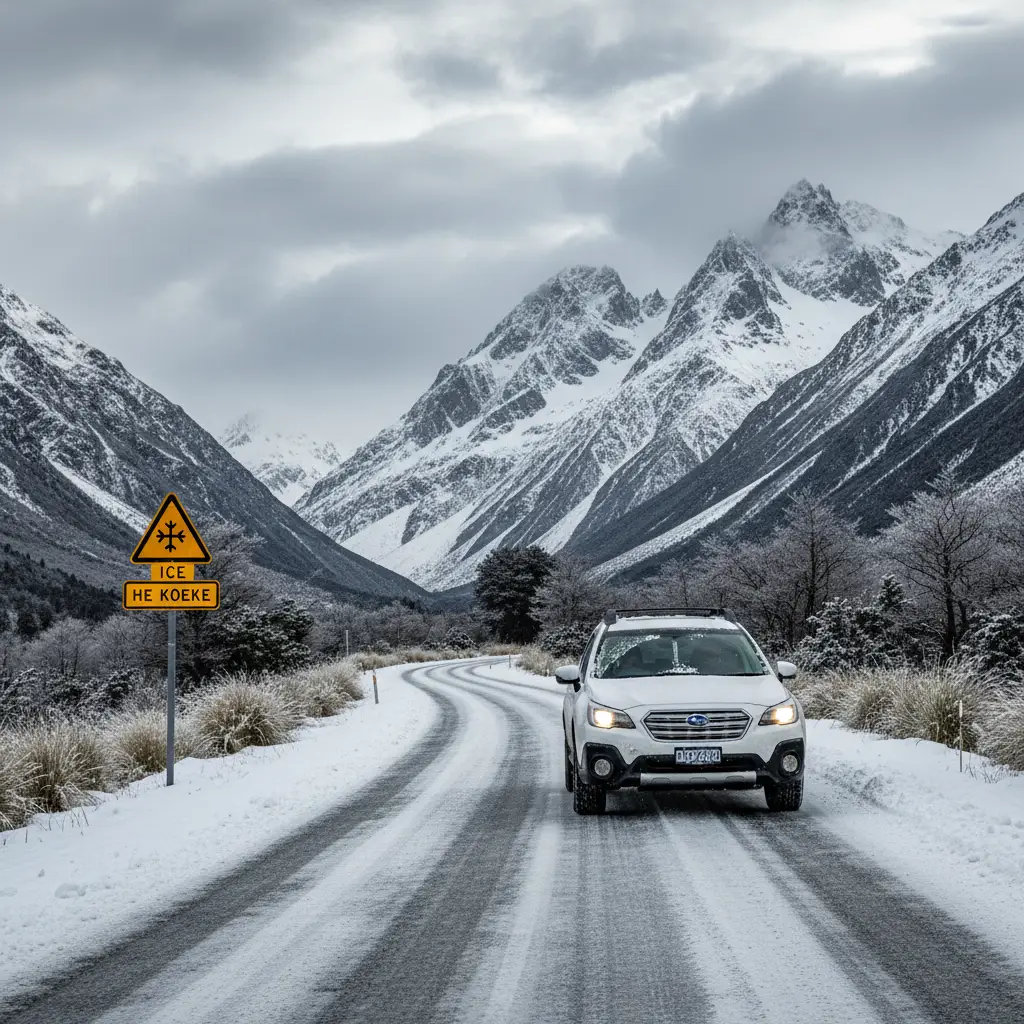
Matariki falls in June or July, the heart of the New Zealand winter. Road closures are not always planned; they are often dictated by the weather. Snow, ice, and flooding can close major highways with little notice.
High-Risk Alpine Passes
Travelers moving between the North and South Islands, or across the central North Island, must monitor the status of alpine roads.
- The Desert Road (SH1): This section of highway alongside Mt Ruapehu is prone to closure due to snow and ice. When closed, the detour via Ohakune and National Park adds at least 40 minutes to the journey.
- Remutaka Hill (SH2): High winds and ice can make this route treacherous or impassable.
- Lewis Pass & Arthur’s Pass (South Island): Chains must be carried when traveling these routes during winter. NZTA may enforce a “chains essential” closure where only equipped vehicles are permitted.
Black Ice and Sunstrike
Black Ice: This invisible hazard forms on shaded corners, bridges, and stretches of road sheltered by trees. It is most prevalent in the early morning and late evening—precisely when many are traveling for the long weekend. Reduce speed significantly in shaded areas.
Sunstrike: The winter sun sits lower in the sky, creating blinding glare during sunrise and sunset. Keep your windshield clean inside and out, and have polarized sunglasses ready. Sunstrike is a leading cause of accidents during winter commutes.
Public Transport Schedules & Alternatives
Utilizing public transport can be a strategic move to avoid parking hassles and road closures, particularly for attending CBD events. However, schedules operate differently on public holidays.
Holiday Timetables
On Matariki (the Friday public holiday), most transport operators, including Auckland Transport (AT), Metlink (Wellington), and Environment Canterbury, run on a Sunday or Public Holiday timetable. This generally means reduced frequency.
- Auckland: Trains and buses usually follow Sunday schedules. However, additional services are often added late at night to accommodate crowds leaving Matariki festivals.
- Wellington: Metlink often provides free or discounted travel for children during holiday periods, but check specific alerts for the Matariki weekend.
- Ferries: Ferry services to Waiheke or Devonport may run at capacity. It is highly recommended to arrive at the terminal at least 30 minutes prior to departure.
Rail Network Maintenance
Public holiday weekends are prime times for KiwiRail to conduct network maintenance (Block of Line). It is common for train lines in Auckland and Wellington to be replaced by buses (Rail Replacement Services) over long weekends. Travelers should verify the status of the rail network before relying on trains to get to the airport or city center.
Strategic Travel Planning: Beating the Rush
To mitigate the impact of road closures and congestion, strategic timing is essential. Avoiding the “peak of the peak” can save hours of travel time.

Optimal Departure Times
Based on NZTA historical flow data, the best times to travel are:
- Departing: Thursday morning before 11:00 AM or Friday afternoon after 2:00 PM (once the morning rush has cleared).
- Returning: Sunday morning before 10:00 AM is the “golden window.” Alternatively, waiting until after 7:00 PM on Sunday can see traffic volumes drop significantly, though this introduces the risk of night driving in winter conditions.
Alternative Routes
If SH1 is gridlocked, consider alternatives, but be aware they may be narrower and more winding:
- North of Auckland: If the tunnel or Warkworth approaches are jammed, SH16 serves as the primary alternative, though it adds distance.
- Waikato to Auckland: SH27 and SH2 can be alternatives to SH1, but they are single-lane highways with high crash risks. Only use these if SH1 is at a standstill.
Essential Vehicle Preparation
Given the potential for delays and winter weather, vehicle readiness is non-negotiable. A breakdown in a remote area during a cold snap can be dangerous.
The Winter Safety Checklist
- Tyres: Ensure tread depth is well above the 1.5mm legal minimum; 3mm is recommended for winter grip. Check pressures before loading the car with luggage.
- Lights: Walk around the vehicle to check all indicators, brake lights, and headlights are functioning.
- Battery: Cold weather kills weak batteries. If your car has struggled to start recently, replace the battery before the trip.
- Emergency Kit: Pack a blanket, torch, first aid kit, water, and non-perishable snacks. If you get stuck in a road closure on the Desert Road for several hours, these items are vital.
By staying informed about road closures Matariki brings and planning for the winter elements, you can ensure your long weekend remains a celebration rather than a commute-induced headache. Always check the NZTA Journey Planner immediately before you turn the key.
Are shops open on Matariki public holiday?
Yes, unlike Good Friday or Christmas Day, trading restrictions do not apply to Matariki. Most supermarkets, malls, and cafes remain open, though some small businesses may choose to close or operate on reduced hours. Surcharges of 10-15% may apply at hospitality venues.
Is the Desert Road likely to be closed during Matariki?
It is possible. Matariki falls in mid-winter, and the Desert Road (SH1) is frequently closed due to snow or ice. Travelers should always check the Waka Kotahi traffic map for real-time status and have an alternative route planned via Taranaki or Napier.
What are the peak traffic times for Matariki weekend?
Peak traffic generally occurs from 2pm to 7pm on the Thursday prior, 9am to 1pm on Matariki Friday, and 12pm to 6pm on the returning Sunday. Avoiding these windows can significantly reduce travel time.
Do public transport services run on Matariki?
Yes, public transport runs, but typically on a Sunday or Public Holiday timetable. This means fewer services. Always check the specific app (AT Mobile, Metlink) for your region before traveling.
Are there road closures for Matariki fireworks?
Yes, major cities hosting fireworks or light shows, such as Wellington’s Matariki Ahi Kā or Auckland’s Matariki Festival, will often close waterfront roads and CBD streets to ensure pedestrian safety during the events.
Do I need snow chains for Matariki travel?
If you are traveling through South Island alpine passes (like Arthur’s Pass or Lindis Pass) or the central North Island, carrying snow chains is highly recommended and sometimes legally mandatory if “Chains Essential” warnings are issued by NZTA.