
Matariki activities for schools are educational experiences designed to celebrate the Māori New Year, focusing on the themes of remembrance, celebrating the present, and looking to the future. These activities integrate the New Zealand Curriculum by exploring the nine stars of Matariki through science, arts, storytelling, and environmental sustainability (kaitiakitanga).
How to Integrate Matariki into the Curriculum?
Integrating Matariki into the school curriculum requires more than a singular day of celebration; it involves weaving the principles of the Māori New Year into the fabric of daily learning. For kaiako (teachers) across Aotearoa, Matariki offers a unique opportunity to connect tamariki (children) with the environment, astronomy, and indigenous knowledge systems (mātauranga Māori).
The rise of the Matariki star cluster signals a time to reflect on the past year, celebrate the present harvest, and plan for the future. In an educational context, this aligns perfectly with the key competencies of the New Zealand Curriculum, particularly in managing self, relating to others, and thinking.
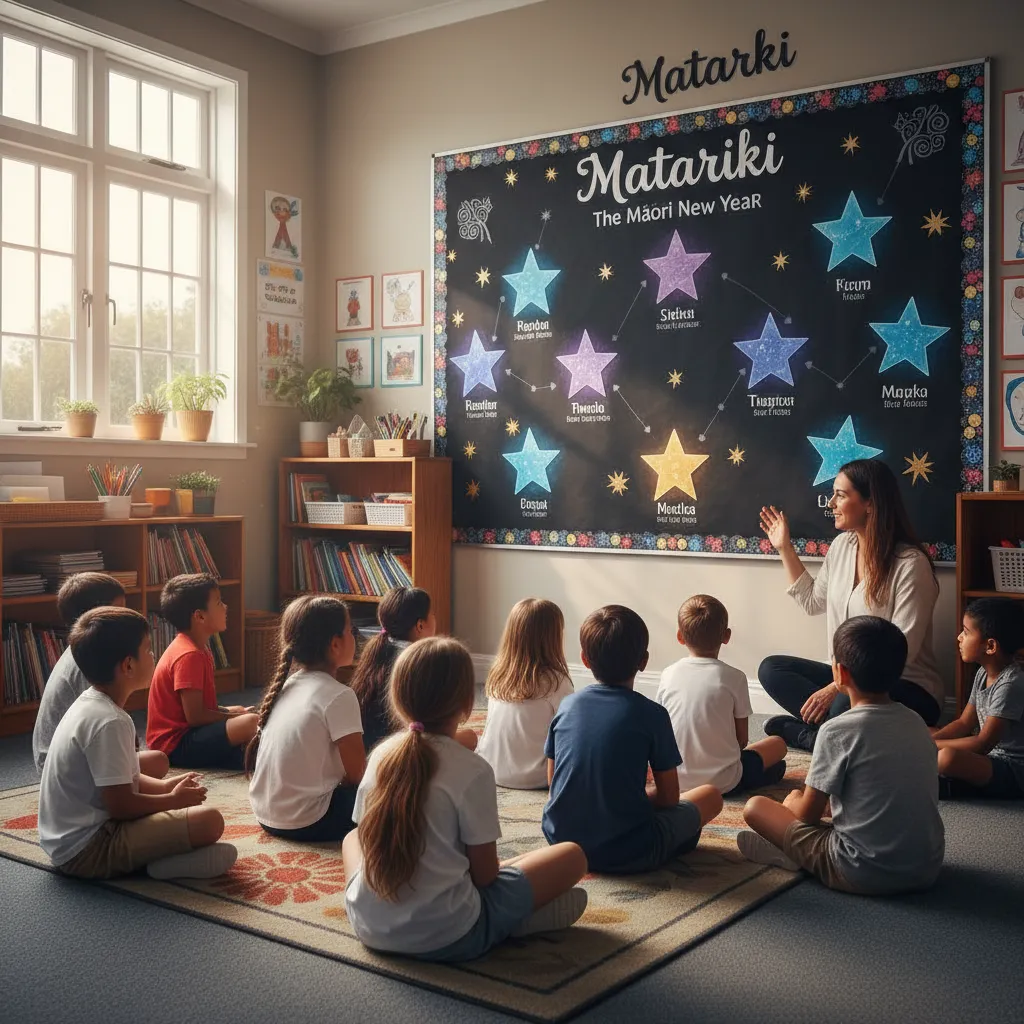
Understanding the Nine Stars in an Educational Context
A robust curriculum approach involves breaking down the distinct domains of the nine stars of Matariki. This allows for cross-curricular teaching that spans science, social studies, and the arts.
- Matariki (The Mother Star): Focus on health and wellbeing (Hauora). Lesson plans can center around Te Whare Tapa Whā and emotional resilience.
- Pōhutukawa: Represents those who have passed on. This connects to history and genealogy (whakapapa), allowing students to research their ancestors or local history.
- Tupu-ā-nuku: Connected to food grown in the ground. This is an ideal entry point for biology, soil science, and school garden projects.
- Tupu-ā-rangi: Connected to food from the sky (birds/berries). This relates to biodiversity studies and conservation efforts.
- Waitī: Fresh water bodies. Use this for environmental science, testing local stream health, and understanding the water cycle.
- Waitā: Salt water. Focus on marine biology and the importance of our oceans (moana).
- Waipuna-ā-rangi: Rain. Use this for meteorology lessons and studying weather patterns.
- Ururangi: Wind. Perfect for physics experiments involving flight and aerodynamics.
- Hiwa-i-te-rangi: The wishing star. This aligns with goal setting, future planning, and creative writing.
What are the Best Matariki Activities for ECE?
For Early Childhood Education (ECE), Matariki activities for schools should focus on sensory experiences, simple storytelling, and connection to the natural world. At this age, the concepts should be tangible and centered around the themes of togetherness and the environment.
Sensory Play and The Natural World
Toddlers and young children learn best through touch and interaction. Create a “Starry Night” sensory bin using black rice or sand, hidden glow-in-the-dark stars, and natural materials like pinecones and leaves. This allows tamariki to explore textures while introducing the visual concept of the night sky.
Another powerful activity is planting seeds. Since Matariki is a time of harvest and preparation for new growth, having children plant broad beans or garlic helps them understand the cycle of nature (Tupu-ā-nuku). Explain that the stars are watching the plants grow, just as they watch the children grow.
Waiata and Storytelling
Oral tradition is central to Māori culture. Teaching simple waiata (songs) about the stars helps embed the names and meanings in young minds through rhythm and repetition. Books like “The Little Kiwi’s Matariki” or “Twinkle Twinkle Matariki” are excellent resources for mat time. Utilize puppets to act out legends regarding the separation of Ranginui (Sky Father) and Papatūānuku (Earth Mother), which sets the stage for the appearance of the stars.
Engaging Matariki Activities for Primary Schools (Years 1-8)
In primary school, students are ready for more structured projects that blend creativity with scientific inquiry. The focus here shifts to understanding the navigation, the harvest, and the arts.
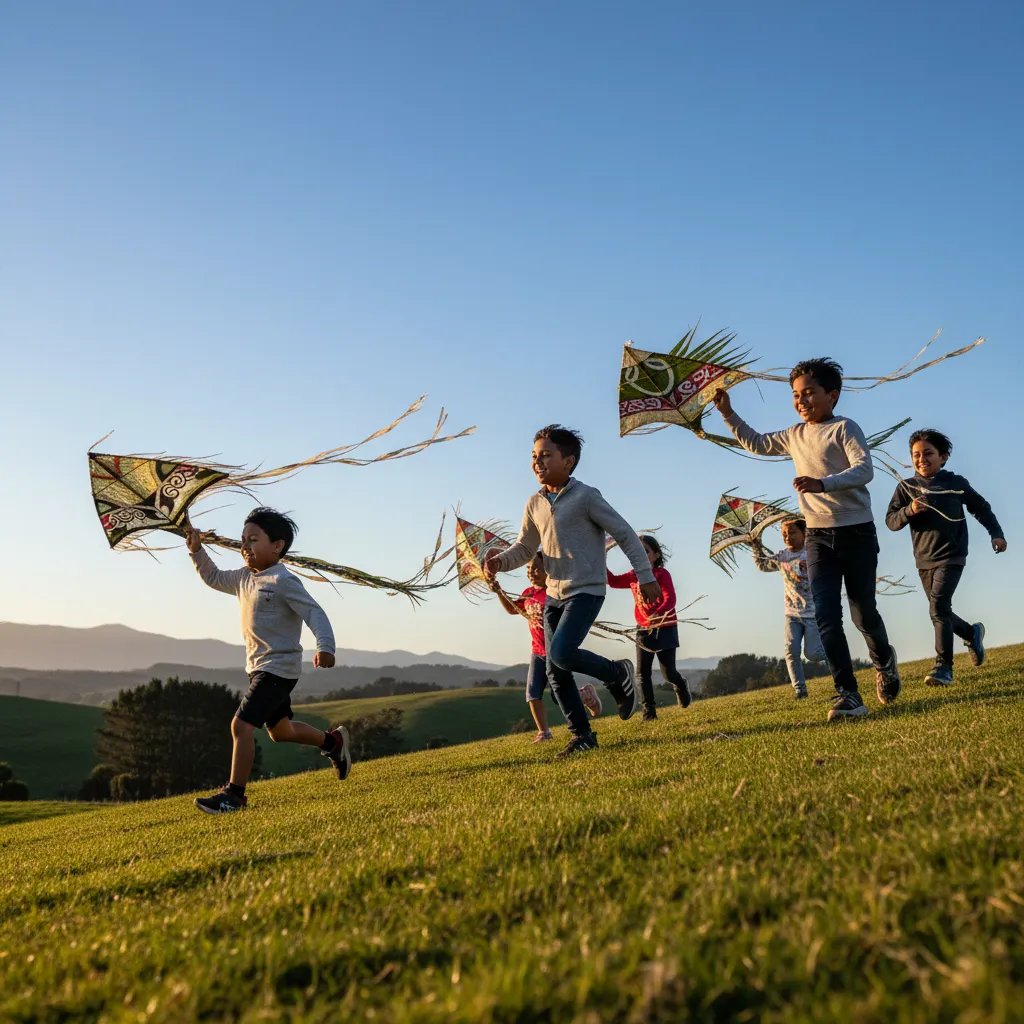
Manu Aute (Kite Making)
Kites, or Manu Aute, were traditionally flown to connect the heavens and the earth. This is one of the most popular Matariki activities for schools because it combines engineering, art, and history.
Activity Guide:
1. Research: Have students research traditional shapes of Māori kites (e.g., manu taratahi).
2. Gather Materials: Use natural materials like raupō, flax (harakeke), and toetoe where possible, or substitute with bamboo skewers and tissue paper.
3. Construction: Discuss the physics of lift and drag as students build their frames.
4. Decoration: Decorate the kites with symbols representing their hopes for the coming year (Hiwa-i-te-rangi).
5. Flight: Host a school-wide kite flying day to test the creations.
Weaving and Harakeke Workshops
Inviting local weavers to teach students the basics of weaving (raranga) creates a tangible connection to the culture. Simple projects like making a putiputi (flower) or a two-strand wide mat allow students to practice fine motor skills while learning the tikanga (protocol) of harvesting flax—such as returning the waste to the earth and not harvesting when it is raining or at night.
Sustainable Kai and Hāngī
Food is central to Matariki. While a full Hāngī might be logistically difficult for every class, a “vegetable soup day” is a great alternative. Students can bring a vegetable from home (connecting to Tupu-ā-nuku), chop them together, and share a meal. This reinforces the concept of manaakitanga (hospitality/generosity) and community sharing.
Advanced Matariki Projects for Secondary Schools
For secondary students, Matariki activities for schools should delve deeper into astronomy, environmental stewardship, and social sciences. The inquiry should be rigorous and encourage critical thinking regarding indigenous knowledge alongside western science.
Astronomy and Navigation (Wayfinding)
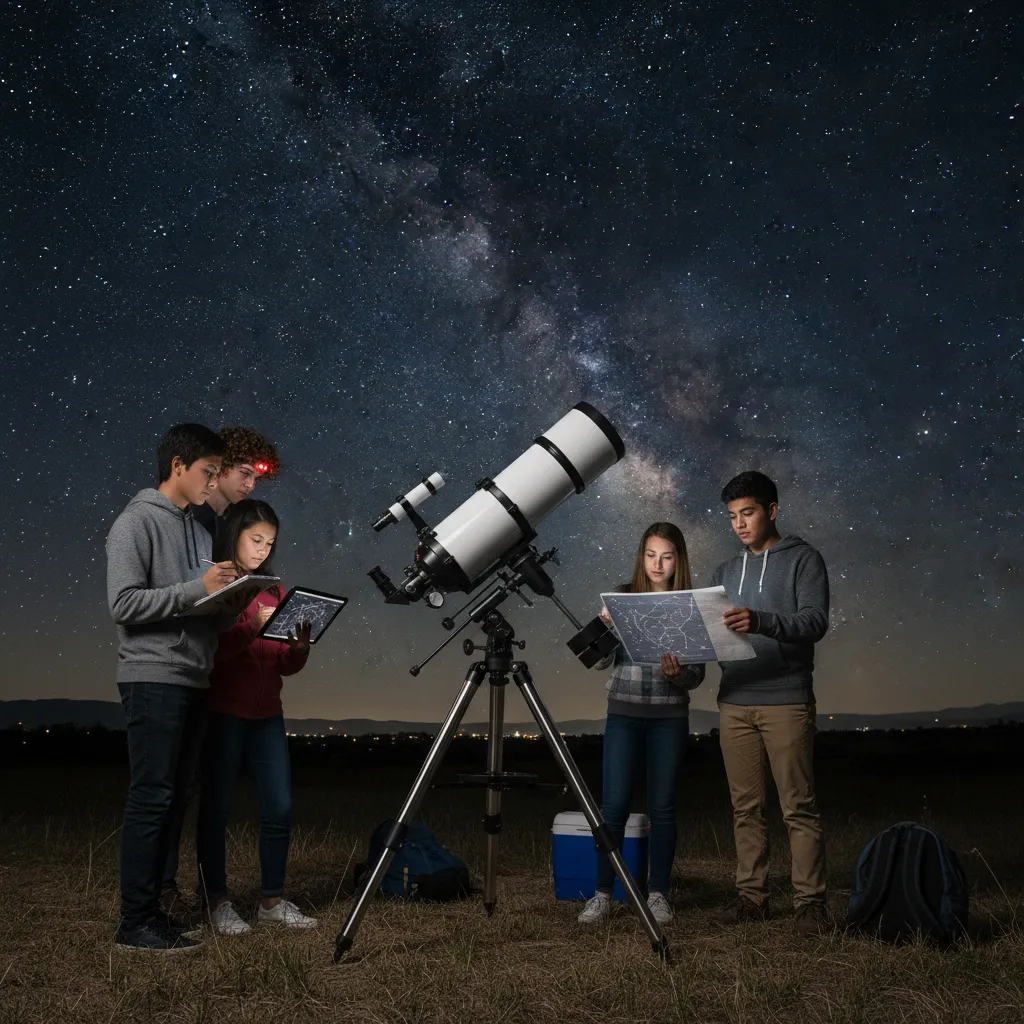
Matariki provides a perfect context for physics and earth and space science standards. Students can study the heliacal rising of stars and how celestial navigation was used by Polynesian voyagers to navigate the Pacific Ocean.
Project Idea: Use software like Stellarium to track the position of the Pleiades cluster relative to the horizon at different times of the year. Have students calculate why Matariki disappears in Autumn and reappears in Winter. This can be expanded into a study of light pollution and its impact on our ability to see the stars, linking to the preservation of dark sky reserves in New Zealand.
Kaitiakitanga: Environmental Action Plans
Aligning with the stars Waitī (freshwater) and Waitā (saltwater), secondary students can undertake significant environmental audits. Instead of just learning about the environment, they should act on it.
Action Steps:
1. Stream Testing: Visit a local awa (river) to test water quality (pH, nitrates, clarity).
2. Biodiversity Survey: Catalog bird species in the school grounds (Tupu-ā-rangi).
3. Proposal: Have students write a formal proposal to the Board of Trustees or local council suggesting improvements for local biodiversity, such as planting native trees or installing predator traps.
Toi Māori and Visual Narrative
In Visual Arts and Design, students can explore contemporary Māori art that references Matariki. Assignments can involve creating large-scale murals or digital art installations that tell the story of the local iwi (tribe) regarding Matariki. This requires students to engage with local history and consult with mana whenua to ensure stories are depicted accurately and respectfully.
How to Engage Whānau in School Celebrations
Schools are the hubs of their communities, and Matariki is the ideal time to strengthen the bond between school and home. Successful engagement moves beyond inviting parents to watch; it involves them in the participation.
The School Hākari (Feast)
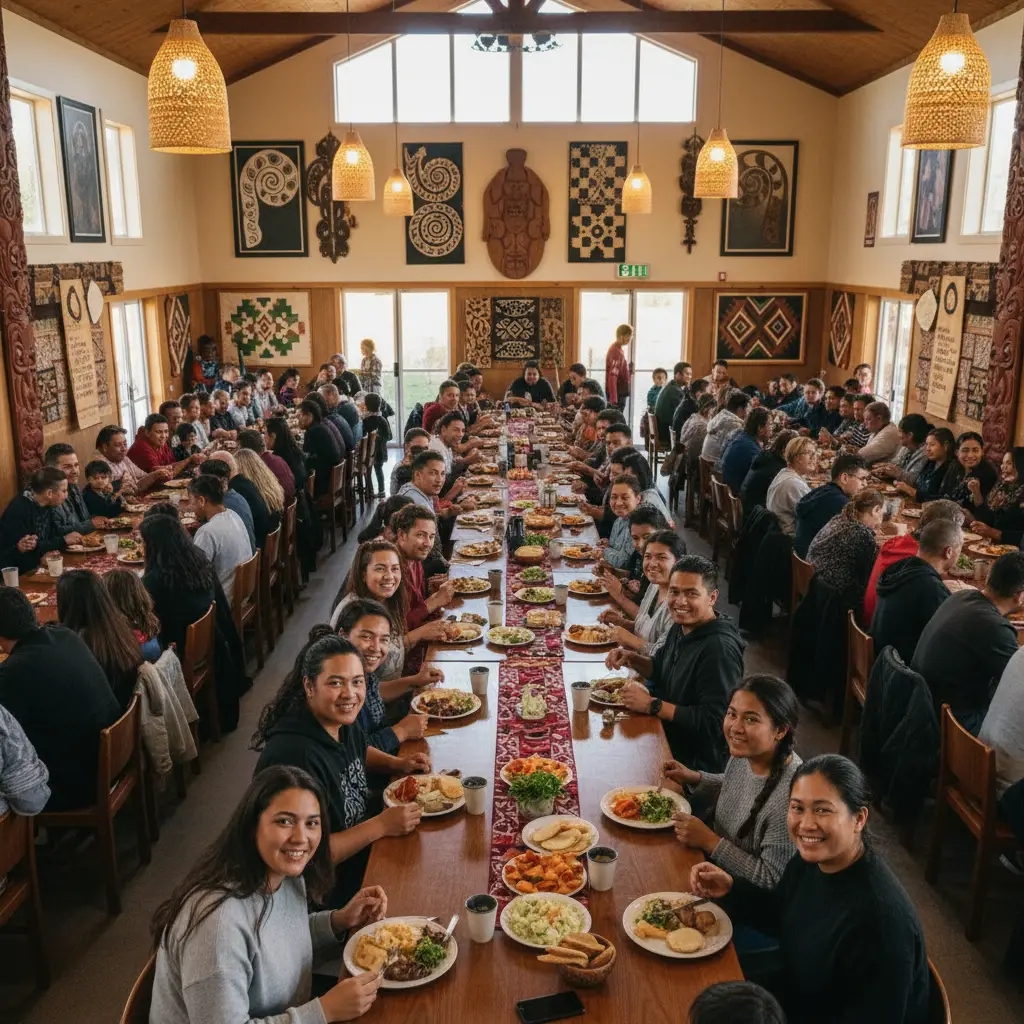
The culmination of Matariki is often a shared meal. Organize a breakfast or evening soup night where whānau are invited. The key is to have the students prepare and serve the food, demonstrating service to their elders. During the meal, student work—such as the kites, art, or writing about their goals—should be on display.
Remembrance Walls
Create a “Wall of Remembrance” (linked to Pōhutukawa) in the school hall. Invite families to bring photos or write names of loved ones who have passed away in the previous year. This acknowledges the grief within the community and provides a collective space for healing, which is a traditional function of the Matariki period.
Essential Resource Lists for Kaiako (Teachers)
To implement high-quality Matariki activities for schools, teachers need reliable, culturally responsive resources. Below is a curated list of essential tools.
Digital Resources
- Te Papa Tongarewa: Offers extensive downloadable activity books, quizzes, and videos explaining the science and legends of Matariki.
- Science Learning Hub: Provides deep dives into the astronomical and ecological aspects of the Māori New Year.
- Living by the Stars: Professor Rangi Mātāmua’s resource hub is the authoritative source on Matariki knowledge.
Books for the Classroom
- Matariki: The Star of the Year by Rangi Mātāmua (Essential for teacher knowledge).
- The Seven Kites of Matariki by Calico McClintock (Great for Primary).
- Daniel’s Matariki Feast by Rebecca Beyer and Linley Wellington (Great for ECE/Junior Primary).
By utilizing these resources and activities, schools can ensure that their Matariki celebrations are not only fun but deeply meaningful, fostering a generation of tamariki who are connected to the land, the stars, and each other.
People Also Ask
What are the 3 main themes of Matariki?
The three main themes of Matariki are remembering the past (honoring those who have died since the last rising), celebrating the present (gathering with family and friends to share food and gratitude), and looking to the future (planning for the year ahead and setting new goals).
How do you explain Matariki to a child?
You can explain Matariki to a child as the Māori New Year. It is a special time when a group of stars rises in the winter sky. It signals a time to snuggle up, tell stories, remember people we love, eat yummy food together, and make wishes for the coming year.
What crafts can you do for Matariki?
Popular Matariki crafts include making Manu Aute (kites), weaving flax stars (whetū), painting rocks with star constellations, creating lanterns to light up the dark winter nights, and creating collages representing the nine stars of the cluster.
What is the Matariki star for wishing?
The Matariki star associated with wishing is Hiwa-i-te-rangi. It is the star to which people send their dreams and desires for the year ahead. In schools, this is often celebrated by having children write down their goals or wishes on paper stars.
Why is Matariki important in schools?
Matariki is important in schools because it acknowledges the indigenous culture of Aotearoa, New Zealand. It provides a unique opportunity to teach local history, astronomy, and environmental science while fostering community spirit and cultural identity among students of all backgrounds.
What food is traditionally eaten during Matariki?
Traditional foods eaten during Matariki include kumara, fish, birds, and eels—foods that are harvested from the earth (Tupu-ā-nuku) and the sky/trees (Tupu-ā-rangi). Modern celebrations often involve a Hāngī or a potluck meal featuring seasonal winter vegetables and warm comfort foods.