
Matariki resources for schools encompass a wide range of educational materials, including lesson plans, visual aids, and interactive activities designed to integrate the Māori New Year into the New Zealand Curriculum. These resources focus on the nine stars of Matariki, environmental stewardship, and cultural history to foster deep understanding and community connection.
As Aotearoa New Zealand embraces Matariki as a public holiday, the demand for high-quality, authentic educational materials has surged. Educators and workplace leaders alike are seeking ways to honor this significant event with cultural integrity. Whether you are a teacher looking for curriculum-aligned activities or a business leader aiming to implement culturally responsive policies, having the right resources is essential for meaningful engagement.
Integrating Matariki into the NZ Curriculum
The inclusion of Matariki in the school calendar offers a unique opportunity to weave Mātauranga Māori (Māori knowledge) through various learning areas. Effective Matariki resources for schools are not isolated worksheets but are tools that bridge indigenous knowledge with standard curriculum objectives.
Social Sciences and Aotearoa New Zealand’s Histories
Matariki provides a tangible entry point into Aotearoa New Zealand’s histories. Resources in this domain should focus on the historical significance of the star cluster for navigation and agriculture. Teachers can utilize timeline resources to show how pre-colonial Māori used the rising of Matariki to determine crop planting seasons. This connects directly to the curriculum’s focus on ‘Turangawaewae’ (place and belonging) and the relationship between people and the land.
Science and Astronomy (Pūtaiao)
The study of the Matariki star cluster (Pleiades) is a natural fit for the science curriculum. Resources here should move beyond simple identification. High-quality educational packs include star charts that explain the specific environmental domain of each star. For example:
- Waipuna-ā-rangi: Associated with rain. Lesson plans can involve the water cycle and weather patterns.
- Tupu-ā-nuku: Connected to food grown in the ground. This links to biology, soil science, and botany.
- Ururangi: Associated with the winds. This provides a basis for studying meteorology and aerodynamics.
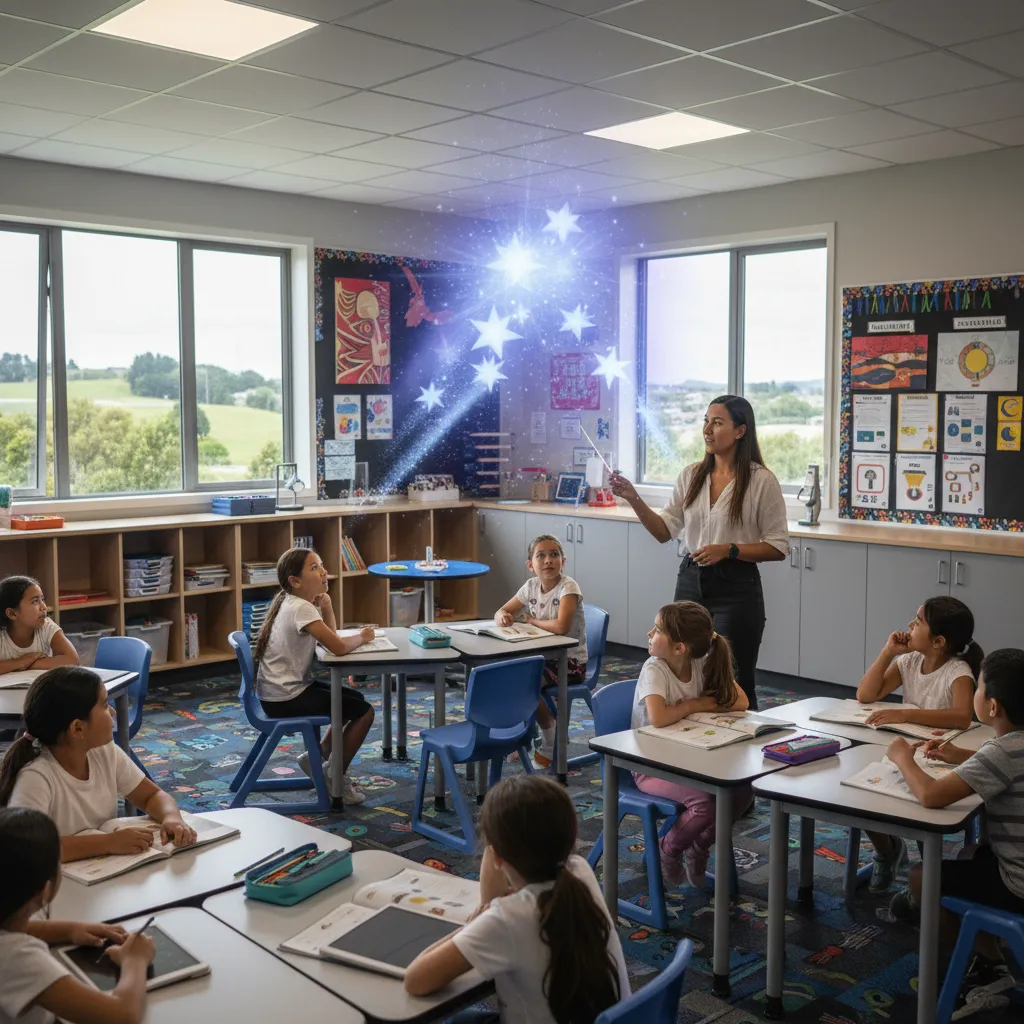
The Arts (Ngā Toi)
Visual and performing arts are powerful vehicles for expressing the themes of Matariki: remembrance, celebrating the present, and looking to the future. Curriculum resources often include templates for Manu Tukutuku (kites), which were traditionally flown to connect the heavens and earth. Furthermore, resources for learning waiata (songs) and haka related to the New Year help preserve oral histories and improve Te Reo Māori proficiency.
Practical Classroom Activities by Age Group
To effectively utilize Matariki resources for schools, educators need age-appropriate adaptations. What resonates with a five-year-old in ECE will differ significantly from a Year 13 student conducting independent research.
Early Childhood Education (ECE)
For the youngest learners, resources should be sensory and narrative-based. Storybooks that personify the stars help children memorize the names and meanings. Activities include:
- Star Weaving: Using harakeke (flax) or paper to weave simple stars (whetū).
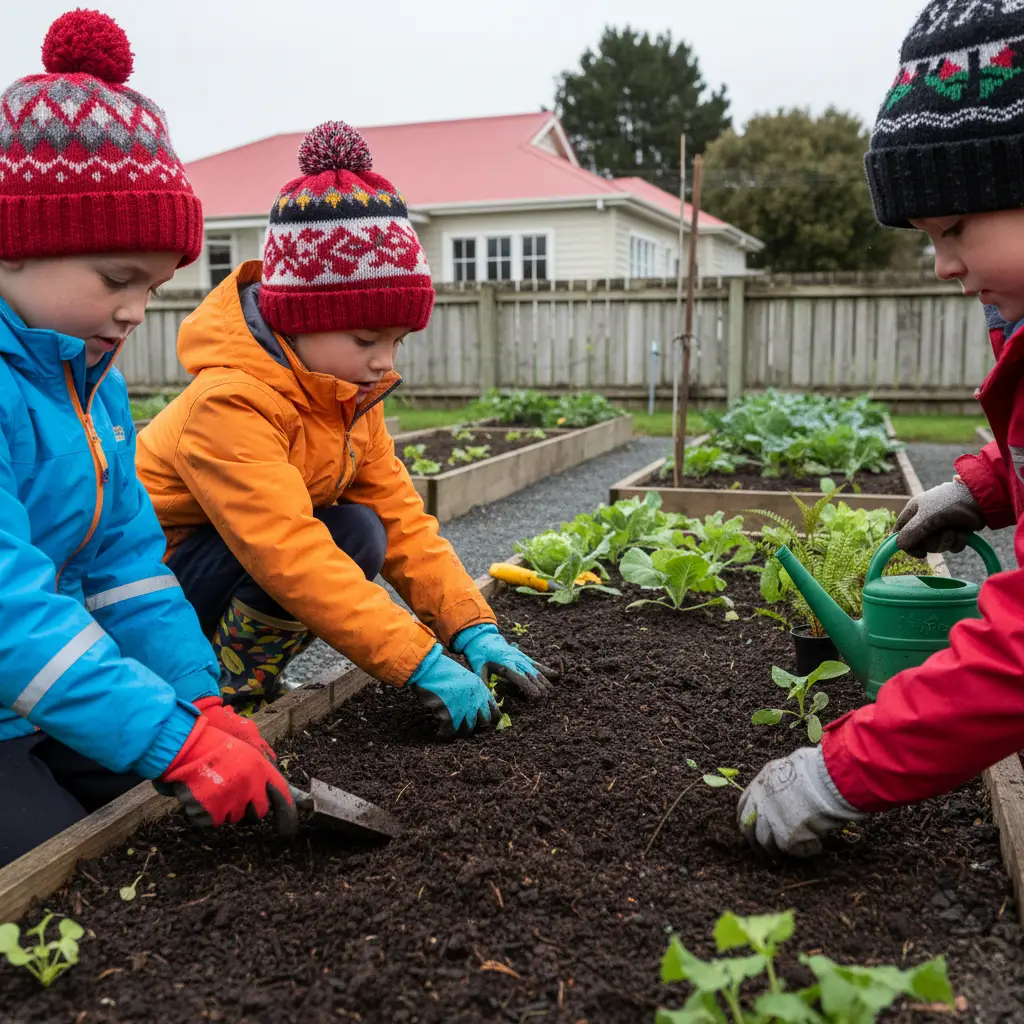
- Vegetable Gardening: Planting kumara or winter vegetables to honor Tupu-ā-nuku and Tupu-ā-rangi.
- Sensory Bins: Creating bins representing the domains of the stars (e.g., water for Waitī and Waitā).
Primary and Intermediate
At this level, students can engage with more complex concepts regarding the environment and sustainability. Resources should encourage inquiry-based learning.
Activity Idea: The Hāngī Process. While digging a real earth oven might not be feasible for every school, resources that explain the science of heat retention in stones and the biology of the food cooked can be very effective. Students can design their own ‘harvest feast’ menus based on seasonal availability.
Secondary Schools
For secondary students, Matariki resources should challenge them to apply indigenous knowledge to modern problems. Research projects might investigate how the maramataka (Māori lunar calendar) can inform modern conservation efforts or agricultural practices. This aligns with NCEA standards in Science, Geography, and Sustainability.
Matariki in the Workplace: Policy & Culture
Matariki is not solely an educational event; it is a national marker of cultural identity that extends into the corporate and public sectors. Developing a workplace policy for Matariki goes beyond granting a public holiday; it involves creating an environment of cultural competency.
Creating a Culturally Responsive Environment
Workplaces should utilize resources that educate staff on why the holiday exists. This prevents the day from becoming ‘just another day off.’ Effective strategies include:
- Internal Workshops: Bringing in local iwi representatives or cultural advisors to speak about the local significance of Matariki.
- Correct Pronunciation Guides: distributing digital or audio resources that help staff pronounce ‘Matariki’ and the names of the stars correctly.
- Reflection Spaces: Designating a time or space for staff to reflect on those who have passed away in the previous year (Pōhutukawa), a core tenet of Matariki.
Celebrating as a Team
Shared kai (food) is central to Matariki. Workplaces can organize a shared lunch where the focus is on sustainable, locally sourced food. Resources for these events might include karakia (blessings) for food that can be printed and shared, allowing all staff to participate in the protocol comfortably.

Community Engagement and Whānau Events
Schools act as hubs for their communities. Matariki resources for schools often extend to planning guides for whānau (family) events. These events strengthen the bond between the school and the wider community.
Hosting a Matariki Breakfast or Evening
Because Matariki is best viewed in the pre-dawn sky, many schools host early morning breakfasts. Key resources for planning these events include:
- Sky Charts: Guides on where to look on the horizon to spot the cluster.
- Tikanga Guides: Protocols for welcoming the sun and reciting karakia.
- Logistical Checklists: Ensuring health and safety during low-light events.
These events provide a platform for students to showcase their learning, performing kapa haka or displaying their artwork to parents and elders.
Essential Downloadable Assets and Digital Tools
In the digital age, access to high-quality, verified assets is crucial for teachers and employers. When searching for Matariki resources for schools, prioritize sources that are authenticated by iwi or recognized educational bodies.
Recommended Resource Types
- Te Papa Tongarewa: The national museum offers extensive downloadable activity books and high-resolution images of the stars.
- Ministry of Education (Kauwhata Reo): Provides curriculum-aligned lesson plans specifically for Māori medium and English medium schools.
- Interactive Apps: There are several augmented reality (AR) apps available that allow students to point tablets at the sky (or the classroom ceiling) to identify stars and hear their stories.

By utilizing these diverse Matariki resources for schools and workplaces, we ensure that the holiday remains a meaningful, educational, and culturally enriching experience for all New Zealanders. Whether through a science lesson on astronomy, a workplace reflection session, or a community breakfast, the principles of Matariki—remembrance, celebrating the present, and planning for the future—are brought to life.
People Also Ask
What are the 3 main themes of Matariki?
The three main themes of Matariki are remembering the past (honoring those who have died), celebrating the present (gathering with family and friends to share food), and looking to the future (planning for the year ahead and setting goals).
How can schools celebrate Matariki?
Schools can celebrate by integrating Matariki into the curriculum through astronomy and history lessons, hosting pre-dawn viewing events, organizing hāngī or shared breakfasts, learning Matariki waiata (songs), and creating visual art like kites (manu tukutuku).
What are the 9 stars of Matariki and their meanings?
The nine stars are: Matariki (health/wellbeing), Pōhutukawa (the dead), Tupu-ā-nuku (food from the ground), Tupu-ā-rangi (food from the sky/trees), Waitī (freshwater), Waitā (saltwater), Waipuna-ā-rangi (rain), Ururangi (wind), and Hiwa-i-te-rangi (wishes/aspirations).
Is Matariki a religious holiday?
Matariki is not a religious holiday in the western sense; it is a cultural and environmental observation based on the Māori lunar calendar (Maramataka). However, it involves spiritual elements such as karakia (prayer) and honoring ancestors.
Where can I download free Matariki resources?
Free, high-quality Matariki resources can be downloaded from Te Papa Tongarewa’s website, the Ministry of Education’s TKI or Kauwhata Reo sites, and the official ‘Matariki.com’ portal, which offers verified educational packs.
How do you explain Matariki to a child?
You can explain Matariki to a child as the Māori New Year, marked by a group of twinkling stars appearing in the winter sky. It is a special time to say goodbye to sad memories, share yummy food with family, and make wishes for the coming year.