To buy Matariki books that are culturally authentic and educational, prioritize works by recognized Māori authors like Dr Rangi Mātāmua and Kat Quin. Whether purchasing illustrated picture books for tamariki or scholarly guides for adults, look for titles that accurately depict the nine stars of the cluster and their significance to the Māori New Year celebrations in Aotearoa.
As Aotearoa New Zealand embraces Matariki as a public holiday, the demand for high-quality literature surrounding the Māori New Year has skyrocketed. Whether you are a teacher looking to resource your classroom, a parent wanting to introduce your children to the stars, or an adult seeking a deeper understanding of indigenous astronomy, finding the right resources is crucial. This guide provides a comprehensive overview of the best titles available and advises on where to buy Matariki books to support local and Māori-owned businesses.

Top Picture Books for ECE and Primary Schools
When looking to buy Matariki books for younger readers, the focus should be on engaging illustrations and narratives that simplify complex astronomical concepts into digestible stories. The best books for Early Childhood Education (ECE) and primary school students often weave the legend of the star cluster with themes of whānau (family), Matariki Dinner Bookings, and remembrance.
Essential Titles for Tamariki
For parents and educators, the following titles are considered staples in any Matariki collection. These books not only tell stories but often include Te Reo Māori vocabulary, helping to normalize the language for the next generation.
- “The Little Kiwi’s Matariki” by Nikki Slade Robinson: This is a perennial favorite in New Zealand classrooms. It follows the journey of a Kiwi waking up the forest animals to celebrate the rising of the star cluster. It is an excellent entry point for ECE aged children due to its gentle narrative and soft illustrations.
- “Twinkle Twinkle Matariki” by Rebecca Larsen: A creative spin on the classic nursery rhyme, this book is often sold with a CD or digital download of the song. It introduces the specific names of the stars in the cluster, making it a fantastic memorization tool for primary students.
- “Flit the Fantail and the Matariki Map” by Kat Quin: Part of the popular ‘Flit’ series, this book combines native bird life with the Interactive Night Sky Map Tool: Locate Matariki Now, offering a distinctively Kiwi flavor to the New Year narrative.
Bilingual Options and Te Reo Māori Resources
Investing in bilingual books is a powerful way to support language revitalization. Many modern publications offer text in both English and Te Reo Māori on the same page. When you buy Matariki books with bilingual text, you provide a resource that grows with the child’s language capability. Titles like “Ngā Whetū o Matariki” (The Stars of Matariki) specifically focus on the names and domains of each star (e.g., Waitī & Waitā: Guardians of the Water), providing a structured learning path for children.

Non-Fiction Guides for Teachers and Adults
While children’s books focus on storytelling, the adult market for Matariki literature has matured significantly. There is a strong commercial intent among educators and history enthusiasts to find books that offer astronomical accuracy and deep cultural context.
The Authority: Dr Rangi Mātāmua
It is impossible to discuss buying Matariki books without highlighting the work of Dr Rangi Mātāmua. As the preeminent expert on Māori astronomy, his works are the gold standard for accuracy.
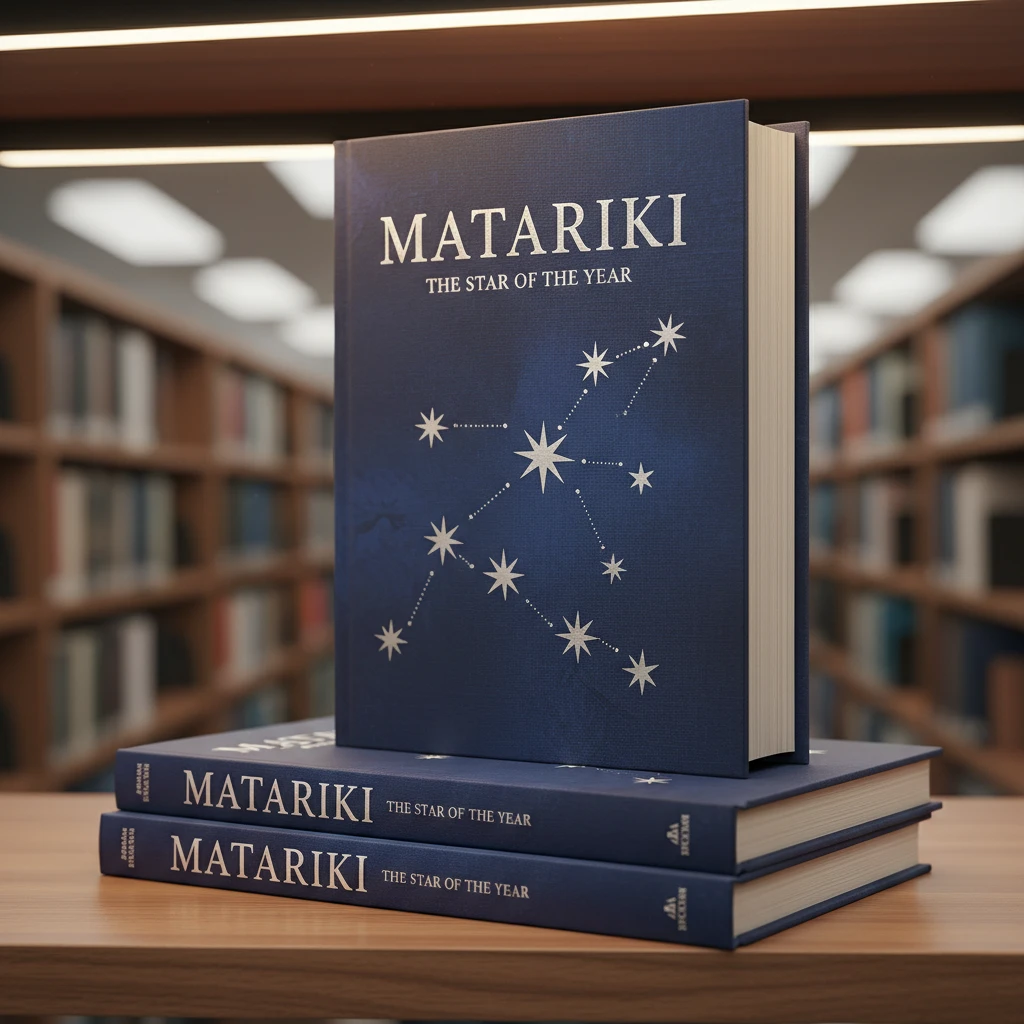
“Matariki: The Star of the Year” is the essential text for anyone serious about the subject. Unlike lighter guides, this book delves into the historical records, the specific astronomical positioning of the stars, and the regional variations in how iwi (tribes) celebrate the event. For teachers planning a curriculum, this book serves as the foundational reference text to ensure all information passed to students is factually and culturally correct.
Teacher Resource Packs
Beyond standard books, many educational retailers sell “Teacher Resource Packs.” These often contain a combination of a core text (like Mātāmua’s work) accompanied by lesson plans, activity sheets, and wall charts. When looking to buy Matariki books for a school setting, consider these bundles as they offer better value and immediate practical application in the classroom.
How to Choose Authentic Matariki Literature
With the commercialization of Matariki, the market has seen an influx of products. Not all are created equal. When you prepare to buy Matariki books, apply a critical lens to ensure you are supporting authentic indigenous voices.
Check the Authorship
The most important factor is the author’s background. Is the author Māori, or have they collaborated closely with Māori advisors? Books written by Māori authors are more likely to contain the nuances of Tikanga (customs) and accurate Matauranga Māori (Māori knowledge). For instance, the distinction between the seven-star and nine-star versions of the cluster is a significant detail that authentic authors will address correctly (acknowledging Pōhutukawa and Hiwa-i-te-rangi).
Visual Authenticity
Review the illustrations. Authentic books will depict traditional clothing, carvings, and the natural environment of Aotearoa accurately. Avoid books that use generic “tribal” patterns that do not reflect genuine Māori toi (art). High-quality books often credit the illustrator and their iwi affiliations, adding a layer of provenance to the work.
Where to Buy: Local Bookstores vs Online
Deciding where to buy Matariki books can be as important as which books to buy. Your purchasing power can support the local economy and Māori business ecosystem.
Support Independent and Māori-Owned Bookstores
Independent bookstores in New Zealand, such as Unity Books (Wellington/Auckland) or Time Out Bookstore (Mt Eden), often curate their Matariki collections with great care. Staff at these locations generally possess deep knowledge of the current literary landscape and can make personalized recommendations.
Furthermore, seeking out Māori-owned retailers or online stores like Ahikaaroa or Huia Publishers ensures that the profits from your purchase go directly back into the community that holds this knowledge. Huia Publishers, in particular, is a cornerstone of Māori literature, and buying directly from them supports the production of future indigenous stories.
Major Retailers and Online Giants
For convenience and competitive pricing, major chains like Whitcoulls and Paper Plus stock extensive ranges of Matariki titles during the winter months. They often have “3 for 2” deals which are excellent for schools or libraries looking to buy in bulk.
Online giants like Mighty Ape and Fishpond offer vast catalogs and user reviews, which can be helpful if you are trying to gauge the popularity of a specific title. However, be wary of international retailers (like Amazon) who may stock print-on-demand titles that lack cultural verification. Always cross-reference the ISBN or author on a local site before purchasing from an international platform.
Reviews of Popular Titles
To assist you in your decision to buy Matariki books, here is a deeper dive into three specific titles catering to different audiences.
1. “Matariki” by Gavin Bishop
Target Audience: All Ages / Coffee Table
Gavin Bishop is one of New Zealand’s most celebrated illustrators. His book on Matariki is a visual masterpiece. It is simple enough for children to enjoy the imagery but profound enough for adults to appreciate the artistic representation of the atua (gods) and the stars. The text is sparse but impactful, making it a great discussion starter. Verdict: A must-buy for visual learners and art lovers.
2. “The Seven Kites of Matariki” by Calico McClintock
Target Audience: Primary School (Ages 5-9)
This book takes a mythological approach, telling a story about seven sisters and their kites. While it leans into the “seven stars” tradition (which is common in some iwi variations), it is a beautiful narrative about craft and the heavens. Verdict: Excellent for integrating arts and crafts lessons with reading, as children can make their own kites (manu tukutuku) after reading.
3. “Living by the Stars” by Dr Rangi Mātāmua
Target Audience: Adults / Advanced Students
Following his seminal work, this book is more accessible and focuses on the practical application of Māori astronomy in daily life. It discusses how the stars influence gardening, fishing, and social structures. If you want to move beyond just “knowing the names” of the stars to “living” the principles of Matariki, this is the book to buy. Verdict: The best purchase for those seeking deep cultural connection and lifestyle application.
People Also Ask (PAA)
What is the best Matariki book for toddlers?
For toddlers, board books are the best option. Titles like “My First Words: Matariki” or simple illustrated books by Nikki Slade Robinson are ideal because they use durable materials, bright colors, and very simple language to introduce the basic concept of the stars without overwhelming the child.
Where can I buy Matariki books in Te Reo Māori?
You can buy Matariki books written entirely in Te Reo Māori from specialized publishers like Huia Publishers, or from educational resource centers. Most major NZ bookstores also have a dedicated “Māori Language” section where these titles are stocked.
How much do Matariki books typically cost?
Children’s picture books generally range from $20 to $30 NZD. Hardcover non-fiction or coffee table books for adults can range from $40 to $70 NZD. Educational resource packs for teachers may cost upwards of $50 depending on the materials included.
Are there Matariki books suitable for high school students?
Yes. High school students should look toward Dr Rangi Mātāmua’s “Matariki: The Star of the Year.” Additionally, graphic novels or young adult fiction that incorporate Māori mythology offer engaging ways for teenagers to connect with the themes of the New Year.
Do I need to buy a book to learn about the 9 stars of Matariki?
While there are free online resources, buying a book like “Matariki: The Star of the Year” provides a depth of knowledge, diagrams, and cultural context that is often missing from short online articles. Books provide a comprehensive reference that ensures you are learning the correct names and associations for all nine stars.
What is the difference between the 7 stars and 9 stars in books?
Historically, some observers could only see seven stars, while others with keener eyesight or different vantage points could see nine. Modern authoritative texts, particularly those by Dr Rangi Mātāmua, emphasize the nine stars (Matariki, Pōhutukawa, Tupuānuku, Tupuārangi, Waitī, Waitā, Waipuna-ā-rangi, Ururangi, and Hiwa-i-te-rangi). When you buy Matariki books, newer editions will typically reference all nine.