Matariki songs for kids, known as waiata, are vital educational tools used to celebrate the Māori New Year in Aotearoa. These songs utilize catchy melodies, repetition, and hand actions to teach children the names of the nine stars, the significance of remembrance and harvest, and the values of whanaungatanga (family connection) and kaitiakitanga (guardianship).
The Significance of Waiata During Matariki
In the context of the Māori New Year, waiata (songs) serve a function far beyond simple entertainment. They are vehicles for transmitting knowledge, history, and tribal identity. For children in New Zealand, learning Matariki songs is often their primary gateway into understanding the astronomical and cultural significance of the holiday. The oral tradition of Māori culture relies heavily on moteatea (laments) and waiata to preserve whakapapa (genealogy) and knowledge of the natural world.
When educators and parents introduce Matariki songs for kids, they are participating in a revitalization of indigenous knowledge. These songs provide a structured, rhythmic way to memorize complex information—such as the specific domains of the different stars within the cluster—while simultaneously normalizing the use of Te Reo Māori in everyday settings. Whether in early childhood centers, primary schools, or living rooms, the act of singing brings the community together to reflect on the past year and plan for the one ahead.
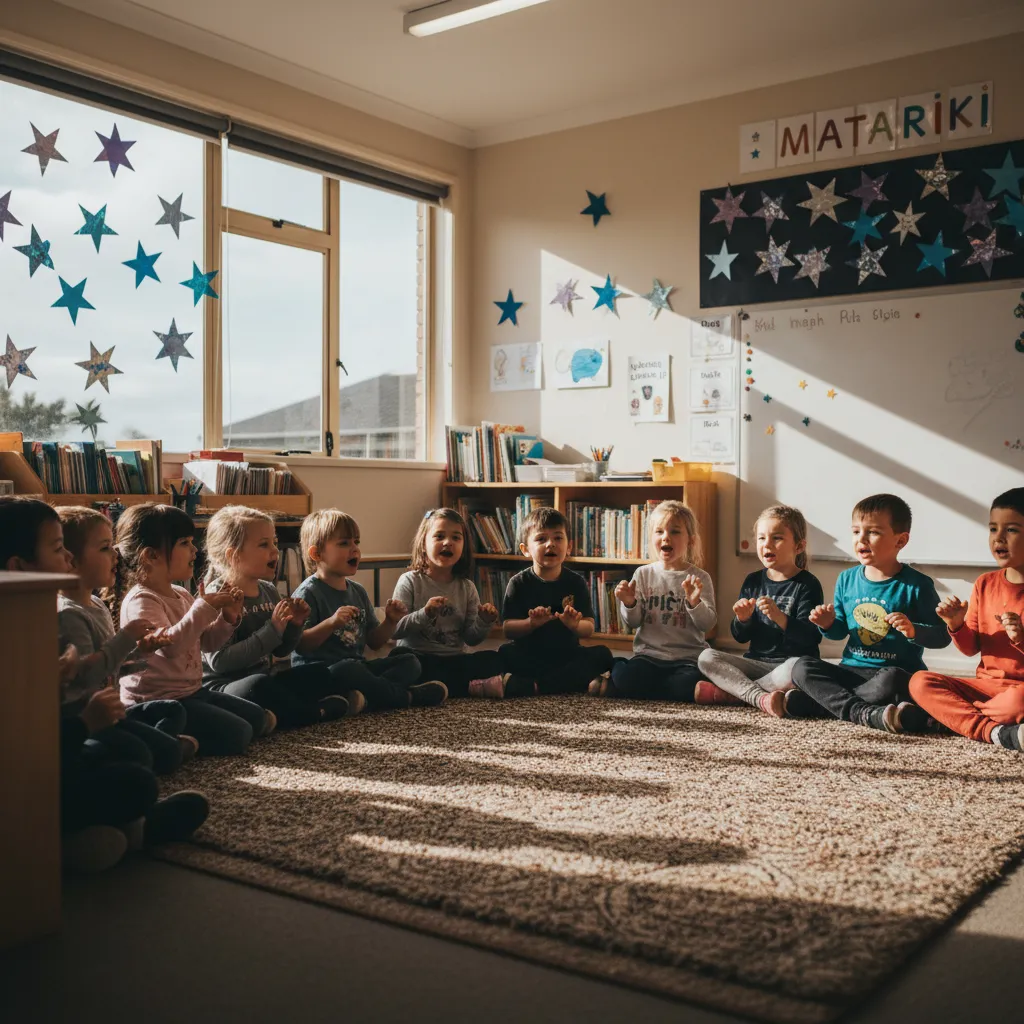
Popular Matariki Waiata with Lyrics and Translations
To effectively teach Matariki, it is essential to have a repertoire of songs that range from traditional to contemporary. Below are detailed breakdowns of popular waiata used in schools across Aotearoa, including their lyrics and English translations to ensure the meaning is conveyed alongside the melody.
1. Ngā Tamariki o Matariki (The Children of Matariki)
This is perhaps the most widely recognized song for teaching the names of the stars. It personifies the stars as children, making the concept relatable for young learners. It is often sung to a slow, melodic tune that allows for clear pronunciation.
Lyrics (Te Reo Māori):
Tīrama, tīrama, ngā whetū
Kei runga ake, kei te rangi
Ko Matariki te whaea
O ngā tamariki e whitu
Tupuānuku, Tupuārangi
Waitī, Waitā
Waipuna-ā-rangi
Ururangi e.
Translation (English):
Twinkle, twinkle, little stars
Up above in the sky
Matariki is the mother
Of the seven children
Tupuānuku, Tupuārangi
Waitī, Waitā
Waipuna-ā-rangi
Ururangi.
Note: While this version lists seven stars (based on the traditional view visible to the naked eye in some areas), modern education often includes Pōhutukawa and Hiwa-i-te-rangi to complete the nine stars.
2. Te Iwa o Matariki (The Nine Stars of Matariki)
As the understanding of Matariki deepens, songs that explicitly name all nine stars have become crucial. This waiata is upbeat and often accompanied by counting on fingers to help children track the stars.
Lyrics (Te Reo Māori):
Ko Matariki te whetū (Matariki is the star)
Hei arataki e (To guide us)
Pōhutukawa, Tupuānuku (Names of stars)
Tupuārangi, Waitī, Waitā
Waipuna-ā-rangi, Ururangi
Hiwa-i-te-rangi
Ko te kāhui o Matariki (The constellation of Matariki).
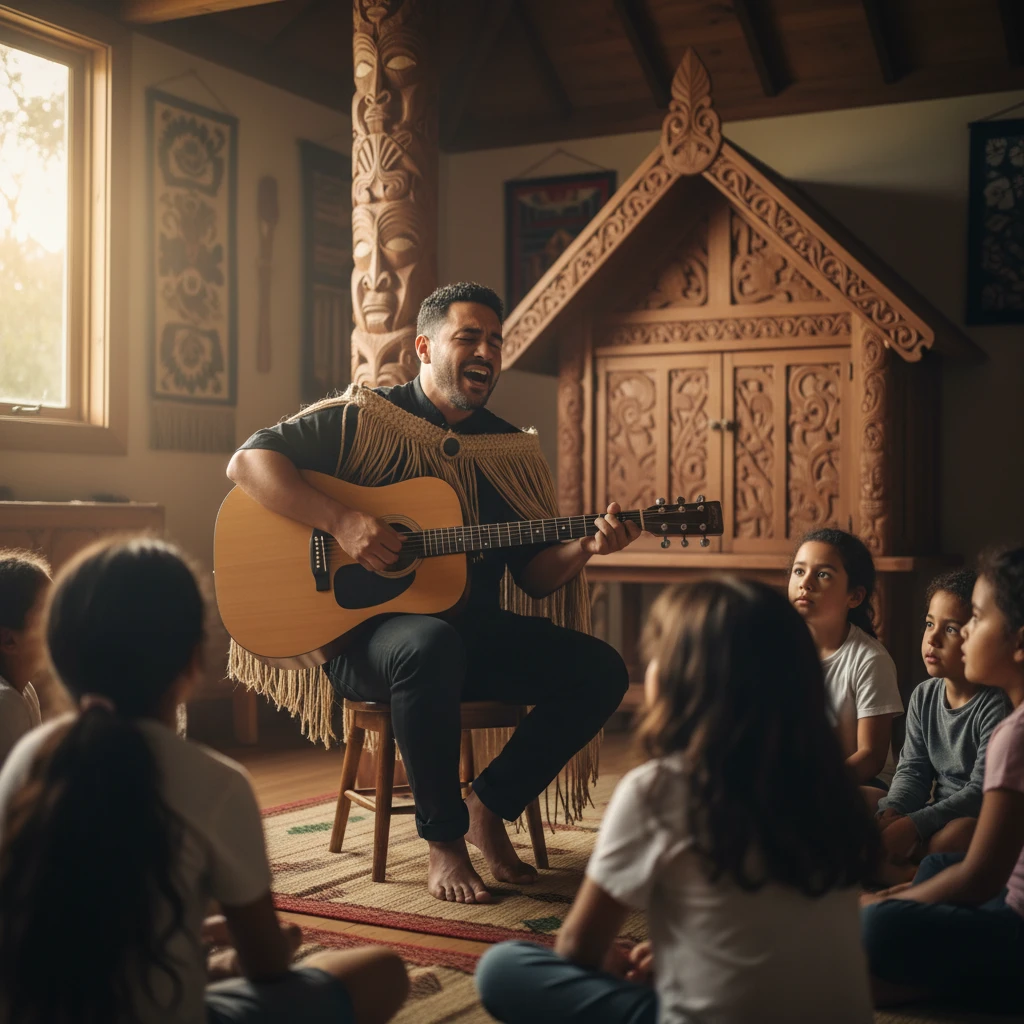
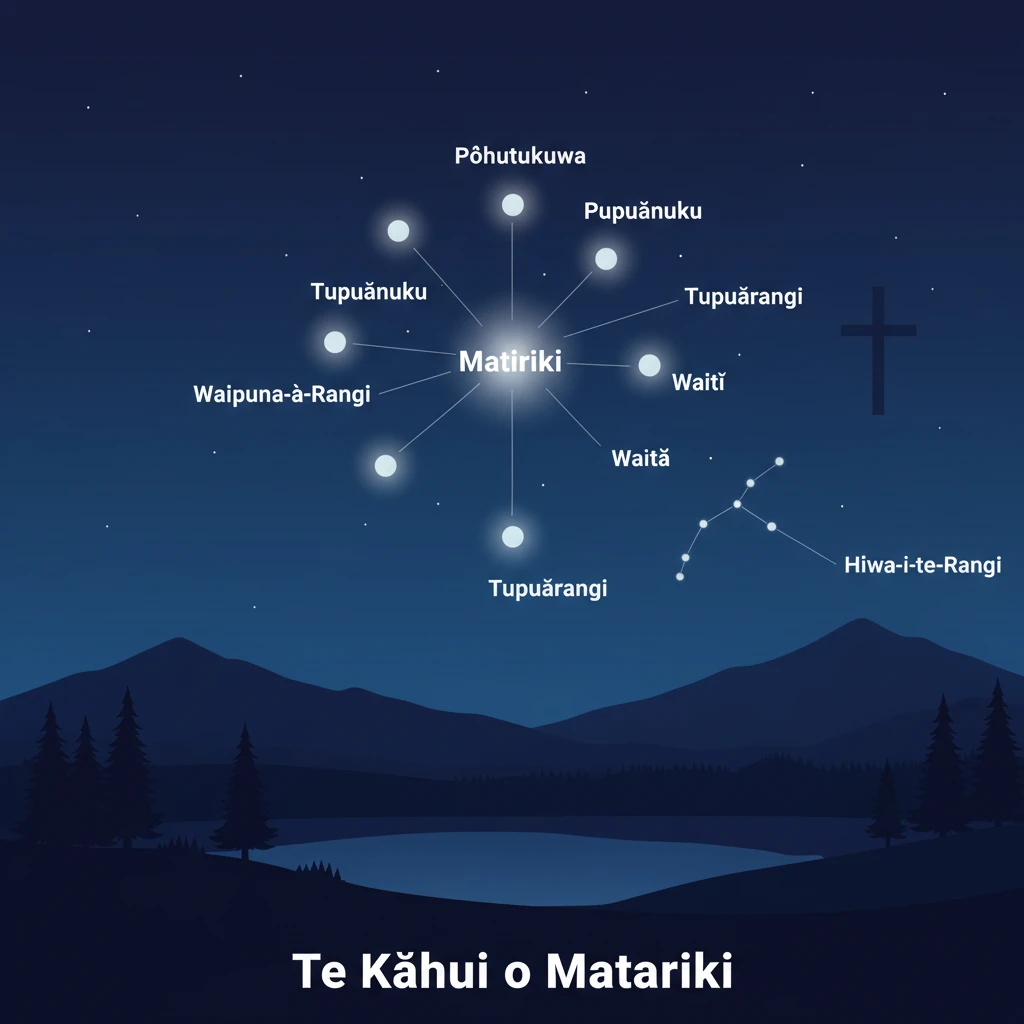
Using Songs to Teach the Nine Stars
One of the primary challenges in teaching Matariki is helping children distinguish between the different stars and their specific environmental responsibilities. Music acts as a mnemonic device. When selecting Matariki songs for kids, look for lyrics that associate the star name with its domain.
Connecting Stars to Domains through Verse
Effective teaching strategies involve breaking down the song verse by verse and discussing the meaning before singing. Here is how you can map the stars to learning themes within waiata:
- Tupuānuku: Associated with food from the earth. Songs often mention kumara or gardens in verses related to this star.
- Tupuārangi: Associated with food from the sky (birds/berries). Look for references to ‘manu’ (birds) or ‘ngahere’ (forest).
- Waitī: Fresh water. Lyrics may mimic the flow of rivers or mention ‘awa’.
- Waitā: Salt water. Actions often involve wave motions or references to ‘moana’ (ocean).
- Waipuna-ā-rangi: Rain. Songs often use finger actions dropping down to simulate rain.
- Ururangi: Wind. High energy verses often represent the winds.
- Pōhutukawa: Remembrance. These verses are usually slower and more reflective, honoring those who have passed.
- Hiwa-i-te-rangi: The wishing star. These parts of the song are aspirational, asking children to think of their dreams.
By explaining these associations, the song transforms from a simple melody into a lesson on environmental science and geography.
Action Songs for Kōhungahunga (Preschoolers)
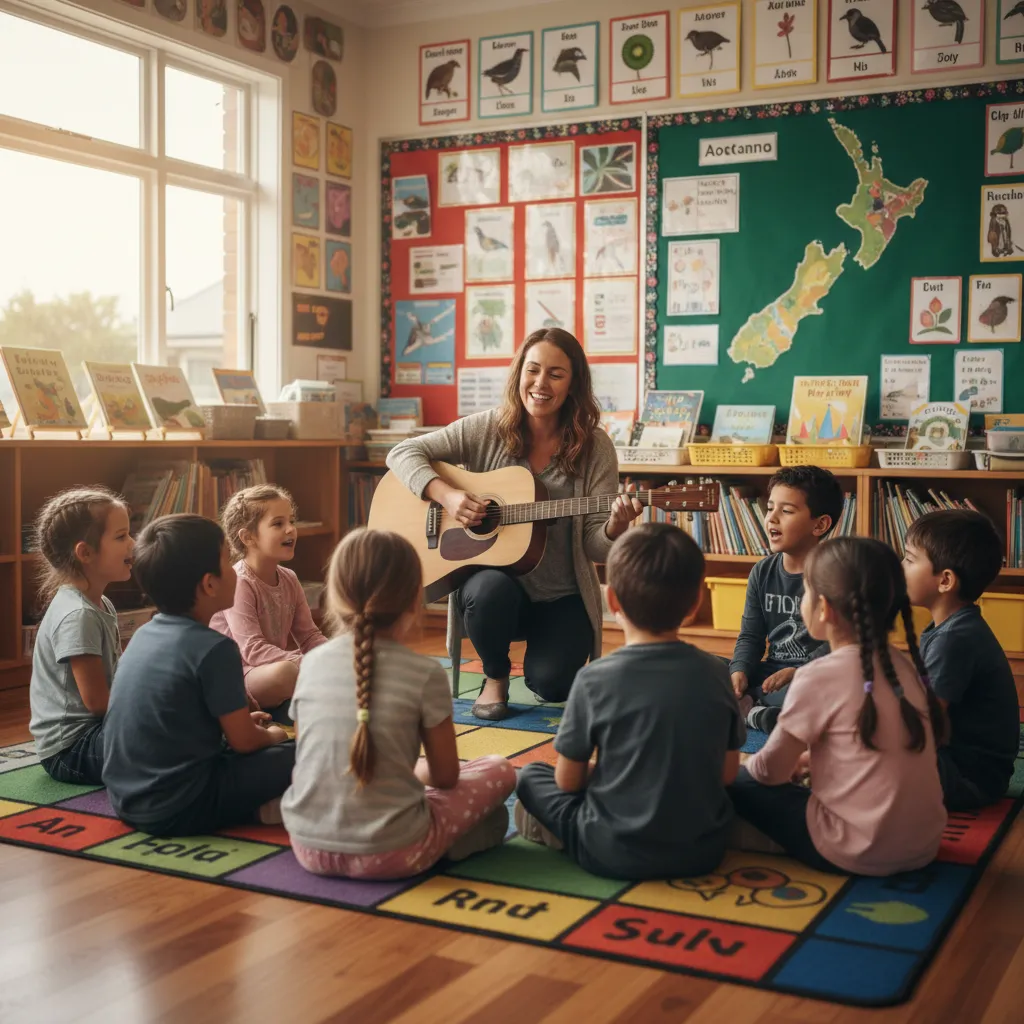
For younger children (kōhungahunga), sitting still to memorize lyrics is difficult. Action songs, or waiata-ā-ringa, are essential. The movement helps cement the language acquisition and keeps the energy high.
The Matariki Macarena
A modern adaptation that has taken New Zealand schools by storm is the “Matariki Macarena.” While not a traditional waiata, it is a powerful engagement tool. It utilizes the familiar tune and movements of the Macarena but replaces the Spanish lyrics with the names of the Matariki stars. This bridges the gap between familiar pop culture and Māori tradition.
How to perform it:
Instead of the standard hip movements, teachers encourage children to point to the sky, make star shapes with their hands, and simulate the domains (e.g., swimming motion for Waitā) during the chorus. This kinetic learning style is highly effective for neurodiverse learners and younger toddlers.
Tīrama Tīrama (Twinkle Twinkle)
Using the melody of “Twinkle Twinkle Little Star” makes the Te Reo Māori lyrics accessible because the brain already knows the tune. The actions are simple: opening and closing hands to simulate the twinkling of stars. This is often the first Matariki song introduced in daycare centers.
Resources: Audio and Tutorials
Finding high-quality audio and accurate pronunciation guides is crucial for parents and teachers who may not be fluent in Te Reo Māori. Fortunately, there are several authoritative resources available.
Recommended YouTube Channels and Artists
- Loopy Tunes Preschool Music: A Christchurch-based duo that produces high-quality, bilingual songs specifically for Matariki. Their “Matariki Time” song is a staple in NZ libraries.
- Itohio: This channel provides clear lyric videos for traditional waiata, which is excellent for teachers who want to display lyrics on a smartboard for the class to follow along.
- Stace Robertson: Known for educational content that breaks down the pronunciation of the star names slowly before incorporating them into song.
When searching for these resources, use specific search operators like “Matariki waiata lyrics” or “Matariki action songs for toddlers” to filter out general documentary content.
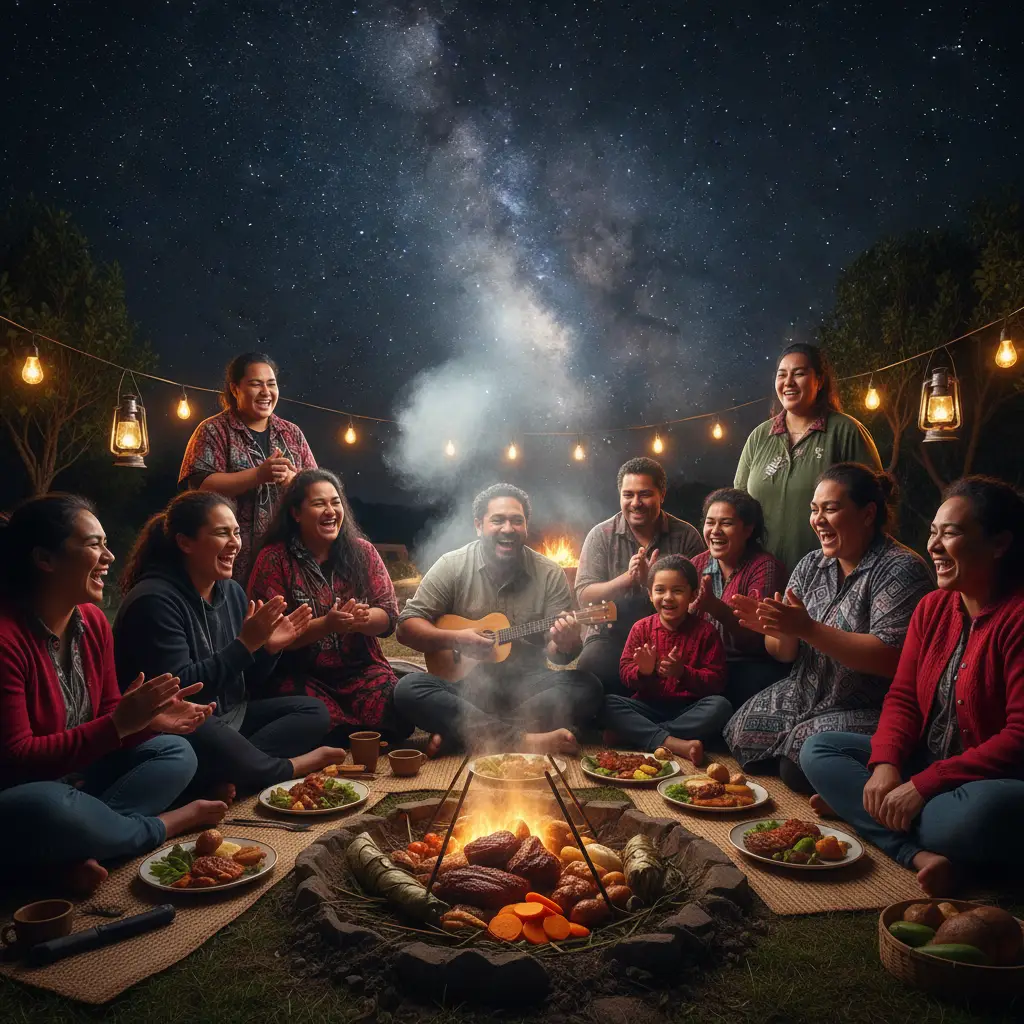
Educational Benefits of Te Reo Māori Songs
Integrating Matariki songs for kids into the curriculum offers benefits that extend beyond the holiday itself. It supports the New Zealand Curriculum’s focus on cultural diversity and inclusion.
Phonological Awareness
Māori is a vowel-heavy language with pure vowel sounds. Singing in Te Reo helps children develop phonological awareness, improving their ability to distinguish sounds, which assists in literacy development in both English and Māori.
Cultural Competence
By singing these songs, children learn to respect and value Māori culture. It normalizes the language, removing barriers and fear of mispronunciation. It fosters a sense of national identity where Matariki is seen not just as a Māori holiday, but as a New Zealand celebration for everyone.
In conclusion, Matariki waiata are the heartbeat of the celebration for children. Through melody, movement, and meaning, they transform ancient astronomical knowledge into accessible, joyful learning experiences that strengthen the fabric of Aotearoa.
What are the 9 stars of Matariki in order?
The nine stars are Matariki, Pōhutukawa, Tupuānuku, Tupuārangi, Waitī, Waitā, Waipuna-ā-rangi, Ururangi, and Hiwa-i-te-rangi. Each star holds dominion over a specific environmental element, such as freshwater, the ocean, or the winds.
How do you teach Matariki to preschoolers?
The best way to teach Matariki to preschoolers is through sensory play and music. Use action songs (waiata-ā-ringa), create star crafts, read picture books, and focus on the concepts of sharing kai (food) and spending time with family.
What is a popular Matariki song for primary schools?
“Ngā Tamariki o Matariki” is widely popular in primary schools. It is melodic and lists the stars, making it easy for children to memorize the names. Another popular choice is the “Matariki Macarena” for a fun, active alternative.
Why do we sing waiata during Matariki?
Singing waiata is a form of oral tradition that preserves history and knowledge. During Matariki, songs are used to bid farewell to the past year, honor those who have passed (Pōhutukawa), and welcome the promise of the new year.
Are there Matariki songs in English?
Yes, there are many bilingual songs. While traditional waiata are in Te Reo Māori, many modern children’s songs mix English and Māori to help bridge the language gap for beginners, explaining the meaning of the stars in English verses.
Where can I find Matariki song lyrics?
You can find lyrics on educational websites like TKI (Te Kete Ipurangi), New Zealand folksong archives, and in the descriptions of official YouTube videos from creators like Loopy Tunes and various Kōhanga Reo resources.