
Matariki events in New Zealand are diverse cultural celebrations marking the Māori New Year, typically occurring in June or July. These festivities range from traditional dawn ceremonies (hautapu) and stargazing gatherings to large-scale light festivals, kapa haka performances, and community feasts, all designed to honor the past, celebrate the present, and plan for the future.
As the cluster of stars known as Matariki (the Pleiades) rises in the mid-winter sky, Aotearoa comes alive with a vibrant calendar of events. Since becoming an official public holiday, the scale and variety of Matariki events NZ has to offer have grown exponentially. Whether you are looking for a solemn cultural experience, a family-friendly light show, or a culinary journey through indigenous ingredients, the options are vast across both the North and South Islands.
This comprehensive guide serves as your transactional hub for planning your long weekend, detailing the major festivals, regional highlights, and essential tips for securing tickets to the most sought-after celebrations.
What is on the National Calendar for Matariki?
The national calendar for Matariki is anchored by several flagship events that attract visitors from all over the country. These major festivals often run for several weeks, culminating on the official public holiday weekend. While dates shift slightly each year based on the lunar calendar (maramataka), the core locations and themes remain consistent.
When searching for “Matariki events NZ,” you will encounter a mix of government-sponsored cultural initiatives and community-led festivals. The primary focus of these major events is threefold: Remembrance of those who have passed, Celebrating the present bounty, and Looking forward to the new year.
Major Recurring Festivals
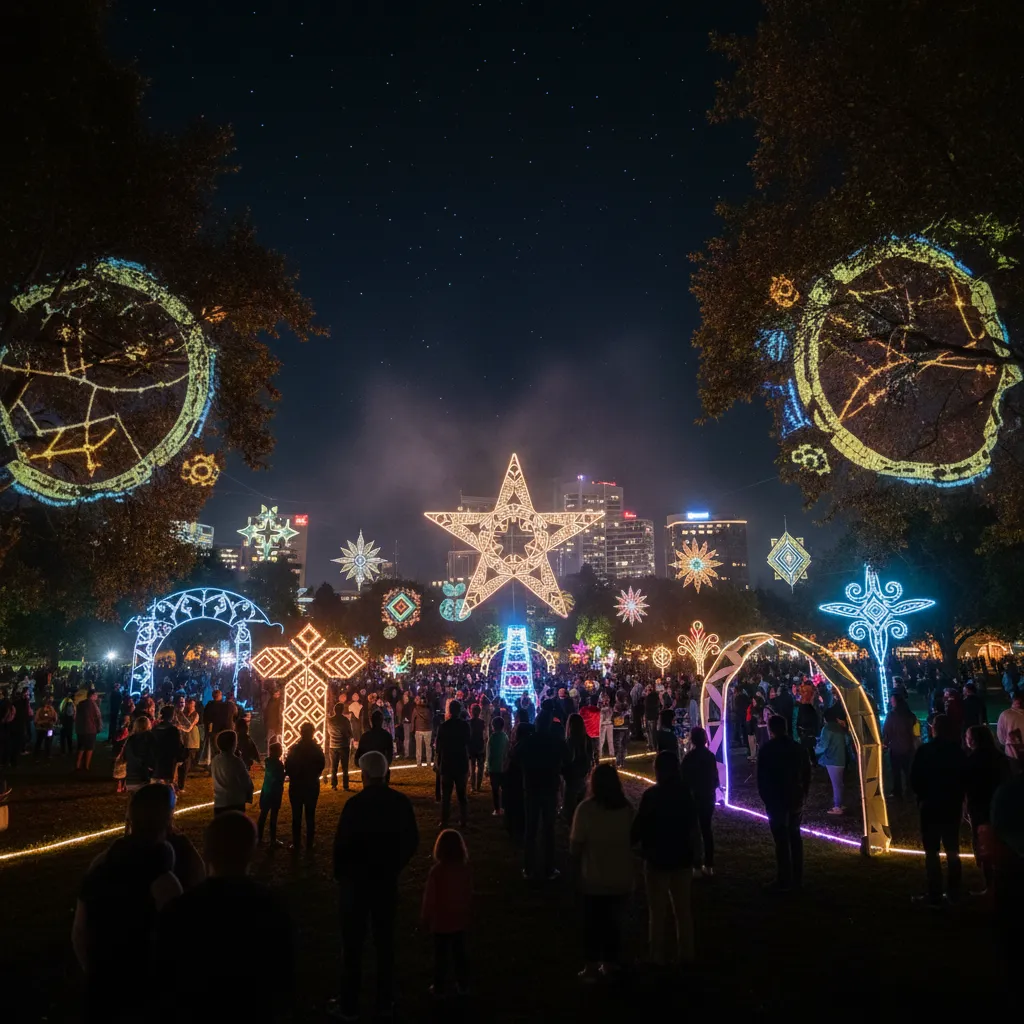
Matariki Festival (Auckland): Typically the largest in the country, this festival spans several weeks. It features a massive lineup of events including the ‘Te Karanga a Hape’ block party on Karangahape Road, light shows on the Harbour Bridge, and concerts in the domain.
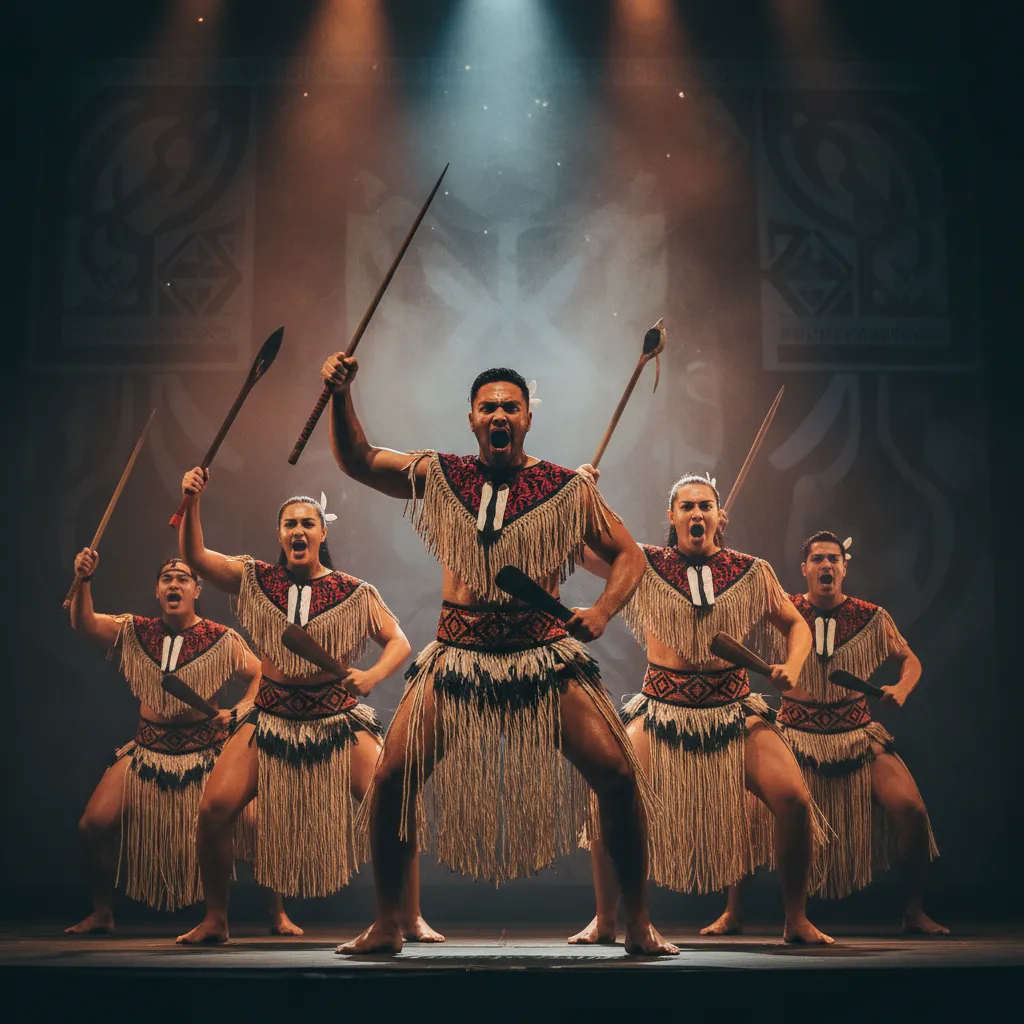
Tīrama Mai (Christchurch): This is Ōtautahi’s premier lighting event. While not strictly just for Matariki, it aligns with the season and features massive light installations, storytelling projections, and kapa haka performances in the heart of the city.
Puaka Matariki Festival (Dunedin): Unique to the lower South Island, this festival celebrates both Matariki and Puaka (Rigel). It is renowned for its community engagement, featuring library workshops, lantern parades, and public lectures on astronomy.
How to Plan for the Matariki Public Holiday Weekend?
The Matariki public holiday provides a long weekend in mid-winter, offering a perfect opportunity for domestic tourism and local exploration. Because this is a high-demand period for accommodation and transport, planning requires a strategic approach.
Family-Friendly Activities
For families, the focus is often on interactive and educational events. Museums like Te Papa in Wellington and the Auckland War Memorial Museum host dedicated family days. These often include:
- Star Dome Shows: Planetariums run special sessions explaining the navigation history and the significance of each star in the cluster.
- Craft Workshops: Kite making (manu tukutuku) is a popular activity, symbolizing the connection between the earth and the heavens.
- Storytelling Sessions: Elders and storytellers share the legends of Matariki, tailored for younger audiences.
Food and Dining Experiences
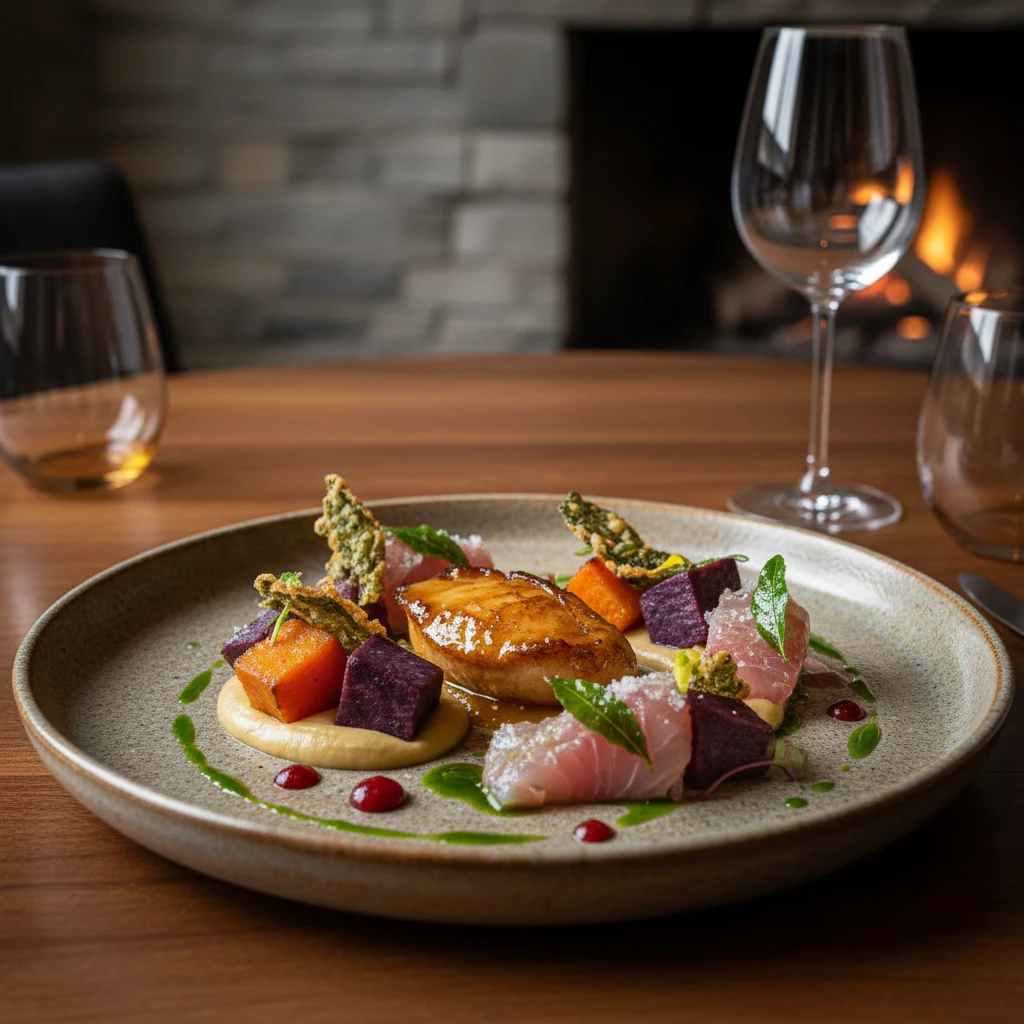
Matariki is historically a harvest festival. Consequently, food plays a central role. Many restaurants across New Zealand offer special “Matariki Menus” during the long weekend. These set menus often highlight indigenous ingredients such as kūmara, pikopiko (fern fronds), horopito (pepper tree), and fresh kaimoana (seafood). Booking these dinners in advance is crucial as they sell out weeks prior.
Where are the Best North Island Matariki Events?
The North Island (Te Ika-a-Māui) hosts a dense concentration of cultural events, particularly in regions with strong iwi presence. From the bustling streets of Auckland to the geothermal landscapes of Rotorua, here is where you can find top-tier celebrations.
Auckland (Tāmaki Makaurau)
Auckland’s celebrations are cosmopolitan and grand. The Matariki on the Waterfront event is a must-visit, transforming Silo Park into a hub of music, food trucks, and art. Additionally, the illumination of the Sky Tower and the Harbour Bridge (Vector Lights) provides a backdrop that is visible from many vantage points across the city.
Wellington (Te Whanganui-a-Tara)
The capital city hosts the Matariki Ahi Kā, a spectacular immersive experience on the waterfront. Fire pits, large-scale projections on the Te Papa museum walls, and food stalls create a warm, communal atmosphere despite the winter chill. Wellington also hosts significant orchestral performances, often blending classical music with traditional Māori instruments (taonga pūoro).
Rotorua
For a more traditional experience, Rotorua offers events centered around geothermal wonders. Many local marae open their doors for educational evenings, and tourist attractions like Te Puia offer special Matariki night tours that combine geyser viewing with indigenous astronomy and hāngī feasts.
Where are the Best South Island Matariki Events?
The South Island (Te Waipounamu) offers a different flavor of celebration, often focused on the crisp winter environment and the clarity of the night sky, which is ideal for stargazing.
Christchurch (Ōtautahi)
Beyond the Tīrama Mai light festival, Christchurch offers the Arts Centre Matariki Festival. This involves a curated selection of exhibitions, mākete (markets) selling Māori arts and crafts, and live music. The vibe is artistic and community-focused, utilizing the city’s heritage architecture as a setting.
Queenstown and Wānaka
In these alpine resorts, Matariki often coincides with winter festivals. The celebrations here are heavily focused on the outdoors. Matariki Arrowtown Lights is a standout event, featuring light displays along the historic Buckingham Street. It is a transactional hotspot where visitors can buy local wool products, art, and mulled wine while enjoying kapa haka.
Dark Sky Sanctuaries (Tekapo & Mackenzie Basin)
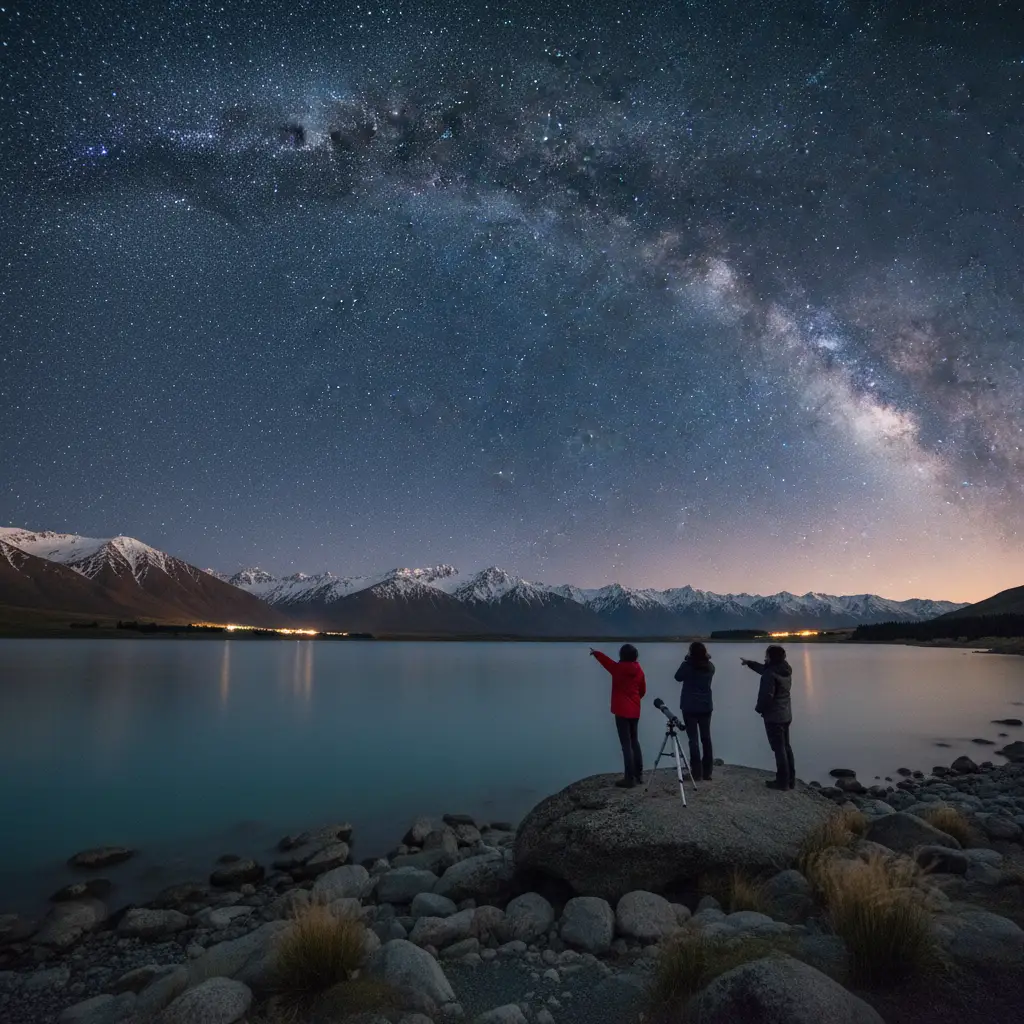
For the ultimate transactional experience involving tours, the Dark Sky Reserve is unparalleled. Specialized astrophotography tours and telescope viewings are premium events. Operators here provide deep insights into Māori navigation and the specific stars of the cluster. These are high-ticket items and require booking months in advance.
Free vs Ticketed Events: Which Should You Choose?
Deciding between free community events and paid experiences depends on the depth of engagement you seek. Both offer immense value but cater to different needs.
Free Community Events
Pros: Accessible, family-friendly, high energy, no booking required.
Cons: Crowded, standing room only, weather-dependent.
Best For: Families with young children, casual observers, and those wanting to soak up the general atmosphere. Examples include waterfront light shows, kite flying days, and public kapa haka competitions.
Ticketed and Exclusive Events
Pros: Curated experience, comfort (often indoors or seated), exclusive access to experts/performers, included food and beverage.
Cons: Cost, strict schedules, limited capacity.
Best For: Couples, culture enthusiasts, and foodies. Examples include gala dinners, theater performances, guided astronomy tours, and workshops on weaving (raranga) or carving (whakairo).
What Cultural Protocols Should Attendees Follow?
Matariki is deeply rooted in te ao Māori (the Māori world). Whether attending a free concert or a private ceremony, observing correct etiquette enhances the experience and shows respect.
Respecting the Hautapu
Some events may include a hautapu ceremony—the feeding of the stars with steam from cooking food. This is a sacred moment. If you attend such an event, usually held at dawn, silence and reverence are expected during the karakia (prayers).
Environmental Stewardship (Kaitiakitanga)
Matariki is linked to the environment. Events often emphasize zero waste. Attendees are expected to be mindful of their rubbish and respect the natural surroundings, especially at outdoor light festivals or beach events.
By understanding the landscape of Matariki events NZ provides, you can effectively plan a long weekend that is not only entertaining but also culturally enriching. Whether you choose the vibrant lights of the city or the quiet stars of the south, the celebration of the Māori New Year is a unique Aotearoa experience.
People Also Ask
When is the best time to book tickets for Matariki events?
For high-demand ticketed events like gala dinners, theater shows, or exclusive stargazing tours, it is recommended to book at least 4 to 6 weeks in advance. Public holiday weekends see a surge in domestic travel, so accommodation should also be secured early.
Are Matariki events suitable for young children?
Yes, the vast majority of Matariki events are family-friendly. Public light festivals, kite flying days, and library storytelling sessions are specifically designed for children. However, some dawn ceremonies or formal dinners may have age restrictions or be too long for very young ones.
What clothes should I wear to Matariki celebrations?
Since Matariki occurs in mid-winter (June/July), warm clothing is essential. If attending outdoor light shows or dawn ceremonies, wear thermal layers, a heavy coat, a beanie, gloves, and waterproof footwear. For indoor formal events, smart casual or semi-formal attire is appropriate.
Do I need to speak Māori to attend these events?
No, you do not need to speak Te Reo Māori. Events are inclusive and often bilingual. Presenters usually explain the significance of the customs and language used, making it a great learning opportunity for non-speakers.
Is Matariki celebrated on the same day every year?
No, the dates for Matariki shift every year. It follows the Māori lunar calendar (maramataka). The public holiday date is set by the government based on advice from the Matariki Advisory Group to align with the rising of the stars, usually falling on a Friday in June or July.
Can I see the Matariki star cluster from anywhere in NZ?
Yes, if the horizon is clear to the northeast. However, light pollution in major cities can make it difficult. The best viewing experiences are at specific stargazing events or in Dark Sky Sanctuaries away from city lights, just before dawn.