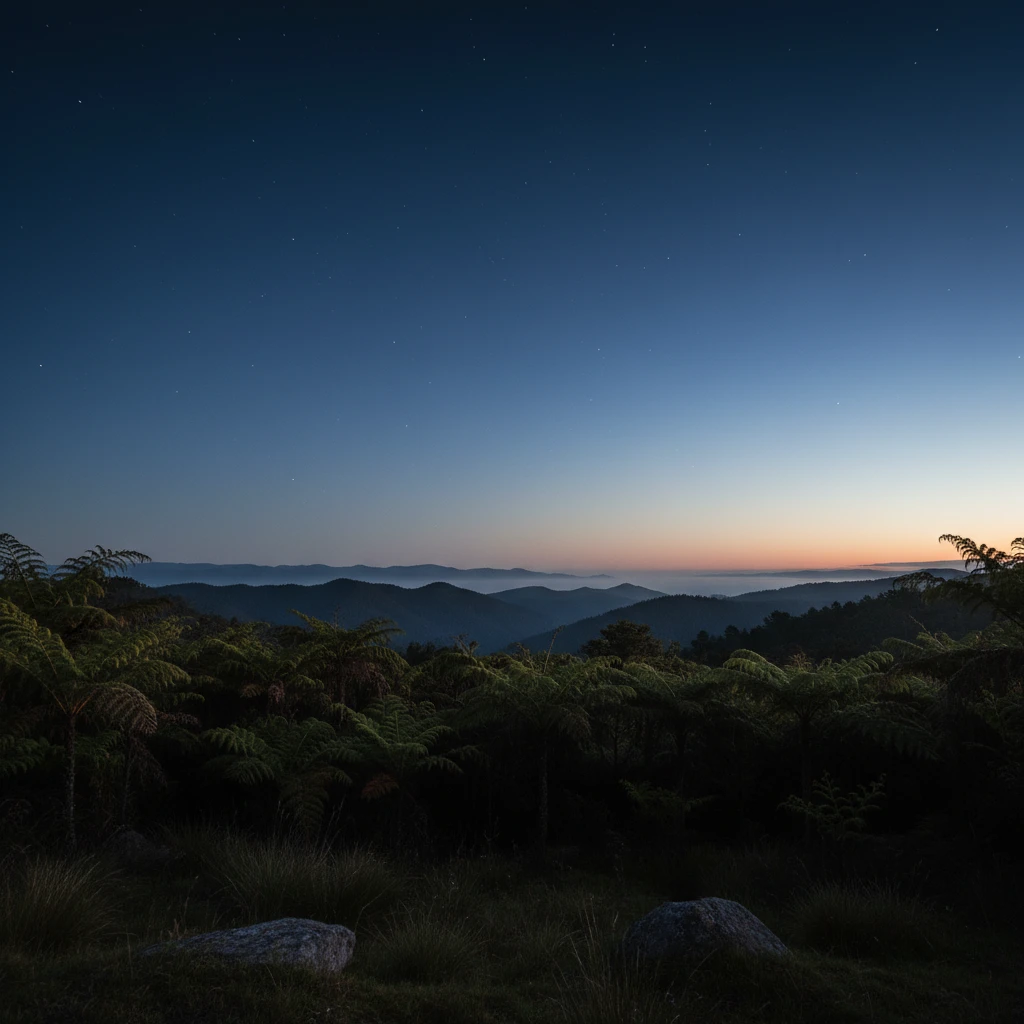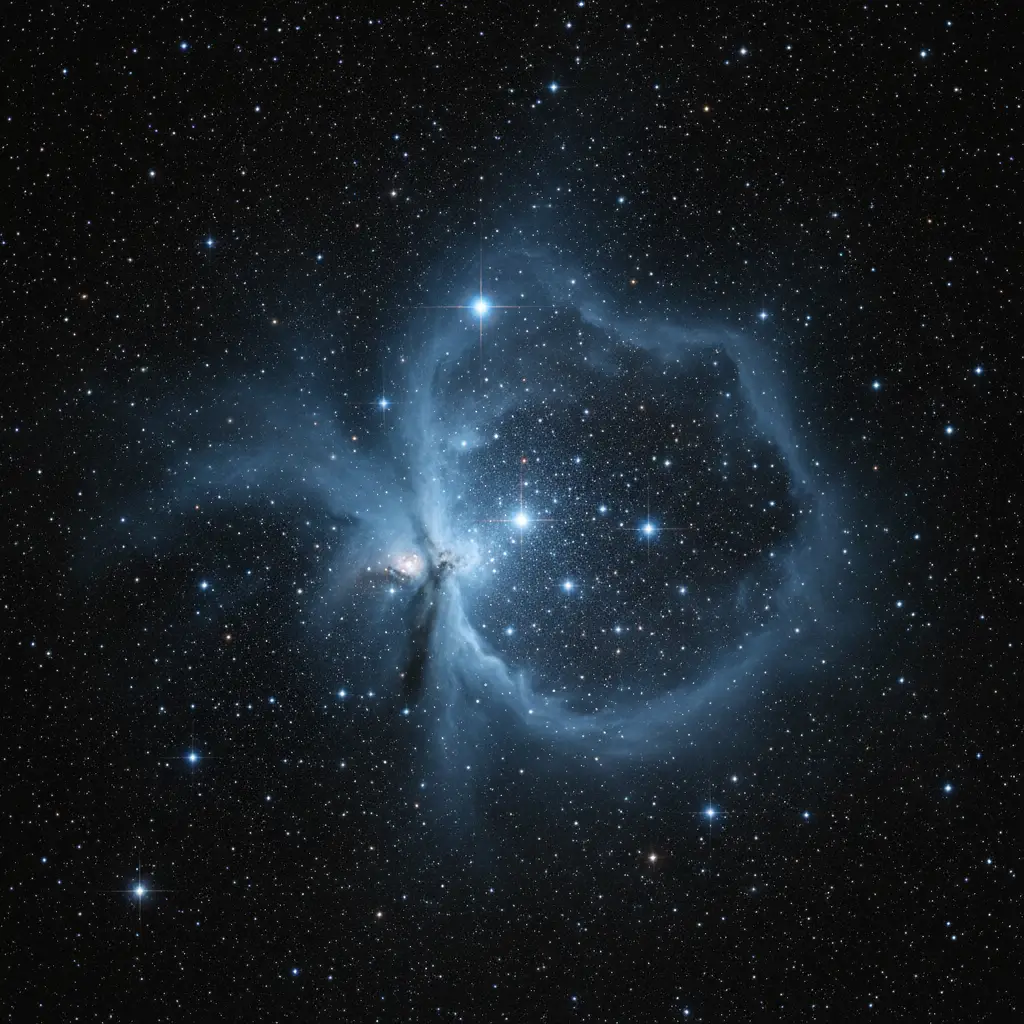
The primary difference between Matariki and Puanga lies in astronomical identity and regional visibility. Matariki refers to the Pleiades star cluster, while Puanga is the single star Rigel. In regions like Taranaki and Whanganui, mountainous geography obscures the horizon, preventing the view of Matariki. Consequently, local iwi look to Puanga to signal the Māori New Year.
What is Puanga (Rigel)?
To understand the nuances of the Māori New Year, one must first look beyond the Pleiades. While Matariki has become the national focal point for Te Mātahi o te Tau (the New Year), for significant portions of the Māori population, the star known as Puanga holds the mantle of the primary herald. In Western astronomy, Puanga is known as Rigel, the brightest star in the constellation Orion (The Pot). It is a blue-white supergiant, luminous and commanding in the pre-dawn sky.
Puanga does not work in opposition to Matariki; rather, it works in conjunction with it or acts as a substitute where the cluster cannot be seen. In Māori cosmology, stars are not merely celestial bodies of gas and fire; they are ancestors, tohu (signs), and seasonal indicators. Puanga is often viewed as the elder sibling or cousin to the Matariki sisters, rising slightly earlier in the eastern sky to announce the coming season.
The significance of Puanga is deeply rooted in the concept of rohe (region). Aotearoa New Zealand is a land of diverse landscapes, from flat plains to rugged volcanic peaks. These landscapes dictate the view of the horizon. For tribes who lived in areas where the horizon was unoccupied, Matariki was the sign. For those living in the shadow of mountains or deep valleys, a higher, brighter star was required to mark the passage of time. That star is Puanga.
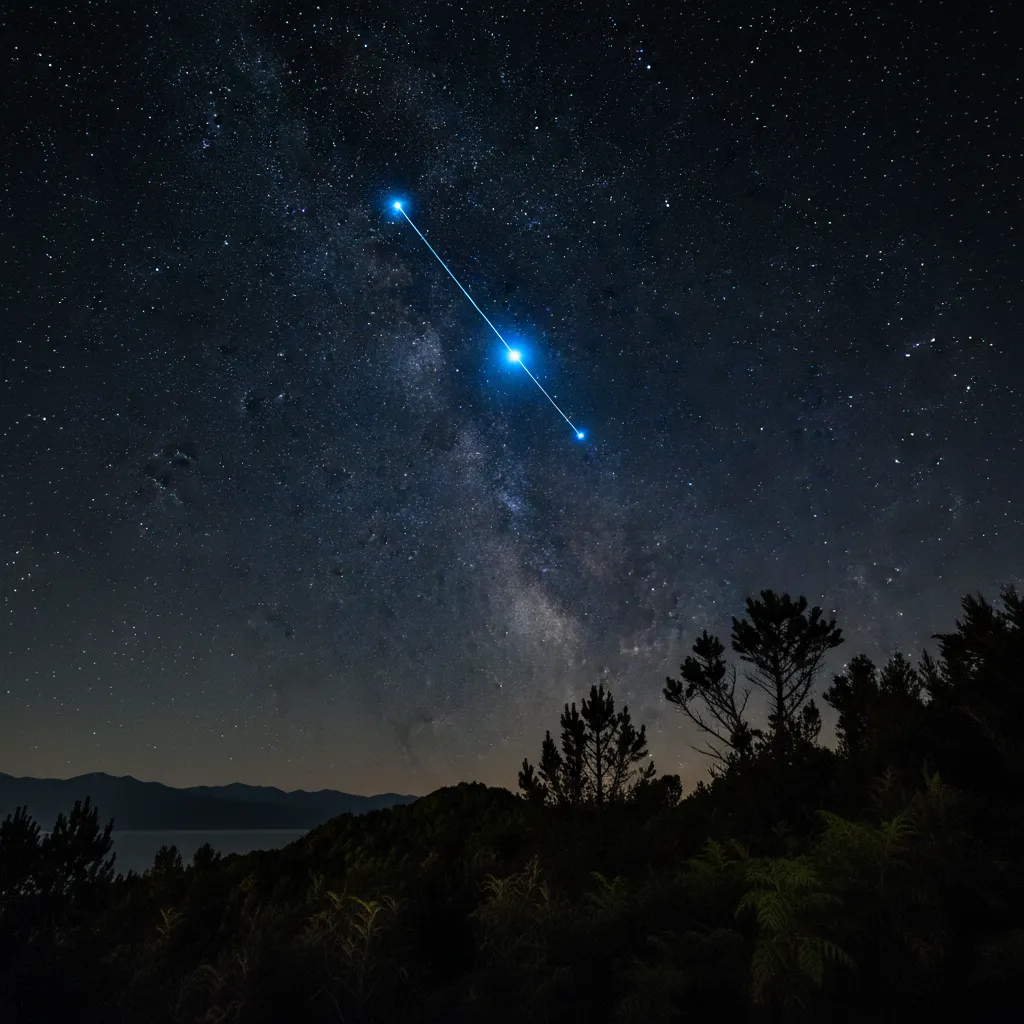
The Astronomical Distinction: Cluster vs. Star
When discussing the difference between Matariki and Puanga, it is essential to define them astronomically. This distinction helps educators and tourists understand what they are looking for in the winter sky.
Matariki (The Pleiades)
Matariki is an open star cluster located in the constellation Taurus. It contains hundreds of stars, but only seven to nine are typically visible to the naked eye. It appears as a fuzzy, tight grouping of stars. In Māori narrative, Matariki is the mother surrounded by her daughters. The appearance of this cluster is subtle and requires a clear, low horizon to be spotted just before the sun rises.
Puanga (Rigel)
Puanga is a single star, not a cluster. It is the seventh brightest star in the entire night sky and the brightest in the Orion constellation. Located above the three stars of Orion’s Belt (The Pot), Puanga rises higher in the sky than Matariki and is significantly brighter. Because of its intensity and higher altitude, it pierces the twilight of dawn more effectively than the faint glimmer of the Pleiades.
The relationship between the two is often described in tribal narratives. Some traditions state that Puanga is jealous of the beauty of Matariki, constantly chasing her across the sky. Others describe Puanga as the herald who wakes the people up so they can prepare to greet Matariki. Regardless of the narrative, the astronomical reality is that Puanga usually rises before Matariki, making it an early indicator of the approaching New Year.
Why Matariki Isn’t Visible Everywhere in NZ
The geography of Aotearoa is the primary reason for the variation in New Year observances. To see Matariki rise (heliacal rising), an observer needs a clear view of the north-eastern horizon. The cluster appears very low in the sky, often only a few degrees above the horizon line, just moments before the sun’s light washes out the stars.
However, the West Coast of the North Island and parts of the South Island present a unique challenge. The presence of high mountain ranges blocks the view of the eastern horizon.
The Shadow of the Mountains
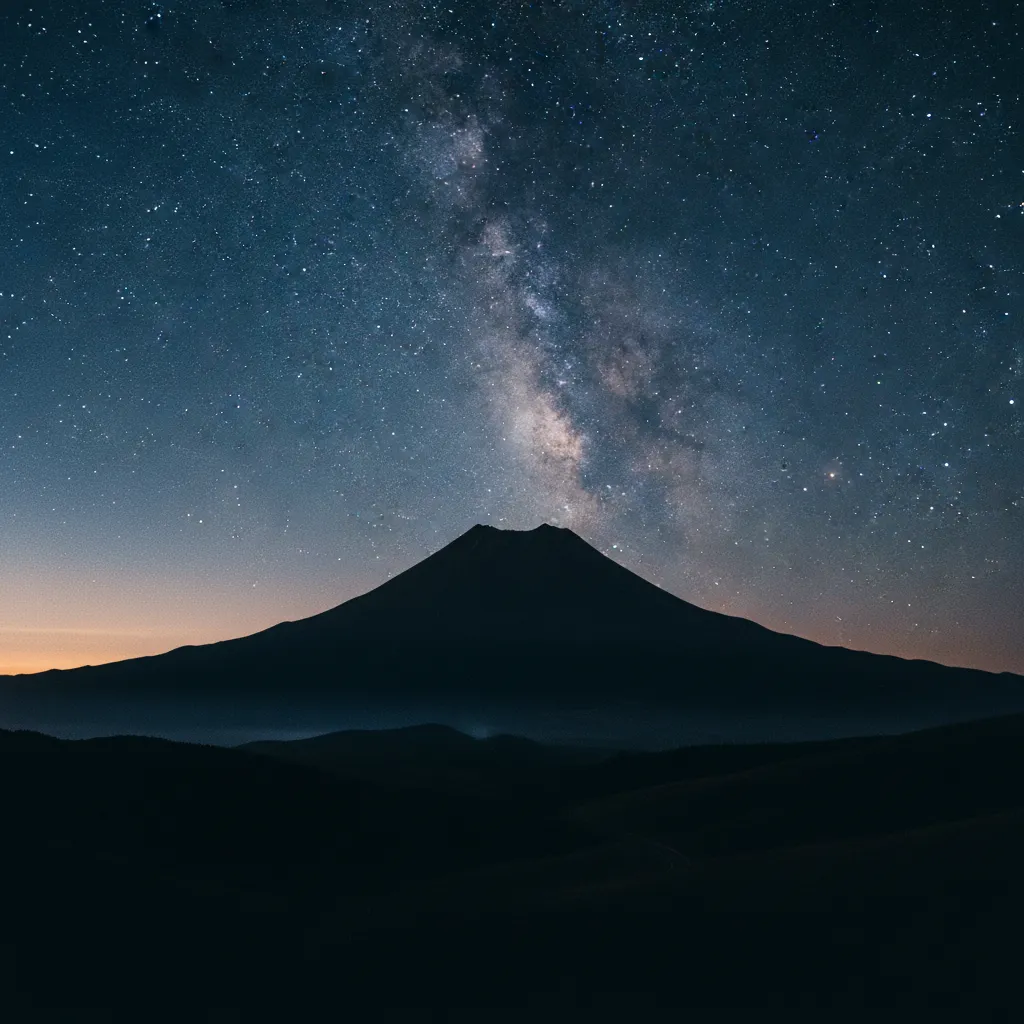
In the Taranaki region, the majestic Mount Taranaki dominates the landscape. To the east of the mountain, the central plateau ranges inhibit the view. For tribes living to the west of these ranges, the low trajectory of Matariki means it is physically hidden behind the mountains during the critical viewing window in June and July.
Similarly, in the Whanganui region, the deep river valleys and the rugged terrain of the central North Island obscure the low horizon. If these iwi relied solely on Matariki, they might miss the New Year entirely. Therefore, they looked upward. Puanga, being higher in the sky and further north relative to the ecliptic, clears the mountain ranges and tree lines much earlier than Matariki.
Tribal Variations: Taranaki, Whanganui, and the Far North
The celebration of Puanga is not a minor deviation; it is a major cultural pillar for specific iwi (tribes). Understanding these variations is crucial for anyone engaging in cultural tourism or education in New Zealand.
Taranaki and Whanganui
For the tribes of Taranaki and Whanganui, Puanga is the primary tohu. The saying “Puanga kai rau” (Puanga of the abundant food) is common in these regions. This proverb reflects the role of the star in the agricultural cycle. When Puanga appeared, it signaled that the food stores were full from the harvest, and it was time to rest, feast, and learn. The high visibility of Puanga over Mount Taranaki makes it a powerful symbol of local identity, illustrating Puanga in Taranaki: The Mountain’s Influence.
Te Tai Tokerau (The Far North)
Interestingly, Puanga is also significant in the Far North (Ngapuhi and other northern iwi), despite the lack of high mountains blocking the east. In these regions, Puanga is often acknowledged first because it is the first to rise. The northerly latitude changes the angle of the stars slightly. Many northern hapū (sub-tribes) acknowledge Puanga as the star that opens the door for the New Year, with Matariki following closely behind. It is often a dual celebration, acknowledging the relationship between the two cosmic entities.
Te Waipounamu (The South Island)
In parts of the South Island, particularly the West Coast where the Southern Alps create a massive eastern wall, Puanga serves a similar purpose to that in Taranaki. The sheer height of the Alps makes observing low-lying star clusters difficult from the western side. Consequently, Ngāi Tahu traditions in certain areas place heavy emphasis on Puanga alongside Matariki.
The Shared Kaupapa: Remembering, Celebrating, and Planning
While the specific star used to mark the date differs, the kaupapa (purpose and values) of the holiday remains consistent across all iwi. Whether an iwi looks to Matariki or Puanga, the New Year is a time comprised of three main elements: remembrance, celebration, and planning.
Hunga Mate (The Dead)
Both Matariki and Puanga are times to call out the names of those who have passed away since the last rising. It is believed that the stars carry the spirits of the deceased into the heavens to become stars themselves. This solemn ceremony, often performed at dawn, allows for collective grief and the final release of loved ones.
Hunga Ora (The Living)
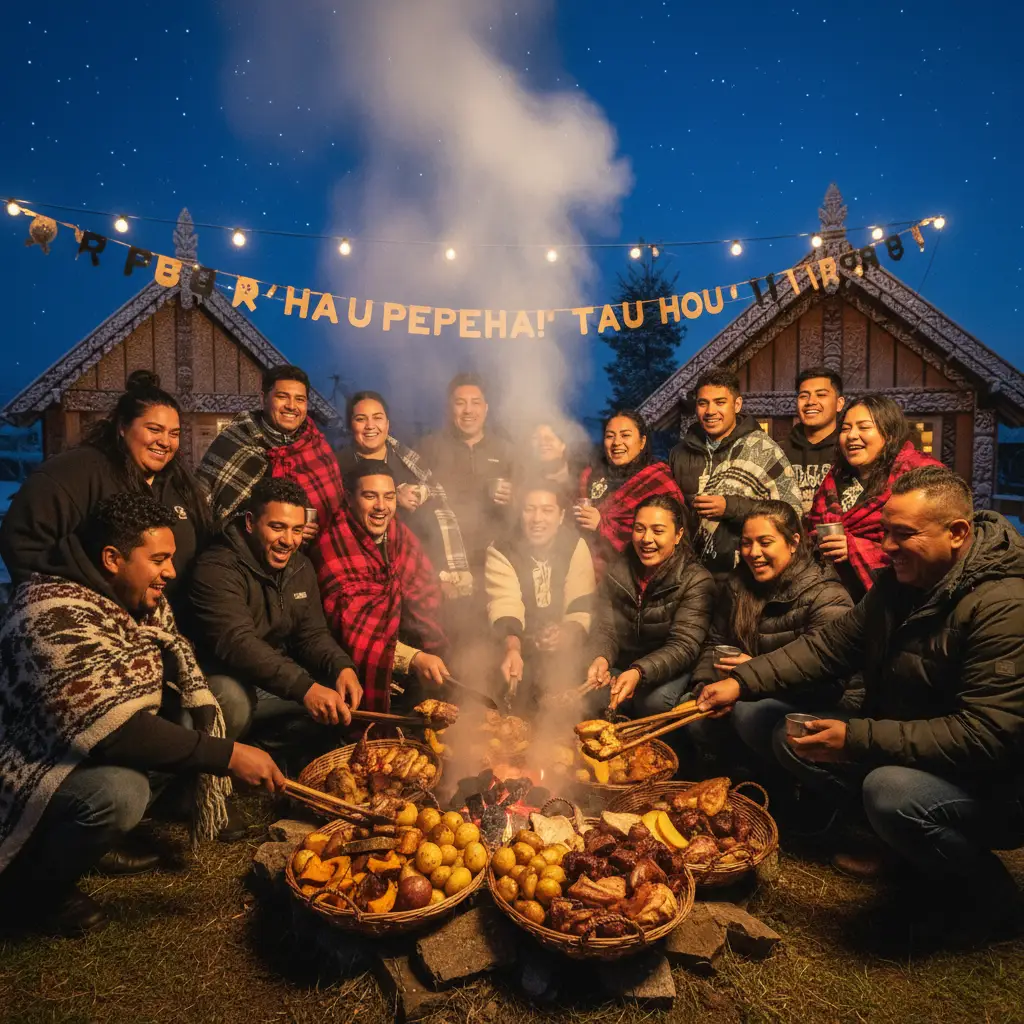
Once the grieving is done, the focus shifts to the living. “Puanga kai rau” and “Matariki hunga nui” (Matariki of the many people) both speak to gathering. It is a time for feasting, singing, and reinforcing family bonds. In the depths of winter, when the ground was too hard to work and the ocean too rough to fish, ancestors utilized stored crops. This abundance allowed for a period of leisure and learning.
Te Tau Hou (The New Year)
Finally, both stars act as weather forecasts. Tohunga (experts) would read the brightness and color of Puanga or the individual stars of Matariki to predict the productivity of the coming season. A clear, bright star predicted a warm, bountiful season, while a hazy or shimmering star warned of cold and poor crops.
How to Observe Puanga and Matariki
For tourists and locals wishing to observe these stars using an Interactive Night Sky Map Tool: Locate Matariki Now, timing and location are everything. The observation period typically occurs in the Māori lunar month of Pipiri (June/July).
The Tangaroa Phase
You cannot simply look on any night. The observation must take place during the Tangaroa phase of the moon—specifically the last quarter when the moon is waning. This ensures the sky is dark enough to see the stars clearly. If the moon is full, its light will drown out Matariki and diminish Puanga.
Direction and Time
Both stars rise in the pre-dawn sky, roughly between 5:30 AM and 6:30 AM, depending on your location in New Zealand. You must look to the eastern horizon.
- To find Puanga: Look for the distinctive row of three stars that make up Orion’s Belt (The Pot). Look above the belt (in the Southern Hemisphere view) and slightly to the left to find the bright, blue-white star Rigel. That is Puanga.
- To find Matariki: Follow the line of Orion’s Belt to the left (northward). You will pass a bright orange star (Taumata-kuku/Aldebaran) in a V-shape formation. Keep going in that line, and you will find the small, twinkling cluster of Matariki.
Celebrating the Dual Significance in Modern Aotearoa
Since the establishment of the official public holiday in 2022, there has been a concerted effort to educate the nation on the regional differences. The holiday is officially called “Matariki,” but national resources and school curriculums now explicitly include Puanga.
In regions like New Plymouth and Whanganui, local councils and iwi run “Puanga Festivals” rather than Matariki festivals. These events include kapa haka performances, art exhibitions featuring Matariki Decorations NZ, and dawn viewing ceremonies that specifically honor the local tradition. For the cultural traveler, visiting Taranaki during this time offers a unique insight into the diversity of Māori astronomy.
Acknowledging Puanga does not diminish Matariki; it enriches the narrative of Aotearoa. It reminds us that culture is shaped by the environment. The mountains that define the physical landscape of New Zealand also define the spiritual and temporal landscape of its people. Whether you look to the cluster or the single star, the message is the same: the old year has passed, the harvest is in, and it is time to rest and dream of the future.

Is Puanga considered one of the Matariki stars?
No, Puanga is not part of the Matariki cluster. Matariki is the Pleiades star cluster, while Puanga is the single star Rigel found in the Orion constellation. They are separate astronomical entities that appear in the sky around the same time.
Why do some tribes celebrate Puanga instead of Matariki?
Tribes in regions with high mountain ranges to the east, such as Taranaki and Whanganui, cannot see Matariki rising because it is too low on the horizon. Puanga rises higher and is brighter, making it visible above the mountains, so it became their primary signal for the New Year.
What is the English name for the star Puanga?
The English name for Puanga is Rigel. It is a blue-white supergiant star and is the brightest star in the constellation Orion. It is significantly brighter than the individual stars within the Matariki cluster.
Can you see both Matariki and Puanga in the sky at the same time?
Yes, provided you have a clear view of the eastern horizon. Puanga (Rigel) is located in Orion, and Matariki (Pleiades) is located in Taurus. They are relatively close to each other in the sky and can both be seen in the pre-dawn hours of winter.
Does Puanga have the same meaning as Matariki?
Yes, the cultural significance is largely the same. Both stars signal the start of the Māori New Year, the end of the harvest, the time to remember the dead (hunga mate), and the time to celebrate the living (hunga ora) and plan for the future.
When is the best time to view Puanga?
The best time to view Puanga is in the early morning, just before dawn (between 5:30 AM and 6:30 AM), during the winter months of June and July. It is best viewed when the moon is in its waning phase (Tangaroa) to ensure a dark sky.