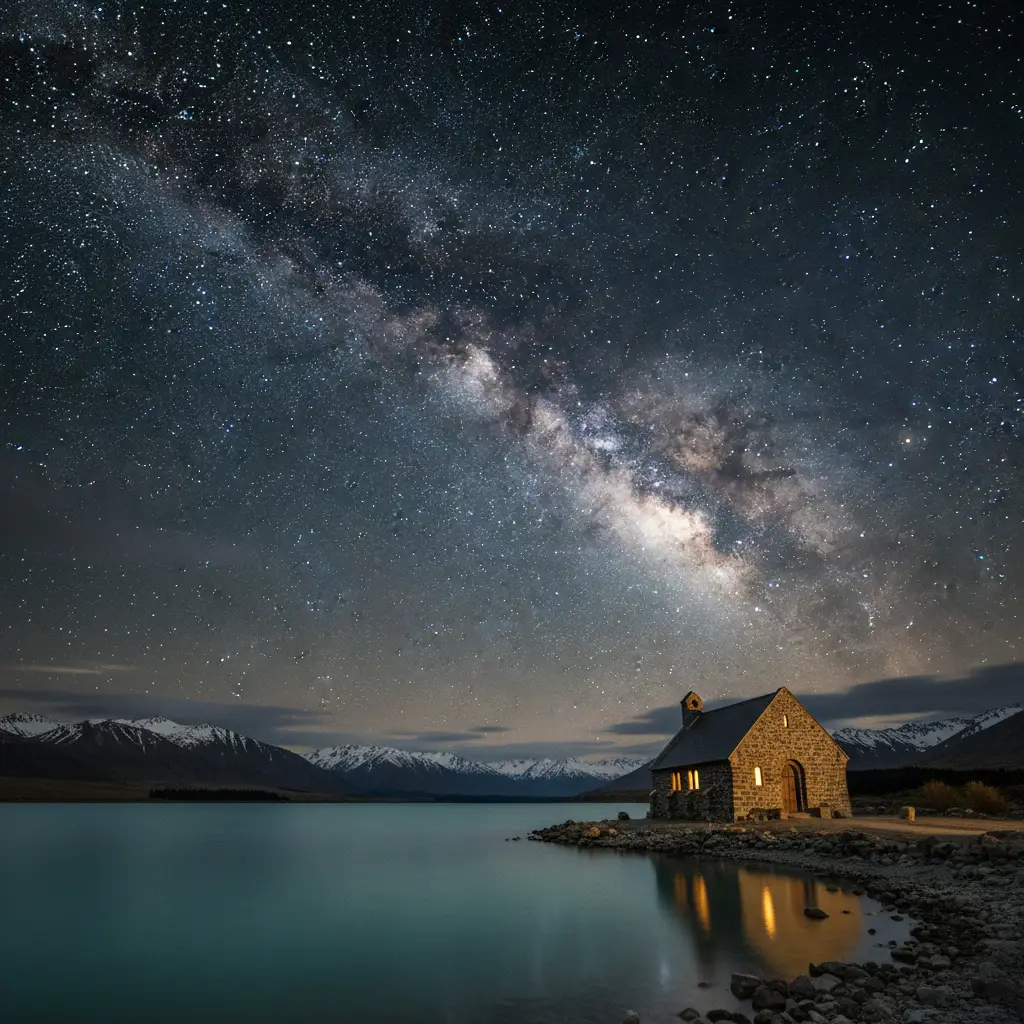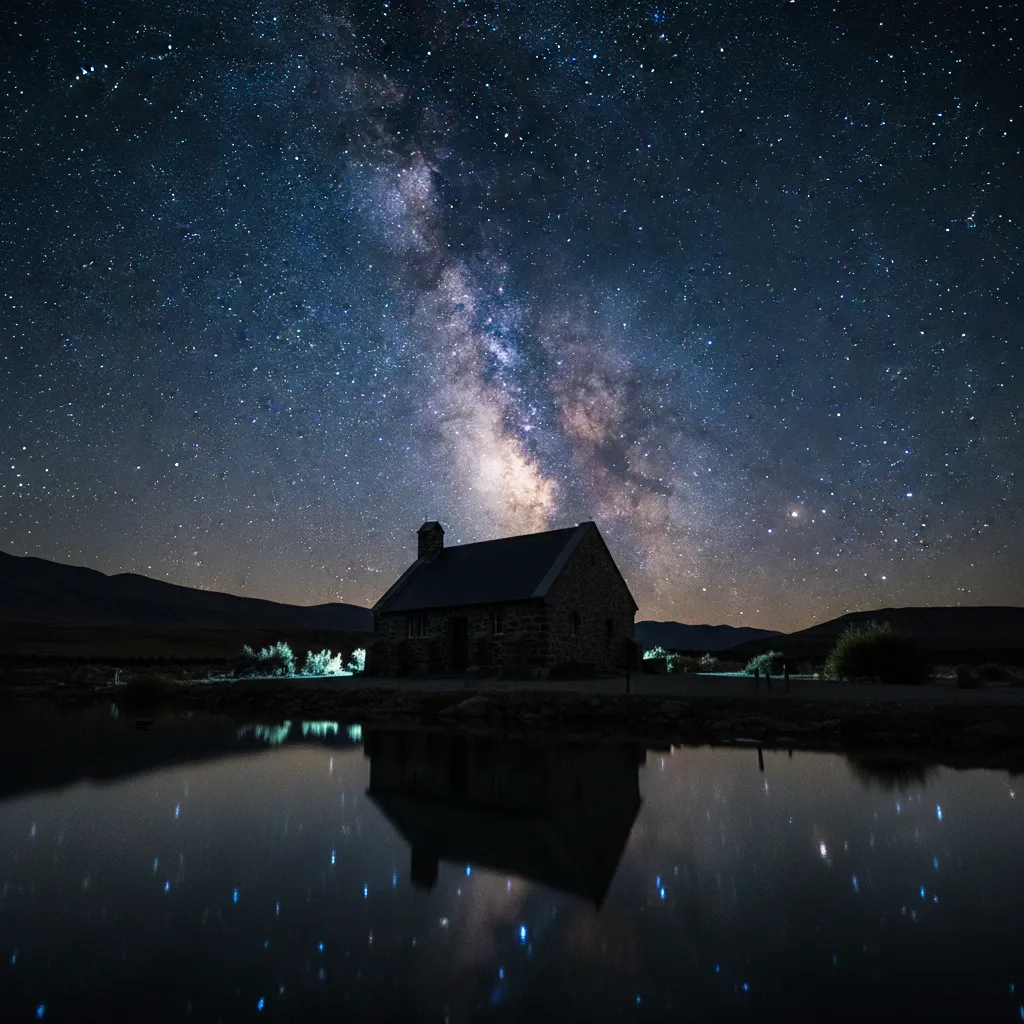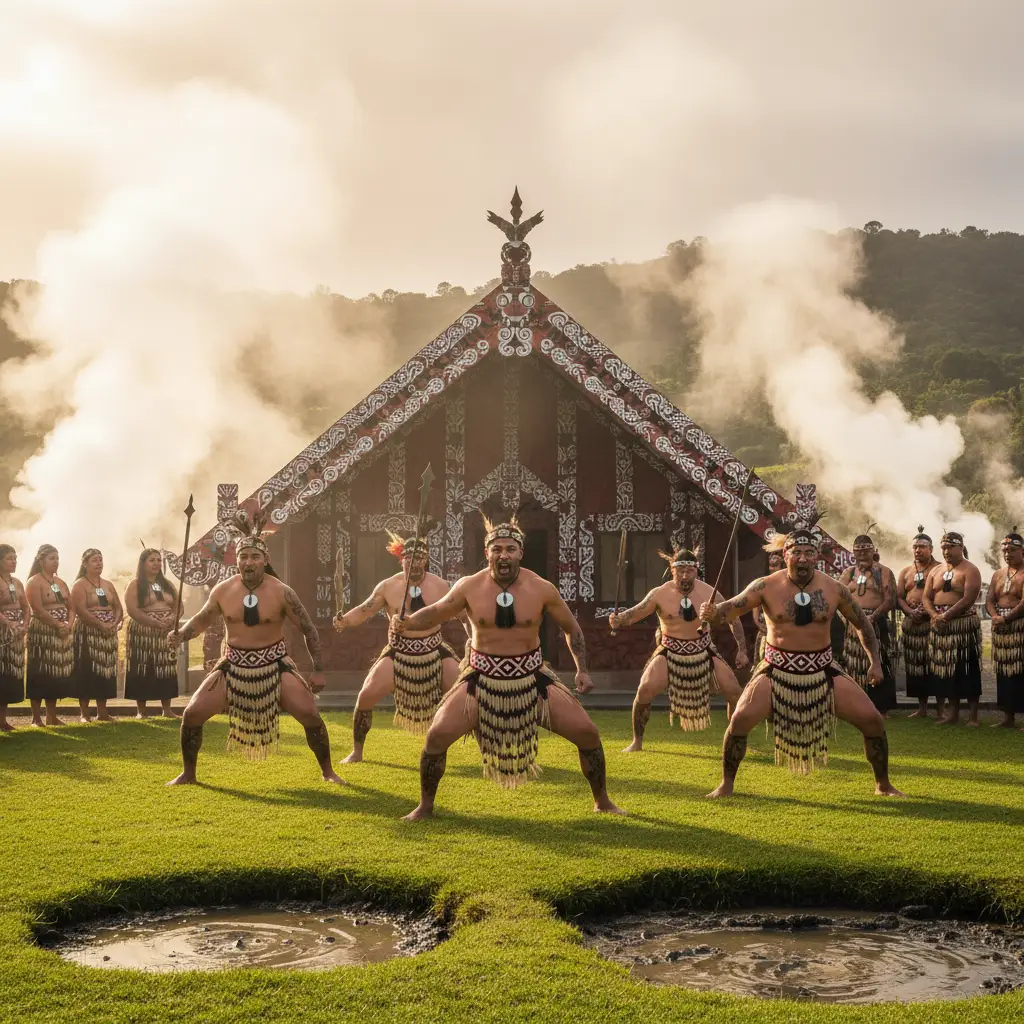
The premier Matariki stargazing locations in NZ are the Aoraki Mackenzie International Dark Sky Reserve (Tekapo), Aotea (Great Barrier Island), and Rakiura (Stewart Island). These International Dark Sky Sanctuaries offer minimal light pollution, making them ideal for viewing the Pleiades cluster during June and July. Urban alternatives include the Wairarapa Dark Sky Reserve and Shakespear Regional Park in Auckland.
New Zealand’s Dark Sky Sanctuaries: The Gold Standard
New Zealand is globally renowned for having some of the darkest skies on Earth, making it a bucket-list destination for astrotourism. When planning a trip specifically to view Matariki (the Pleiades star cluster), prioritizing locations with International Dark Sky Sanctuary or Reserve status is crucial. These areas possess exceptional quality of starry nights and a nocturnal environment that is specifically protected for its scientific, natural, educational, cultural heritage, and public enjoyment.
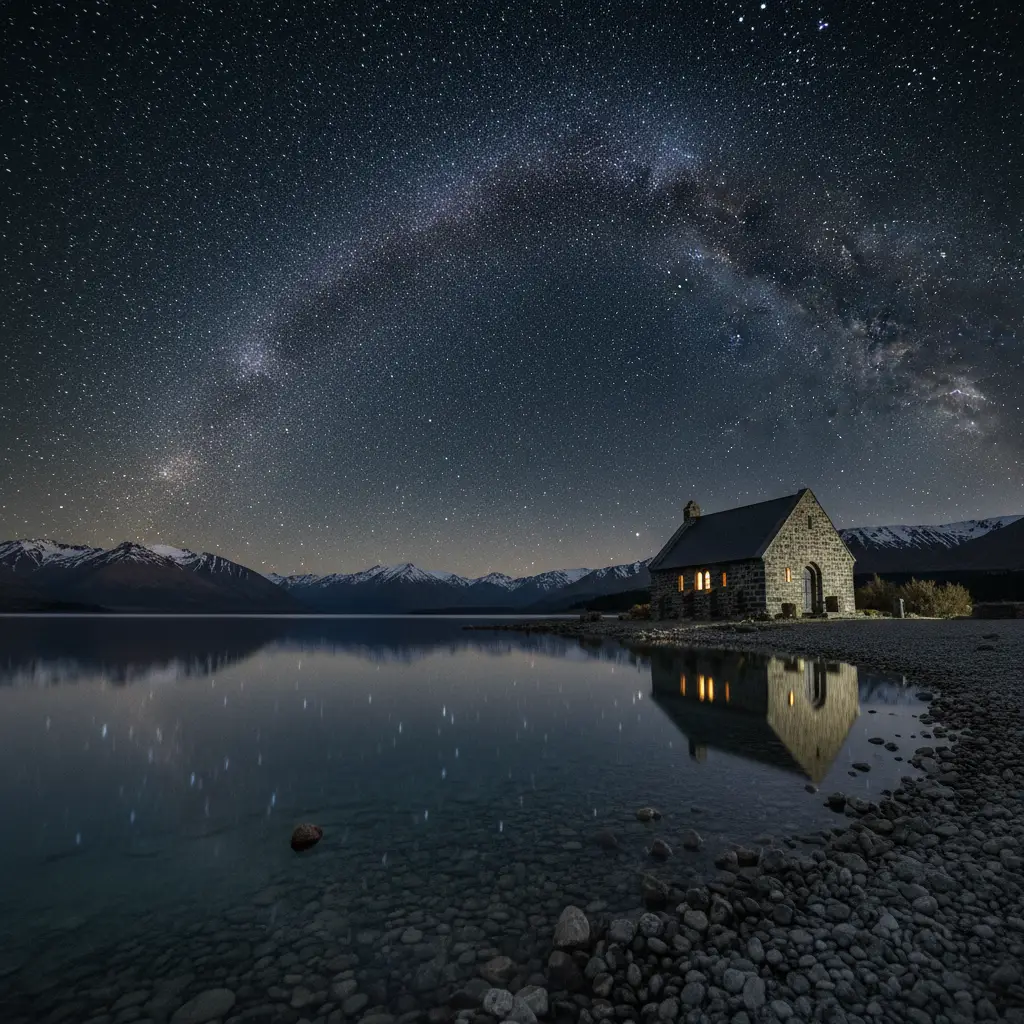
Aoraki Mackenzie International Dark Sky Reserve
The Aoraki Mackenzie International Dark Sky Reserve is the southern hemisphere’s first and arguably most famous dark sky reserve. Encompassing Lake Tekapo, Twizel, and Mt Cook Village, this 4,300 square kilometer area is strictly regulated to control light pollution. For those seeking the definitive Matariki stargazing locations NZ has to offer, this is the epicenter.
Why it is superior: The region is geographically sheltered by the Southern Alps, which often blocks low cloud cover, ensuring a high number of clear nights. The sheer lack of ambient light allows for naked-eye visibility of magnitude 6 stars or fainter. During June and July, the core of the Milky Way is overhead, and Matariki rises in the northeast before dawn.
Key vantage points within the reserve include:
- Mt John Observatory: Accessible via guided tours, this location sits high above the lake, escaping low-lying mist.
- Cowans Hill: A more accessible spot near the Tekapo township, perfect for astrophotography.
- The Church of the Good Shepherd: While popular, it offers an iconic foreground for star trails, though light painting by other tourists can be a challenge.
Aotea / Great Barrier Island
Located in the Hauraki Gulf, roughly 100km northeast of Auckland, Aotea (Great Barrier Island) was the first island in the world to be designated an International Dark Sky Sanctuary. Unlike a reserve, a sanctuary is typically situated in a very remote location with few (if any) nearby threats to the quality of its dark night skies.
The Experience: Aotea is off-grid. There is no reticulated electricity on the island, meaning streetlights are non-existent. Residents rely on solar and generator power, resulting in light pollution levels that are virtually zero. This makes it one of the most pristine environments to witness the rise of Matariki.
For visitors, the island offers a rugged, raw connection to the cosmos. The lack of urban development means you can essentially step out of your accommodation anywhere on the island and witness a world-class sky. Popular spots include Medlands Beach and the Windy Canyon lookout, which offer unobstructed horizons for viewing the pre-dawn rise of the Matariki cluster.
Rakiura / Stewart Island
Further south lies Rakiura, which translates from Māori to “The Land of Glowing Skies.” In 2019, it was accredited as a Dark Sky Sanctuary. Being the southernmost populated island in New Zealand, it offers a unique advantage: the potential to see the Aurora Australis (Southern Lights) alongside the Matariki cluster.
Viewing Matariki here requires dedication to waking up early in the cold southern winter, but the reward is a sky of unparalleled clarity. Observation Rock in Oban provides a 270-degree view and is a favored spot for enthusiasts.
Best Vantage Points in Auckland and Wellington
While remote sanctuaries offer the best technical visibility, not every traveler can venture to the South Island or outer islands. Fortunately, New Zealand’s major cities have actively cultivated dark sky pockets that serve as excellent Matariki stargazing locations.
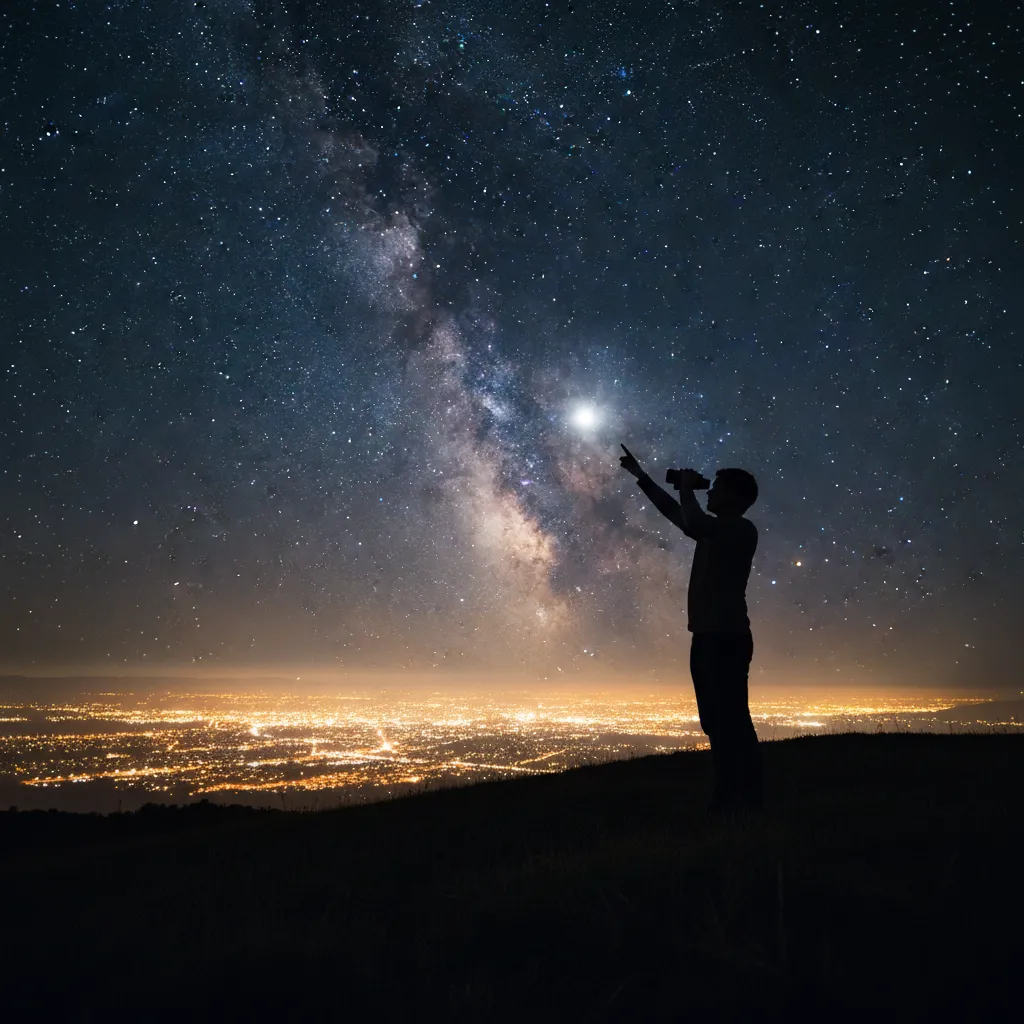
Auckland Stargazing Spots
Despite being the largest city in New Zealand, Auckland’s geography allows for quick escapes from the light dome.
- Shakespear Regional Park: Located at the tip of the Whangaparaoa Peninsula, this sanctuary is far enough from the CBD to reduce glow significantly. The open pastures provide a wide view of the northeastern horizon, essential for spotting Matariki as it rises.
- Tawharanui Regional Park: Further north, this open sanctuary offers even darker skies. It is a favorite among the Auckland Astronomical Society for field nights.
- Awhitu Peninsula: To the southwest, the remote nature of the Manukau Heads lighthouse area provides excellent southern and eastern visibility.
Wellington and Wairarapa
Wellington, the capital, is uniquely positioned near the Wairarapa Dark Sky Reserve. However, even within the city limits, there are viable options.
- Wairarapa Dark Sky Reserve: Just an hour’s drive over the Remutaka Ranges, the towns of Martinborough and Carterton have modified their street lighting to protect the night sky. This is the most accessible “true dark” experience for those based in the capital.
- Zealandia Ecosanctuary: While primarily a bird sanctuary, Zealandia runs night tours. The valley walls block much of the city’s direct light, creating a surprisingly dark pocket minutes from the CBD.
- Red Rocks (Pariwhero): On the south coast, the rugged terrain blocks the city lights to the north, offering a clear view of the southern celestial pole and the eastern horizon for Matariki.
Guided Astronomy Tours Available in June/July
To fully appreciate the cultural and scientific magnitude of the Matariki season, engaging with a commercial operator is highly recommended. Professional tours provide access to high-powered telescopes and, crucially, cultural narratives that explain the Māori significance of the stars.
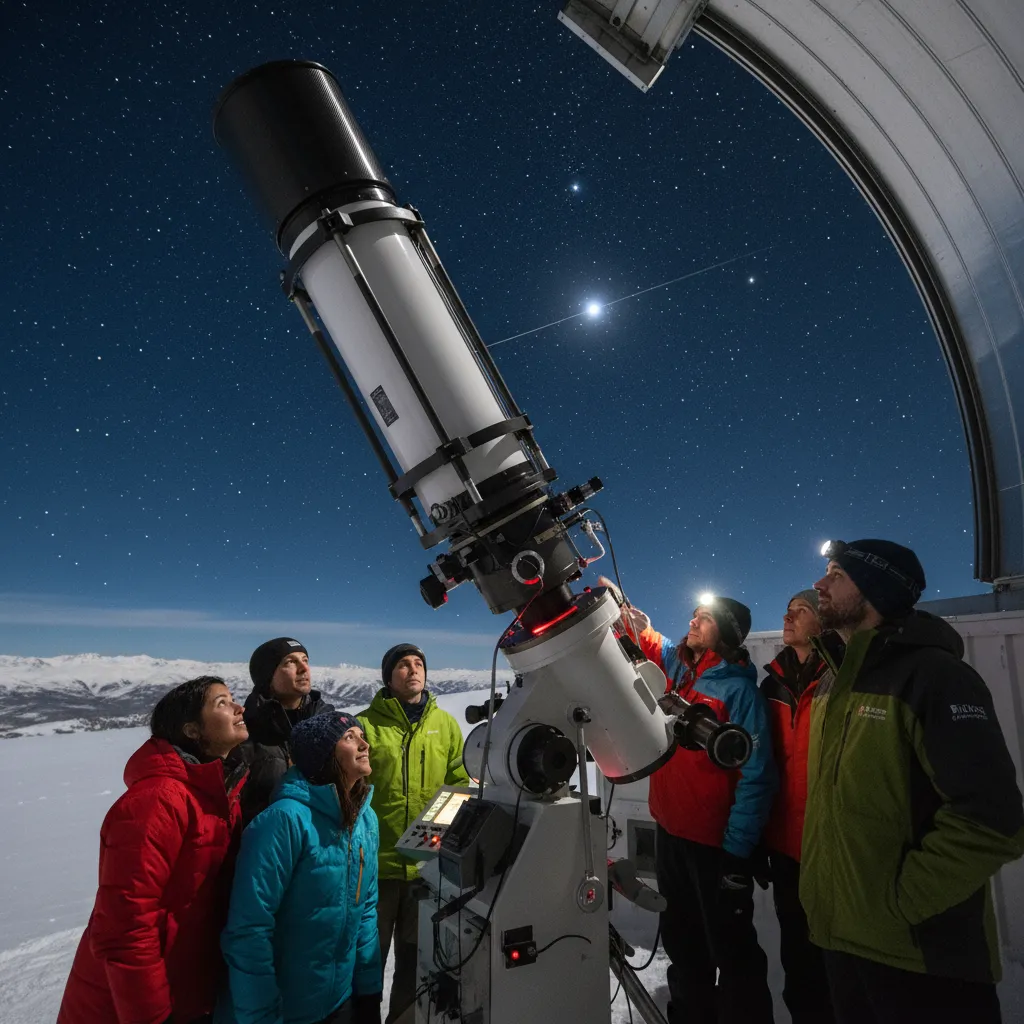
Dark Sky Project (Tekapo)
The Dark Sky Project is the industry leader in the Mackenzie Basin. Their “Summit Experience” takes guests to the Mt John Observatory. During Matariki (June/July), they often incorporate indigenous storytelling, explaining how Māori navigators used the stars to traverse the Pacific. Their tours run year-round, but booking in advance for the winter season is essential due to high demand.
Horizon Tours (Dunedin)
For those in the Otago region, Horizon Tours offers a “Southern Skies Stargazing” tour. This is a boutique experience that blends Māori culture with astronomy. Guests are taken to a dark location on the Otago Peninsula, wrapped in blankets, and treated to tales of celestial legends while viewing the heavens. This tour is particularly strong on the cultural education aspect of Matariki.
Good Heavens (Great Barrier Island)
On Aotea, “Good Heavens” provides a unique experience called “Dining with the Stars.” This combines local cuisine with laser-guided astronomy. Given the island’s sanctuary status, the guides can point out subtle features of the Milky Way that are invisible elsewhere. Their expertise on the specific rising times of Matariki helps visitors plan their pre-dawn vigils effectively.
Stardome Observatory (Auckland)
For a reliable, weather-proof option, the Stardome Observatory in One Tree Hill offers planetarium shows specifically designed around Matariki. While this is a simulated sky, they also offer telescope viewings in the courtyard when weather permits. This is an excellent option for families with young children who may not handle the freezing temperatures of an outdoor alpine tour.
Understanding Matariki: When and How to Look
Matariki is the Māori name for the star cluster known as the Pleiades. Its reappearance in the pre-dawn sky in mid-winter marks the start of the Māori New Year. It is a time for remembrance, celebrating the present, and looking to the future.
When to look: In New Zealand, Matariki appears in the north-eastern horizon just before sunrise. The optimum viewing time is usually between 5:30 AM and 6:30 AM in June and July. It is important to note that Matariki disappears from the sky in May and reappears in late June or early July.
How to find it: To locate Matariki, first find the distinctive row of three stars that make up Orion’s Belt (Tautoru). Follow the line of the belt to the left (north) to find a triangular cluster called Hyades (Te Kokotā). Continue that line further left, and you will see the tight cluster of sparkling stars that is Matariki. It is often described as looking like a small, shimmering cloud to the naked eye.
What to Bring: Warm Gear and Binoculars
Stargazing in New Zealand during Matariki means being outdoors in the dead of winter. Temperatures in locations like Tekapo can drop to -5°C (23°F) or lower. Proper preparation is not just about comfort; it is a safety requirement.

Layering System
Do not rely on a single heavy coat. Use a three-layer system:
- Base Layer: Merino wool thermals (top and bottom). Merino is standard in NZ for a reason; it regulates temperature and wicks moisture.
- Mid Layer: Fleece or down jacket to trap heat.
- Outer Layer: A windproof and waterproof shell. The wind chill in alpine regions can cut through standard fabrics.
Accessories are vital. Wear a beanie (you lose significant heat through your head), scarf, and gloves that allow for dexterity if you are operating a camera or binoculars. Thick wool socks and insulated boots are mandatory, as you will be standing still on frozen ground for extended periods.
Optical Equipment
While telescopes are powerful, they are cumbersome for travelers. A high-quality pair of binoculars is often the best tool for observing Matariki.
- Binoculars: Look for 7×50 or 10×50 specifications. The larger second number (50mm aperture) allows more light entry, which is critical for night viewing. Binoculars allow you to see the individual stars within the Matariki cluster that appear as a single blur to the naked eye.
- Red Light Torch: It takes the human eye 20-30 minutes to fully dark-adapt. A standard white flashlight destroys this adaptation instantly. Use a torch with a red light mode to navigate without ruining your night vision.
Photography Essentials
If you intend to photograph the event, a smartphone may struggle without a dedicated night mode and tripod. For DSLR/Mirrorless users, bring a sturdy tripod (essential for long exposures), a wide-angle lens (14mm-24mm) with a wide aperture (f/2.8 or lower), and a remote shutter release to prevent camera shake.
People Also Ask (PAA)
Where is the best place to see Matariki in New Zealand?
The best places are International Dark Sky Sanctuaries like the Aoraki Mackenzie Basin (Tekapo), Great Barrier Island (Aotea), and Stewart Island (Rakiura). These locations have the least light pollution, offering the clearest views of the cluster on the northeastern horizon.
What time of year is best for stargazing in NZ?
Winter (June to August) is the best time for stargazing in New Zealand. Although it is cold, the air is crisp and holds less moisture, providing better clarity. This also coincides with the rise of Matariki and the visibility of the galactic core of the Milky Way.
Can you see Matariki from Auckland?
Yes, you can see Matariki from Auckland, provided you move away from the bright city lights. Shakespear Regional Park, Tawharanui, and the Waitakere Ranges offer dark enough skies to spot the cluster on the northeastern horizon before dawn.
Do I need a telescope to see Matariki?
No, you do not need a telescope. Matariki is visible to the naked eye as a tight cluster of stars. However, a pair of binoculars will significantly enhance the experience, revealing more individual stars within the cluster than the eye alone can perceive.
What is the difference between a Dark Sky Reserve and a Sanctuary?
A Dark Sky Reserve typically has a core dark area surrounded by a populated periphery where lighting is controlled (like Tekapo). A Dark Sky Sanctuary is usually more remote, with a fragile dark sky that is situated in a location with little to no nearby population (like Great Barrier Island).
Is Matariki the same as the Southern Lights?
No. Matariki is a star cluster (the Pleiades) that marks the Māori New Year. The Southern Lights (Aurora Australis) is an atmospheric phenomenon caused by solar wind interacting with the Earth’s magnetic field. However, in locations like Stewart Island, it is possible to see both on the same night.