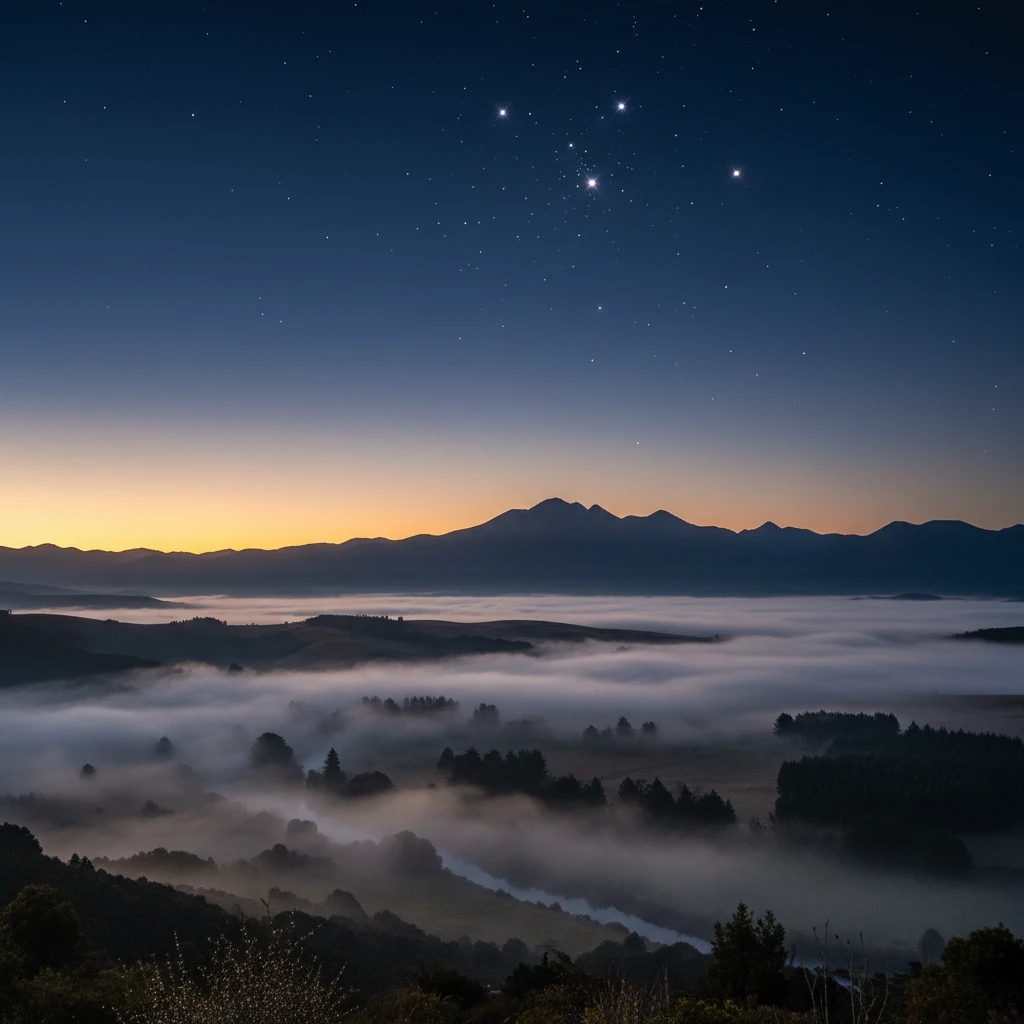
The Hautapu ceremony is a sacred Māori ritual performed during Matariki to feed the stars. It involves cooking specific foods in a ceremonial earth oven (umu kohukohu) and releasing the resulting steam to the Matariki cluster. This offering honors the past, celebrates the present, and allows tohunga to predict the year’s prosperity based on the smoke’s ascent.
The revitalization of traditional Māori knowledge in Aotearoa New Zealand has brought the ancient practice of the Hautapu ceremony back into the national consciousness. As Matariki (the Māori New Year) is now celebrated as a public holiday, understanding the deep spiritual and logistical mechanics of this ceremony is essential for both cultural appreciation and educational tourism.
The Hautapu is not merely a performance; it is a vital connection point between the physical realm of the earth and the spiritual realm of the sky. It serves as a moment of reflection, reciprocity, and divination, grounded in centuries of astronomical wisdom.
What is the Hautapu Ceremony?
The term Hautapu can be translated to mean “sacred wind” or “sacred offering.” In the context of Matariki, it refers to the ritualistic offering of food to the stars. This ceremony is the climax of the Matariki celebrations, traditionally occurring in the pre-dawn hours (weheruatanga) when the Matariki star cluster (Pleiades) rises on the eastern horizon.
The ceremony is rooted in the concept of reciprocity. In the Māori worldview, the stars are not distant, inanimate objects; they are environmental indicators and spiritual entities that govern the seasons. Because the stars provide the signals for planting, harvesting, and hunting, the people, in turn, offer the “essence” of that food back to the stars.

The Three Principles of the Ceremony
The Hautapu encapsulates the three major themes of Matariki:
- Remembrance: Calling out the names of those who have passed away since the last rising of Matariki.
- Celebrating the Present: Gathering with the community to give thanks for the harvest and survival.
- Looking to the Future: observing the stars and the smoke of the Hautapu to predict the bounty of the coming year.
The Purpose of Feeding the Stars
Why do Māori feed the stars? The practice is based on the understanding that the stars within the Matariki cluster are responsible for different environmental domains. To ensure a bountiful year ahead, offerings must be made to appease and acknowledge these specific celestial bodies.
The foods chosen for the Hautapu are not random. They are carefully selected to align with the specific stars in the cluster that govern different food sources:
- Tupu-ā-nuku: Connected to food grown in the ground. An offering of kūmara (sweet potato) is typically used.
- Tupu-ā-rangi: Connected to food from the sky. Traditionally, this would be birds like kererū, though in modern contexts, chicken is often used.
- Waitī: Connected to fresh water. Eels (tuna) or freshwater fish are the standard offering.
- Waitā: Connected to the ocean. Saltwater fish or shellfish are prepared.
By cooking these four elements together, the ceremony acknowledges the totality of the environment and the food sources that sustain the community.
Cooking the Kai in the Umu Kohukohu
The preparation of the food for a Hautapu differs significantly from a standard hāngī used for feasting. The specific earth oven used for this sacred purpose is called the umu kohukohu.
Preparing the Sacred Oven
The umu kohukohu is prepared before dawn. Stones are heated in a fire until they are white-hot. Unlike a cooking hāngī where the goal is to trap steam to cook food thoroughly for consumption, the goal of the umu kohukohu is to generate a specific type of steam that can rise upward.
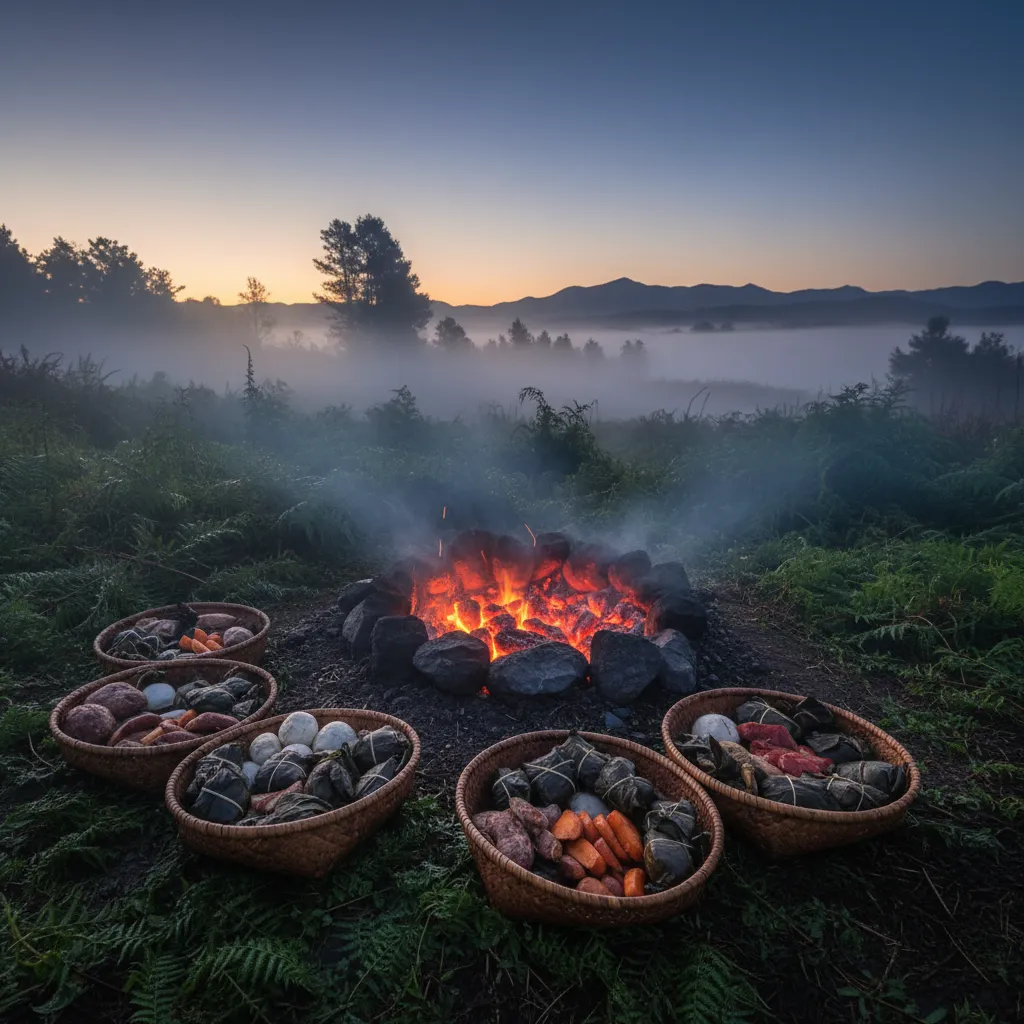
The food is placed on the hot stones, usually contained within natural materials. Importantly, this food is tapu (sacred). It is not intended to be eaten by the people attending the ceremony. It is cooked specifically so that its essence—its aroma and steam—can be released.
Once the food is placed on the stones, it is covered with wet vegetation and earth, similar to a standard hāngī, to allow the steam pressure to build. However, the timing is crucial. The uncovering must coincide exactly with the reading of the stars.
Reading the Smoke Signals
The climax of the Hautapu ceremony is the moment known as Te Whāngai i te Hautapu—the feeding of the stars. This occurs when the tohunga (expert priest or practitioner) determines the time is right, usually when Matariki is clearly visible.
The Ascent of the Steam
The earth covering the umu kohukohu is removed. As the hot stones and wet vegetation interact with the cool pre-dawn air, a pillar of steam and smoke rises rapidly. This steam is believed to carry the essence of the food upward to the heavens.
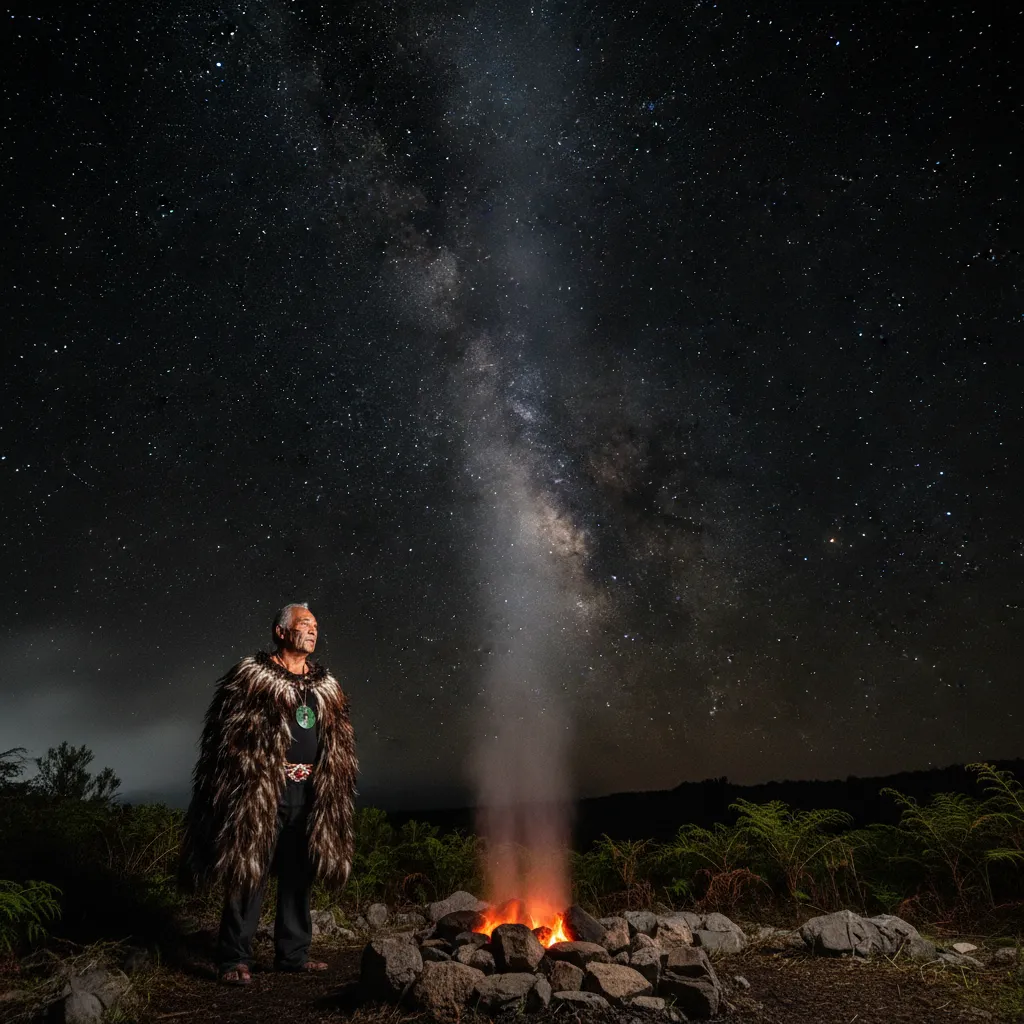
The tohunga observes how the smoke rises. This is a form of divination:
- Straight and Strong: If the smoke rises straight up toward the cluster, it is interpreted as a good omen. The offering has been accepted, and the year ahead will be warm and bountiful.
- Turbulent or Dispersed: If the smoke is blown away quickly or fails to rise, it may signal a difficult year, harsh weather, or potential scarcity.
This reading allows the community to prepare psychologically and logistically for the seasons ahead. It is a moment of deep connection where the physical labor of cooking meets the spiritual act of prayer (karakia).
Watching a Broadcast of the National Ceremony
Since Matariki became an official public holiday in New Zealand in 2022, the government has instituted a rotational national Hautapu ceremony. This event is broadcast live nationwide, allowing all New Zealanders to witness the protocol, even if they cannot attend a local event.
The location changes annually to honor different iwi (tribes) and landscapes across Aotearoa. Watching the broadcast has become a modern tradition for many families. It typically features:
- The Mātanga (Experts): Renowned cultural experts, such as Dr. Rangi Mātāmua, explaining the phases of the stars.
- The Karakia: Traditional chants that acknowledge the dead and welcome the new year.
- The Umu: High-definition coverage of the steam rising, bringing the ancient ritual into modern living rooms.
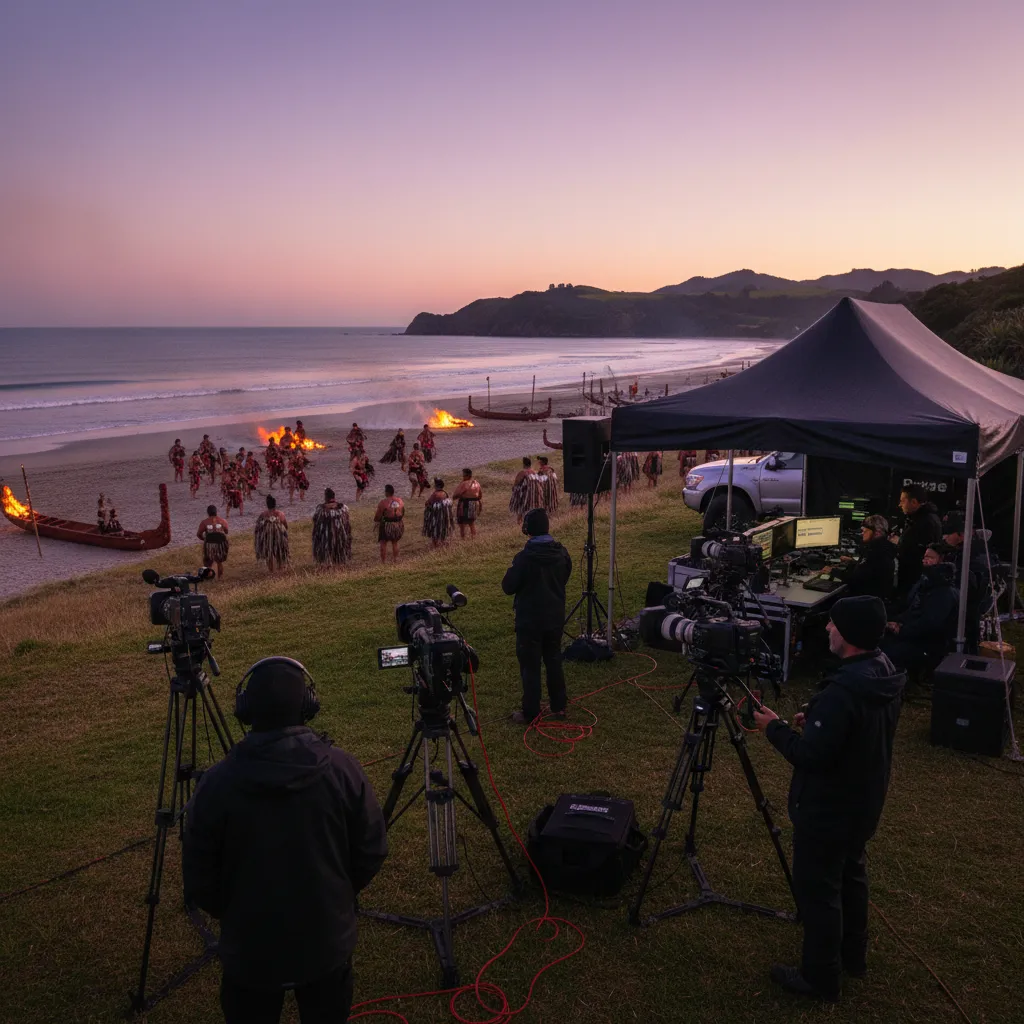
For educational tourism and those interested in cultural anthropology, these broadcasts provide an unprecedented look into high-level Māori ritual that was previously often conducted in private or strictly within tribal boundaries.
Cultural Significance and Revitalization
The return of the Hautapu ceremony signifies a major shift in New Zealand’s cultural identity. For over a century, many of these astronomical traditions were suppressed or lost due to colonization and the suppression of the Māori language and spiritual practices.
The widespread performance of Hautapu today is a result of decades of research and revitalization efforts. It represents a reclaiming of indigenous timekeeping systems. Instead of following only the Gregorian solar calendar, New Zealand is beginning to reintegrate the maramataka (Māori lunar calendar) into public life.
For visitors and educators, the Hautapu is a profound example of how indigenous knowledge systems combine science (astronomy and meteorology), spirituality (offerings to deities), and sociology (community gathering and resource management) into a single cohesive event.
Frequently Asked Questions
Why is the Hautapu ceremony performed before dawn?
The ceremony is performed during the pre-dawn phase known as ‘weheruatanga’. This is the time when the Matariki star cluster rises and becomes visible on the eastern horizon before the sun’s light overpowers the stars. It is considered the most spiritually potent time for communication with the celestial realm.
Can anyone perform a Hautapu ceremony?
While the concept of cooking food and sharing it is universal, the formal Hautapu ritual involving the umu kohukohu and reading the signs is traditionally conducted by tohunga (experts) or cultural leaders who understand the specific karakia (prayers) and tikanga (protocols) required to ensure the ceremony is safe and correct.
What happens to the food after the Hautapu?
The food cooked in the umu kohukohu is an offering to the stars and is considered tapu (sacred). It is not eaten by the participants. However, a separate hāngī or feast is usually prepared simultaneously for the people to eat after the ceremony concludes, a process called whakanoa (removing the sacred restriction).
Is the Hautapu ceremony a religious practice?
It is a spiritual practice deeply rooted in Māori cosmology. While it involves prayer and offerings to environmental deities, it is viewed by many today as a cultural and environmental acknowledgement rather than a religion in the Western sense. It honors the connection between humanity and nature.
What if the stars are not visible due to clouds?
If the stars cannot be seen, the ceremony still proceeds, but the reading of the stars for the year ahead may be deferred or interpreted based on what can be seen. Historically, if Matariki was obscured for several days during its rising period, it could be interpreted as a sign of a challenging year ahead.
How does Hautapu differ from a standard Hāngī?
A standard Hāngī is a method of cooking large amounts of food for people to eat, focusing on slow-cooking meat and vegetables. A Hautapu utilizes a specialized oven (umu kohukohu) specifically to generate steam for an offering to the sky, and the food cooked within it is not for human consumption.