Matariki activities for families center on three core principles: remembrance, celebration, and looking to the future. Key traditions include hosting a mid-winter feast (hākari) to share kai, perhaps by visiting the Best Restaurants for Matariki, engaging in storytelling (pūrākau) to honor ancestors, preparing the garden for spring planting, and stargazing to view the Pleiades cluster. These practices strengthen whānau bonds and honor the Māori New Year.
The rising of the Matariki star cluster (the Pleiades) marks a significant shift in the seasons and the beginning of the Māori New Year. For families (whānau) across Aotearoa New Zealand, including Te Tai Hauāuru: West Coast Celebrations, this is a profound time to pause, reflect, and reconnect. Unlike the energetic celebrations of December 31st, Matariki is a period of deep contemplation and communal warmth, occurring in the heart of winter.
Integrating cultural traditions into your household not only educates children about the indigenous history of New Zealand but also creates lasting memories grounded in the values of whanaungatanga (kinship) and kaitiakitanga (guardianship). Whether you are looking to host a traditional feast or simply wish to spend quality time away from screens, there are numerous ways to honor this celestial event.
What is the Significance of Matariki for Whānau?
Before diving into specific activities, it is essential to understand what Matariki represents. Matariki is the Māori name for the cluster of stars also known as the Pleiades. Its reappearance in the mid-winter sky typically signals the start of the Māori lunar calendar. Historically, it was a time when crops had been harvested and stored, allowing communities to rest and focus on interpersonal relationships.
For modern families, Matariki offers a framework for emotional and spiritual reset. It is traditionally divided into three themes:
- Remembrance: Honoring those who have passed away since the last rising of Matariki.
- Celebrating the Present: Gathering to give thanks for what we have, particularly food and family.
- Looking to the Future: Planning for the year ahead and setting intentions or wishes (often directed at the star Hiwa-i-te-rangi).

How to Host a Mid-Winter Feast (Hākari)
Food is central to Māori culture, serving as a medium for manaakitanga (hospitality). A Matariki feast, or hākari, is perhaps the most popular way to bring the family together. This is not just about eating; it is about the preparation, the sharing, and the gratitude for the harvest.
Selecting the Menu
Traditional Matariki food sources are linked to the stars in the cluster. For example, Tupu-ā-nuku is connected to food grown in the ground, while Tupu-ā-rangi connects to food from the sky (birds/fruit). To honor these elements, consider a menu that includes:
- Root Vegetables: Kūmara (sweet potato), taewa (Māori potatoes), and carrots. These represent the bounty of the earth.
- Pork or Chicken: Slow-cooked meats are traditional favorites for winter gatherings.
- Rēwena Bread: A traditional Māori sourdough potato bread. Baking this together can be an activity in itself.
- Steamed Pudding: A classic dessert to provide warmth and comfort.
The Ritual of Togetherness
The preparation of the kai (food) should be a communal effort. Assign roles to different family members. Children can wash vegetables or set the table, while elders might oversee the cooking. Use this time to disconnect from television and discuss what you are grateful for. When the food is served, begin with a karakia (blessing) to acknowledge the source of the food and the hands that prepared it.

Storytelling Around the Fire (Pūrākau)
As the nights are long and cold, Matariki is the perfect season for indoor activities. Historically, this was the time for Wānanga—learning and sharing knowledge. Pūrākau (myths and legends) were told to pass down history, values, and genealogy.
Sharing Whakapapa (Genealogy)
Matariki is a time of remembrance. Use this opportunity to bring out old photo albums or digital archives. Tell your children stories about their grandparents and great-grandparents. Discussing where they come from helps anchor their sense of identity. If you have family members who have passed away in the last year, take a moment to speak their names and share a favorite memory of them. This act keeps their spirit alive within the whānau.
Reading Māori Myths
For younger children, reading books about the separation of Ranginui (Sky Father) and Papatūānuku (Earth Mother), or the exploits of Māui, is an excellent way to engage with the culture. Many local libraries in New Zealand curate specific Matariki reading lists during June and July. Create a cozy environment—light the fireplace or gather around a heater with blankets—to make the storytelling session feel special and ceremonial.
Gardening and Planting Preparation
While Matariki occurs in winter, it signals the time to prepare for the approaching spring. The stars Tupu-ā-nuku and Tupu-ā-rangi remind us of the importance of the environment and sustainability. Engaging children in the garden connects them to the cycle of life and the source of their food.
Preparing the Soil
Explain to your family that the earth is currently resting. Activities should focus on preparation rather than aggressive planting. You can:
- Weed the Garden Beds: Clear away the old to make room for the new.
- Composting: Teach children how organic waste is recycled into nutrients for the soil.
- Planting Garlic: Traditionally, garlic is planted on the shortest day of the year (around the winter solstice), which aligns closely with Matariki.
Planning the Spring Harvest
Sit down with a notebook and plan what you want to grow in the coming year. This aligns with the Matariki principle of looking forward. Ask each family member to choose one vegetable or flower they would like to nurture. This teaches responsibility and gives them a personal stake in the garden’s success.

Digital Detox: Spending Time Together
In our hyper-connected world, the true spirit of Matariki—connection to people and nature—can be lost behind screens. A “digital detox” is one of the most valuable Matariki activities for families, allowing for genuine presence.
Stargazing (Tātai Arorangi)
To see Matariki, you must wake up early, typically before dawn between 5:30 AM and 6:30 AM. This requires commitment and a break from the usual routine. Pack a thermos of hot chocolate, dress in warm layers, and drive away from the city light pollution.
How to find Matariki (or use an Interactive Night Sky Map Tool: Locate Matariki Now):
- Find the row of three stars known as ‘Tautoru’ (Orion’s Belt).
- Follow the line of the belt to the left (in the southern hemisphere) to find a triangular cluster called ‘Te Kokotā’ (The Face of the Taurus bull).
- Continue that line a little further left to find the cluster of tiny stars. That is Matariki.
Use this quiet time in the dark to talk. The pre-dawn silence is a powerful setting for discussing hopes and dreams for the coming year, directing your wishes toward the star Hiwa-i-te-rangi.
Creative Arts: Making Manu Tukutuku (Kites)
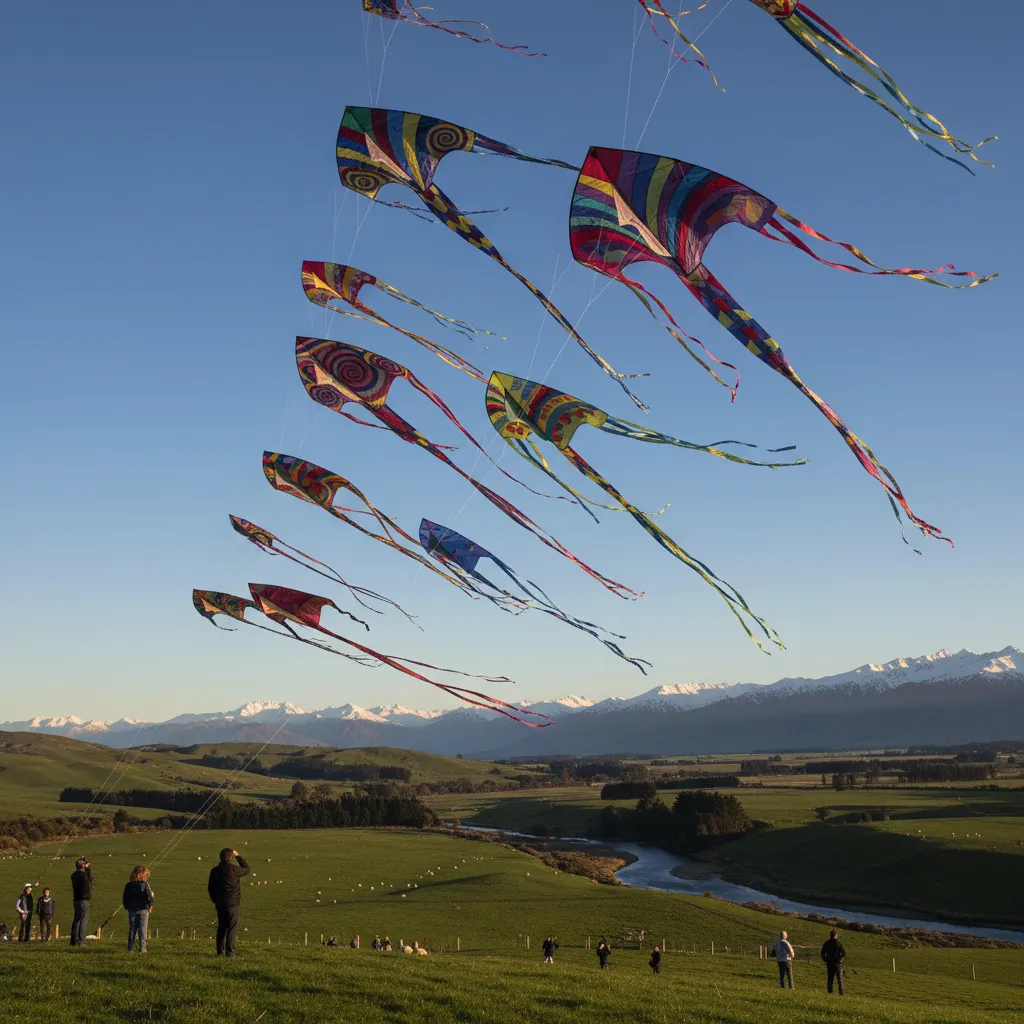
Kite flying is a traditional Māori activity often associated with Matariki. Kites, or manu tukutuku, were seen as a connector between the heavens and the earth. Ancient Māori used them for recreation but also for divination and communication.
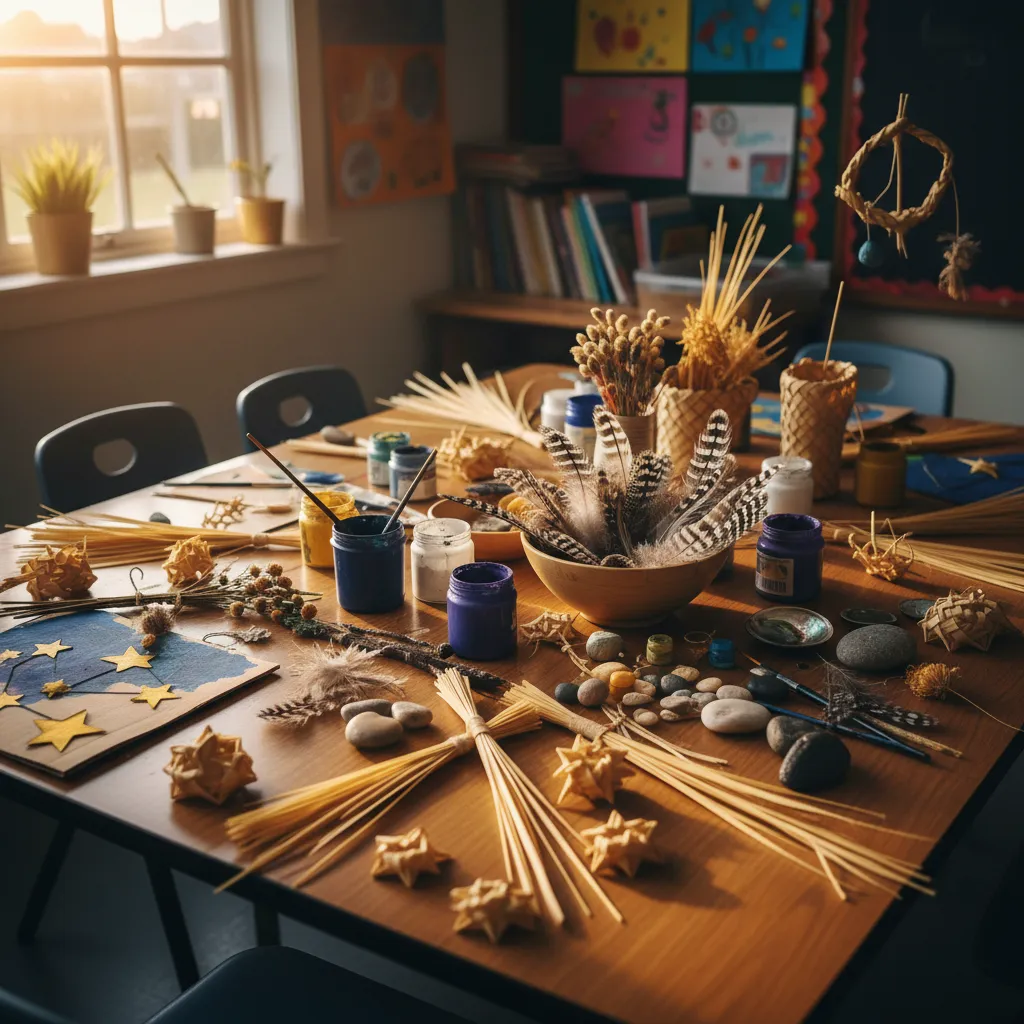
Building a kite together is a fantastic STEM (Science, Technology, Engineering, and Math) activity that also holds cultural weight. You can use natural materials like raupō (bullrush), flax, and toe toe stems, or modern materials like paper and light wood. Once constructed, take the family to a local park or beach to fly them. As the kite ascends, encourage children to imagine their kite carrying their wishes up to the stars.
People Also Ask
When is the best time to view Matariki?
The best time to view the Matariki cluster is in the early morning, just before dawn (typically between 5:30 AM and 6:30 AM). It is visible in the northeastern horizon of the sky. The specific dates for the public holiday and optimal viewing shift slightly each year based on the lunar calendar (Maramataka).
What are the 9 stars of Matariki?
While often referred to as the Seven Sisters, Māori tradition recognizes nine distinct stars in the cluster: Matariki (the mother), Pōhutukawa, Tupu-ā-nuku, Tupu-ā-rangi, Waipuna-ā-rangi, Waitī, Waitā, Ururangi, and Hiwa-i-te-rangi. Each star holds dominion over a specific environmental domain, such as fresh water, salt water, wind, or food crops.
What food is traditional for Matariki?
Traditional Matariki foods include ingredients sourced from the earth and rivers. Common dishes feature Kūmara (sweet potato), fish (ika), shellfish, pork, and rēwena bread. A Hāngī (earth oven) is the most traditional method of cooking for large gatherings, symbolizing the cooking of food within the warmth of Papatūānuku (Earth Mother).
How do you wish someone a Happy Matariki?
You can say “Mānawatia a Matariki,” which translates to “Celebrate Matariki” or “Welcome Matariki.” It is a respectful and joyful way to acknowledge the New Year. You might also hear “Ngā mihi o te tau hou,” which means “Greetings for the New Year.”
Is Matariki a public holiday in New Zealand?
Yes, Matariki is an official public holiday in New Zealand. The first public holiday was celebrated on June 24, 2022. The date changes annually as it follows the Maramataka (Māori lunar calendar), usually falling in late June or early July.
What is the star Hiwa-i-te-rangi used for?
Hiwa-i-te-rangi is the youngest star in the cluster and is known as the “wishing star.” It is connected to the promise of a prosperous season. During Matariki, people send their wishes, dreams, and aspirations for the coming year to Hiwa-i-te-rangi, hoping they will be realized.