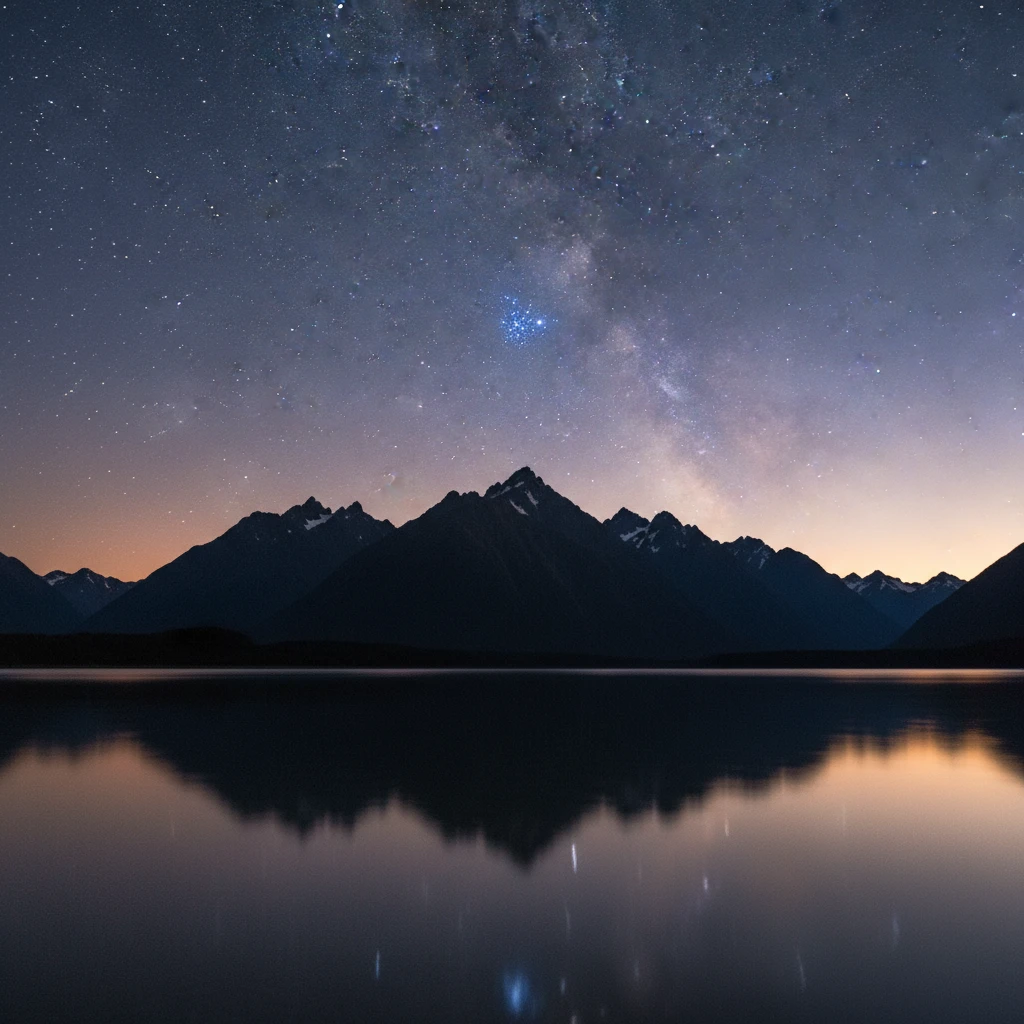
When is Matariki this year? In 2024, the Matariki public holiday falls on Friday, June 28. This date marks the official celebration of the Māori New Year in New Zealand, determined by the lunar calendar (maramataka) and the rising of the Pleiades star cluster during the Tangaroa phase of the moon.
Matariki is a time for remembrance, celebrating the present, and looking to the future. Unlike holidays fixed to the Gregorian calendar, the date of Matariki shifts annually, much like Easter, to align with the environmental indicators and the lunar phases that guided traditional Māori life.
When is Matariki 2024?
For the year 2024, the official public holiday for Matariki is observed on Friday, June 28, 2024. This provides a long weekend for New Zealanders to engage in cultural festivities, wānanga (learning), and whanaungatanga (connection).
The period of Matariki typically begins when the star cluster is first sighted (Interactive Night Sky Map Tool: Locate Matariki Now) in the pre-dawn sky, usually in late June or early July. However, the public holiday is specifically legislated to fall on a Friday closest to the Tangaroa phase of the moon following the rising of the stars. This timing ensures that the holiday aligns with the most auspicious time for planting and fishing, as dictated by the maramataka (Māori lunar calendar).
Full Schedule: Matariki Dates 2024–2030
Because Matariki follows a stellar and lunar cycle rather than the solar Gregorian calendar, the dates fluctuate significantly from year to year. The New Zealand Government, advised by the Matariki Advisory Committee, has legislated the dates out to 2052 to provide certainty for businesses, schools, and the tourism sector.
Here are the confirmed public holiday dates for the next several years:
- 2024: Friday, 28 June
- 2025: Friday, 20 June
- 2026: Friday, 10 July
- 2027: Friday, 25 June
- 2028: Friday, 14 July
- 2029: Friday, 6 July
- 2030: Friday, 21 June
Planning ahead is crucial for the education and tourism sectors, as these dates represent major cultural events across the country. Notice the variance; in 2025, the holiday is as early as June 20, while in 2026, it pushes out to July 10. This variance of nearly three weeks illustrates the disconnect between the lunar year (approx. 354 days) and the solar year (365 days).
Why Do Matariki Dates Change Every Year?
The shifting date of Matariki is a source of curiosity for many. To understand why the date changes, one must understand the difference between the solar calendar used in the western world and the environmental-lunar system of the Māori.
The Maramataka (Lunar Calendar)
Traditional Māori timekeeping is based on the maramataka, which follows the cycles of the moon. A lunar month is approximately 29.5 days long, and a lunar year is roughly 11 days shorter than a solar year. If the holiday were fixed to a specific Gregorian date, it would eventually fall out of sync with the moon phases that are critical to the holiday’s meaning.
The Tangaroa Phase
The specific timing of the holiday is hinged on the Tangaroa phase of the moon. In the maramataka, the nights of Tangaroa (typically the last quarter of the moon cycle) are considered highly productive for fishing and planting. It is a time of energy and abundance.
The Matariki public holiday is officially set for the Friday closest to the Tangaroa lunar phase following the heliacal rising of the Matariki cluster. This ensures that the celebration occurs not just when the stars are visible, but when the moon is in an auspicious phase for the activities associated with the New Year.
How is the Date Officially Determined?
The dates for the Matariki public holiday were not chosen arbitrarily. They are the result of rigorous astronomical and cultural analysis by the Matariki Advisory Committee (Te Kāhui o Matariki).
The Role of Experts
Leading this committee is Professor Rangi Matamua, a renowned Māori astronomer and cultural expert. His work has been pivotal in reviving the knowledge of Matariki and ensuring the public holiday is grounded in authentic mātauranga Māori (Māori knowledge).
The committee analyzes the position of the stars and the moon for decades into the future. They look for the exact period when Matariki will rise just before the sun (heliacal rising) and cross-reference this with the moon’s phase. This synthesis of astronomy and cultural tradition was codified into law via the Te Kāhui o Matariki Public Holiday Act 2022.
The 9 Stars of Matariki and Their Meanings
While often referred to as the Seven Sisters (a Greek concept), in Māori tradition, Matariki is often recognized as a cluster of nine visible stars. Each star holds a distinct domain and significance, governing different aspects of the environment and human life.
1. Matariki (Alcyone)
The mother of the other stars in the cluster. Matariki signifies reflection, hope, and the health of the people. She gathers the others around her to bring tidings of the New Year.
2. Pōhutukawa (Sterope)
This star is connected to the dead—those who have passed away since the last rising of Matariki. We look to Pōhutukawa to remember our loved ones and carry their memories into the future.
3. Tupuānuku (Pleione)
Tupuānuku is associated with food grown in the ground. This includes kumara (sweet potato) and other root vegetables. If this star is bright, it signals a bountiful harvest for crops.
4. Tupuārangi (Atlas)
This star governs food that comes from the sky and above the ground. This includes birds, berries, and fruits. It is a key indicator for the abundance of forest resources.
5. Waipuna-ā-rangi (Electra)
Connected to the rain. The brightness of Waipuna-ā-rangi predicts the rainfall for the coming year. It is vital for planning, as it indicates whether there will be droughts or floods.
6. Ururangi (Merope)
Ururangi is the star of the winds. It determines the nature of the winds for the year—whether they will be gentle and favorable or harsh and destructive.
7. Waitī (Maia)
Waitī watches over fresh water environments—lakes, rivers, and streams—and the food sources within them, such as eels and freshwater crayfish. It emphasizes the health of our waterways.
8. Waitā (Taygeta)
Waitā represents the ocean and salt water. It is associated with the vast food sources of the sea. A clear Waitā signals a good year for fishing and gathering kaimoana (seafood).
9. Hiwa-i-te-rangi (Celaeno)
Often known as the wishing star. Hiwa-i-te-rangi is the star to which we send our dreams and aspirations for the coming year. It represents the promise of a prosperous future.
Puanga: The Regional Variation
It is important to note that not all iwi (tribes) in New Zealand celebrate Matariki as the primary marker of the New Year. In some regions, particularly in the Far North and parts of the West Coast and South Island, the Matariki cluster is difficult to see clearly due to mountainous geography or latitude.
For these iwi, the star Puanga (Rigel) serves as the herald of the New Year. Puanga is a bright star in the Orion constellation that rises slightly earlier than Matariki. The celebration, often called Puanga, carries similar themes of remembrance, harvest, and renewal. The public holiday dates, however, are standardized nationally to the rising of Matariki, but the spirit of the holiday encompasses the Puanga traditions as well.
How to Celebrate the Māori New Year
Matariki is a time for quiet reflection and joyful celebration. Here are three core ways to observe the holiday, following the themes of Matariki Hunga Nui (remembrance, celebrating the present, and looking to the future).
1. Remembrance (Whakamahara)
Take time to remember those who have passed away in the previous year. This can be done by visiting urupā (cemeteries), sharing stories of loved ones, or simply lighting a candle in their memory. It is a time to acknowledge the cycle of life and death.
2. Celebrating the Present (Whakangahau)
Gather with friends and whānau (family) to share a feast. Food is a central element of Matariki, representing the Harvest Foods. A traditional hāngī (Preparing the Umu (Earth Oven)) is common, but any shared meal strengthens bonds. It is also a time for singing, games, and enjoying each other’s company.
3. Looking to the Future (Wawata)
Look to Hiwa-i-te-rangi, the wishing star. Plan for the year ahead. This might involve setting goals for your family, planning a garden, or discussing aspirations for your community. It is a time to reset and prepare for new growth.

By understanding the dates, the celestial mechanics, and the deep cultural significance of Matariki, we can all participate more meaningfully in this unique New Zealand holiday. Whether you are observing the stars in 2024 or planning for 2030, Matariki offers a moment to pause and reconnect with the environment and the people around us.
Is Matariki always on a Friday?
Yes, under the Te Kāhui o Matariki Public Holiday Act 2022, the public holiday is always observed on a Friday. This creates a long weekend to encourage travel and family gatherings. The specific Friday is chosen to align with the Tangaroa phase of the moon closest to the rising of the star cluster.
What happens if I can’t see the stars?
Visibility of the Matariki cluster depends heavily on weather and light pollution. However, the holiday proceeds regardless of visibility on the specific day. The dates are calculated astronomically in advance. If you cannot see them, you can still celebrate the themes of the holiday or look for Puanga (Rigel) which is often brighter.
Is Matariki a public holiday for everyone in NZ?
Yes, Matariki is a national public holiday in New Zealand for all workers and schools. It was celebrated as a public holiday for the first time in 2022, making it the first public holiday in New Zealand that specifically recognizes Māori culture.
How long does Matariki last?
While the public holiday is a single day, the customary celebration of Matariki lasts for a period of time, often up to a month. It begins with the first sighting of the stars and continues until the new moon of the following month. Different iwi may have different durations for their festivities.
What is the difference between Matariki and the Solar New Year?
The Solar New Year (January 1st) is based on the earth’s revolution around the sun and is fixed to the Gregorian calendar. Matariki is based on the stellar (heliacal rising of stars) and lunar (phases of the moon) cycles. This makes Matariki an environmental calendar marker that signals seasonal changes, rather than just a numerical date.
Can I see Matariki from Australia?
Yes, the Pleiades cluster (Matariki) is visible from Australia and many other parts of the world. In fact, many cultures globally have traditions associated with this star cluster, including Aboriginal Australians, Japanese (Subaru), and ancient Greeks. However, the specific cultural celebration of Matariki as the New Year is unique to Aotearoa New Zealand.