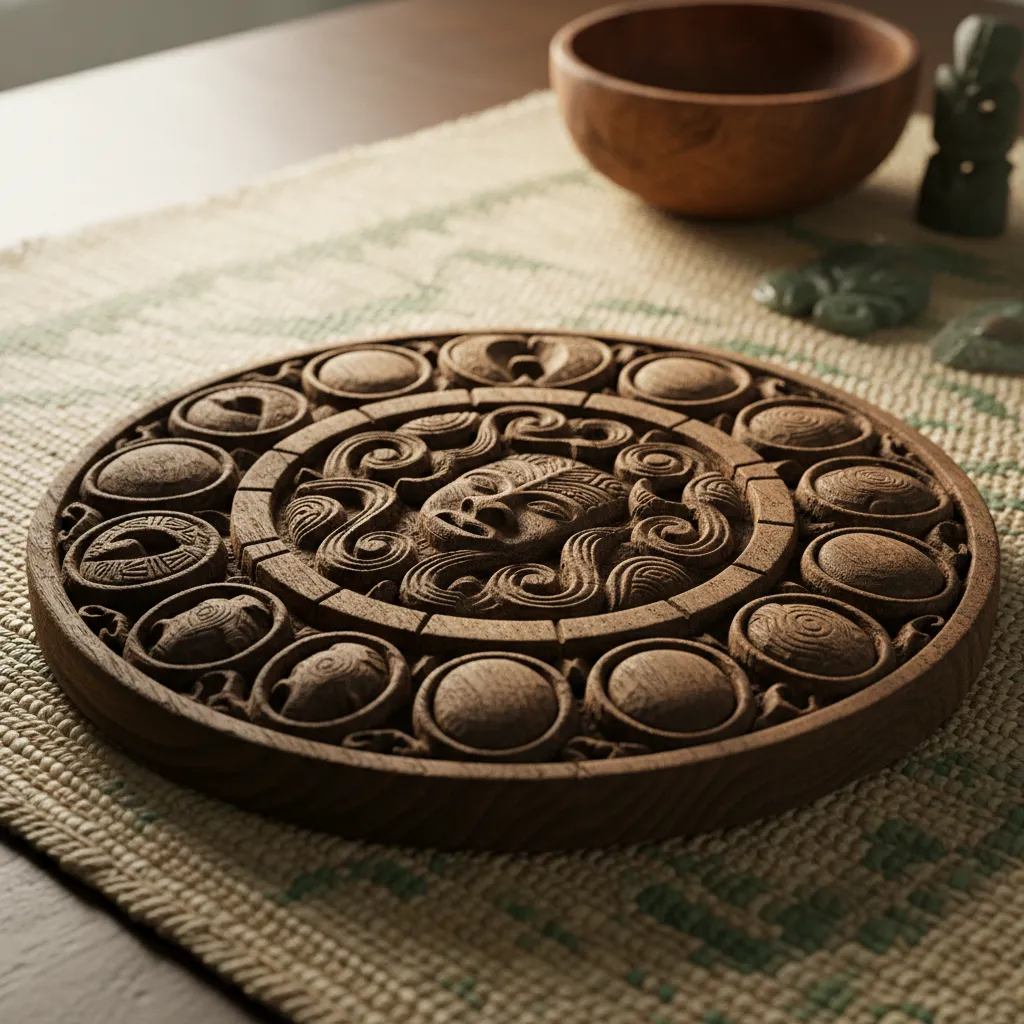
The Maori fishing and planting calendar, known as the Maramataka, is an ancient predictive system based on lunar phases. It guides harvesting, fishing, and gardening by identifying high-energy days for productivity and low-energy days for rest. By aligning activities with the moon’s gravitational pull, practitioners maximize yield, sustainability, and ecological balance.
What is the Maori Fishing and Planting Calendar (Maramataka)?
The Maramataka is far more than a simple method of tracking days; it is a sophisticated ecological timekeeping system developed by Maori ancestors (tupuna) over centuries of observation. Unlike the Gregorian calendar, which is solar-based, the Maramataka is strictly lunar. It recognizes that the moon’s gravitational pull affects not only the tides but also the water table in the soil, the sap flow in trees, and the behavior of fish and insects.
For those working in New Zealand’s education and cultural tourism sectors, understanding the Maramataka provides a profound insight into how indigenous knowledge systems function. It divides the lunar month (typically 29.5 days) into specific phases, each possessing distinct energy levels known as mauri. These energy levels dictate whether it is a time for high activity (planting, fishing, attacking goals) or low activity (resting, planning, reflecting).
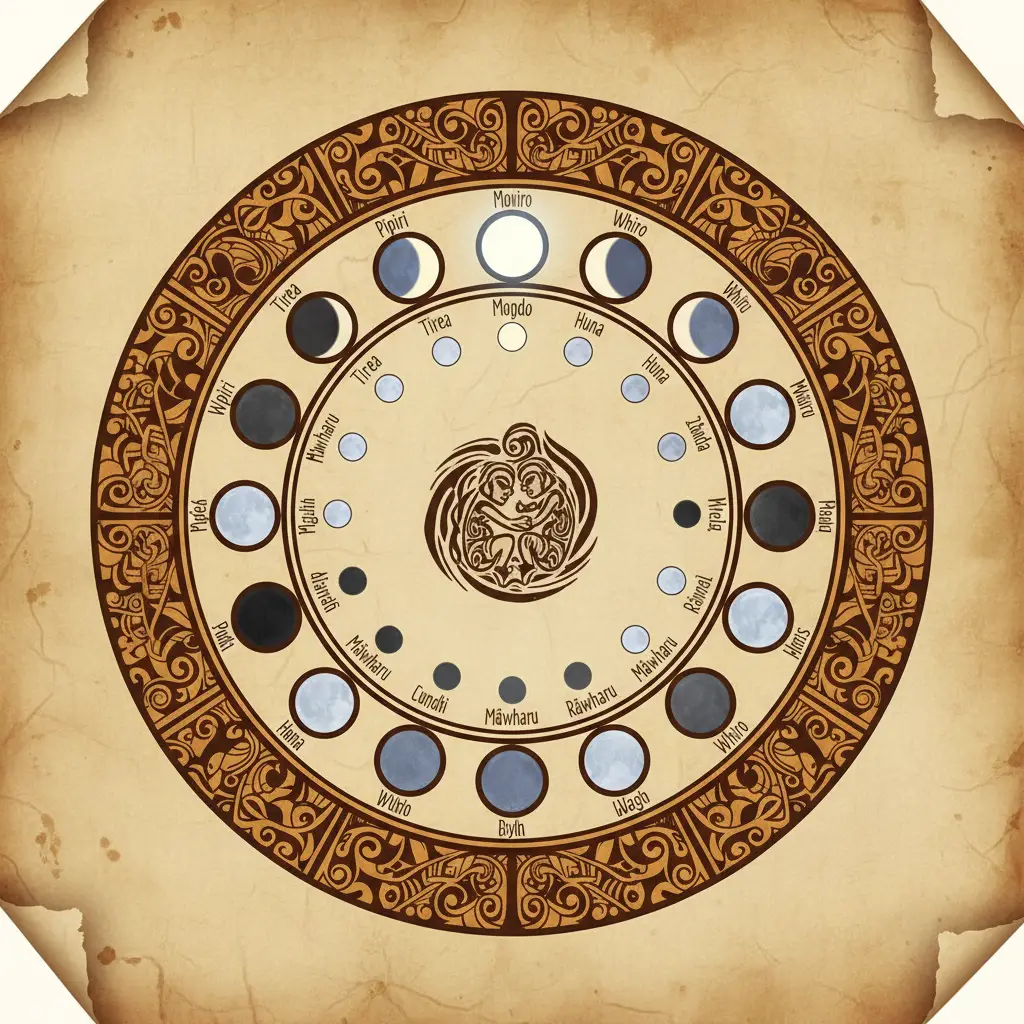
The calendar is generally split into typical phases: the New Moon (Whiro), the First Quarter (Tamatea), the Full Moon (Rakaunui), and the Last Quarter (Tangaroa). However, the Maramataka is nuanced, with specific names for every night of the lunar cycle, offering granular advice for resource management.
What are the Best Days for Planting Kumara and Root Vegetables?
Success in the maara (garden) relies heavily on timing. The Maori fishing and planting calendar identifies specific days where the earth’s moisture is highest, promoting rapid germination and strong root establishment. This is particularly crucial for root vegetables like kumara (sweet potato), taewa (Maori potatoes), and carrots.
The Rakaunui Phase (Full Moon)
The days leading up to and immediately following the full moon are generally considered the most productive for planting. During this time, the moon’s gravitational pull draws moisture to the surface of the soil.
- Mawharu: Occurring just before the full moon, this is widely regarded as the premier day for planting kumara. The energy is high, and the soil is primed for root crops to swell.
- Atua: Following Mawharu, this day maintains high productivity but is often associated with slightly more spiritual caution. It remains excellent for planting food crops.
- Rakaunui: The night of the full moon. This represents peak energy. It is the optimal time for planting above-ground crops and root vegetables alike. The high light levels and water table encourage robust growth.

The Korekore Phase
Conversely, it is vital to know when the energy shifts. Generally, as the moon begins to wane significantly, the energy drops. However, specific days within the waning cycle still hold value for maintenance rather than planting. Understanding the distinction ensures that you do not waste seeds on days where germination rates are historically low.
How to Determine the Best Days for Fishing (Eel and Crayfish)?
The Maramataka is perhaps most famous for its accuracy regarding fishing. The interaction between the moon and the tides is scientifically proven, but the Maori fishing and planting calendar adds a layer of behavioral observation regarding marine life. The phrase “Tangaroa” refers to the god of the sea, and the days bearing his name are the most bountiful.
The Tangaroa Phase
The Tangaroa nights usually occur in the last quarter of the moon. During these days, the ocean is active, and fish are feeding aggressively. This is the prime window for deep-sea fishing and gathering kaimoana (seafood).
- Tangaroa-a-mua: The first of the Tangaroa days. Excellent for fishing. Fish are active and biting.
- Tangaroa-a-roto: The middle Tangaroa day. Often cited as the peak time for eel (tuna) and crayfish (koura). The currents may be stronger, bringing food sources that marine life chases.
- Tangaroa-kiokio: The last of this phase. Still good for fishing, though the energy begins to taper off slightly.
Eeling Considerations
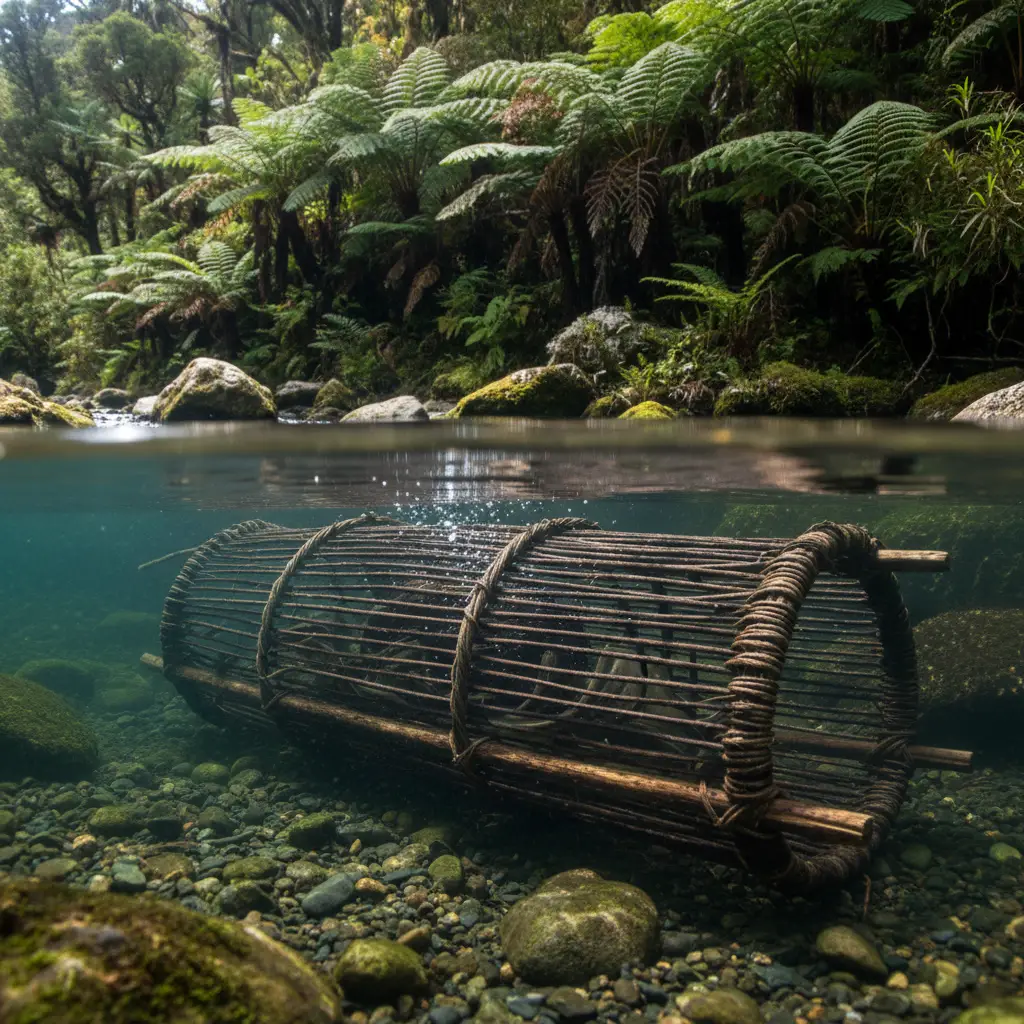
For eeling specifically, the darker nights are often preferred as eels are nocturnal and shy of bright moonlight. While the Tangaroa phase is productive, the days immediately following the full moon (when the moon rises later in the evening) can also be excellent for shallow water eeling before the moon illuminates the water.
When Should You Avoid Harvesting?
In any sustainable system, rest is as important as activity. The Maramataka encodes conservation into its schedule by designating days where harvesting is essentially forbidden or known to be fruitless. These are often referred to as “Korekore” days. Kore translates roughly to “nothing” or “nil.”
The Korekore Days
These days typically appear during the waning moon. They are low-energy days characterized by poor fishing results and low gardening productivity.
- Korekore-te-whiwhia: A day not to be sought after. Fishing lines will come up empty, and seeds may rot in the ground.
- Korekore-te-rawea: Another day of low productivity. It is better to use this time for repairing nets, sharpening tools, or weeding the garden rather than planting or harvesting.
- Whiro (New Moon): The lowest energy point of the month. It is traditionally a time for introspection, planning, and rest. It is considered unfavorable for food gathering.
Respecting these days prevents over-harvesting. By staying out of the water and the garden during Korekore phases, the environment is given time to replenish, ensuring that the bounty remains for the high-energy Tangaroa and Rakaunui phases.
How to Align Modern Gardening with Ancient Wisdom
For modern educational tourists or gardening enthusiasts in New Zealand, the Maramataka offers a framework to reconnect with nature’s rhythms. You do not need to abandon modern agronomy; rather, you layer the Maramataka on top of it to improve efficiency.
Practical Steps for Integration
- Observation (Tohu): The calendar is not a static rigid grid; it is flexible based on local signs (tohu). If the Maramataka says it is a good fishing day, but the seas are storm-tossed, ancient wisdom dictates you stay home. Modern application requires combining the calendar with weather forecasts.
- The 30-Day Cycle: Download a Maramataka dial or app specific to your local iwi (tribe). You may also find Maramataka Posters useful for visual learning, and the Interactive Night Sky Map Tool: Locate Matariki Now can assist in identifying key stars and moon phases. Variations exist between regions (e.g., inland tribes vs. coastal tribes).
- Experimentation: Try planting one row of carrots during Whiro (New Moon) and another during Rakaunui (Full Moon). Monitor the growth rates. This practical experiment is a fantastic educational tool for students and tourists alike.
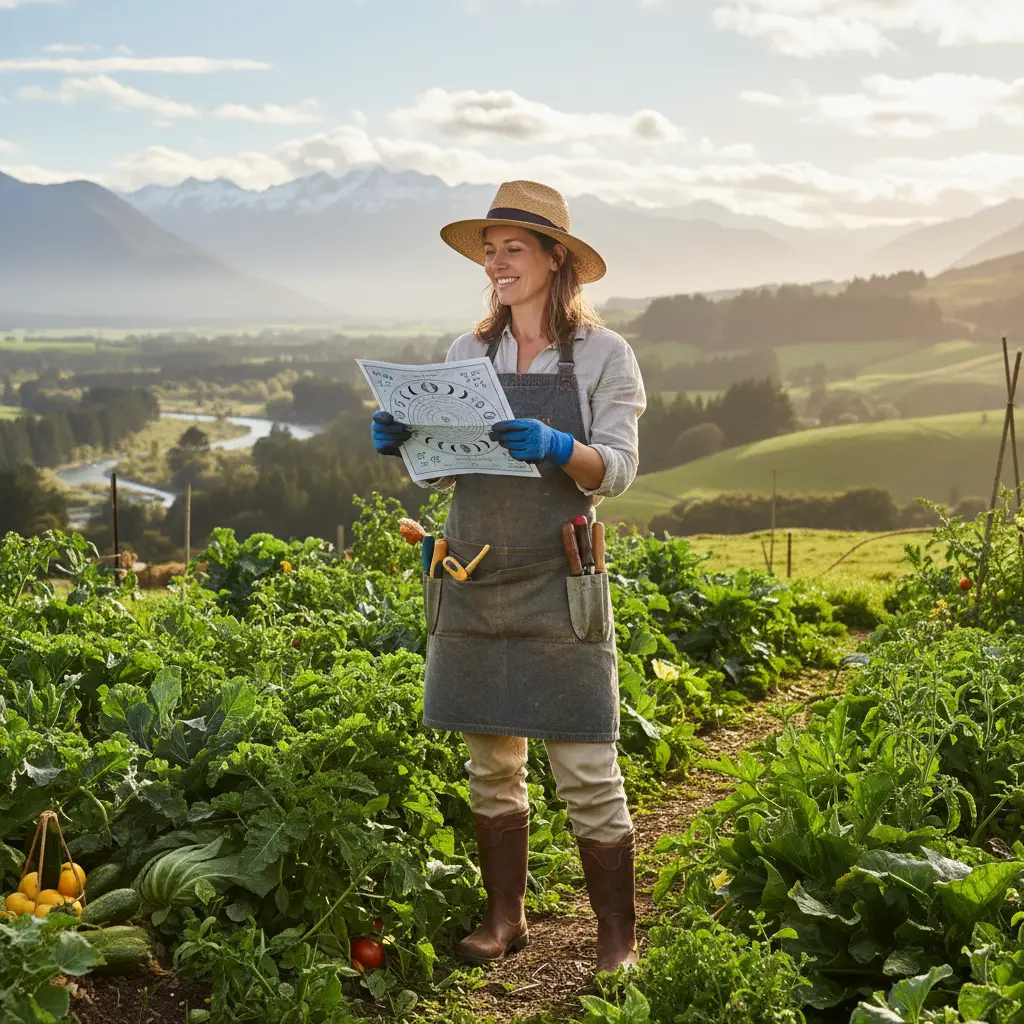
By adopting the Maori fishing and planting calendar, we move away from the concept of forcing the land to produce on our schedule and move toward working in flow with environmental cycles. This holistic approach reduces burnout for the gardener and increases the vitality of the harvest, making it an essential guide for Winter Gardening in Aotearoa.
People Also Ask
What is the best moon for fishing Maori?
The best moon phase for fishing in the Maori calendar is the Tangaroa phase. These days, which usually occur during the last quarter of the lunar cycle, are associated with active marine life and bountiful catches.
What are the days of the Maramataka?
The Maramataka consists of roughly 30 named days (nights) corresponding to the moon’s shape and position. Key phases include Whiro (New Moon), Tamatea (First Quarter), Rakaunui (Full Moon), and Tangaroa (Last Quarter), with specific names for every intervening day.
When should I plant kumara in NZ?
Kumara should be planted during the high-energy days of the Rakaunui (Full Moon) phase, specifically on days like Mawharu. This usually aligns with late spring (October/November) in the Gregorian calendar when soil temperatures have risen.
What is the Maori word for moon?
The Maori word for the moon is Marama. This is the root of the word Maramataka, which translates to “the turning of the moon” or the moon calendar.
Is the Maramataka accurate?
Yes, the Maramataka is considered highly accurate by practitioners. It is based on centuries of empirical observation of tides, animal behavior, and plant cycles. Modern science supports the influence of lunar gravity on tides and water tables, which underpins the system’s logic.
What does Tangaroa mean in the calendar?
In the context of the calendar, Tangaroa refers to a phase of days dedicated to the god of the sea. These days are characterized by high productivity in fishing and are considered the optimal time to gather seafood.