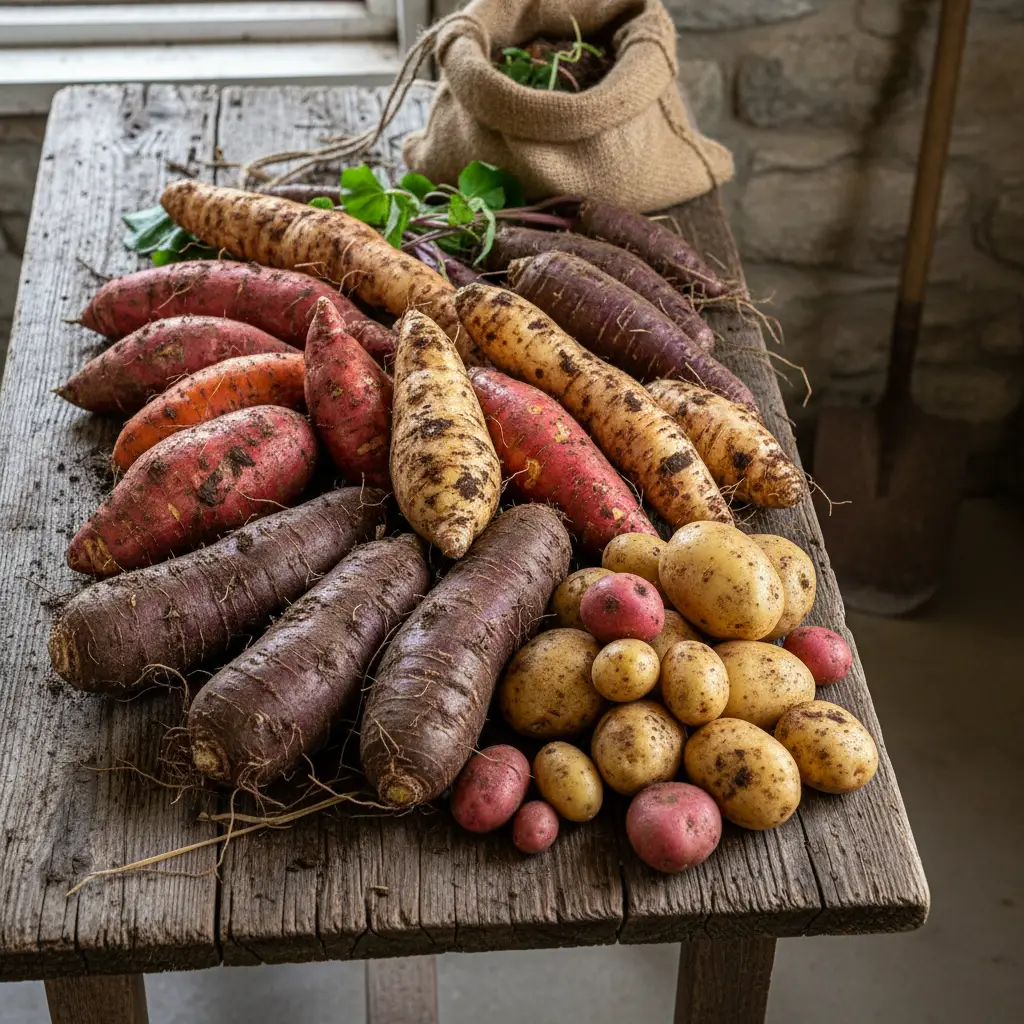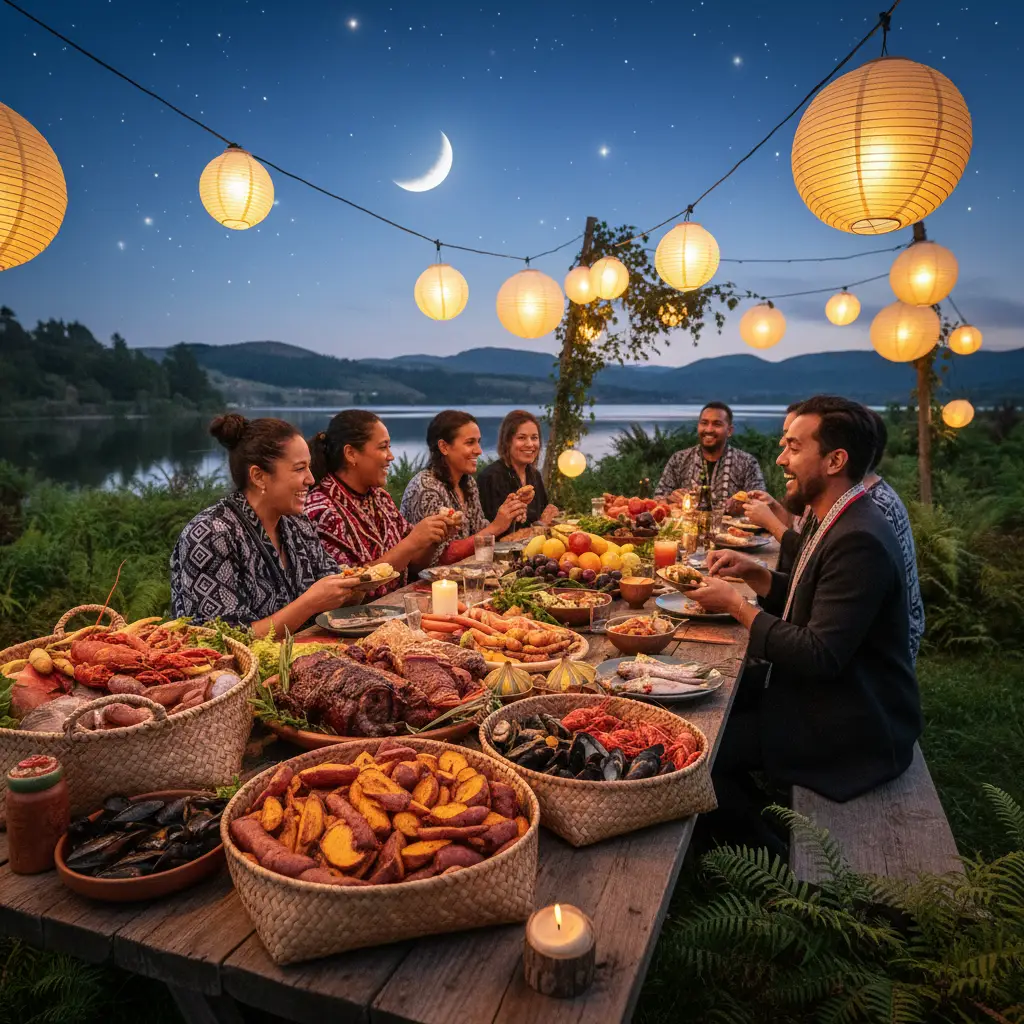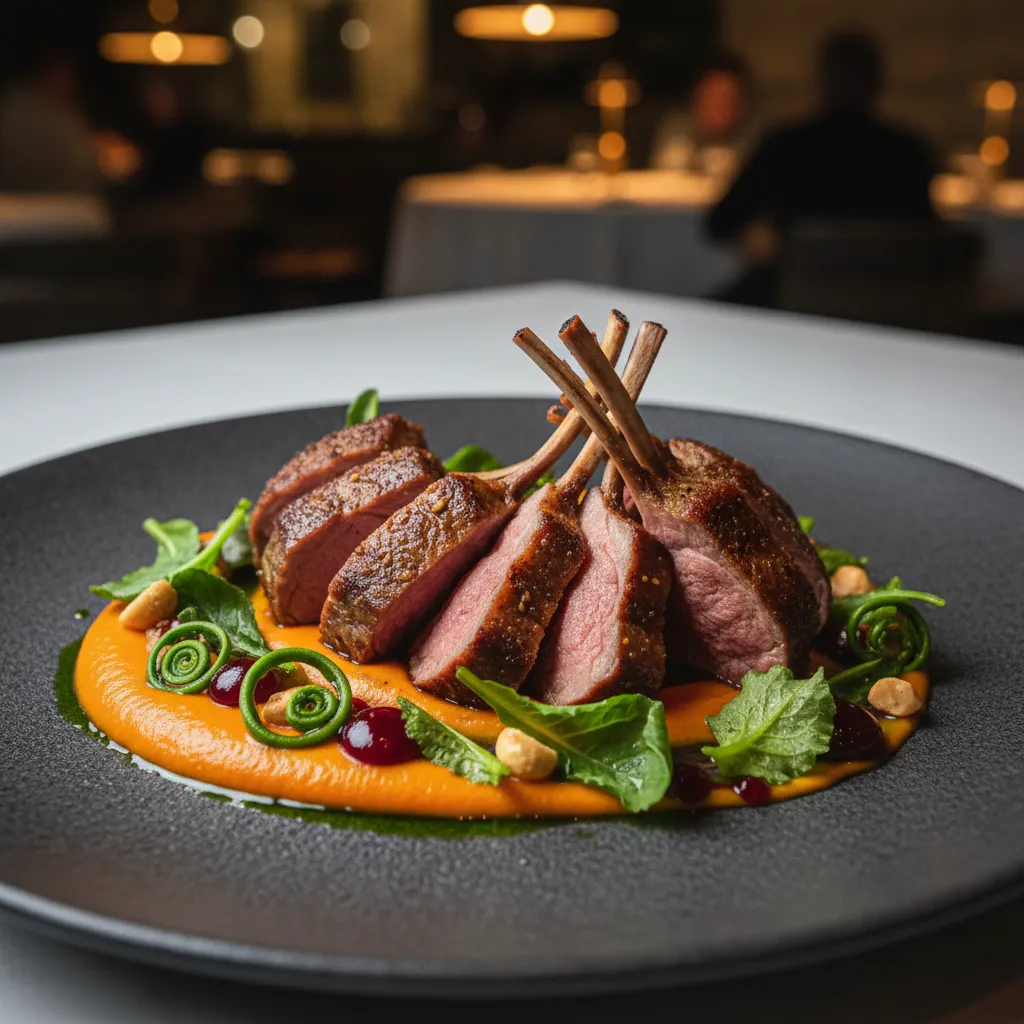
Restaurants with Matariki menus offer specialized dining experiences celebrating the Māori New Year through indigenous ingredients like kūmara, kaimoana (seafood), and pikopiko. These establishments often feature set degustation courses that weave storytelling with traditional cooking methods such as hāngī, providing a cultural culinary journey across Aotearoa during the mid-winter holiday (Matariki and the Winter Solstice).
Matariki, the Māori New Year, is a time of renewal, remembrance, and celebration in Aotearoa New Zealand. As the Pleiades star cluster rises in mid-winter (Interactive Night Sky Map Tool: Locate Matariki Now), it signals a time to gather with whānau (family) and friends to share kai (food). In recent years, the culinary landscape of New Zealand has embraced this holiday with fervor. Top chefs and local eateries alike curate special experiences, making the search for restaurants with Matariki menus a highlight of the winter season.
This guide explores the premier dining destinations across the country that honor indigenous ingredients and Māori hospitality (manaakitanga). From high-end degustations in Auckland to cultural hubs in Wellington, these venues offer more than just a meal; they offer a connection to the land and the stars.
Auckland Restaurants with Special Set Menus
Tāmaki Makaurau (Auckland) boasts a vibrant food scene that comes alive during Matariki. Many of the city’s top establishments pivot their focus during June and July to highlight native produce, often collaborating with local iwi and suppliers to ensure authenticity.
Fine Dining and Indigenous Fusion
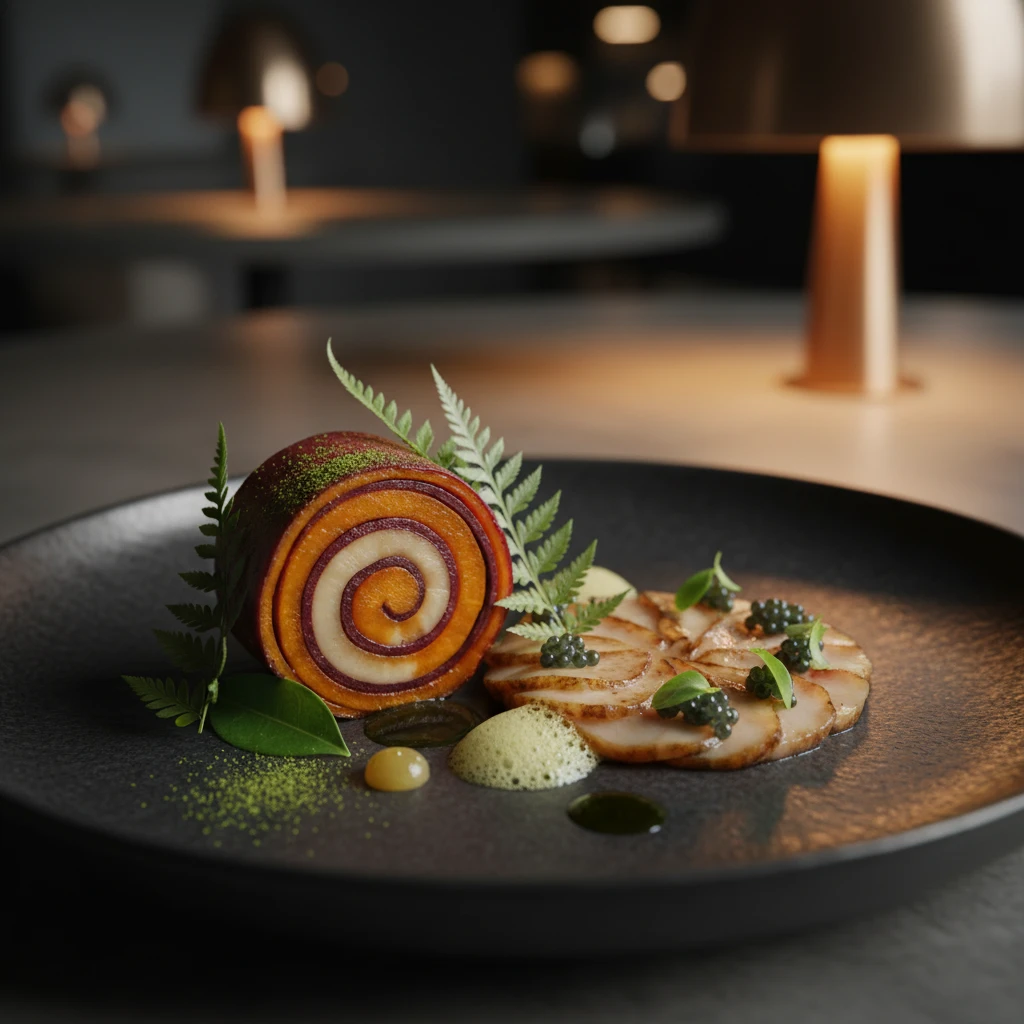
When looking for restaurants with Matariki menus in Auckland, you will often find that the city’s fine dining sector leads the charge. Chefs utilize this time to experiment with ingredients that have been harvested traditionally.
Ahi, located in Commercial Bay, is a perennial favorite. Chef Ben Bayly and his team are dedicated to the concept of “New Zealand food,” and their Matariki offerings often dig deep into history. You can expect dishes featuring wallaby, tītī (muttonbird), and intricate uses of kawakawa. Their menu is not just a list of food but a geography lesson of Aotearoa.
The Sugar Club often hosts special Matariki dinners. Perched high in the Sky Tower, the restaurant aligns its menu with the stars. Past years have seen collaborations with Māori chefs to produce menus where every course corresponds to a star in the Matariki cluster (Waitī, Waitā, Waipuna-ā-rangi, etc.). This storytelling approach transforms dinner into an educational experience (What is the Hautapu Ceremony?).
Casual and Contemporary Options
Not every Matariki meal requires a suit and tie. Several bistros and casual eateries offer special menu items or set courses that are accessible to a wider audience.
Blue Rose Café in Sandringham is famous for its hāngī pies. While they serve these year-round, the Matariki season sees an influx of visitors looking for that comforting taste of earth-oven cooked food wrapped in flaky pastry. It is a perfect lunch option for those wanting to acknowledge the holiday without a full degustation commitment.
Wellington On a Plate & Matariki Events
Te Whanganui-a-Tara (Wellington) is the cultural capital, and its approach to Matariki dining is deeply immersive. The timing of Matariki often aligns closely with winter food festivals, creating a synergy that foodies adore.
The Influence of Hiakai
It is impossible to discuss restaurants with Matariki menus without mentioning Hiakai. Founded by Chef Monique Fiso, Hiakai revolutionized the perception of Māori cuisine globally. While securing a reservation is notoriously difficult, the restaurant sets the standard for the entire region. During Matariki, their menu is a profound exploration of indigenous botany. If you cannot get a table, look for pop-up events or collaborations Hiakai alumni may be hosting around the city.
Karaka Café and Waterfront Dining
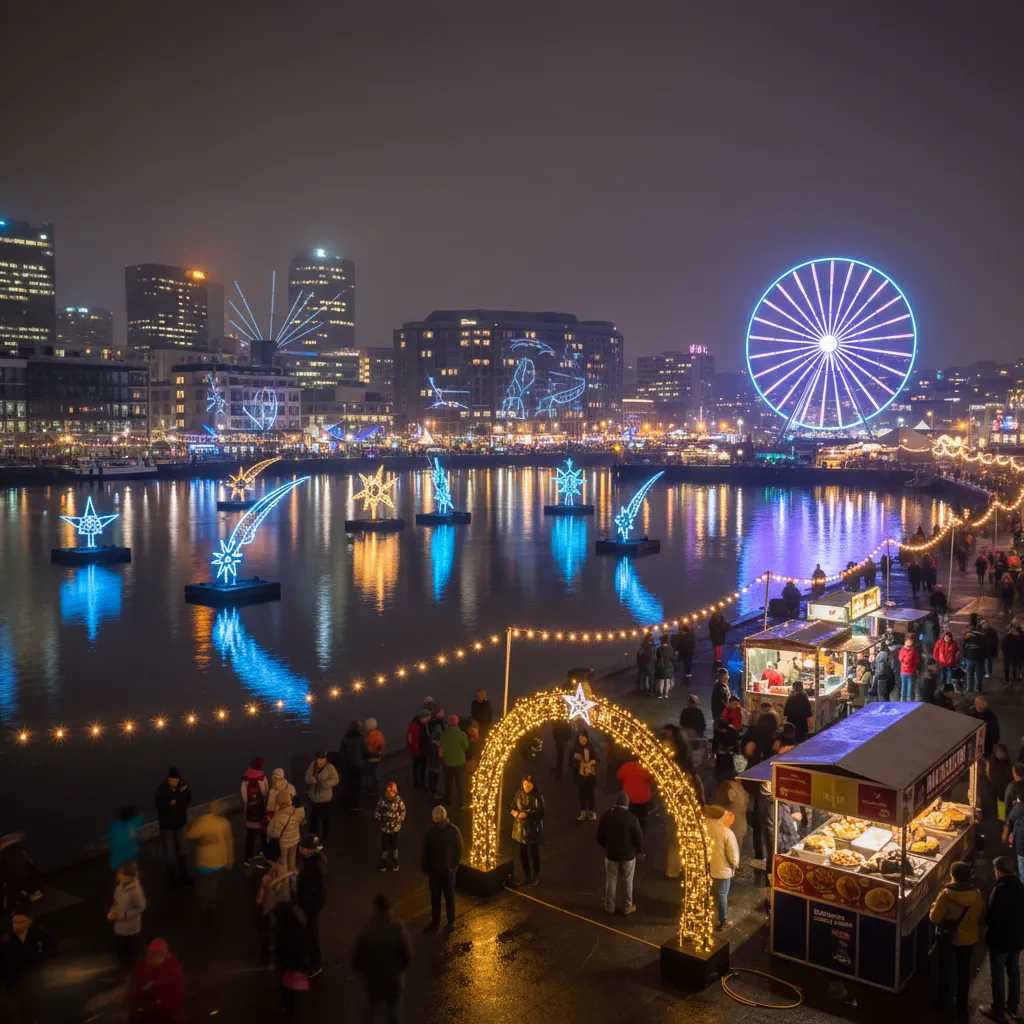
For a more accessible experience, Karaka Café on the waterfront offers a menu that consistently celebrates Māori flavors. During the Matariki festival, which lights up the Wellington harbor, Karaka is a central hub. Their hāngī platters and rewena bread burgers are staples. The location allows diners to enjoy their meal while watching the Matariki fireworks or light projections, bridging the gap between cultural tourism and gastronomy.
Māori-Owned Eateries to Support
Supporting Māori-owned businesses is a meaningful way to observe the principles of Matariki, particularly whanaungatanga (kinship) and kaitiakitanga (guardianship). These eateries often provide the most authentic atmosphere, where the food is an extension of the owner’s heritage.

Why Authenticity Matters
When you choose Māori-owned restaurants with Matariki menus, you are often engaging with recipes passed down through generations. The narrative is personal. In regions like Rotorua and Taupō, places like Pataka Kai (located within Te Puia) offer a hāngī buffet that is cooked in natural geothermal vents. This is not a modern interpretation; it is a continuation of centuries-old traditions.
Regional Gems
- Whangārei: Look for local cafes integrating horopito rubs on meats or serving fresh kaimoana chowders.
- Christchurch: The revitalization of the city has brought forward eateries like Fush, which promotes the use of Te Reo Māori alongside delicious fish and chips.
Understanding the Matariki Pantry
To truly appreciate restaurants with Matariki menus, it helps to understand the ingredients on your plate. Chefs use this holiday to showcase the biodiversity of New Zealand.
Key Ingredients to Look For
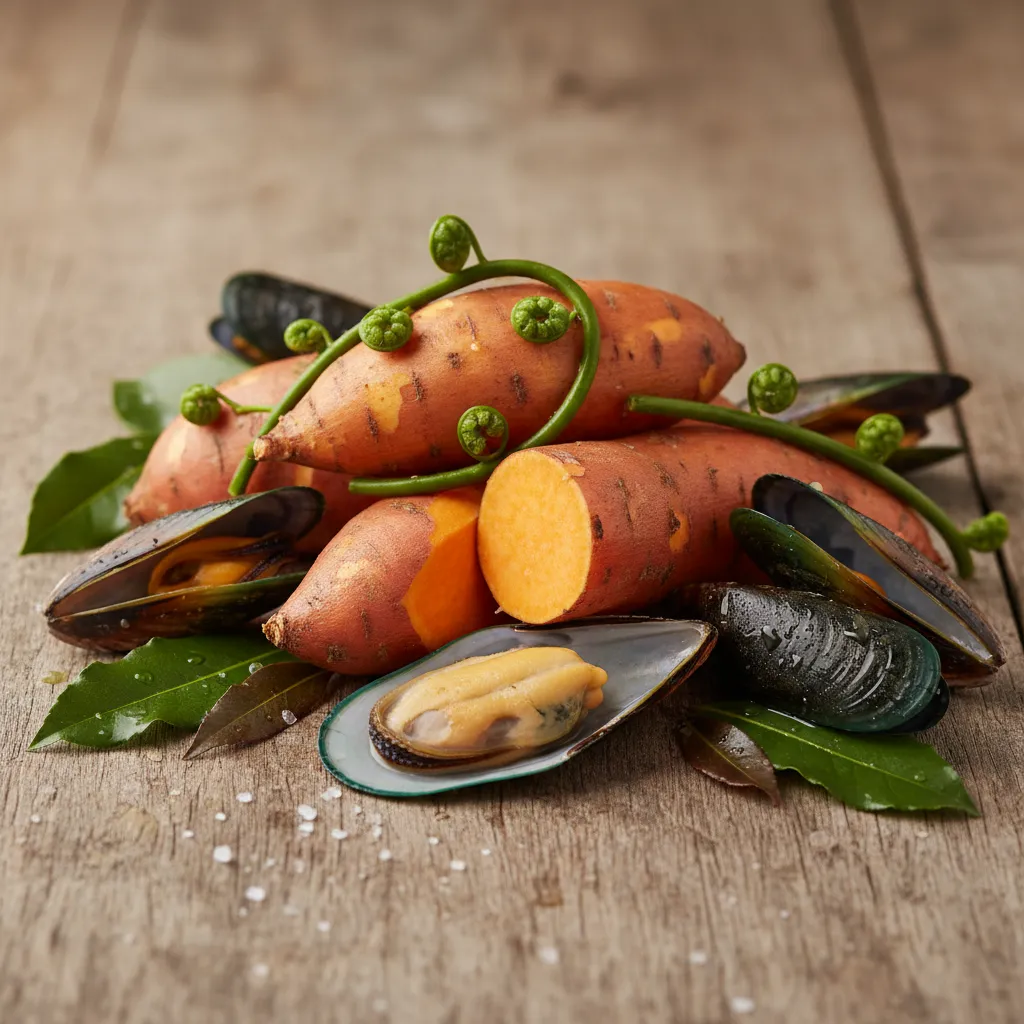
Pikopiko: These are edible fern fronds. They have a flavor profile similar to green beans or asparagus and are often used as a garnish or a side vegetable. They symbolize new life and growth.
Horopito: Known as the New Zealand pepper tree. Chefs use dried and ground horopito leaves as a spice rub for venison or lamb. It provides a distinct, earthy heat that lingers on the palate.
Kūmara: The sweet potato is a staple. During Matariki, which occurs after the harvest, kūmara is celebrated. Expect to see it roasted, mashed, or turned into gnocchi.
Kaimoana (Seafood): Matariki is connected to the tides and the ocean. Pāua (abalone), Kina (sea urchin), and Green-lipped mussels are prominent features on set menus, representing the bounty of the god Tangaroa.
Booking Advice for the Holiday Weekend
Since Matariki became an official public holiday in New Zealand, the demand for cultural dining experiences has skyrocketed. Securing a table at top restaurants with Matariki menus requires strategy.
Plan Ahead
The most popular venues release their Matariki schedules 4 to 6 weeks in advance. If you are targeting high-end establishments like Ahi or Hiakai, sign up for their newsletters in April or May to get notified immediately when bookings open.
Lunch vs. Dinner
If dinner reservations are sold out, check for lunch availability. Many restaurants offer the same set menu at lunch, often at a slightly lower price point. Lunch dining also offers the advantage of daylight, allowing you to appreciate the views if the restaurant is located near the water or mountains.
Dietary Requirements
Indigenous cuisine is naturally accommodating, but communication is key. Traditional Māori diets were gluten-free (prior to European flour), so many dishes based on kūmara and meats are suitable for celiacs. However, always inform the restaurant at the time of booking, especially regarding seafood allergies, as kaimoana is heavily featured during this season.
Frequently Asked Questions
What traditional foods are eaten during Matariki?
Traditional Matariki foods include kūmara (sweet potato), fish and shellfish (kaimoana), birds (muttonbird), and preserved foods prepared during the harvest. Modern menus often feature hāngī-style meats and native herbs like kawakawa.
Is Matariki a public holiday for restaurants?
Yes, Matariki is a public holiday in New Zealand. While many restaurants remain open to celebrate the occasion, they may apply a holiday surcharge (usually 15%) to cover staff wages.
Do all restaurants offer Matariki menus?
No, not all restaurants participate. However, there is a growing trend among top-tier and culturally focused eateries to offer specific set menus or specials that honor the occasion.
How much does a Matariki set menu cost?
Prices vary significantly. A casual café meal might cost $25-$40 NZD, while a fine dining degustation experience can range from $120 to $250+ NZD per person, depending on wine pairings.
Can I find vegetarian Matariki menus?
Yes. While traditional feasts are heavy on protein (kai), modern chefs are excellent at highlighting the vegetable bounty of the harvest, focusing on roasted root vegetables, pikopiko, and rēwena bread.
What is the best way to find local Matariki events?
Check local council websites (like Auckland Unlimited or Wellington City Council) and major food festival listings like “Restaurant Month” or “Visa Wellington On a Plate,” which often cross-promote Matariki dining events.