
Māori-owned catering in Auckland provides an authentic culinary experience rooted in manaakitanga (hospitality) and indigenous ingredients. These services specialize in traditional Hāngī, modern Māori fusion, and artisan grazing tables featuring kaimoana and rēwena bread, offering the perfect solution for celebrating Matariki corporate events and private whānau gatherings.
Matariki, the Māori New Year, is a time of reflection, celebration, and new beginnings. As Aotearoa embraces this public holiday, the demand for authentic culinary experiences that honor indigenous traditions has skyrocketed. Food, or kai, is central to Māori culture, serving not just as sustenance but as a medium for connection and hospitality. Choosing a Māori-owned catering service ensures that your event respects cultural protocols while delivering exceptional flavors unique to New Zealand.
Directory of Top-Rated Māori Caterers in Auckland
Finding the right Māori owned catering Auckland provider involves looking for businesses that blend culinary excellence with cultural integrity. The Auckland region (Tāmaki Makaurau) is home to a diverse range of indigenous caterers, ranging from traditional hāngī masters to contemporary fusion chefs.
1. Pūhā & Pākehā
Best for: Modern Street Food and Corporate Lunches.
Pūhā & Pākehā have revolutionized the perception of Māori kai by infusing traditional ingredients into modern street food formats. Known for their use of native herbs like horopito and kawakawa, they offer a sophisticated twist on classic flavors. Their catering menu often includes kumara and coconut bites, rēwena bread sliders, and their signature pūhā (sow thistle) incorporated into salads and sides. They are a top choice for corporate standing lunches where ease of eating and high-impact flavor are required.
2. Blue Rose Catering
Best for: Pies, Savories, and Office Shouts.
While famous for their café in Sandringham, Blue Rose offers exceptional catering services that bring a home-cooked, soulful feel to professional events. Their Hāngī Pie is legendary in Auckland, encasing the smoky flavors of a traditional earth oven within flaky pastry. For Matariki, they often curate platters that feature fresh kaimoana (seafood) and traditional boil-up inspired elements, making them perfect for morning teas and casual corporate gatherings.
3. The Hāngī Shop & Traditional Specialists
Best for: Large-scale Authentic Hāngī.
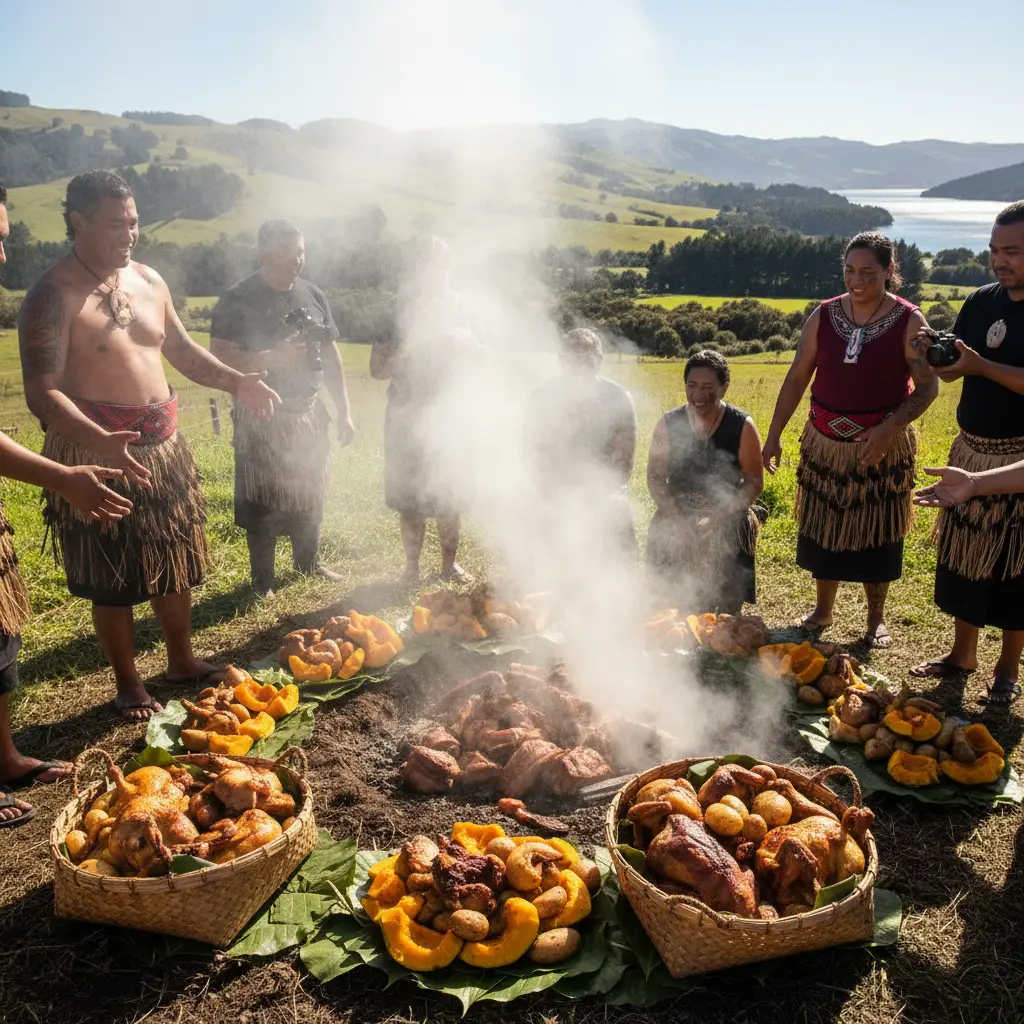
For events requiring the smoky, earthy authenticity that only comes from hot rocks and earth, specialist hāngī providers are essential. These caterers manage the complex logistics of digging, heating, and serving hāngī for hundreds of guests. In Auckland, several operators specialize in mobile hāngī pits or steamer-box alternatives that replicate the flavor profile for venues where digging isn’t permitted. This is the gold standard for large community Matariki festivals.
4. Taha Whānau Catering (and similar whānau-run enterprises)
Best for: Private Events and Weddings.
Many smaller, whānau-owned businesses operate across South and West Auckland, offering bespoke services that feel like being welcomed onto a Marae. These caterers often excel in “Kai Hākari” (feast food), providing abundant buffets of roast meats, steamed pudding, fry bread, and raw fish (ika mata). Search for providers with strong community reviews to find these hidden gems.
Specialist Matariki Menus and Grazing Tables
Matariki occurs in mid-winter, meaning the best menus are designed around seasonal availability, warmth, and preservation—key concepts in traditional Māori food gathering.
The Rise of the Indigenous Grazing Table
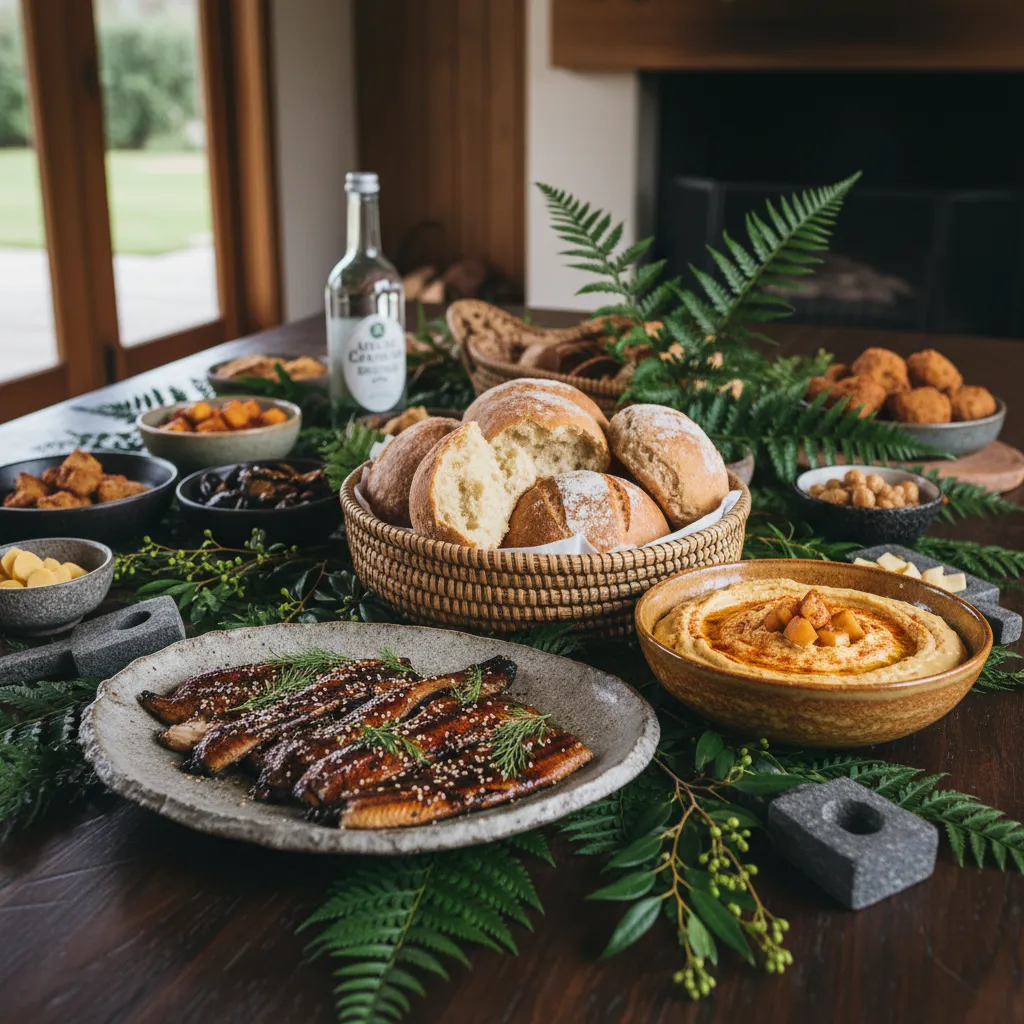
The standard charcuterie board has been reimagined by Māori caterers into an exploration of Aotearoa’s landscape. Instead of imported cheeses and crackers, a Matariki grazing table typically features:
- Proteins: Smoked kahawai, hot-smoked salmon, cured venison, and mussels.
- Carbohydrates: Fresh Rēwena (potato sourdough) bread, fry bread (paraoa parai), and kumara crisps.
- Dips & Spreads: Kumara and horopito hummus, smoked fish paté, and kawakawa jelly.
- Garnish: Edible native flowers and pikopiko (fern fronds).
Winter Warmers: Soup and Boil-up
For seated dinners or lunch events, caterers are increasingly offering refined versions of the “boil-up.” By using high-quality pork bones, watercress, and doughboys, and serving them in individual portions, this staple comfort food becomes a culturally significant menu item. Additionally, soups made from roasted kumara or pumpkin, seasoned with native herbs, provide a warming option that aligns with the winter season of Matariki.
Corporate vs. Private Event Options
The requirements for a corporate function differ vastly from a private whānau celebration. Top Māori-owned catering services in Auckland understand these nuances and adapt their manaakitanga accordingly.
Corporate Event Catering
Focus: Efficiency, Presentation, Dietary Compliance.
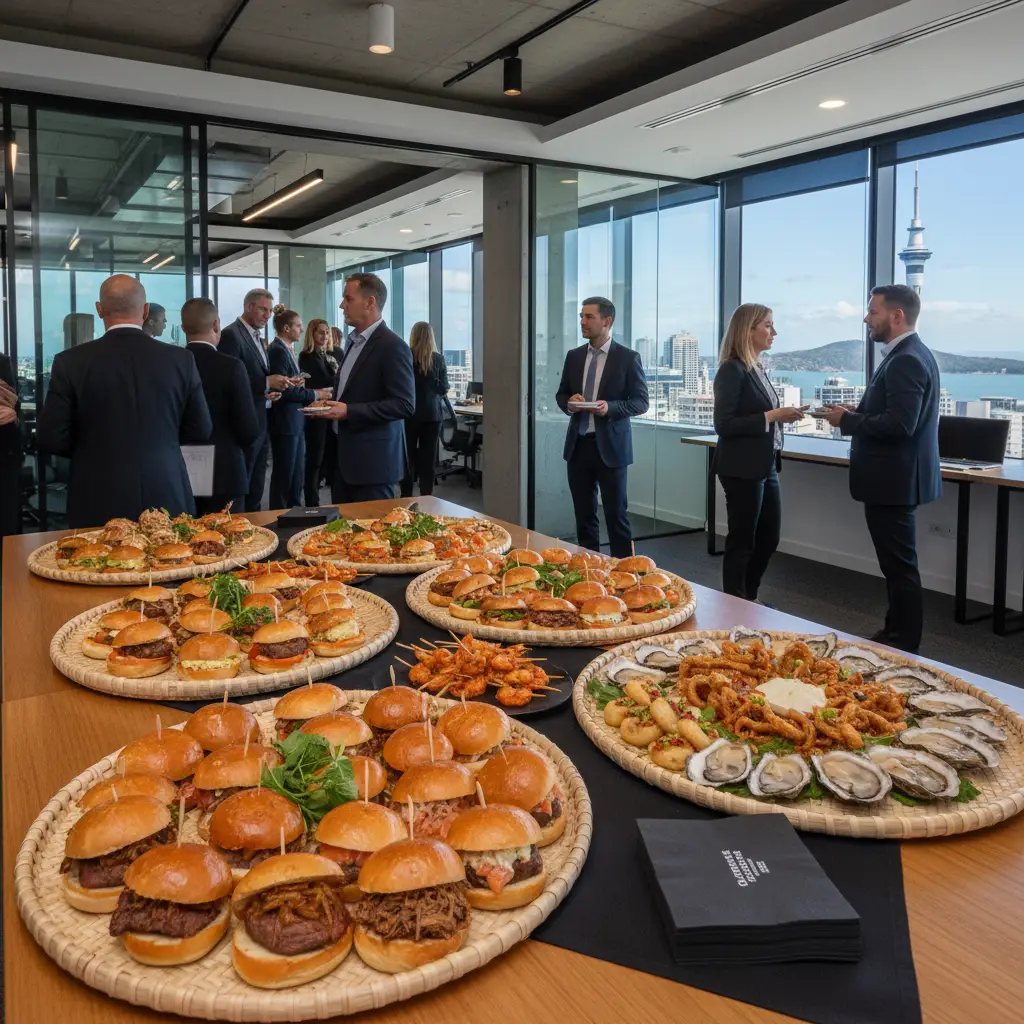
For corporate clients, the search intent for “maori owned catering auckland” often implies a need for professionalism alongside cultural authenticity. Corporate packages usually include:
- Individual portions: Bento-style boxes containing a mini hāngī or salad to facilitate networking.
- Service Staff: Professional waitstaff who can explain the origins of the kai, adding an educational layer to the event.
- Dietary Inclusivity: Clearly marked gluten-free, vegetarian, and vegan options (e.g., replacing pork fat with vegetable oils in cooking processes without losing flavor).
- Tikanga (Protocol): Many corporate events open with a Karakia (blessing). Experienced Māori caterers are comfortable facilitating this or waiting respectfully until the protocol is complete before serving.
Private and Community Events
Focus: Abundance, Sharing, Tradition.
Private Matariki parties often lean towards buffet styles where guests can serve themselves. The atmosphere is more relaxed, and the quantity of food is paramount. “Manuhiri” (guests) should never leave hungry. Catering for these events often involves:
- Buffet Service: Large chafing dishes of meats and vegetables.
- Whānau Style: Platters placed in the center of tables for guests to pass around, encouraging interaction.
- Dessert Focus: Steamed pudding with custard and pavlova are staples that are expected at private gatherings.
Booking Lead Times for June and July
Since Matariki became an official public holiday in New Zealand, the demand for indigenous catering during June and July has increased exponentially. Understanding the booking landscape is critical for securing your preferred vendor.
The “Matariki Rush”
The period typically spanning late June to mid-July is the peak season. Unlike Christmas, where bookings are spread over December, Matariki events are highly concentrated around the specific holiday weekend and the weeks immediately surrounding it.
Recommended Booking Timeline
- Corporate Events (50+ Pax): You should be inquiring by March or April. Large corporate events often require menu tasting and procurement of specific ingredients which takes time.
- Private Parties (20-50 Pax): Booking 6 to 8 weeks in advance (early May) is generally safe, though popular caterers like Pūhā & Pākehā may book out earlier.
- Drop-off Platters: For simple grazing boxes or morning teas, 2 to 3 weeks’ notice is usually sufficient, but do not leave it until the week of the holiday.
Cancellation and Deposits
Due to the high demand, many Māori caterers will require a non-refundable deposit to secure the date. Be prepared to pay 20-50% upfront. Always check the cancellation policy, especially regarding COVID-19 or weather-related disruptions if you are planning an outdoor hāngī.
The Significance of Kai in Matariki Celebrations
To truly appreciate the value of hiring a Māori-owned caterer, one must understand the connection between Matariki and food. Matariki is a star cluster (Pleiades) that appears in the mid-winter sky. Historically, its rising signaled the end of the harvest and the time to store food for the coming winter.
Different stars in the cluster represent different food sources:
- Tupuānuku: Food that grows in the ground (kumara, potatoes).
- Tupuārangi: Food that comes from the sky (birds, berries).
- Waitī: Freshwater food (eels, crayfish).
- Waitā: Saltwater food (fish, shellfish).
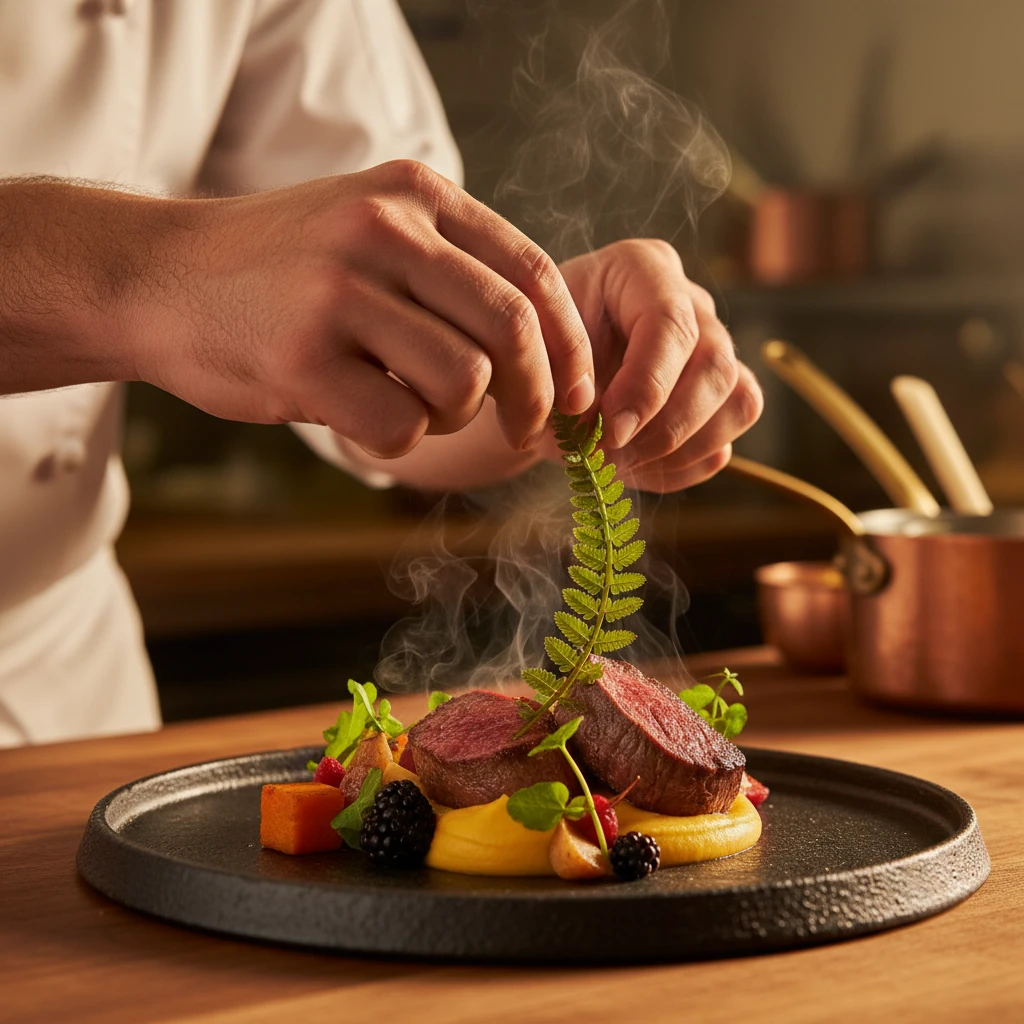
A top-tier Māori caterer will often design menus that acknowledge these stars, ensuring that elements from the earth, sky, and water are all represented on the plate. This adds a layer of storytelling to the meal, transforming a simple lunch into a cultural experience that honors the environment and the season.
Supporting the Māori Economy
Choosing “maori owned catering auckland” is also a deliberate act of economic support. It helps circulate wealth within indigenous communities and supports businesses that are often family-run. This aligns with the principles of Matariki, which include looking after the community and planning for the future.
Frequently Asked Questions
What traditional foods are best for a Matariki event?
The best foods for Matariki celebrate the harvest and winter preservation. Key items include Kumara (sweet potato), Rēwena bread, Kaimoana (seafood like mussels and fish), smoked meats, and steamed pudding. Hāngī is the most iconic traditional meal.
How far in advance should I book catering for Matariki?
For corporate events or large groups, book at least 3 months in advance (March/April). For smaller private gatherings, 6 to 8 weeks is recommended. June and July are peak seasons for Māori caterers.
Can Māori caterers accommodate dietary restrictions like gluten-free or vegan?
Yes, most professional Māori caterers offer modern adaptations. They can provide gluten-free rēwena bread, vegetarian hāngī (cooked separately from meats), and vegan salads featuring native herbs like kawakawa.
What is the difference between Hāngī and Hāngī steamers?
Traditional Hāngī cooks food in an earth oven using heated rocks, imparting a distinct smoky, earthy flavor. Hāngī steamers are commercial appliances that steam the food using gas or electricity; while the texture is similar, it lacks the authentic wood-smoke flavor of the earth oven.
Do Māori caterers provide staff for service?
Most full-service catering companies provide waitstaff and bar staff. For drop-off catering or grazing tables, staff are usually not included unless requested. Always clarify if you need service staff for a corporate function.
What is a Māori fusion grazing table?
A Māori fusion grazing table replaces standard deli items with indigenous ingredients. Expect smoked eel or fish instead of salami, rēwena bread instead of crackers, and dips made from kumara or pumpkin seasoned with horopito or kawakawa.