
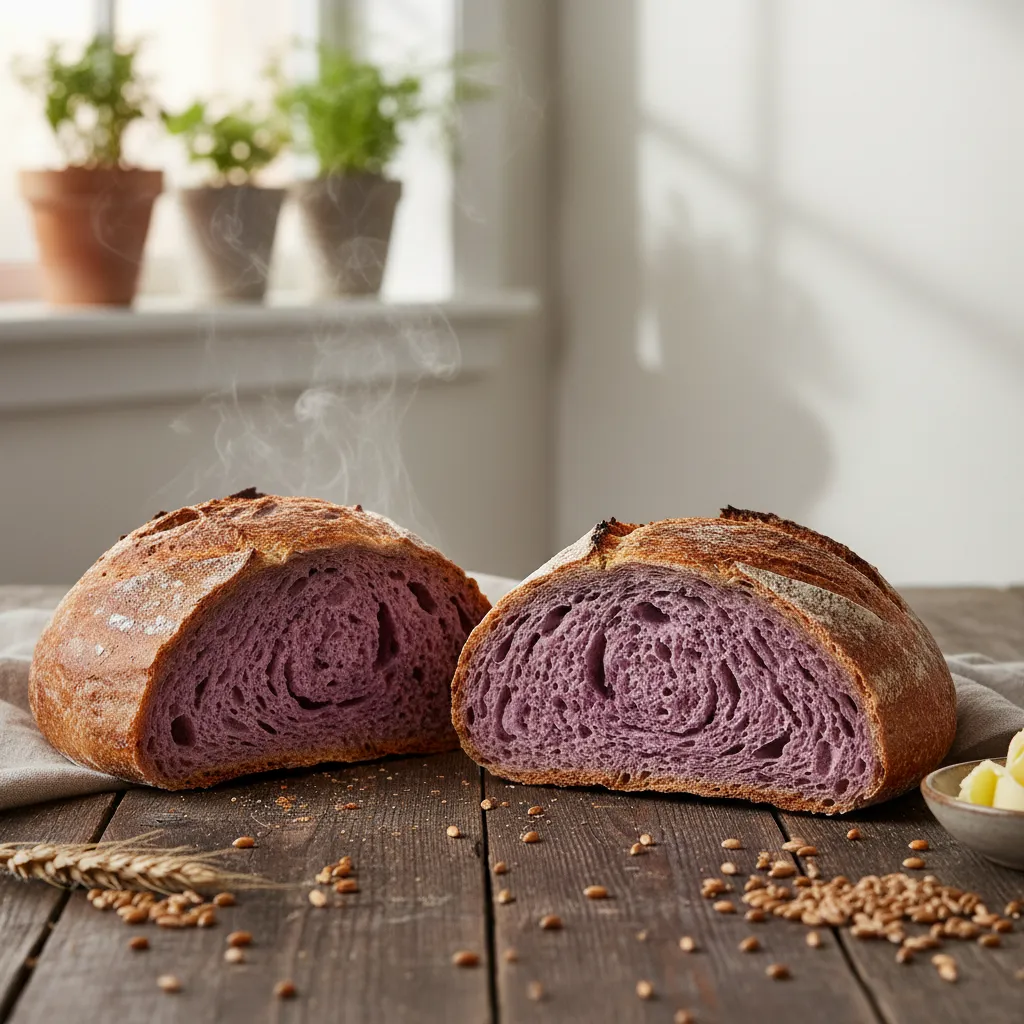
Vegan Kūmara Sourdough is a naturally leavened artisan bread that incorporates roasted, mashed New Zealand sweet potato (kūmara) into the dough matrix. This addition enriches the bread with natural sugars and starches, resulting in a vibrant crumb color, increased moisture retention, and a significantly softer texture than traditional lean sourdough loaves.
Matariki, the Māori New Year, is a time of remembrance, celebrating the present, and looking to the future. It marks the rising of the star cluster known as the Pleiades and coincides with the end of the harvest season. In Aotearoa New Zealand, the kūmara (sweet potato) is a taonga (treasure) crop, historically vital to survival and deeply embedded in cultural tradition. By integrating this indigenous harvest staple into the art of sourdough baking, we create a modern centerpiece for the Matariki table—a fusion of ancient fermentation techniques and local terroir.
This guide provides a professional-grade approach to crafting a vegan kūmara sourdough, specifically engineered for the cooler winter temperatures that accompany Matariki.
The Vegan Kūmara Sourdough Recipe
Creating a successful vegetable-enriched sourdough requires adjusting hydration levels to account for the water content in the tubers. This recipe yields one large loaf with a hydration of approximately 78% (including the water in the kūmara).
Ingredients
- High-Grade White Flour (Bread Flour): 450g
- Wholemeal or Rye Flour: 50g (adds enzymatic activity)
- Roasted Kūmara (Purple or Orange), mashed and cooled: 150g
- Water (Warm, approx 26°C): 330g
- Active Sourdough Starter (100% hydration): 100g
- Salt: 10g
Method
- Preparation of Kūmara: Roast the kūmara whole in their skins at 200°C until tender. Roasting rather than boiling concentrates the sugars and reduces excess water absorption. Peel and mash until perfectly smooth. Let it cool completely to room temperature.
- Autolyse: Mix the flour and 300g of the water in a bowl. Let it sit for 1 hour. This hydrates the gluten network before adding the starter.
- The Mix: Add the active starter, the remaining 30g of water, the salt, and the mashed kūmara to the dough. Squeeze and fold the dough to incorporate the ingredients thoroughly. The texture will feel slippery initially due to the starch but will come together.
- Bulk Fermentation: Perform 4 sets of “coil folds” or “stretch and folds” every 30 minutes for the first 2 hours. Allow the dough to rest until it has increased in volume by 50-75%.
- Shaping: Turn the dough onto a floured surface. Pre-shape into a round and rest for 20 minutes. Final shape into a boule or batard, creating surface tension without tearing the skin.
- Cold Retard: Place the shaped dough into a banneton, cover, and refrigerate for 12-16 hours. This develops the flavor and improves digestibility.
- The Bake: Preheat your Dutch oven to 250°C. Score the cold dough decoratively (perhaps with a star pattern for Matariki). Bake covered for 20 minutes, then uncovered at 230°C for 20-25 minutes until the crust is caramelized.
The Science of Adding Mashed Kūmara to Sourdough
Why add tubers to bread? Beyond the flavor and color, there is significant food chemistry at play when you introduce kūmara to a wheat-based dough. Understanding this helps you troubleshoot and perfect your loaf.
Starch Gelatinization and Moisture Retention
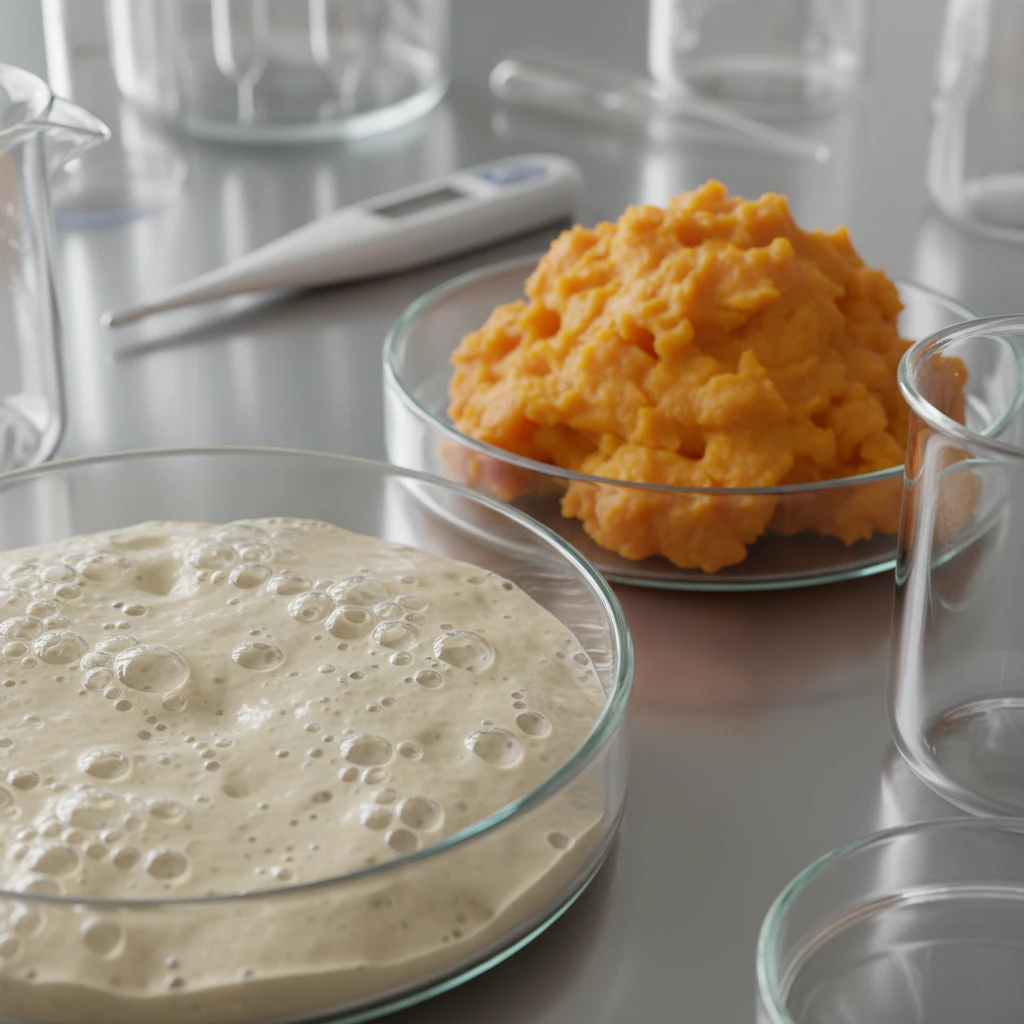
Kūmara is rich in starch. When the kūmara is roasted and mashed, these starches are already gelatinized (cooked). Gelatinized starch acts as a hydrocolloid—it binds water exceptionally well. In a standard flour-water dough, water can evaporate relatively easily during baking and staling. However, the water bound within the kūmara starch structure is released more slowly.
This results in a crumb that stays moist for days longer than a standard sourdough. For the baker, this means the dough will feel stickier than the hydration percentage suggests, requiring a gentle hand during shaping.
Sugar Content and Fermentation Rate
Kūmara contains natural sugars, primarily sucrose, glucose, and fructose. When added to the dough, these sugars provide an immediate food source for the wild yeasts and bacteria in your sourdough starter. This can lead to a more vigorous fermentation, even in cooler temperatures.
Furthermore, the enzymes (amylases) present in the flour will continue to break down the starches in the kūmara into simple sugars during the long cold fermentation. This leads to a darker, more caramelized crust due to the Maillard reaction—the chemical reaction between amino acids and reducing sugars that gives browned food its distinctive flavor.
Achieving the Perfect Purple or Gold Crumb
The visual appeal of Matariki bread is paramount. Whether you choose the deep, earthy Purple Dawn or the vibrant Beauregard (orange), maintaining that color through the baking process requires specific techniques.
Preserving the Purple (Anthocyanins)
Purple kūmara gets its color from anthocyanins, the same antioxidant found in blueberries. Anthocyanins are pH-sensitive. In an alkaline environment, they can turn an unappetizing blue-grey. Sourdough is naturally acidic (low pH), which actually helps preserve the purple hue, often turning it a vibrant violet or magenta.
Pro Tip: To ensure the purple pops, you can add a teaspoon of lemon juice to the mashed kūmara before mixing it into the dough. This lowers the pH immediately, locking in the pigment before the fermentation acids take over.
Enhancing the Gold (Carotenoids)
Orange kūmara is rich in beta-carotene. This pigment is heat stable but can oxidize. To keep the interior a bright, sunny gold rather than a dull brown, ensure your roast is gentle (don’t burn the mash) and consider adding a pinch of turmeric to the flour. The turmeric amplifies the yellow tones without significantly altering the flavor profile.
Fermentation Tips for Winter Temperatures
Matariki occurs in mid-winter in the Southern Hemisphere. Sourdough starters are sluggish in cold weather, and bulk fermentation can drag on for hours, risking structural breakdown before the dough rises. Here is how to manage the cold.

Use Warm Water (The 26°C Rule)
Your dough temperature (DT) drives fermentation. If your kitchen is 16°C, using tap water will result in a dormant dough. You must use warm water. Aim for a final dough temperature of roughly 24°C to 26°C. If your flour and starter are cold, your water might need to be 30°C+ to compensate.
Create a Proofing Box
If you don’t have a professional proofer, use your oven. Turn the oven light on (but not the heat) for an hour before you put the dough in. The bulb generates just enough ambient heat to keep the environment around 23-25°C. Alternatively, place a cup of boiling water in the microwave alongside your dough bowl and close the door (do not turn it on).
Watch the Volume, Not the Clock
In summer, bulk fermentation might take 4 hours. In winter, it could take 7 or 8. Do not shape the dough simply because the recipe says “wait 4 hours.” Watch for a pillowy surface, bubbles around the edges, and a volume increase of at least 50%. If you shape too early (under-proofed), the dense kūmara dough will not open up in the oven, resulting in a gummy, heavy brick.
Serving Suggestions with Infused Oils
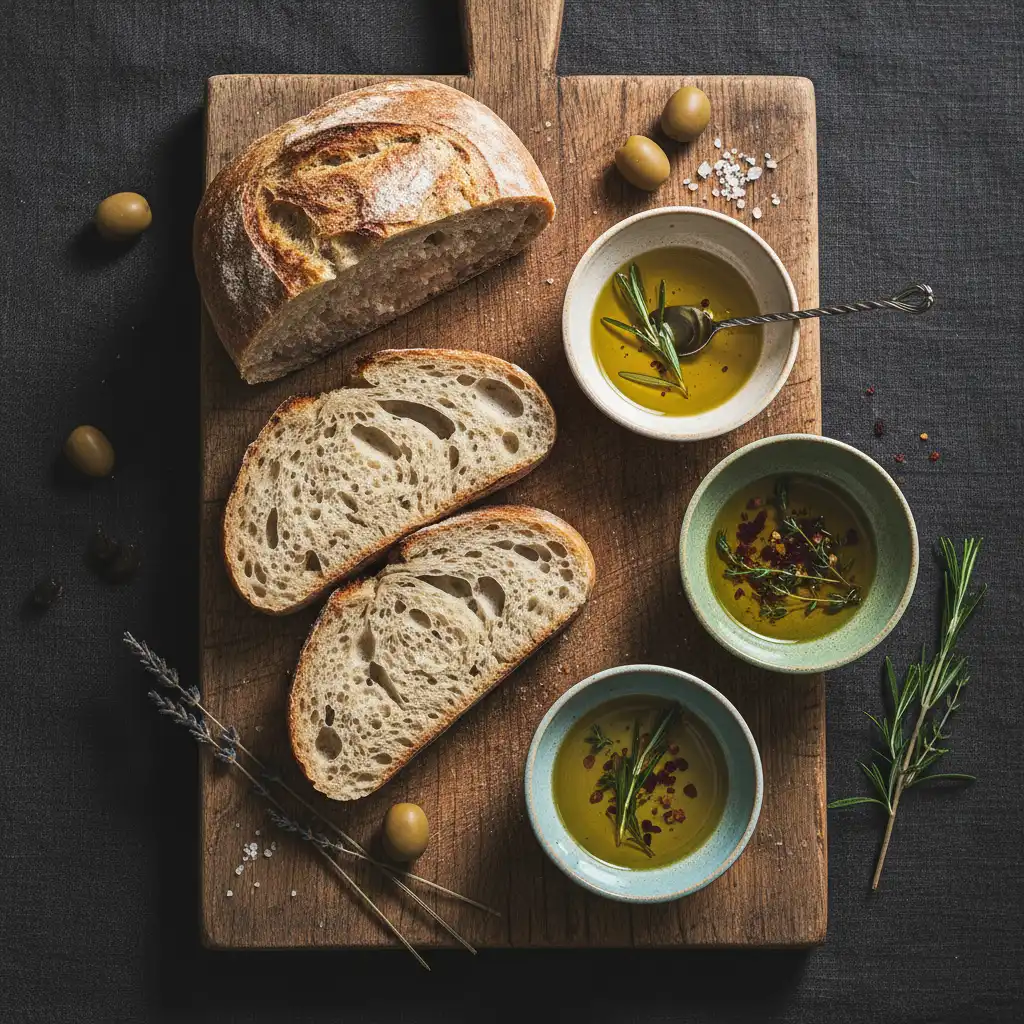
While this bread is delicious toasted with vegan butter, elevating it for a Matariki feast involves pairing it with high-quality dipping oils infused with New Zealand flavors.
Horopito and Garlic Oil
Horopito (New Zealand pepper tree) adds a spicy, citrusy kick that cuts through the sweetness of the kūmara.
- Recipe: Gently heat 100ml of extra virgin olive oil with 1 clove of smashed garlic and 1 teaspoon of dried Horopito leaves. Let it infuse for 24 hours. Strain before serving.
Kawakawa and Lemon Oil
Kawakawa offers a peppery, basil-like flavor profile that pairs beautifully with the earthiness of purple kūmara.
- Recipe: Blend a handful of fresh Kawakawa leaves (blanched quickly to retain color) with 200ml of oil and the zest of one lemon. Strain through a muslin cloth for a vibrant green oil.
Smoked Paprika and Rosemary
If native herbs are inaccessible, a classic combination of smoked paprika (mirroring the traditional Hāngī smokiness) and fresh rosemary works wonders against the sweet, soft crumb of the bread.
Frequently Asked Questions
Why is my kūmara sourdough gummy inside?
Gumminess is usually caused by two factors: cutting the bread while it is still hot, or excess hydration. Because kūmara holds moisture, you must let the loaf cool completely (at least 2-3 hours) before slicing to allow the crumb structure to set. If it persists, reduce the added water in the recipe by 20g next time.
Can I use boiled kūmara instead of roasted?
You can, but roasted is superior. Boiled kūmara absorbs water, making it difficult to calculate the hydration of your dough accurately. Roasting concentrates the flavor and sugars, providing a better taste and a more predictable dough consistency.
How do I adapt this recipe for gluten-free flour?
This specific recipe relies on wheat gluten for structure. Replacing the flour 1:1 with gluten-free flour will not work. You would need a specific gluten-free sourdough recipe that utilizes psyllium husk or xanthan gum binders, to which you can then add the mashed kūmara.
Can I freeze the kūmara mash beforehand?
Yes, you can roast and mash the kūmara in bulk and freeze it. Thaw it completely and bring it to room temperature before adding it to your dough. Do not add cold mash to the dough, as it will drop the dough temperature and stall fermentation.
What is the best way to store kūmara sourdough?
Store the bread cut-side down on a wooden board, or wrapped in a linen tea towel or paper bag. Avoid plastic bags, which will soften the crust and encourage mold. Due to the kūmara content, this bread stays fresh for 4-5 days, longer than plain sourdough.
Does the type of kūmara change the flavor?
Yes. Orange (Beauregard) kūmara is generally sweeter and has a higher moisture content. Purple kūmara is earthier, slightly drier, and has a nuttier flavor profile. Gold kūmara falls somewhere in between. All work well, but you may need to adjust water slightly depending on the variety.