
A digital detox for Matariki involves consciously disconnecting from electronic devices during the Māori New Year to reduce light pollution and mental distraction. By eliminating blue light and screen time, individuals can better observe the Matariki star cluster, engage deeply with whānau, and align their natural circadian rhythms with the winter solstice.
The Significance of Darkness: Matariki and the Night Sky
In Aotearoa New Zealand, the rise of the Matariki star cluster (the Pleiades) marks the Māori New Year. This celestial event occurs in mid-winter, a time when the nights are longest and the days are shortest. Traditionally, this was a period for hunga (gathering), remembrance of those who have passed, and planning for the future. However, the modern world has introduced a barrier to this ancient observance: artificial light.
To truly see the stars, one requires darkness. This is not merely a physical necessity for astronomical observation but a cultural imperative. A digital detox for Matariki is not just about wellness; it is an act of cultural respect. By dimming our screens and artificial lights, we reduce local light pollution, allowing the faint twinkle of the cluster—including the often harder-to-see stars like Waipunarangi and Hiwa-i-te-rangi—to become visible.
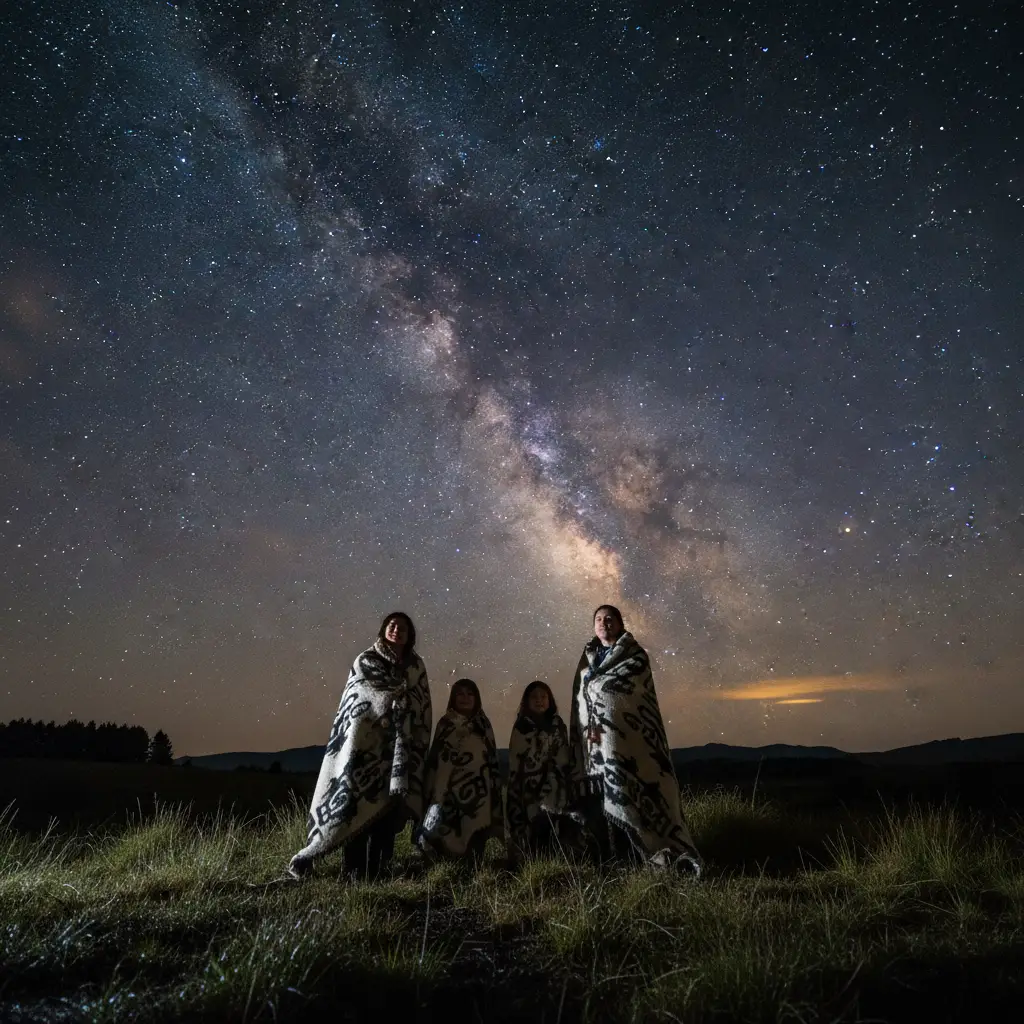
When we constantly look down at our devices, we miss the grandeur above us. The glow of a smartphone screen is often brighter than the stars we are trying to honor. Unplugging allows our eyes to adjust to the natural darkness, a process that takes at least 20 to 30 minutes, enabling us to engage with the environment as our ancestors did.
The Benefits of ‘Dark Sky’ Time for Sleep and Mood
Beyond the cultural significance, there is compelling physiological science supporting a digital detox during the winter solstice. The human body is governed by circadian rhythms—internal clocks that regulate sleep, hormone release, and body temperature. These rhythms are heavily influenced by light cues.
Restoring Melatonin Production
Electronic devices emit blue light, a short-wavelength light that mimics the brightness of the morning sun. Exposure to blue light in the evening suppresses the production of melatonin, the hormone responsible for signaling to the body that it is time to sleep. During the Matariki long weekend, prioritizing a “dark sky” environment by removing screens helps reset this hormonal balance.
By embracing the long winter nights without artificial interference, you allow your body to produce melatonin earlier in the evening. This leads to:
- Improved Sleep Latency: Falling asleep faster.
- Deeper REM Cycles: Achieving more restorative sleep stages.
- Mood Regulation: Better sleep directly correlates with reduced irritability and anxiety.
Combating Winter Blues
Seasonal Affective Disorder (SAD) is common during New Zealand winters. Paradoxically, while we need daylight during the day, constant exposure to artificial light at night can exacerbate mood disorders by disrupting the body’s recovery processes. A digital detox allows the brain to enter a state of true rest, reducing the cognitive load of constant notifications and information processing.
How to Put Away Devices During the Holiday
Committing to a digital detox for Matariki requires preparation. The pull of technology is strong, and willpower alone is often insufficient. You must create an environment that makes unplugging the path of least resistance.

Create a ‘Whare Waea’ (Phone House)
Designate a specific physical location for all devices to live during the long weekend. This could be a basket, a box, or a drawer. In Māori culture, the concept of tapu (sacred/restricted) and noa (common/free from restriction) can be applied here. Treat the dining table and the stargazing areas as tapu regarding technology—places where phones are strictly forbidden.
Inform Your Circle
Anxiety often stems from the fear of missing urgent communication. Before the weekend begins, set an auto-reply on your email and post a final status update informing friends that you are going offline to celebrate Matariki. This manages expectations and removes the psychological pressure to check for messages.
Switch to Airplane Mode for Cameras
If you must use your phone to take photos of the festivities, switch it to Airplane Mode immediately. Better yet, use a dedicated digital camera or an old-school disposable film camera. This separates the function of capturing memories from the function of communication and distraction.
Analog Activities for the Matariki Long Weekend
Once the screens are gone, you may find yourself with an abundance of time. Filling this void with meaningful, analog activities is essential for a successful detox. Matariki is a time for whanaungatanga (kinship) and connecting with the physical world.
Umu Kohukohu Whetū (Feeding the Stars)
One of the most traditional practices is the hautapu ceremony, where food is cooked, and the steam is offered to the stars. You can recreate a domestic version of this by cooking a shared meal with whānau. Focus on the sensory experience of cooking: the smell of the herbs, the heat of the oven, and the texture of the ingredients. Without the distraction of a TV in the background, the kitchen becomes a place of connection.
Pūrākau (Storytelling)
Before written language, knowledge was passed down through oral storytelling. Use the dark evenings to tell stories. These do not have to be ancient legends; they can be family histories. Ask the elders in your family about their childhoods. Share stories of those who have passed away since the last Matariki. This honors the star Pōhutukawa, which connects Matariki to the dead.

Night Navigation and Stargazing
Download a star chart (print it out beforehand so you don’t need an app) and learn to identify the cluster. Matariki is found low on the northeastern horizon before sunrise. Bundling up and going outside in the cold pre-dawn air is an invigorating experience that grounds you in the reality of the season.
Connecting to the Nine Stars Without Screens
A powerful way to structure your digital detox for Matariki is to dedicate time to the domains of the specific stars within the cluster. Each star holds dominion over an aspect of the environment or wellbeing, offering a blueprint for offline activities.
Tupuānuku (Food from the Earth)
This star is connected to food grown in the ground. Spend an afternoon gardening. Winter is the time to plant garlic or prepare soil for spring. Getting your hands in the dirt is a proven way to boost serotonin and ground yourself physically.
Tupuārangi (Food from the Sky)
Connected to birds and fruits from trees. Take a walk in the bush. Listen specifically for bird calls. Without headphones or podcasts playing, you will be surprised at how much more wildlife you notice. In New Zealand, listen for the call of the Tūī or the Kererū.
Waitī and Waitā (Fresh and Salt Water)
These stars represent bodies of water. If you are near the ocean or a river, visit them. Do not take a photo. Simply stand and watch the movement of the water. This practice of ‘just being’ is the antithesis of the digital world’s demand for constant doing.
Hiwa-i-te-rangi (The Wishing Star)
This star is connected to our aspirations for the coming year. Instead of typing resolutions into a notes app, write them down on high-quality paper. The physical act of writing engages the brain differently than typing, helping to solidify your intentions.

Setting Boundaries with Social Media During Celebrations
The pressure to perform performative wellness on social media can ruin the actual experience of wellness. We often feel the need to prove we are celebrating Matariki by posting the perfect photo of our fried bread or the sunrise. This leads to “documentation distraction,” where we are more concerned with the angle of the photo than the moment itself.
Embrace JOMO (Joy of Missing Out)
Reframing your mindset is key. You are not missing out on the digital conversation; you are opting into a real-life experience. Remind yourself that the most profound moments of connection usually happen when no cameras are present.
The 24-Hour Rule
If you do take photos, implement a 24-hour rule. Do not post anything until 24 hours after the event has finished. This keeps you present in the moment and prevents you from getting sucked into the dopamine loop of checking for likes and comments during the holiday.
Conclusion: Realigning with the Stars
Matariki is a time of reset. It marks the turning of the season and the beginning of a new cycle. By undertaking a digital detox for Matariki, you are not just saving battery life; you are realigning your biological and spiritual clock with the cosmos. You are choosing to be present with your whānau, to honor those who have passed, and to look forward to the future with clarity. This year, look up at the stars, not down at your screen.
What is the best time to see Matariki?
The best time to view Matariki is early in the morning, just before dawn (between 5:30 AM and 6:30 AM), looking towards the northeastern horizon. This is usually best done in mid-winter during June or July.
Why should I unplug for Matariki?
Unplugging reduces light pollution which aids stargazing, helps reset your circadian rhythm for better sleep, and allows you to be fully present for cultural practices like storytelling and shared meals without distractions.
How does blue light affect stargazing?
Blue light from screens causes your pupils to constrict and destroys night vision. It takes the human eye 20 to 30 minutes to fully adapt to darkness, which is necessary to see faint stars like the Matariki cluster.
What are traditional Matariki activities?
Traditional activities include viewing the stars, remembering the dead (hunga mate), singing songs (waiata), sharing food (kai), and planning for the year ahead. Storytelling and weaving are also common.
How long should a digital detox last?
For Matariki, a detox lasting the full long weekend (3 days) is ideal to fully reset. However, even a 24-hour period from sunset to sunset can provide significant mental health and sleep benefits.
Where are the best dark sky spots in NZ?
New Zealand has several Dark Sky Sanctuaries and Reserves, including the Aoraki Mackenzie International Dark Sky Reserve, Great Barrier Island (Aotea), and Stewart Island (Rakiura). These locations offer the best visibility for Matariki.