
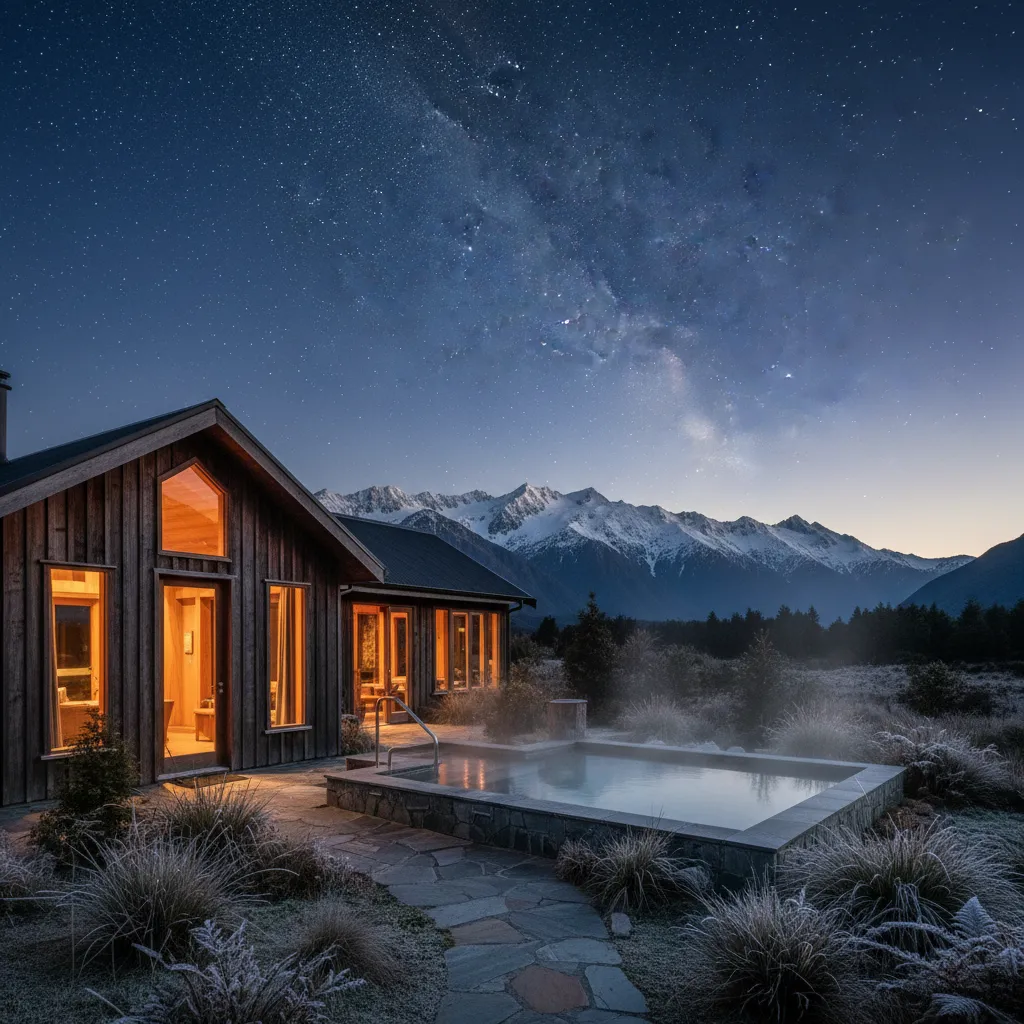
As the Pleiades star cluster rises in the mid-winter sky, Aotearoa New Zealand enters a period of profound cultural significance and introspection known as Matariki. This season, marking the Māori New Year, is traditionally a time to gather, reflect on the past, and plan for the future. In the modern context of health and tourism, this celestial event has catalyzed a unique sector of the travel industry: Matariki-focused winter escapes. For those seeking wellness retreats NZ offers a landscape that is not only visually arresting in winter but also spiritually grounding.
What are Matariki Wellness Retreats?
Matariki wellness retreats in New Zealand are specialized winter escapes designed to align with the Māori New Year, focusing on the themes of reflection, environmental connection, and physical renewal. These retreats typically combine standard luxury amenities with indigenous cultural practices, such as star gazing (tātai arorangi), traditional Māori healing (Mirimiri), and seasonal kai (food), offering a holistic approach to health during Aotearoa’s colder months.
The Philosophy of Winter Wellness in Aotearoa
The concept of wellness in New Zealand is evolving beyond simple relaxation; it is increasingly rooted in Te Whare Tapa Whā, the four cornerstones of Māori health: physical, spiritual, family, and mental well-being. Matariki provides the perfect temporal backdrop for this holistic approach. Unlike the high-energy summer season, winter in New Zealand invites a slower pace, encouraging travelers to turn inward.
During Matariki, the focus shifts to Mouri (life force) and restoring balance. Wellness retreats NZ wide are curating programs that utilize the crisp winter air and the long nights to facilitate deep rest. This is not merely about spa treatments; it is about syncing the body’s circadian rhythms with the natural world. The appearance of the Matariki stars is a signal to stop toiling and start healing. Whether you are looking to escape the corporate grind or reconnect with your whakapapa (genealogy), the winter season offers a sanctuary of silence that is hard to find at any other time of year.
South Island Sanctuaries: Alpine Luxury
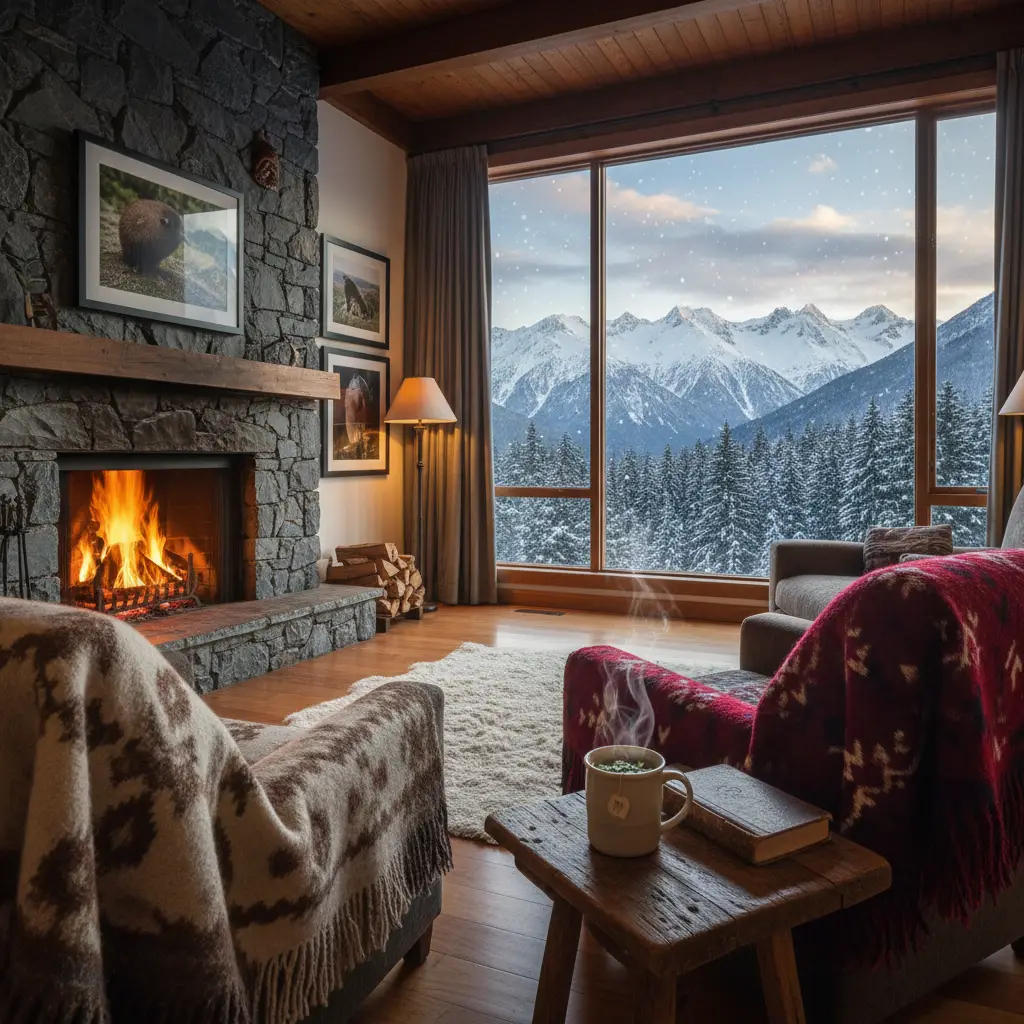
When discussing wellness retreats NZ, the South Island often dominates the conversation due to its dramatic alpine scenery. The juxtaposition of freezing temperatures outside and roaring fires inside creates a physiological response known as thermogenesis, which many bio-hackers and wellness experts believe boosts immunity and metabolism.
Aro Hā: The Gold Standard in Glenorchy
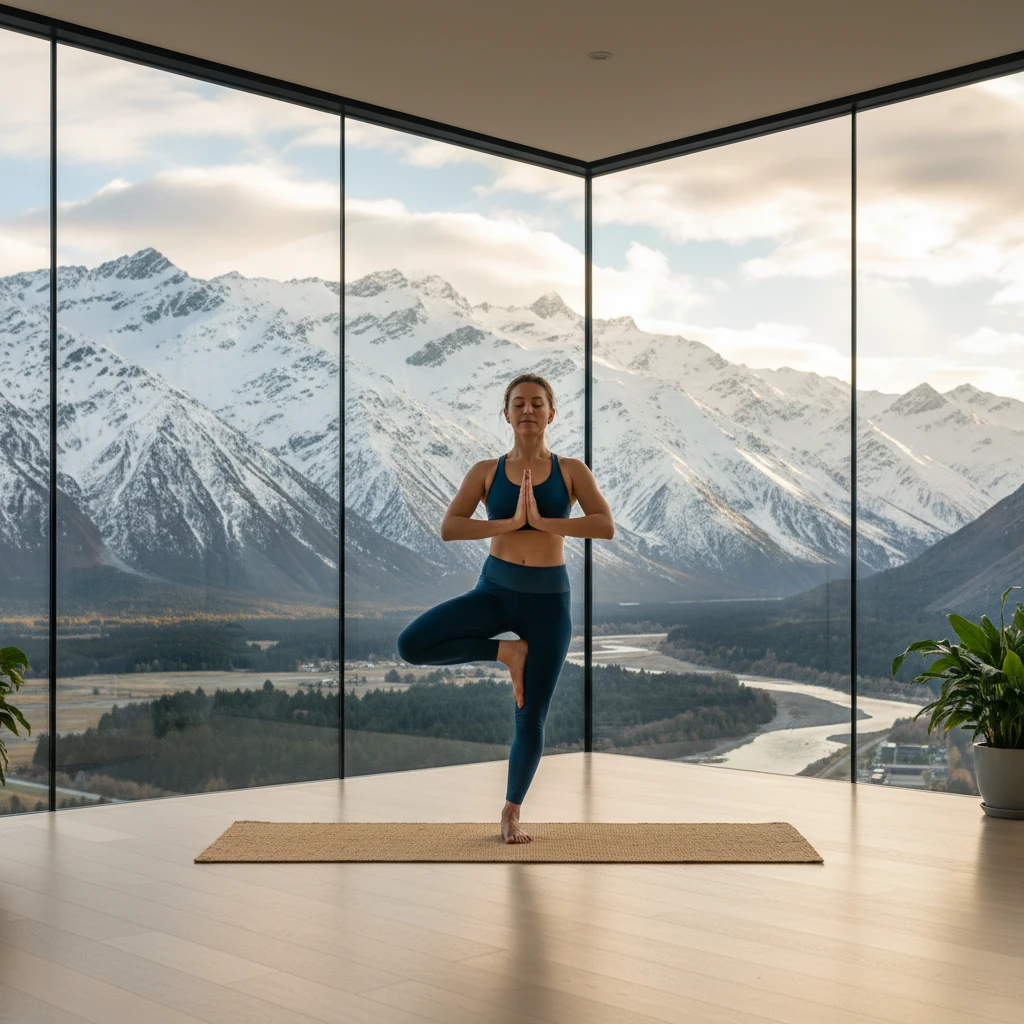
Located near Queenstown, Aro Hā is frequently cited as one of the world’s best wellness retreats. During the winter months, the experience becomes ethereal. The retreat focuses on “Zen inspired luxury,” where the architecture mimics the landscape. For Matariki, their programs often emphasize the transition of seasons. Guests can expect sub-alpine hiking, vinyasa yoga overlooking Lake Wakatipu, and a plant-based menu designed to nourish the gut microbiome. The isolation here is key; it forces a digital detox that is essential for true mental clarity.
Maruia River Retreat: Nature and Neural Restoration
Tucked away in the Tasman region, the Maruia River Retreat offers a more intimate connection with the native beech forest. This estate focuses on nature therapy. The sound of the river is a constant backdrop, utilized in their meditation sessions to lower cortisol levels. Their winter packages often include private yoga sessions and access to dry saunas, which are essential for detoxification. The retreat’s philosophy aligns closely with the Matariki principle of environmental stewardship (kaitiakitanga), ensuring that your stay supports the regeneration of the local ecosystem.
North Island Havens: Geothermal & Cultural Healing
While the South Island offers alpine seclusion, the North Island offers the healing power of the earth itself. The volcanic plateau and geothermal activity provide a different kind of wellness experience, one that is deeply connected to the heat beneath the earth’s crust.
Rotorua: The Heartland of Geothermal Wellness
Rotorua has been a wellness destination for centuries, long before the term “wellness retreat” was coined. The acidic and alkaline waters found here are renowned for treating ailments such as arthritis and rheumatism. For a Matariki escape, the Polynesian Spa offers therapy that combines mineral bathing with views of Lake Rotorua. However, for a more immersive retreat experience, places like Treetops Lodge and Estate offer “wild food” cooking classes and forest bathing (shinrin-yoku) in ancient native forests, bridging the gap between luxury accommodation and primal connection.
The Coromandel: Coastal Solitude
The Coromandel Peninsula offers a milder winter climate, making it ideal for those who find the alpine freeze too intense. Retreats here often focus on mindfulness and creative expression. The Mana Retreat Centre, for example, offers workshops that blend somatic movement with meditation. The coastal setting allows for cold-water immersion therapy in the ocean, followed by hot saunas, a practice known to improve circulation and endorphin release.
Indigenous Healing: Understanding Mirimiri and Romiromi
To truly experience a wellness retreat in NZ during Matariki, one must engage with indigenous healing modalities. These are not standard massages; they are culturally significant practices that address the body, mind, and spirit.
What is Mirimiri?
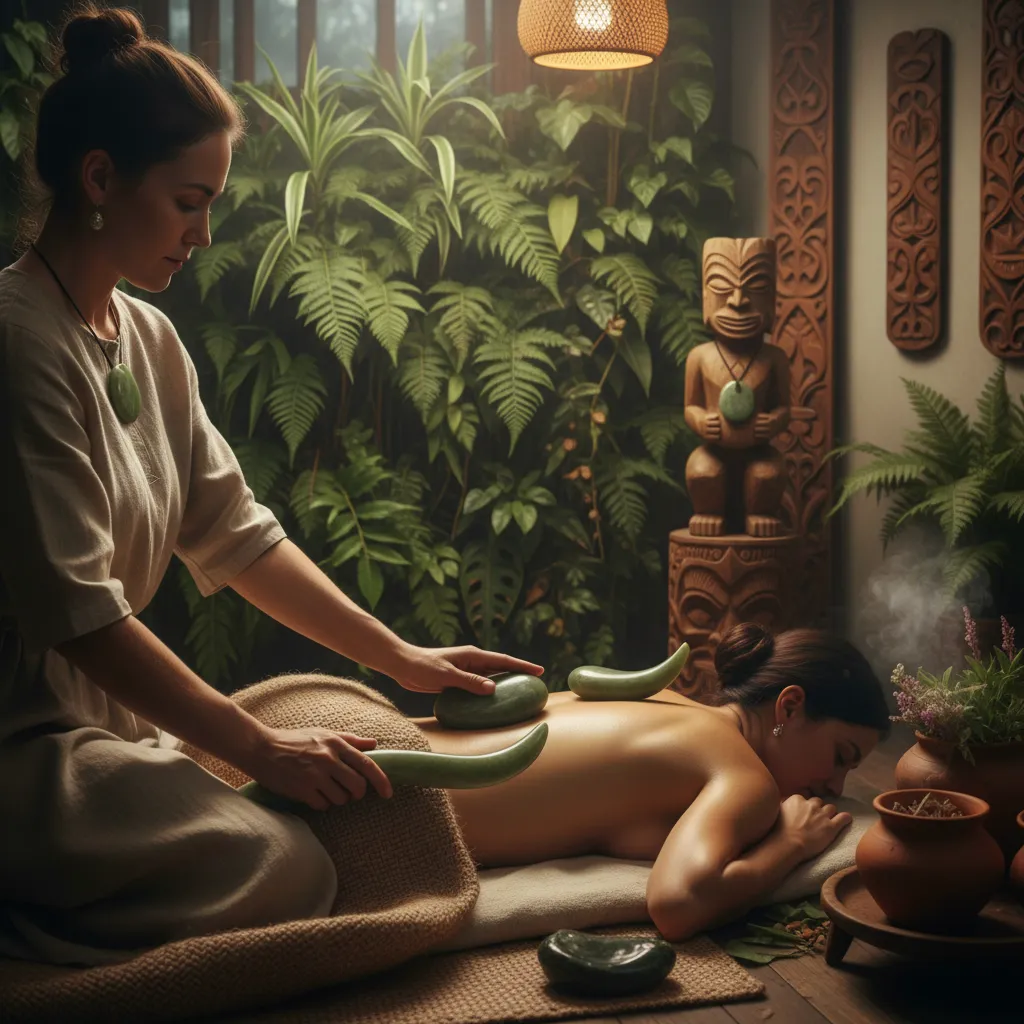
Mirimiri is a traditional Māori healing therapy that often involves massage, but goes deeper to release trapped energy and tension. Unlike Western massage which focuses primarily on muscle tissue, Mirimiri works on the central nervous system and the spiritual body, aiming to restore balance (mauri) and clear blockages that may be causing physical or emotional distress.
Mirimiri practitioners often use rongoā (traditional Māori herbal medicine) oils and balms during the treatment. The practice is often preceded by karakia (prayer) to set the intention for healing. Romiromi is a more intense form of this bodywork, involving deep tissue manipulation and pressure on haemata (specific pressure points) to release cellular memory and trauma.
Many high-end retreats are now partnering with local mana whenua (people of the land) to offer authentic Mirimiri sessions. This is a critical distinction for the conscientious traveler; ensure that the practitioner is culturally accredited and that the practice is treated with the respect it deserves, rather than as a mere add-on spa service.
Luxury vs. Budget-Friendly Options
Wellness should not be the exclusive domain of the ultra-wealthy. Fortunately, Aotearoa offers options across the spectrum.
The Ultra-Luxury Experience
If budget is no object, retreats like Theh Landing in the Bay of Islands or Blanket Bay in Glenorchy offer bespoke itineraries. Expect to pay upwards of $2,000 to $5,000 NZD per night. These packages often include helicopter transfers, private chefs preparing keto or paleo menus, and exclusive use of facilities. The value proposition here is privacy and hyper-personalization. You are paying for an environment where every variable is controlled to ensure your relaxation.
Accessible Wellness and DIY Retreats
For those seeking wellness retreats NZ on a budget, the strategy is to look for “retreat centers” rather than “luxury lodges.” Places like the Tauhara Centre in Taupō or various glamping spots offer the same environmental connection at a fraction of the cost (often $150 – $300 NZD per night). A DIY Matariki retreat is also a viable option: book a Department of Conservation (DOC) hut or a remote Airbnb, bring your own yoga mat, download guided meditations, and visit local hot pools. The core of the Matariki experience—star gazing and reflection—is free.
Booking Guide for the Matariki Long Weekend
Since Matariki became an official public holiday in New Zealand, demand for accommodation during this long weekend has skyrocketed. Securing a spot requires strategic planning.
When to Book?
To secure a spot at a premier wellness retreat for the Matariki long weekend, you should book at least 4 to 6 months in advance. Due to the limited capacity of boutique wellness lodges (often fewer than 20 rooms) and the high domestic demand for winter escapes, inventory for late June or early July often sells out by February or March.
What to Pack for a Winter Wellness Escape
- Layers are Non-Negotiable: Merino wool base layers are essential. They regulate temperature and resist odors, making them perfect for hiking and yoga.
- Swimwear: Even in winter, you will likely be in a hot pool, sauna, or doing a cold plunge. Bring two pairs so you always have a dry one.
- Journal: Matariki is a time for planning. A physical journal is a necessary tool for the workshops and reflection sessions you will attend.
- Slip-on Shoes: In many retreats, you will be taking shoes on and off frequently as you move between the lodge, the yoga studio, and the spa.
Frequently Asked Questions
What is the best month for a winter wellness retreat in NZ?
July and August are the prime months. This is when the winter scenery is most dramatic (snow on the mountains) and the Matariki stars are most visible. It is the ideal time for hygge-style comfort and thermal bathing.
Are wellness retreats in NZ suitable for solo travelers?
Absolutely. In fact, roughly 50% of guests at major retreats like Aro Hā or Split Apple Retreat are solo travelers. The communal dining and group activities make it easy to connect with others, or you can choose to remain solitary.
Do I need to be experienced in yoga or meditation?
No. Most retreats cater to all levels, from complete beginners to advanced practitioners. Instructors typically offer modifications for different ability levels.
What is the cost of a 3-day wellness retreat in NZ?
Prices vary significantly. A budget-friendly retreat might cost between $600 and $900 NZD for three days (all-inclusive), while luxury options generally start at $3,000 NZD and can go up to $10,000+ depending on the exclusivity.
Can I experience Māori healing without staying at a retreat?
Yes, there are standalone day spas and practitioners, particularly in Rotorua and Northland, that offer Mirimiri and Romiromi. However, booking in advance is essential as these practitioners are in high demand.
Is vegetarian or vegan food standard at these retreats?
Yes, most wellness retreats in New Zealand focus on plant-based, whole-food nutrition. They can almost always accommodate dietary requirements like gluten-free, dairy-free, or vegan if notified in advance.