
Sustainable Matariki involves celebrating the Māori New Year by aligning festivities with the principle of Kaitiakitanga (guardianship). It focuses on minimizing environmental impact through zero-waste feasts, using natural decorations, and honoring Papatūānuku (Earth Mother) to ensure the well-being of the land and future generations.
What is the Principle of Kaitiakitanga in Matariki?
Matariki is not merely a celestial event; it is deeply rooted in the cycles of nature and the environment. At the heart of a sustainable Matariki celebration lies the concept of Kaitiakitanga. In Te Ao Māori (the Māori world), Kaitiakitanga translates to guardianship and protection. It is a way of managing the environment, based on the Māori world view that humans are deeply connected to the natural world through whakapapa (genealogy).
When we celebrate Matariki, we are observing the rising of a star cluster that signaled to our ancestors the changing of seasons. It was a time to stop, reflect, and prepare the ground for the coming year. Therefore, hosting a sustainable Matariki event is the most authentic way to honor these traditions. To practice Kaitiakitanga during this holiday is to acknowledge that we are temporary custodians of Papatūānuku (Earth Mother) and Ranginui (Sky Father). Every decision made during the celebration—from the food we eat to the waste we produce—should reflect a respect for the resources the earth provides.
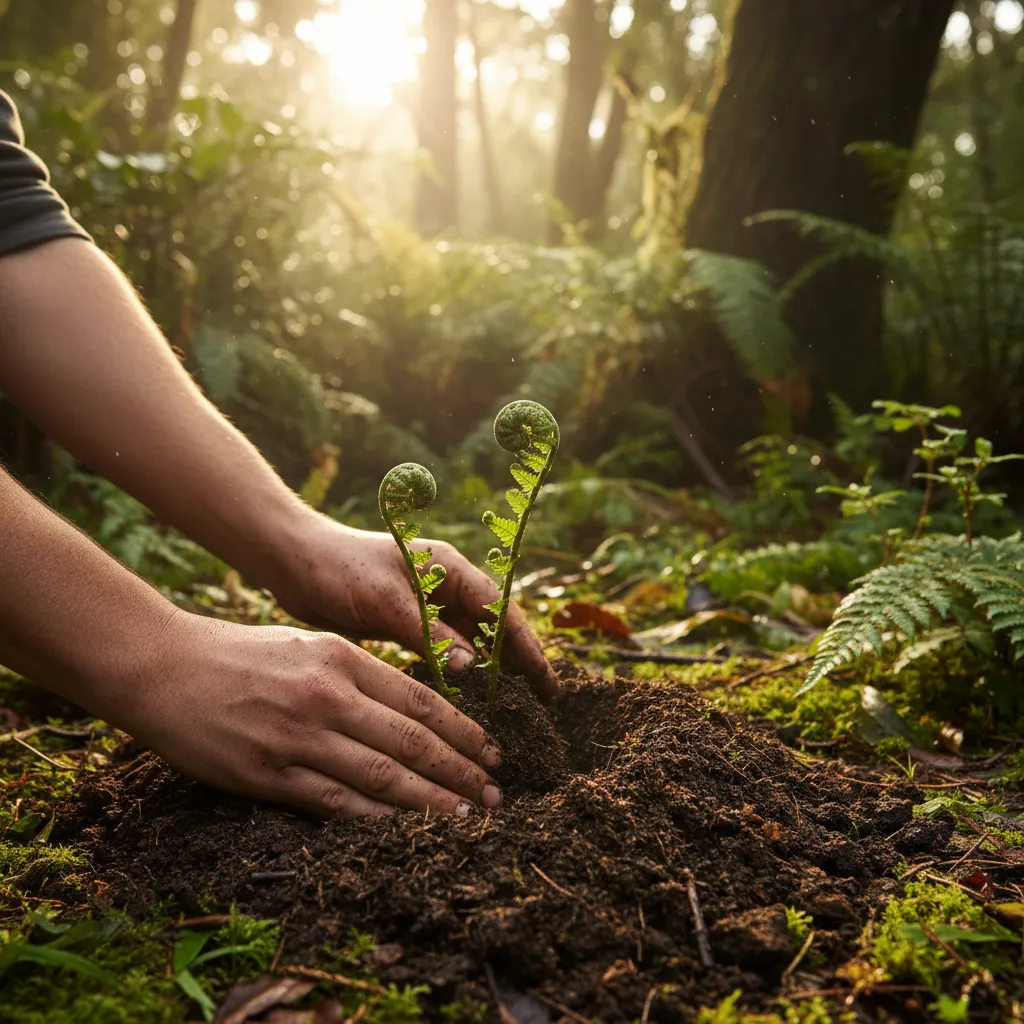
Modern celebrations often succumb to consumerism, generating significant waste that harms the very environment Matariki encourages us to respect. By returning to the core value of Kaitiakitanga, we shift the focus from consumption to connection. This means prioritizing the health of our waterways, the fertility of our soil, and the purity of our air in all our celebratory actions.
How to Reduce Waste During Large Whānau Gatherings?
Food, or kai, is central to Matariki. It brings whānau (family) and hāpori (community) together to share in the harvest. However, large gatherings are notorious for generating single-use plastic waste. Creating a zero-waste event requires planning and a shift in mindset, moving away from convenience and toward conscious consumption.
Eliminating Single-Use Plastics
The most impactful change you can make is banning single-use plastics. Instead of disposable plates, cutlery, and cups, encourage a “bring your own” (BYO) culture. If you are hosting a community event, consider hiring a wash station trailer or organizing a ‘wash squad’ to manage reusable crockery. For whānau gatherings, using the family silver and ceramic plates adds a layer of mana (prestige) and tradition that plastic simply cannot convey.
Sustainable Sourcing of Kai
Sustainability starts before the food hits the plate. Pay attention to where your food comes from. Matariki is a time to celebrate the harvest, so prioritize locally grown, seasonal produce. This reduces food miles and supports local growers. If you are preparing a Hāngī, ensure the wood used is sourced sustainably and not treated with chemicals. Using traditional methods often aligns naturally with eco-friendly practices, such as using wet sacks and clean cloths rather than aluminum foil.

Managing Para Kai (Food Waste)
In a circular economy, there is no such thing as waste, only resources. Set up clearly labeled bins for composting and pig buckets (where appropriate). Leftovers should be distributed among guests to ensure nothing is thrown away. By returning organic waste to the earth through composting, you are feeding Papatūānuku, completing the cycle of life that Matariki represents.
What are Eco-Friendly Alternatives to Plastic Decorations?
Commercialized holidays often bring a flood of plastic glitter, synthetic banners, and balloons. These items eventually end up in landfills or waterways, contradicting the spirit of the season. A sustainable Matariki embraces natural materials that return to the earth without harm.
Harakeke and Natural Weaving
One of the most beautiful ways to decorate is through Raranga (weaving). Harakeke (flax) can be woven into Whetū (stars) to represent the Matariki cluster. This practice not only utilizes a renewable, biodegradable resource but also keeps the cultural art form alive. Gathering together to weave stars before the celebration becomes a meaningful activity in itself, fostering connection and skill-sharing.
Light and Nature
Matariki is a celebration of light returning. Instead of battery-operated plastic trinkets, use beeswax candles or soy-based lights. Create centerpieces using driftwood, stones, ferns, and shells found in your local area (always respecting collection rules). Dried flowers and foliage make stunning displays that are fully compostable after the event.

Honoring the Environment While Celebrating the Stars
The Matariki cluster contains stars that are directly linked to the environment and the harvest. Recognizing these specific stars helps frame why sustainability is non-negotiable for this holiday.
- Tupu-ā-nuku: Connected to food grown in the ground. To honor this star, we must care for the soil, avoid pesticides, and compost our waste.
- Tupu-ā-rangi: Connected to food from the sky (birds and fruit). This reminds us to protect our native forests and birdlife.
- Waitī and Waitā: Connected to fresh and salt water. These stars compel us to reduce plastic pollution and chemical runoff that harms our waterways.
By understanding these associations, our celebrations transform from simple parties into acts of reverence for the natural world. A “Sustainable Matariki” is essentially a pledge to protect the domains of these stars.
Planting New Beginnings: Te Rākau
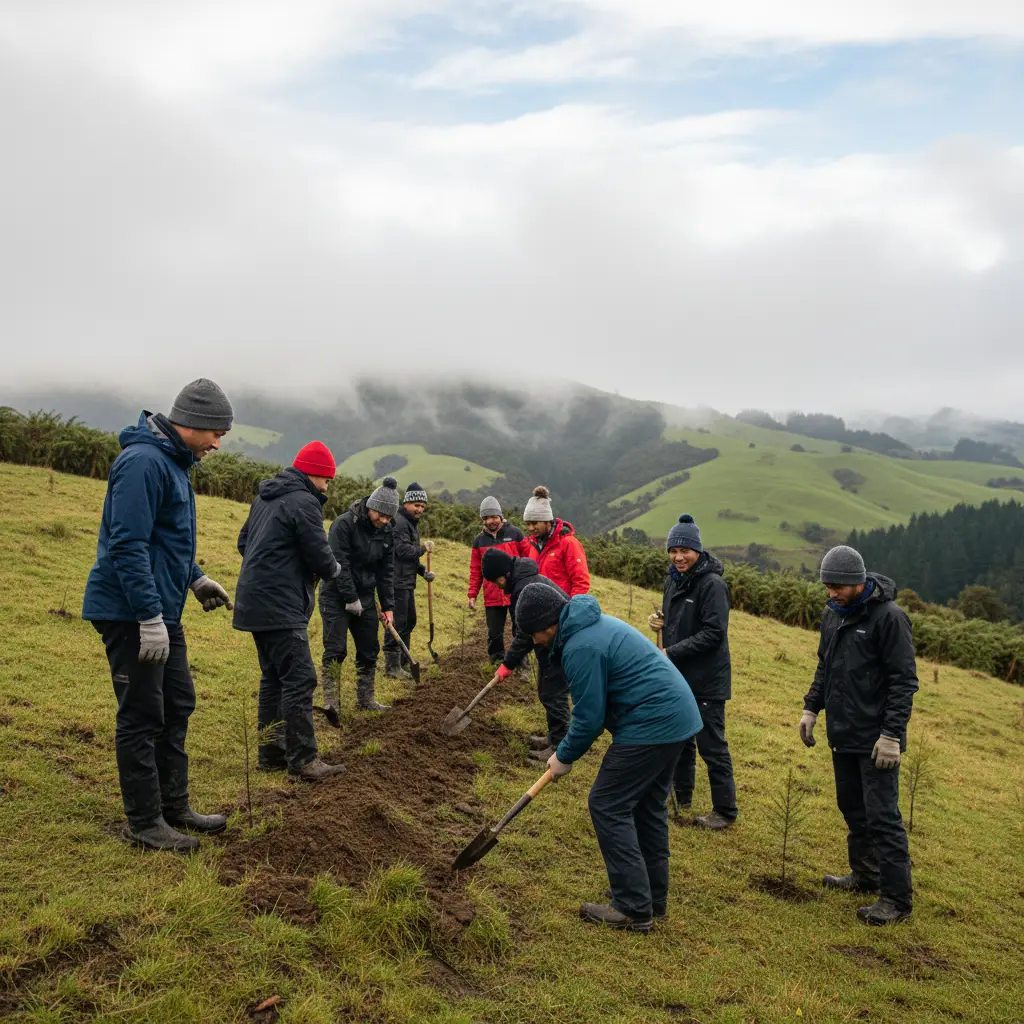
Perhaps the most powerful way to celebrate a sustainable Matariki is to give back to the land directly. Many whānau and communities incorporate tree planting into their festivities. Matariki occurs in mid-winter, which is often an ideal time for planting native trees in Aotearoa.
Planting a native tree—such as Tōtara, Kōwhai, or Rimu—acts as a physical prayer for the future. It sequesters carbon, provides habitat for native birds (honoring Tupu-ā-rangi), and stabilizes the soil (honoring Tupu-ā-nuku). If you do not have land, consider donating to a conservation project or volunteering at a local community planting day. This act of service creates a legacy that will outlast the celebration itself, embodying the true spirit of Kaitiakitanga.
People Also Ask
What are the best sustainable gifts for Matariki?
The best sustainable Matariki gifts are those that value time, nature, or utility over plastic. Consider gifting native seedlings, homemade preserves (kai), woven flax items, or experiences like a family dinner. Gifts that support local Māori businesses or conservation charities are also excellent choices.
How can I make my Matariki Hāngī eco-friendly?
To make a Hāngī eco-friendly, use sustainably sourced firewood rather than coal. Avoid using aluminum foil; instead, use traditional leaves (like cabbage tree leaves) or wet muslin cloth and untreated sacks to wrap the food. Ensure you leave the earth pit clean and restored after the cooking is done.
Why is environmental protection linked to Matariki?
Matariki signals the New Year and is based on the environmental cycles of harvest and renewal. The stars within the cluster represent different elements of nature (fresh water, salt water, soil, rain, wind). Therefore, celebrating Matariki authentically requires respecting and protecting these environmental elements.
Can I use fireworks for Matariki?
While fireworks are popular, they are not traditionally associated with Matariki and can be harmful to the environment and wildlife. A more sustainable and traditional alternative is the ‘Umu Kohukohu Whetū,’ a ceremonial fire that generates steam offerings, or simply stargazing and lighting controlled lanterns or candles.
What native plants should I plant during Matariki?
The best plants depend on your specific region’s climate and soil. However, hardy natives like Harakeke (flax), Kawakawa, Manuka, and Tī Kōuka (Cabbage tree) are often good choices. Always consult with a local nursery to ensure you are planting species that belong in your local ecosystem.
How do I organize a zero-waste community event?
Start by communicating the zero-waste goal in the invitations. Provide clearly marked bins for compost and recycling (and remove general waste bins to discourage dumping). Use digital invitations instead of paper. Partner with local waste minimization groups to help manage the logistics of reusable crockery.