
To buy eco-friendly Matariki bunting in New Zealand, prioritize Māori-owned businesses and local artisan marketplaces like Chooice, Felt.co.nz, or Ako Mātātupu. Look for vendors using sustainable materials such as organic cotton, hemp, upcycled fabric, or PEFC-certified recycled paper printed with vegetable-based inks to align with the principles of kaitiakitanga.
As Aotearoa prepares to celebrate the Māori New Year, the demand for sustainable, culturally respectful decorations has surged. Matariki is a time of renewal, remembrance, and connecting with the environment. Consequently, hanging single-use plastic decorations contradicts the very ethos of the holiday, which is deeply rooted in kaitiakitanga (guardianship of the land). Finding high-quality, eco-friendly Matariki bunting not only enhances your whare (home), school, or workplace but also supports local pakihi (businesses) and reduces landfill waste.
Where can I find Māori-owned businesses selling sustainable Matariki decor?
Supporting Māori-owned businesses (pakihi Māori) is the most culturally authentic way to purchase Matariki supplies. When you buy from these creators, you are often supporting whānau-run enterprises that prioritize tikanga (protocol) and sustainability over mass production.
Online Marketplaces for Pakihi Māori
Several digital platforms in New Zealand aggregate indigenous creators. These are excellent starting points for finding unique, handcrafted bunting:
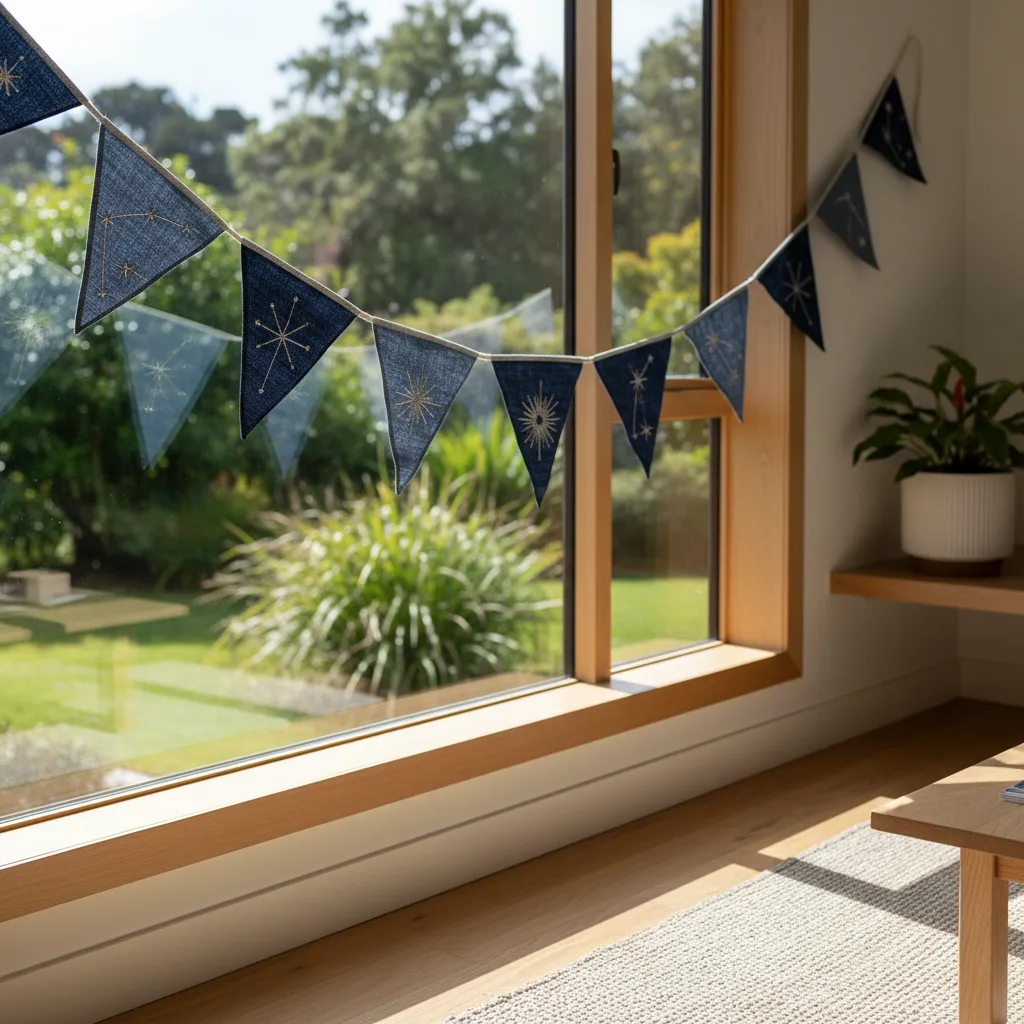
- Chooice.co.nz: Originally started as a Facebook group, this platform hosts numerous Māori creators selling handmade fabric bunting, often utilizing upcycled materials or traditional patterns.
- Felt.co.nz: New Zealand’s premier craft marketplace features a dedicated section for Matariki. Search for sellers who explicitly state their tribal affiliations and sustainability practices.
- Local Pakihi Directories: Websites like Whāriki or the Māori Business Network often list retailers specializing in cultural arts and crafts.
Direct-to-Consumer Brands
Look for brands that specialize in educational resources and cultural decor. Many educational suppliers in NZ have pivoted to eco-friendly ranges. Companies like Teachertalk or The Te Reo Māori Classroom often stock reusable bunting options designed for longevity, moving away from laminated paper which contributes to plastic waste.
Is fabric or paper bunting better for the environment?
The choice between fabric and paper depends largely on your intended use, budget, and storage capabilities. Both can be eco-friendly, but they serve different lifecycles.
The Case for Fabric Bunting
Pros:
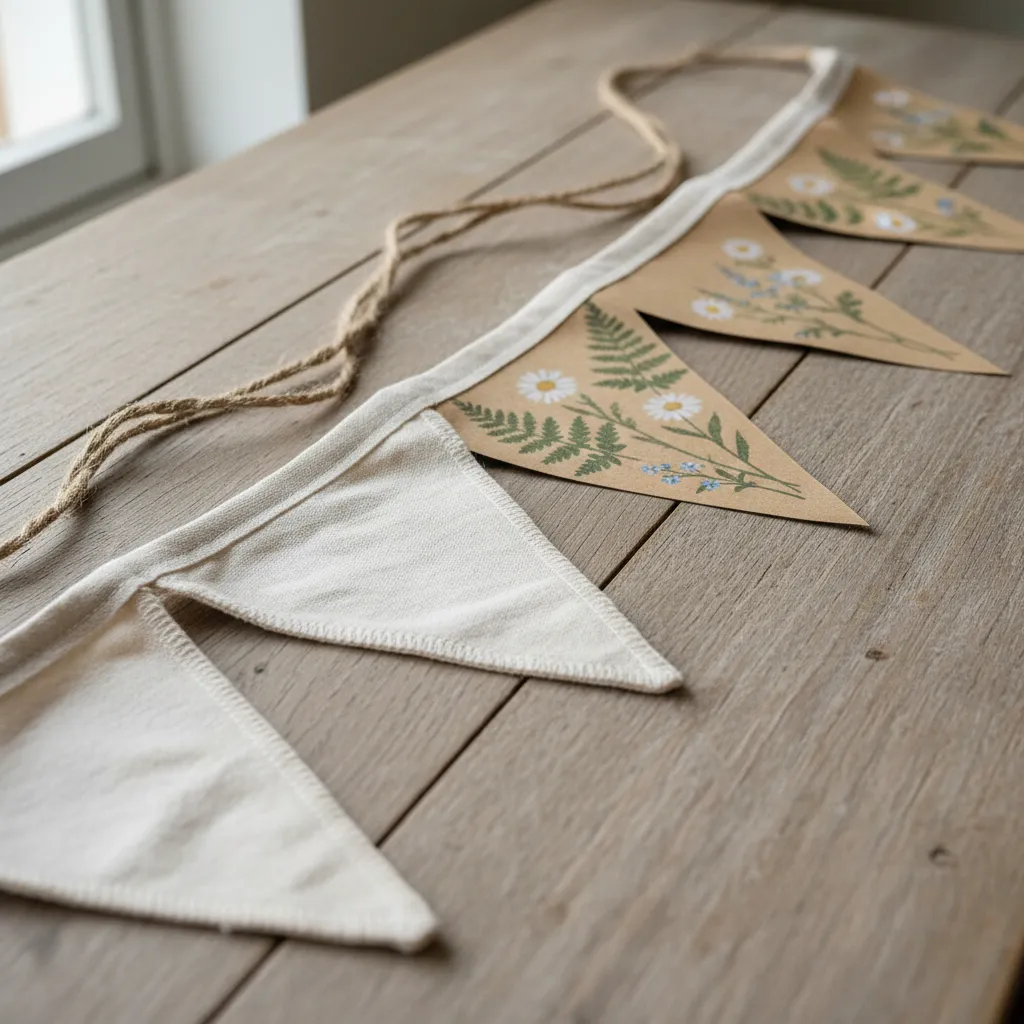
Fabric bunting is the gold standard for sustainability due to its reusability. High-quality cotton, linen, or hemp bunting can last for decades if cared for properly. It embodies the concept of buying once and buying well. Fabric allows for double-sided printing and adds a textural warmth to a room that paper cannot achieve.
Cons:
The initial cost is higher. Manufacturing textiles is resource-intensive regarding water use, so it is crucial to choose organic or upcycled fabrics to mitigate the environmental footprint.
The Case for Paper Bunting
Pros:
Paper is affordable and biodegradable. If you opt for paper bunting, ensure it is not laminated. Lamination involves bonding plastic to paper, rendering it unrecyclable. Look for “uncoated” paper stock.
Cons:
Durability is low. Paper tears easily and fades in sunlight, meaning it often becomes a single-use item, which is less sustainable in the long run compared to a durable fabric set.
What sustainable materials should I look for?
When browsing for “buy eco friendly matariki bunting,” you will encounter various material descriptions. Understanding these helps ensure you aren’t falling victim to greenwashing.
1. Organic Cotton and Hemp
Conventionally grown cotton uses significant amounts of pesticides. Organic cotton and hemp are grown without harmful chemicals, protecting the soil and water tables. Hemp is particularly relevant as it is extremely durable and has a lower water footprint than cotton.
2. Upcycled Fabrics
Some of the most eco-friendly options come from makers who repurpose existing textiles. Old wool blankets, linen offcuts, or vintage fabrics are sewn into bunting flags. This supports a circular economy where no virgin resources are extracted to create your decor.
3. Harakeke (Flax)
For the ultimate eco-friendly and culturally significant option, look for bunting woven from Harakeke. While more expensive and delicate, these pieces are biodegradable and directly connect the celebration to traditional weaving arts (Raranga). Note that Harakeke items require specific care to prevent mould.
4. FSC or PEFC Certified Paper
If buying paper bunting, look for the FSC (Forest Stewardship Council) or PEFC logos. This guarantees the wood pulp came from responsibly managed forests, not old-growth clearing.
How to find customizable eco-decor for schools and offices?
Schools and corporate offices often require bulk orders or specific branding (e.g., adding a school logo alongside Matariki stars). Customization in the eco-space requires a bit more lead time.
Bulk Purchasing for Education
Many New Zealand educational suppliers offer “school packs” for Matariki. To ensure these are eco-friendly, request product specifications regarding packaging. Avoid sets wrapped in soft plastics. Instead, seek suppliers who ship in cardboard or compostable mailers.
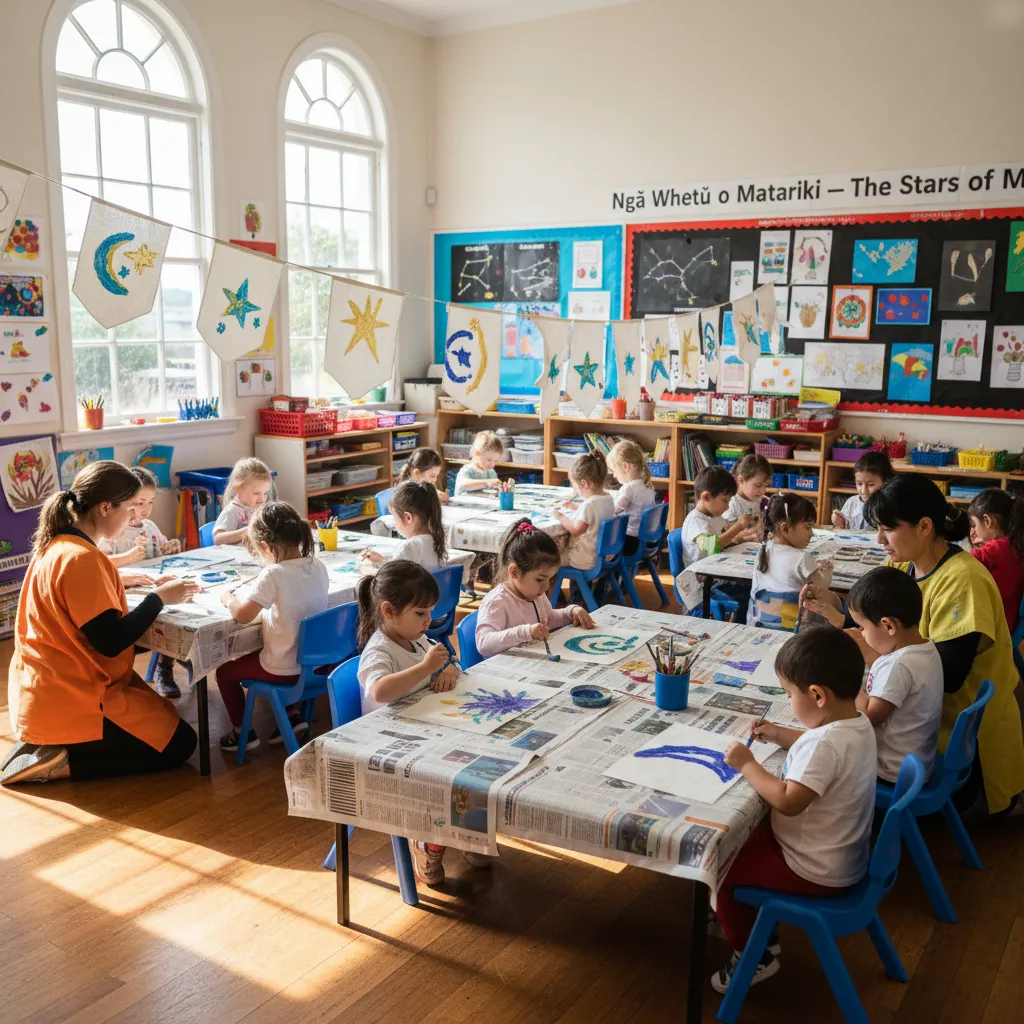
Tip for Schools: Consider “Kitset” bunting. Some eco-suppliers sell pre-cut fabric triangles and bias binding made from natural fibers, allowing students to sew or tie the bunting themselves. This transforms the decoration process into a learning activity about sustainability and craft.
Corporate Branding and Sustainability
For offices, bunting is a subtle way to acknowledge the holiday. When commissioning custom bunting:
- Ask for Vegetable Inks: Ensure the printer uses water-based or soy-based inks rather than plastisol, which contains PVC and phthalates.
- Opt for Neutral Tones: Unbleached calico with simple black or navy printing looks professional, fits most office aesthetics, and avoids the heavy bleaching processes of bright white fabrics.
What are the price comparisons and shipping times?
Investing in eco-friendly products often comes with a “green premium” because the labour is paid fairly and the materials are higher quality. Here is a general market analysis for NZ shoppers.
Price Guide (NZD)
- Budget (Paper/Card): $15 – $25 per 3-meter string. Look for recycled card options on Etsy or local craft markets.
- Mid-Range (Cotton/Calico): $35 – $55 per 3-meter string. These are typically screen-printed locally and are washable.
- Premium (Harakeke/Hand-Woven/Designer Fabric): $60 – $100+ per string. These are art pieces intended to be heirlooms.
Shipping and Lead Times
Because Matariki dates change slightly every year (usually June or July), it is vital to order early.
- Handmade Items: Allow 2-3 weeks. Most sellers on Chooice or Felt make items to order to reduce waste (overstock is an environmental issue too).
- Commercial Eco-Stores: Usually ship within 3-5 business days via NZ Post or courier.
- Rural Delivery: Always add an extra 2-3 days for rural addresses in Aotearoa.
Warning: Be wary of “shipping from overseas” notifications. Many dropshipping sites claim to sell “NZ Matariki Decor” but ship polyester items from factories in Asia. Always check the “About Us” page to verify the business is NZ-based and holds stock locally to minimize carbon emissions from shipping.
How to care for and store eco-bunting?
Sustainability extends beyond the purchase; it includes extending the life of the product. Proper care ensures your Matariki bunting remains vibrant for years.
Cleaning Fabric Bunting
Most cotton or hessian bunting should be cold hand-washed. Avoid tumble dryers, as natural fibers can shrink and print designs may crack. Iron on the reverse side to flatten the flags before storage.
Storage Solutions
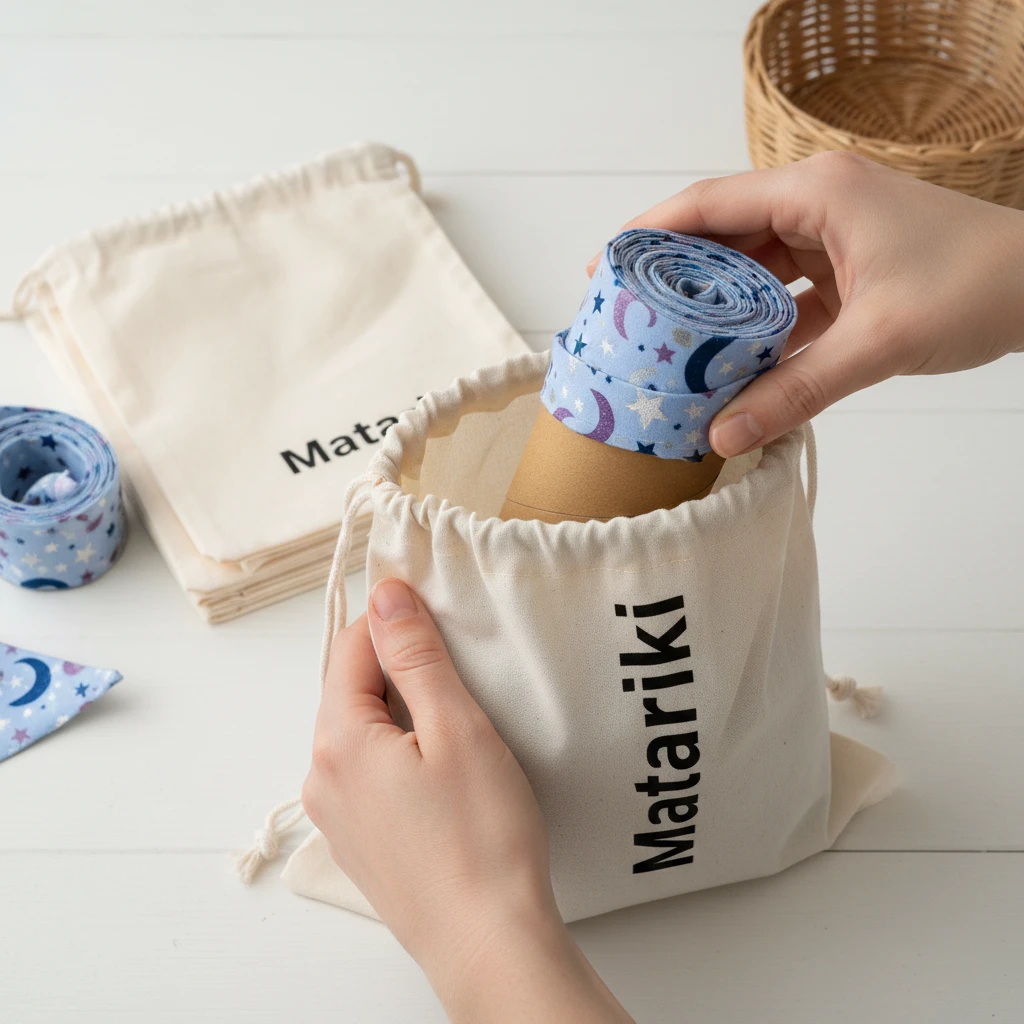
Never store fabric bunting in plastic bags, as trapped moisture can cause mildew, especially with natural fibers. Instead, roll the bunting around a cardboard tube (like a paper towel roll) to prevent creases, and place it inside a cotton pillowcase or a calico drawstring bag. Keep in a dry, dark place to prevent sun bleaching.
Summary: Making the Right Choice for Matariki
Celebrating Matariki is about looking to the future and acknowledging our past. By choosing eco-friendly bunting, you align your celebrations with the values of environmental stewardship. Whether you choose a high-end hand-sewn set from a local Māori artist or a recyclable paper set for a school project, the key is mindfulness. Avoid single-use plastics, support local economy, and treat your decorations as taonga (treasures) to be reused year after year.
What materials are best for outdoor Matariki bunting?
For outdoor use, treated canvas or heavy-duty hemp is best as they resist wind and moisture better than standard cotton. However, even “outdoor” eco-fabrics should be taken down during heavy rain to prevent mould. Avoid paper entirely for outdoors.
Can I recycle Matariki bunting?
It depends on the material. Paper bunting (unlaminated) can go in your curbside recycling. 100% cotton or linen bunting can be composted (cut into small pieces first) or recycled at textile recycling banks. Synthetic blends generally end up in landfill.
Are there specific colours for Matariki bunting?
While you can use any colours, traditional Matariki palettes often include black (Te Kore), red, white, and silver/gold to represent the stars (whetū). Deep blues and purples representing the night sky are also very popular.
How do I know if a seller is truly Māori-owned?
Look for the “Amotai” verification or membership in Māori business networks. Most authentic sellers will proudly share their whakapapa (genealogy) or iwi connections on their “About” page.
Is it culturally appropriate to make my own Matariki bunting?
Yes, absolutely. Creating your own decorations is a wonderful way to engage with the holiday. Just ensure you are respectful with the imagery used (e.g., researching the correct names and positions of the stars).
Where can I buy wholesale eco-friendly bunting in NZ?
For wholesale, contact sustainable promotional product suppliers in NZ such as ‘Ecobags’ or specialized educational suppliers. You may need to set up a trade account to access wholesale pricing.