
Sustainable Matariki gifts are eco-conscious presents that honor the Māori New Year by prioritizing kaitiakitanga (environmental guardianship) and whanaungatanga (connection). Ideal choices include locally sourced kai, experiences that bring whānau together, and taonga handcrafted by Māori artisans, all wrapped in plastic-free packaging to minimize waste.
The Significance of Gifting During Matariki
Matariki, the Māori New Year, is a profound time of reflection, celebration, and renewal. Historically, and in contemporary Aotearoa, it is a period marked by the rising of the Pleiades star cluster, signaling a time to remember those who have passed, celebrate the present harvest, and plan for the future. Gifting during this season is not about consumerism or accumulation of material goods; rather, it is an extension of manaakitanga—the process of showing respect, generosity, and care for others.
When we choose sustainable Matariki gifts, we align our actions with the core values of the holiday. The stars of Matariki are intrinsically linked to the environment—Waitī watches over fresh water, Waitā over the ocean, Tupu-ā-nuku over food from the earth, and Tupu-ā-rangi over food from the sky. Therefore, a gift that harms the environment contradicts the very essence of the celebration. By selecting items that are local, green, and supportive of the indigenous economy, we honor the earth and the community simultaneously.
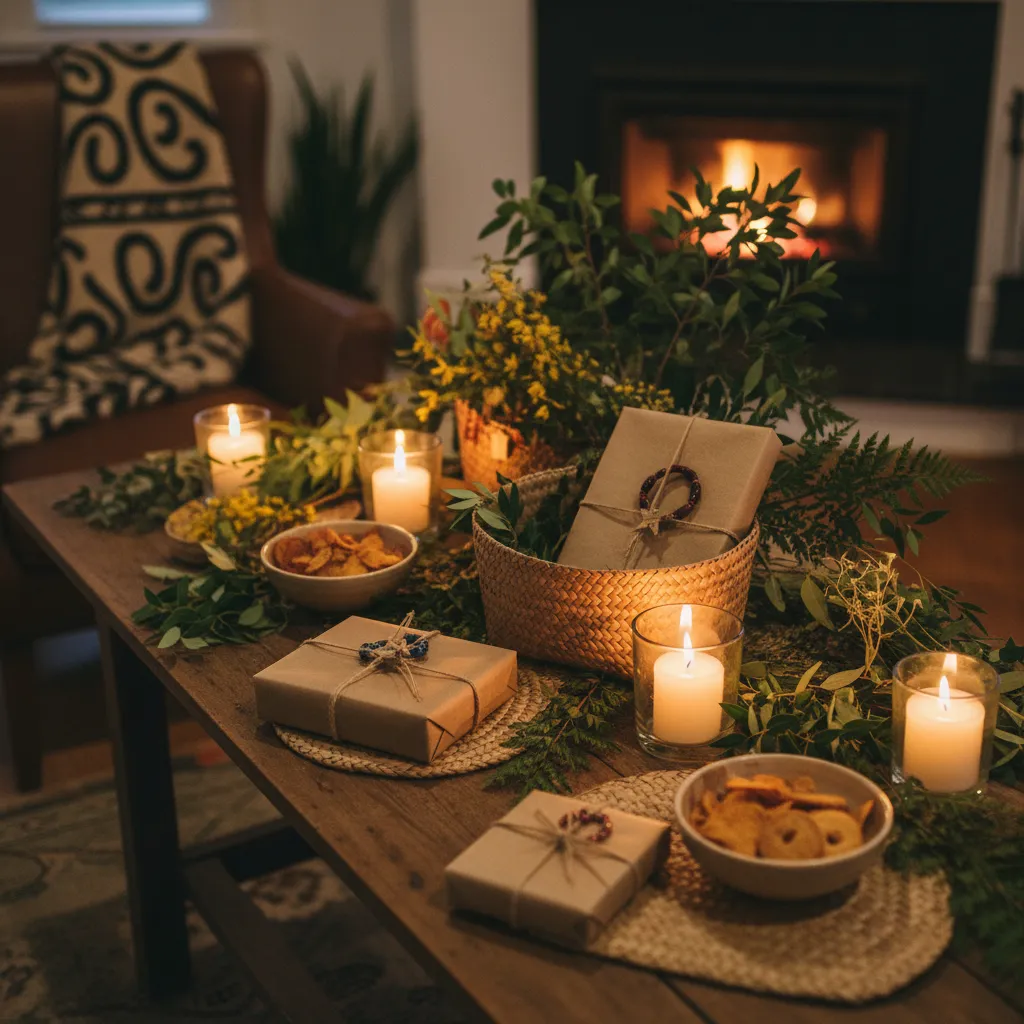
This guide focuses on high-quality, thoughtful alternatives to mass-produced items. It prioritizes gifts that leave a light footprint on Papatūānuku (Earth Mother) while uplifting local makers and strengthening bonds within the whānau (family).
Consumable Gifts: Local Honey, Tea, and Preserves
In the tradition of Matariki, kai (food) plays a central role. The harvest has been gathered, the pātaka (storehouses) are full, and it is time to feast. Consumable gifts are among the most sustainable options available because they do not create permanent clutter and, when sourced correctly, support local agricultural ecosystems.
Native Rongoā and Teas
New Zealand is home to bioactive native plants that have been used for centuries in Rongoā Māori (traditional healing). Gifting organic, locally harvested teas is a way to offer health and wellness to your loved ones.
- Kawakawa Tea: Known for its digestive and anti-inflammatory properties. Look for brands that harvest sustainably, ensuring the plant can regenerate.
- Mānuka and Kūmarahou: Excellent for respiratory health, especially during the cold winter months of Matariki.
When selecting these gifts, verify that the producers adhere to tikanga (customary practices) regarding harvesting, ensuring that the mana of the plant is respected.
Artisanal Honey and Preserves
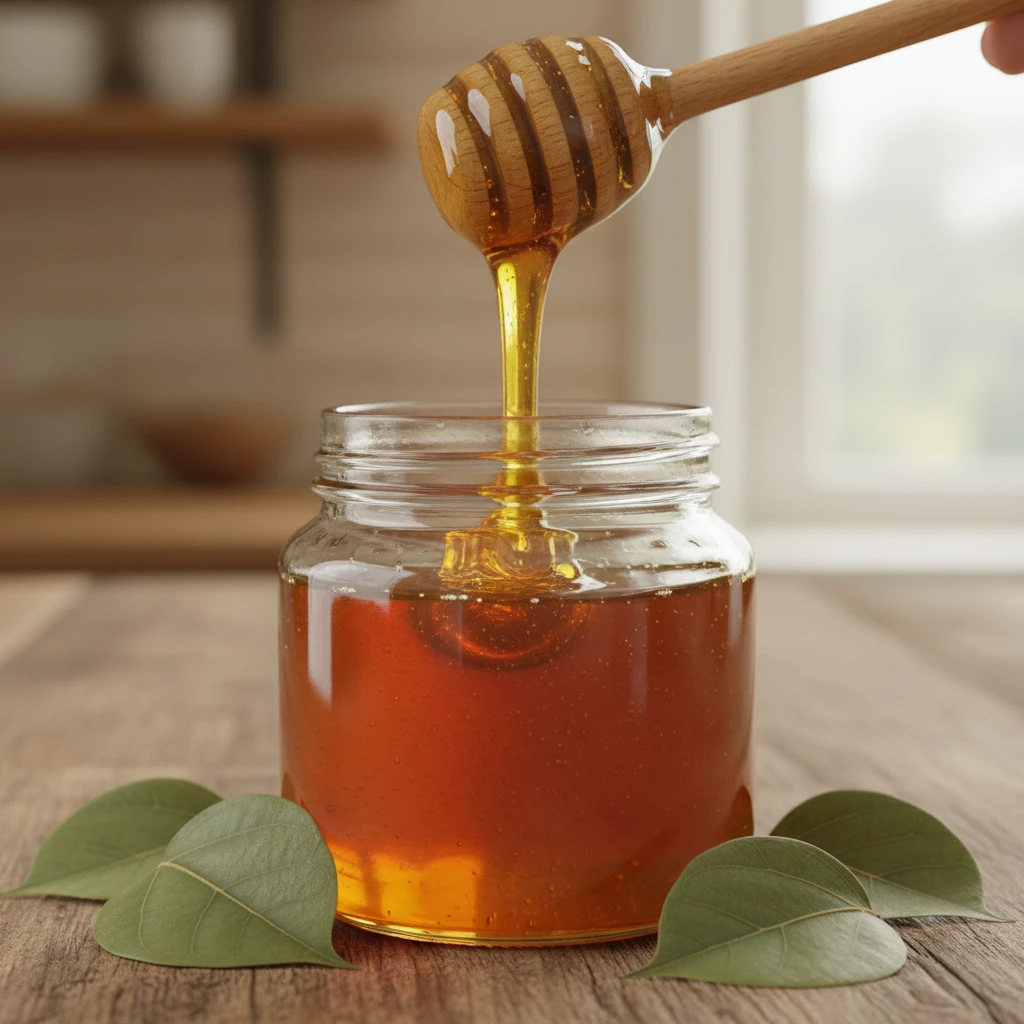
Aotearoa produces some of the world’s finest honey. A jar of high-UMF Mānuka honey or a boutique Rewarewa honey makes for a luxurious yet practical gift. Beyond honey, consider preserves made from local fruits. Jams, chutneys, and sauces made from tamarillo, feijoa, or horopito peppers offer a taste of the land.
Sustainability Tip: Look for producers who use glass jars rather than plastic, and who offer jar-return schemes. This circular approach reduces landfill waste and encourages ongoing relationships with local suppliers.
Experience-Based Gifts for Whānau
One of the most effective ways to reduce your carbon footprint during the holidays is to shift from physical goods to experiences. Matariki is fundamentally about spending time together, sharing stories, and looking toward the future. Experience-based gifts create memories without creating waste.
Stargazing and Astronomy Tours
Since Matariki is a celestial event, gifting a stargazing experience is incredibly thematic. Aotearoa boasts several Dark Sky Sanctuaries, including Aotea (Great Barrier Island) and the Mackenzie Basin.
Tickets to a local observatory or a guided night tour allow whānau to learn about the navigation history of Māori ancestors and the astronomical significance of the cluster. This gift fosters education and appreciation for the natural world.
Waka Tours and Cultural Workshops
Support Māori tourism operators by gifting vouchers for cultural experiences. This could include:
- Waka ama (outrigger canoe) experiences: Connecting with the water (Waitī and Waitā).
- Weaving workshops (Raranga): Learning a traditional skill.
- Language classes: A subscription or enrollment in Te Reo Māori lessons.
Planting Days and Conservation
For the eco-warrior in your life, consider a gift that gives back to Tupu-ā-nuku. ‘Gifting a tree’ through organizations like Trees That Count is a powerful gesture. You can dedicate a native tree to a loved one, which helps restore native forests and biodiversity. Alternatively, organize a whānau planting day where the ‘gift’ is the shared labor of restoring a local waterway or reserve.

Supporting Māori Artisans and Makers
If you prefer to give a physical object, ensure it holds whakapapa (genealogy/story) and supports the indigenous economy. Buying from Māori-owned businesses (Pakihi Māori) ensures that the economic benefits of the holiday return to the communities that originated the celebration.
Authenticity Matters: Toi Iho
When purchasing Māori art or crafts, it is crucial to distinguish between authentic Toi Māori and mass-produced souvenirs that appropriate Māori designs. Look for the Toi Iho trademark, which verifies that the work is created by Māori artists and meets high standards of quality and authenticity.
Modern Taonga
Sustainable Matariki gifts in this category might include:
- Pounamu (Greenstone): A traditional taonga that is often gifted to signify deep connection. Ensure the stone is sourced ethically from Ngāi Tahu whānau.
- Whakairo (Carving): Small wooden carvings or bone pendants that tell a story relevant to the recipient.
- Contemporary Māori Design: Clothing, homeware, or jewelry that fuses traditional motifs with modern sustainable materials (like organic cotton or recycled metals).
By purchasing directly from the artist, you reduce the carbon footprint associated with international shipping and middlemen, while directly supporting the artist’s livelihood.
Plastic-Free Packaging and Presentation
The final step in a sustainable Matariki gift guide is the presentation. Traditional wrapping paper is often non-recyclable due to dyes, lamination, or glitter. To align with the environmental ethos of Matariki, we must rethink how we conceal our gifts.
The Art of Furoshiki and Kete
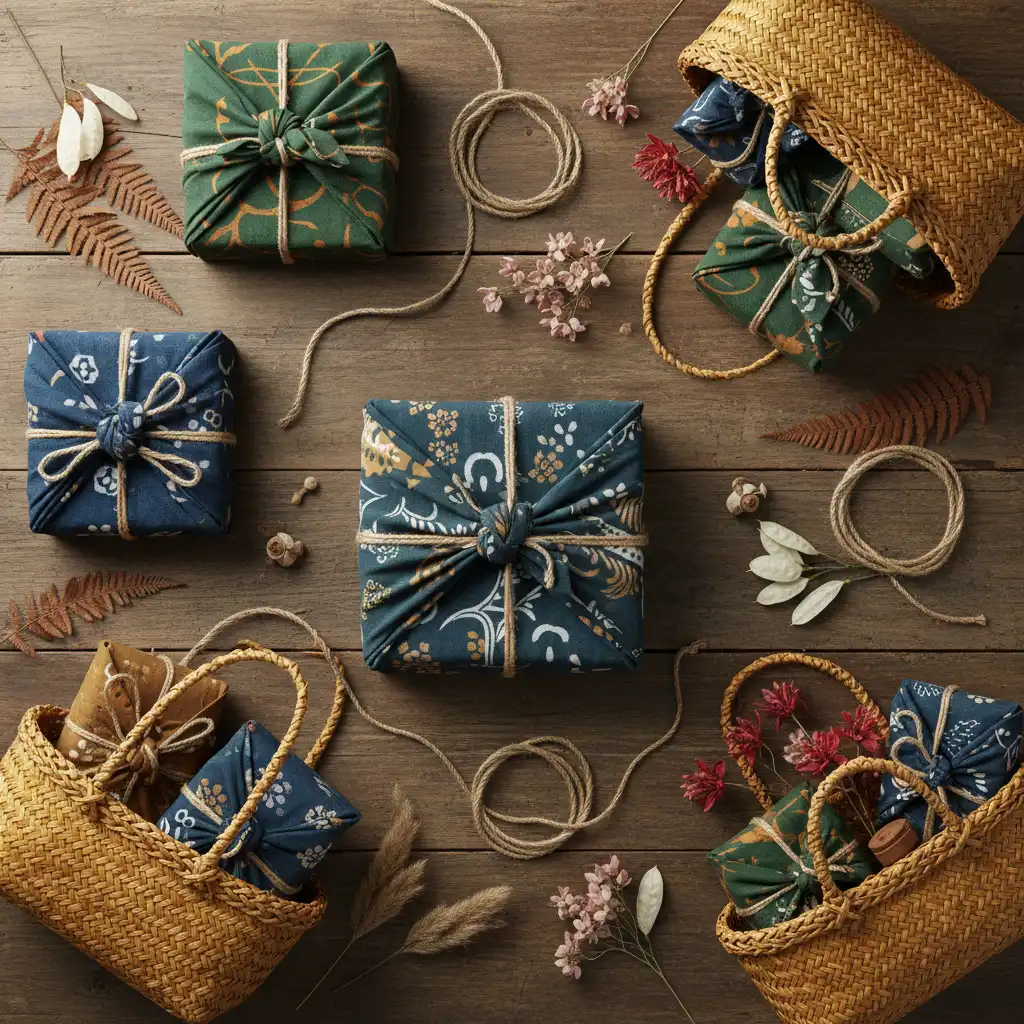
We can look to both Japanese and Māori traditions for inspiration. Furoshiki is the Japanese art of fabric wrapping. You can use offcuts of fabric, thrifted scarves, or tea towels to wrap gifts. The wrapping itself becomes part of the present—a tea towel wrapped around a jar of honey is two gifts in one.
Alternatively, utilize Kete (flax baskets). A woven kete is a beautiful, biodegradable container that can be reused for gathering kai or storage. If you cannot source a kete, consider recycled brown paper adorned with natural elements like dried harakeke flowers, pinecones, or sprigs of rosemary instead of plastic ribbons and bows.
Frequently Asked Questions
What is the best traditional gift for Matariki?
The best traditional gifts are often kai (food) or taonga (treasures) that have meaning. Preserved foods, such as smoked fish or birds (in a modern context, perhaps smoked eel or artisan meats), were traditionally shared. Pounamu and woven garments are also highly traditional and cherished.
How can I ensure my Matariki gift is truly sustainable?
Check the supply chain. Look for locally made items to reduce transport emissions, avoid single-use plastics, choose organic or regenerative materials, and buy from businesses that have transparent ethical labor practices.
Are there specific colors associated with Matariki gifts?
While there are no strict rules, colors that reflect the stars and the environment are popular. Deep blues and blacks for the night sky, silver and white for the stars, and earthy greens and browns for Papatūānuku are appropriate and thematic choices.
Why is it important to buy from Māori businesses during Matariki?
Matariki is a Māori celebration. Supporting Māori businesses (Pakihi Māori) ensures that the culture is honored rather than exploited. It helps build economic resilience within Māori communities and ensures the authenticity of the products you are gifting.
Can I make my own Matariki gifts?
Absolutely. Handmade gifts possess high mana because they include your time and energy. Baking Rēwena bread, knitting a scarf, or creating a piece of art are wonderful, low-waste ways to celebrate.
Is it appropriate to give money for Matariki?
While koha (donations/gifts) is a customary practice, it is often done to support a marae or a cause. If giving to an individual, a thoughtful gift or an experience is often preferred to build connection, but a koha toward a specific goal (like education) is also acceptable.