
Community planting events NZ during Matariki are volunteer-led initiatives designed to restore native biodiversity while honoring Papatūānuku (Earth Mother). These gatherings allow participants to practice kaitiakitanga (guardianship) by planting indigenous trees, symbolizing the regeneration of nature and the strengthening of community bonds during the Māori New Year.
Matariki is more than a celestial event; it is a profound signal from the environment to the people. As the Pleiades cluster rises, it marks a time of remembrance, celebration, and looking toward the future. One of the most tangible ways to honor this transition is by returning life to the land. Across Aotearoa, thousands of volunteers gather in mid-winter to participate in community planting events. These events are not merely about putting seedlings in the ground; they are acts of reciprocity, ensuring that the environment that sustains us is nurtured in return.
Whether you are a seasoned conservationist or a whānau looking for a meaningful way to celebrate the public holiday, joining a planting day offers a direct connection to the land and the stars. This guide provides a comprehensive resource on finding events, understanding the cultural significance, and preparing for a day of mahi (work) in the soil.
Why Planting During Matariki is Traditional
To understand the surge in community planting events NZ experiences during June and July, one must look to the stars. Within the Matariki cluster, specific stars hold dominion over different domains of the natural world. Tupu-ā-nuku is the star connected to food that grows within the soil and plants. It represents the edible plants and the overall health of the earth.
While the harvest is traditionally completed by the time Matariki rises, the season also signifies the start of the new growth cycle. Winter in Aotearoa provides the optimal conditions for establishing young native trees. The soil is moist, and the cooler temperatures reduce stress on new root systems, allowing plants to establish themselves before the dry heat of summer arrives.
Giving Back to Papatūānuku
In Te Ao Māori (the Māori world view), humanity is not separate from nature but genealogically connected to it. Papatūānuku (Earth Mother) provides sustenance, shelter, and stability. Participating in planting days is an expression of utu (reciprocity). We take from the earth throughout the year; Matariki is the time to give back.
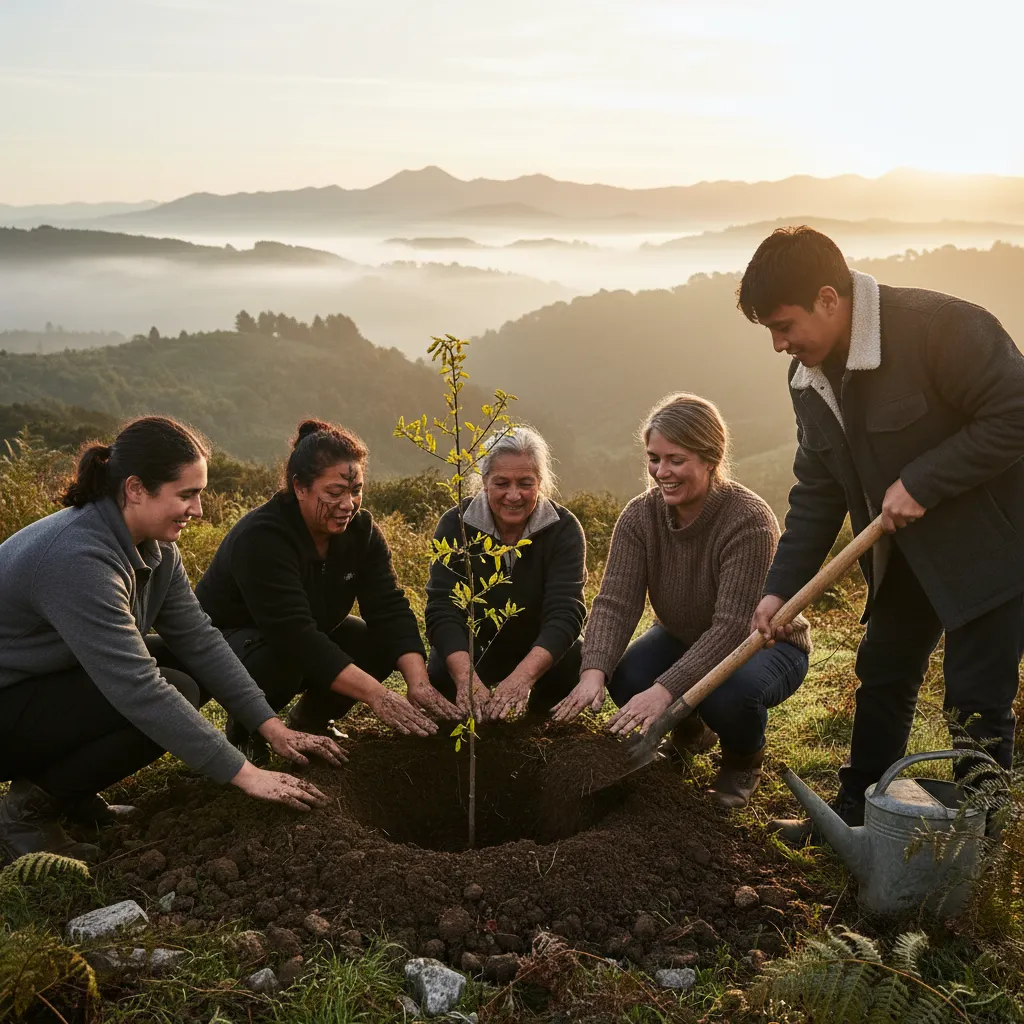
Furthermore, these events foster whanaungatanga (relationship building). By working shoulder-to-shoulder with neighbors, colleagues, and iwi, communities strengthen their social fabric while weaving a stronger ecological cloak for the land.
Regional Directory: Finding Community Planting Events NZ
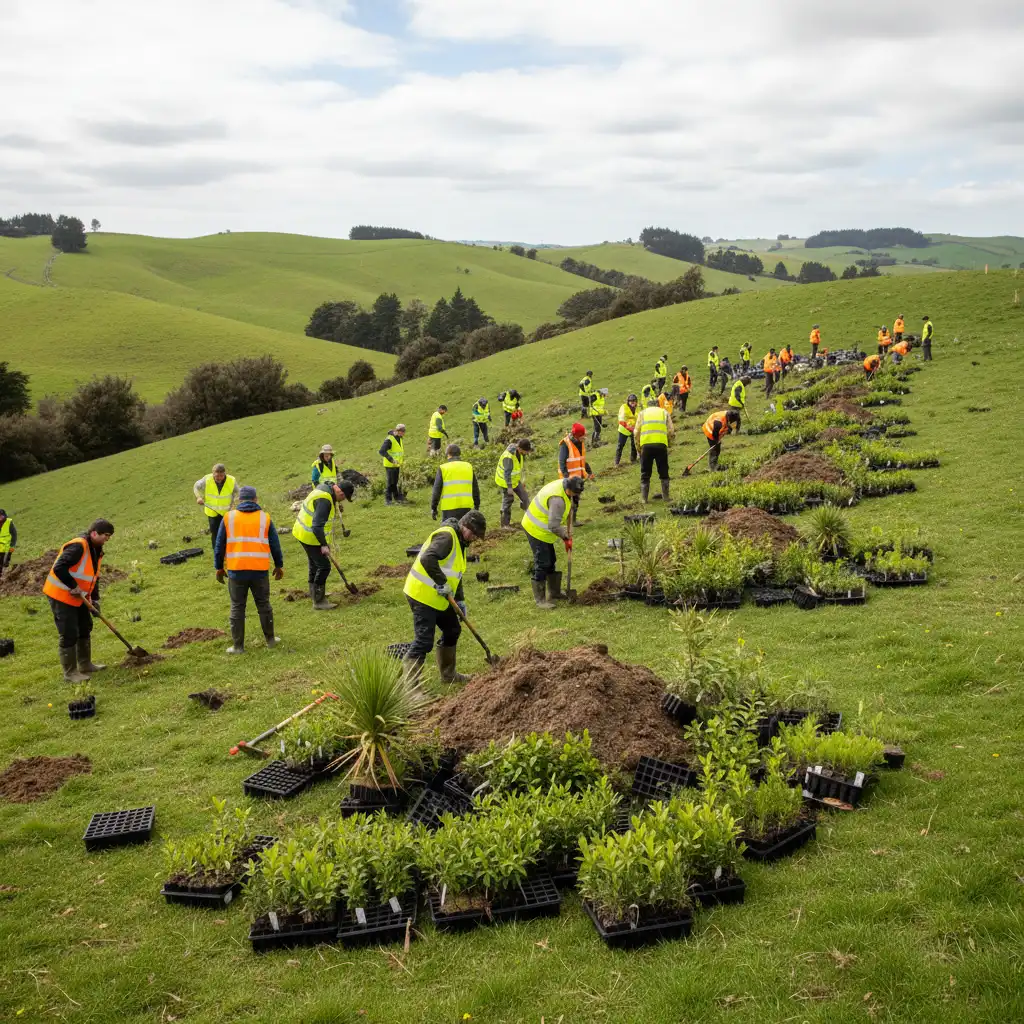
Finding a “community planting event near me” is easier than ever, as councils, the Department of Conservation (DOC), and private trusts ramp up their winter schedules. Below is a breakdown of major hubs and the organizations that typically host these events.
Auckland (Tāmaki Makaurau)
Auckland Council and various local boards host an extensive range of planting days, often focused on riparian planting to improve water quality.
- Trees for Survival: Works with schools and corporate groups to plant thousands of trees across the region.
- Te Motu a Ihenga (Motuihe Island) Restoration: Offers ferry trips for volunteers to plant on this pest-free sanctuary.
- Project Twin Streams: Focuses on the Waitākere ranges and stream restoration in West Auckland.
Wellington (Te Whanganui-a-Tara)
The capital is renowned for its wind, but also for its passionate conservationists. Planting here often focuses on wind-hardy species and restoring the green belt.
- Conservation Volunteers NZ: Regularly hosts events at Mount Victoria and along the South Coast.
- Sustainable Coastlines: Often combines beach clean-ups with dune planting events in the wider Wellington region.
- Friends of the Hutt River: Focuses on the river corridor regeneration.
Christchurch (Ōtautahi)
Canterbury’s focus is often on restoring the Port Hills and the Avon River corridor.
- Te Ara Kākāriki (Greenway Canterbury Trust): A major player in increasing biodiversity on the Canterbury Plains.
- Summit Road Society: Focuses on the Port Hills restoration, particularly vital after fire damage in previous years.
- Christchurch City Council: regularly updates their “What’s On” pages with volunteer planting days at regional parks.
How to Find Local Events
If you are outside the main centers, the best strategy to find community planting events NZ wide is to check:
- Nature Space (naturespace.org.nz): A definitive directory of restoration groups across New Zealand.
- Department of Conservation (DOC) Website: Look under the ‘Get Involved’ or ‘Volunteer’ sections.
- Facebook Events: Search for “Planting Day” + [Your Region].
What to Bring: Gear, Safety, and Biosecurity
While organizers often provide the plants and sometimes the tools, arriving prepared ensures you can work safely and effectively. Winter weather in New Zealand is changeable, so preparation is key.
Essential Gear List
- Footwear: Gumboots or sturdy hiking boots are non-negotiable. The terrain is often uneven, muddy, or steep.
- Clothing Layers: Wear warm layers (merino or polypropylene) and a waterproof outer shell. Avoid denim as it gets heavy and cold when wet.
- Gardening Gloves: Protect your hands from blisters, gorse, and cold soil.
- Spade: While often provided, bringing your own sturdy spade (clean and sharp) is extremely helpful.
- Water and Snacks: Planting is physical work. Stay hydrated even if it is cold.
Biosecurity: The Kauri Dieback Protocol
A critical aspect of attending any planting event in New Zealand is biosecurity. You must ensure you are not spreading pathogens like Phytophthora agathidicida (Kauri Dieback) or myrtle rust.
The Golden Rule: Arrive with clean gear. Scrub all soil off your boots and spades before leaving home. Use the cleaning stations provided at the entrance and exit of planting sites. Spraying your footwear with SteriGENE (usually provided at stations) is a mandatory step in Kauri areas.
Registering Your Group for a Planting Project
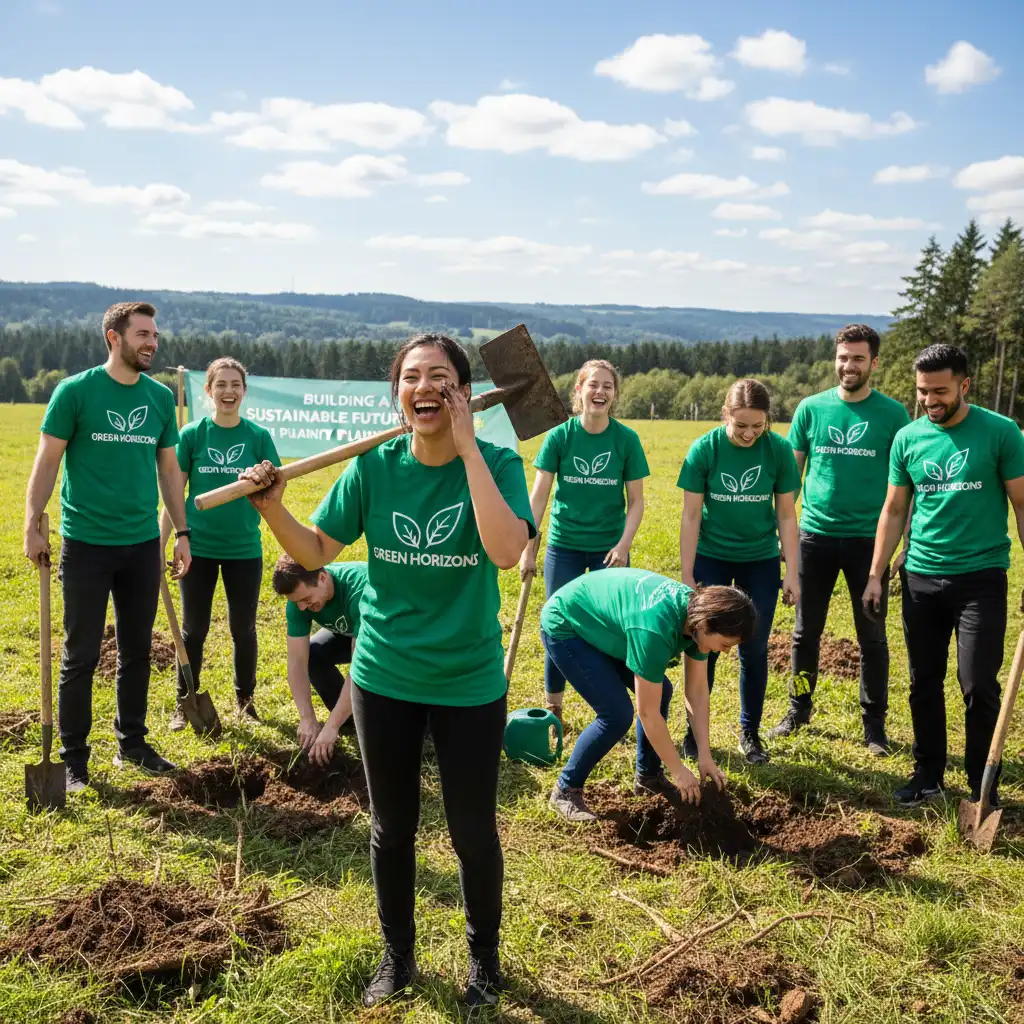
Matariki planting days are popular for corporate team building, school excursions, and community groups. However, showing up with a busload of 50 people without notice is a logistical nightmare for organizers. Here is how to manage group participation.
For Corporate Teams (CSR)
Corporate Social Responsibility (CSR) days are excellent for morale. To organize this:
- Contact Early: Reach out to organizations like Trees for Survival or Conservation Volunteers NZ at least two months in advance.
- Sponsorship: Consider offering a donation alongside your labor. Buying the seedlings costs money, and your financial contribution helps sustain the project.
- Commitment: Ensure your team is committed to the physical nature of the work.
For Schools and Whānau
Many public planting days are family-friendly, but check the terrain grading first. Some sites require steep hiking which may not be suitable for tamariki (children) or kaumātua (elders).
- Look for “Whānau Days” specifically, which usually include flat terrain, BBQ lunches, and educational talks about the stars and the trees.
- Register via Eventbrite or the Council website to ensure there are enough sausages for the sizzle and plants for the people!
Key Native Species to Plant During Matariki
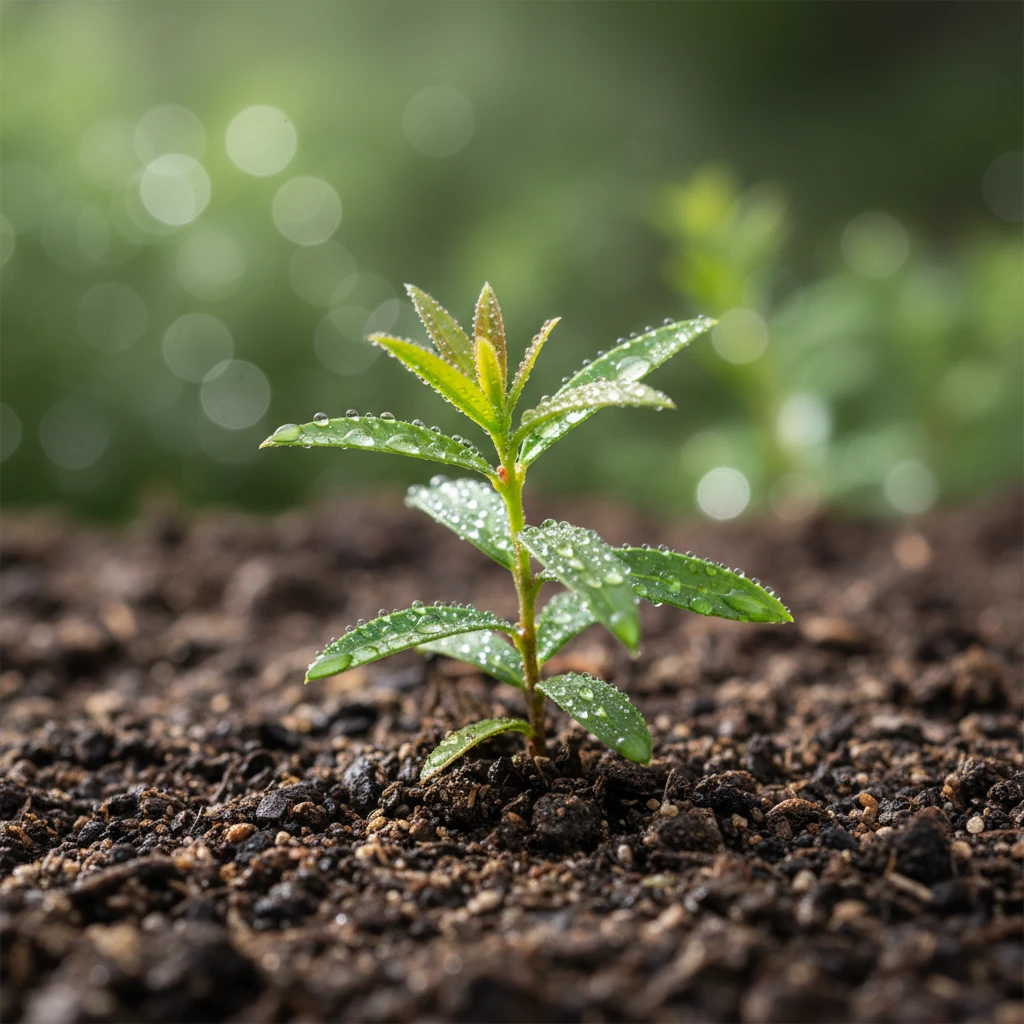
Not all trees are suitable for all locations. Organizers carefully select species based on the ecosystem (wetland, coastal, forest). Common species you will handle include:
- Harakeke (Flax): Often planted in wetlands and riparian margins to stabilize banks and filter runoff. Culturally significant for weaving.
- Tī Kōuka (Cabbage Tree): Extremely hardy, fast-growing, and provides excellent habitat for native insects and birds.
- Mānuka and Kānuka: These are “nurse crops.” They grow fast and provide shade/shelter for larger canopy trees to establish later.
- Tōtara: A giant of the forest, often planted in more established areas to become the future canopy.
- Kōwhai: Planted to attract Tūī and Kererū with their nectar-rich flowers.
The Long-Term Impact of Winter Planting
Participating in community planting events NZ creates a legacy that outlasts the Matariki season. The scientific impact of these collective efforts is measurable and profound.
Carbon Sequestration
Native forests are carbon sinks. While a single sapling’s impact is small, the millions of trees planted annually across NZ contribute significantly to offsetting carbon emissions. This aligns with the Matariki value of looking toward the future for the benefit of upcoming generations.
Biodiversity Corridors
Fragmented habitats are a major threat to native wildlife. Community plantings often focus on creating “corridors”—strips of native bush that connect larger forest remnants. This allows birds like the Kererū to travel safely, spreading seeds and further regenerating the forest naturally.
Water Quality Improvement
Riparian planting (planting along waterways) is a primary focus for many councils. The roots of native plants hold the soil together, preventing sediment from washing into rivers. Furthermore, the plants filter out nitrates and phosphates from agricultural runoff, leading to cleaner waterways for swimming and gathering kai (food).
Post-Planting: Continuing the Kaitiakitanga
The work does not end when the tree is in the ground. True kaitiakitanga involves maintenance. Many groups hold “releasing” days in spring and summer. This involves clearing fast-growing weeds away from the young native trees to ensure they aren’t smothered. Returning to the same site months later to care for the trees you planted is a rewarding way to see the cycle of Tupu-ā-nuku in action.
As Matariki rises, take the opportunity to dirty your hands, breathe the fresh winter air, and leave a living legacy on the landscape of Aotearoa.
People Also Ask
What is the best month to plant native trees in NZ?
The best time to plant native trees in New Zealand is generally from late autumn to early spring (May to September). This allows the plants to establish their root systems in moist soil before the dry summer months arrive. Matariki (June/July) falls perfectly in the middle of this prime planting window.
Do I need to bring my own spade to a planting day?
While many organized community planting events provide spades and shovels, it is highly recommended to bring your own if possible. Community tools are often in high demand and may run out during large events. Ensure your spade is clean and free of soil to meet biosecurity standards.
How do I find volunteer planting events in Auckland?
You can find planting events in Auckland by visiting the Auckland Council website’s “Volunteering in Parks” section, checking the “Trees for Survival” website, or looking at the “Conservation Volunteers NZ” calendar. Local community Facebook groups are also excellent resources for finding neighborhood-specific events.
What types of trees are planted during Matariki?
The types of trees planted depend on the location (coastal, wetland, or forest). Common species include Mānuka, Kānuka, Harakeke (flax), Tī Kōuka (cabbage tree), and Tōtara. These are often chosen for their hardiness and ability to establish quickly in winter conditions.
Is Matariki a good time for gardening?
Yes, Matariki is traditionally a time to prepare the soil and plant trees. The star Tupu-ā-nuku is associated with food from the ground. While it is too cold for many summer vegetables, it is the ideal time for planting garlic, fruit trees, and native timber trees.
What should I wear to a community planting day?
You should wear sturdy, closed-toe footwear (gumboots or hiking boots), long trousers to protect legs from scratches, warm layers (merino/fleece), a waterproof jacket, and gardening gloves. Be prepared for mud and changeable weather conditions.