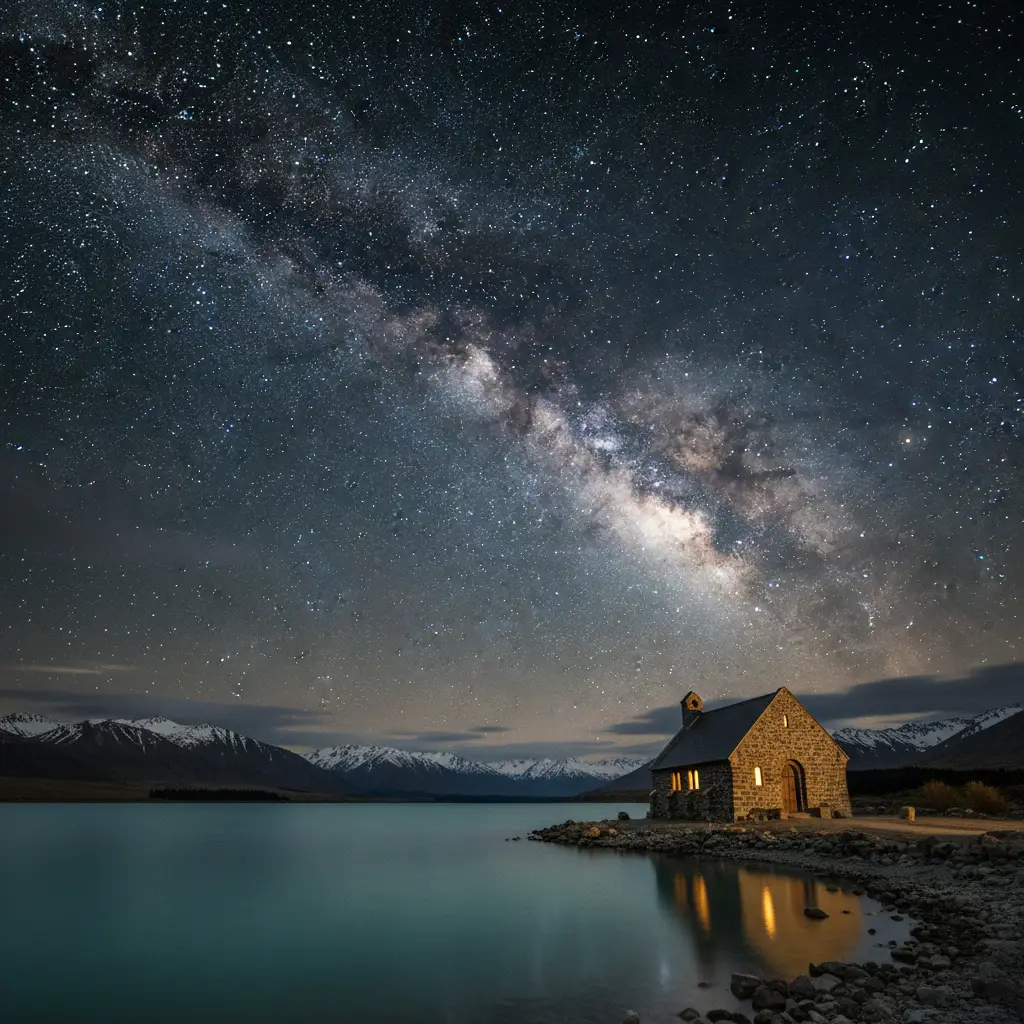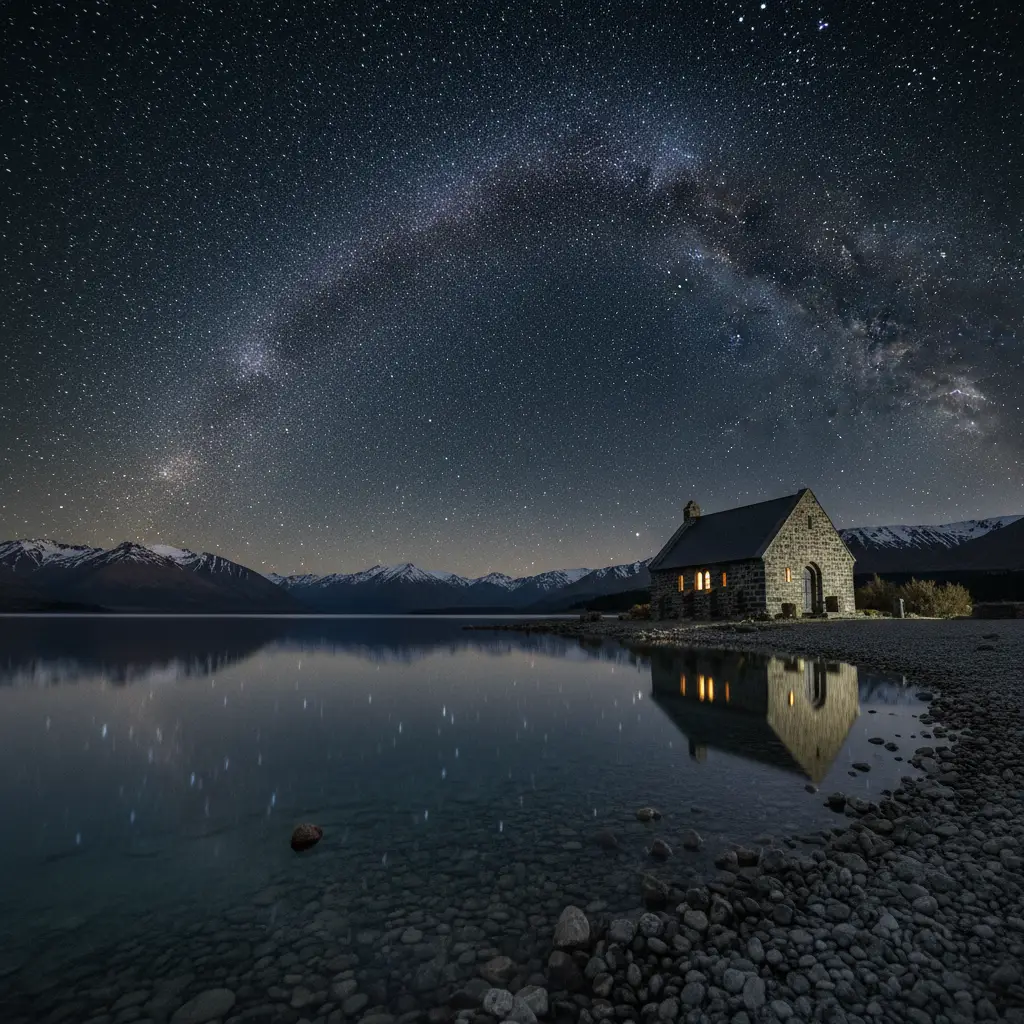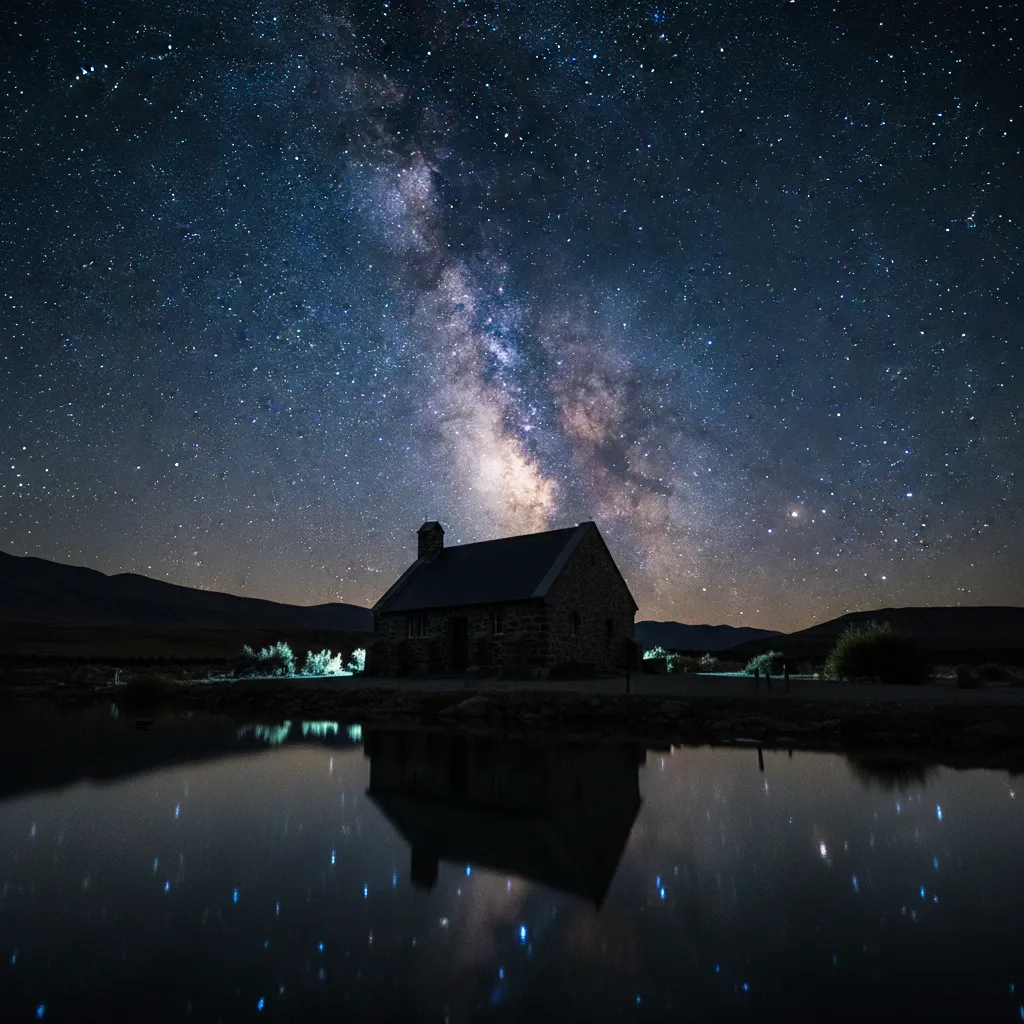
The best dark sky tours in New Zealand combine world-class astronomical clarity with authentic cultural storytelling. Top-rated operators include the Dark Sky Project in Lake Tekapo for advanced infrastructure, and Good Nature on Great Barrier Island for an intimate, off-grid experience. For the most immersive journey, prioritize tours integrating Māori astronomy (Tātai Arorangi) and Matariki protocols.
New Zealand, or Aotearoa, is widely regarded as one of the premier stargazing destinations on Earth. With large swathes of the country protected as International Dark Sky Reserves and Sanctuaries, the clarity of the southern sky here is unmatched. However, simply looking up is only half the experience. The rise of the Matariki public holiday has shifted the focus from purely scientific observation to a holistic appreciation of indigenous knowledge and cultural safety.
Choosing the right tour involves balancing logistical factors—like location, equipment, and pricing—with the depth of the narrative provided by the guides. Whether you are seeking a high-tech observatory experience in the Mackenzie Basin or a rugged, nature-first encounter on Great Barrier Island, this guide reviews the top options with a specific lens on cultural integrity and value.
Matariki and Indigenous Cultural Safety in Stargazing
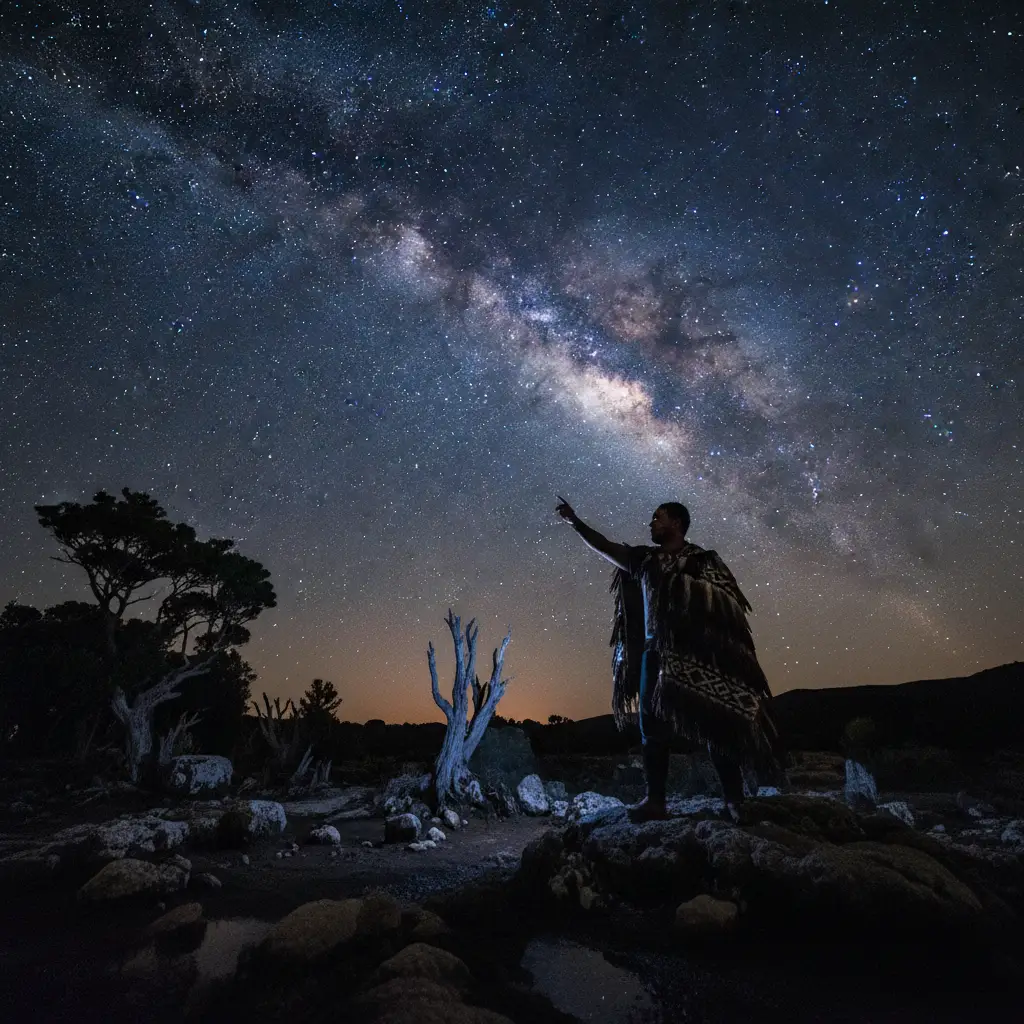
In recent years, the New Zealand tourism industry has pivoted toward a more inclusive model that honors Tātai Arorangi (Māori astronomy). This is particularly relevant given the establishment of Matariki as a public holiday. Matariki is the Māori name for the cluster of stars also known as the Pleiades. Its rising in mid-winter marks the Māori New Year, a time for remembering those who have passed, celebrating the present, and planning for the future.
When searching for the “best dark sky tours NZ,” cultural safety is a critical metric. Cultural safety refers to an environment that is spiritually, socially, and emotionally safe for people; where there is no assault, challenge, or denial of their identity. In the context of stargazing tours, this means:
- Correct Pronunciation: Guides should be trained to pronounce Māori star names (like Atutahi for Canopus or Rehua for Antares) correctly.
- Mythology vs. Science: The best tours weave scientific facts about stellar magnitude and light years with the rich oral history of Māori navigators who used these stars to traverse the Pacific Ocean.
- Respect for Land (Whenua): Tours operating on sacred sites must adhere to strict protocols (tikanga), such as not eating in specific areas or treating the environment with reverence.
Comparison: Mackenzie Basin vs. Great Barrier Island
The two heavyweights of New Zealand stargazing are the Aoraki Mackenzie International Dark Sky Reserve in the South Island and the Aotea / Great Barrier Island International Dark Sky Sanctuary in the North Island. Understanding the difference is key to booking the right tour.
The Aoraki Mackenzie International Dark Sky Reserve
Located in the center of the South Island, this is the largest Dark Sky Reserve in the Southern Hemisphere. It encompasses Lake Tekapo, Mt Cook (Aoraki), and Twizel.
- Pros: High-tech infrastructure (observatories, large telescopes), dry alpine air ensuring high visibility, accessible via road trip, wide variety of accommodation.
- Cons: Can be crowded with tourists, light pollution from growing towns is strictly managed but present, extremely cold in winter.
- Best For: Those wanting a “scientific” experience with massive telescopes and cafe amenities.
Aotea / Great Barrier Island Dark Sky Sanctuary
Located off the coast of Auckland, this island is an International Dark Sky Sanctuary—a classification reserved for the most isolated and darkest locations on the planet.
- Pros: Darker skies (Bortle Class 1), complete off-grid feeling, oceanic climate is milder than the alpine south, strong indigenous community presence.
- Cons: Requires a flight or ferry to access, limited accommodation, fewer “high-tech” observatory domes (mostly portable telescopes).
- Best For: Adventurers seeking solitude, connection with nature, and darker skies.
Best Dark Sky Tours NZ: Detailed Reviews
Based on equipment quality, guide expertise, and cultural integration, here are the top-rated tours currently available.
1. Dark Sky Project (Lake Tekapo)
The Heavy Hitter. The Dark Sky Project is perhaps the most famous operator in the country. They offer several experiences, but the “Summit Experience” at the Mt John Observatory is their flagship.
- Experience: You are bused up to the summit of Mt John where you access 16-inch telescopes and look through specialized observatory domes.
- Cultural Angle: They have invested heavily in the “Dark Sky Project Base” building, which features a multimedia indoor experience regarding Māori creation stories. However, the outdoor tour is often more science-heavy.
- Verdict: The best for seeing deep-sky objects like the Jewel Box Cluster or Tarns through powerful glass.
2. Good Nature (Great Barrier Island)
The Eco-Conscious Choice. Good Nature focuses on an intimate connection with the environment. Their “Dining with the Stars” package is unique.
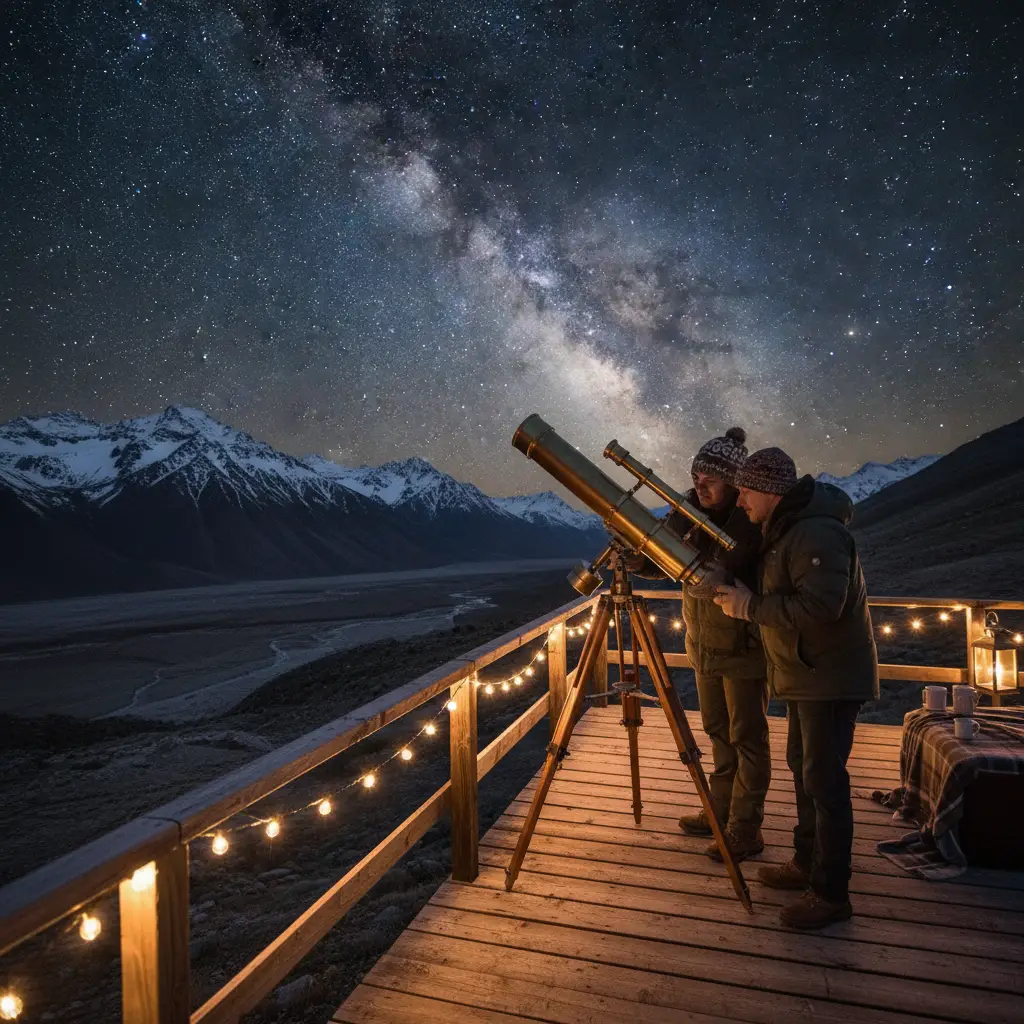
- Experience: Small groups on a remote island. You sit in comfortable chairs on a dune or deck, using high-quality binoculars and portable Dobsonians.
- Cultural Angle: Exceptional. The isolation of the island preserves a strong local culture, and the guides often share local legends specific to Aotea.
- Verdict: Perfect for couples and those who hate crowds. It feels personal and exclusive.
3. Horizon Tours (Dunedin)
The Cultural Specialist. While Dunedin is not a Dark Sky Reserve, the Otago Peninsula offers incredible skies. Horizon Tours stands out specifically for their “Southern Skies Stargazing” tour.
- Experience: A smaller operation that combines Māori hospitality (Manaakitanga) with astronomy.
- Cultural Angle: This is their USP. They focus heavily on how Māori used the stars for planting (maramataka) and navigation. They often include Māori song (waiata) and hot soup.
- Verdict: The best choice for visitors specifically interested in the “Matariki & Indigenous Cultural Safety” aspect.
4. Big Sky Stargazing (Aoraki/Mt Cook)
The Alpine Experience. Located at the foot of New Zealand’s highest mountain, this tour operates out of the Hermitage Hotel.
- Experience: It utilizes a planetarium for the intro and then moves outside. The backdrop of the snowy Southern Alps is visually unbeatable.
- Cultural Angle: Respectful references to Aoraki (the mountain ancestor), though the tour leans toward astrophysics.
- Verdict: Best for photography enthusiasts wanting that iconic shot of the Milky Way over snowy peaks.
What to Expect During a Winter Stargazing Session
Winter (June to August) is the prime season for stargazing in New Zealand. This coincides with Matariki and offers the longest nights and clearest air. However, it presents physical challenges.
The Cold Factor
In the Mackenzie Basin, temperatures at night frequently drop to -5°C (23°F) or lower. On Great Barrier Island, it is milder but can be damp and windy. The cold is a significant factor in your enjoyment. If you are shivering, you cannot focus on the Magellanic Clouds.
Visibility and Weather
Winter air holds less moisture, reducing atmospheric distortion. This makes the stars appear sharper and don’t twinkle as much (good seeing conditions). However, weather is unpredictable. Most reputable tours offer a “cloudy sky policy.” This usually involves an indoor planetarium show or a partial refund. Always check the cancellation policy before booking.
Pricing and Equipment Provided
Commercial intent requires a clear understanding of value. Stargazing tours in NZ are not cheap, but the equipment provided often justifies the cost.
Cost Breakdown (Estimates in NZD)
- Budget ($50 – $90): Usually large group tours, shorter duration (45 mins), standing room only, shared binoculars or smaller telescopes.
- Mid-Range ($100 – $180): The standard for Dark Sky Project and similar operators. Includes transport to a dark site, use of 9.25″ to 14″ telescopes, expert guide, and provision of heavy jackets.
- Premium ($250+): Private tours, astrophotography workshops, or “dining and stars” packages. Includes exclusive telescope access and food/beverage.
Equipment You Should Expect
For any tour costing over $100, the operator should provide:
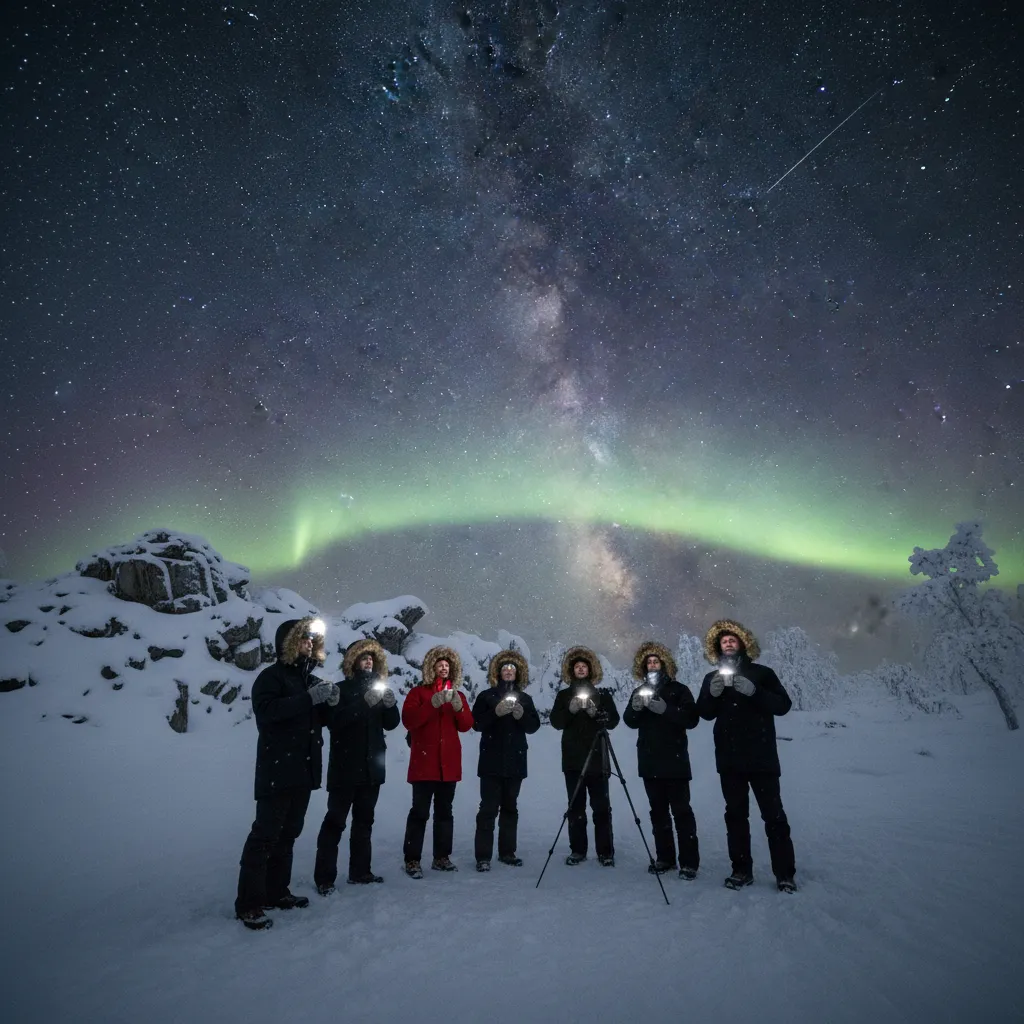
- US Antarctic Program (USAP) grade jackets: These are essential for the Mackenzie Basin. Do not rely on your own ski jacket alone.
- Computerized Telescopes: Celestron or Meade LX200 models are standard. These track the stars automatically, compensating for the earth’s rotation.
- Red Light Torches: To preserve night vision. White light (cell phones) should be banned during the tour.
Expert Verdict: Which Tour Should You Book?
To finalize your decision on the best dark sky tours NZ, align your choice with your priority:
For the “Matariki” Cultural Seeker: Choose Horizon Tours in Dunedin or specific Matariki-themed events at the Dark Sky Project. These operators respect the indigenous context of the night sky, ensuring the experience is culturally safe and educational beyond just physics.
For the Hardcore Astronomer: The Summit Experience at Mt John (Tekapo) remains the gold standard for optical clarity and aperture size. The infrastructure is world-class.
For the Romantic/Introvert: Head to Great Barrier Island. The sanctuary status and isolation provide a spiritual connection to the cosmos that busy tourist hubs cannot replicate.
Regardless of your choice, remember that viewing the southern sky is a privilege. Treat the environment with respect, listen to the stories of the land, and dress warmer than you think is necessary.
What is the best time of year for stargazing in New Zealand?
Winter (June to August) is the best time. The nights are longest, and the air is coldest and driest, providing the best clarity. This also coincides with the rise of Matariki (the Pleiades) and the best visibility of the galactic core of the Milky Way.
Can you see the Northern Lights in New Zealand?
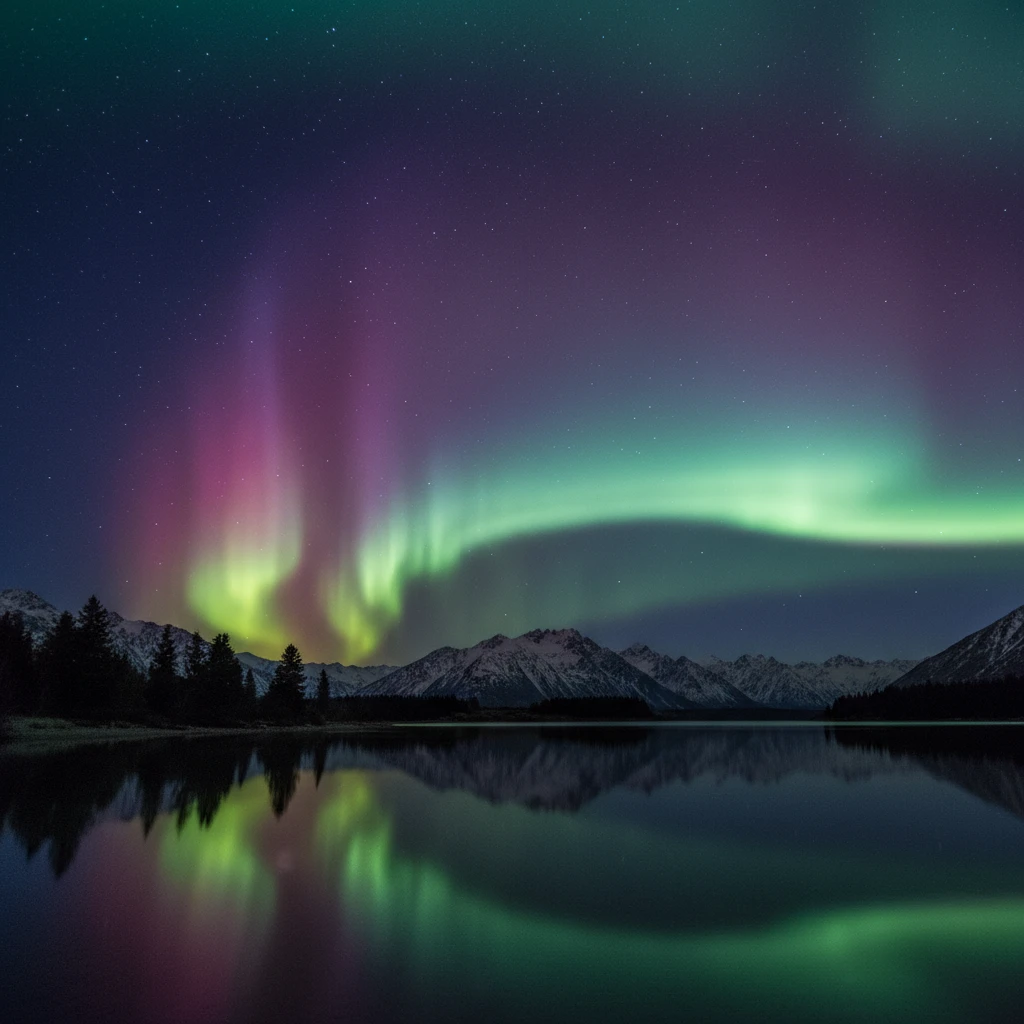
No, but you can see the Southern Lights (Aurora Australis). They are most visible from the lower South Island (Lake Tekapo, Dunedin, Stewart Island) during periods of high solar activity, typically in winter.
How much do dark sky tours in NZ cost?
Prices range from $90 NZD for basic walking tours to over $200 NZD for exclusive observatory experiences. Most standard high-quality tours in Tekapo or Mt Cook cost between $150 and $180 NZD per adult.
Do I need to bring my own telescope?
No. Commercial tours provide high-end computerized telescopes that are far more powerful than standard consumer gear. However, bringing your own DSLR camera and tripod for astrophotography is highly recommended.
What is the difference between a Dark Sky Reserve and a Sanctuary?
A Reserve (like Mackenzie) has a core dark area surrounded by a populated periphery where lighting is controlled. A Sanctuary (like Great Barrier Island) is typically in a very remote location with little to no nearby population, resulting in naturally darker skies with less need for regulation.
Is stargazing culturally sensitive in New Zealand?
Yes. In Māori culture, stars are connected to ancestors, navigation, and agriculture. It is important to treat the night sky with respect. Ideally, choose tours that acknowledge Tātai Arorangi (Māori astronomy) to ensure a culturally safe and enriching experience.