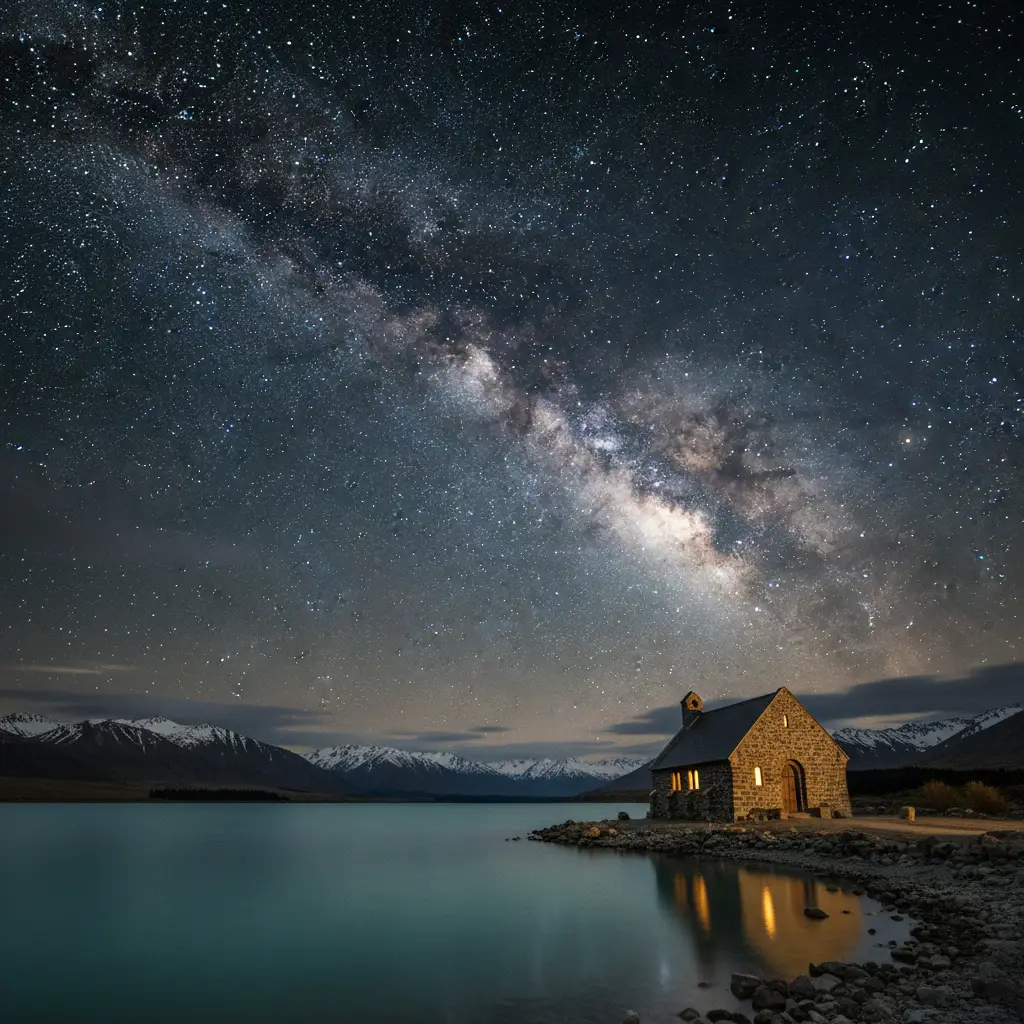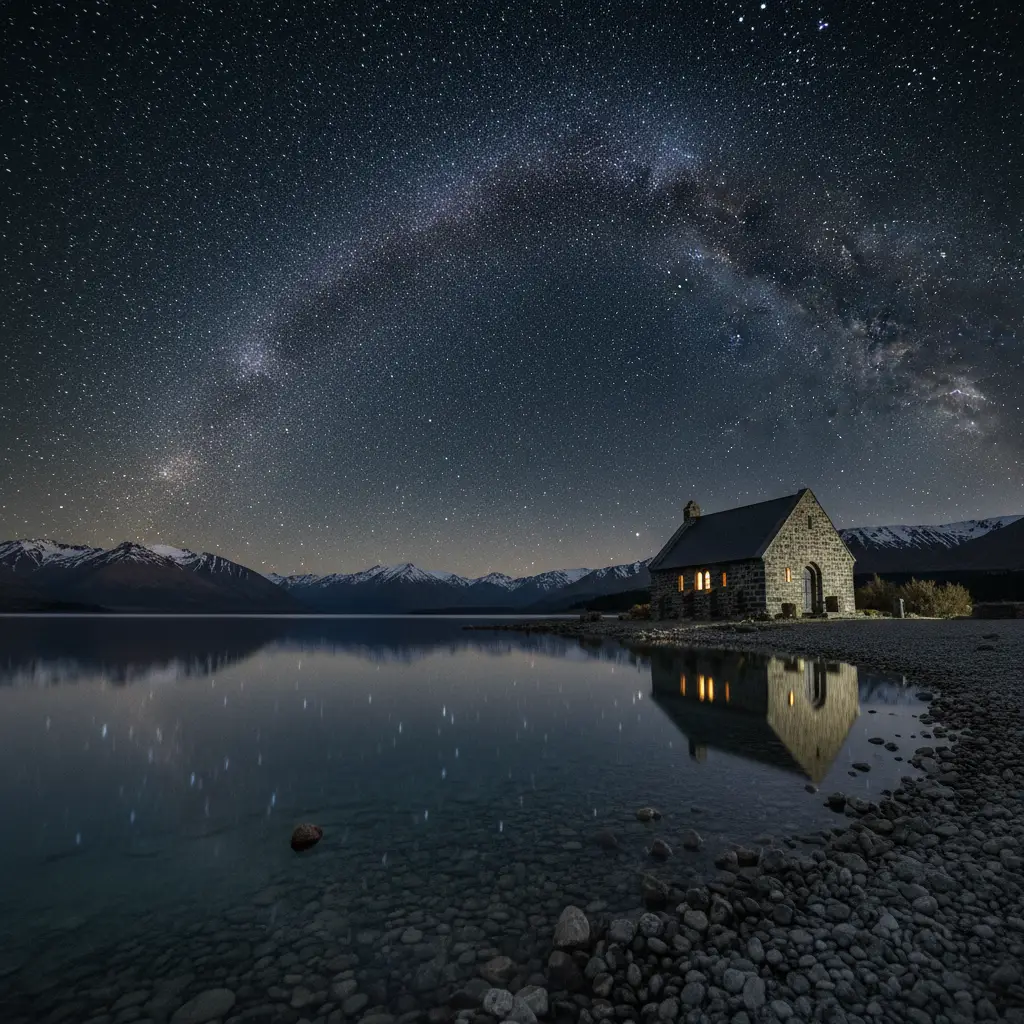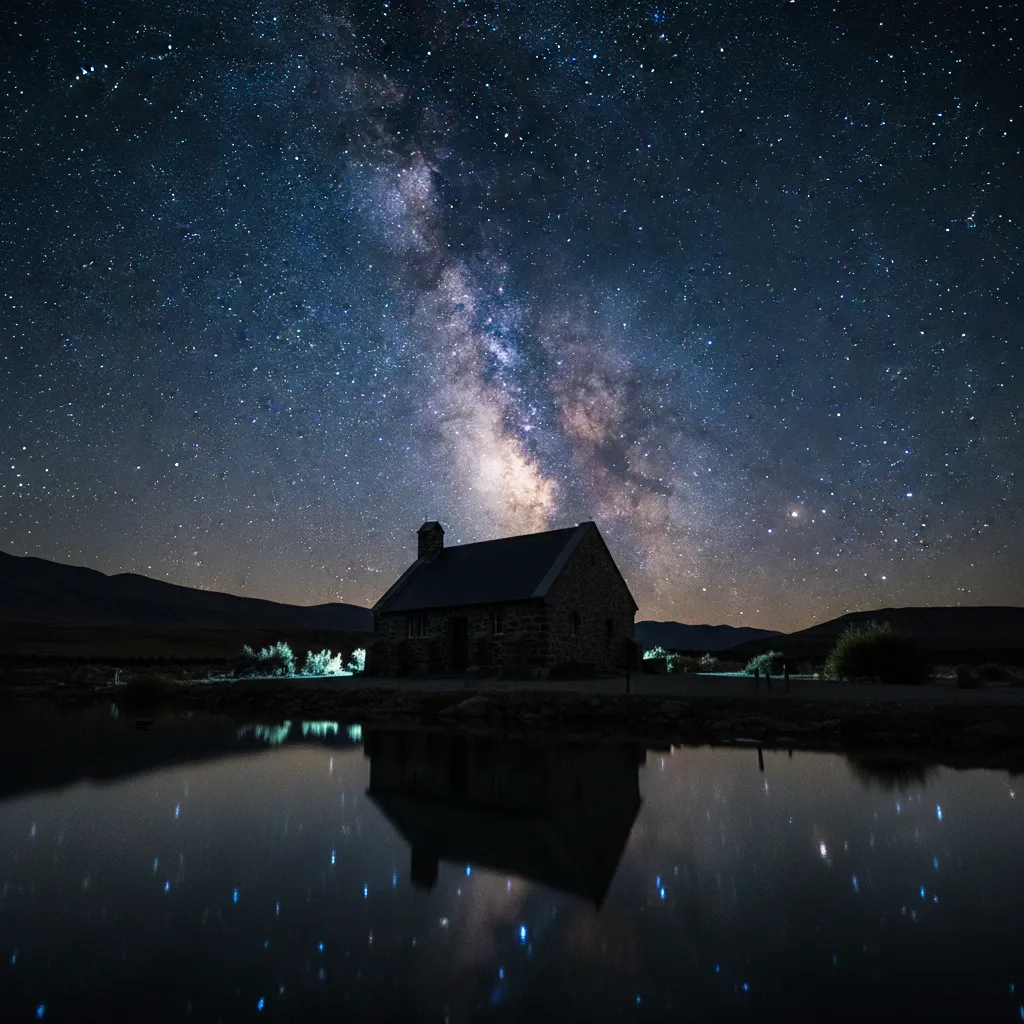
Aoraki Mackenzie Dark Sky Reserve accommodation refers to specialized lodging located within the 4,300 square kilometer International Dark Sky Reserve in New Zealand’s South Island. These stays range from luxury glass-roofed lodges to cozy alpine hostels, all adhering to strict light-pollution regulations to offer unrivaled views of the Southern Hemisphere celestial bodies, including the Matariki cluster.
Visiting the Aoraki Mackenzie region offers a profound connection to the cosmos, particularly during the New Zealand winter when the nights are longest and the skies clearest. As the world’s largest Gold Status International Dark Sky Reserve, this area provides more than just a place to sleep; it offers an immersion into the ancestral night sky of the Māori people. Whether you are planning a pilgrimage for the Matariki public holiday or seeking a luxury stargazing retreat, selecting the right accommodation is critical for maximizing your experience while adhering to indigenous cultural safety and sustainability principles.
Matariki and Indigenous Cultural Safety in the Reserve
What is the Significance of Matariki in the Mackenzie Basin?
Matariki (the Māori New Year) is marked by the rising of the star cluster known as the Pleiades. In the Aoraki Mackenzie Dark Sky Reserve, this event holds deep spiritual significance. For the local iwi (tribe), Ngāi Tahu, the sky is not merely a scientific curiosity but a celestial narrative known as Tātai Arorangi. Aoraki (Mount Cook) is regarded as a sacred ancestor. When booking accommodation during the Matariki period (typically June or July), visitors are engaging with a living cultural landscape.
Cultural safety involves understanding that you are a guest (manuhiri) on this land. It means respecting the silence of the night, minimizing light pollution to protect the wairua (spirit) of the dark sky, and acknowledging the environmental guardianship (kaitiakitanga) that preserves this pristine environment. Many accommodations in the region now incorporate these values, offering educational insights into Māori astronomy and sustainable practices that align with the reserve’s ethos.
Choosing Your Base: Tekapo, Twizel, or Mt Cook Village?
The reserve covers a vast area, and your choice of location will dictate your experience. The three primary hubs for Aoraki Mackenzie Dark Sky Reserve accommodation are Lake Tekapo, Twizel, and Aoraki/Mt Cook Village. Each offers a distinct vantage point and atmosphere.
- Lake Tekapo: The heart of the reserve. It offers the widest range of accommodation and is home to the famous Church of the Good Shepherd. It is the most accessible hub for the Mt John Observatory.
- Aoraki/Mt Cook Village: Located at the base of the mountains. Accommodation here is limited and often books out months in advance. It offers the most dramatic alpine scenery but can be more prone to cloud cover clinging to the peaks.
- Twizel: A functional town originally built for hydroelectric workers, now a hub for holiday homes and motels. It is often more affordable and provides a wide, flat horizon ideal for astrophotography.
Luxury Lodges: Private Stargazing Sanctuaries
Where can I find luxury stargazing accommodation?
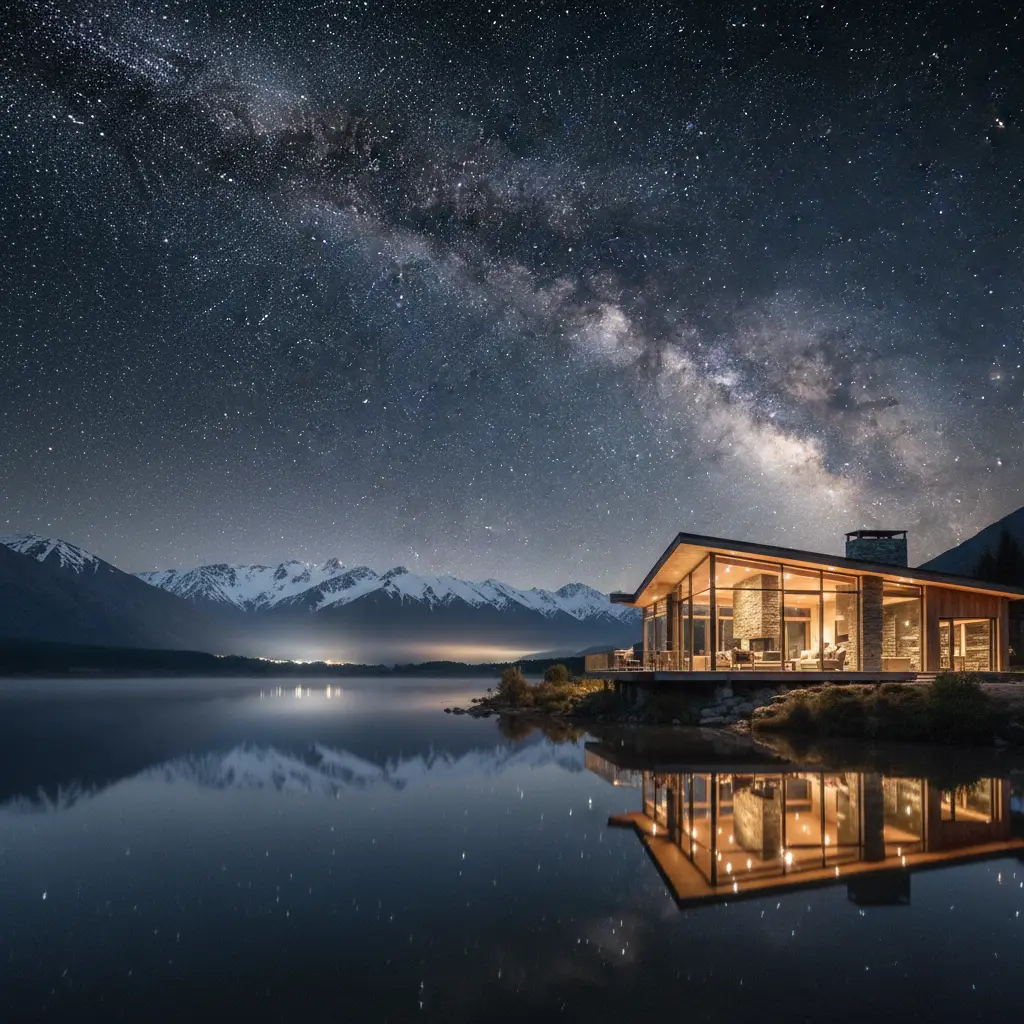
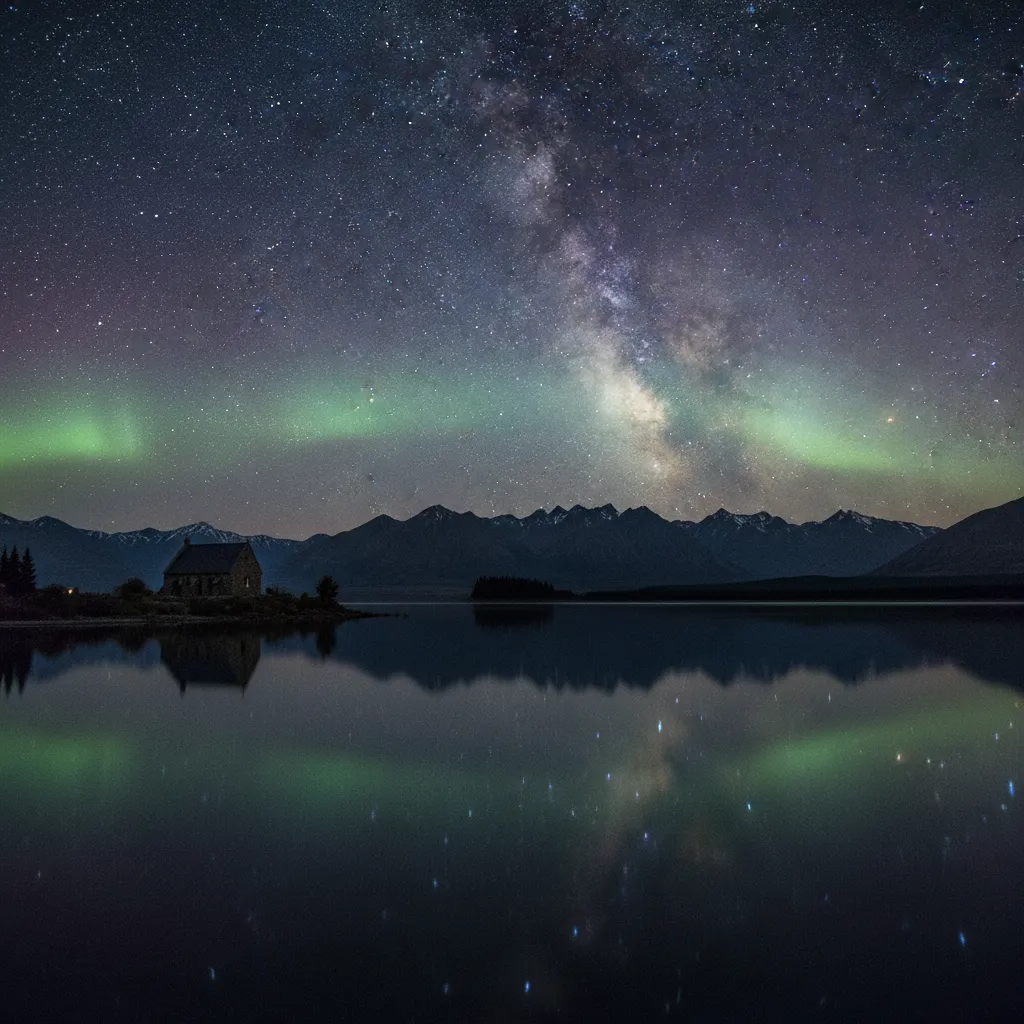
For travelers seeking exclusivity, the region boasts several high-end lodges designed specifically for sky watching. These properties often feature “skylight” architecture—glass roofs or expansive windows that allow you to view the Milky Way from the comfort of a king-sized bed.
The Mt Cook Lakeside Retreat is a prime example, offering private observatories and wine cellars. Located between Twizel and Lake Pukaki, it provides isolation from the minor light spill of the townships. Similarly, Lakestone Lodge on the shores of Lake Pukaki offers off-grid luxury where every room faces north to the turquoise lake and the Southern Alps, ensuring that when you turn off the lights, the galaxy dominates the room.
When booking luxury stays during Matariki, look for packages that include private astronomy guides. These experts can navigate the southern sky for you, pointing out the Southern Cross, the Magellanic Clouds, and the Matariki cluster, often accompanied by storytelling that weaves science with indigenous legend.
Budget and Mid-Range Stargazing Stays
Are there affordable options in the Dark Sky Reserve?
Experiencing the world’s best night sky does not require a luxury budget. The reserve’s strict lighting ordinances apply to everyone, meaning a backpacker in a hostel sees the same stars as a guest in a five-star lodge. The key is finding accommodation that allows for easy outdoor access away from streetlights.
Lake Tekapo Motels & Holiday Park offers a range of options from glamping tents to powered sites and cabins. While glamping in winter requires a hardy constitution, their heated cabins provide a warm base. YHA Lake Tekapo is widely considered one of the best hostels in the country, featuring a massive lounge window directly facing the lake and mountains, providing a “million-dollar view” for a budget price.
In Twizel, many private holiday homes (baches) are available for rent. These are excellent for families or groups. Renting a house on the outskirts of town often provides a darker backyard than staying in the town center, allowing for excellent private stargazing sessions.
Winter Amenities: Heating and Comfort Standards
What heating standards should I expect for winter travel?
The Matariki holiday falls in mid-winter. Temperatures in the Mackenzie Basin frequently drop below freezing, often reaching -5°C to -10°C (14°F – 23°F) overnight. Consequently, the most critical feature of any Aoraki Mackenzie Dark Sky Reserve accommodation is its heating capabilities.
When reviewing accommodation options, verify the following amenities:
- Double or Triple Glazing: Essential for retaining heat and preventing condensation which can obscure your view of the outside.
- Heat Pumps/Air Conditioning: The standard for efficient heating in New Zealand. Ensure the unit is rated for the room size.
- Electric Blankets: A staple in Kiwi households and accommodations. These are crucial for warming the bed before you sleep.
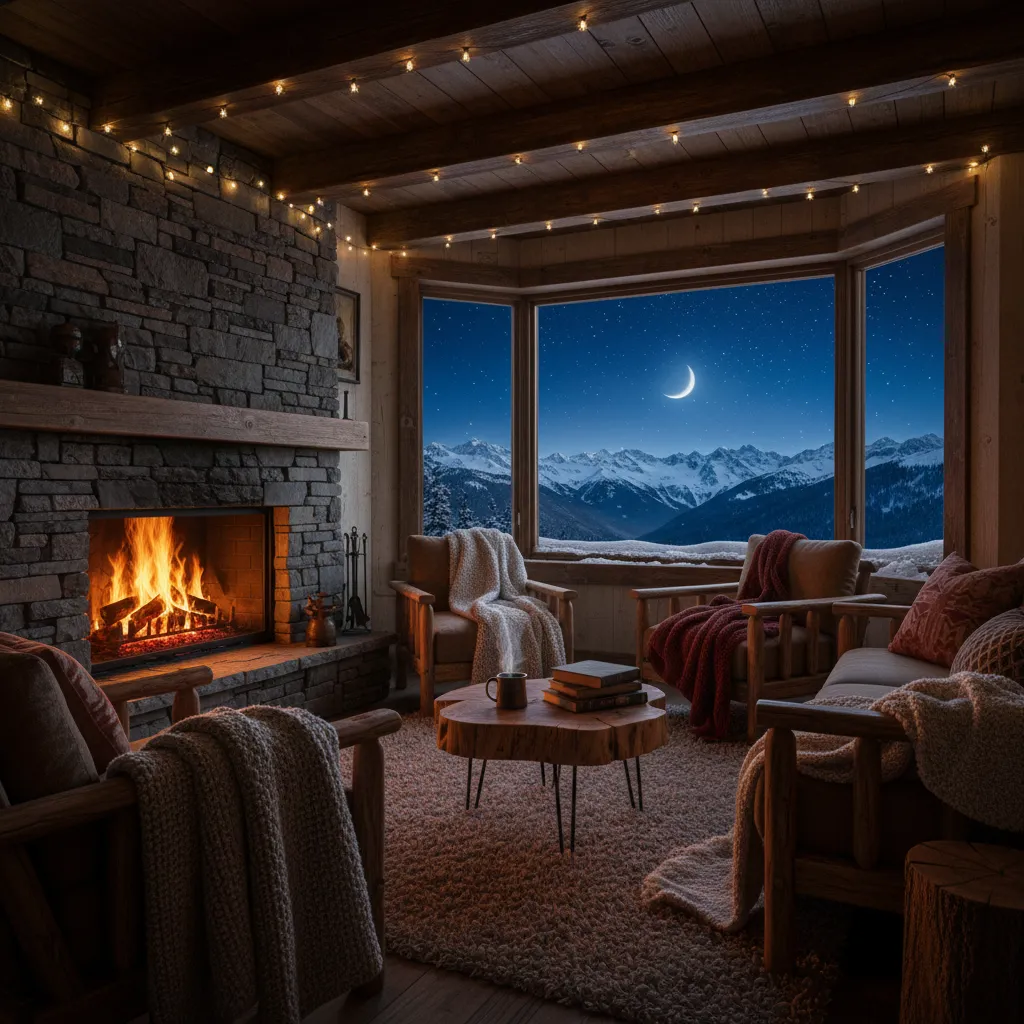
- Fireplaces: Many luxury and mid-range homes feature log burners. While romantic, check if they are the primary heat source and if wood is provided.
- Drying Rooms: If you plan on hiking or skiing during the day, a drying room for wet gear is a valuable asset.
Safety Note: Roads in the reserve can be treacherous in winter due to black ice. Ensure your accommodation has safe, cleared access and that you carry snow chains if you are driving a rental vehicle.
Proximity to Tekapo Observatories and Tours
How close is accommodation to the Mt John Observatory?
The University of Canterbury Mt John Observatory is the premier research facility in the region and the location for the Dark Sky Project’s summit experiences. It is located atop a mountain overlooking Lake Tekapo. No accommodation exists directly on the summit for the public; visitors must stay in the township below.
Most Tekapo accommodation is within a 10-15 minute drive to the Dark Sky Project base at the lakefront, where tour buses depart. If you are staying in Twizel or Mt Cook Village, you will need to factor in travel time (45 minutes from Twizel, 1 hour+ from Mt Cook) to reach the observatory tours. However, Mt Cook Village has its own stargazing tours utilizing the Sir Edmund Hillary Alpine Centre and planetarium.
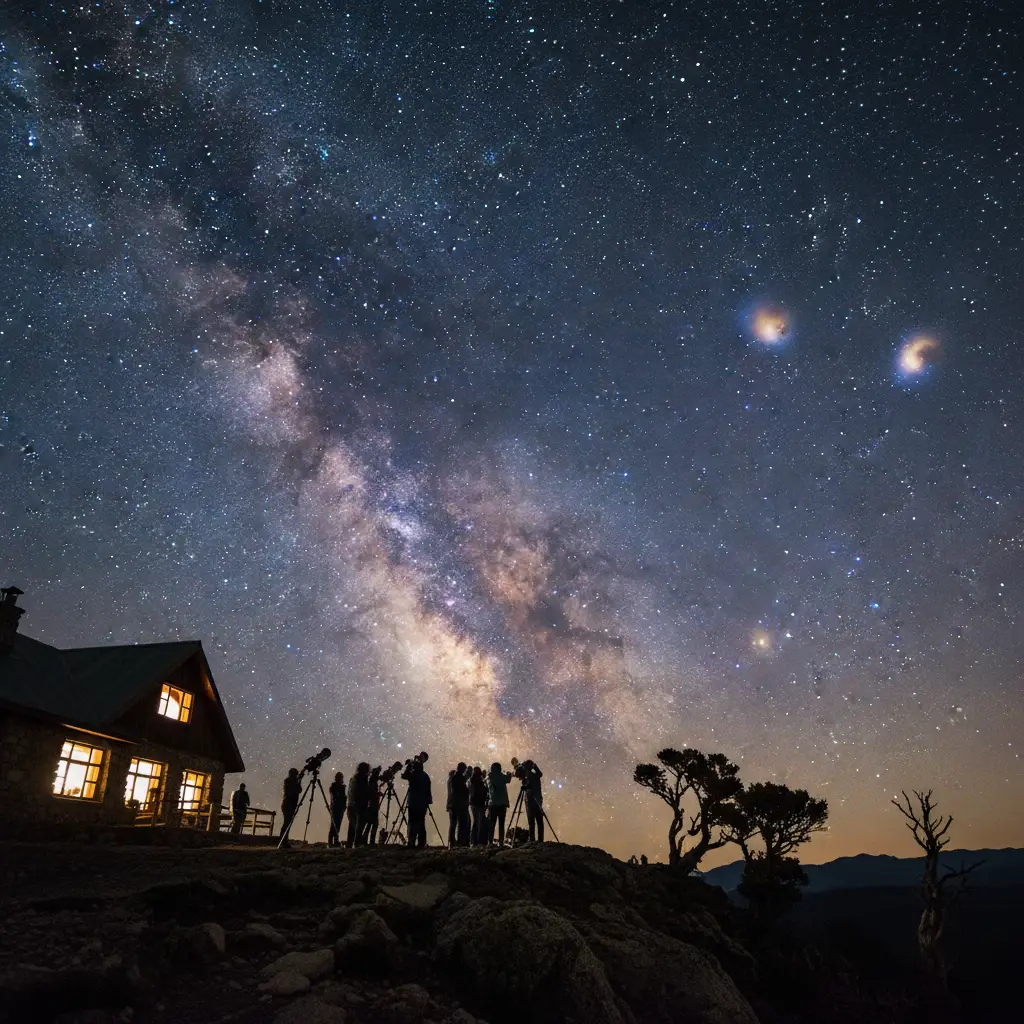
For a truly immersive experience, some accommodations offer “astrophotography friendly” features, such as red-light torches (to preserve night vision) and flat, stable areas for setting up tripods. If your primary goal is photography, inquire about light pollution levels in the immediate vicinity of your lodging.
Frequently Asked Questions
What is the best time of year to visit the Aoraki Mackenzie Dark Sky Reserve?
Winter (June to August) is generally considered the best time for stargazing. The nights are longest, and the air is crisp and clear, providing the best visibility for the Milky Way and the Aurora Australis. This also coincides with the Matariki celebration.
Do I need to book accommodation in advance for Matariki?
Yes, absolutely. Matariki has become a major public holiday in New Zealand, and the Mackenzie region is a top destination for celebrating it. Accommodation in Tekapo and Mt Cook often sells out 3 to 6 months in advance for this period.
Is it possible to see the Aurora Australis from my accommodation?
Yes, it is possible, especially during periods of high solar activity. However, the Southern Lights are elusive. Staying in accommodation with a clear view to the south, away from town lights (like in rural Twizel or Lake Pukaki), increases your chances significantly.
Are there family-friendly dark sky accommodations?
Yes, many holiday parks and motels in Tekapo and Twizel cater to families. Look for places with self-catering kitchen facilities and multiple bedrooms. Some even offer kid-friendly astronomy tours or telescope rentals.
Can I drive between Tekapo and Mt Cook at night?
You can, but extreme caution is advised. State Highway 8 and 80 are unlit and prone to ice and wandering stock (animals). If you are not confident driving in winter conditions, it is safer to stay in the location where your night tour is booked.
What is the difference between staying in the Reserve vs. outside it?
Staying inside the Reserve guarantees strict controls on outdoor lighting, ensuring the sky remains dark. Accommodation outside the reserve boundaries may suffer from light pollution from streetlights, signage, and neighboring properties, significantly reducing star visibility.