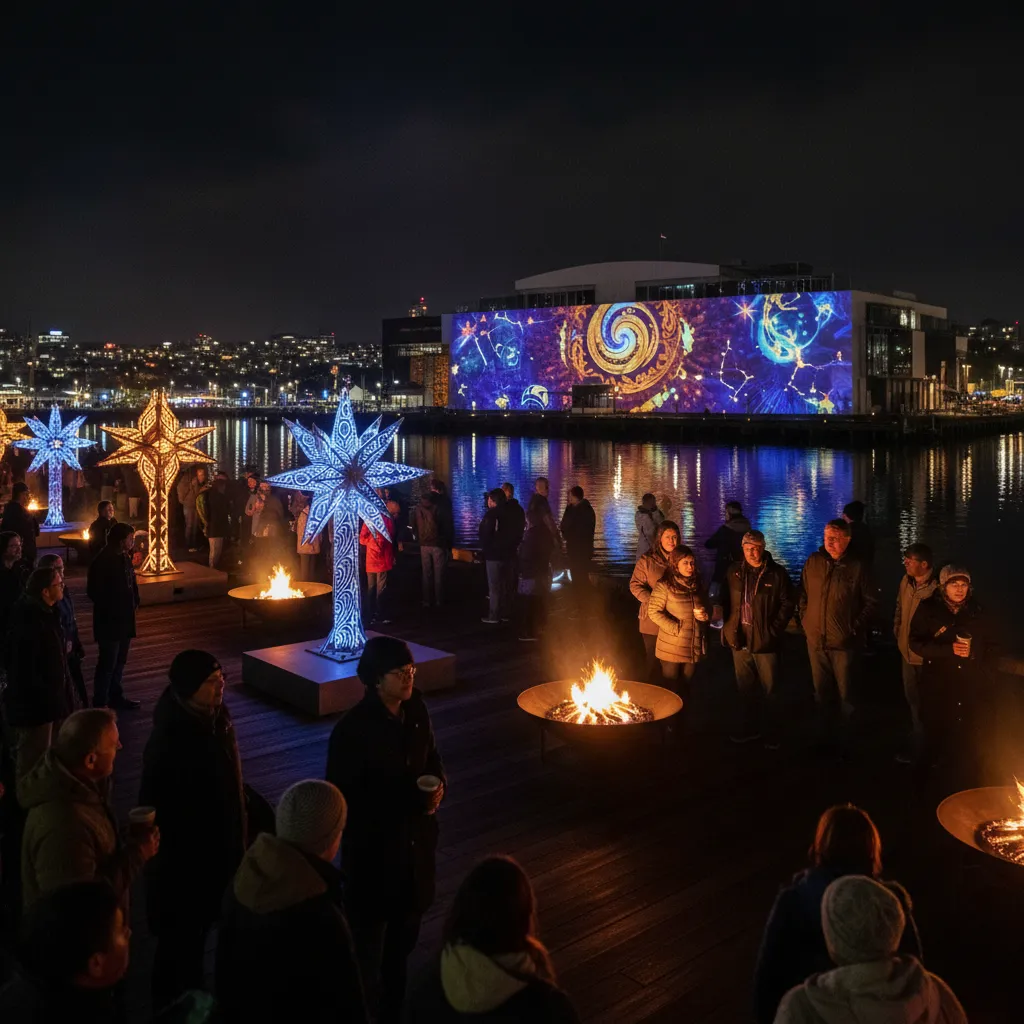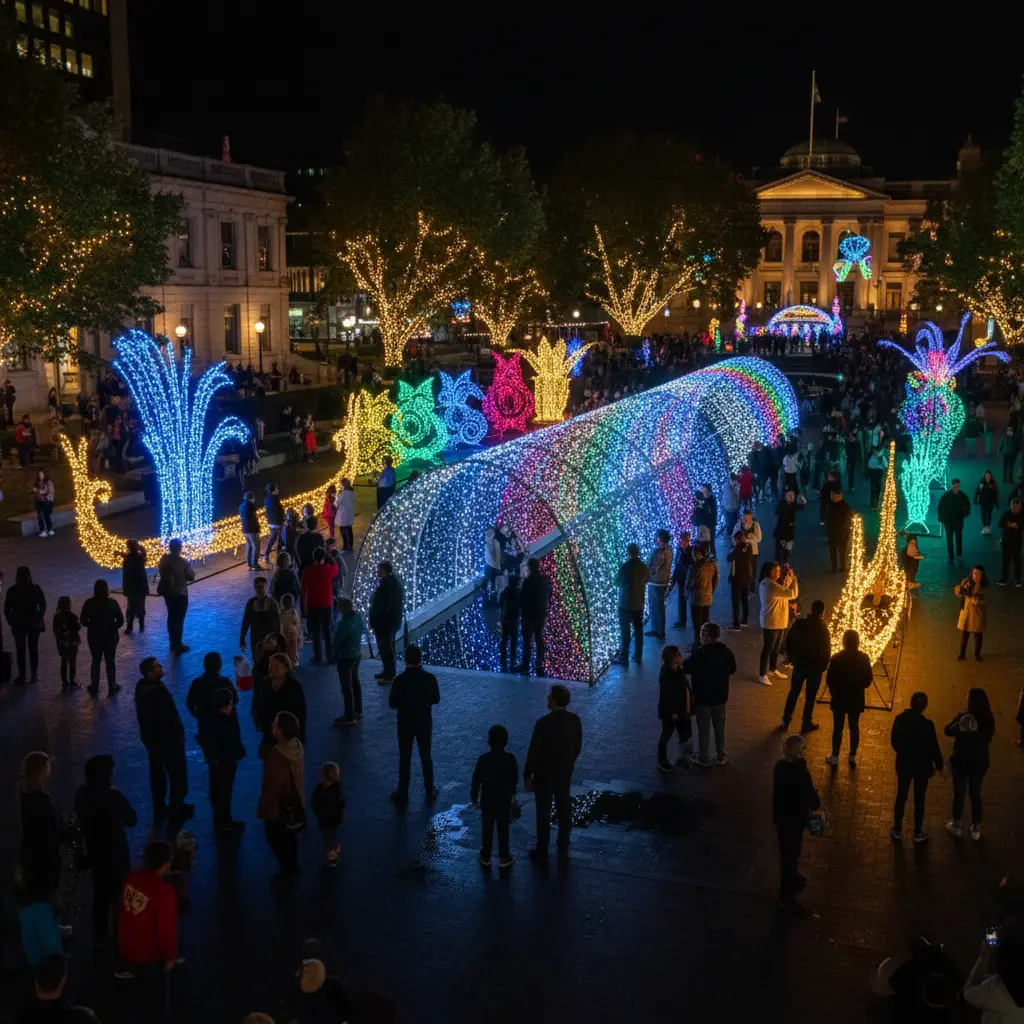
The Great Barrier Island Matariki Festival is a distinct winter celebration held on Aotea, recognized as an International Dark Sky Sanctuary. The event combines astronomical stargazing with indigenous cultural practices, featuring art exhibitions, kapa haka performances, community feasts, and educational workshops centered on the significance of the Matariki star cluster and Māori traditions.
What Makes the Great Barrier Island Matariki Festival Unique?
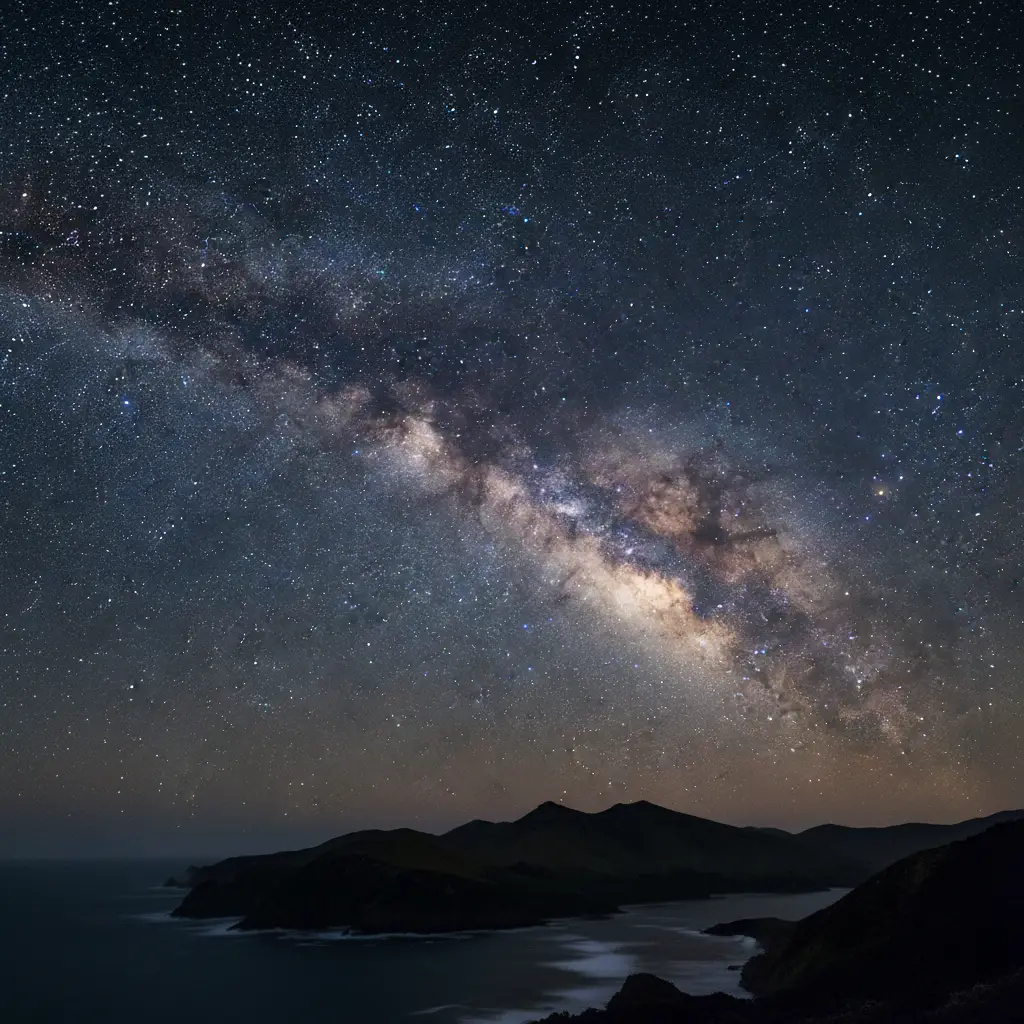
Celebrating Matariki on Great Barrier Island (Aotea) offers a profoundly different experience than festivals on the mainland. The primary distinction lies in the environment itself. Aotea is one of the few designated International Dark Sky Sanctuaries in the world. This status ensures that light pollution is virtually non-existent, providing an unrivaled canvas for viewing the Matariki cluster (the Pleiades) as it rises in the pre-dawn mid-winter sky.
Unlike commercialized events, the festival on Aotea is deeply rooted in whanaungatanga (connection) and manaakitanga (hospitality). It is a community-led initiative that invites visitors to slow down and align with the rhythms of the taiao (environment). The island is entirely off-grid, relying on solar power and generators, which reinforces the theme of sustainability and connection to the elements—core tenets of the Māori New Year.
The Connection to Ngāti Rehua Ngātiwai ki Aotea
Cultural safety and authenticity are paramount. The festival operates with the blessing and guidance of Ngāti Rehua Ngātiwai ki Aotea, the mana whenua (people of the land). Matariki is traditionally a time for remembering those who have passed (pōhutukawa), celebrating the present harvest, and planning for the future. On Aotea, this is expressed through storytelling, karakia (prayer), and visiting wāhi tapu (sacred sites) under the guidance of local elders.
Festival Schedule and Key Performances
While the specific dates shift slightly each year to align with the lunar calendar (Maramataka), the festival typically spans several weeks in June or July. The schedule is designed to engage visitors in both the scientific and spiritual aspects of the season.
Astronomy and Stargazing Events
The cornerstone of the festival is the Dark Sky experience. Expert astronomers and local guides host viewing nights, often situated at the Claris Airfield or local sports grounds where the horizon is unobstructed.
- Guided Telescopic Viewing: High-powered telescopes are set up to view the rising of Matariki, Jupiter, and Saturn.
- Navigation Workshops: Learn how Polynesian voyagers used the stars to navigate the vast Pacific Ocean to Aotearoa.
- Astrophotography Clinics: Workshops for photographers aiming to capture the Milky Way without light interference.
Cultural Arts and Music
The Aotea Community Art Gallery usually hosts a dedicated Matariki exhibition featuring works by local artists. These pieces often utilize natural materials found on the island, such as flax (harakeke) and clay.
Musical performances are intimate and acoustic, respecting the quiet nature of the island. You can expect:
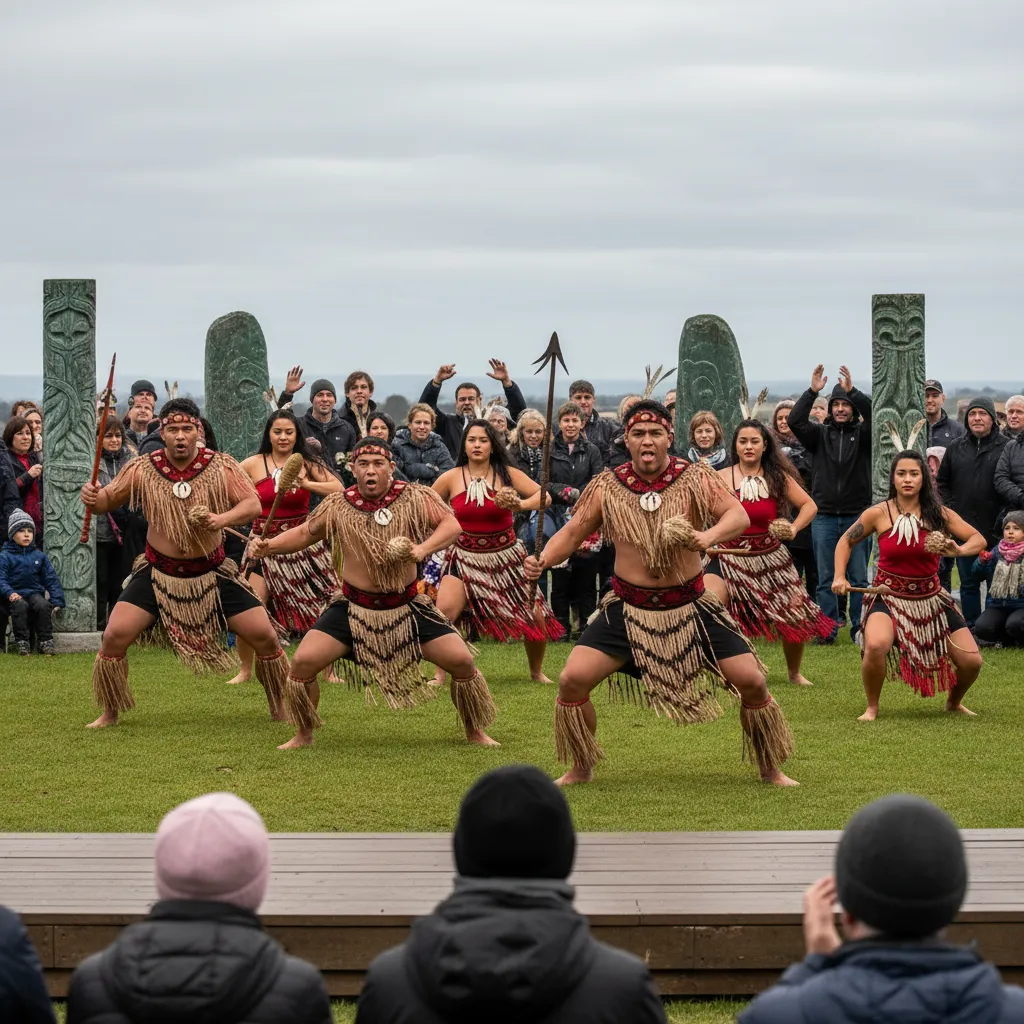
- Kapa Haka: Performances by local school groups and iwi representatives opening the festivities.
- Taonga Pūoro: Hauntingly beautiful demonstrations of traditional Māori instruments, which mimic the sounds of nature—wind, water, and birdsong.
- Local Bands: Evening gigs at the local social clubs (Claris or Tryphena) featuring island musicians.
Travel Logistics: Ferry vs Flight
Reaching Great Barrier Island requires planning, as it is located 90 kilometers from downtown Auckland. The journey is part of the adventure, but weather conditions during Matariki (winter) can impact schedules.
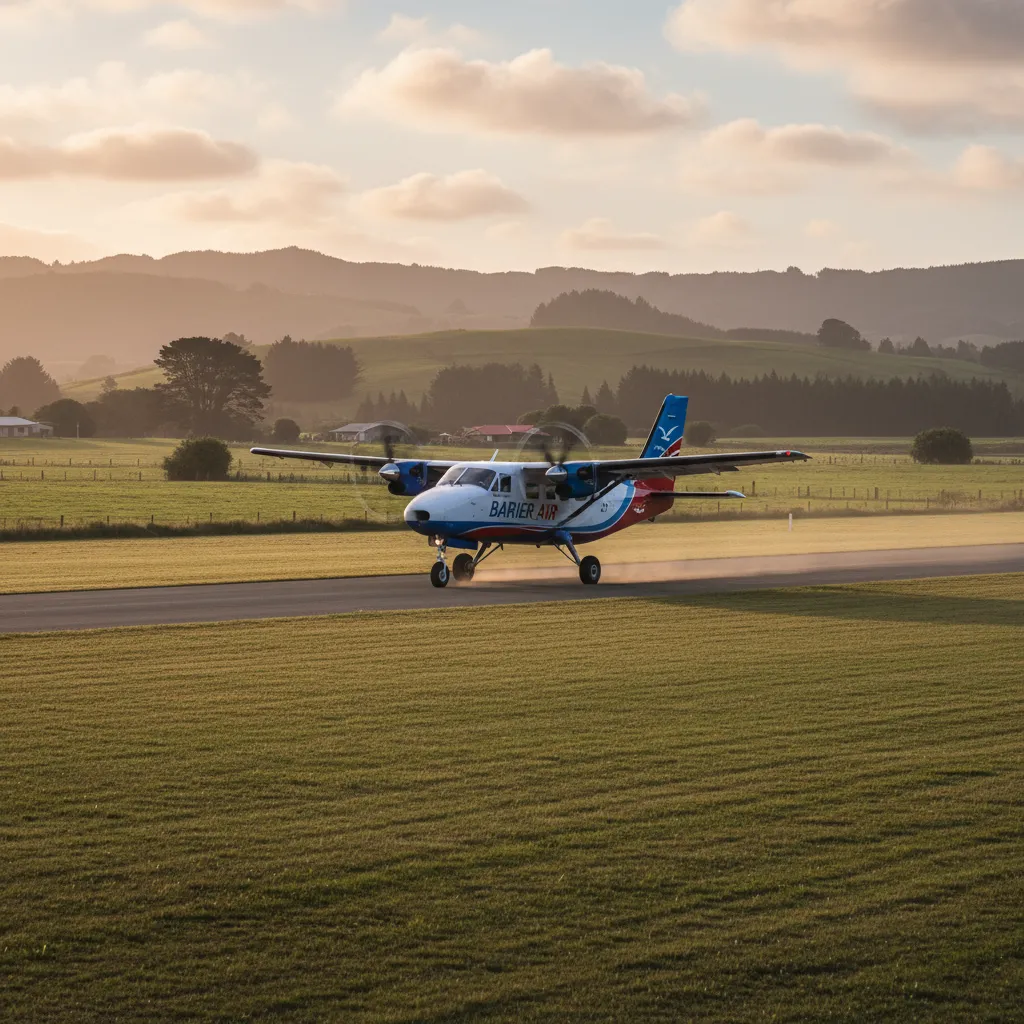
Taking the Flight (Barrier Air)
Flying is the most reliable and fastest method to reach the festival.
- Duration: Approximately 30 minutes.
- Departure: Flights leave from Auckland Domestic Airport or North Shore Aerodrome.
- Experience: Small Cessna Caravans fly at a lower altitude, offering spectacular views of the Hauraki Gulf and the rugged coastline of Aotea.
- Luggage: Weight restrictions are strict. Be mindful if you are bringing heavy camera gear for the festival.
Taking the Ferry (SeaLink)
The ferry offers a slower pace and the ability to bring your own vehicle, though rental cars are available on the island.
- Duration: Approximately 4.5 hours.
- Departure: Wynyard Quarter, Auckland City.
- The Journey: Known locally as “The Rock,” the ferry ride can be rough in winter swells. It is essential to check marine forecasts before departure.
- Advantages: You can bring more gear and supplies, which is helpful given the limited retail options on the island.
Pro Tip: Accommodation and rental cars book out months in advance for the Matariki period. Do not arrive on the island without a confirmed booking for both transport and lodging.
Community Workshops and Local Kai
Matariki is historically a celebration of the harvest and the storage of food for winter. The Great Barrier Island Matariki festival honors this through culinary events that highlight local produce.
The Matariki Feast
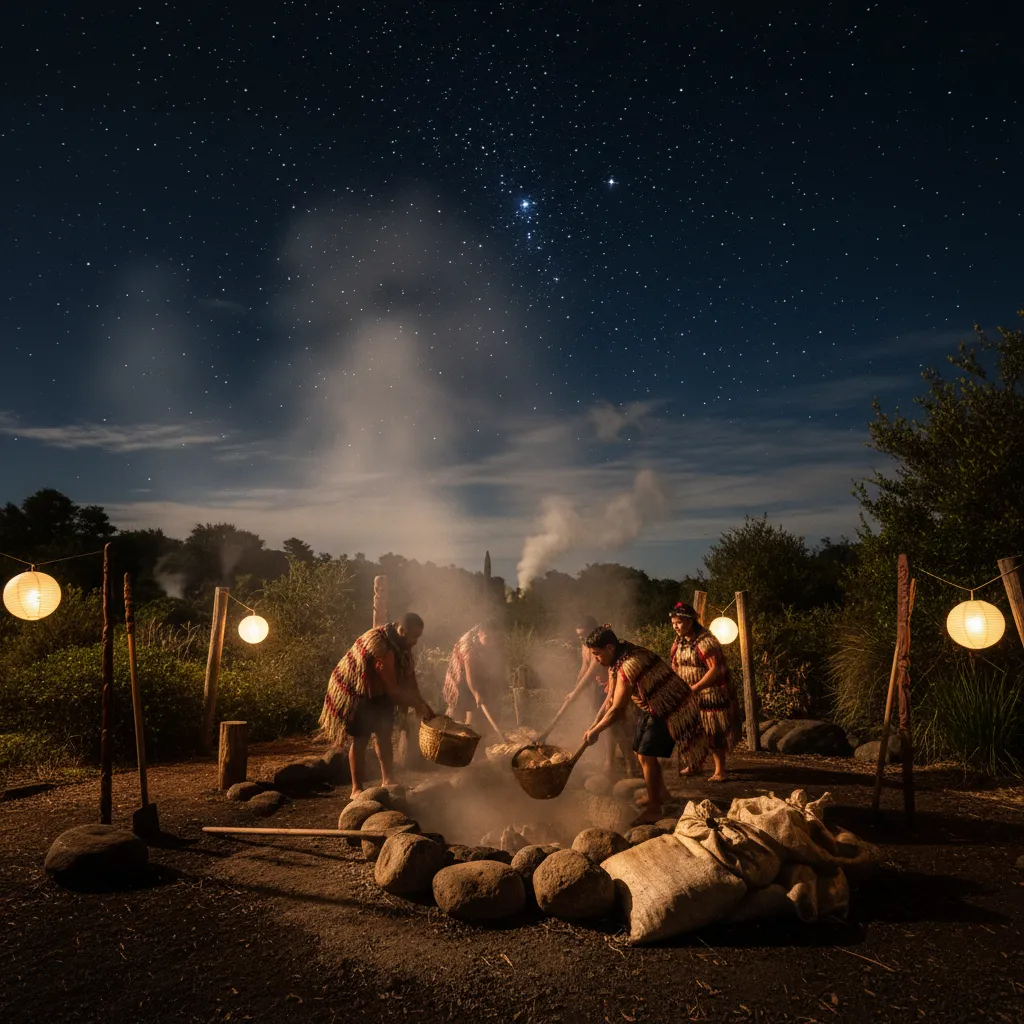
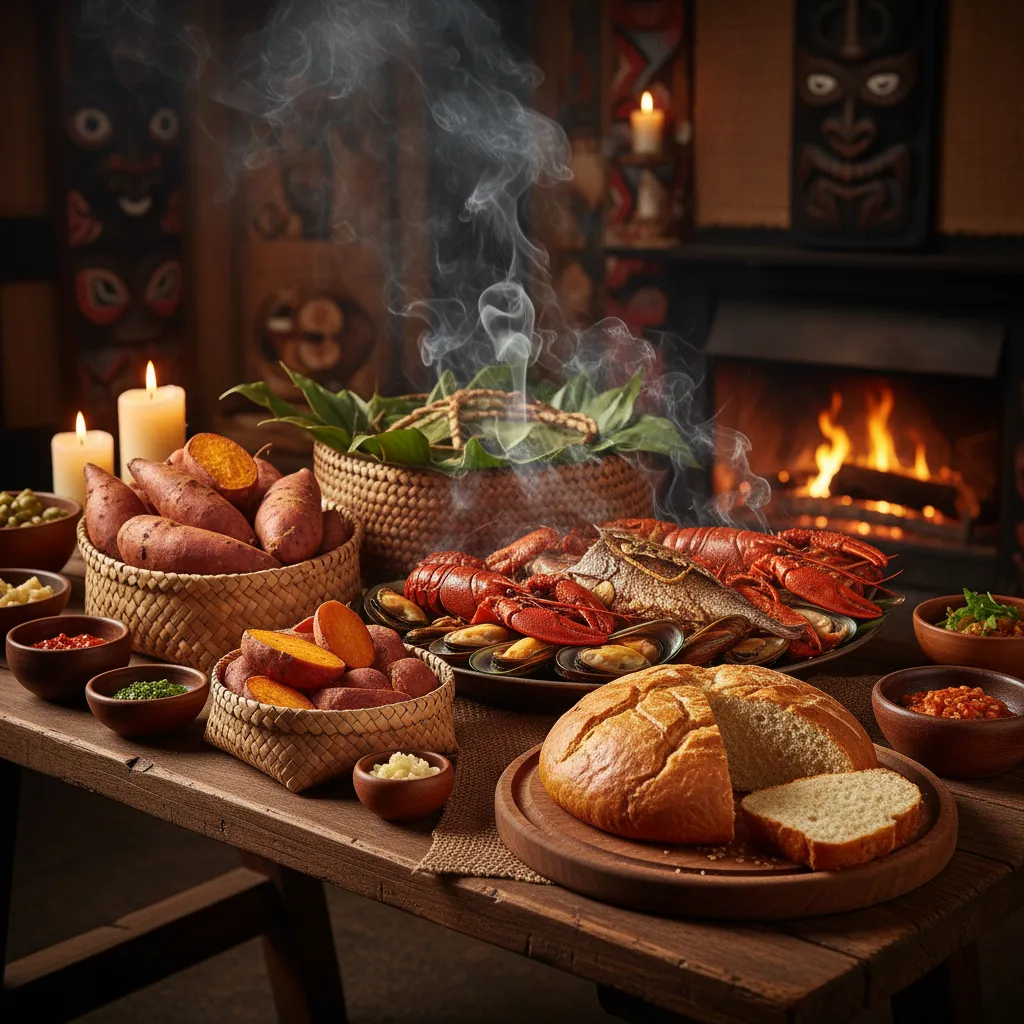
Most years feature a community hāngī or a “Winter Feast” hosted at a local lodge or marae. This is a ticketed event that sells out quickly. The menu typically features:
- Kaimoana (Seafood): Freshly caught snapper, crayfish, and mussels, reflecting the island’s strong fishing culture.
- Local Honey: Aotea is famous for its Mānuka and Kānuka honey, often used in glazes and desserts.
- Rēwena Bread: Traditional Māori sourdough potato bread.
Interactive Workshops
Visitors are encouraged to participate rather than just observe. Workshops are designed to teach skills that promote self-sufficiency and cultural understanding.
- Raranga (Weaving): Learn to harvest and weave harakeke (flax) into flowers (putiputi) or small baskets (kono).
- Rongoā Māori: Guided bush walks identifying native plants used for medicinal purposes. This is particularly poignant on Aotea, which boasts dense, regenerating native bush.
- Poi Making: Workshops for children and families to create and use poi.
Sustainable Tourism and Cultural Safety
Visiting Aotea comes with a responsibility to protect its unique ecosystem and respect the local community. The island is a stronghold for endangered species and relies on a delicate infrastructure.
Biosecurity is Critical
Great Barrier Island is free from many pests that plague the mainland, such as possums and mustelids. However, it is under constant threat from the plague skink and Kauri Dieback disease.
- Check Your Gear: Before arriving, scrub all soil from your shoes and camping gear to prevent the spread of Kauri Dieback spores.
- Seal Your Bags: Ensure no pests are hiding in your luggage or food boxes.
- Marine Pests: If arriving by private boat, ensure your hull is clean to protect the pristine harbors.
Resource Conservation
As an off-grid island, power and water are precious. During the darker, wetter winter months of Matariki, solar generation is lower.
- Power: Be mindful of electricity use. High-draw appliances (hairdryers, heaters) can trip systems in eco-cabins.
- Water: Most water is rain-harvested. Short showers are the norm.
- Waste: There is no municipal rubbish collection for visitors. You must adopt a “pack in, pack out” mentality or use the designated recycling stations correctly.
Respecting Tikanga (Customs)
When attending Matariki events, especially those on a Marae, it is important to follow protocol.
- Pōwhiri: If welcomed onto a Marae, wait to be guided. Do not eat or drink in the meeting house (Wharenui).
- Tapu: Respect areas marked as tapu (sacred/restricted). If you are unsure, ask a local guide.
- Permission: Always ask for permission before photographing local people or cultural performances.
People Also Ask
When is the best time to book for the Great Barrier Island Matariki festival?
You should book flights, ferries, and accommodation at least 3 to 4 months in advance. The festival is a peak time for domestic tourism, and the island has limited capacity for visitors and rental vehicles.
Is the Great Barrier Island Matariki festival suitable for children?
Yes, the festival is very family-friendly. There are numerous workshops specifically for tamariki (children), including kite making, star navigation stories, and art classes. However, parents should prepare for off-grid living conditions.
What should I pack for the festival?
Pack warm, waterproof clothing. Winter on Aotea can be wet and windy. Bring a torch (preferably with a red light mode for stargazing), hiking boots, and any specialty food items you require, as island stores have limited stock.
Can I see the Southern Lights (Aurora Australis) during the festival?
While Aotea is famous for its dark skies, it is located in the North Island. Seeing the Aurora Australis is rare but possible during periods of intense solar activity. The primary focus is on the Milky Way and the Matariki cluster.
How do I get around the island during the festival?
There is no public transport or Uber on Great Barrier Island. You must rent a car or arrange a shuttle service in advance. Hitchhiking is common among locals but not reliable for adhering to a festival schedule.
Is there cell phone coverage on Great Barrier Island?
Coverage is patchy. Spark and Vodafone have reception in main centers like Claris and Tryphena, but large parts of the island have no signal. It is a place to disconnect, so download offline maps before you arrive.