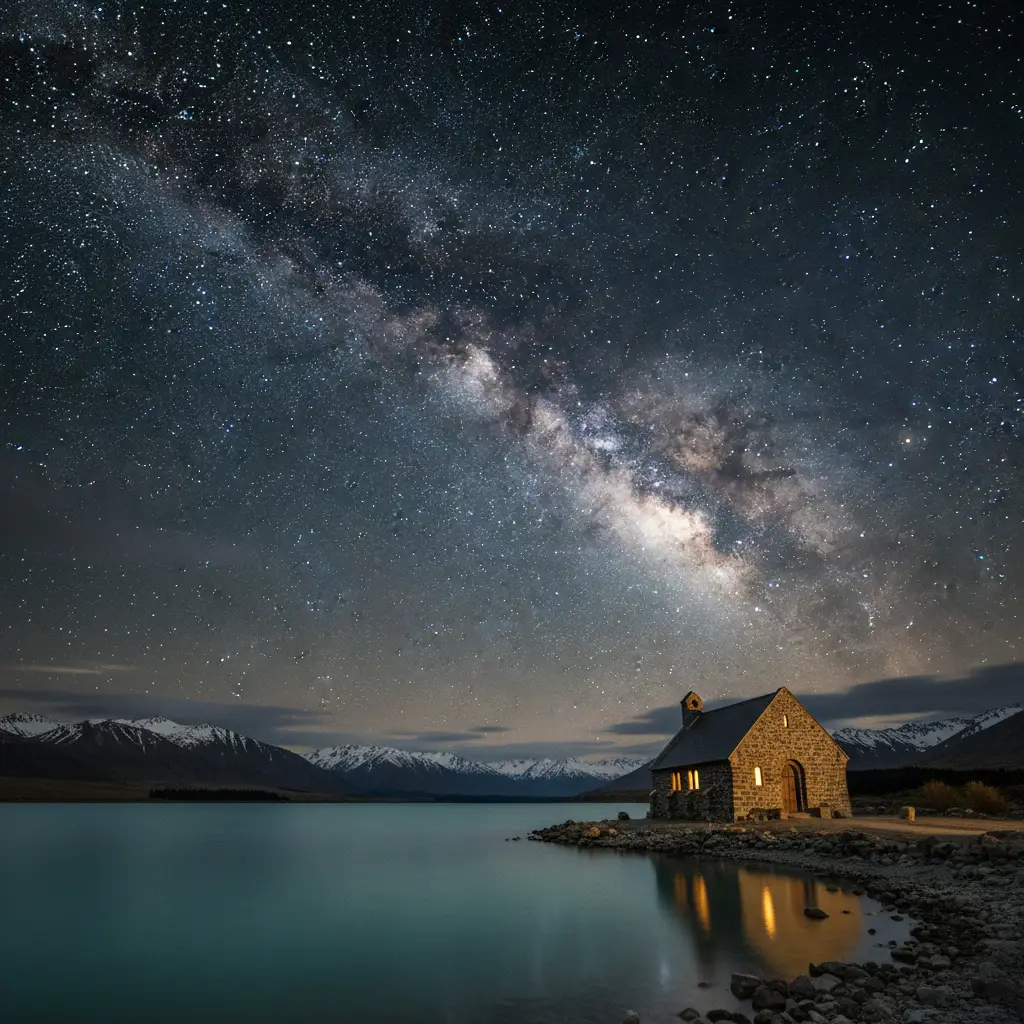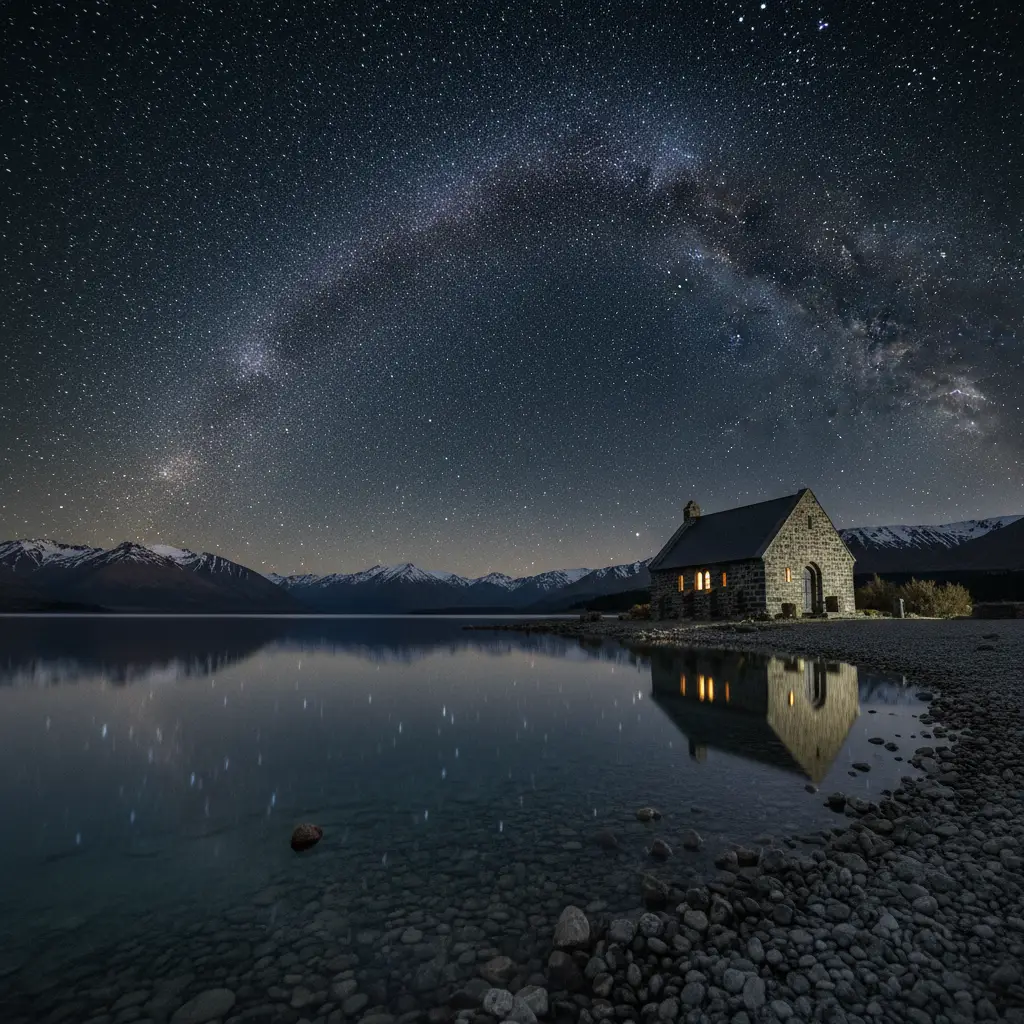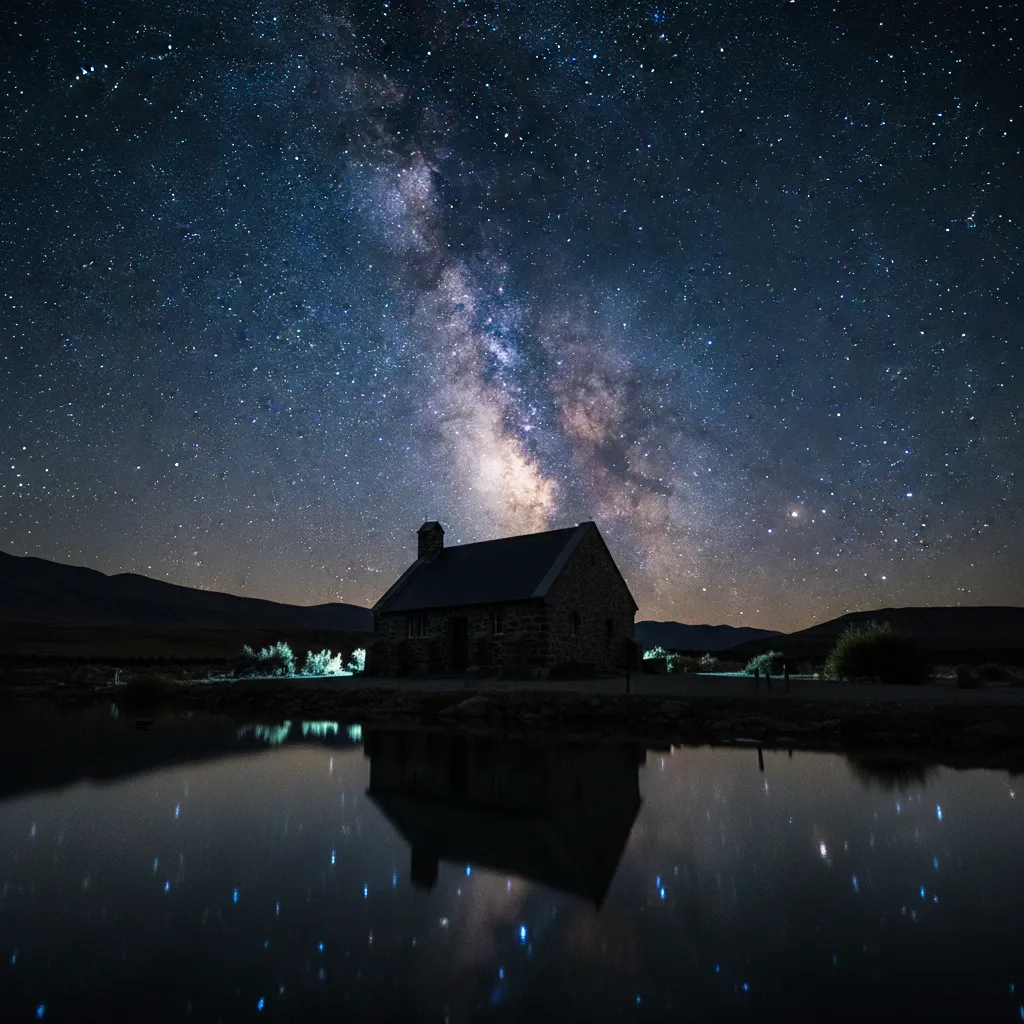
Rakiura Stewart Island winter travel provides an unparalleled opportunity to experience New Zealand’s Dark Sky Sanctuary during the Matariki season. Visitors can witness the Aurora Australis, encounter Rakiura Tokoeka kiwi during daylight hours, and engage with deep indigenous history. Successful winter trips require sub-antarctic grade clothing, flexibility for weather-dependent transport, and a commitment to cultural safety and environmental guardianship.
While the rest of New Zealand huddles indoors, the southernmost inhabited outpost of Aotearoa comes alive with a quiet, majestic beauty that few witness. Winter on Rakiura is not merely a season; it is a different world entirely. The crowds vanish, the days shorten to frame the celestial theater above, and the native wildlife reclaims the quiet forests. For the culturally conscious traveler, visiting during Matariki—the Māori New Year—offers a profound connection to the whetū (stars) and the whenua (land).
What is the Significance of Matariki on Rakiura?
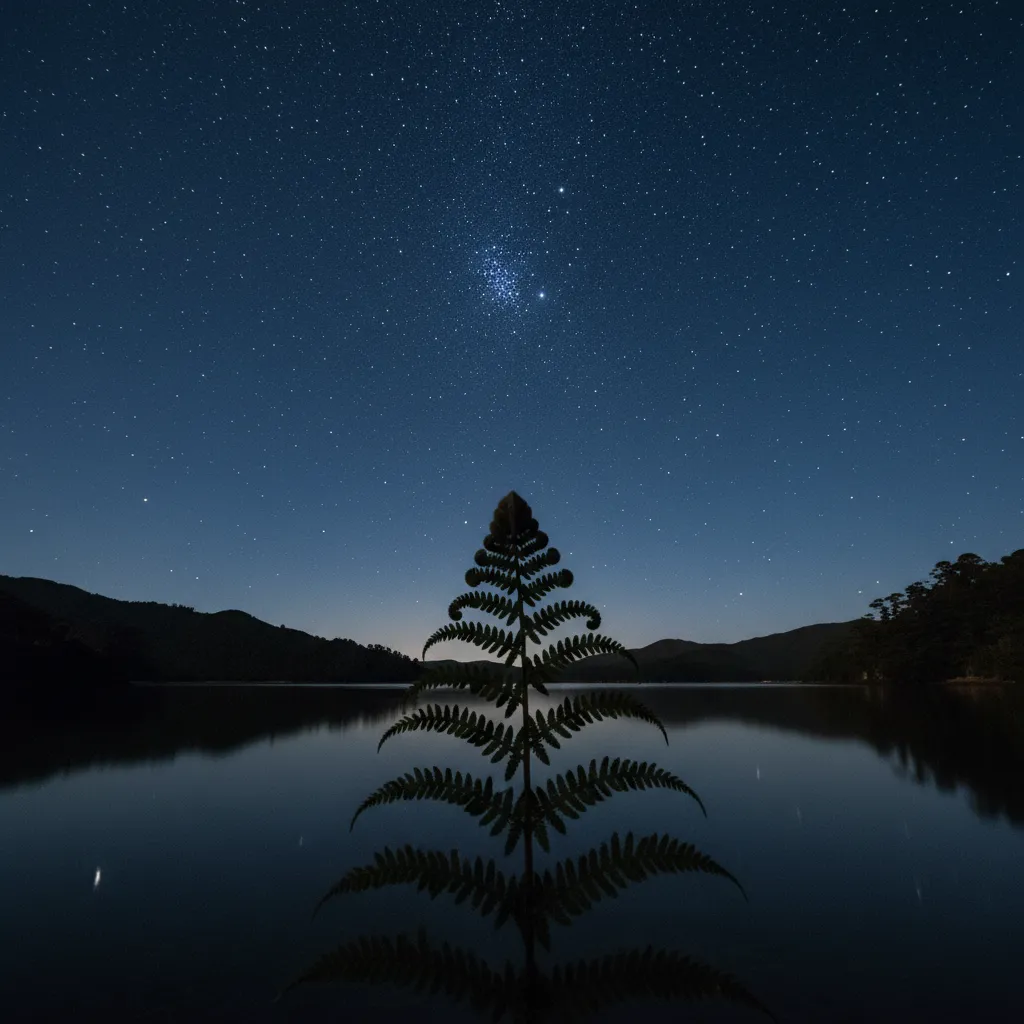
Matariki, the cluster of stars known internationally as Pleiades, signals the Māori New Year. Its rising in mid-winter marks a time of remembrance, celebrating the present, and looking to the future. On Rakiura, the significance of Matariki is amplified by the island’s status as a Dark Sky Sanctuary. There is perhaps no better place in Aotearoa to view these stars than from the deep south, where light pollution is virtually non-existent.
However, traveling here during this sacred time requires a high degree of Indigenous Cultural Safety. This concept goes beyond simple respect; it involves understanding your impact as a manuhiri (guest). Rakiura is not just a tourist destination; it is an ancestral landscape rich with history and mauri (life force).
Practicing Kaitiakitanga (Guardianship)
When visiting Rakiura in winter, you are entering a sensitive ecosystem. The principle of Kaitiakitanga refers to guardianship and protection. As a visitor, you are asked to adopt this mindset:
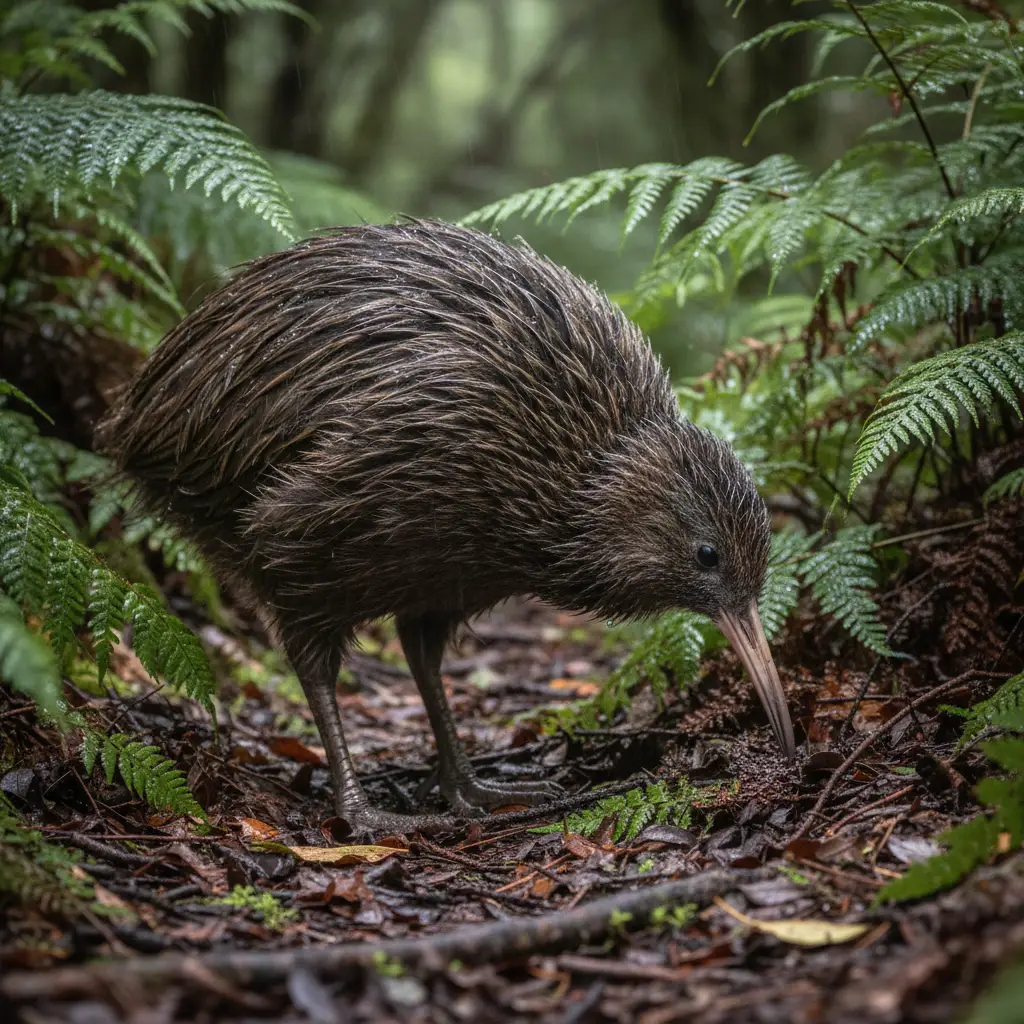
- Respect the Roost: During winter, Kiwi (Rakiura Tokoeka) are active day and night. If you see one, freeze. Do not pursue it for a photo. Flash photography is strictly prohibited as it can blind and distress these nocturnal birds.
- Leave No Trace: This is critical in winter when biological breakdown is slower. Pack out everything you pack in, including biodegradable waste.
- Cultural Names: Acknowledge the dual heritage. Rakiura translates to “The Land of Glowing Skies,” a reference to the Aurora Australis and the stunning sunsets. Using the indigenous name honors the history of the Waitaha, Kāti Mamoe, and Ngāi Tahu peoples.
How to See the Southern Lights (Aurora Australis) in Winter?
The primary draw for many winter travelers is the elusive Aurora Australis. Unlike the Northern Lights, which are often green, the Southern Lights frequently display brilliant sheets of pink, purple, and orange due to the angle of the magnetic field relative to the atmosphere in this hemisphere.
Why Winter is Best
To see the Aurora, you need darkness. In summer, Rakiura experiences very long daylight hours (twilight can last until 11 PM). In winter, however, the nights are long and incredibly dark. The galactic core is often visible to the naked eye, and when solar activity peaks, the southern horizon ignites.
Top Viewing Locations
- Observation Rock: A short, steep walk from Oban. It offers a 270-degree view, perfect for looking south.
- Lee Bay: Located at the start of the Rakiura Track, this area is free from the minor light spill of the township.
- Ackers Point Lighthouse: A slightly longer walk (return trip at night requires good torches), but the isolation ensures pristine dark skies.
Pro Tip for Photographers: Bring a sturdy tripod. The winds on Rakiura can be fierce, known as the “Roaring Forties.” A lightweight travel tripod may not suffice to keep your camera steady for long exposures.
Is Wildlife Watching Better in Winter?
Contrary to popular belief, winter is arguably the superior season for wildlife enthusiasts on Rakiura, provided you can handle the cold. The island is famous for being the only place where the Southern Brown Kiwi (Rakiura Tokoeka) is frequently seen during the day.
The Rakiura Tokoeka
In winter, the nights are longer, meaning the Kiwi spend more time foraging. Because the soil is often wetter and softer, their food sources (worms and grubs) are closer to the surface. It is not uncommon to spot a Kiwi crossing the road near the airfield or scratching in the seaweed on the beaches at twilight.
Ulva Island (Te Wharawhara)
A predator-free sanctuary located inside Paterson Inlet, Ulva Island is a must-visit. In winter, the forest is filled with the song of the Bellbird (Korimako), Tūī, and the South Island Saddleback (Tīeke). Without the summer crowds, the birds are often bolder. You might also spot the Kākā (native forest parrot) displaying playful behavior in the canopy. Ferries run daily from Golden Bay, but schedules may be weather-dependent.
What to Expect Hiking the Rakiura Track in Winter?
The Rakiura Track is one of New Zealand’s “Great Walks,” but in winter, it presents a rugged challenge. While the track is open year-round, the Department of Conservation (DOC) reduces services (e.g., gas may not be provided in huts, and rangers are less frequent).
Mud and Conditions
Rakiura is infamous for mud. In winter, sections of the track that are not boardwalked can become quagmires. Hikers must be prepared for slow travel times. Gaiters are not optional; they are essential.
Hut Life
The huts—Port William, North Arm, and Maori Beach campsites—are quieter. You might find you have an entire 24-bunk hut to yourself. This solitude is the true magic of winter hiking. However, temperatures drop significantly at night. Ensure your sleeping bag is rated for at least -5°C (23°F).
Shorter Winter Walks
If a multi-day tramp seems daunting, consider these day walks:
- Fuchsia Walk to Raroa Reserve: A gentle walk through native bush listening for Tūī.
- Bathng Beach: A beautiful tidal beach walk, lovely at low tide when the winter sun hits the sand.
Where to Find Food and Warmth in Oban?
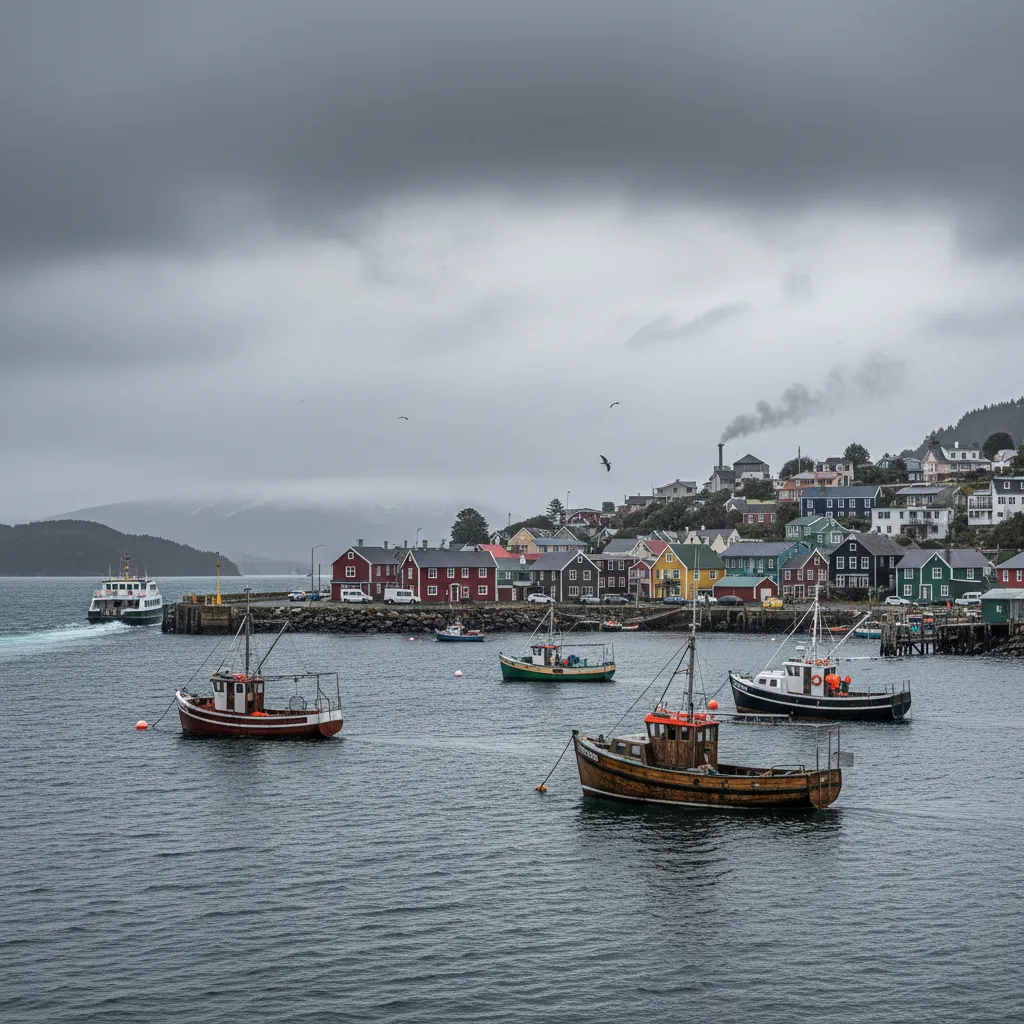
Oban is the only settlement on the island. In winter, the population (around 400 residents) reclaims the town. It is a tight-knit community, and visitors are welcomed warmly, provided they respect the local pace of life.
The South Sea Hotel
The iconic local pub is the heart of the community. In winter, the fire is always roaring. It is the place to hear local stories, check the forecast with fishermen, and enjoy a plate of Blue Cod and chips. During Matariki, look out for special community dinners or events celebrating local harvest.
Kai Kart and Local Dining
Some summer operators close for the winter, so dining options are limited. Always check opening hours upon arrival. The local Four Square supermarket is well-stocked, but prices reflect the freight costs. If you have dietary restrictions, it is wise to bring specialty items with you from the mainland (Invercargill).
What Gear is Needed for Rakiura Winter Travel?
The weather at 47 degrees south is sub-antarctic. It is changeable, raw, and often wet. “Bad weather” is a relative term here; locals simply dress for it.
The Layering System
- Base Layer: Merino wool is non-negotiable. It keeps you warm even when wet and resists odor. Avoid cotton entirely.
- Mid Layer: A heavy fleece or a down jacket. Down is warmer but useless if it gets wet, so synthetic down is often a safer bet for Rakiura dampness.
- Outer Shell: You need a high-quality, seam-sealed rain jacket. A cheap poncho will be shredded by the wind. Rain pants are also highly recommended.
Footwear
Waterproof hiking boots are required. If you are just staying in town, gumboots (Wellingtons) are socially acceptable everywhere, including the pub. Thick wool socks will keep your feet happy.
Accessories
- Beanie and Gloves: Windproof gloves are best.
- Headtorch: With limited street lighting (to protect the Dark Sky status), a red-light capable headtorch is vital for getting around at night without ruining your night vision.
How to Get to Stewart Island in Winter?
Crossing the Foveaux Strait is an adventure in itself. You have two options: the ferry or a fixed-wing flight.
The Ferry
The catamaran from Bluff takes about one hour. In winter, the strait can be rough. If you are prone to seasickness, take medication before you board. However, seeing Albatross gliding in the wake of the boat is a spectacular winter sight.
The Flight
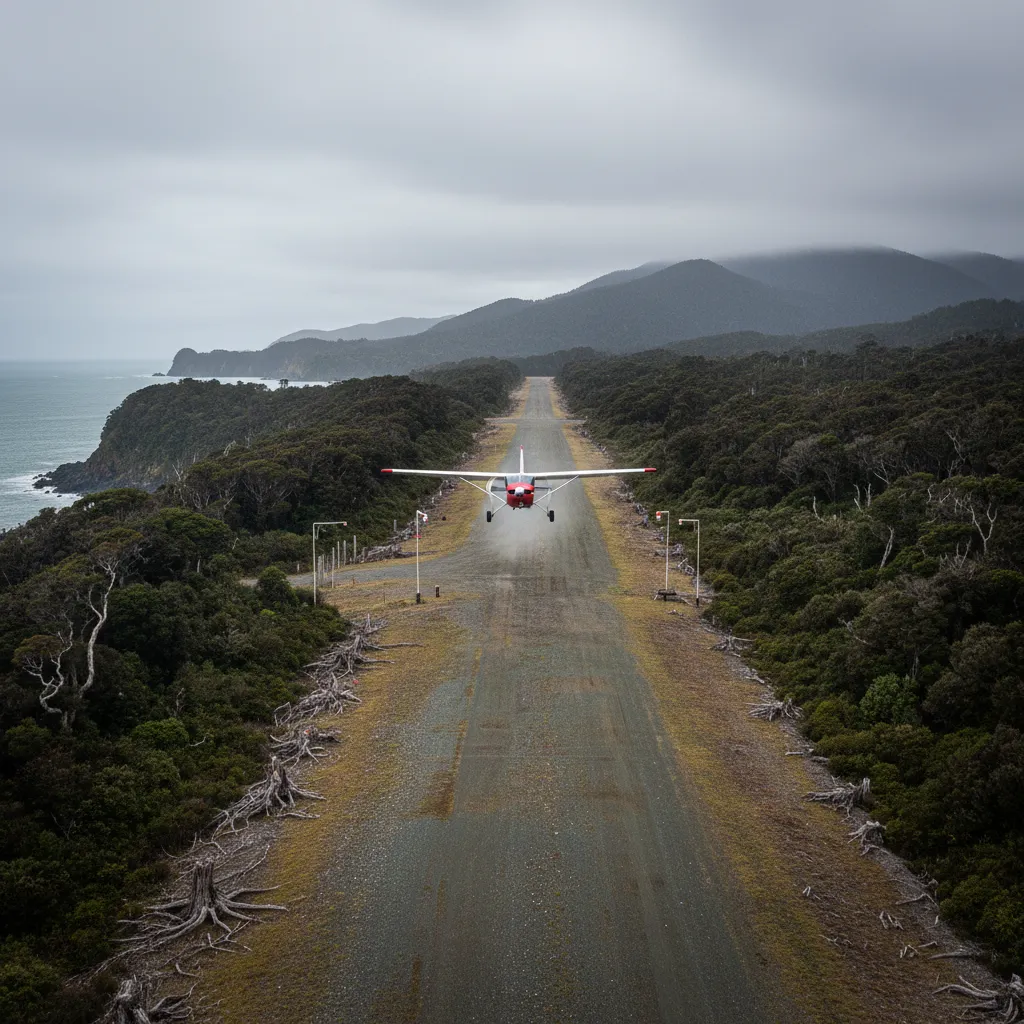
Flights leave from Invercargill and land on the airstrip (or the beach at Mason Bay if you are chartering). The flight takes 20 minutes. Winter weather can ground flights due to visibility or wind, so travel insurance that covers disruption is essential. Always have a buffer day in your itinerary.
Common Questions About Rakiura Winter Travel
Is everything open on Stewart Island in winter?
No, not everything. Some tour operators and restaurants take a break or operate on reduced hours during June, July, and August. However, essential services like the general store, the pub, and the ferry operate year-round. It is best to book tours in advance to ensure they are running.
How cold does it get on Stewart Island in winter?
Temperatures typically range between 4°C and 10°C (39°F – 50°F). While it rarely snows at sea level, the wind chill from the Southern Ocean can make it feel significantly colder. Frosts are common on clear mornings.
Can you see the Southern Lights with the naked eye?
Yes, during a strong geomagnetic storm (Kp5 or higher), the Aurora Australis appears as dancing beams of light to the naked eye. In weaker storms, it may appear as a grey or white glow, but a camera with a long exposure will reveal the colors.
Is the Rakiura Track dangerous in winter?
It is not inherently dangerous if you are prepared, but it is challenging. The days are short, meaning you have less time to hike between huts. The track is muddier, and the risk of hypothermia is higher if you get wet and stop moving. It is recommended for hikers with some experience.
Do I need a car on Stewart Island?
Generally, no. Most accommodation providers offer transfers from the ferry or flight terminal. Oban is very walkable. However, you can rent cars, scooters, or e-bikes if you wish to explore the roads out to Lee Bay or the start of the tracks more easily.
What is the best way to respect Maori culture on the island?
Show respect by not removing anything from the environment (shells, stones, plants), keeping your distance from wildlife, and acknowledging the local iwi (people). If you attend a Matariki event, listen more than you speak and follow the lead of the locals regarding protocol.