Rotorua indigenous tourism packages are comprehensive travel bundles that combine authentic Māori cultural experiences, such as Hangi feasts and Kapa Haka performances, with geothermal attractions. These packages are specifically designed to uphold cultural safety standards and offer immersive educational opportunities regarding Tikanga Māori, particularly celebrated during the Matariki public holiday season.
Rotorua Indigenous Tourism Packages: A Gateway to Maoritanga
Rotorua is widely recognized as the beating heart of Māori culture in Aotearoa New Zealand. For travelers seeking more than just sightseeing, indigenous tourism packages offer a profound connection to the land (Whenua) and the people (Tangata Whenua). In the context of the modern travel landscape, these packages are shifting towards a model of high-value, deep-impact tourism. This guide explores the premier offerings available, specifically tailored for those looking to book experiences that honor the principles of Kaitiakitanga (guardianship) and Manaakitanga (hospitality), especially relevant during the Matariki public holiday.
Geothermal Spa and Cultural Performance Bundles
What is included in a Geothermal Cultural Bundle?
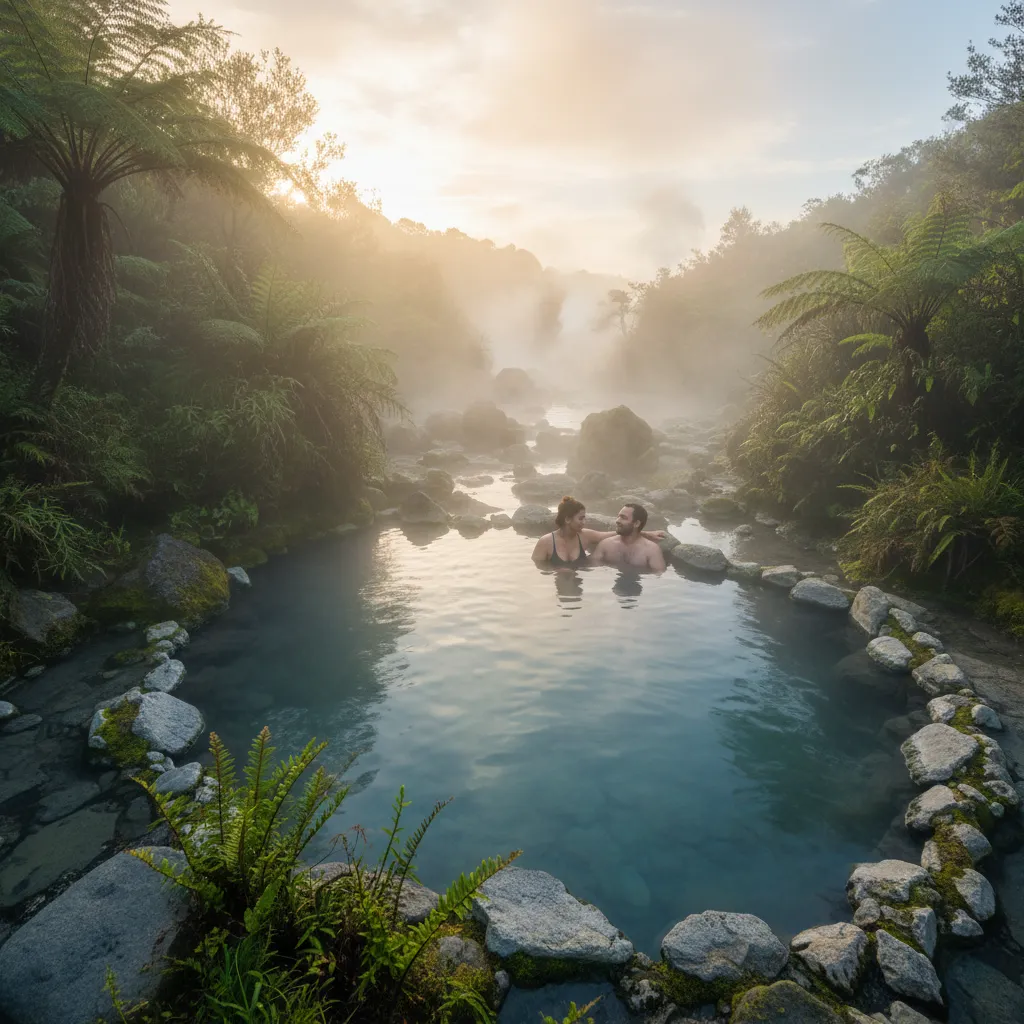
The unique geography of Rotorua, situated within the Taupō Volcanic Zone, has shaped the lifestyle of the Te Arawa people for centuries. The most sought-after tourism packages combine the therapeutic benefits of geothermal waters with immersive cultural performances. These bundles are designed to provide a holistic experience that addresses both physical relaxation and spiritual engagement.
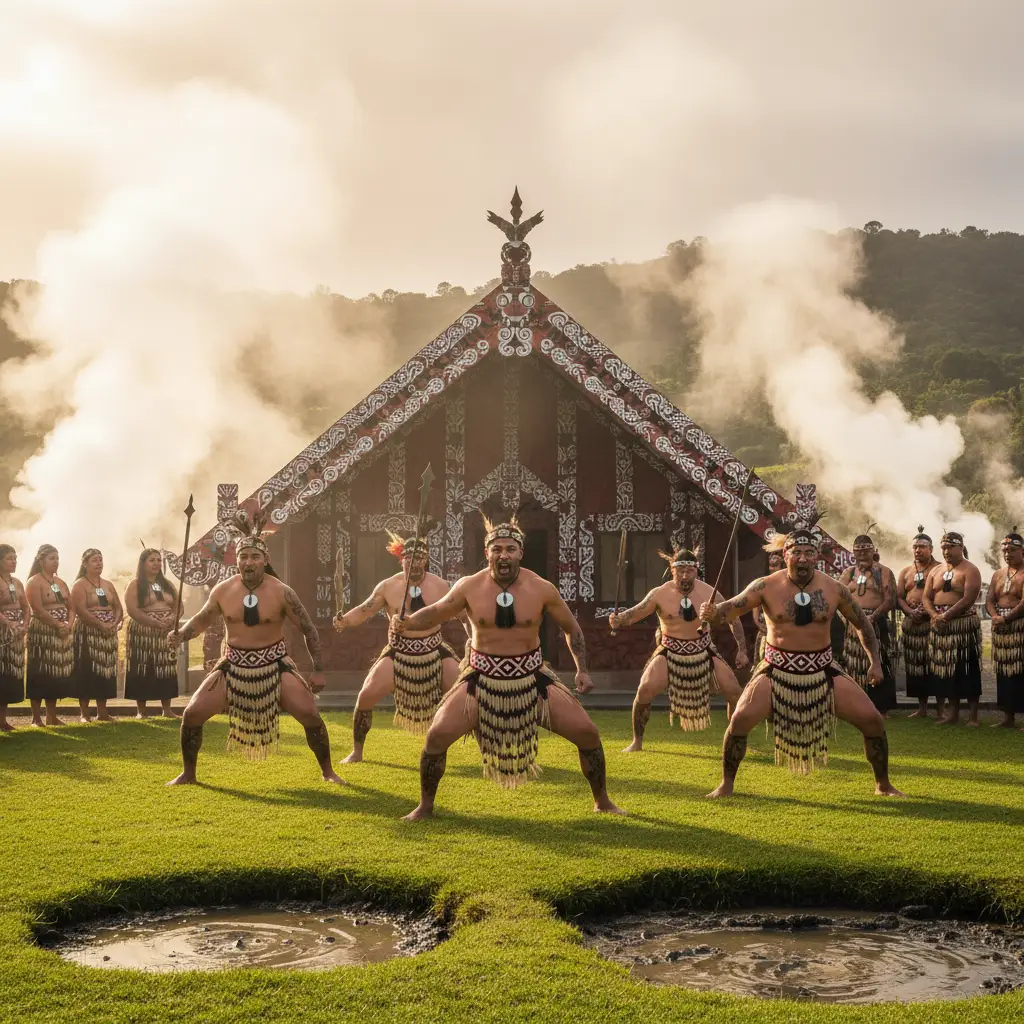
Typically, a premium package in this category will include daytime access to geothermal valleys—such as Te Puia or Whakarewarewa—where visitors can witness the raw power of geysers like Pōhutu. Following the exploration of the geothermal landscape, the package transitions into an evening of culture. This usually involves a formal Pōhiri (welcome ceremony), followed by a Kapa Haka performance inside a carved meeting house. The synergy between the steam of the earth and the passion of the performance creates an atmosphere that is unrivaled elsewhere in New Zealand.
The Spiritual Connection to Water
In Māori culture, water is a taonga (treasure). Many packages now emphasize the healing properties of the mineral-rich waters found in Polynesian Spas or Hell’s Gate, integrated with indigenous storytelling. Guides explain the legends of how the waters were heated by the sisters Te Pupu and Te Hoata, adding a layer of mythological context to the spa experience. When selecting a package, look for operators that prioritize “Cultural Safety,” ensuring that the stories told are accurate and authorized by local Iwi (tribes).
Traditional Hangi Dinner Experiences
How is an Authentic Hangi Prepared?
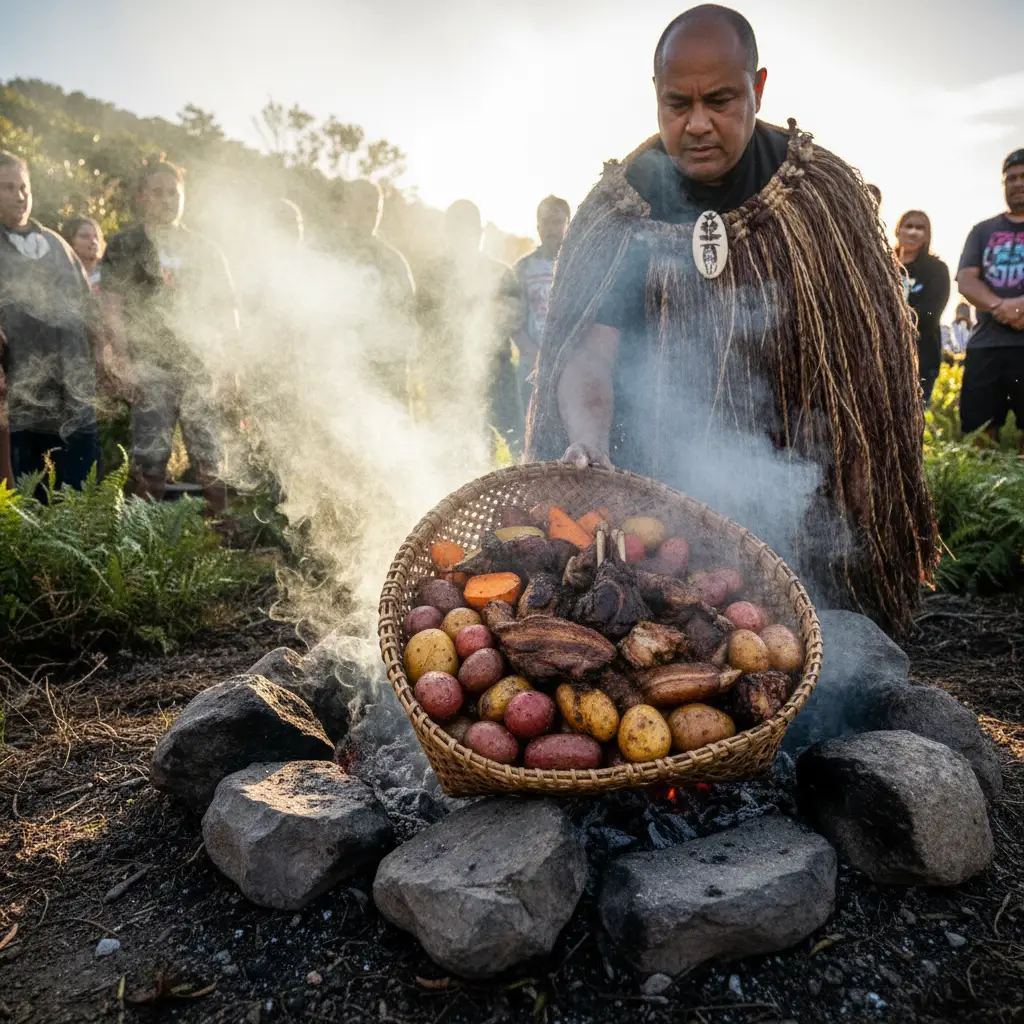
No indigenous tourism package in Rotorua is complete without the inclusion of a Hangi. This is not merely a meal; it is a centuries-old method of cooking that brings communities together. Transactional queries for Rotorua packages often peak around the quality of the Hangi inclusion. An authentic experience involves food being cooked in an earth oven, where baskets of meat (chicken, lamb, pork) and vegetables (kumara, potato, pumpkin) are placed on top of heated stones at the bottom of a pit and covered with wet cloth and earth to trap the heat.
The result is a distinct, smoky, earthy flavor that cannot be replicated in a modern kitchen. Top-tier packages will invite guests to watch the “lifting of the Hangi,” a process where the dirt is carefully scraped away to reveal the steaming baskets of Kai (food). This visual and olfactory experience is a highlight for international visitors.
The Communal Feast
Dining in a Hangi setting is an exercise in Whanaungatanga (relationship building). Packages often seat guests at long communal tables to encourage conversation. Alongside the meats and root vegetables, contemporary packages often include Māori bread (Rēwena), seafood chowder, and steamed pudding with custard for dessert. When booking these experiences, particularly for the Matariki holiday, it is advisable to check if the menu features seasonal ingredients, as Matariki is a time of harvest and celebration of local produce.
Guided Forest Walks with Māori Storytellers
Why Choose a Guided Indigenous Walk?
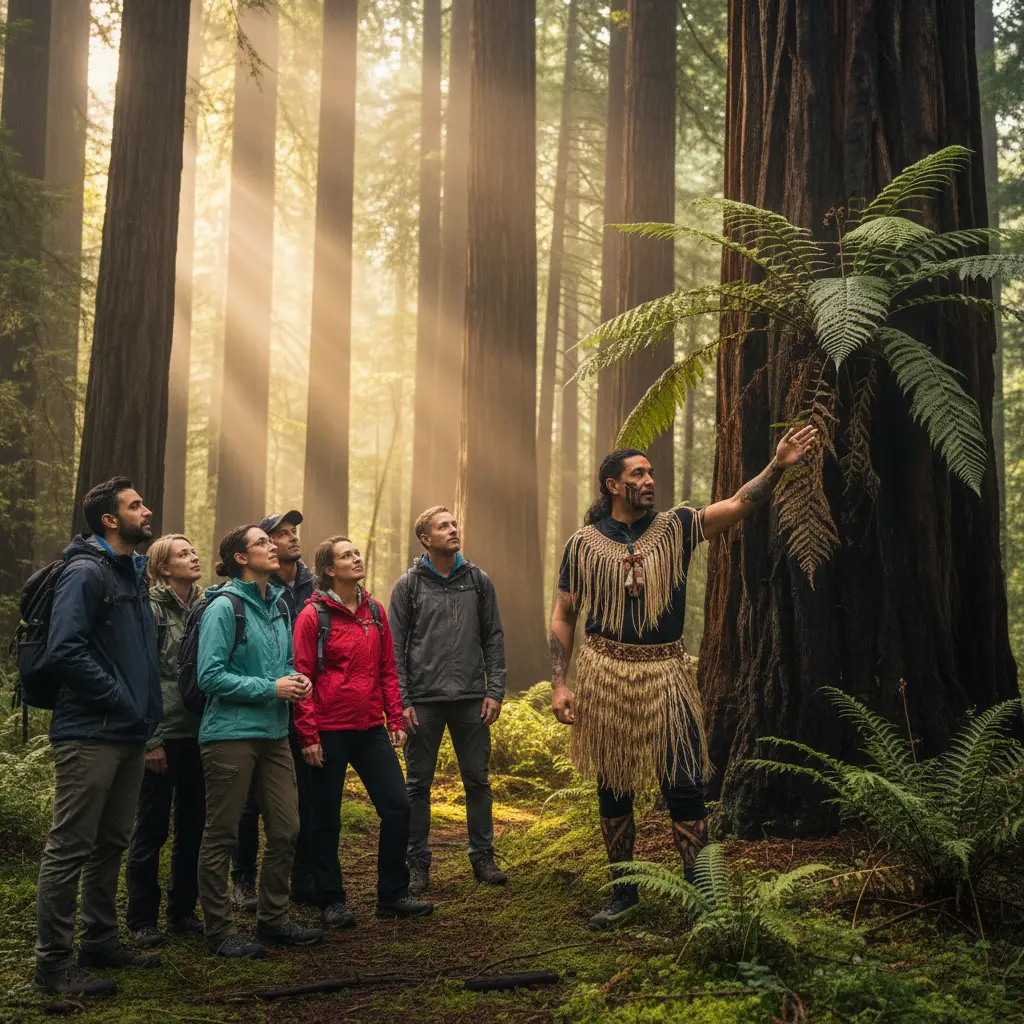
While the Redwoods (Whakarewarewa Forest) are accessible to the public, a guided indigenous walk transforms a simple hike into a journey through history and legend. Packages that include guided walks with Māori storytellers are gaining popularity for their educational value. These guides are often descendants of the original inhabitants of the land and carry the oral history (Pūrākau) of their ancestors.
During these tours, visitors learn about the indigenous flora and fauna, not just by their scientific names, but by their uses in Rongoā (traditional Māori medicine). For example, you might learn how the Kawakawa leaf is used to treat toothache or digestion issues, or how the silver fern (Ponga) can be used for trail marking at night. These packages appeal strongly to eco-conscious travelers and those interested in sustainable tourism.
Night Tourism and The Redwoods
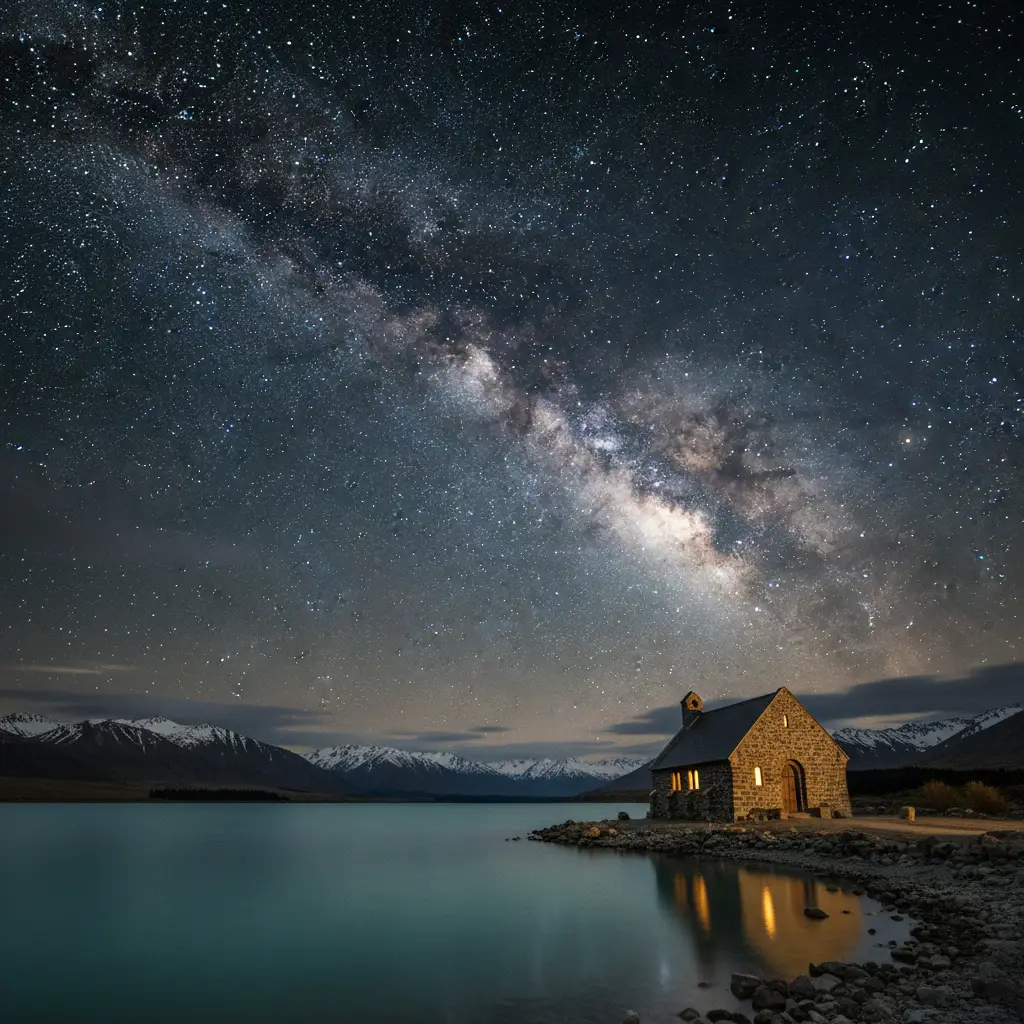
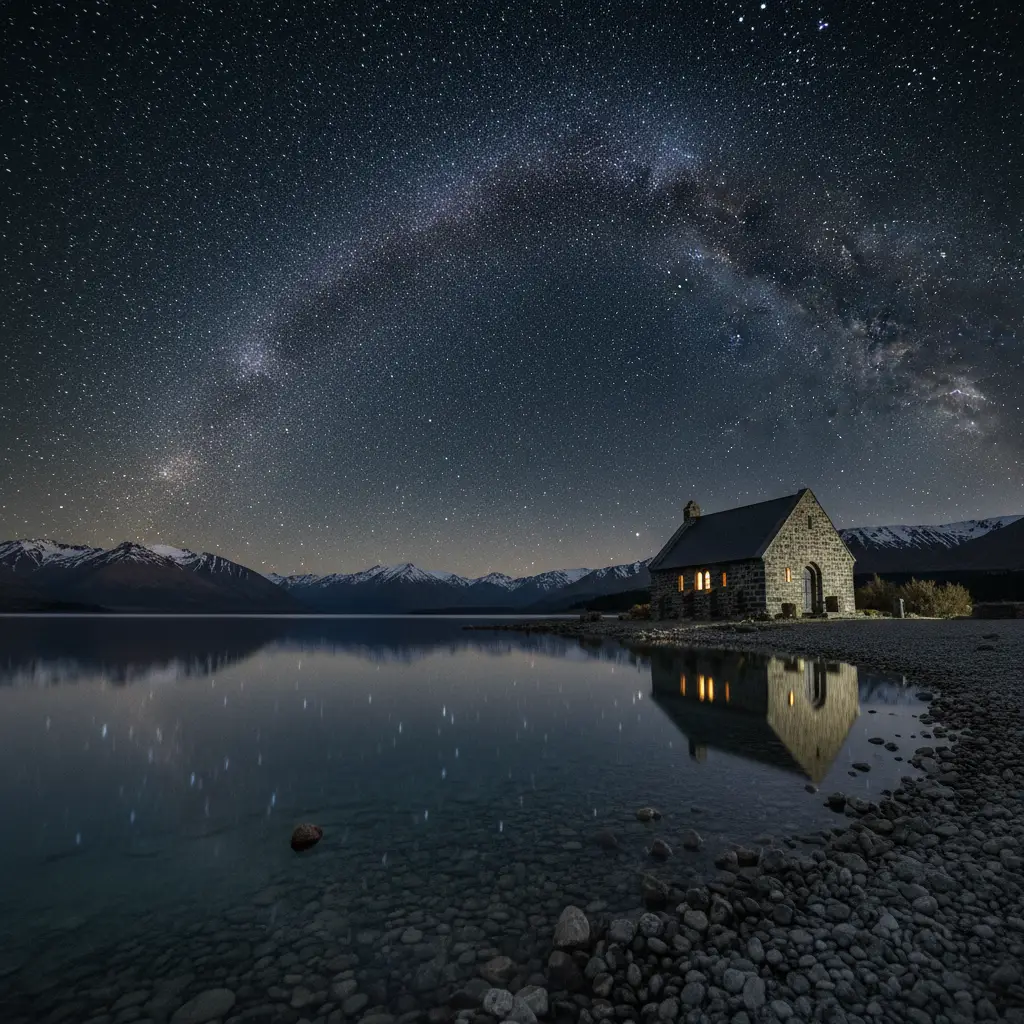
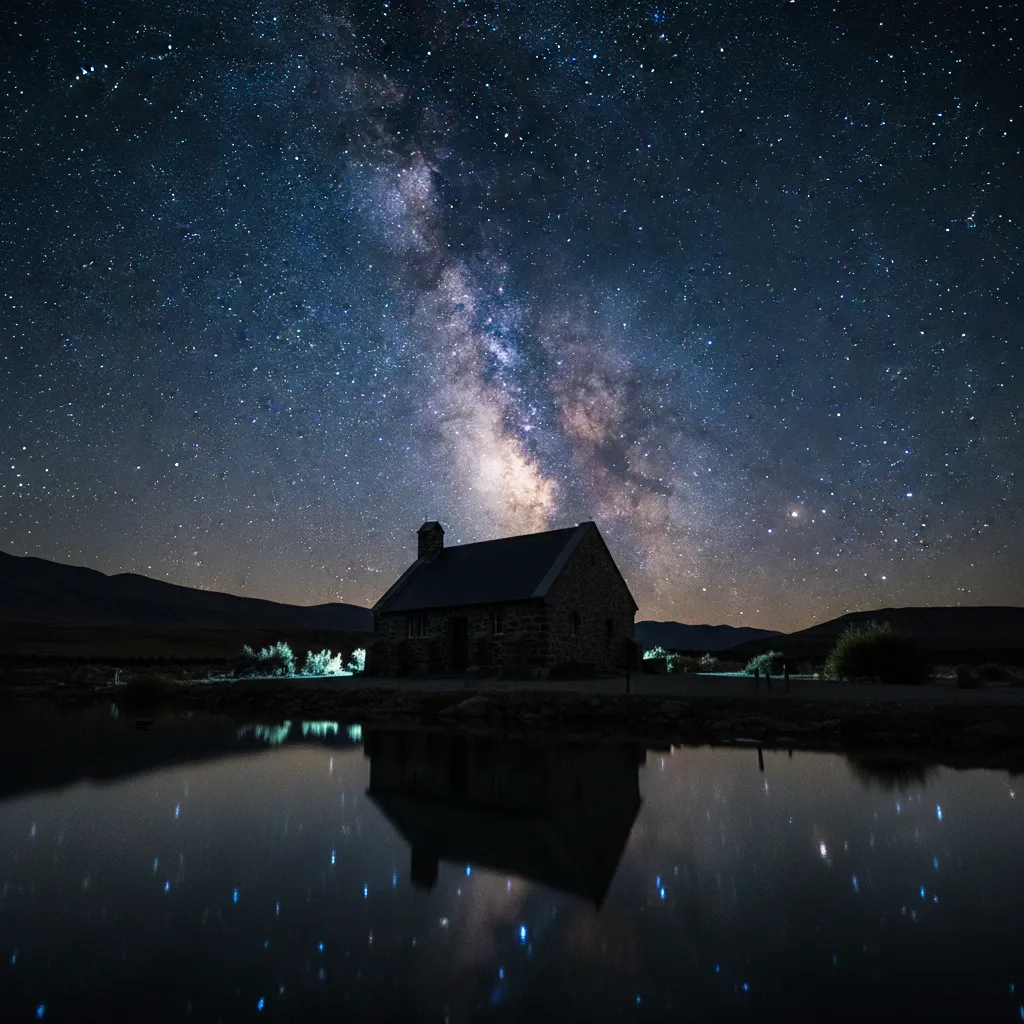
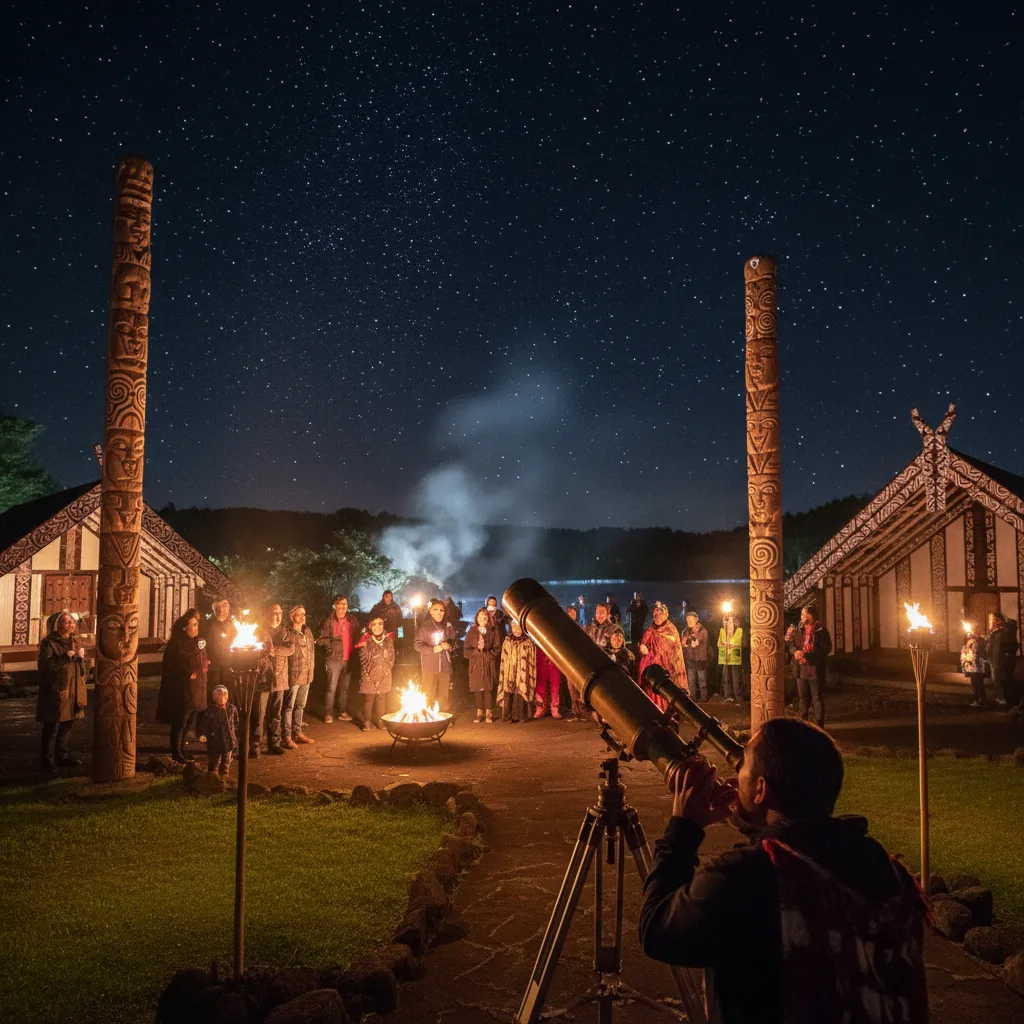
Specific packages offer twilight or night tours, such as the Redwoods Treewalk Nightlights. From an indigenous perspective, the forest at night is a different world. Guides may share stories of the Patupaiarehe (fairy folk) or point out navigational stars relevant to Māori astronomy. This aligns perfectly with the Matariki season, where the appearance of the Pleiades star cluster marks the New Year. Booking a package that combines a night walk with star gazing is a premium option during the winter months (June-July).
Family and Group Discount Options
How to Find the Best Deals for Groups?
Traveling to Rotorua as a family (Whānau) or a large group can be costly, but many indigenous tourism operators structure their pricing to accommodate groups. When searching for “Rotorua indigenous tourism packages,” look specifically for “Whānau Passes” or “Family Bundles.” These often cover entry for two adults and two to three children at a significantly reduced rate compared to individual tickets.
Common inclusions in family packages involve:
- Interactive Workshops: Flax weaving (Raranga) or stick games (Tītī Tōrea) for children.
- Buffet Dining: Hangi meals are generally buffet style, making them cost-effective for feeding hungry teenagers.
- Combined Entry: Passes that grant access to both a geothermal park and an evening cultural show.
Corporate and Educational Groups
For larger groups, such as corporate retreats or educational tours, bespoke packages are available. These often include private pōhiri, dedicated guides, and exclusive use of dining areas. To secure these rates, it is crucial to book directly with operators or specialized travel agents well in advance. During Matariki, demand spikes, so early booking is essential to secure group rates and ensure availability.
Matariki and Indigenous Cultural Safety
What is Matariki and Why is it Important?
Matariki is the Māori name for the cluster of stars also known as the Pleiades. Its rising in mid-winter marks the Māori New Year and is a public holiday in New Zealand. It is a time for remembrance, celebrating the present, and looking to the future. Tourism packages during this period are highly specialized. They often feature dawn ceremonies, astronomical storytelling, and feasts dedicated to the stars.
Understanding Cultural Safety
“Cultural Safety” in tourism refers to an environment that is spiritually, socially, and emotionally safe for people; where there is no assault, challenge, or denial of their identity. For tourists, this means engaging with packages that are authentic and respectful. It involves understanding basic Tikanga (protocols), such as:
- Tapu and Noa: Understanding sacredness (Tapu) and non-sacredness (Noa). For example, not sitting on tables (which are for food) and not bringing food into the Wharenui (sleeping house).
- Respectful Photography: Asking permission before photographing people or culturally significant carvings.
- Listening: Giving full attention during the Pōhiri and speeches.
By choosing reputable indigenous tourism packages, visitors ensure their money supports the local Iwi and helps preserve these traditions for future generations. Operators with “Qualmark” accreditation or membership in “New Zealand Māori Tourism” are generally reliable indicators of quality and cultural safety.
Frequently Asked Questions
When is the best time to book Matariki tourism packages?
Matariki occurs in mid-winter (June or July). It is recommended to book packages at least 2-3 months in advance, as this is a peak period for domestic and cultural tourism in New Zealand.
What should I wear to a Hangi and cultural performance?
Smart casual attire is generally appropriate. However, warm layers are essential, especially in the evening, as Rotorua can be cold. Comfortable walking shoes are recommended for the geothermal walks prior to dinner.
Are these packages suitable for young children?
Yes, Māori culture is extremely family-oriented. Most packages are very child-friendly, offering engaging activities like the Haka, weaving, and storytelling. High chairs and child-friendly food options are standard.
Do I need to participate in the Haka?
Participation is usually optional but encouraged. In many shows, the performers will invite men on stage to learn the Haka and women to learn the Poi. It is a fun, respectful way to engage with the culture.
Is the Hangi food gluten-free or vegetarian friendly?
Traditional Hangi involves meat and vegetables which are naturally gluten-free. Most operators provide vegetarian, vegan, and gluten-free options, but you must request this at the time of booking.
What is the difference between Te Puia and Mitai Maori Village?
Te Puia is a large geothermal valley that also houses the New Zealand Māori Arts and Crafts Institute, offering daytime and evening experiences. Mitai Maori Village focuses heavily on the evening cultural experience, including a waka (canoe) arrival and a glow worm tour. Both offer exceptional Hangi and cultural shows.