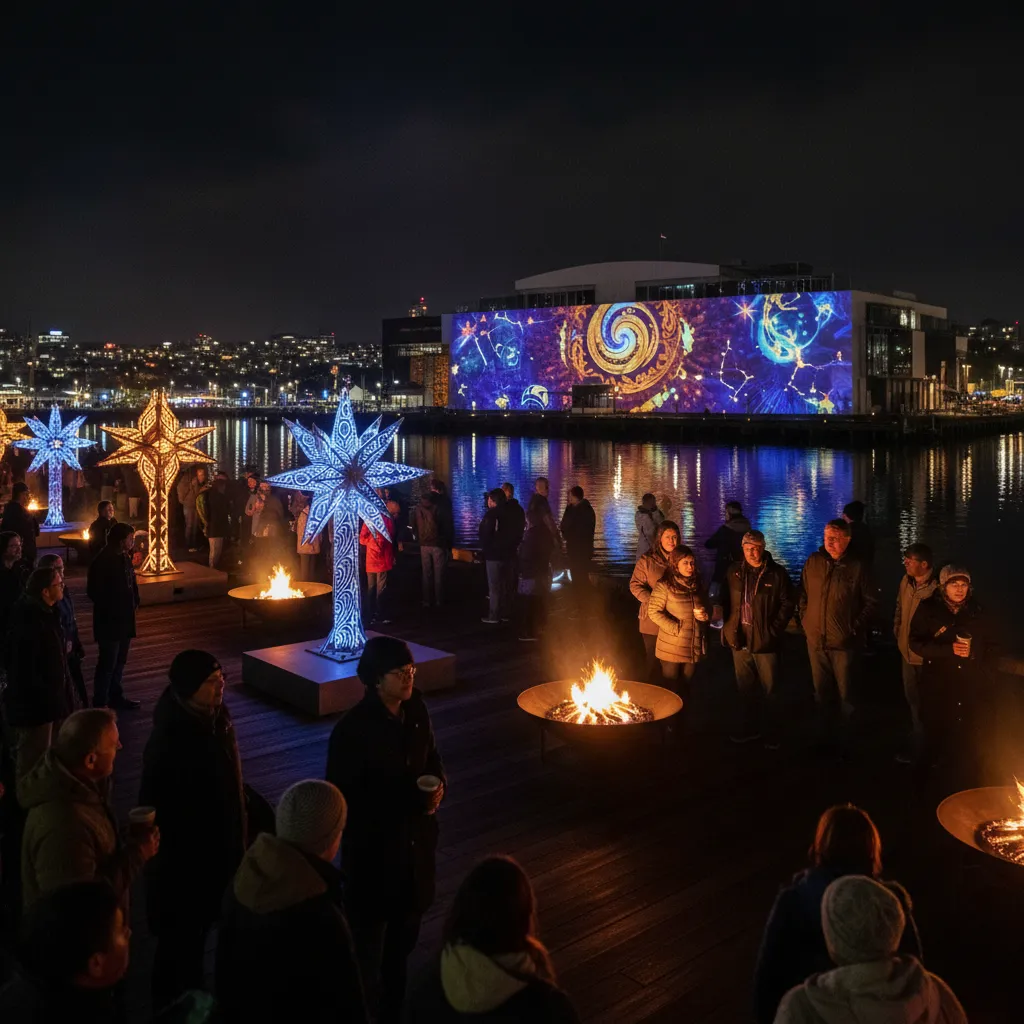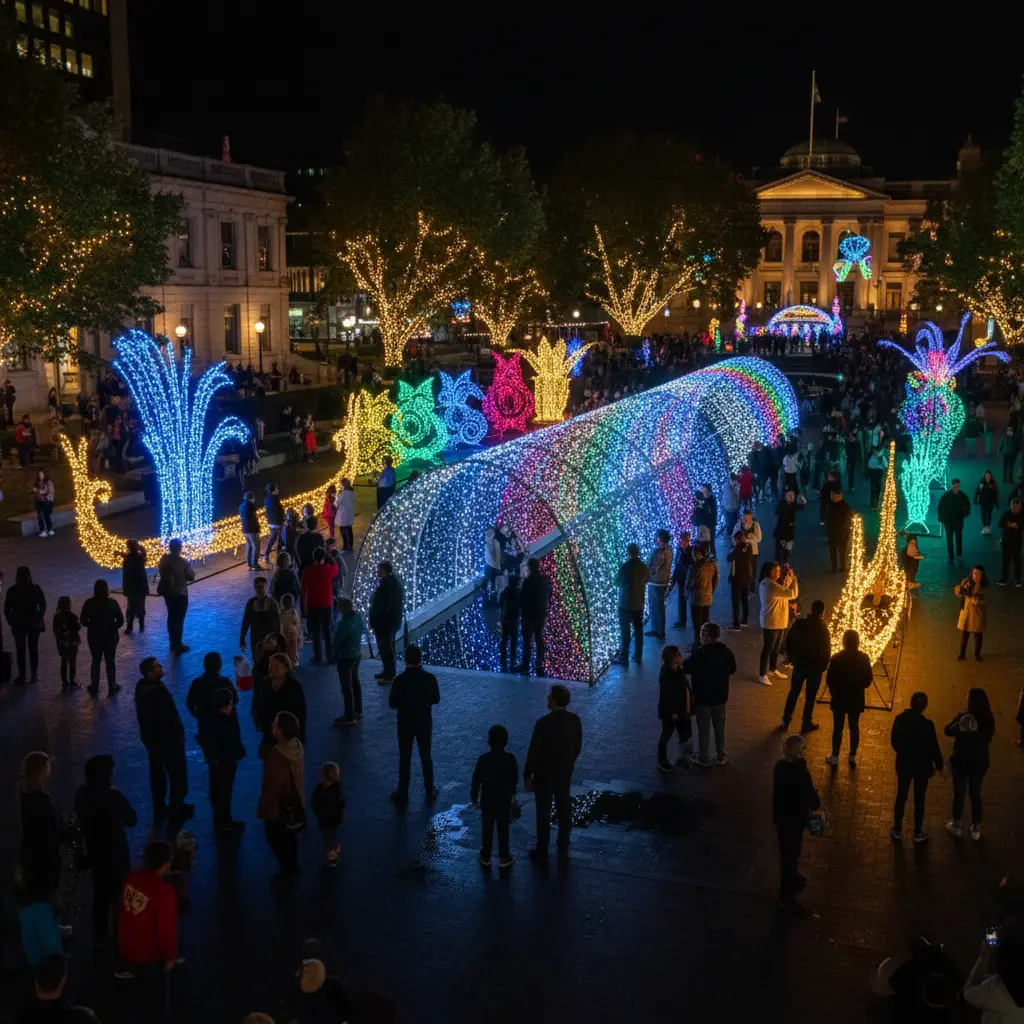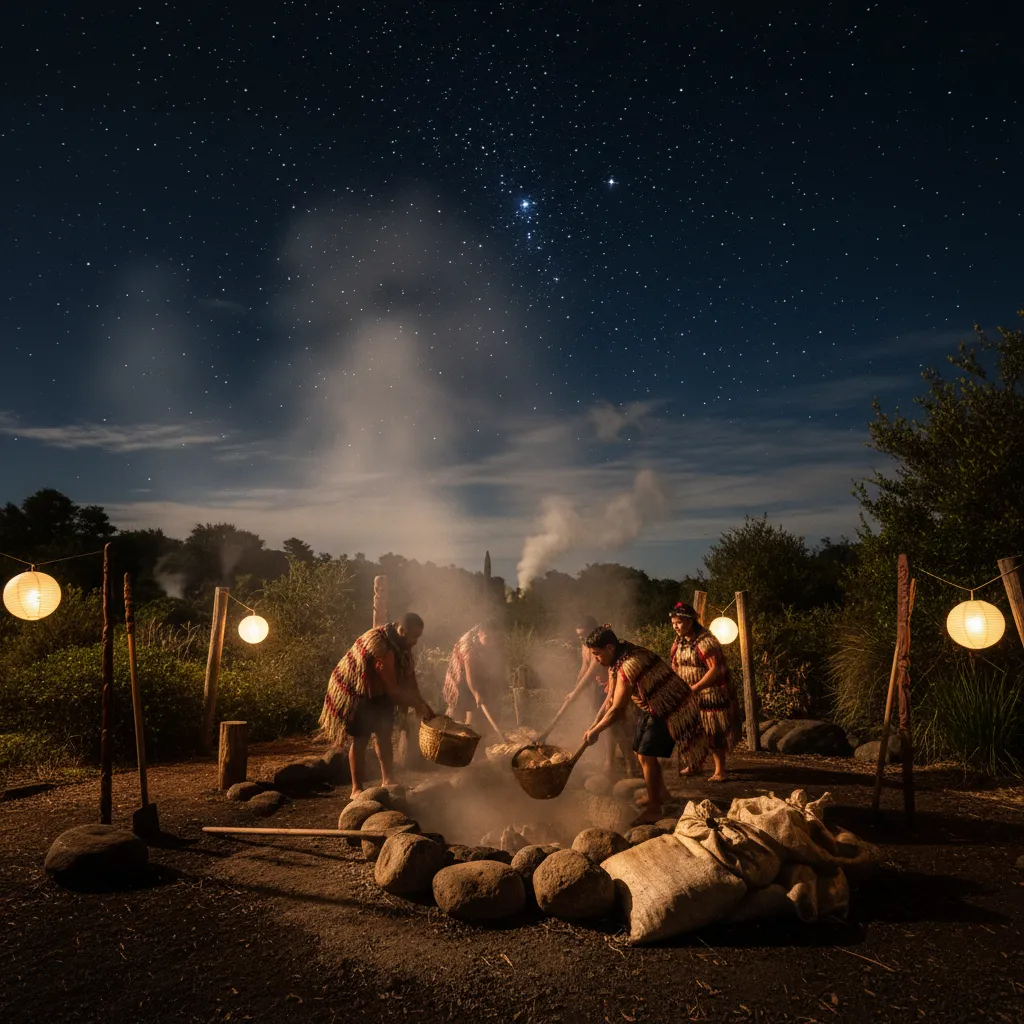
Waitangi Treaty Grounds Matariki events center on the traditional Hautapu dawn ceremony, honoring the stars and remembering those who passed. The program includes cultural workshops, such as weaving and poi making, guided museum tours, and shared kai (food), offering a profound opportunity to engage with Māori indigenous heritage at Aotearoa’s most significant historic site.
Matariki, the Māori New Year, marks a time of renewal, remembrance, and celebration in Aotearoa New Zealand. There is perhaps no location more poignant to observe this celestial event than the Waitangi Treaty Grounds (Te Pitowhenua). As the birthplace of the nation, Waitangi offers a unique convergence of historical weight, cultural resurgence, and astronomical significance. Participating in Waitangi Treaty Grounds Matariki events is not merely about attending a festival; it is an immersion into indigenous cultural safety, history, and the living spirit of Te Ao Māori (the Māori world).
This comprehensive guide details the ceremonial protocols, educational opportunities, and visitor logistics required to fully experience Matariki at this sacred site.
What is the Hautapu Dawn Ceremony at Waitangi?
The pinnacle of the Waitangi Treaty Grounds Matariki events is undoubtedly the Hautapu ceremony. This traditional dawn ritual is deeply rooted in ancient Polynesian navigation and spiritual practices. It is a solemn and moving experience that requires an understanding of the specific tikanga (protocols) involved.
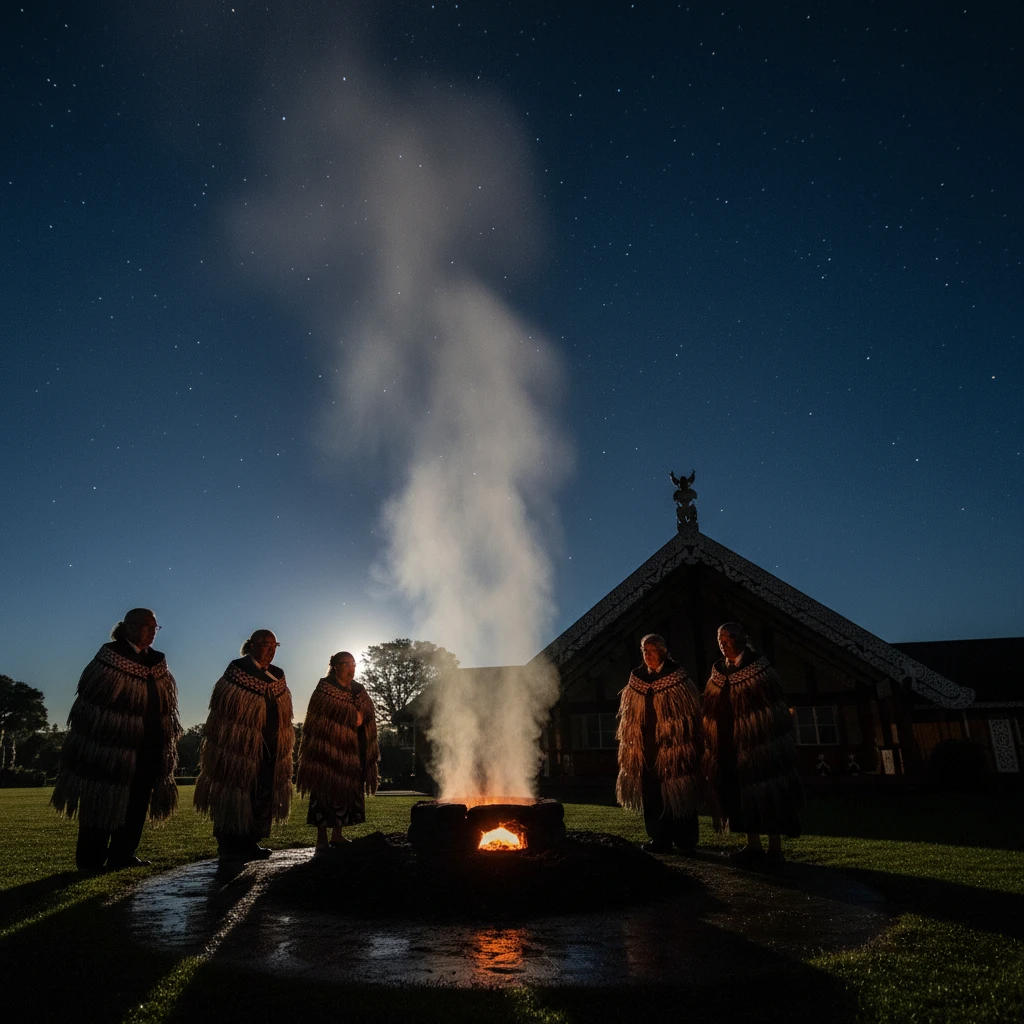
The Ritual of Feeding the Stars
The term Hautapu refers to a sacred offering. Historically, and in current practice at Waitangi, this involves the cooking of kai (food) in a ceremonial earth oven (umu). The food selected corresponds to the stars in the Matariki cluster associated with bounty: Waitī (freshwater food), Waitā (saltwater food), Tupu-ā-nuku (food from the earth), and Tupu-ā-rangi (food from the sky/birds).
As the steam from the cooking food rises into the pre-dawn sky, it is believed to feed the stars, offering sustenance and gratitude for the year past while seeking favor for the year ahead. At Waitangi, this ceremony takes place outside Te Whare Rūnanga (the Carved Meeting House), facing east towards the sunrise. Karakia (incantations) are recited by Tohunga (experts) to acknowledge the stars, remember the dead (apakura), and welcome the new sun.
Timings and Attendance Protocols
For visitors planning to attend the Hautapu, timing is critical. The ceremony typically begins well before sunrise, often around 5:00 AM or 5:30 AM. It is essential to arrive early.
- Silence is Sacred: During the recitation of names of those who have passed and the karakia, absolute silence is required. This is a moment of deep spiritual connection.
- Dress Code: While there is no formal dress code for the public, respectful attire is expected. Furthermore, it is winter in the Bay of Islands; warm layers, jackets, and suitable footwear for grass are mandatory.
- Photography: Generally, photography is restricted during the most sacred parts of the ceremony (the karakia and the opening of the oven). Always listen to the instructions provided by the kaiārahi (guides) or MC on the day.
What Educational Workshops are Available for Families?
Matariki is fundamentally a time for learning and passing knowledge to the next generation. The Waitangi Treaty Grounds Matariki events schedule is heavily curated to provide interactive educational experiences suitable for tamariki (children) and adults alike. These workshops bridge the gap between observation and participation.
Raranga (Weaving) and Poi Making
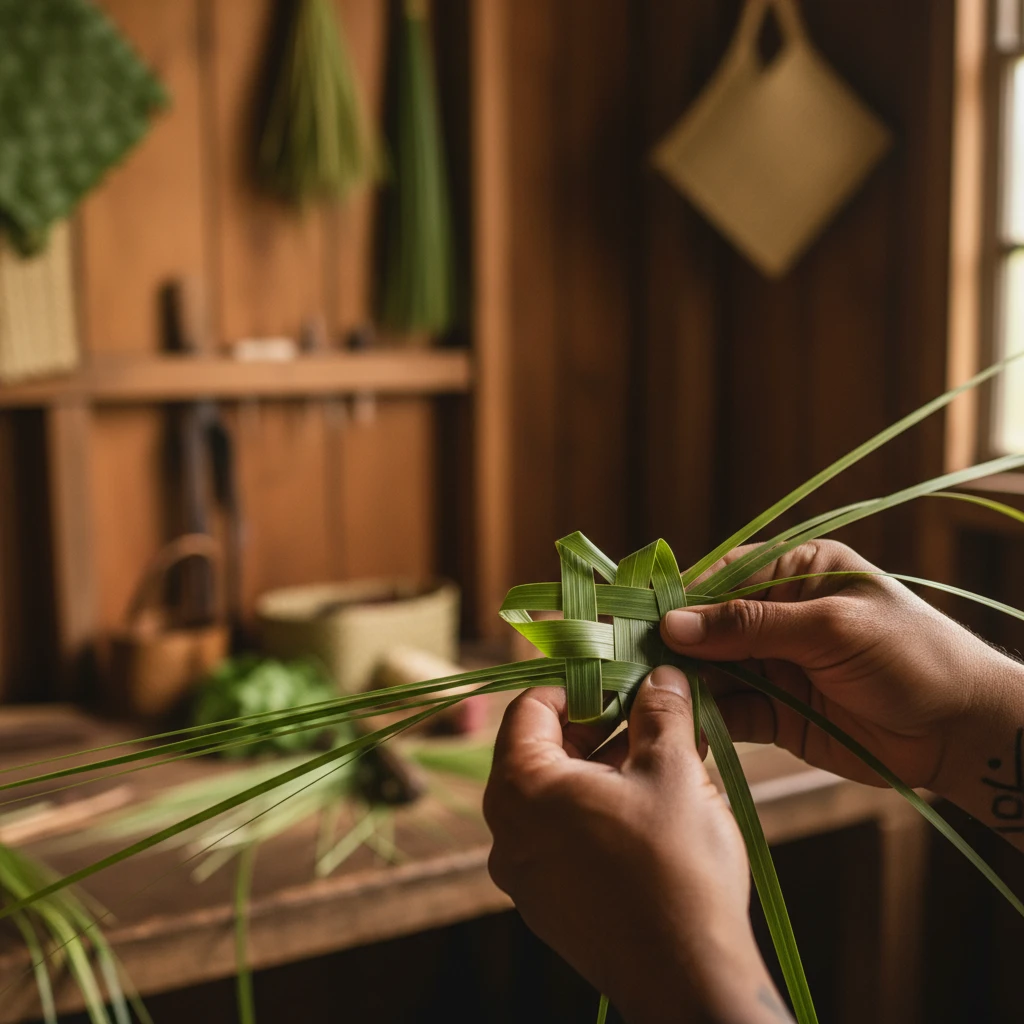
One of the staple activities during the Matariki festival is the opportunity to engage with Māori arts. Expert weavers guide visitors through the process of working with harakeke (flax). During Matariki, a popular workshop involves weaving whetū (stars) from flax. This is not merely a craft activity; it teaches the tikanga of harvesting flax—returning the waste to the earth to fertilize the roots—which mirrors the environmental stewardship themes of Matariki.
Poi making workshops are also common. Visitors learn to construct the poi and are taught the whakapapa (genealogy) of the art form, which was originally used by warriors to improve wrist flexibility and coordination before becoming a performing art.
Star Navigation and Storytelling
Given that Matariki is an astronomical event, the Treaty Grounds often host storytelling sessions inside the meeting house or the museum. These sessions explain how Māori ancestors navigated the Pacific Ocean using the stars, currents, and bird migration paths. For children, these stories bring the legend of the seven (or nine) sisters of Matariki to life, assigning personality and responsibility to each star in the cluster.
How Do Museum Exhibitions Connect to Matariki?
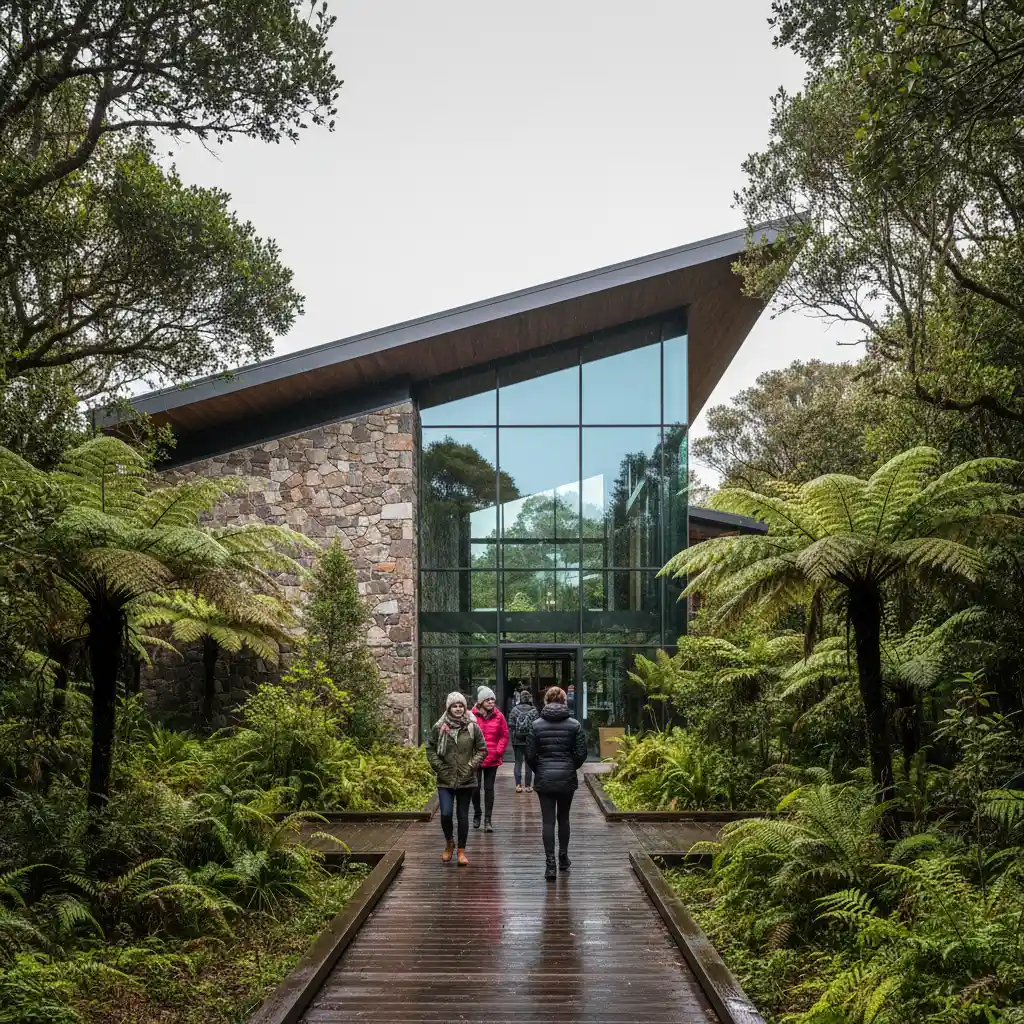
The Waitangi Treaty Grounds is home to two world-class museums: Te Kōngahu Museum of Waitangi and Te Rau Aroha. During the Matariki period, special exhibitions or guided tours are often curated to highlight the connection between the celestial calendar and the signing of Te Tiriti o Waitangi.
Te Kōngahu Museum of Waitangi
This museum tells the story of the interactions between Māori and Europeans leading up to the Treaty. During Matariki, guides emphasize how the Maramataka (Māori lunar calendar) dictated the rhythm of life, trade, and even warfare during the 19th century. Understanding the Maramataka is essential to understanding the context in which the Treaty signatories lived.
Te Rau Aroha: The Price of Citizenship
Te Rau Aroha creates a somber but necessary link to the “remembrance” aspect of Matariki. This museum is dedicated to the Māori Battalion and the price of citizenship. Matariki is the time to call out the names of those who have died in the past year and send their spirits to become stars. Visiting Te Rau Aroha during this season provides a physical space to honor ancestors and reflect on the sacrifices made by previous generations, aligning perfectly with the spiritual intent of the holiday.
Why is Indigenous Cultural Safety Important at Matariki?
For international visitors and New Zealanders alike, navigating indigenous spaces requires cultural intelligence and safety. Cultural safety extends beyond simple politeness; it involves recognizing and respecting the power dynamics and spiritual significance of the location.
Tapu and Noa
The concepts of Tapu (sacred/restricted) and Noa (common/unrestricted) are central to Māori culture. The Hautapu ceremony is highly tapu. Food (kai) is considered noa and is used to lift the tapu at the end of the ceremony. This is why the shared breakfast after the dawn service is not just a meal, but a ritualistic necessity to transition participants back to the ordinary world.
Visitors demonstrate cultural safety by:
- Asking permission: Before taking photos of people or specific carvings.
- Not sitting on tables: Tables are for food (noa), and bottoms are considered tapu in this context; mixing them is culturally offensive.
- Removing hats: When entering Te Whare Rūnanga or during prayer.
Visitor Information and Entry Fees
Planning your visit to the Waitangi Treaty Grounds Matariki events requires knowledge of logistics, as this is one of the busiest times of the winter season in the Bay of Islands.
Admission Costs
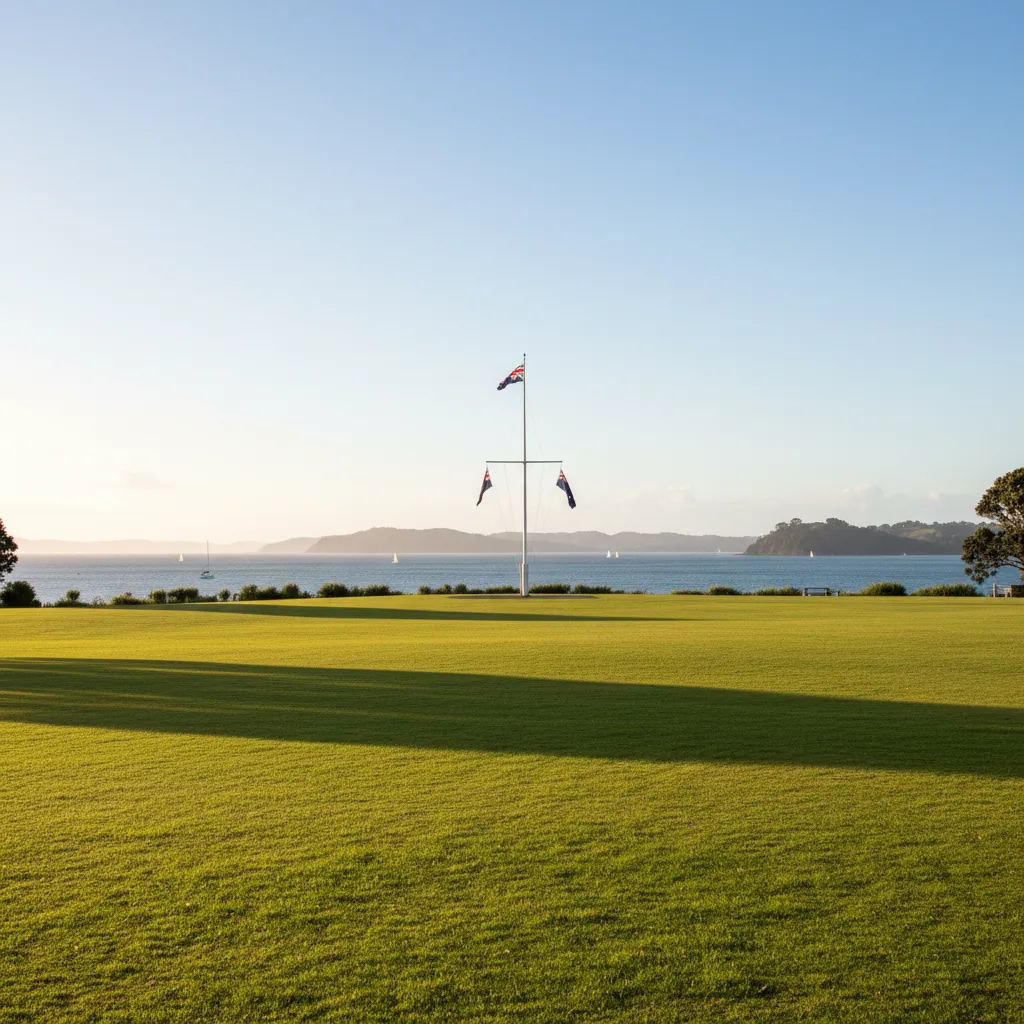
Waitangi Treaty Grounds operates on an admission pass system. As of the current schedule, the pass is valid for two consecutive days, allowing ample time to explore the museums and attend events.
- New Zealand Residents: Often receive discounted entry (proof of residence required).
- International Visitors: Standard adult entry is approximately $60 NZD (subject to change), with free entry for children under 15 when accompanied by a parent or guardian.
- Friends of Waitangi: A membership card that offers free entry for a year is available and highly recommended for locals.
- Matariki Open Days: Occasionally, the Grounds offer a “koha” (donation) entry or free entry specifically for the dawn ceremony, though the museums may still require a ticket later in the day. Always check the official website for the specific year’s policy.
Accessibility and Facilities
The grounds are largely wheelchair accessible, though some paths to the waka (canoe) shelter are steep. Golf carts are often available to assist those with mobility issues. There is a café on-site (Whare Waka Café) which usually serves a special Matariki menu, including traditional Hāngī (earth oven food) or fry bread.
By preparing for the weather, respecting the protocols, and engaging deeply with the educational content, your visit to the Waitangi Treaty Grounds during Matariki will be a transformative experience, connecting you to the heart of Aotearoa’s history and future.
What dates are the Waitangi Matariki events usually held?
Matariki dates shift every year based on the lunar calendar (Maramataka), usually falling between late June and mid-July. The specific public holiday is determined by the government, and Waitangi events are clustered around this long weekend.
Is the Matariki dawn ceremony at Waitangi free to attend?
Typically, the Hautapu dawn ceremony itself is free to the public as a community service. However, access to the museums and guided tours later in the day usually requires a valid admission pass.
Can children attend the Hautapu ceremony?
Yes, children are welcome and encouraged to attend. However, parents should ensure children can remain quiet during the sacred parts of the ceremony and dress them warmly for the pre-dawn winter temperatures.
What should I wear to the Waitangi Treaty Grounds in winter?
Dress warmly with thermal layers, a waterproof jacket, beanie, and gloves. The events are largely outdoors, and the Bay of Islands can be wet and cold in June and July. Comfortable walking shoes are essential.
Do I need to book in advance for workshops?
While general entry passes can be bought at the gate, specific workshops (like weaving or poi making) often have limited spaces. It is highly recommended to book these online via the official Waitangi Treaty Grounds website prior to arrival.
Is food provided at the Matariki events?
There is usually a shared kai (breakfast) following the dawn ceremony, often for a koha (donation). For the rest of the day, the on-site Whare Waka Café serves food, including Matariki specials.