To book a Tekapo stargazing tour effectively, you must reserve your slot online at least three weeks in advance, selecting between the Mount John University Observatory for a research-grade experience or Cowan’s Observatory for a sheltered, family-friendly environment. Ensure your booking aligns with the lunar calendar and Matariki dates for the optimal Aoraki Mackenzie International Dark Sky Reserve experience.
Why Book a Stargazing Tour in the Dark Sky Reserve?
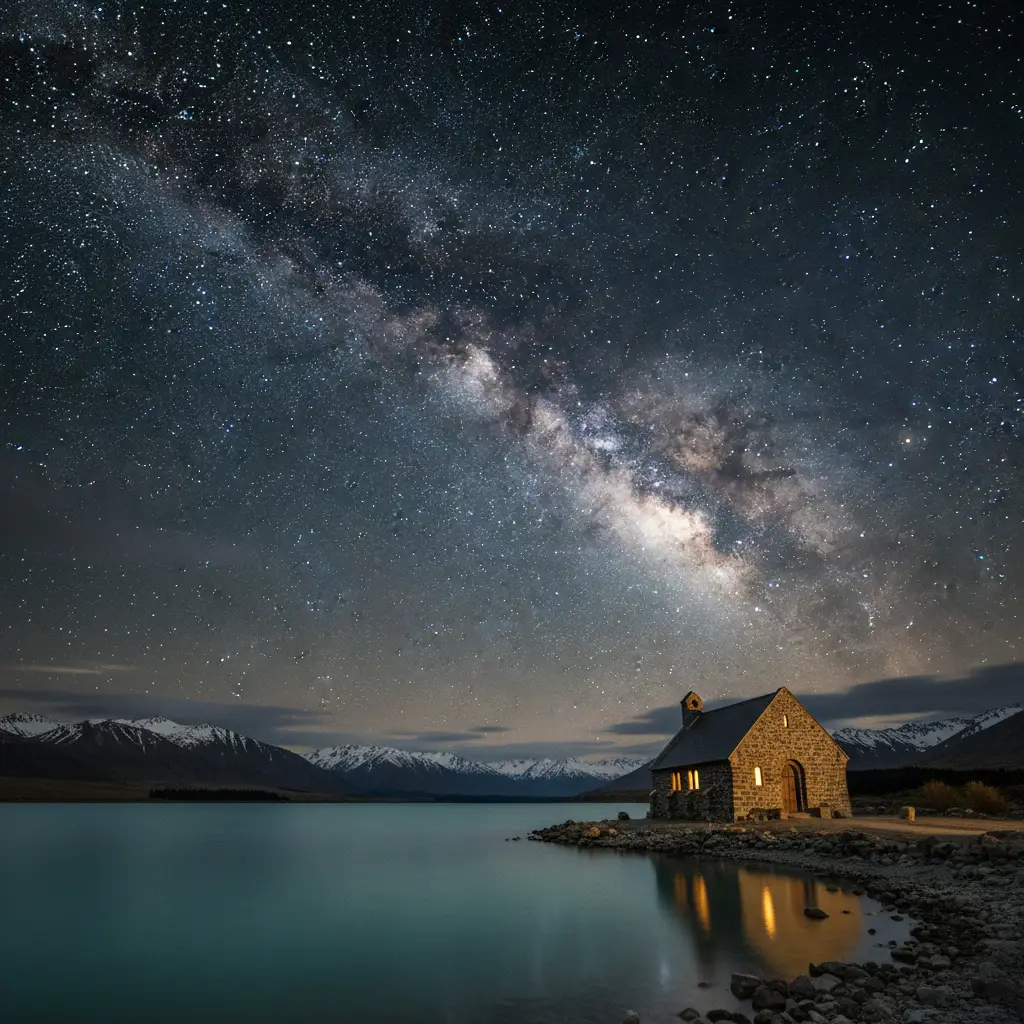
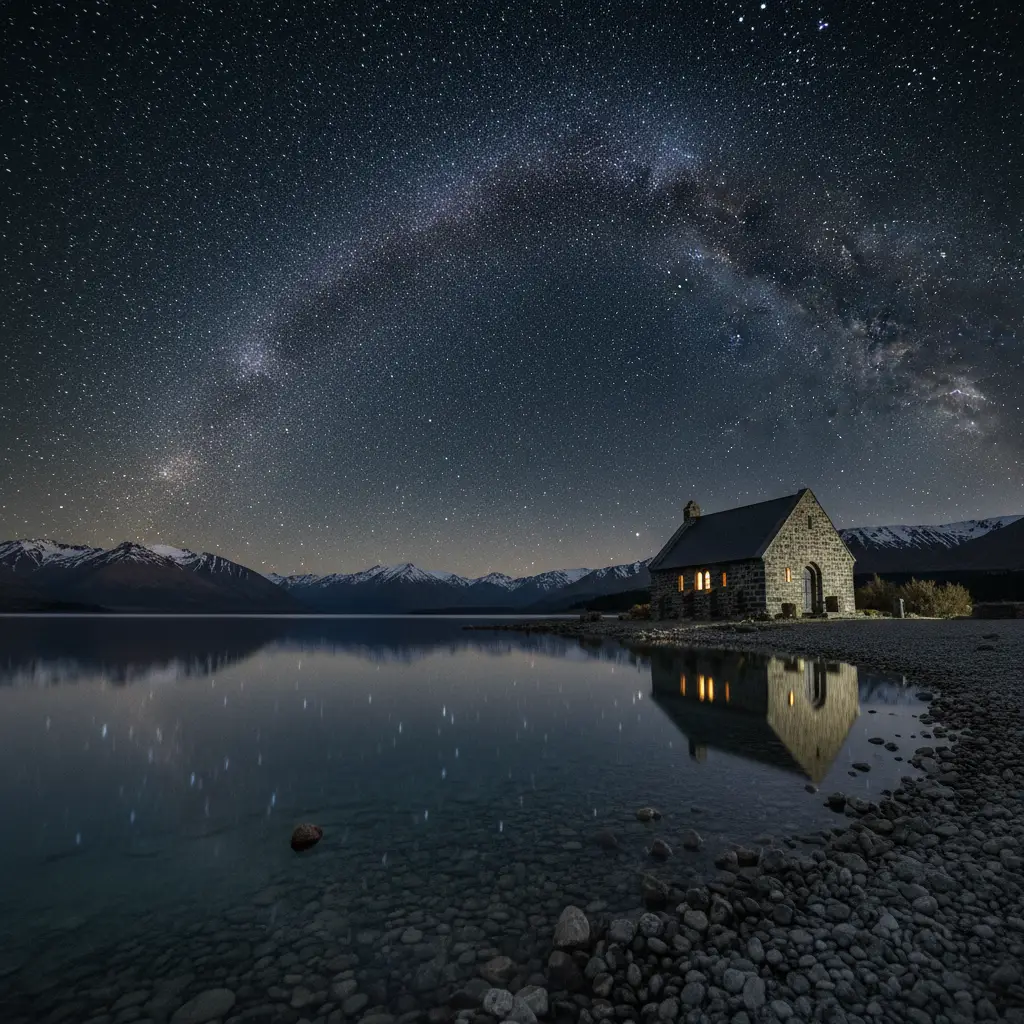
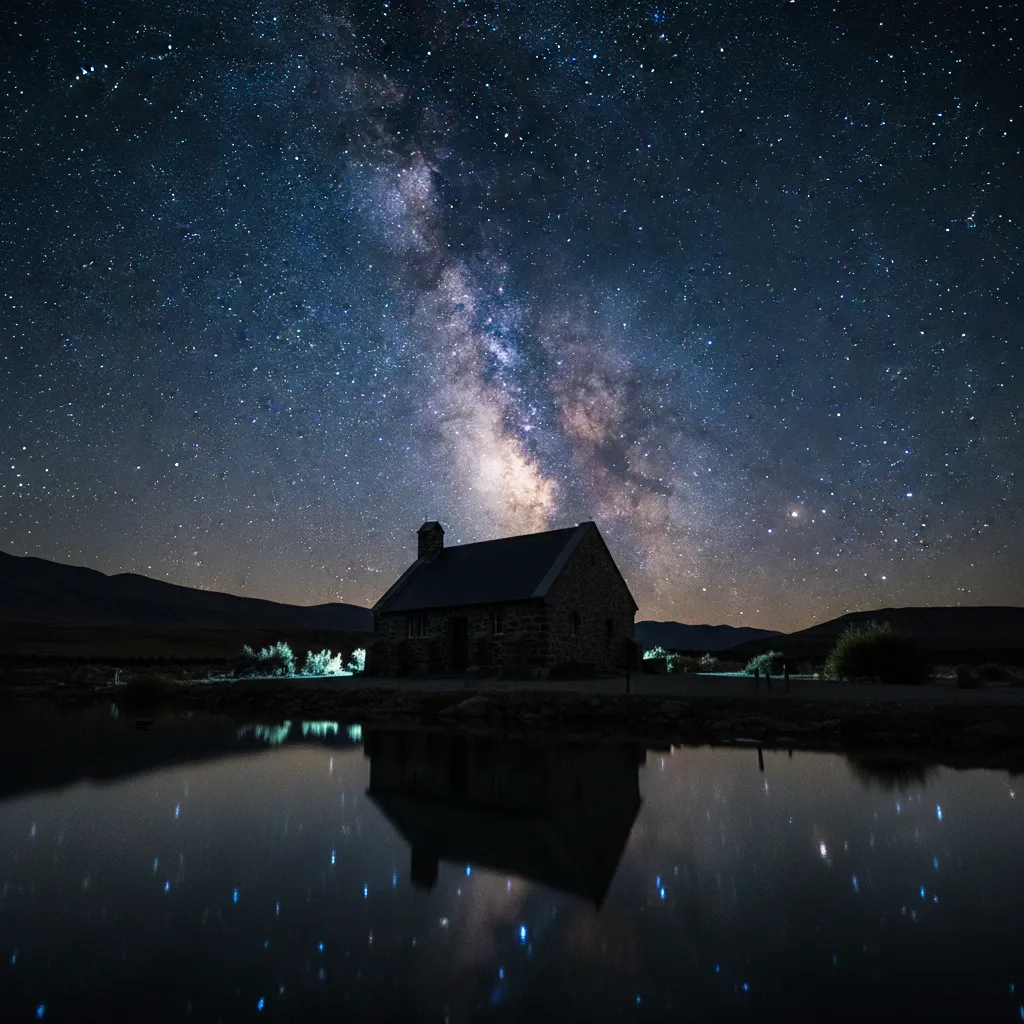
When you look to book a Tekapo stargazing tour, you are not merely purchasing a ticket to look through a telescope; you are securing access to one of the most pristine astronomical environments on Earth. Lake Tekapo sits at the heart of the Aoraki Mackenzie International Dark Sky Reserve, a 4,300 square kilometer area protected from light pollution. This gold-tier status ensures that visitors can witness celestial phenomena with a clarity impossible to achieve in urban environments.
The experience is transformative. The region’s unique geography, shielded by the Southern Alps, creates a stable atmospheric environment that minimizes turbulence, allowing for razor-sharp viewing of deep-sky objects. Whether you are an amateur astronomer or a curious traveler, booking a professional tour provides access to high-aperture telescopes and expert guides who can navigate the southern sky’s complex cartography. Furthermore, by booking a tour, you contribute to the economic sustainability of the region’s astro-tourism, which in turn funds the ongoing protection of the night sky against encroaching light pollution.
Matariki and Indigenous Cultural Safety
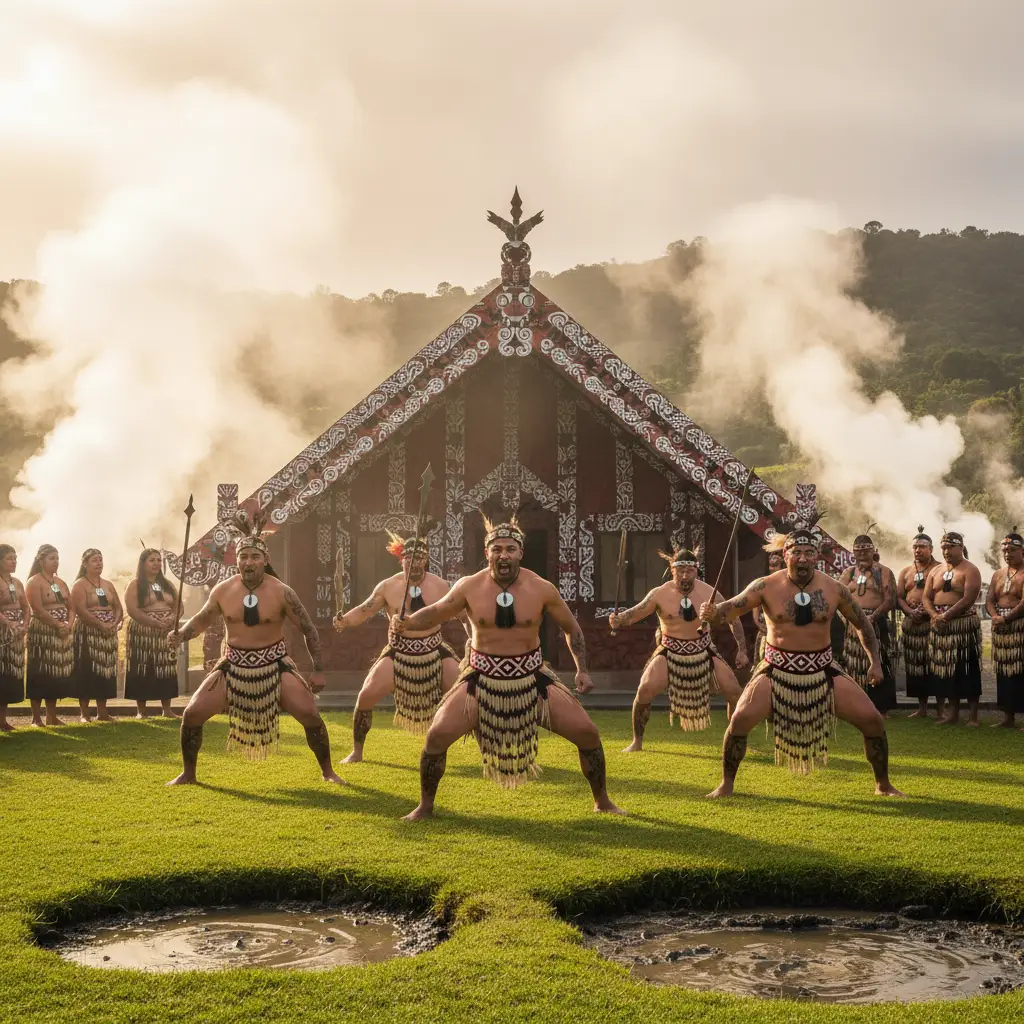
In recent years, the focus of New Zealand tourism has shifted towards a more inclusive, culturally safe model that honors the indigenous Māori worldview. This is particularly relevant when you book a Tekapo stargazing tour during the winter months. The rising of the star cluster Matariki (the Pleiades) marks the Māori New Year, a time of remembrance, celebrating the present, and looking to the future.
Understanding the Cultural Context
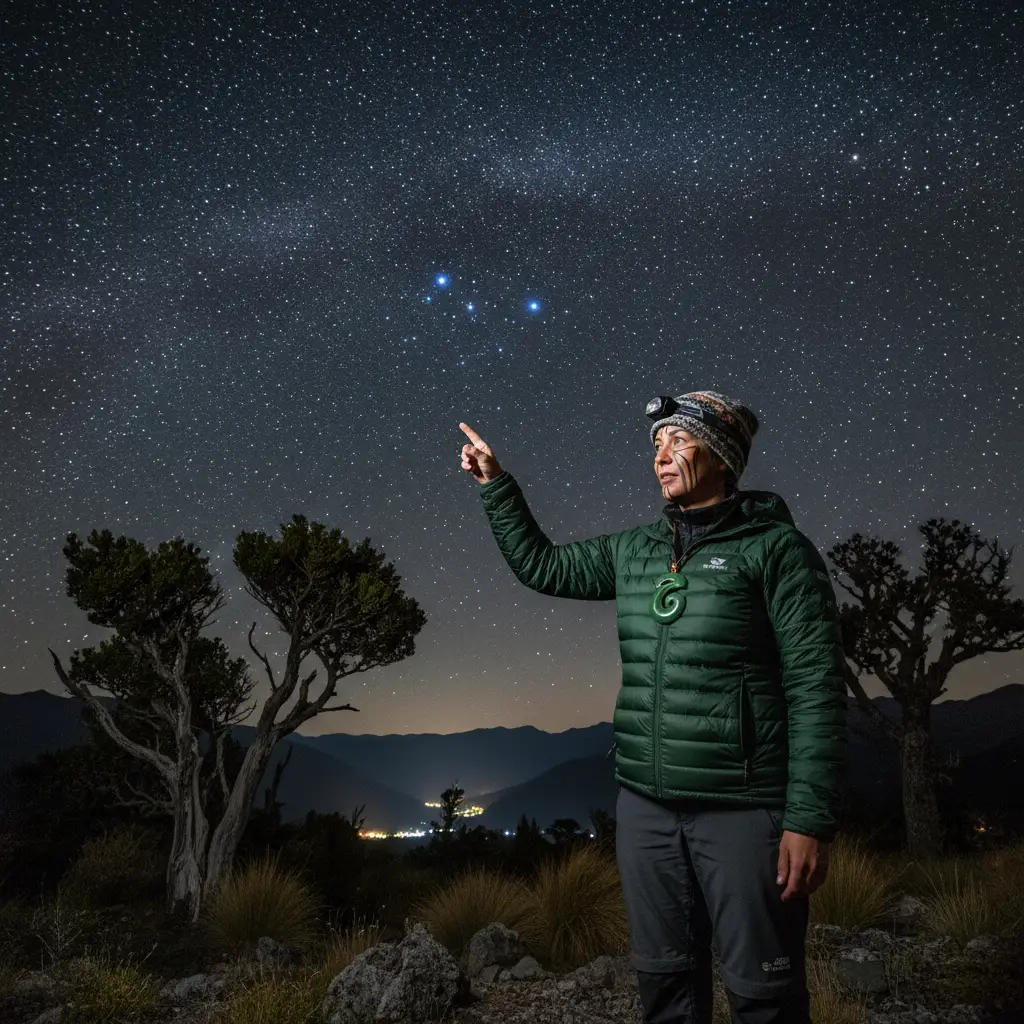
When participating in these tours, it is vital to understand that for Māori, the sky is not an empty void but the realm of Ranginui (the Sky Father). The stars were used for ocean navigation (wayfinding) to guide waka (canoes) across the Pacific to Aotearoa. Modern stargazing tours in Tekapo have integrated these narratives, offering a dual-perspective experience where scientific astronomy meets indigenous cosmology.
Cultural safety in this context means respecting the tapu (sacredness) of the environment. Visitors are encouraged to observe kaitiakitanga (guardianship) by minimizing their environmental footprint and respecting local protocols. When booking your tour, look for operators who explicitly mention cultural storytelling or Māori astronomy. This ensures that the information shared regarding Matariki and other celestial bodies is authentic and delivered with appropriate cultural authorization. This approach enriches the experience, transforming it from a visual spectacle into a deep cultural immersion.
Comparison: Mount John vs. Cowan’s Observatory
One of the most critical decisions you will make when you book a Tekapo stargazing tour is choosing the location. The two primary venues are the University of Canterbury Mount John Observatory and Cowan’s Observatory. Both offer exceptional views, but they cater to different needs and physical abilities.
Mount John University Observatory (Summit Experience)
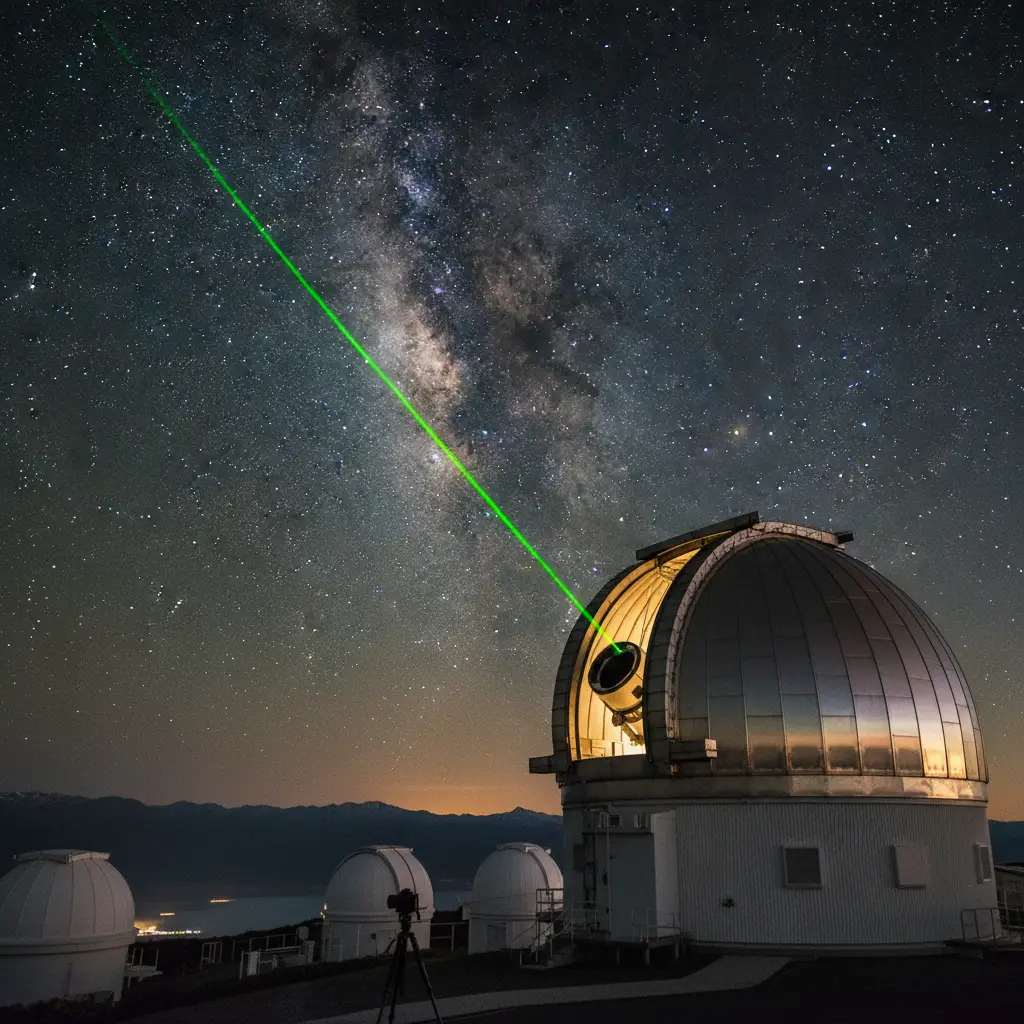
Mount John is the premier location for serious stargazers. Situated at the summit of Mount John, it hosts New Zealand’s largest telescopes, including the MOA telescope. Tours here are generally longer and offer a more technical deep-dive into astronomy.
- Elevation: 1,029 meters (3,376 ft), providing a 360-degree panoramic view above much of the low-lying atmospheric haze.
- Equipment: Access to 16-inch telescopes and often a look inside the research domes.
- Environment: Exposed to the elements. The wind chill can be severe, making it less suitable for young children or those sensitive to extreme cold.
- Best For: Photography enthusiasts, astronomy buffs, and adults seeking the ultimate dark sky experience.
Cowan’s Observatory (Sheltered Experience)
Cowan’s Observatory is located in a purpose-built crater closer to the township. While it sits at a lower elevation, the crater walls provide excellent shelter from the alpine wind, creating a more comfortable environment.
- Accessibility: Easier access with less travel time from the village center.
- Equipment: High-quality 14-inch telescopes that provide stunning views of planets and nebulae.
- Environment: The sheltered nature of the crater makes it significantly warmer and quieter than the summit.
- Best For: Families with children, groups who want a more relaxed experience, and those who prioritize comfort over altitude.
Booking Calendar and Peak Time Slots
Because the Aoraki Mackenzie Dark Sky Reserve is a global destination, demand frequently outstrips supply. Understanding the booking calendar is essential to avoid disappointment.
The Matariki Window (June – July)
The period surrounding the Matariki public holiday (typically late June or early July) is the absolute peak season for domestic tourism and cultural astronomy. If you intend to book a Tekapo stargazing tour during this window, you must secure your tickets 3 to 4 months in advance. This is winter in New Zealand, meaning the nights are longest, providing the earliest tour start times (as early as 6:00 PM).
Lunar Considerations
The phase of the moon drastically affects what you can see. Smart travelers check the lunar calendar before booking:
- New Moon: The sky is darkest. This is the best time for viewing the Milky Way, faint nebulae, and distant galaxies. These slots sell out first.
- Full Moon: The brightness of the moon washes out the fainter stars, but it offers spectacular views of the lunar surface and craters. Tours during the full moon often focus more on the moon itself and the brightest planets (Jupiter, Saturn).
Time of Night
Tours typically run from dusk until late. The “prime time” slots are usually between 9:00 PM and 11:00 PM. However, booking a later slot (1:00 AM or 2:00 AM) often yields a clearer sky as residual ground heat dissipates, and these slots are easier to secure last minute.
Mobile Ticket Integration and Check-In
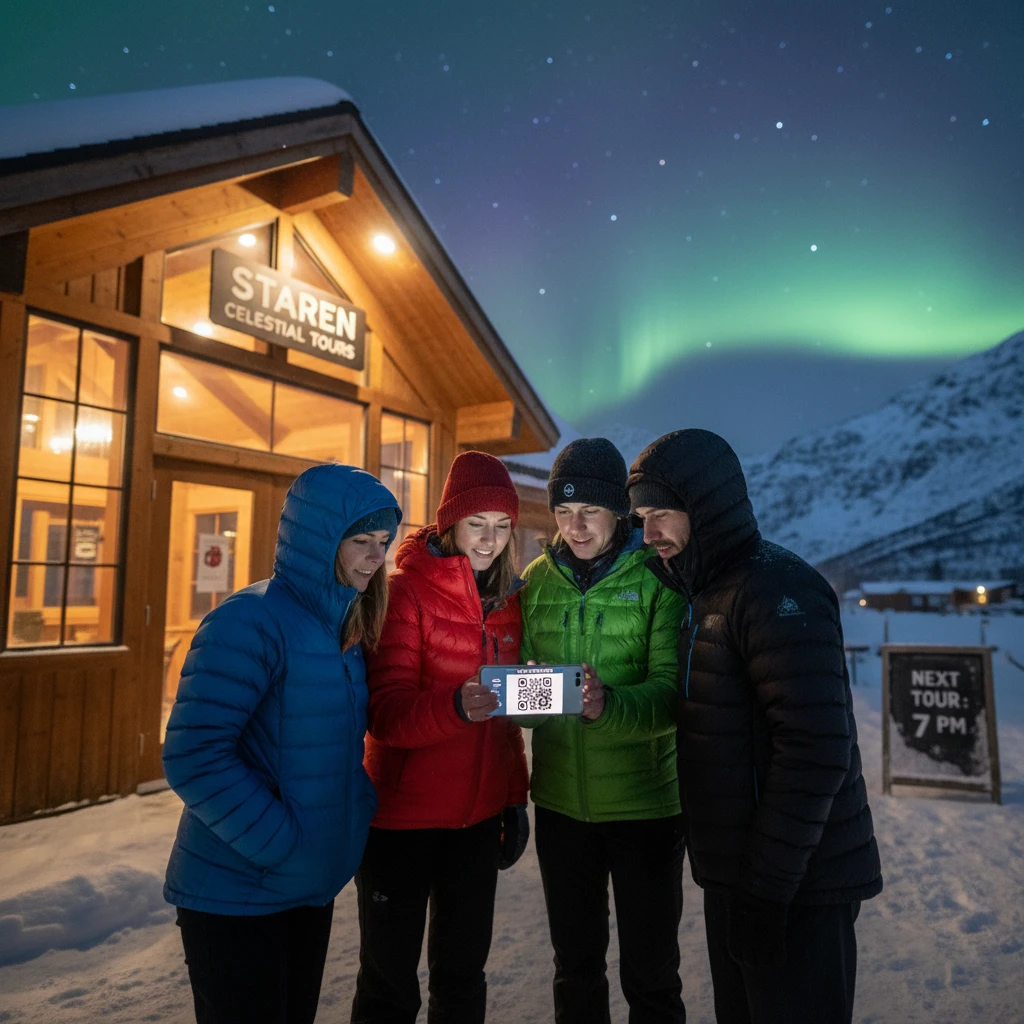
Modern tour operators in Tekapo have streamlined the check-in process through mobile integration. When you book a Tekapo stargazing tour online, you will receive a digital ticket, usually containing a QR code. It is highly recommended to save this to your Apple Wallet or Google Pay app immediately.
Upon arrival at the tour base (usually in the Tekapo township), you will need to present this mobile ticket. The integration allows for contactless check-in, which speeds up the boarding process for the shuttle buses that transport guests to the observatories. Note that connectivity can be spotty in the high country, so rely on offline-saved tickets rather than trying to load an email attachment at the check-in desk.
Cancellation Policies and Weather Contingencies
The most variable factor in stargazing is the weather. The Mackenzie Basin is known for its clear skies, but cloud cover can occur. Understanding the cancellation policy is a non-negotiable part of the transaction.
The “Cloudy Night” Scenario
If the sky is fully overcast, operators will not take you to the telescopes. Instead, most reputable companies offer two choices:
- Full Refund: You are refunded the full cost of the ticket. This is processed automatically to the card used for booking, usually taking 3-5 business days.
- Indoor Experience (Planetarium): Some operators, particularly at the Dark Sky Project base, offer an alternative indoor multimedia experience. This uses high-tech projection to simulate the night sky and includes the same educational content regarding science and Māori astronomy. This is often offered at a reduced rate compared to the outdoor tour.
Partially Cloudy Policies
If the sky is partially clear, the tour will likely proceed. Operators are experts at finding gaps in the clouds. However, if the weather turns mid-tour and visibility drops to zero, policies vary. Some operators offer a “guarantee” that allows you to re-book for free on a subsequent night, while others consider the tour complete if a certain amount of time was spent viewing. Always read the fine print regarding “partial visibility” before you book.
Preparing for the Alpine Environment
A successful stargazing experience requires physical preparation. Lake Tekapo is an alpine environment. In winter, temperatures at the Mount John summit can drop to -10°C (14°F) or lower, exacerbated by wind chill.
What is Provided?
Most top-tier tours include the use of an “ECW” (Extreme Cold Weather) jacket. These are heavy-duty, Antarctica-grade down jackets designed to keep you warm while standing still. They are sanitized between uses.
What You Must Bring
Despite the provided jacket, you must layer appropriately. When you book your tour, plan to wear:
- Thermals: Merino wool base layers are essential.
- Footwear: Sturdy, closed-toe shoes or hiking boots. The ground can be uneven and icy. Do not wear heels or open sandals.
- Accessories: A warm beanie (hat) and gloves are mandatory. You will be handling cold metal telescope parts or holding railings, so gloves are crucial for comfort.
- Red Light Torches: If you bring a flashlight, it must have a red light mode. White light destroys night vision (rhodopsin) instantly, taking up to 30 minutes to recover. Using a white light phone screen or flash is considered a breach of etiquette and can ruin the experience for the entire group.
People Also Ask
What is the best time of year for stargazing in Tekapo?
Winter (June to August) is the best time for stargazing in Tekapo. The nights are longest, the air is crisp and stable (providing better clarity), and the Galactic Core of the Milky Way is most visible. This also coincides with Matariki.
Do stargazing tours run in the rain?
No, stargazing tours do not run in the rain or heavy snow as the telescopes cannot be exposed to moisture and visibility is zero. In these cases, tours are cancelled, and you will be offered a refund or an indoor planetarium alternative.
Is Mount John or Cowan’s Observatory better?
Mount John is better for adults and photography enthusiasts wanting a research-grade experience with larger telescopes and higher altitude. Cowan’s Observatory is better for families, children, and those sensitive to cold, as it is more sheltered and accessible.
Can I see the Southern Lights from Lake Tekapo?
Yes, it is possible to see the Southern Lights (Aurora Australis) from Lake Tekapo, but it is not guaranteed. It depends on solar activity. The dark skies of the reserve make it one of the best places to see them if they are active.
What should I wear for a stargazing tour?
You should wear warm layers, including thermal base layers, long pants, sturdy closed-toe shoes, a beanie, and gloves. The tour operator typically provides a heavy heavy-duty down jacket, but your base layers are your responsibility.
How does Matariki affect stargazing availability?
Matariki creates extremely high demand for tours due to its cultural significance as the Māori New Year. Tours during the Matariki period (June/July) often sell out weeks in advance, so early booking is critical.